As a thermal break strip manufacturer with R&D experience since 2006, we know that production efficiency directly affects a customer’s profitability. Among all factors influencing efficiency, mold design stands out—it determines how fast, stably and cost effectively polyamide thermal break strips can be produced. Through our one stop service (co-developed with our mold manufacturing partner to build Polywell), we integrate optimized mold design with raw material production (twin screw granulation) and extrusion (single screw extruders), helping customers maximize production efficiency.
The flow channel inside the mold is the path for polyamide melt to form into thermal break strips—and its design directly impacts how fast the melt moves. A poorly designed flow channel with narrow sections or sharp corners creates high resistance, slowing down melt flow and reducing extrusion speed. Our optimized mold design uses a “gradual expansion” flow channel: starting from the mold inlet (connected to the single screw extruder), the channel width increases slightly along the flow direction, while all corners are rounded (radius ≥6mm). This reduces flow resistance by 30% compared to traditional molds, letting the melt move faster. For our glass fiber reinforced polyamide (made via twin screw granulation), this design also prevents fiber clogging—ensuring a continuous flow that keeps extrusion speed stable at 3-5m/min (20% higher than industry averages with poor mold design).
After the melt shapes into strips in the mold, it needs to cool quickly to maintain dimensions—and the mold’s cooling system controls this process. A mold with uneven cooling takes longer to solidify the strip, extending the production cycle. Our mold design includes a multi circuit cooling system: copper tubes (with high thermal conductivity) are embedded along the mold’s inner wall, arranged evenly to cover the entire strip cross section. The cooling water flows at a constant rate of 2-3L/min, and the temperature is controlled at 20-25°C. This ensures the strip cools uniformly and solidifies in 8-10 seconds (down from 15-20 seconds with single circuit cooling molds). Faster cooling cuts the overall production cycle, letting customers produce more strips per hour.
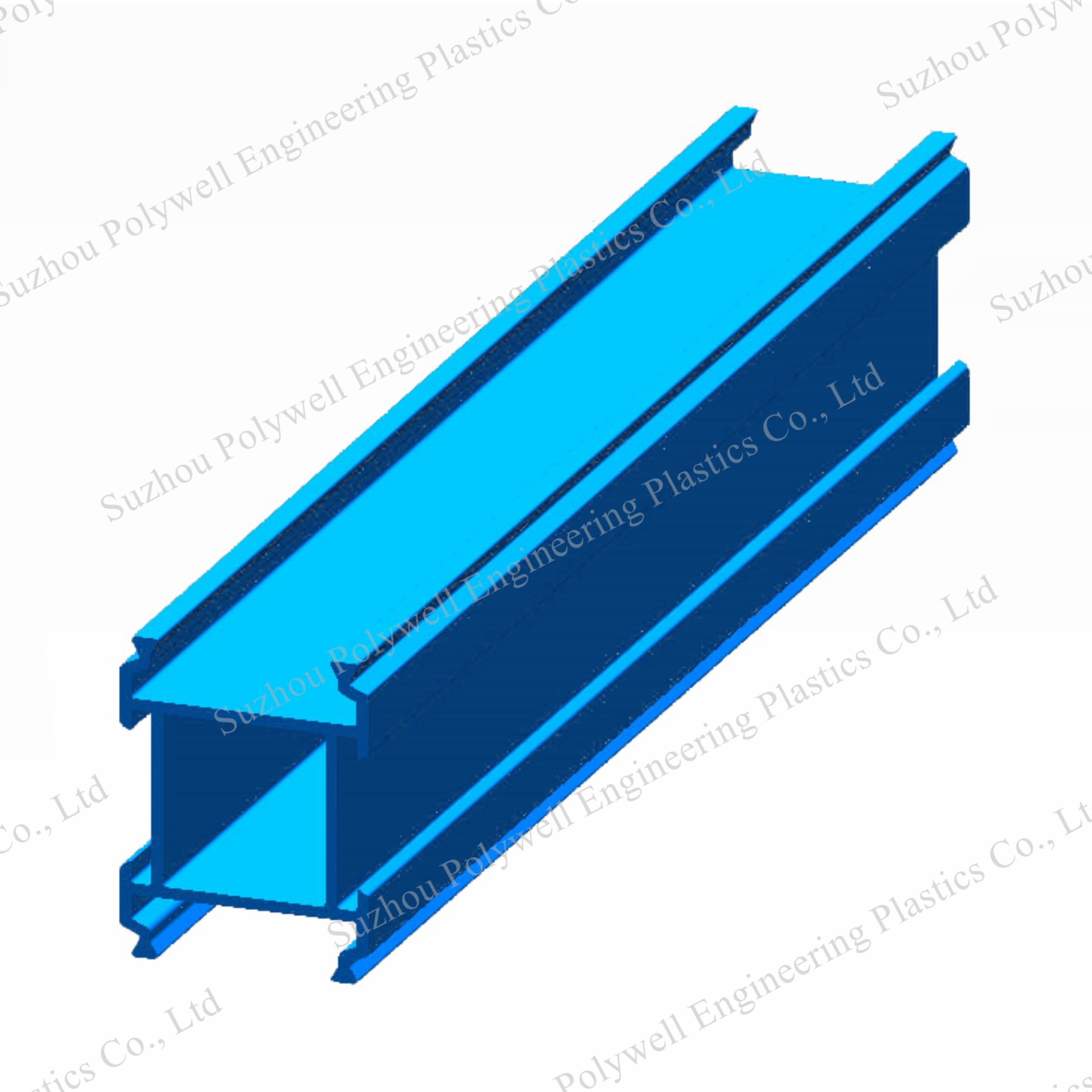
Thermal break strips require precise cross sectional shapes (e.g., T-shape, U-shape) to fit aluminum profiles. A mold with an imprecise cavity leads to strips that don’t meet shape requirements—these become scrap, wasting materials and time. Our mold design uses CNC machining to create cavities with a precision of ±0.02mm. For example, for a T-shaped thermal break strip (common in window frames), the mold’s cavity is designed with a “transition zone” between the main body and the T-branch, ensuring the melt fills both parts evenly. This precision reduces the scrap rate to ≤1% (industry average is 3-5%). As part of our one stop service, we also customize cavity designs based on customer needs—no matter the strip shape, our molds produce consistent, usable products, minimizing waste.
Frequent mold replacement due to wear stops production and increases costs. Mold design affects how long the mold lasts: soft materials or thin cavity walls wear out quickly, especially when processing glass fiber reinforced polyamide (which is abrasive). Our molds use H13 hot work steel (hardened to 50-52 HRC) for the cavity, and the surface is coated with titanium nitride (TiN) to enhance wear resistance. The cavity walls are also thickened by 2-3mm compared to standard molds, preventing deformation from long term use. This design extends the mold’s lifespan to 500,000-800,000 strips (double the lifespan of low quality molds). Fewer mold changes mean less production downtime—critical for maintaining high efficiency.
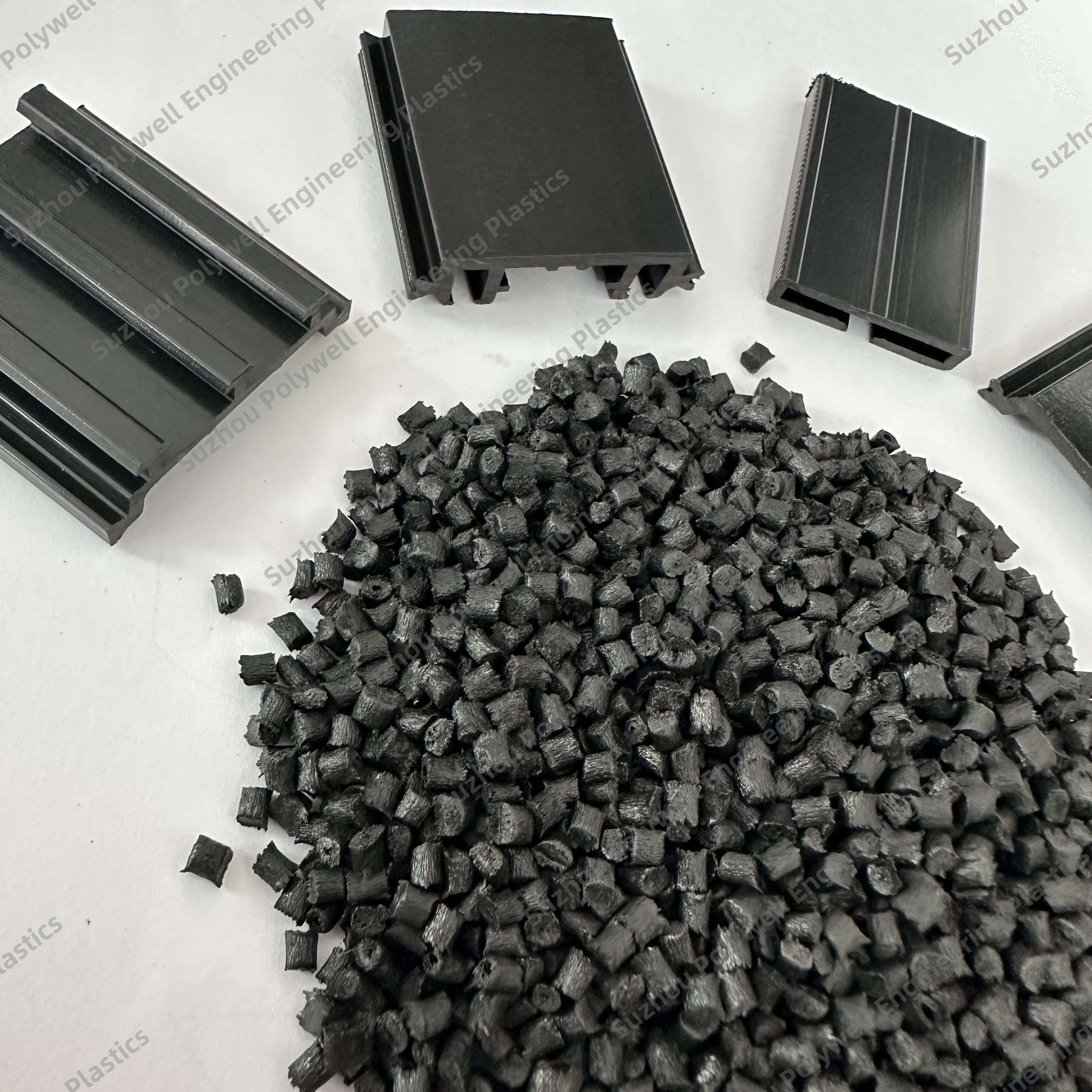
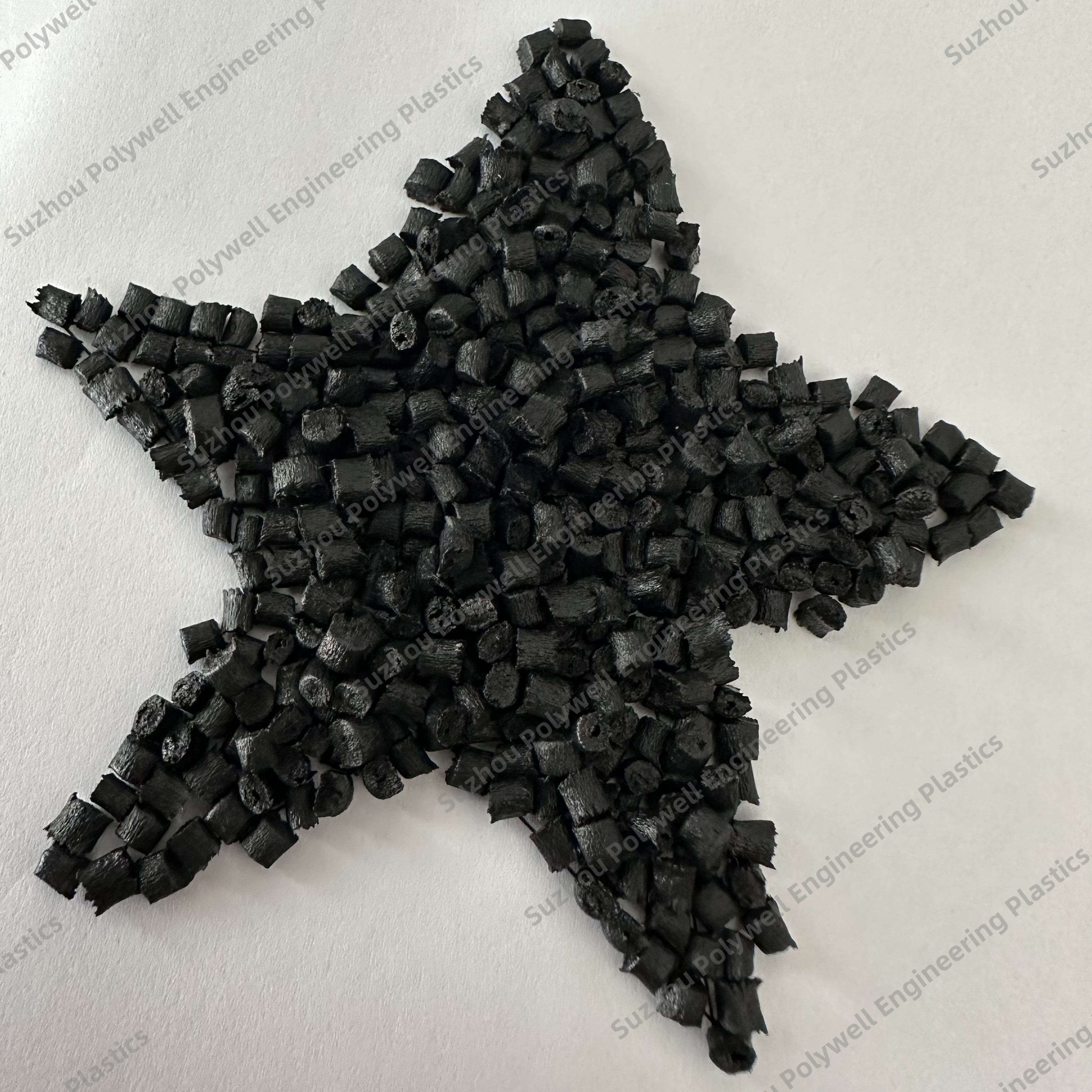
Our polyamide granules are made with twin screw extruders, which disperse glass fibers into the polymer to form a strong network structure. This uniform fiber distribution boosts strip quality—but only if the mold design doesn’t damage it. A mold with a narrow, rough flow channel would break the glass fiber network, leading to weak strips and increased scrap. Our mold’s smooth flow channel (surface roughness Ra ≤0.4μm) and gradual expansion design preserve the fiber network: the melt flows through the mold without shearing forces that break fibers. This not only keeps the strip strong but also ensures consistent melt flow—avoiding flow interruptions that slow down production.
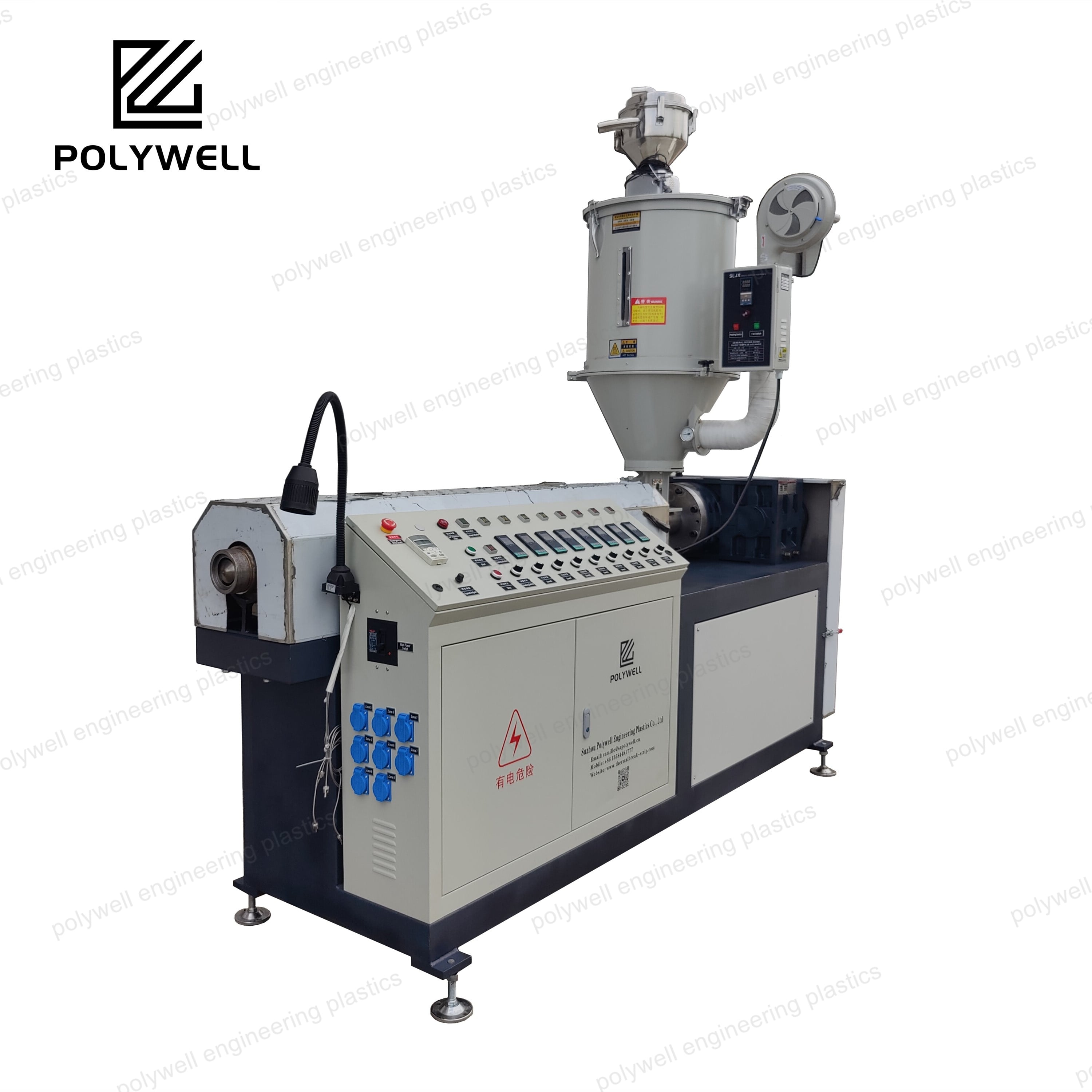
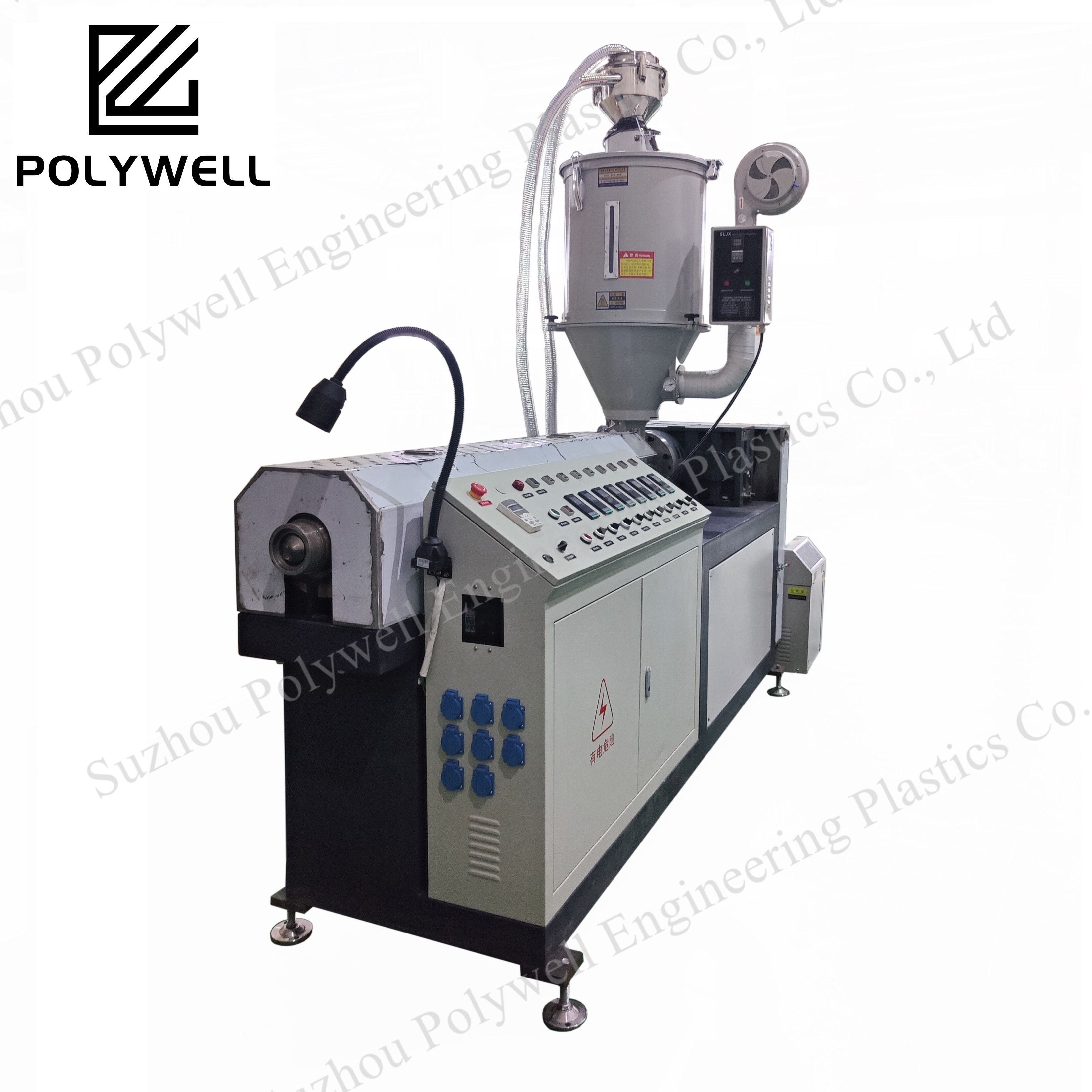
Remember: only single screw extruders can produce polyamide thermal break strips (twin screw extruders are for granulation). Our mold design is tailored to work with our single screw extruders’ output characteristics. Single screw extruders provide stable, continuous melt flow at a specific pressure (15-20MPa), so our molds are designed to handle this pressure range. The mold inlet diameter is matched to the extruder’s outlet (usually 30-40mm) to avoid melt backflow, which would cause production delays. We also add a pressure relief valve to the mold—if the extruder’s pressure spikes (due to temporary melt viscosity changes), the valve releases excess pressure, preventing mold damage and keeping production running. This synergy between mold and extruder eliminates compatibility issues that plague customers who source equipment from different suppliers.
As a one stop service provider, we don’t just sell standard molds—we develop molds based on each customer’s production needs. Our team (working with our mold manufacturing partner) analyzes factors like the customer’s single screw extruder model, desired strip shape and production speed, then designs a mold that fits perfectly. For example, if a customer wants to produce 25mm wide U-shaped strips at 4m/min, we adjust the mold’s flow channel size, cooling circuit layout and cavity shape to match. We also test the mold in our own production line before delivery—ensuring it meets efficiency and quality standards.
Our service doesn’t end with mold delivery. We provide customers with a maintenance plan: regular cleaning of the mold’s flow channel (to remove residual polyamide), inspection of the cooling system (to prevent blockages) and touch up of worn cavity surfaces (using precision grinding). If a customer faces efficiency issues (e.g., slower production speed), our engineers visit their site to check the mold—we may adjust the flow channel or cooling system to restore efficiency. We also train customers’ operators on mold care, helping them avoid common mistakes (like using harsh cleaning agents that damage the mold) that reduce efficiency.
For thermal break strip manufacturers, optimized mold design is the key to unlocking high production efficiency. Our combination of precision mold design, twin screw granulated polyamide, single screw extruders and one stop service creates a seamless production system—one that minimizes waste, speeds up production and reduces downtime. With 17 years of industry experience, we know how to design molds that don’t just shape strips, but shape a customer’s success.
 Hot News
POLYWELL specializes in PA66 thermal insulation strips, offering polyamide granules, extruders, molds, winding machines, and comprehensive one-stop customization services.
Jinfeng Town, Zhangjiagang City, Suzhou City, Jiangsu Province, China
Copyright © 2024 Suzhou Polywell Engineering Plastics Co.,Ltd Privacy Policy

 EN
EN