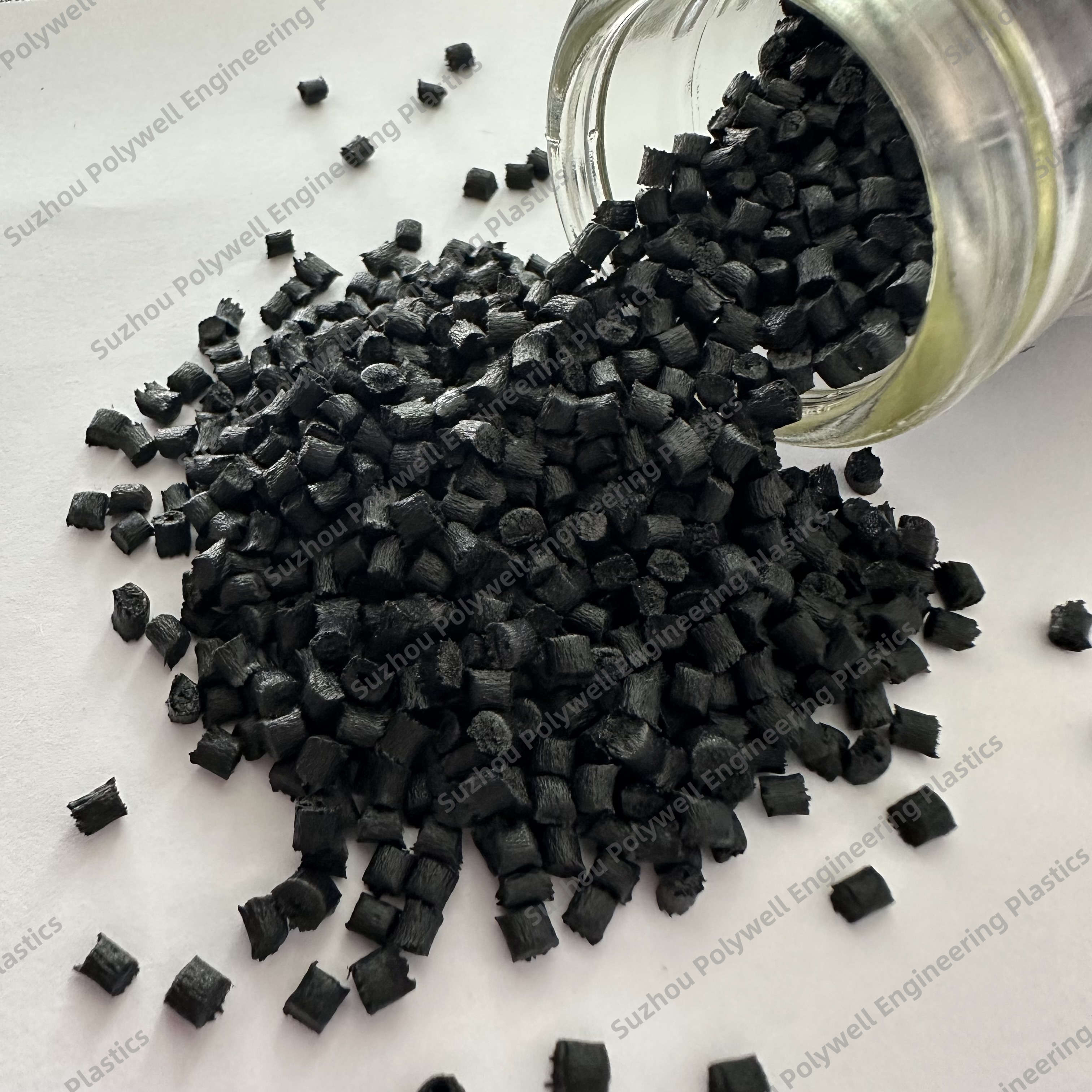
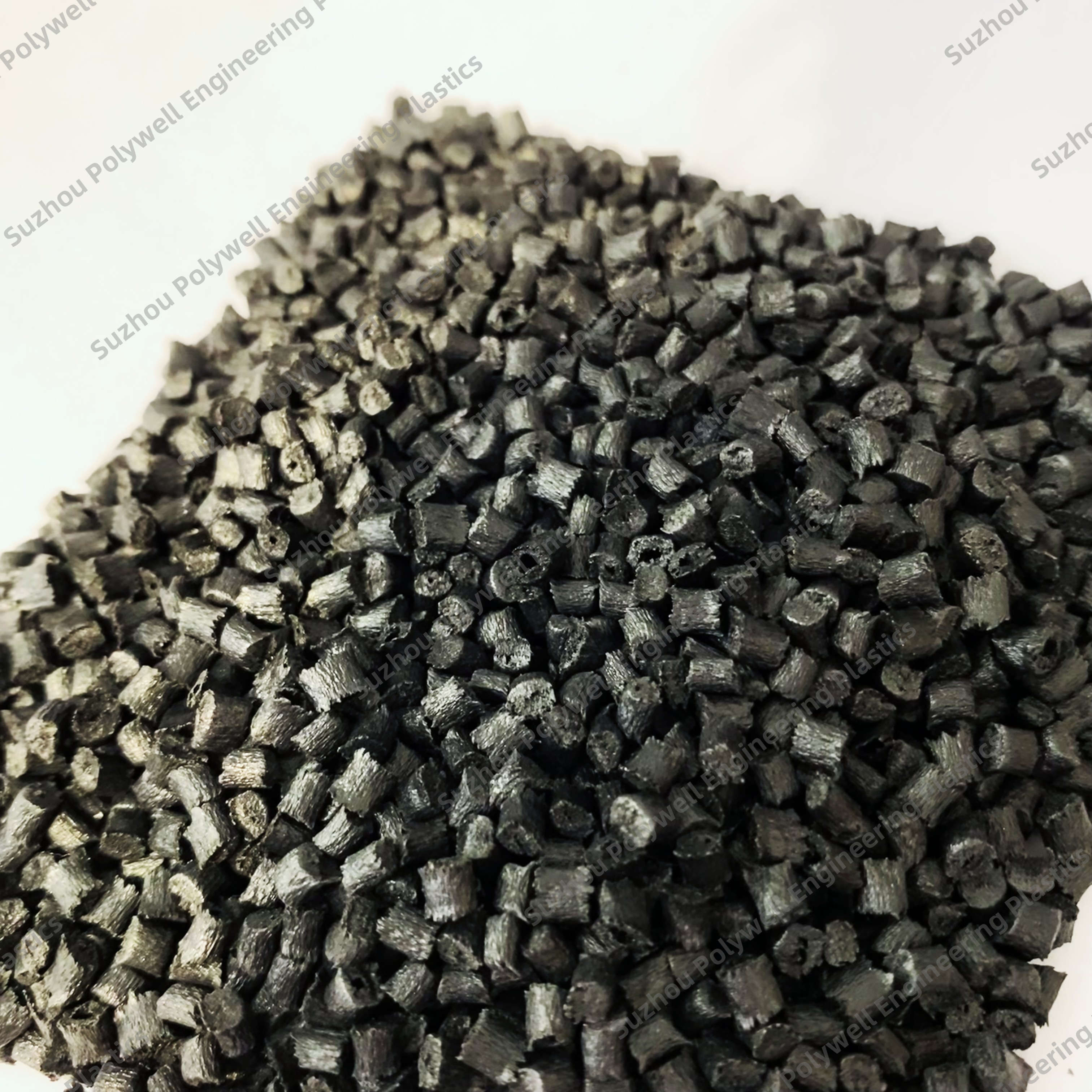
Polyamide thermal break strips are the core of window and door heat insulation systems, but their performance depends largely on the heat insulation materials paired with them. Mismatched materials can weaken the overall heat insulation effect, wasting the advantages of high-quality polyamide strips. As a thermal break strip manufacturer with R&D experience since 2006, we understand the art of material matching. Through our one-stop service—covering polyamide strip production, equipment supply and technical guidance—we help customers select the right heat insulation materials to maximize system efficiency.
A window or door’s heat insulation system is a whole: polyamide thermal break strips block heat transfer through aluminum frames, while paired heat insulation materials fill gaps and reinforce weak points. For example, without proper gap-filling materials, air leakage through frame joints can reduce the system’s heat insulation efficiency by 25% or more. Our 17 years of industry experience show that well-matched materials create a “seamless heat insulation barrier”—the strips handle metal-conducted heat, and the paired materials stop air-conducted and radiant heat, working together to meet strict energy-saving standards.
Poorly chosen heat insulation materials can damage polyamide strips or reduce their lifespan. Some low-quality foam materials release volatile chemicals that corrode polyamide, while rigid materials may press too hard on the strips, causing deformation. As a one-stop service provider, we prioritize compatibility: the materials we recommend not only enhance heat insulation but also protect the structural integrity of our polyamide strips. This avoids costly rework and ensures the system lasts for over 20 years.
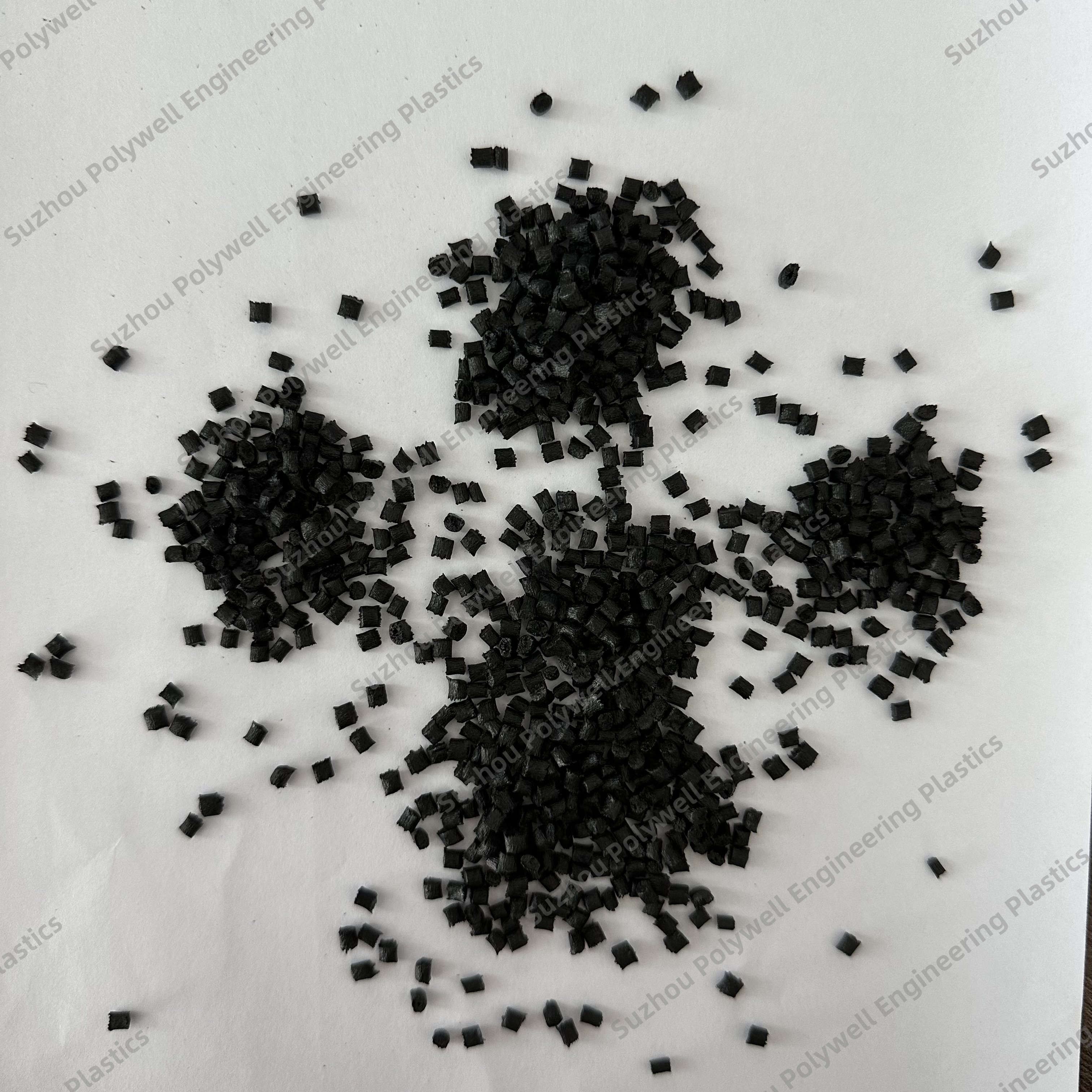
The most critical factor is matching the material’s thermal conductivity to polyamide strips. Our polyamide strips (made from twin screw-extruded granules) have a thermal conductivity of 0.3 W/(m·K)—so the paired heat insulation material should have a similar or lower value. Materials with higher thermal conductivity (e.g., some low-density fiberglass with 0.5 W/(m·K)) will create a “heat bridge” in the system. We recommend materials like closed-cell polyurethane foam (0.022-0.028 W/(m·K)) or aerogel felt (0.018-0.025 W/(m·K))—their low thermal conductivity complements the strips, blocking even minor heat transfer.
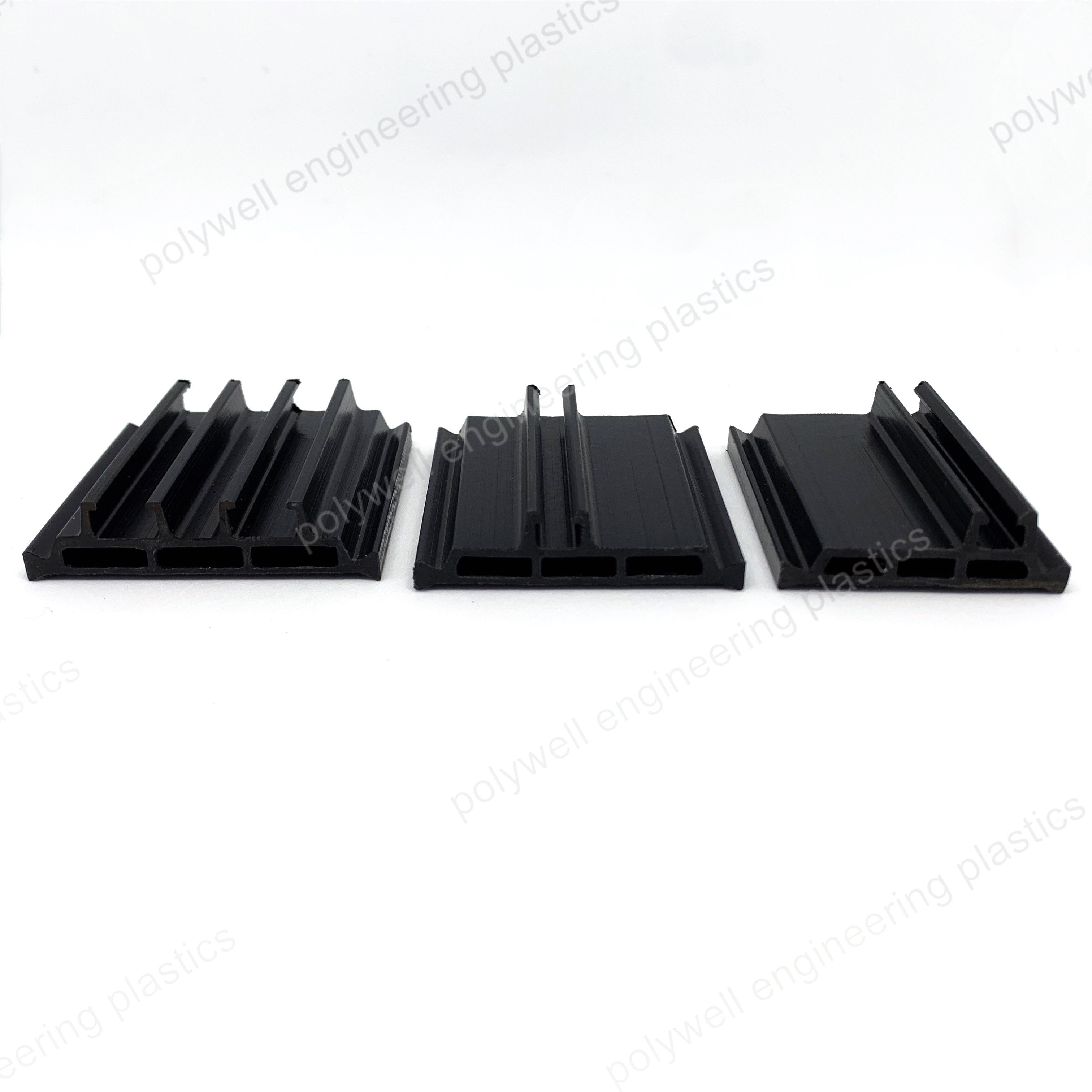
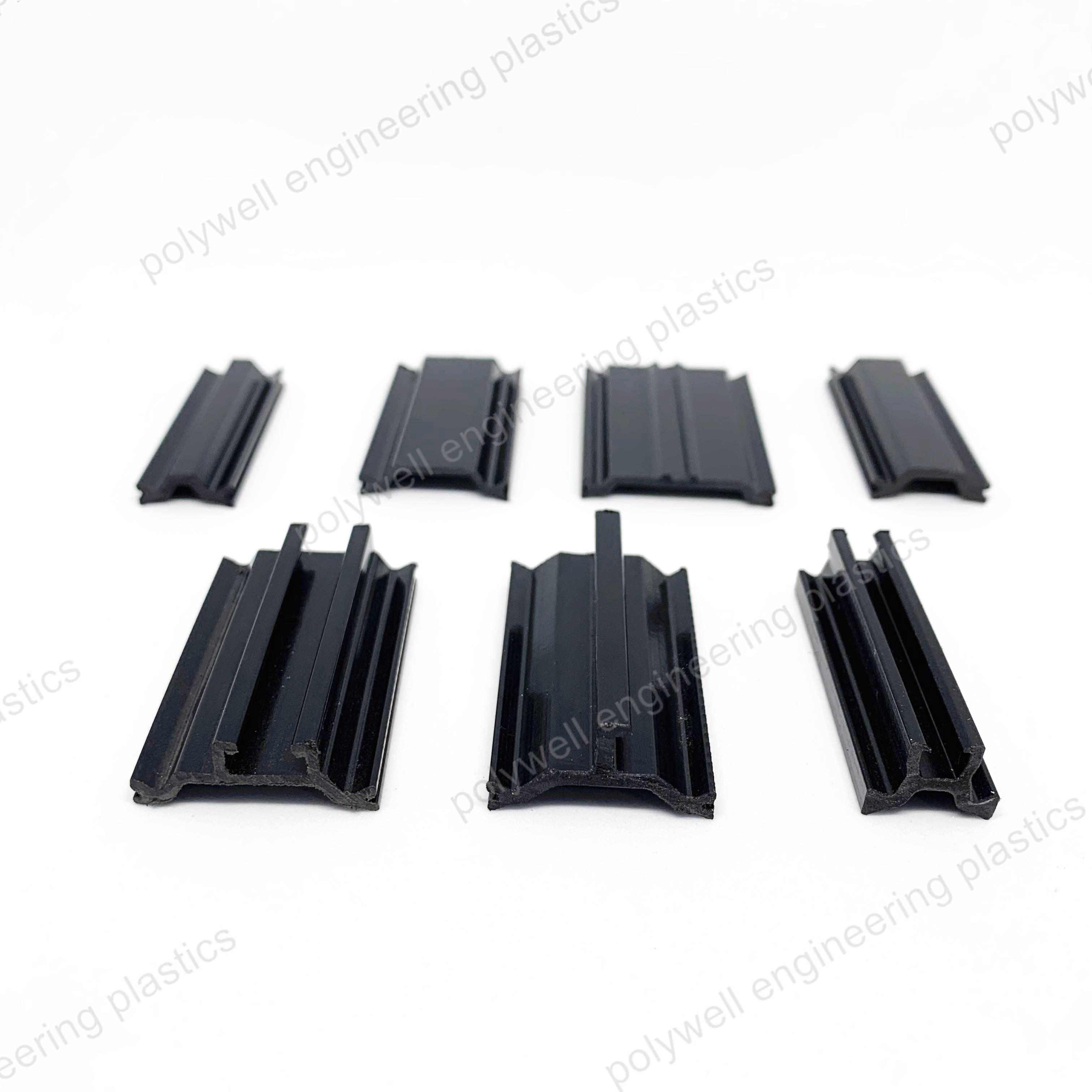
The material must fit the installation process and polyamide’s physical properties. Our polyamide strips are produced with single screw extruders (the only equipment for this task), ensuring precise dimensions (thickness 1.5-3mm, width 10-30mm). The paired heat insulation material should be easy to cut and shape to match these dimensions—for example, flexible polyurethane foam can be trimmed to fill gaps between strips and aluminum profiles, while rigid materials like extruded polystyrene (XPS) need pre-cutting to avoid pressing on the strips. Additionally, the material should resist moisture: polyamide absorbs minimal water (≤1.0% in 24 hours), so the heat insulation material should also have low water absorption (≤0.5%) to prevent mold growth and maintain heat insulation performance.
Heat insulation materials must withstand the same environmental conditions as polyamide strips. Our strips perform well in -40°C to 80°C, so the paired materials should have similar temperature resistance. For example, glass wool with a maximum temperature of 200°C is suitable, but some cheap foam materials may soften at 60°C, losing heat insulation ability. UV resistance is also key—materials used in exterior windows should block UV rays to avoid degradation. We test all recommended materials for 1000 hours of UV exposure and temperature cycling, ensuring they maintain heat insulation efficiency for long periods.
This is our top recommendation for gap filling. Its low thermal conductivity and flexibility make it ideal for pairing with polyamide strips. It expands slightly after application, filling even tiny gaps (as small as 0.1mm) between strips and aluminum frames, eliminating air leakage. As part of our one-stop service, we provide pre-cut polyurethane foam strips that match the width of our polyamide strips—customers don’t need to cut materials on-site, saving time. We also advise on application pressure: too much pressure can deform the polyamide strips, so we recommend using a manual dispenser set to 0.5-0.8 MPa.
For larger cavities in window frames, high-density glass wool (density 48-64 kg/m³) is a great choice. It has good sound insulation (a bonus for windows) and low thermal conductivity, and its fibrous structure doesn’t damage polyamide strips. Our twin screw-extruded polyamide granules have evenly dispersed glass fibers, so the strips are strong enough to support the weight of glass wool without bending. We supply glass wool cut to the exact size of common frame cavities, and our engineers guide customers on installation depth—ensuring the wool doesn’t block the strip’s contact with aluminum profiles (critical for heat insulation).
For high-end projects requiring ultra-high heat insulation, aerogel felt is perfect. Its thermal conductivity is the lowest among common materials, and it’s thin (2-5mm), so it doesn’t add bulk to the frame. It pairs well with our thin polyamide strips (1.5mm thick) for slim-window designs. Our one-stop service includes compatibility testing: we test aerogel felt with our strips under extreme temperatures (-40°C to 80°C) to confirm no chemical reactions occur. We also provide adhesive tapes designed for polyamide—aerogel bonding, ensuring the felt stays in place for years.
We don’t just sell polyamide strips—we help customers choose the right heat insulation materials. Our team analyzes the customer’s project needs (e.g., climate zone, window type, energy standards) and recommends materials accordingly. For example, in cold regions (like Northern Europe), we suggest aerogel felt for extra heat insulation; in humid areas, we prioritize moisture-resistant polyurethane foam. We also provide samples of both our polyamide strips and recommended heat insulation materials, letting customers test compatibility before bulk purchase.
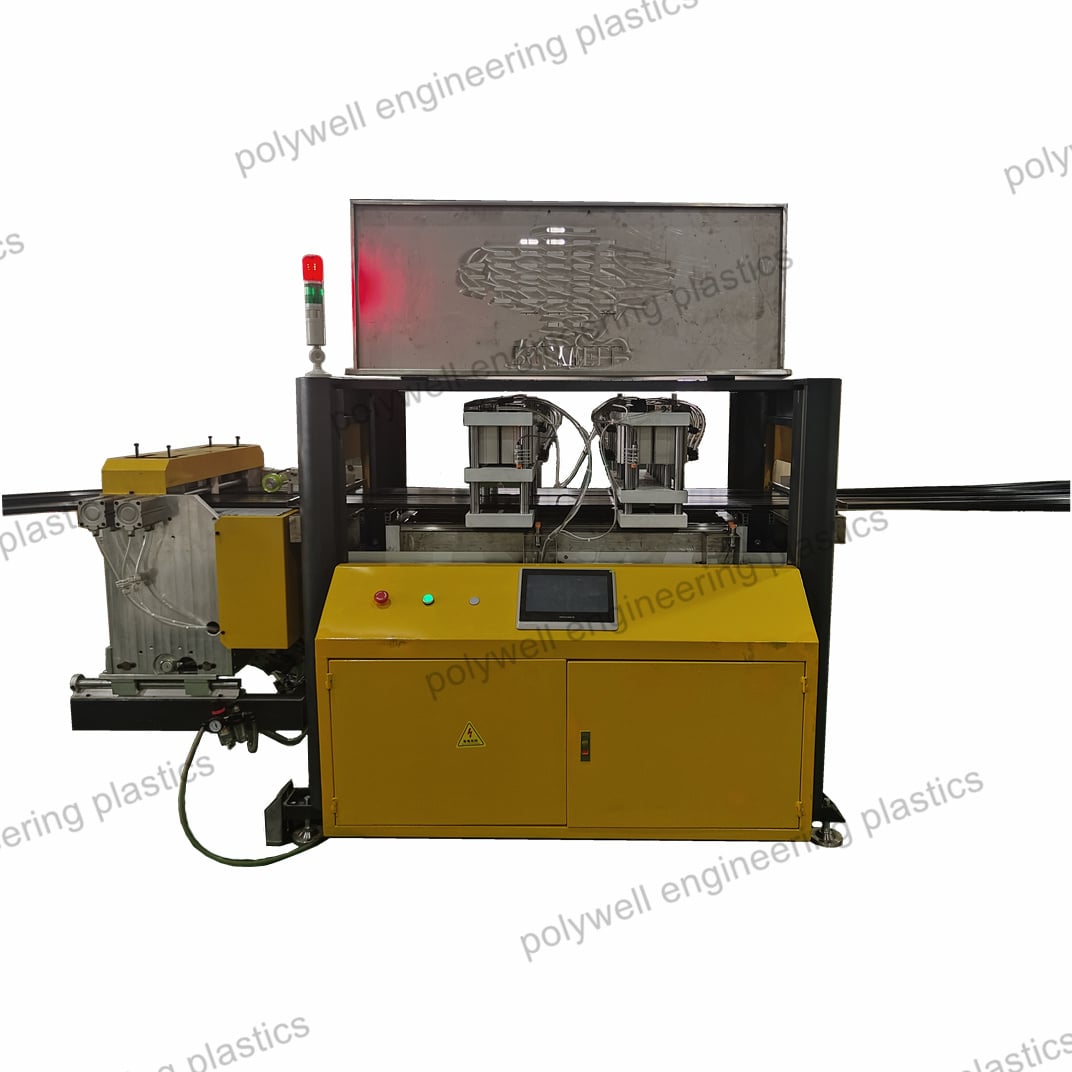
Our single screw extruders produce polyamide strips with consistent dimensions, and our molds are designed to work with common heat insulation materials. For example, our extrusion molds have a slightly rounded edge on the polyamide strips—this creates a small groove for polyurethane foam to adhere to, improving bonding. We also supply installation tools (like precision dispensers for foam) as part of our one-stop service, ensuring customers have everything needed for smooth installation.
To confirm the heat insulation effect of the paired materials, we offer on-site testing. Using a thermal imager, we check for heat leakage around the polyamide strips and paired materials—if there are hot/cold spots, we adjust the material placement or recommend a different heat insulation material. This ensures the final system meets the customer’s energy-saving goals.
Choosing the right heat insulation materials to pair with polyamide thermal break strips is not just about picking a low-conductivity material—it’s about creating a compatible, durable system. Our 17 years of R&D experience, twin screw granulation technology, single screw extrusion equipment and one-stop service make us the ideal partner for this task. We help customers every step of the way, from material selection to installation, ensuring their heat insulation systems perform at their best.
 Hot News
POLYWELL specializes in PA66 thermal insulation strips, offering polyamide granules, extruders, molds, winding machines, and comprehensive one-stop customization services.
Jinfeng Town, Zhangjiagang City, Suzhou City, Jiangsu Province, China
Copyright © 2024 Suzhou Polywell Engineering Plastics Co.,Ltd Privacy Policy

 EN
EN