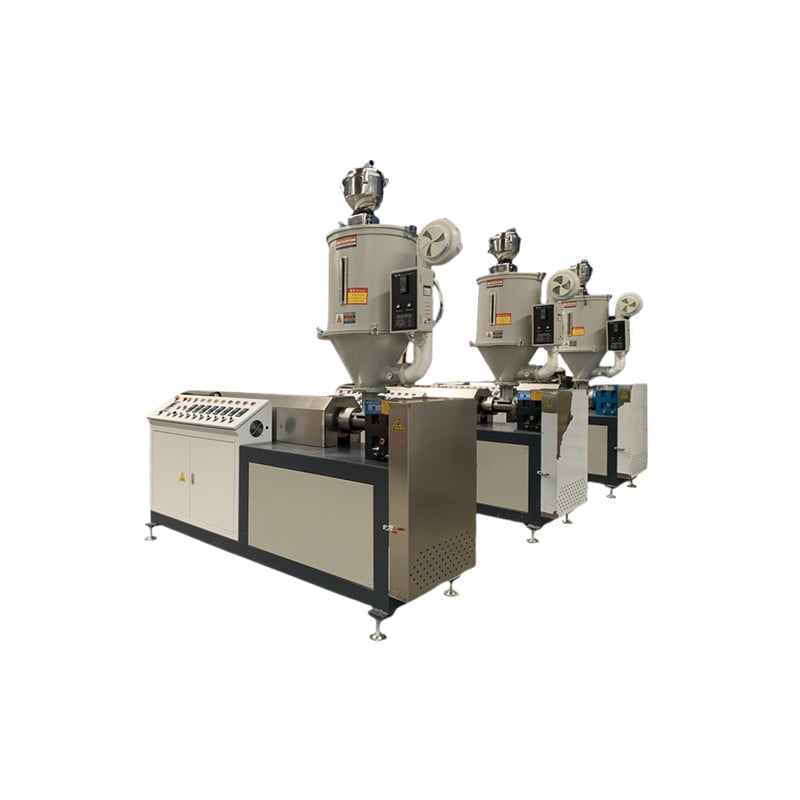
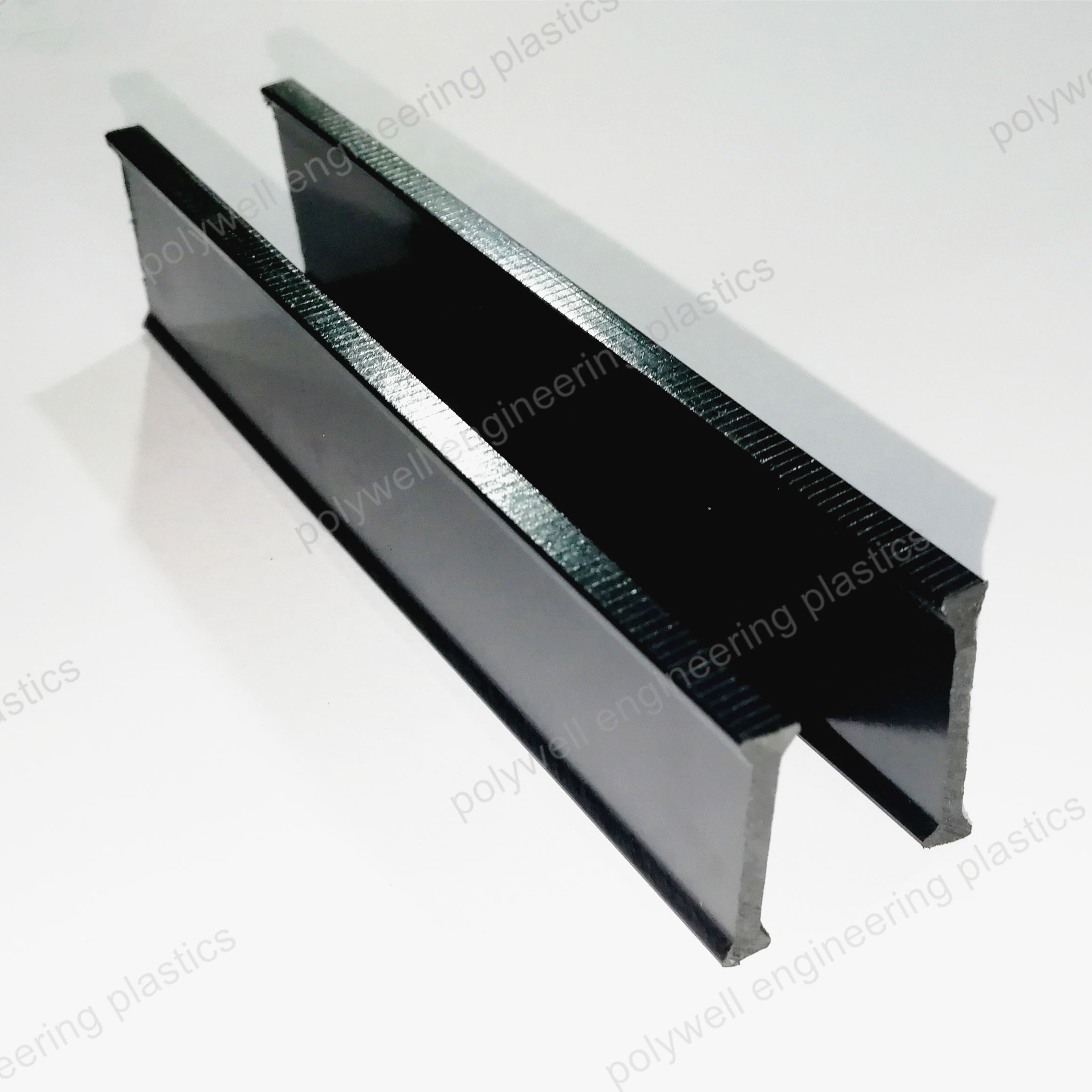
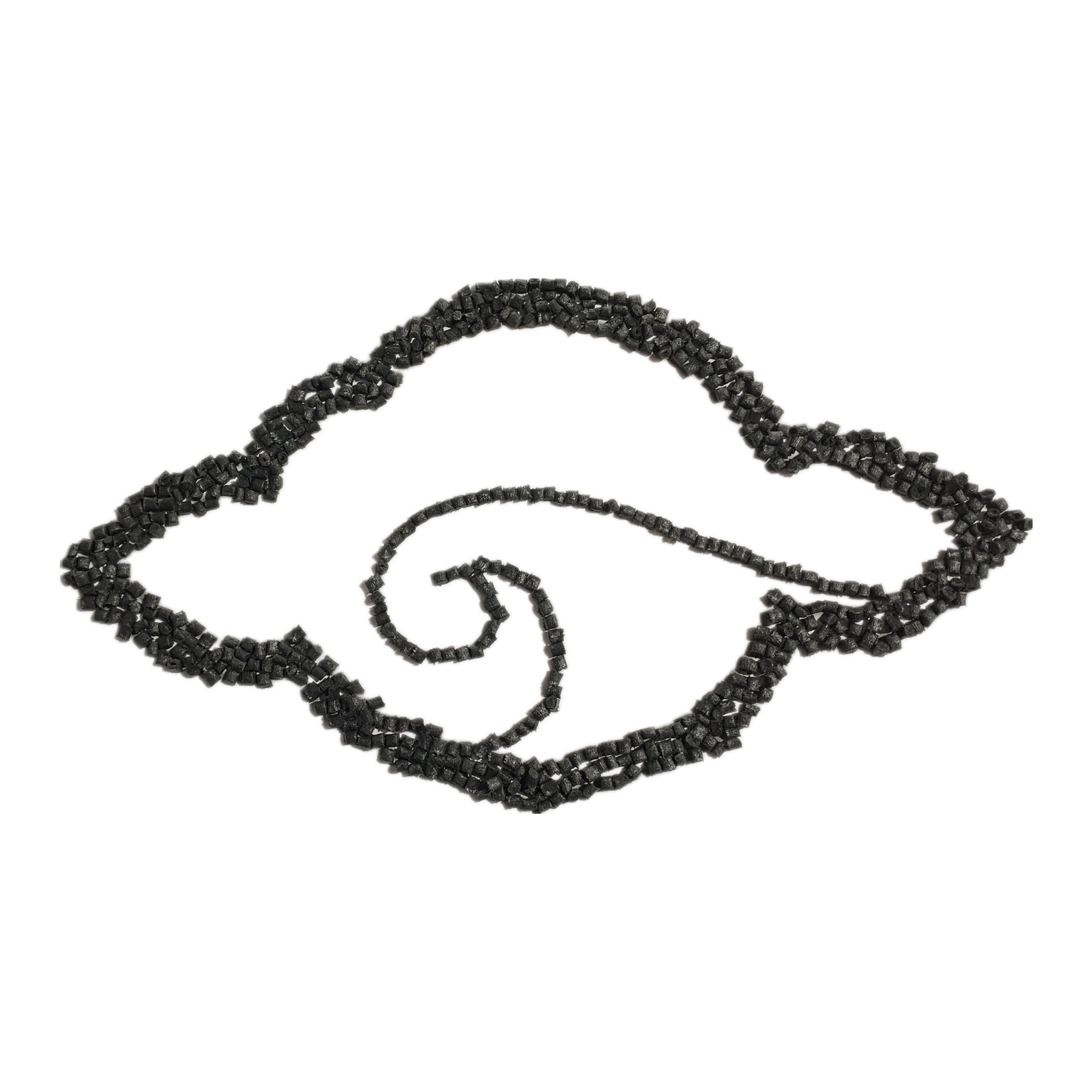
Temperature differences running the length of the barrel plus variations across its width lead to inconsistent polymer viscosity, which messes up melt homogeneity needed for good thermal break strips. When the feed zone gets too cold, it slows down the melting process. Meanwhile, if the metering section runs too hot, polymer chains start breaking down thermally. These temperature gradients cause all sorts of issues including uneven flow rates, strands that vary in thickness, and those annoying surface ripples everyone hates. According to some industry data out there, even small temperature swings of around 5 degrees Celsius can boost viscosity fluctuations by about 30%, making parts dimensionally unstable. Manufacturers have found that investing in accurate multi-zone heating systems combined with regular checks on barrel insulation helps keep these problematic temperature differences under control most of the time.
When there are temperature differences across the processing area, it creates different viscosity levels that lead to concentrated shear stress points where materials move at different rates. Cold areas around feed throats create higher resistance, which makes polymers stick to barrel walls more than they should. Meanwhile, hotter regions close to dies lower the viscosity locally, making the material rush forward too quickly before it's ready. These imbalances result in spiral flow patterns inside the system, separation between layers of material at interfaces, and ultimately weak bonding along fusion lines in finished extrusions. Thermal cameras show these small temperature variations can actually differ by as much as 15 to 20 degrees Celsius in equipment suffering from bad thermocouple readings or old heating elements. To keep things running smoothly during thermal break manufacturing, plant operators need to regularly check their sensors and adjust screw speeds according to what the thermal profiles indicate. Getting this right prevents those annoying flow separations that compromise product quality.
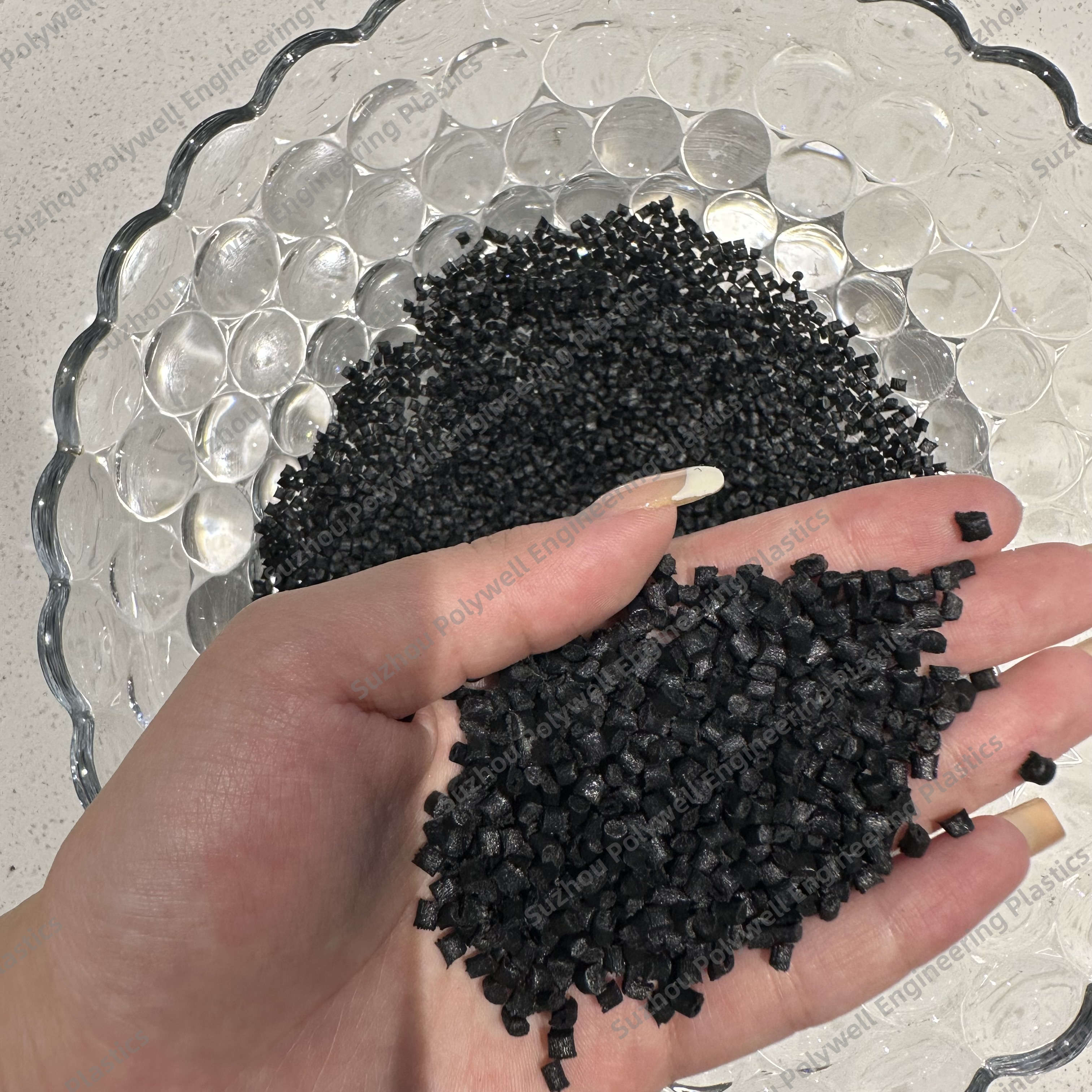
Materials such as hygroscopic resins including PA66-GF25 have a tendency to soak up moisture from the air when stored or handled before processing begins. Once these materials reach temperatures over 220 degrees Celsius inside the extruder, any hidden water turns to steam almost instantly, creating sudden pressure spikes that can go beyond 15 megapascals. This kind of rapid expansion messes with the consistency of the molten material flow, causing fluctuations in production output and making those thermal break strips come out with inconsistent dimensions along their length. To prevent this problem, manufacturers need to dry the resin pellets down to around 0.2 percent moisture content or lower before they start extruding. Regular testing through methods like Karl Fischer titration helps confirm proper drying levels, which in turn maintains consistent material viscosity throughout the process and delivers a more uniform melt stream across all batches.
When melting isn't complete, there are solid bits left behind that tend to move towards the cooler parts of the die wall because of how heat and pressure work together, creating what we call stratified flow. What happens next is pretty obvious when looking at the finished product - those spiral lines become visible on the surface of whatever gets extruded. If things cool down too fast, these layers start to separate at their interfaces. According to tests following ASTM D638 standards, this separation can actually cut down the strength of composite thermal break strips by anywhere between 40% to 60%. The good news? Manufacturers can fix this issue by adjusting the shape of screws used during processing to improve melting performance while keeping temperatures consistent across both axes. Getting this right means fewer problematic particles remain and everything mixes properly throughout the material.
Screws get worn down over time when abrasive materials and impurities work their way into the system. This gradual erosion changes the shape of the helix and makes it harder to move material through properly. When the wear gets bad enough, it throws off how heat is transferred throughout the process. Some areas might get too cold while others become dangerously hot spots, which leads to those annoying surface marks and inconsistent melting results. Most plants do micrometer checks around every 500 hours of operation to catch problems before they escalate. Switching to hardened steel screws instead of regular alloy ones can actually double the lifespan in some cases, keeping the melt quality consistent and cutting down on those frustrating unexpected shutdowns that waste so much production time.
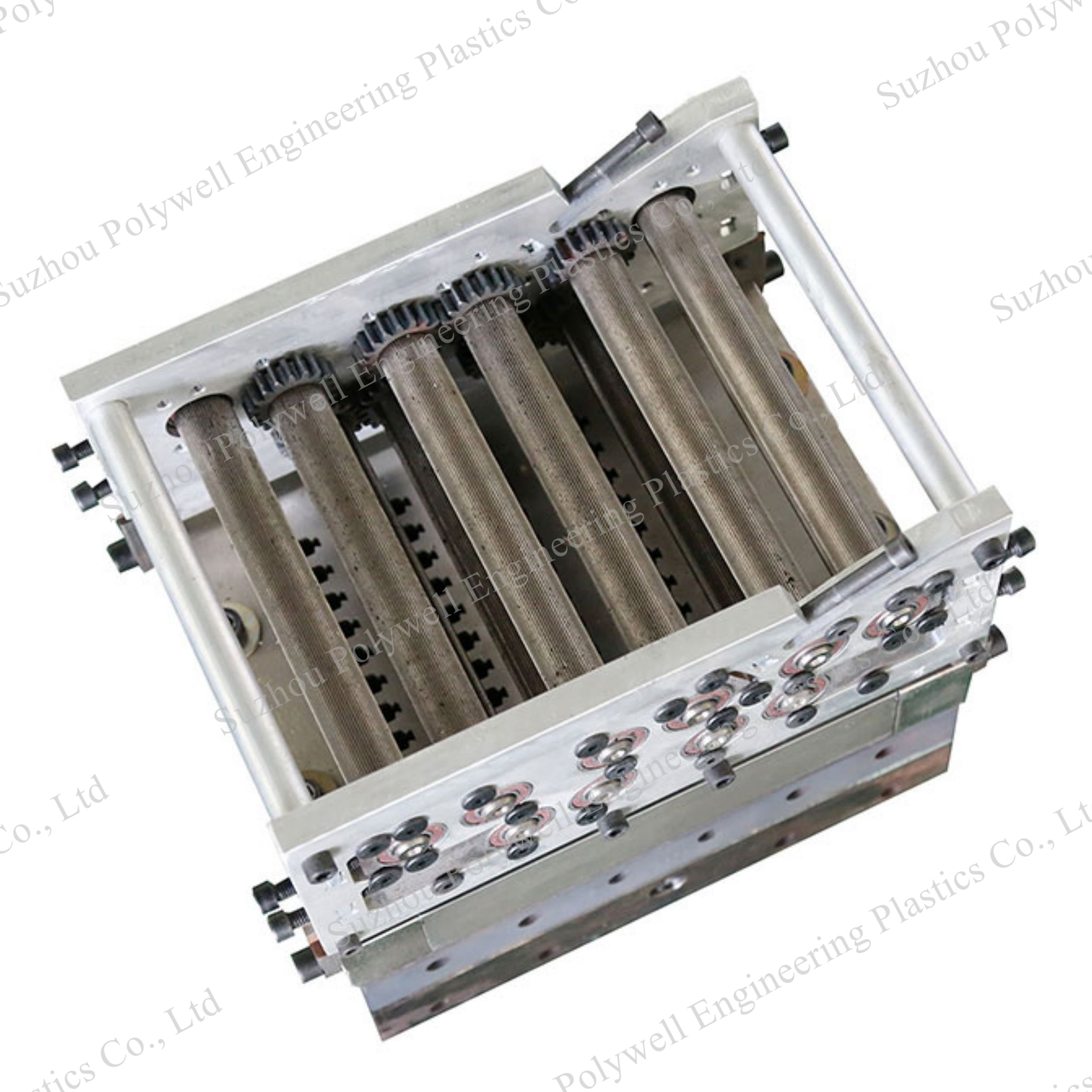
When dies become misaligned, the melt flow gets diverted in an uneven way. At the same time, if there's a mismatch between traction and extrusion speeds, this can either stretch or compress the middle part of the profile. These issues together tend to cause wall thickness variations that go beyond plus or minus 5% in thermal break strips. Fortunately, laser guided alignment tools along with properly synchronized drive systems can bring those deviations down to below 1%. Most manufacturers find it works best to implement regular calibration checks approximately every 50 production runs. They typically verify these calibrations using ultrasonic wall thickness measurements. This approach keeps dimensions within acceptable ranges and significantly cuts down on material waste over time.
Thermal imbalance causes uneven polymer viscosity, leading to inconsistent melt homogeneity, which affects the quality of the final product.
Moisture absorption leads to steam-induced surging when exposed to high temperatures, causing sudden pressure spikes and inconsistent product dimensions.
Adjusting the screw shapes used in processing can improve melting performance, reducing the presence of unmelted particles and ensuring consistent mixing.
Common issues include screw wear, die misalignment, and traction-extrusion speed mismatch, all of which can lead to inconsistencies in product output.
 Hot News
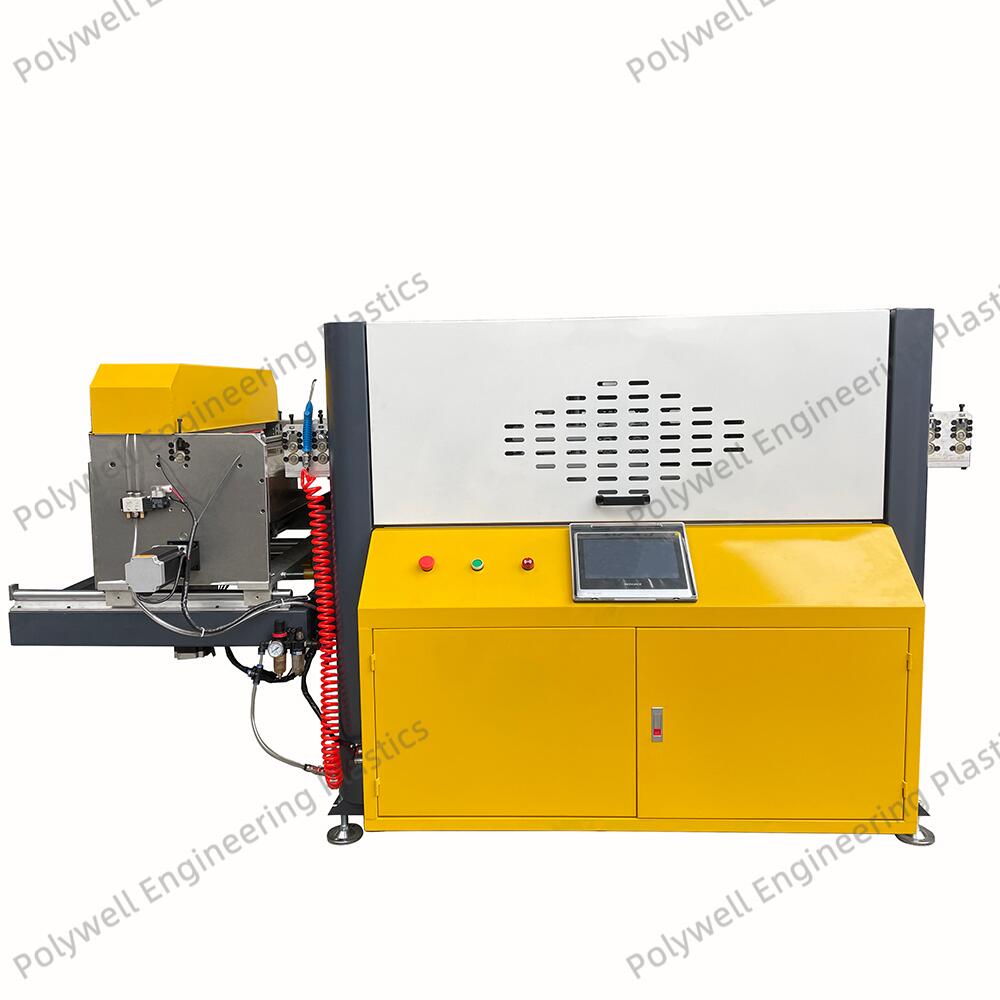
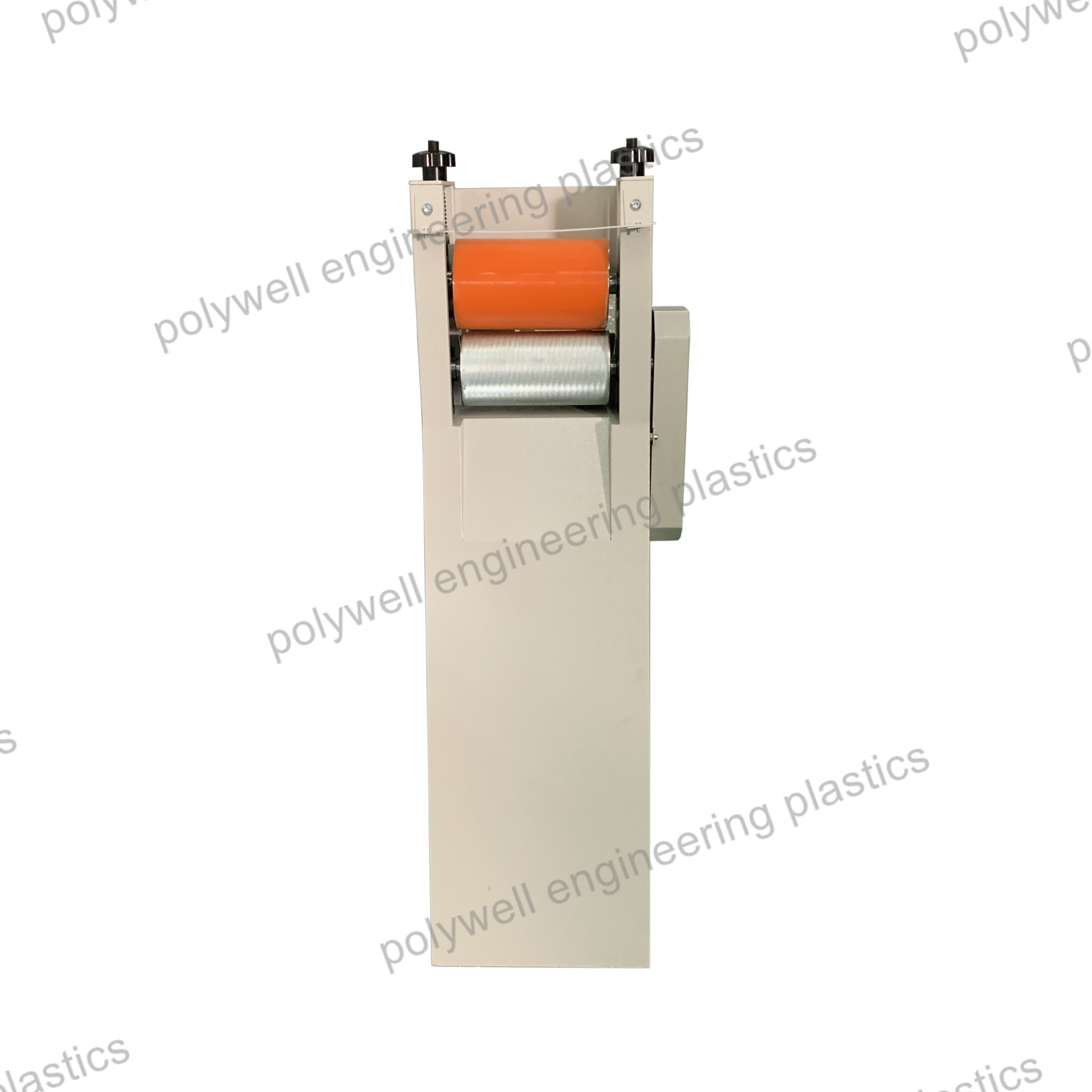
POLYWELL specializes in PA66 thermal insulation strips, offering polyamide granules, extruders, molds, winding machines, and comprehensive one-stop customization services.
Jinfeng Town, Zhangjiagang City, Suzhou City, Jiangsu Province, China
Copyright © 2024 Suzhou Polywell Engineering Plastics Co.,Ltd Privacy Policy

 EN
EN