As a thermal break strip manufacturer with over 19 years of experience—starting R&D on special thermal break strip materials in 2006 and expanding from China’s domestic market to global operations—we understand that every link in the production chain impacts final product quality. A critical yet often overlooked link is the extrusion die: upgrading it effectively requires more than just replacing old equipment. It demands alignment with material performance, extruder compatibility, production needs, and long-term service support. Below are key factors to guide your extrusion die upgrade, tailored to the realities of polyamide thermal break strip manufacturing.
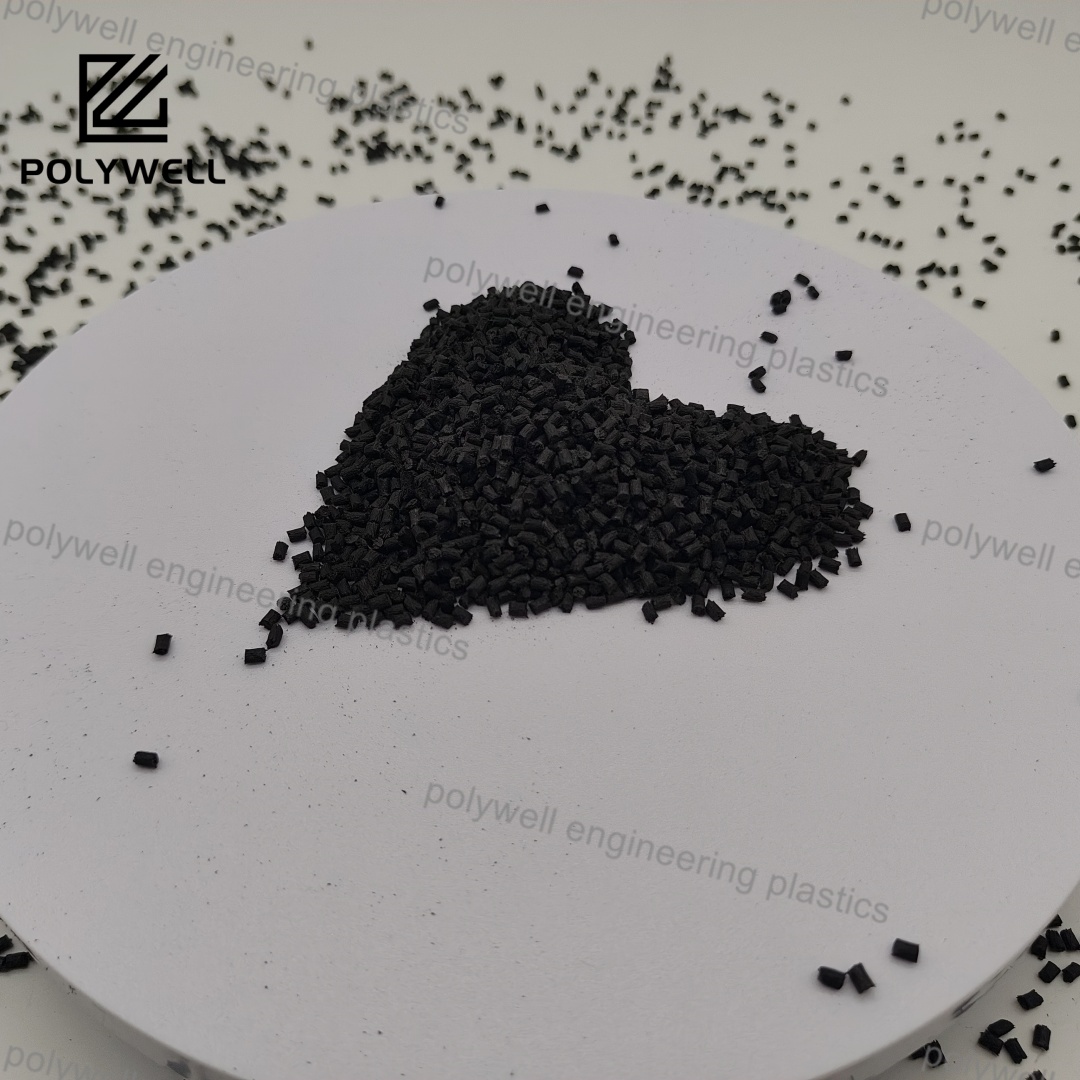
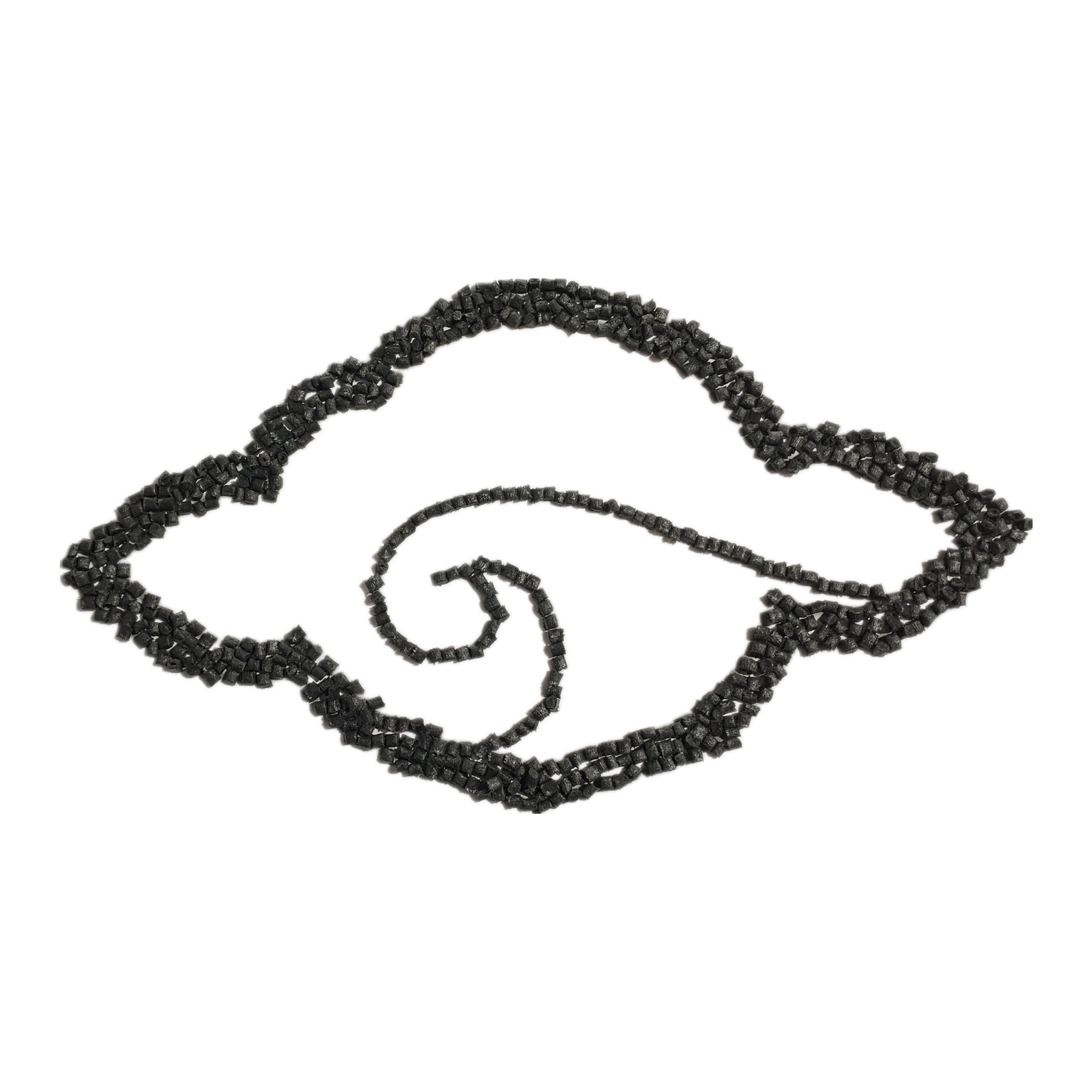
The first rule of upgrading an extrusion die is ensuring it works seamlessly with your raw materials—especially the polyamide granules that form the core of thermal break strips. For us, this starts with our dual-screw granulation technology: unlike single-screw systems, dual-screw extruders excel at granulation by using two interlocking screws to evenly disperse glass fibers into the polyamide matrix. This creates a network like fiber distribution that boosts granule strength, heat resistance, and consistency.
Why does this matter for the extrusion die? A poorly mixed granule—with clumped glass fibers—causes uneven pressure inside the extrusion die, leading to die wear, inconsistent strip profiles, and even die blockages. When upgrading your extrusion die, verify that its flow channel design (e.g., smoothness, cross-sectional shape) matches the properties of high-quality, dual-screw-produced granules. Our one-stop service includes supplying these optimized granules alongside the extrusion die, ensuring material-die compatibility from day one—no need to source from multiple vendors.
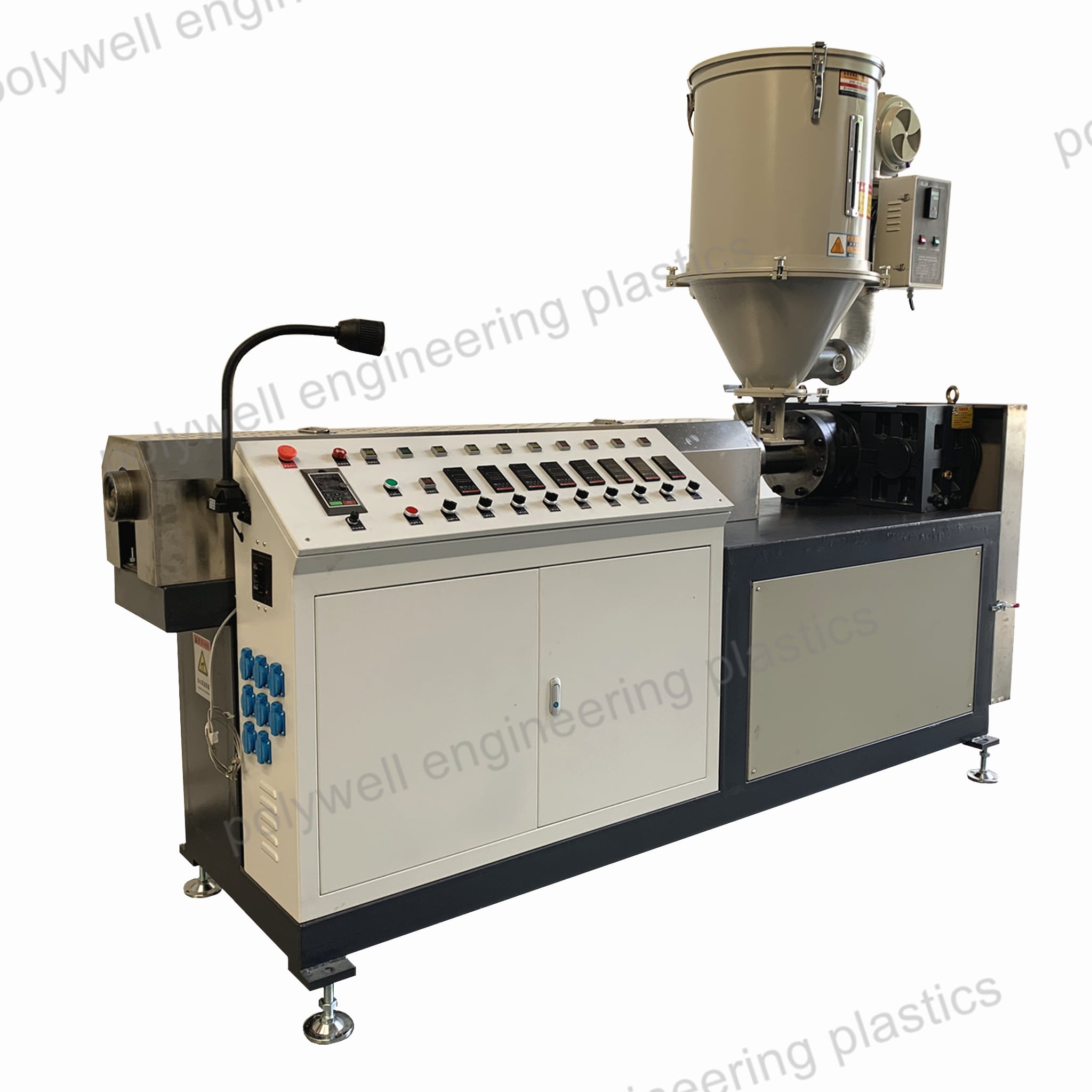
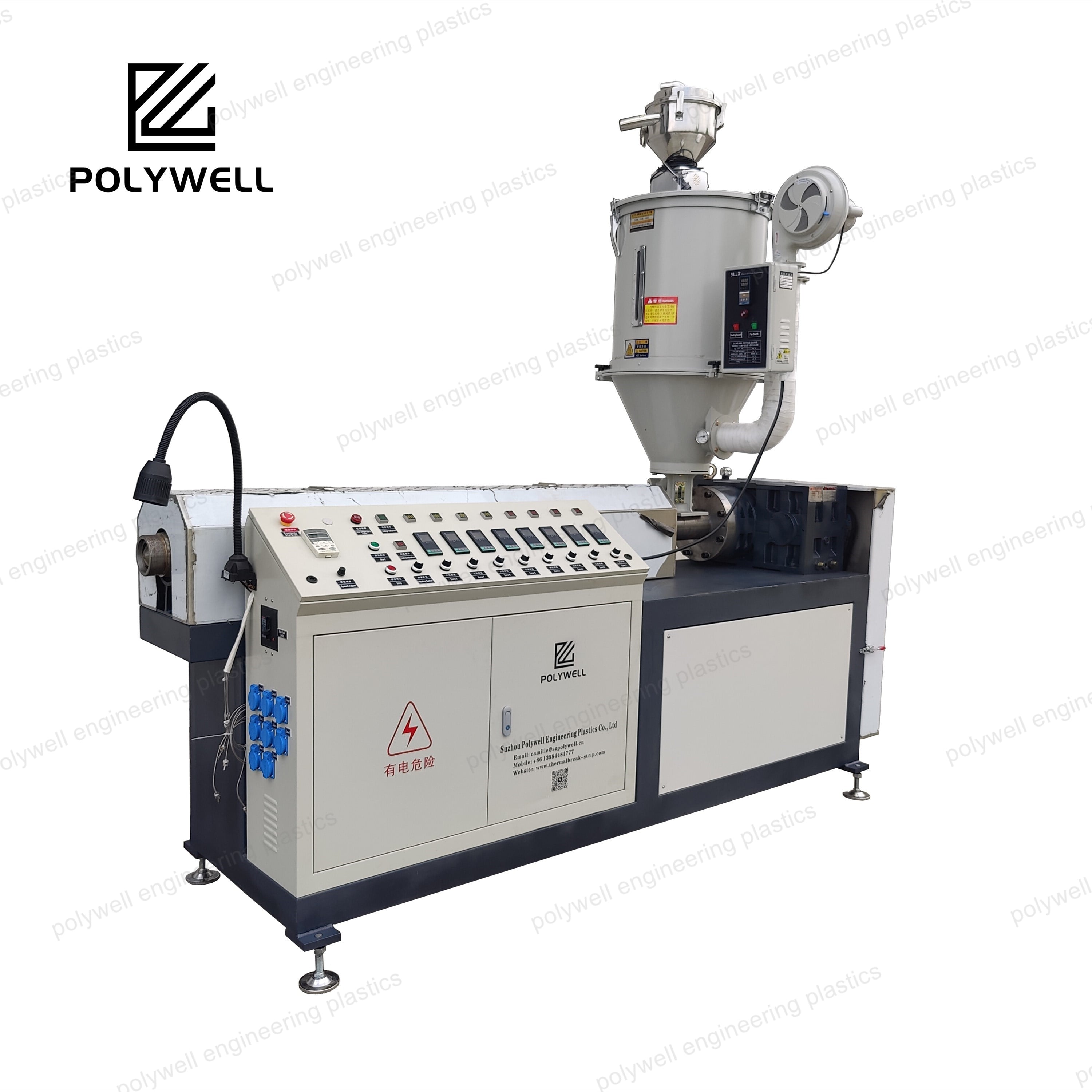
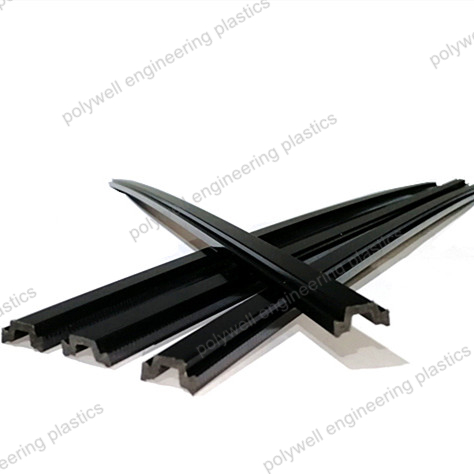
A common misconception in thermal break strip production is assuming dual-screw extruders can replace single-screw ones for final strip extrusion. In reality, dual-screw extruders are ideal for granulation (as we use them), but only single-screw extruders can produce polyamide thermal break strips—their gentle, consistent pressure ensures the polyamide retains its structural integrity during shaping. This means your extrusion die upgrade must be tailored to single-screw extruder specifications.
When selecting a new extrusion die, check its compatibility with your single-screw extruder’s parameters: screw speed, extrusion pressure, and melt flow rate. For example, a die with a narrow flow channel may not work with a high-speed single-screw extruder, as it could cause excessive pressure buildup. As part of our one-stop service, we provide extrusion dies pre-matched to our single-screw extruders—eliminating the guesswork and ensuring smooth integration into your production line.
Thermal break strips play a vital role in window and door insulation, so their dimensional accuracy (e.g., thickness, width, straightness) is non-negotiable. The extrusion die is the primary factor determining this precision: even minor flaws in the die’s cavity or exit port can lead to strips that fail industry standards.
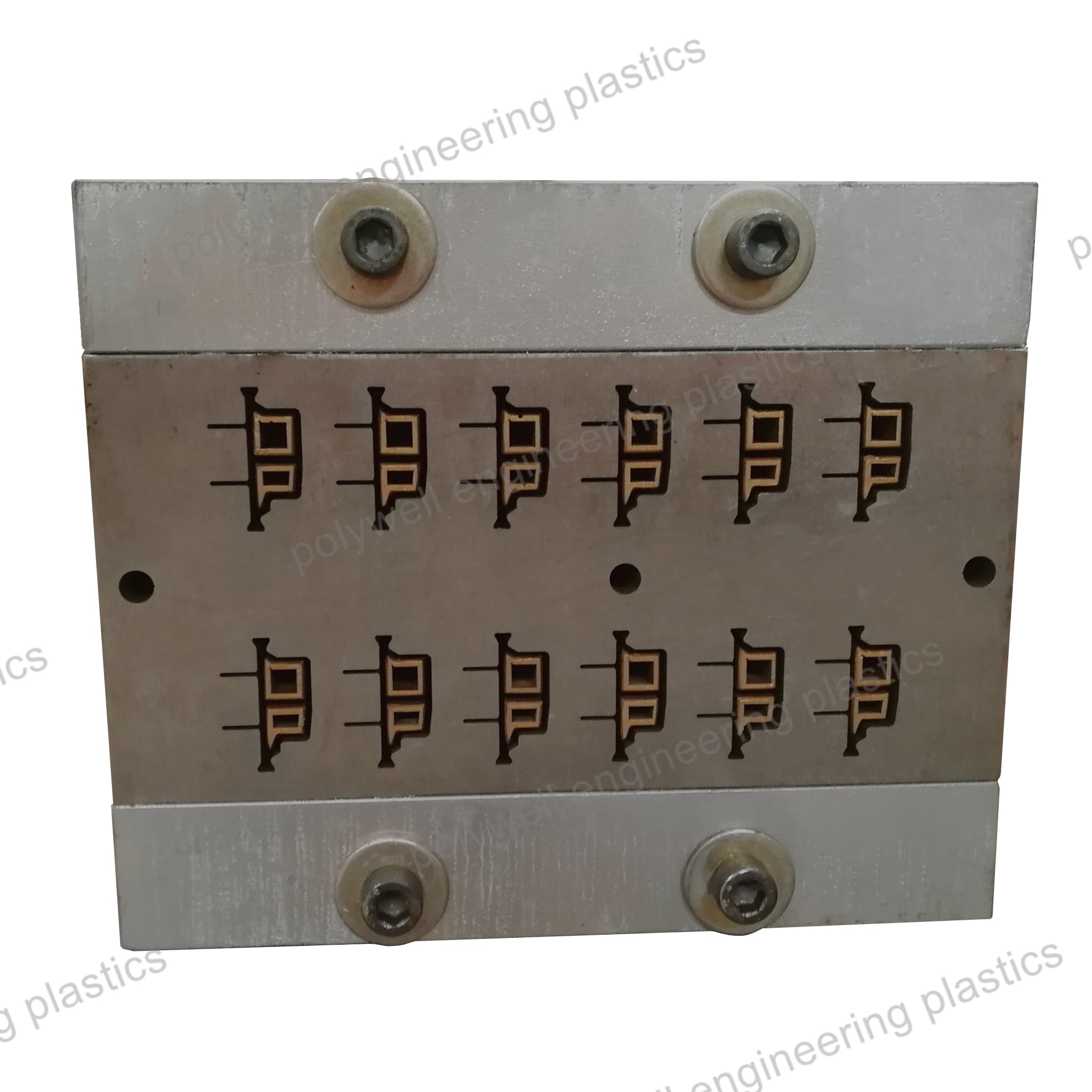
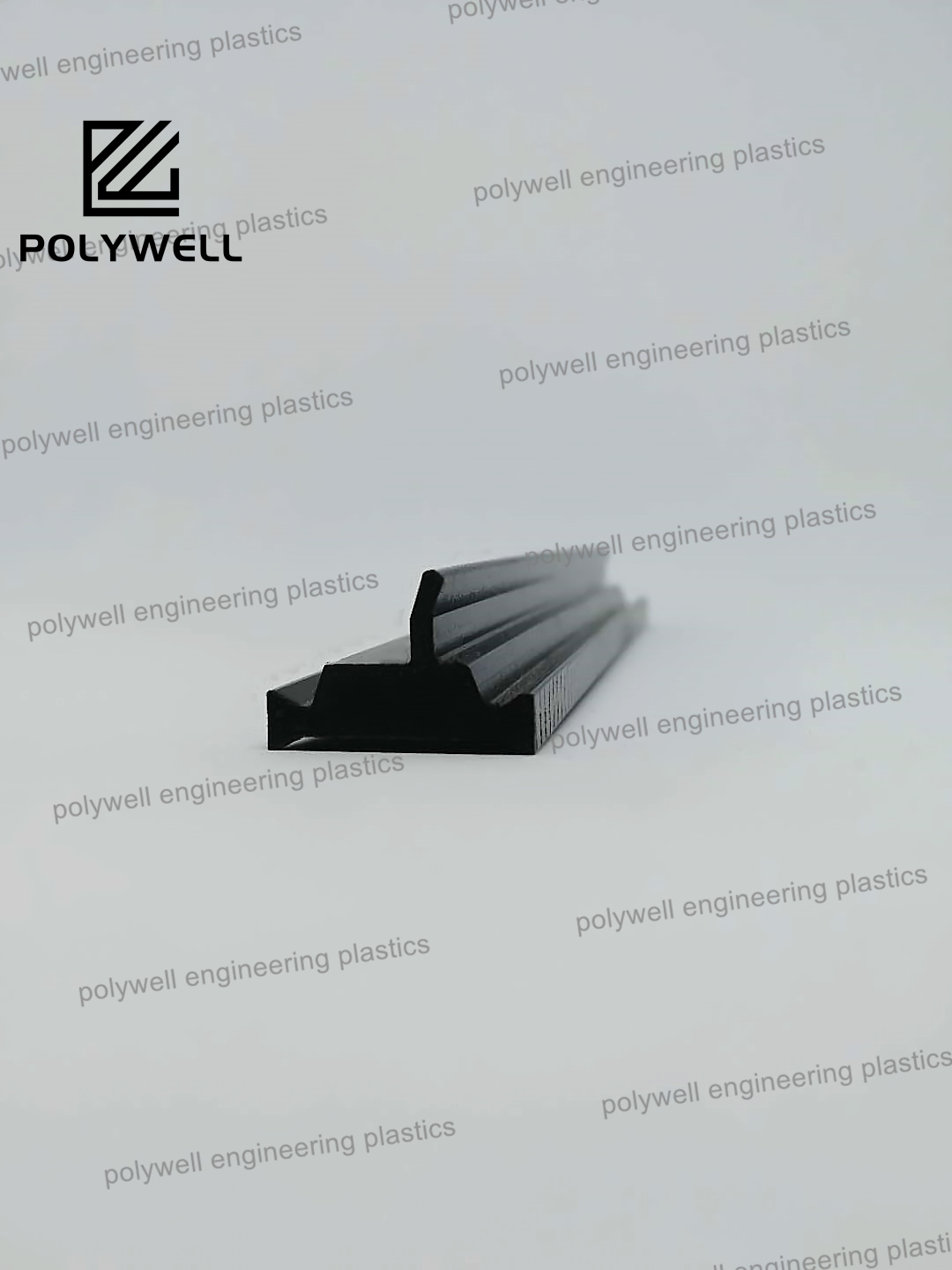
When upgrading your extrusion die, focus on two precision-related features: 1) Cavity finish: A polished cavity reduces friction between the molten polyamide and die walls, preventing surface defects on the strip. 2) Exit port design: The port’s shape must match your target strip profile exactly—for example, a T-shaped strip requires a die with a precise T-slot exit. Our collaboration with a specialized extruder and mold manufacturer (key to our Polywell brand) allows us to customize extrusion dies to your exact profile needs. We also include production technology support in our one-stop service, training your team to calibrate the die for consistent precision.
Upgrading an extrusion die in isolation often leads to delays and inefficiencies. For example, if you buy a die from one supplier, granules from another, and rely on a third for technical support, miscommunications can arise (e.g., the die doesn’t fit your extruder, or the granules don’t work with the die). This is why we built our one-stop service: to provide end-to-end support for thermal break strip production.
When upgrading your extrusion die, choose a partner that offers more than just the die itself. Our one-stop service includes: dual-screw-produced polyamide granules (optimized for die performance), single-screw extruders (pre-matched to the die), custom extrusion dies, and on-site production training. This integrated approach means you don’t have to coordinate between multiple vendors—we handle every step, from die design to post-upgrade troubleshooting. For global customers, this is especially valuable, as it reduces logistics complexity and ensures consistent quality across all components.
An extrusion die upgrade is an investment, so it’s important to look beyond the initial price tag. A cheap die may save money upfront but wear out quickly—especially when used with glass fiber-reinforced polyamides, which are abrasive. Our extrusion dies, designed in partnership with our mold manufacturing collaborator, use high-wear-resistant steel that withstands the demands of thermal break strip production.
Additionally, our dual-screw granulation technology indirectly extends die life: the evenly dispersed glass fibers in our granules reduce uneven abrasion inside the die, lowering maintenance costs and extending the die’s lifespan. Combined with our one-stop service’s maintenance support (e.g., die cleaning, minor repairs), this means lower total cost of ownership over time. When evaluating die upgrades, ask: Will this die work with my existing production line? Will it reduce downtime? Will the supplier provide ongoing support? Our answer to all three is “yes.”
Upgrading an extrusion die for thermal break strip production is not just about replacing old equipment—it’s about optimizing your entire production chain. From matching the die to high-performance, dual-screw-produced granules, to ensuring compatibility with single-screw extruders, to leveraging one-stop service for seamless integration, every factor ties back to quality, efficiency, and long-term success.
As a thermal break strip manufacturer with deep industry experience, we created Polywell to solve the challenges of fragmented supply chains. Whether you need a custom extrusion die, optimized granules, a single-screw extruder, or production training, our one-stop service ensures your die upgrade is smooth, cost-effective, and aligned with your production goals. With the right extrusion die and support, you can boost thermal break strip quality, reduce downtime, and meet the growing demands of global markets.
 Hot News
POLYWELL specializes in PA66 thermal insulation strips, offering polyamide granules, extruders, molds, winding machines, and comprehensive one-stop customization services.
Jinfeng Town, Zhangjiagang City, Suzhou City, Jiangsu Province, China
Copyright © 2024 Suzhou Polywell Engineering Plastics Co.,Ltd Privacy Policy

 EN
EN