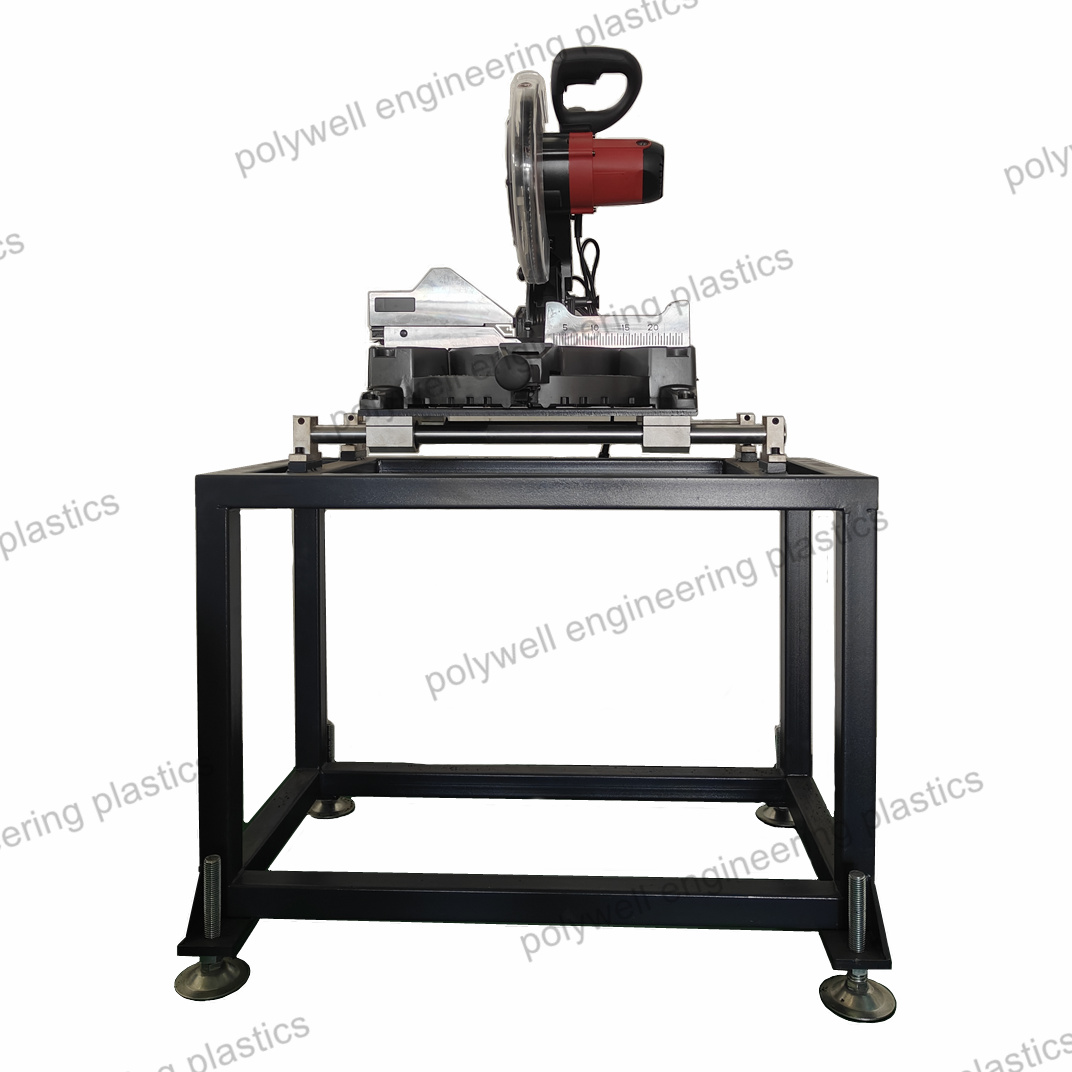
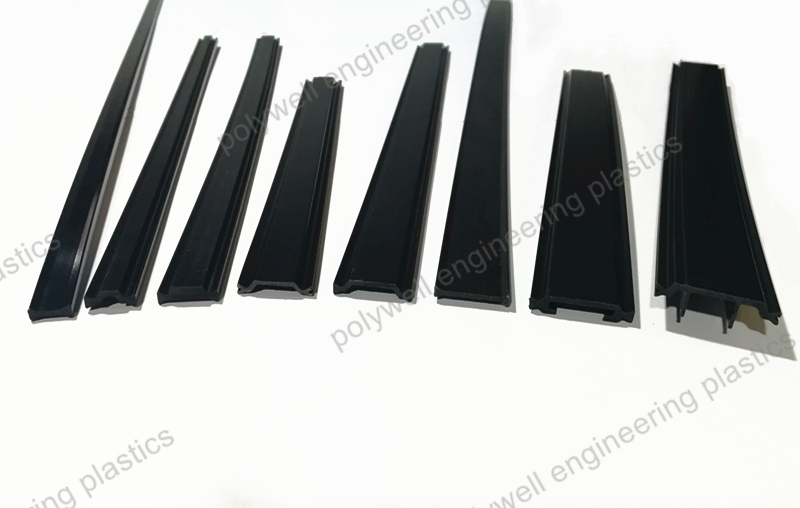
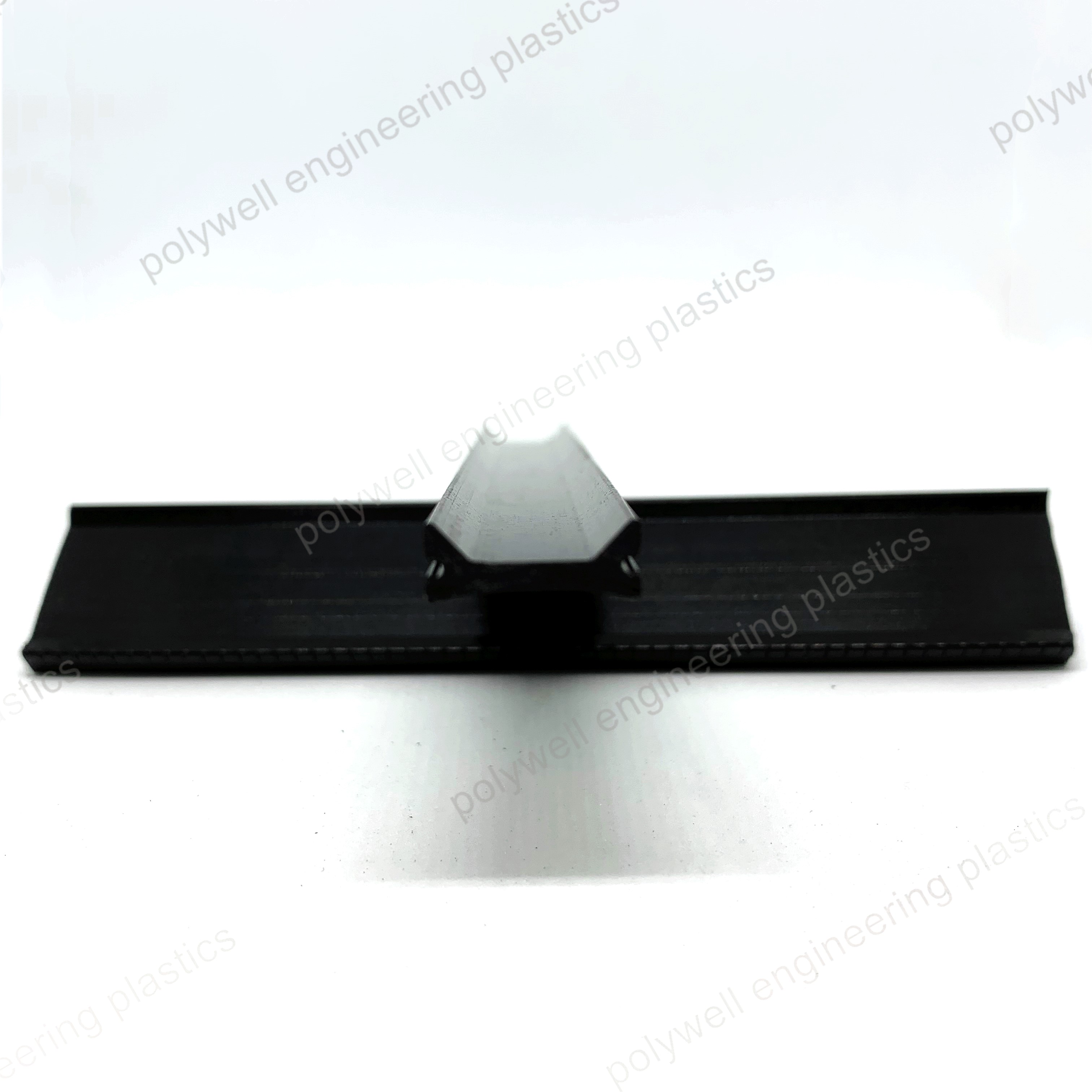
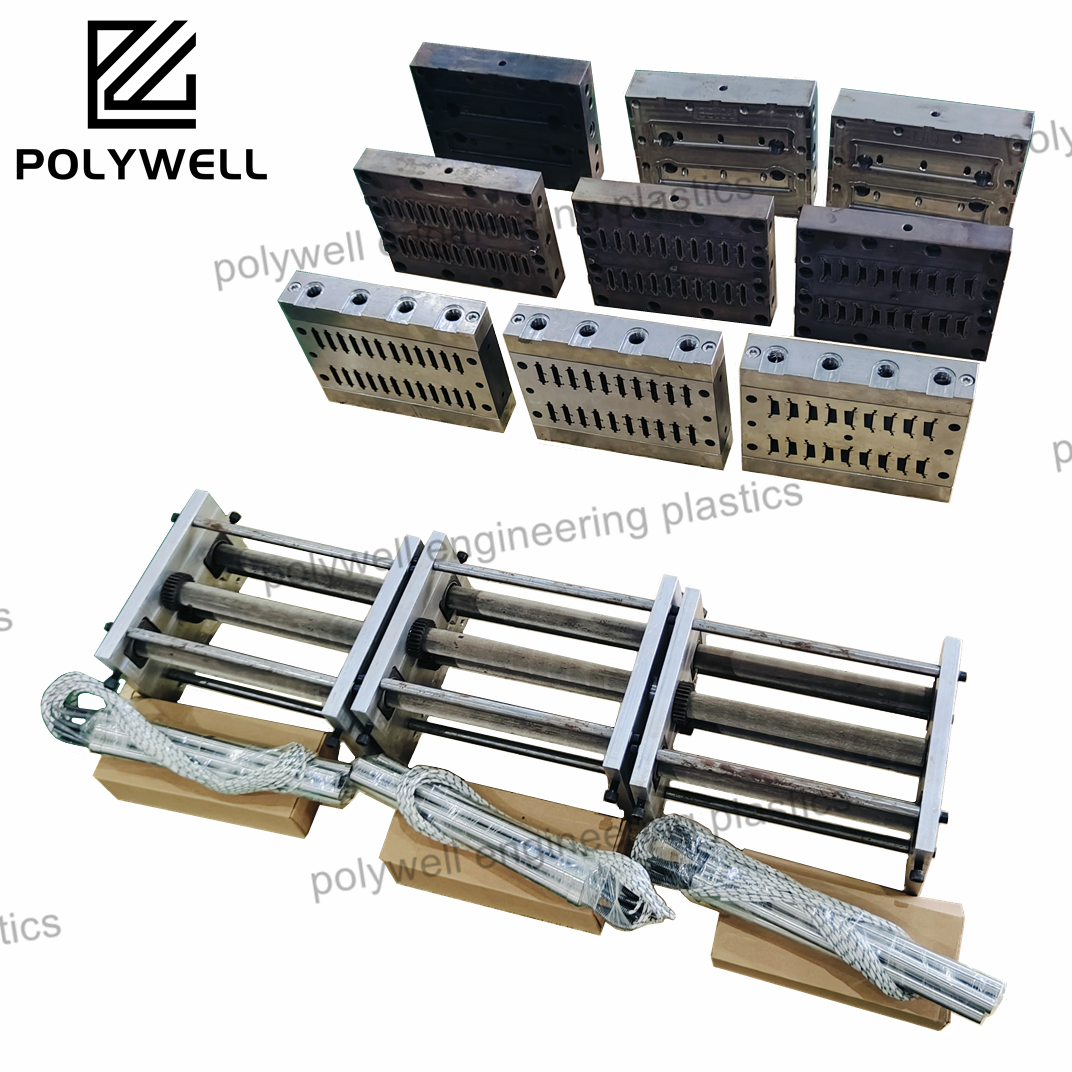
Som produsent av varmebrytninger med forsknings- og utviklingserfaring siden 2006 vet vi at enkelskrueekstrudere er uersattelige i produksjonen av polyamid-varmebrytninger – tveinnet skrueekstrudere fungerer bare for granulering, ikke for båndforming. Energiforbruket til enkelskrueekstrudere påvirker direkte produksjonskostnadene, så det er avgjørende for kundene å optimere disse faktorene. Gjennom vår helhetstjeneste, som inkluderer skreddersydde enkelskrueekstrudere, høykvalitetsgranulater og teknisk veiledning, hjelper vi kunder med å redusere energiforbruket uten å gå på kompromiss med effektiviteten.
Forholdet mellom lengde og diameter på skruen i en enkeltskrueekstruder bestemmer hvor godt den smelter og blander polyamid. Et dårlig tilpasset L/D-forhold sløser bort energi: for kort (f.eks. L/D <20:1) betyr for lite smeltetid, noe som tvinger ekstruderanlegget til å bruke mer varme for å fullstendig smelte granulatet; for langt (f.eks. L/D >28:1) øker friksjonen mellom skruen og sylinderen og dermed motorlasten. Våre tilpassede enkeltskrueekstrudere bruker et L/D-forhold på 24:1 – ideelt for glassfiberforsterket polyamid (vårt hovedråstoff). Dette forholdet balanserer smelteeffektivitet og friksjon, og reduserer energiforbruket med 15 % sammenlignet med ekstrudere med L/D 20:1 eller 30:1.
Grovdybde påvirker hvor mye materiale skruen kan transportere og hvor mye energi som trengs for smelting. Grunne grover (≤3 mm) krever høyere motorstyrke for å skyve materialet, noe som øker energiforbruket; dyptgrovede skruer (>5 mm) fører til ujevn smelting, ettersom varmen ikke når sentrum av materialet. Vi utformer våre enkeltskrueekstrudere med variabel grovdybde: dypere grover i tilførselsdelen (for rask transport av granulat) og gradvis grunnere grover i smeledelen (for å øke effektiviteten i varmeoverføringen). Skruestigningene har også en stigningsvinkel på 15° – dette optimaliserer materialeflyten, reduserer kraftbehovet for å skyve polyamid gjennom sylinderen og senker motorenergiforbruket med 10 %.
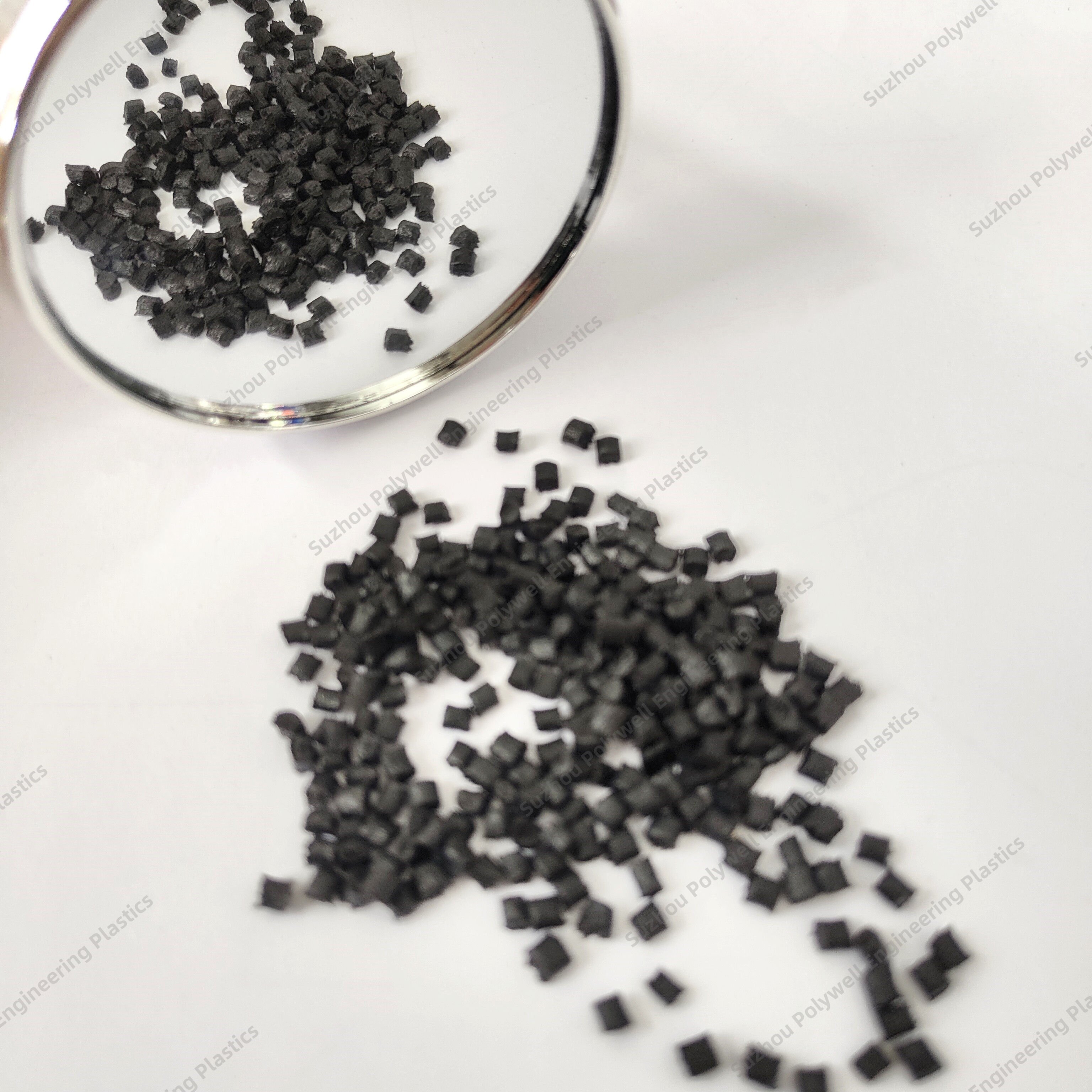
Våre polyamidgranulater er laget med dobbelt skrueekstruderer, som fordeler glassfibre jevnt i polymeren for å danne en sterk nettverksstruktur. Denne jevne fordelingen er nøkkelen til energieffektivitet i enkelskrueekstrudering. Granulater med ujevn fiberfordeling (fra lavkvalitets granulering med enkelskrue) skaper «harde punkter» som enkelskrueekstrudereren må jobbe hardere for å smelte – dette kan øke energiforbruket med 20 %. Våre granulater fra dobbeltskrueekstrudering har konstant tetthet (1,13–1,15 g/cm³) og fiberinnhold (25–30 %), slik at de smeltes jevnt i enkelskrueekstrudereren uten ekstra energi. Som del av vår helhetstjeneste leverer vi disse granulatene direkte, og sikrer kompatibilitet med våre enkelskrueekstruderer.
Fuktighet i polyamidgranulater tvinger enkelskrueekstruderen til å bruke mer energi til tørking og smelting. Våte granulater (fuktkontrakt >0,2 %) danner damp under ekstrudering, noe som forstyrrer smelteprosessen og krever høyere temperaturer for fjerning. Vårt helhetstjenesteområde inkluderer forhåndstørket støtte: vi anbefaler kunder å bruke våre varmluftstørkere (knyttet til enkelskrueekstrudere) for å redusere granulatfukten til ≤0,1 %. Denne enkle tiltaket reduserer oppvarmingsenergiforbruket til enkelskrueekstruderen med 8 % – og forhindrer samtidig overflatebobler i termiske bruddbånd, noe som reduserer avfall.
Enkelskrueekstrudere bruker flersone oppvarming for å smelte polyamid, og overoppheting er en stor energisluker. Å sette temperaturen for høy (f.eks. >260°C for PA66) forbedrer ikke smeltingen, men øker energiforbruket; for lav temperatur () fører til ufullstendig smelting, noe som tvinger skruen til å jobbe hardere. Våre enkelskrueekstrudere har 4-sone temperaturregulering (tilførsel, komprimering, smelting, dosering) med en nøyaktighet på ±1°C. Vi leverer optimaliserte temperaturprofiler til kundene: 230–235°C i tilførselssonen, 240–245°C i smeltesonen og 235–240°C i doseringssonen. Denne balansen sikrer full smelting med minimal energi – og reduserer varmeenergiforbruket med 12 % sammenlignet med uregulerte temperaturer.
Skruhastighet påvirker direkte motorens belastning på enkelskrueekstruder. Kjører man skruen for fort (f.eks. >60 omdreininger per minutt), øker friksjon og trykk, noe som fører til høyere energiforbruk; kjører man for sakte ( produksjonsutbytte uten å spare energi. Vårt tekniske team hjelper kunder med å finne den optimale hastigheten: 40–45 omdreininger per minutt for våre enkelskrueekstrudere. Ved denne hastigheten produserer ekstruder 3–4 kg/t av varmebrytebånd (ideell for middelskala produksjon) samtidig som energiforbruket holdes på 5–6 kW/t. Vi justerer også ekstrusjonstrykk – våre enkelskrueekstrudere opprettholder et stabilt trykk på 18–20 MPa, og unngår trykktopper som sløser med energi og skader ekstruder.
Slitte skruer eller barreller øker energiforbruket til enkeltskrueekstruderen. En skrue med slitne fløyter (dybde redusert med 1 mm) krever 15 % mer motoreffekt for å transportere materiale; en barreler med skrammer (ruhet >Ra 1,6 μm) øker friksjonen og dermed varmeenergiforbruket. Som del av vår helhetstjeneste tilbyr vi vedlikeholdsplaner: månedlige inspeksjoner av skruefløyter, kvartalsvis polering av barreller og årlig skrueskifte (for ekstruderer med høy bruk). Vi leverer også reservedeler (skruer, barreller) tilpasset våre enkeltskrueekstrudere, slik at de passer perfekt og opprettholder energieffektiviteten.
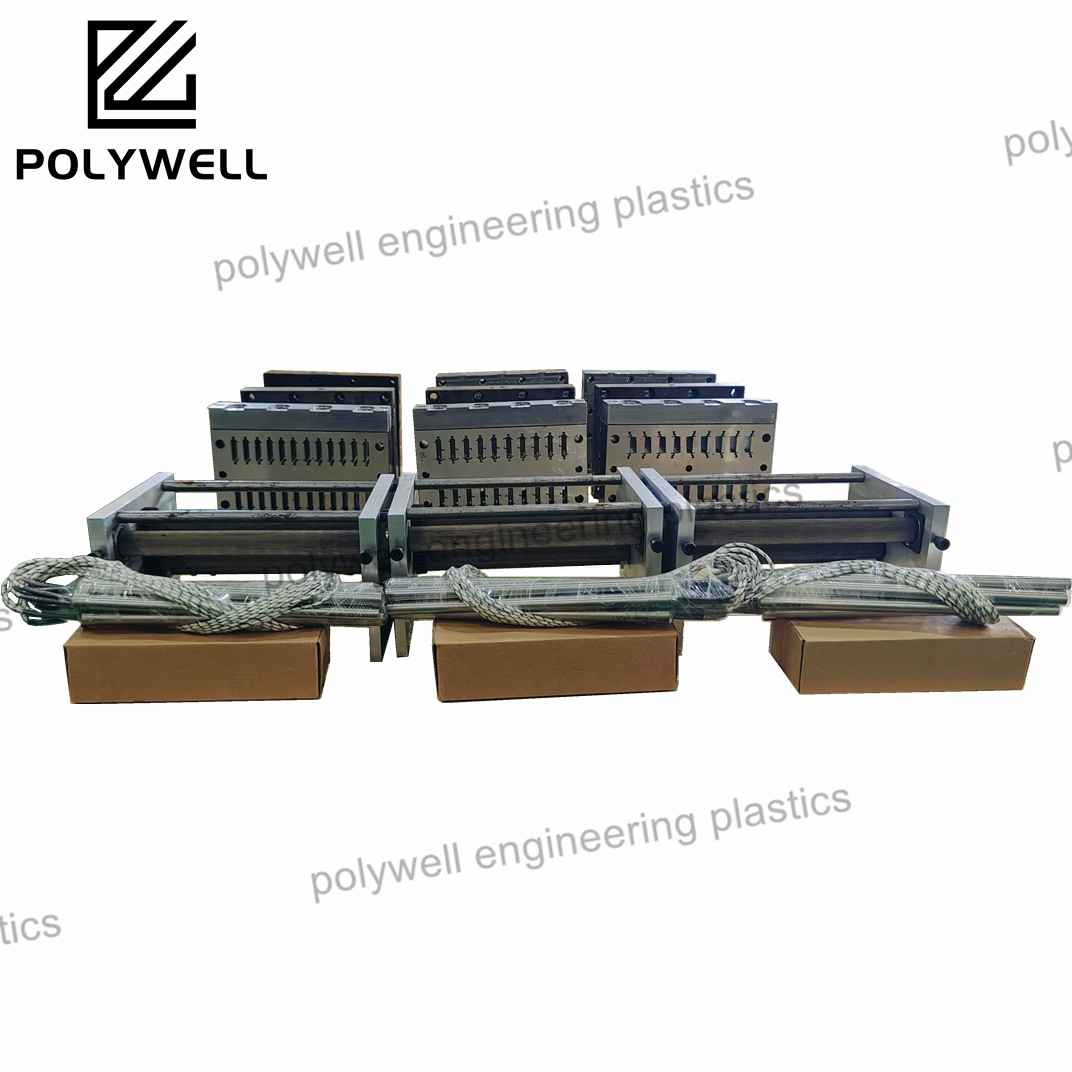
Vår komplette service fokuserer ikke bare på enkeltskrueekstruderen – vi optimaliserer hele produksjonslinjen. For eksempel matcher vi ekstruderen med våre presisjonsvalsemaskiner (brukes for båndflathet) for å sikre at ekstruderen ikke jobber hardere for å kompensere for valsemaskinmotstanden. Vi integrerer også ekstruderen med vår formdesign (utviklet sammen med vår partner) – formene våre har lav strømningsmotstand, slik at enkeltskrueekstruderen ikke trenger ekstra trykk for å presse materiale gjennom. Denne systemomfattende optimaliseringen reduserer enkeltskrueekstruderens totale energiforbruk med 20 % sammenlignet med kunder som kjøper utstyr fra flere leverandører.
For produsenter av varmebryterprofiler er reduksjon av energiforbruket i enkelskrueekstrudere en kombinasjon av god design, kvalitetsmaterialer og riktig drift. Våre 17 års erfaring, skreddersydde enkelskrueekstrudere, tvekkskrue granulert polyamid og helhetstjeneste gir kundene alle verktøyene de trenger for å redusere energikostnader. Vi selger ikke bare utstyr – vi samarbeider med kunder om å bygge effektive, lavenergi-produksjonslinjer som øker lønnsomheten og bærekraftigheten.
 Siste nytt
POLYWELL er spesialist i PA66 varmeisoleringstrimlar, som tilbyr polyamidgranulater, ekstruderer, muld, vikemaskiner og omfattende ein-stopps tilpassingstjenester.
Jinfeng Town, Zhangjiagang City, Suzhou City, Jiangsu Province, China
Copyright © 2024 Suzhou Polywell Engineering Plastics Co.,Ltd Personvernpolitikk

 EN
EN