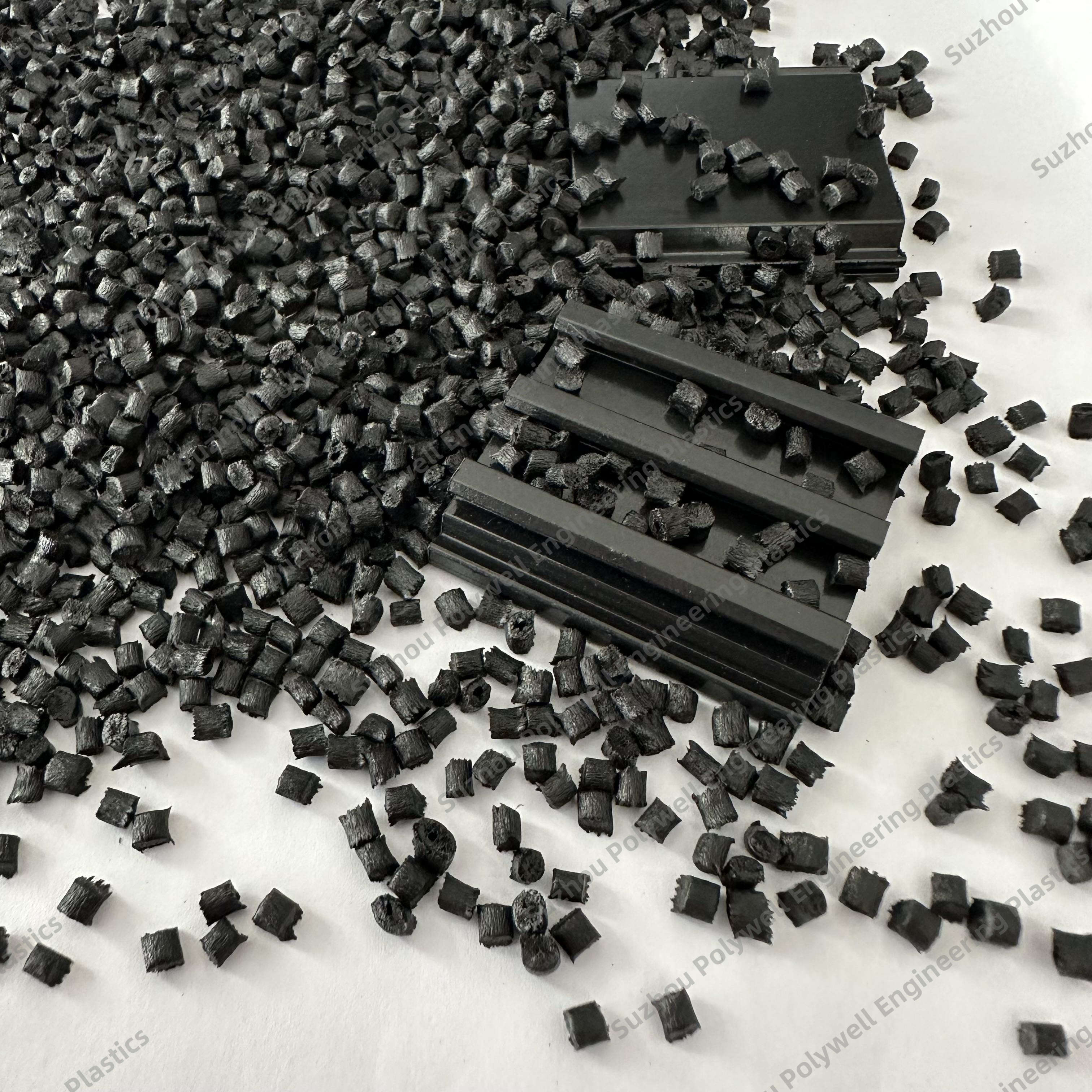
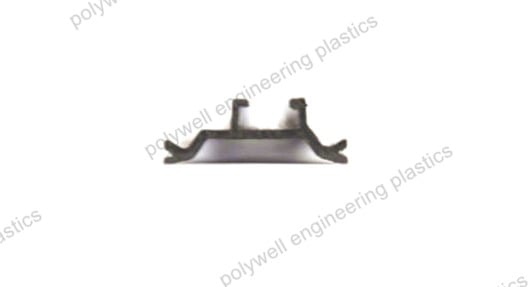
ခေတ်မီ၊ ပိုမိုပေါ့ပါးသော ပြတင်းစနစ်များအတွက် အစိတ်အပိုင်းများကို ရွေးချယ်သည့် ဝယ်ယူမှုစီမံခန့်ခွဲမှုမှူးများနှင့် အင်ဂျင်နီယာများအတွက် အထူနည်းသော ပေါ်လီအမိုင်းဒ် အပူခွဲခြားမှုပါးလွဲများသည် အရေးကြီးသော နည်းပညာဆိုင်ရာ တိုးတက်မှုတစ်ရပ်ဖြစ်သည်။ ဤပါးလွဲများသည် အလွန်ကျုံ့သော အလူမီနီယမ် ပရိုဖိုင်များကို ဒီဇိုင်းရေးဆွဲရာတွင် အထူနည်းသော အများအားဖြင့် ပိုမိုလှပသော ပရိုဖိုင်များကို ဖန်တီးနောက် အရေးကြီးသော အပူကာကွယ်မှုစွမ်းရည်ကို ထိန်းသိမ်းပေးနိုင်ပါသည်။ သို့သော် ဤပါးလွဲများကို စံနှုန်းတူ နှင့် ယုံကြည်စိတ်ချရသော အများအားဖြင့် ထုတ်လုပ်ရေးမှုသည် အလွန်ကြီးမားသော စိန်ခေါ်မှုတစ်ရပ်ဖြစ်ပြီး ထုတ်လုပ်မှုမှုန်းမှု ပုံစံ (extrusion mold) ဒီဇိုင်းရေးဆွဲမှုသည် အလွန်အရေးကြီးသည့် အဆင့်ဖြစ်သည်။ မကောင်းမွန်သော ပုံစံဒီဇိုင်းသည် အများအားဖြင့် အကုန်စုပ်မှုနှုန်းမြင့်မှု၊ ထုတ်လုပ်မှုမှုန်းမှု မတည်ငြိမ်မှုများနှင့် စံနှုန်းမီသော ယန္တရားဆိုင်ရာနှင့် အရွယ်အစားဆိုင်ရာ စံနှုန်းများကို မီမှုများကို ဖော်ပေးပါသည်။ ဤဆောင်းပါးတွင် အရည်အသွေးကို ဘယ်သည့်အခါမှ မှုန်းမှုမှုမှုမှုမှုမှုမှုမှုမှုမှုမှုမှုမှုမှုမှုမှုမှုမှုမှုမှုမှုမှုမှုမှုမှုမှုမှုမှုမှုမှုမှုမှုမှုမှုမှုမှုမှုမှုမှုမှုမှုမှုမှုမှုမှုမှုမှုမှုမှုမှုမှုမှုမှုမှုမှုမှုမှုမှုမှုမှုမှုမှုမှုမှုမှုမှုမှုမှုမှုမှုမှုမှုမှုမှုမှုမှုမှုမှုမှုမှုမှုမှုမှုမှုမှုမှုမှုမှုမှုမှုမှုမှုမှုမှုမှုမှုမှုမှုမှုမှုမှ......
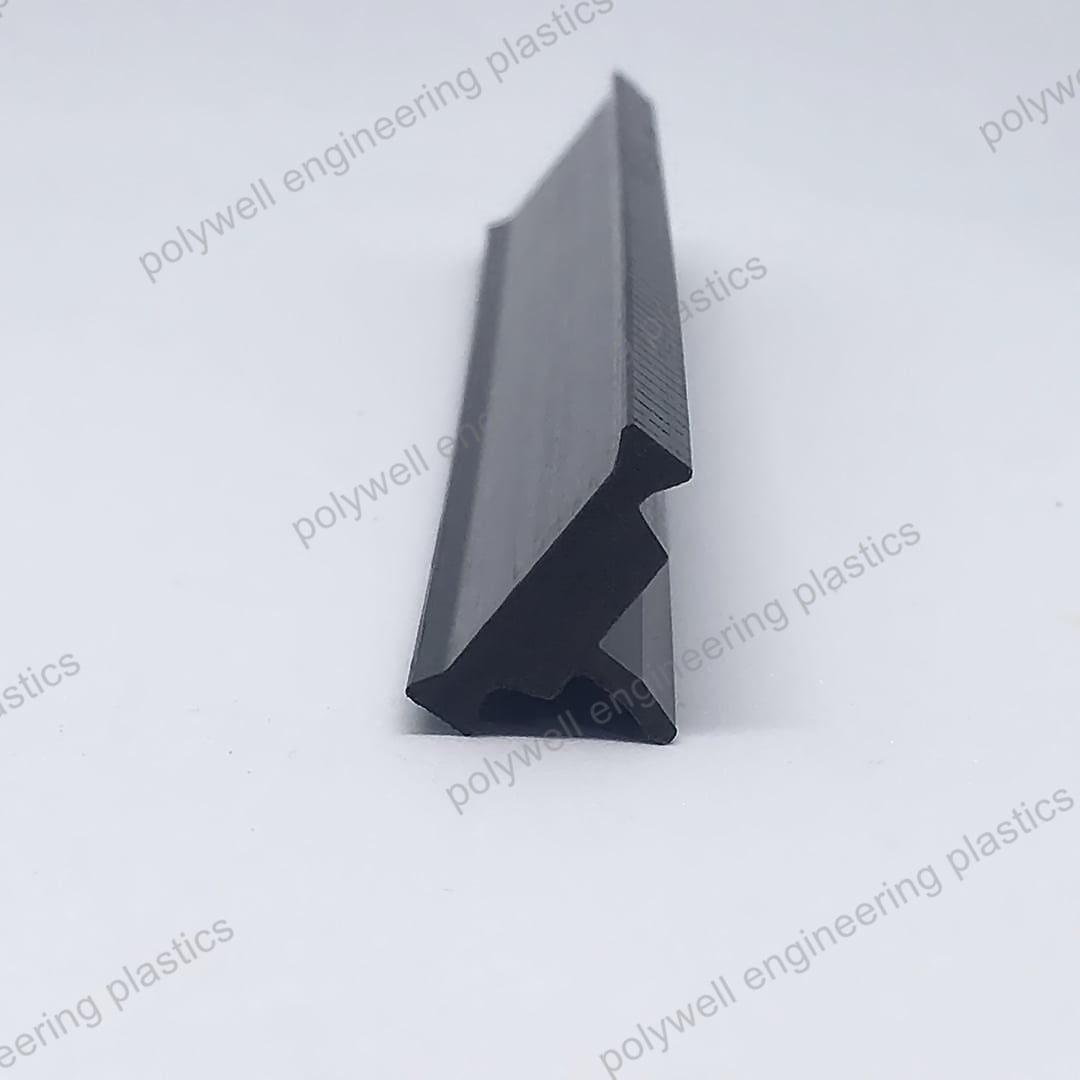
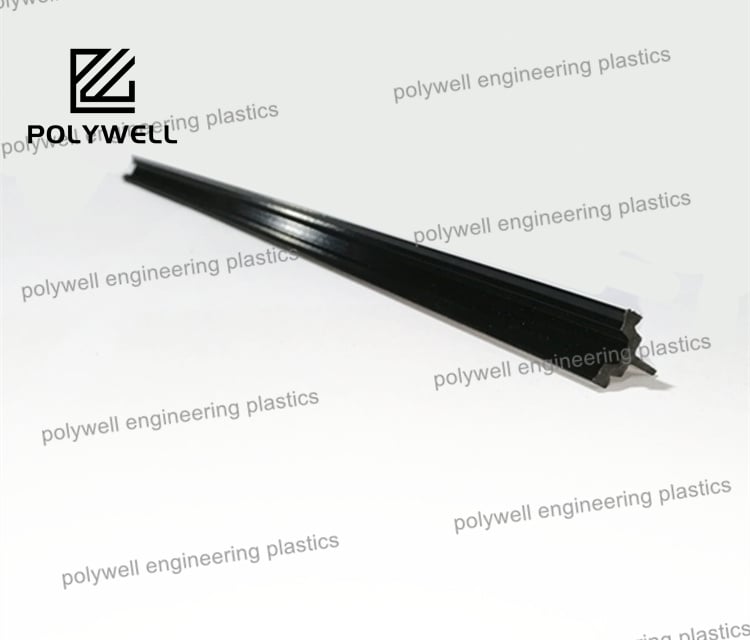
အထူနည်းသော အပူခွဲခြမ်းသော ပါတ်စပ်များ (Thin wall thermal break strips) သည် အထူ ၁.၅ မီလီမီတာအောက်ရှိသော နံရံအပိုင်းများပါရှိလေ့ရှိပြီး အရှိန်မြှင့်ခြင်းဖြစ်စဉ် (extrusion process) တွင် ပါဝင်သော အကောင်းဆုံးအချက်အလက်များအားလုံးကို ပိုမိုထင်ရှားစေသည်။ အမှားအမှင်ဖြစ်နိုင်သည့် အခွင့်အရေးသည် အလွန်နည်းပါးလေ့ရှိသည်။ ပုံစံမှန်မှန်များမှ အထူနည်းသော အပူခွဲခြမ်းသော ပါတ်စပ်များတွင် ပုံစံမှန်မှန်များ၊ အအေးခံမှုမှုန်းကွဲမှုများနှင့် ပစ္စည်း၏ သဘောသမ်ဗေဒအရ အကောင်းဆုံး အကျုံးဝင်မှုများ (inherent material shrinkage) တို့သည် ပုံစံနှင့် အားကောင်းမှုကို ပိုမိုအရေးကြီးစွာ သက်ရောက်မှုရှိသည်။ သို့သော် စံနှုန်းအတိုင်း ပါတ်စပ်များတွင် ထိုသို့သော သက်ရောက်မှုများသည် နည်းပါးသည်။ သို့ဖြစ်ရာ ပုံစ်မှုန်း (mold) ဒီဇိုင်းသည် ပေါလီမာကို ပုံစ်ထုတ်ရုံသာမက ဤသို့သော ပိုမိုပြင်းထန်သော ဖြစ်စဉ်များကို အလွန်တိကျစွာ ပေါ်လွင်စေရန် အထူနည်းသော အပူခွဲခြမ်းသော ပါတ်စပ်များ၏ ပုံစ်မှုန်းကို တိကျစွာ ပုံစ်ထုတ်ပေးရမည်။
ဤအသုံးပြုမှုအတွက် အောင်မြောက်သော ပုံစ်မှုန်းဒီဇိုင်းသည် စီးဆင်းမှု အင်အားပေါ်လွဲမှု (fluid dynamics)၊ အပူစီမံခန့်ခွဲမှု (thermal management) နှင့် ပစ္စည်းသိပ္ပံ (material science) တို့ကို ဟန်ချက်ညီစေရန် မျှတသော နယ်ပယ်များစုံပါဝင်သော လုပ်ငန်းဖြစ်သည်။
အဓိကရည်ရွယ်ချက်မှာ ပုံစ်မှုန်း၏ ဝင်ပေါက်မှ အထူနည်းသော ပုံစ်မှုန်း၏ အနောက်ဆုံးအစိတ်အပိုင်းများအထိ စီးဆင်းမှုကို အပြည့်အဝ ဟန်ချက်ညီစေရန်ဖြစ်သည်။
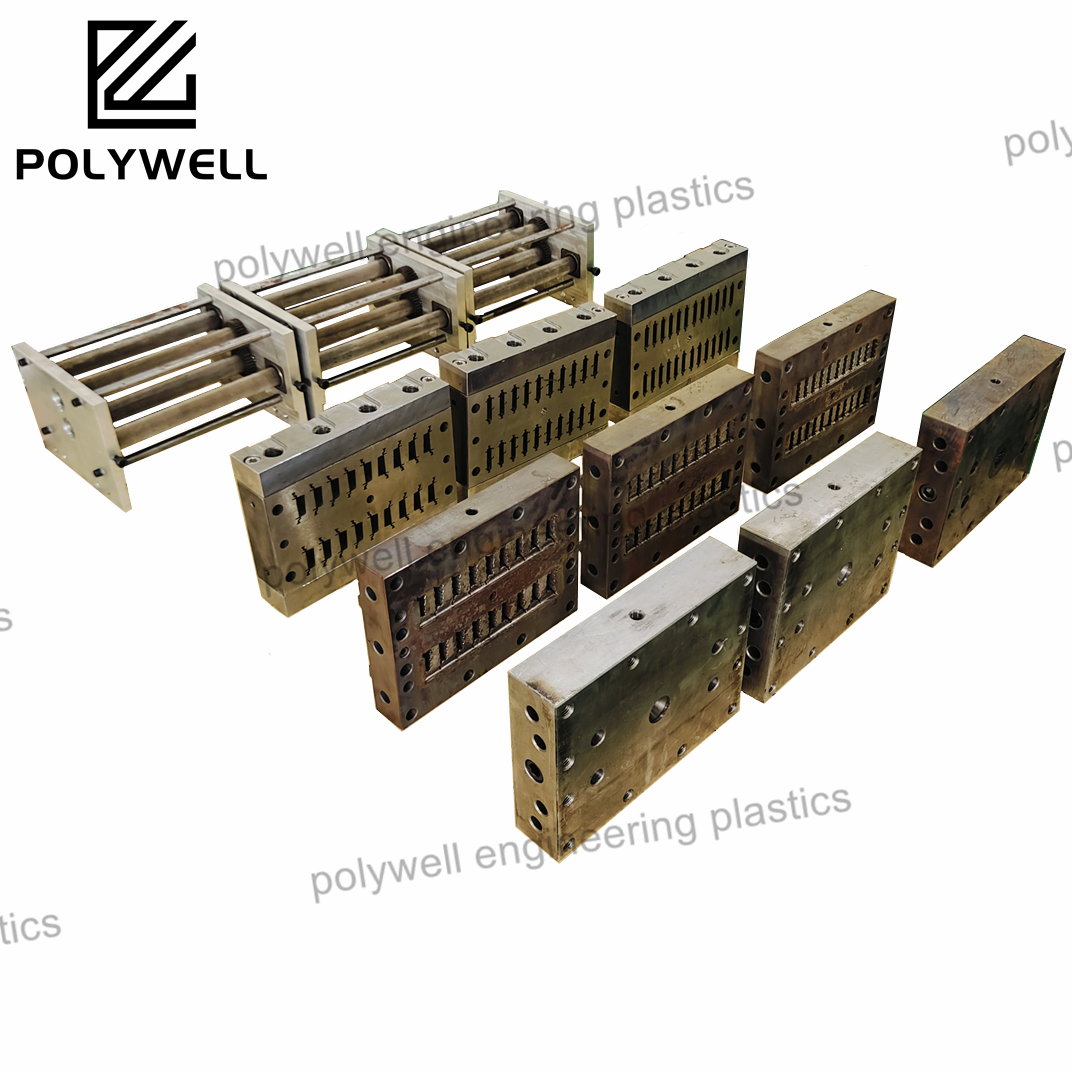
ပုံသေဖွဲ့စည်းမှုအတွင်းရှိ သွေးကြောများ (manifold) အပါအဝင် ပုံသေဖွဲ့စည်းမှု၏ အတွင်းပိုင်း ဂျီဩမေတြီသည် အထူးသဖြင့် ပေါလီမာအရည်ပျော်မှုကို ဖြန့်ဖြူးပေးသည့် အတွက် အသေအချာ တွက်ချက်မှုများ လုပ်ဆောင်ရန် လိုအပ်ပါသည်။ စီးဆင်းမှုလမ်းကြောင်းများနှင့် ဖိအားကျဆင်းမှုများကို အတိမ်အနက် အတုအယောင်ဖော်ပေးရန်အတွက် ကွန်ပျူတာဖြင့် စီးဆင်းမှုဒိုင်နမစ် (CFD) ဆော့ဖ်ဝဲလ်များကို မကြာခဏ အသုံးပြုကြပါသည်။ ဒိုင်းအခန်း၏ အားလုံးသော အစိတ်အပိုင်းများသို့ အလွန်ထူထေးပြီး ကြေးနီမှုန်များဖြင့် ဖြည့်သွင်းထားသော PA66 အရည်ပျော်မှုသည် တစ်ပါတည်း ရောက်ရှိပြီး ဖိအားတူညီစေရန် ဒိုင်းဒီဇိုင်းသည် အာမခံပေးရန် လိုအပ်ပါသည်။ အထူနည်းသော နံရံများအတွက် လန်းအလျား (die channel ၏ ထွက်ပေါက်အနီးရှိ အပေါင်းချိန်နှင့် အတူ အပိုင်း) သည် အရေးကြီးပါသည်။ ပစ္စည်းများ အပ်နှက်မှုကောင်းမောင်းစေရန် လုံလောက်သော ပြန်လည်ဖိအားပေးမှုကို ပေးနိုင်ရန်အတွက် အတိအကျ ညှိပေးရန် လိုအပ်ပါသည်။ သို့သော် အလွန်များပြားသော အရွှီးအပူကို ဖြစ်ပေါ်စေနိုင်သည့် ခုခံမှုကို အနည်းဆုံးဖြစ်အောင် လုပ်ဆောင်ရန် လိုအပ်ပါသည်။ မညီမျှသော စီးဆင်းမှုသည် ပရိုဖိုင်း၏ အစိတ်အပိုင်းအချို့သည် အခြားအစိတ်အပိုင်းများထက် မြန်မြန်ထွက်လာစေပြီး ပုံပျက်ခြင်း၊ ကွေးခြင်း သို့မဟုတ် နံရံအထူများ မတေးမျှခြင်းတို့ကို ဖြစ်ပေါ်စေပါသည်။
မော်လ်ဒီဇိုင်းသည် ဒိုင်းစွဲဝယ်လ် (die swell) နှင့် ချုံ့မှု (shrinkage) တို့ကို ကြိုတင်စွဲမ်းနိုင်ရမည်။ ပေါ်လီမာသည် ဒိုင်းမှ ထွက်လာသည့်အခါ ပေါ်လီမာသည် ချဲ့ထွင်သည့် (swells) အပေါ်တွင် အအေးခံချိန်တွင် ချုံ့သည်။ အလွန်ပေါ်လ်သော နံရံများအတွက် ဤချုံ့မှုကို အလွန်တိကျစွာ ခန့်မှန်းရမည်။ နောက်ဆုံးမော်လ်အတွင်းပိုင်း အရွယ်အစားများသည် လိုအပ်သော အပြီးသတ်စတြစ် (finished strip) ၏ ၁:၁ အချိုးနှင့် ကိုက်ညီမှုမရှိပါ။ ထိုအရွယ်အစားများသည် ဤခန့်မှန်းနိုင်သော ချုံ့မှုကို ထောက်လျက် အထူးသဖြင့် အချို့သောနေရာများတွင် အနည်းငယ် အရွယ်အစားပေါ်လ်သော အရွယ်အစားဖြင့် အင်ဂျင်နီယာမှ ဒီဇိုင်းပုံစံထုတ်ထားခြင်းဖြစ်ပြီး အအေးခံပြီးသော စတြစ်သည် တိကျသော အရွယ်အစားအတိုင်းအတာများကို အတိအကျ ဖော်ပေးနိုင်ရန် ဖြစ်ပါသည်။
မော်လ်ဒ်အား တိကျသော အပူချိန်ထိန်းချုပ်မှုဖြင့် ဒီဇိုင်းရေးဆွဲရမည်။ အပူပေးသည့် ကာထရီဂ်များသည် ဒိုင်အိုင်းအား တစ်သောင်းတည်းနှင့် တည်ငြိမ်သော အပူချိန်တွင် ထိန်းသိမ်းပေးပြီး ပါးလွဲသော အပိုင်းများတွင် ပူပေါင်းမှု အလွန်စောစော ခဲသွားခြင်းကို ကာကွယ်ပေးသည်။ ထို့ထက် အရေးကြီးသည်မှာ မော်လ်ဒ်ဒီဇိုင်းကို အောက်ခြေရှိ အအေးခံခြင်းနှင့် တိကျမှုစနစ်နှင့် တစ်ပါတည်း စဉ်းစားရမည်ဖြစ်သည်။ ဒိုင်အိုင်းမျက်နှာပြင်မှ အအေးခံခြင်းရေကန် (သို့) တိကျမှုပေးသည့် ပြားများသို့ ကူးပေါင်းခြင်းသည် အပ်ပ်နှင့် အတိအကျ ကိုက်ညီမှုရှိပြီး အလွန်ပါးလွဲသော နံရံပုံစံကို ဖောက်ပြားမှု (သို့) ဖိအားများ မဖောက်ထွင်းဘဲ ခဲသွားစေရန် အလွန်ချောမ်းစေရမည်။
ပစ္စည်းများ၏ မတည်ငြိမ်မှုကြောင့် မော်လ်ဒ်ဒီဇိုင်းအတွက် အထူးကြိုးစားမှုများ အကောင်အထောင်ဖြစ်မည်။ ဤသည်မှာ ဝယ်ယူရေးနောက်ခံမှုအတွက် အရေးကြီးသော အချက်ဖြစ်သည်။ PA66 ပေါင်းစပ်မှု၏ စီးဆင်းမှုအပြုအမှုသည် မော်လ်ဒ်အတွက် အခြေခံအချက်ဖြစ်သည်။ ပစ္စည်း၏ အစိုဓာတ် (သို့) ဖိုင်ဘာများ ဖြန့်ဖြူးမှုသည် အကုန်အကှမ်းအလိုက် ကွဲလွဲပါက မော်လ်ဒ်၏ စီးဆင်းမှုဟီးလ်မှုကို တိကျစွာ တွက်ချက်ထားသည့် အတိုင်း မဖြစ်နိုင်တော့ပါ။
ပေါက်ကွဲမှုနည်းသော အရှင်းပေါက်ကွဲမှု (thin wall extrusion) အတွက် ပေါလီအမိုင်ဒ် ပေါင်းစပ်မှု၏ အညီအမျှဖြစ်မှုသည် မဖြစ်မနေလိုအပ်ပါသည်။ ပေါင်းစပ်မှုအဆင့်တွင် နှစ်ခုတွဲထုတ်လုပ်မှုစက် (twin-screw extruder) ကို အသုံးပြုရန် အရေးကြီးပါသည်။ ဤလုပ်ငန်းစဉ်သည် PA66 မှတ်တမ်းတွင် ဂလက်စ်ဖိုင်ဘာများကို အကောင်းဆုံးအမျှတစွာဖ distribute လုပ်ပေးပြီး ဖိုင်ဘာစုစည်းမှုများကို ဖျက်ဆီးကာ အမျှတစွာဖွဲ့စည်းထားသော ကွန်ရက်ဖွဲ့စည်းမှုကို ဖန်တီးပေးပါသည်။ ထို့ကြောင့် ဤပေါင်းစပ်မှုသည် ခန့်မှန်းနိုင်ပြီး တည်ငြိမ်သော ရီယိုလောဂီ (rheology) ကို ပေးစေပါသည်— အပူနှင့် ဖိအားအောက်တွင် ၎င်း၏ စီးဆင်းမှု အရည်အသွေးများသည် တည်ငြိမ်ပါသည်။ ဤကဲ့သို့သော အရည်အသွေးမှန်ကန်မှုရှိသည့် ပစ္စည်းအတွက် ဒီဇိုင်းထုတ်ထားသော ပုံသောင်း (mold) သည် ယုံကြည်စိတ်ချရစွာ အလုပ်လုပ်နိုင်ပါသည်။ ထို့ကြောင့် ပေါက်ကွဲမှုနည်းသော ပါးလွဲသော ပါးစပ်များ (thin wall strips) ကို အသေးစိတ်ဖော်ပြထားသည့် အသွေးအနေအထား (uniform density)၊ အလွန်ကောင်းမွန်သော မျက်နှာပြင်အရည်အသွေး (excellent surface finish) နှင့် ပရိုဖိုင်းတစ်ခုလုံးတွင် အမျှတစွာဖွဲ့စည်းထားသော ယန္တရားဆိုင်ရာ ဂုဏ်သတ္တိများ (consistent mechanical properties) ဖြင့် ထုတ်လုပ်နိုင်ပါသည်။ အရည်အသွေးနိုင်ငံခြားသော ပေါင်းစပ်မှုဖြင့် ပေါက်ကွဲမှုနည်းသော ပါးလွဲမှုများကို ထုတ်လုပ်ရန် ကြိုးစားမှုသည် စီးဆင်းမှုမတည်ငြိမ်မှု (flow instability) နှင့် ထုတ်ကုန်အကွက်များ (product defects) ကို အာမခံပေးပါသည်။
ဝယ်သူအတွက် ပုံစံထုပ်ပေးသည့် ပုံသေမှန်ပုံစံများအတွက် တစ်ခုသော ပေးသွင်းသူထံမှ ပုံသေမှန်ပုံစံ (mold) ကို ရယူခြင်း၊ အခြားပေးသွင်းသူထံမှ ပစ္စည်းများကို ရယူခြင်းနှင့် တတိယပေးသွင်းသူထံမှ လုပ်ဆောင်မှုများကို ရယူခြင်း ဟူသော ရေးရာမှန်သော ပုံစံသည် အန္တရာယ်များစွာရှိပြီး အထူးသဖြင့် ပါးလွှာသော နံရံပါးသော ပါးလွှာသော ပုံစံများအတွက် လက်တွေ့ကျသော အသုံးပြုမှုများ မရှိနိုင်ပါ။ ပုံသေမှန်ပုံစံဒီဇိုင်း၊ ပစ္စည်းသိပ္ပံနှင့် လုပ်ဆောင်မှုအင်ဂျင်နီယာပညာရပ်များကို ပေါင်းစပ်ခြင်းသည် အောင်မြင်မှုရရှိရန် တစ်ခုတည်းသော လမ်းကြောင်းဖြစ်ပါသည်။
2006 ခုနှစ်မှစ၍ ပစ္စည်းအကြောင်း နက်ရှိုင်းသော R&D ကျွမ်းကျင်မှုရှိပြီး ဖော်မော်လ်နှင့် အပိုင်းအစများ ထုတ်လုပ်ရေးကုမ္ပဏီများနှင့် တိုက်ရိုက်ပူးပေါင်းဆောင်ပုပ်နေသည့် Polywell ကဲ့သို့သော ဝန်ဆောင်မှုတစ်ခုတည်းဖြင့် အကုန်လုံးကို ဖြေရှင်းပေးနိုင်သည့် ပေးသောသူသည် အပ်ဒေ့အ်အ်အ်အ်အ်အ်အ်အ်အ်အ်အ်အ်အ်အ်အ်အ်အ်အ်အ်အ်အ်အ်အ်အ်အ်အ်အ်အ်အ်အ်အ်အ်အ်အ်အ်အ်အ်အ်အ်အ်အ်အ်အ်အ်အ်အ်အ်အ်အ်အ်အ်အ်အ်အ်အ်အ်အ်အ်အ်အ်အ်အ်အ်အ်အ်အ်အ်အ်အ်အ်အ်အ်အ်အ်အ်အ်အ်အ်အ်အ်အ်အ်အ်အ်အ်အ်အ်အ်အ်အ်အ်အ်အ်အ်အ်အ်အ်အ်အ်အ်အ်အ်အ်အ်အ်အ်အ်အ်အ်အ်အ်အ်အ်အ်အ်အ်အ်အ်အ်အ်အ်အ်အ်အ်အ်အ်အ်အ်အ်အ်အ်အ်အ်အ်အ်အ်အ်အ်အ်အ်အ်အ်အ်အ်အ်အ်အ်အ်အ်အ်အ်အ်အ်အ်အ်အ်အ်အ်အ်အ်အ်အ်အ်အ်အ်အ်အ်အ်အ......
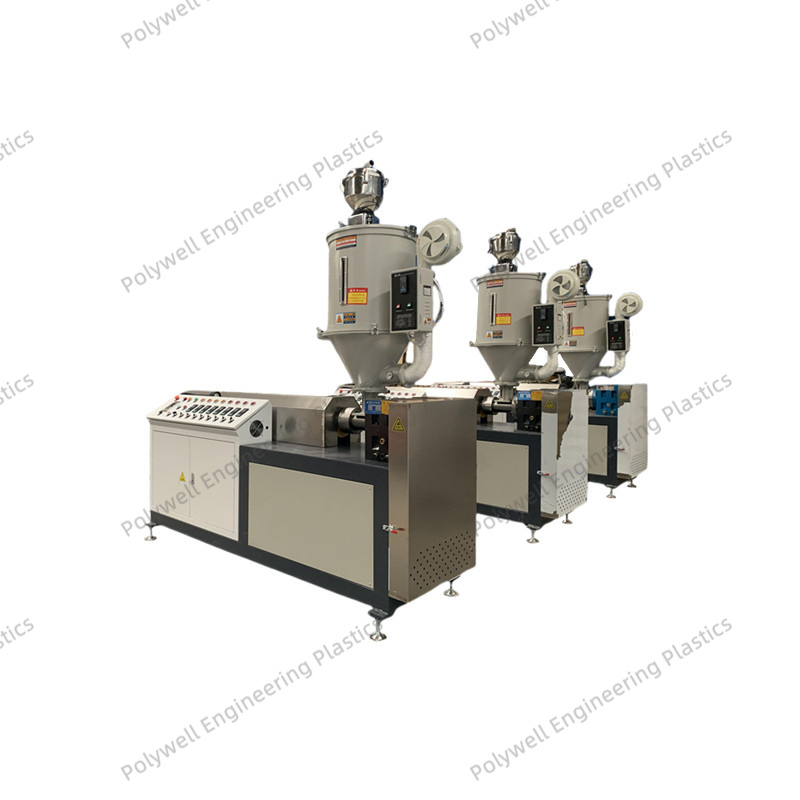
အမြဲတမ်း သို့မဟုတ် ပုံသေပြောင်းစက် (mold) သို့မဟုတ် ပါတ်စပ်ပါ (strip) တစ်ခုကို ပေးပို့ခြင်းထက် ပိုများသော ဝန်ဆောင်မှုဖြစ်ပါသည်။ ထိုဝန်ဆောင်မှုသည် ထုတ်လုပ်မှုနည်းပညာ အားလုံးကို ဖုံးလွှမ်းပါသည်။ တစ်နေရာတည်းမှ ဝန်ဆောင်မှုပေးသူ (one stop provider) သည် စမ်းသပ်မှုဖြင့် အတည်ပြုထားသော လုပ်ငန်းစဉ်အပြည့်အစုံကို ပေးပါသည်။ ထိုသို့သော ဝန်ဆောင်မှုပေးသူသည် ပုံသေပြောင်းစက် (mold)၊ အောက်ခြေတွင် တပ်ဆင်ထားသော အတိုင်းအတာညှိစက် (downstream calibrator)၊ အအေးခံစနစ် (cooling system) နှင့် ပုံပေါ်လာသော ပုံသေပြောင်းစက်မှ ထုတ်လုပ်ထားသော ပစ္စည်းကို ဆွဲထုတ်သော စက် (haul-off) တို့ကို အားလုံး အတိအကျ အပိုင်းအစများ အတိအကျ ညှိပေးပါသည်။ ထိုသို့သော ဝန်ဆောင်မှုပေးသူသည် အထူအပေါ်သို့ အလွန်ပေါ်လွယ်သော ပရိုဖိုင် (thin wall profile) ကို အောင်မြောက်စွာ ထုတ်လုပ်နိုင်ရန် လိုအပ်သော အတိအကျ လုပ်ဆောင်မှု ပါရာမီတာများကို ပေးပါသည်။ ထိုသို့ဖြင့် အများအားဖြင့် မတူညီသော ရောင်းသူများမှ မတူညီသော အစိတ်အပိုင်းများကို ပေါင်းစပ်သည့်အခါ ဖြစ်ပေါ်လေ့ရှိသော စုံစမ်းမှုများ နှင့် အချိန်ကုန်သော အလုပ်များကို ဖျောက်ပေးပါသည်။ ဝယ်ယူမှု စီမံခန့်ခွဲမှုမှူးအတွက် ထိုသို့သော ဝန်ဆောင်မှုသည် အာမခံချက်ပါသော ထုတ်ကုန်ကို ရရှိခြင်းကို ဆိုလိုပါသည်။ ထိုထုတ်ကုန်များသည် အထူအပေါ်သို့ အလွန်ပေါ်လွယ်သော အပူခံအကာ (thin wall thermal break strips) များဖြစ်ပြီး အတိအကျ အရွယ်အစားများဖြင့် ထုတ်လုပ်ထားပါသည်။ အလွန်ကောင်းမွန်သော စက်မှုအားသာချက်များဖြင့် ထုတ်လုပ်ထားပါသည်။ ထုတ်လုပ်မှုနှုန်းများလည်း အလွန်မြင့်မားပါသည်။
တစ်ခုတည်းသော ပေးသွင်းသူနှင့် ပူးပေါင်းဆောင်ရွက်ခြင်းဖြင့် သင်သည် အထူမှုနည်းသော အစိတ်အပိုင်းများ ထုတ်လုပ်ရာတွင် ပါဝင်သည့် အလွန်များပြားသော နည်းပညာဆိုင်ရာ ရှုပ်ထွေးမှုများနှင့် အန္တရာယ်များကို လွှဲပေးလိုက်ပါသည်။ သင်သည် သင့်ထိန်းချုပ်မှုအပြင် အချက်များ (ဥပမါ- ပစ္စည်းအရည်အသွေး) ပေါ်တွင် မှုတ်မှုတ်သော အရေးကြီးသော အစိတ်အပိုင်း (ဖောင်းပေါက်) ကို ဝယ်ယူခြင်းမဟုတ်ပါ။ အစား စနစ်တစ်ခုလုံး၏ အကောင်အထောက်အကူဖော်မှုနှင့် စွမ်းဆောင်ရည်အတွက် အပြည့်အဝ တာဝန်ယူမှုရှိသော ပူးပေါင်းဖော်ကို စုံဖော်ခြင်းဖြစ်ပါသည်။ ဤသို့သော ပူးပေါင်းမှုသည် သင့်၏ ပေးသွင်းရေး ကွန်ရက်ကို ရှုပ်ထွေးမှုနည်းအောင် လုပ်ပေးပါသည်၊ အရည်အသွေး အာမခံရေး တာဝန်ကို လျော့နည်းစေပါသည်၊ ထို့အပြင် သင်၏ ဒီဇိုင်းများတွင် လိုအပ်သည့် အထူမှုနည်းသော အထူးသော ပါတ်များကို ထုတ်လုပ်နိုင်မှုနှင့် စွမ်းဆောင်ရည်အပေါ် အပြည့်အဝ ယုံကြည်မှုကို ပေးစေပါသည်။
နိဂုံးချုပ်အားဖြင့်၊ ပါးလွှာသော အရွယ်အစားရှိသည့် ပေါလီအမိုင်းဒ် အပူခွဲထားသည့် ပါးစပ်များ (thermal break strips) ကို ထုတ်လုပ်ရာတွင် ပုံသေးစေးမှု ဒီဇိုင်း (mold design) အတွက် အရေးကြီးဆုံး အချက်များမှာ အလွန်တိကျသည့် ပိုမိုကောင်းမွန်သည့် အားဖော်မှု ညှိချိန်ခြင်း (ultra-precise flow balancing)၊ အပူချိန်ထိန်းချုပ်မှု (thermal control) နှင့် ပစ္စည်း၏ အပြုအမှုအရေးကြီးမှုကို အကောင်အထည်ဖော်ခြင်း (compensation for material behavior) တို့ဖြစ်သည်။ သို့သော် အရေးအကြီးဆုံး အချက်မှာ ပုံသေးစေးမှု ဒီဇိုင်းကို တစ်ခုတည်းသော ဝန်ဆောင်မှုအဖြစ် မဟုတ်ဘဲ အပြည့်အဝ ထိန်းချုပ်ထားသည့် ထုတ်လုပ်မှု ကွန်ရက်တွင် အစိတ်အပိုင်းတစ်ခုအဖြစ် ပါဝင်သည့် မိတ်ဖက်ကို ရွေးချယ်ခြင်းဖြစ်သည်။ တစ်နေရာတည်းတွင် ဝန်ဆောင်မှုအားလုံးကို ပေးသည့် ပေးသည့် ဝန်ဆောင်မှုပေးသူကို ရွေးချယ်ခြင်းဖြင့် သင့်၏ ပါးလွှာသော အရွယ်အစားရှိသည့် ပါးစပ်များသည် ပစ္စည်း သိပ္ပံ (twin-screw compounding) နှင့် တိကျသည့် အင်ဂျင်နီယာပညာ (optimized mold design and single-screw extrusion) တို့၏ အကောင်အထည်ဖော်မှု အပ်နှင်းမှုကောင်းမွန်စွာ ပေါင်းစပ်မှုမှ မှုန်းမှုန်းမှု ဖြစ်ပေါ်လာမည်ဖြစ်သည်။ ဤ စုစည်းမှုအပ်နှင်းမှုသည် ပါးလွှာသော အရွယ်အစားရှိသည့် အထုပ်ထုတ်လုပ်မှု (thin wall extrusion) ၏ စိန်ခေါ်မှုများကို အောင်မွန်စွာ ဖြေရှင်းနိုင်ရန်နှင့် ခေတ်မီ ဗိသုကာဒီဇိုင်း၏ စိန်ခေါ်မှုများကို ဖြည့်ဆည်းပေးနိုင်သည့် အမြင့်ဆုံး စွမ်းဆောင်ရည်ရှိသည့် အစိတ်အပိုင်းများကို အောင်မွန်စွာ ထောက်ပံ့ပေးနိုင်ရန်အတွက် အကောင်အထည်ဖော်ရန် အကောင်အထည်ဖော်ရန် အကောင်အထည်ဖော်ရန် အကောင်အထည်ဖော်ရန် အကောင်အထည်ဖော်ရန် အကောင်အထည်ဖော်ရန် အကောင်အထည်ဖော်ရန် အကောင်အထည်ဖော်ရန် အကောင်အထည်ဖော်ရန် အကောင်အထည်ဖော်ရန် အကောင်အထည်ဖော်ရန် အကောင်အထည်ဖော်ရန် အကောင်အထည်ဖော်ရန် အကောင်အထည်ဖော်ရန် အကောင်အထည်ဖော်ရန် အကောင်အထည်ဖော်ရန် အကောင်အထည်ဖော်ရန် အကောင်အထည်ဖော်ရန် အကောင်အထည်ဖော်ရန် အကောင်အထည်ဖော်ရန် အကောင်အ......
 အရေးကြီးသော သတင်းများ
2025-12-09
2025-12-08
2025-12-05

POLYWELL သည် polyamide granules၊ extruders၊ မှိုများ၊ အကွေ့အကောက်များသောစက်များနှင့် ပြည့်စုံသော တစ်နေရာတည်းတွင် စိတ်ကြိုက်ပြုပြင်ခြင်းဝန်ဆောင်မှုများကို ပေးဆောင်သည့် PA66 အပူလျှပ်ကာအကွက်များကို အထူးပြုပါသည်။
Jinfeng Town, Zhangjiagang City, Suzhou City, Jiangsu Province, China
Copyright © 2024 Suzhou Polywell Engineering Plastics Co.,Ltd ကိုယ်ရေးကိုယ်တာမူဝါဒ

 EN
EN