For procurement managers and production supervisors in the fenestration industry, ensuring the flawless quality of polyamide thermal break strips begins long before the material reaches the extrusion line. It starts in the storage facility. PA66, the backbone polymer of high performance thermal break strips, is inherently hygroscopic. This means it actively absorbs moisture from the surrounding air. If PA66 granules are stored or processed with excess moisture, it leads directly to a cascade of production defects and product failures. Understanding and controlling the storage environment is not a minor logistical detail; it is a critical first step in quality assurance. This article defines the ideal humidity range for storing PA66 material, explains the consequences of deviation, and outlines why a comprehensive one stop service partnership is the most reliable strategy to mitigate this risk entirely.
Moisture in PA66 is not benign water content. When PA66 granules containing excessive moisture are fed into a high temperature extruder machine, the water vaporizes instantly, turning to steam within the polymer melt. This causes a chemical reaction known as hydrolytic degradation, which breaks down the polymer chains, severely reducing the material's molecular weight and intrinsic strength. The physical steam formation also creates internal voids. The result in the final thermal break strip is catastrophic: severe loss of tensile strength and impact resistance, surface imperfections like bubbles, silver streaks, or pockmarks, and dimensional instability. For a purchaser, this translates to strips that are mechanically unsound and prone to premature failure in the window or door assembly, leading to costly rejects, production delays, and potential liability.
The target is not merely a room humidity percentage, but the moisture content within the PA66 granule itself. The universally accepted industry standard for processing PA66 is a moisture content of 0.1% or lower. To achieve and maintain this, the storage environment must be meticulously controlled.
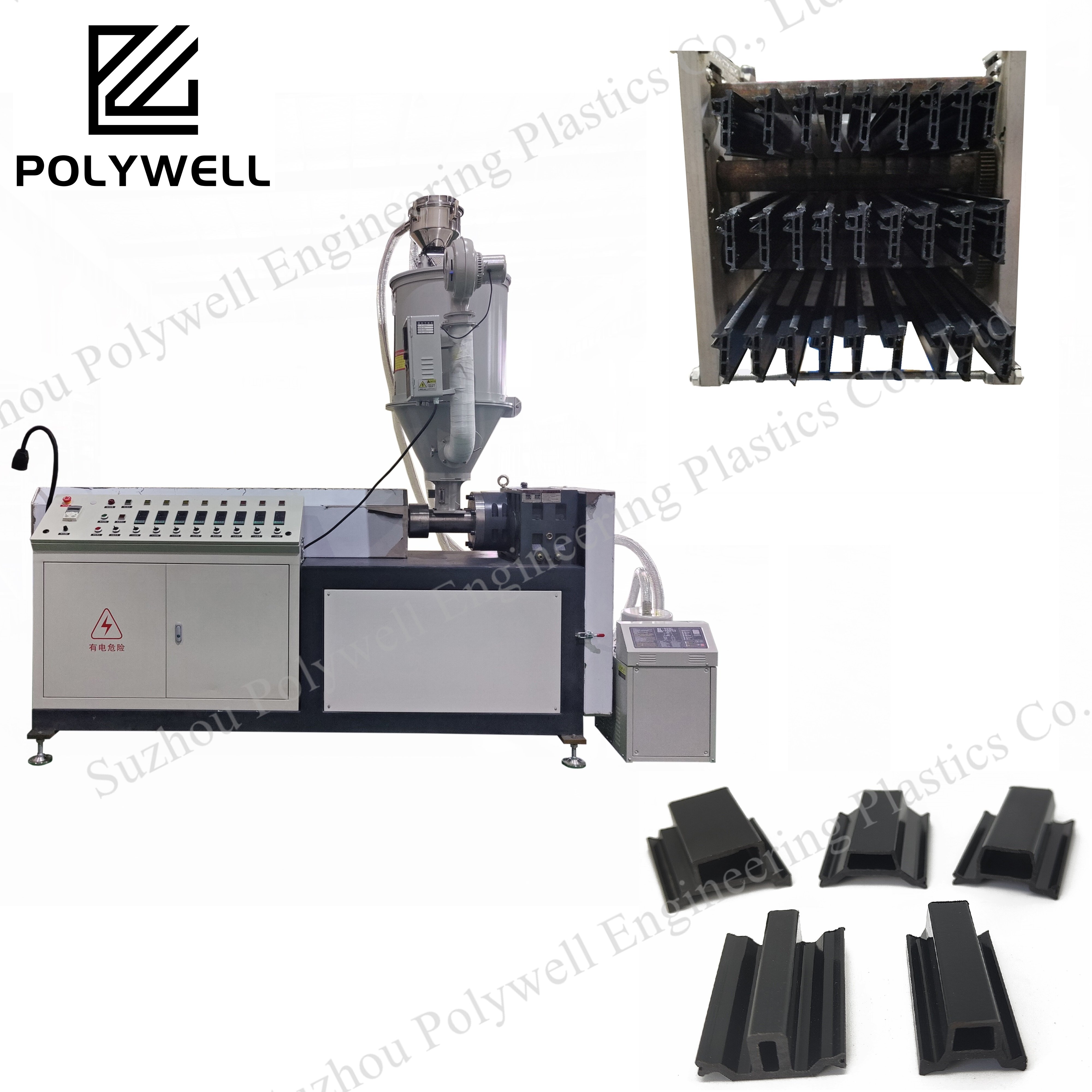
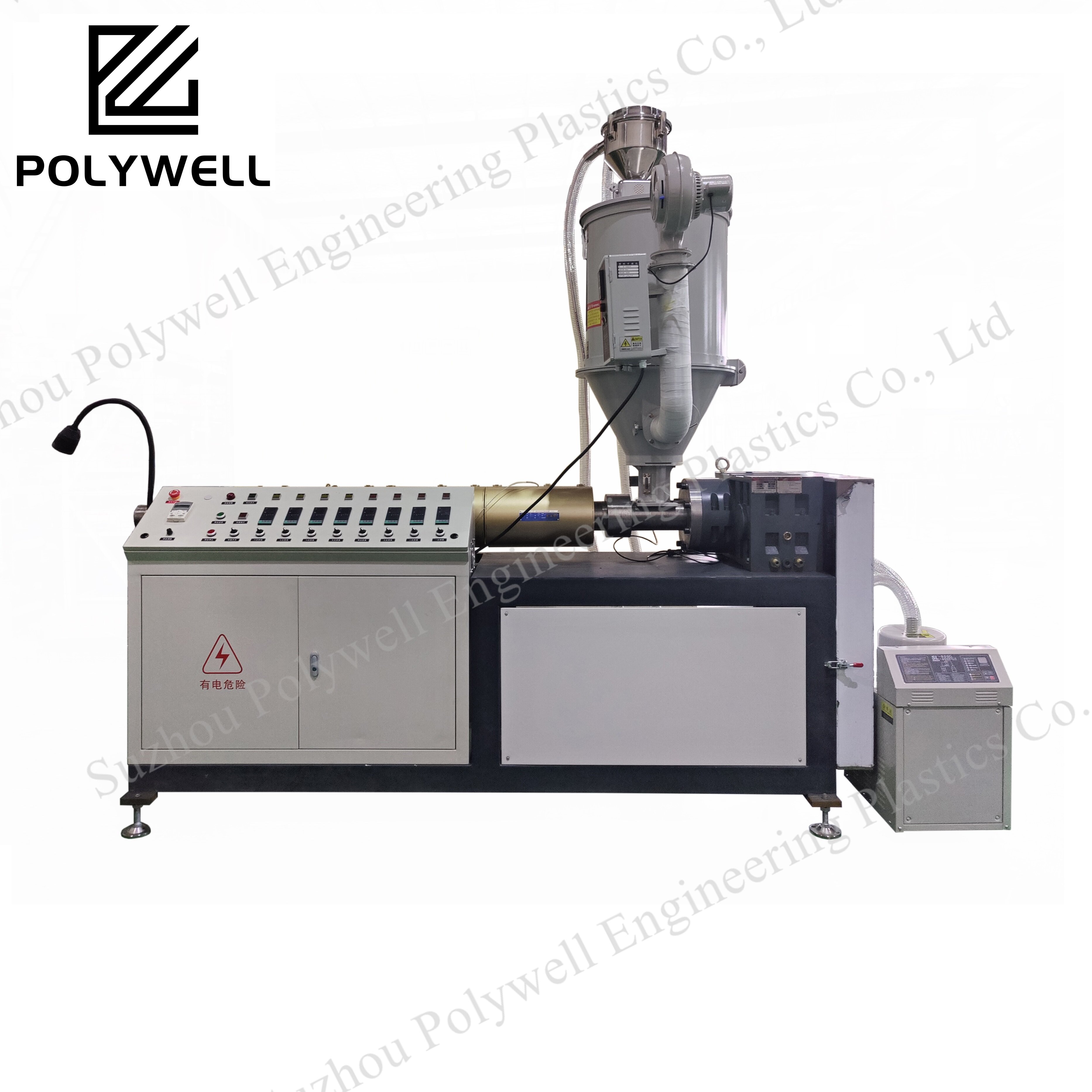
PA66 material should always be stored in its original, sealed moisture proof packaging until ready for use. Once a bag or container is opened, the material must be used promptly or transferred to a dedicated drying hopper. For bulk storage of opened material, the environment must be maintained at a very low relative humidity, typically below 30%. However, ambient room control is often insufficient for opened material. Best practice dictates the use of closed loop dehumidifying dryers that directly feed the extruder machine. These dryers circulate dry air with a dew point of -40°C or lower, actively stripping moisture from the granules and maintaining them at the critical sub 0.1% level right up to the point of entering the extruder throat.
Storing PA66 in a humid environment, even for a short period, can have irreversible effects. Granules become surface moist, which can lead to clumping and bridging in the feed hopper, causing inconsistent material flow to the extruder machine. More critically, moisture can begin to migrate into the core of the pellet. If this moisture laden PA66 material is processed, the resulting hydrolytic degradation is not always visible on the surface. It creates a hidden weakness—a strip that may pass a visual inspection but will fracture under mechanical stress, representing a significant quality and safety risk.
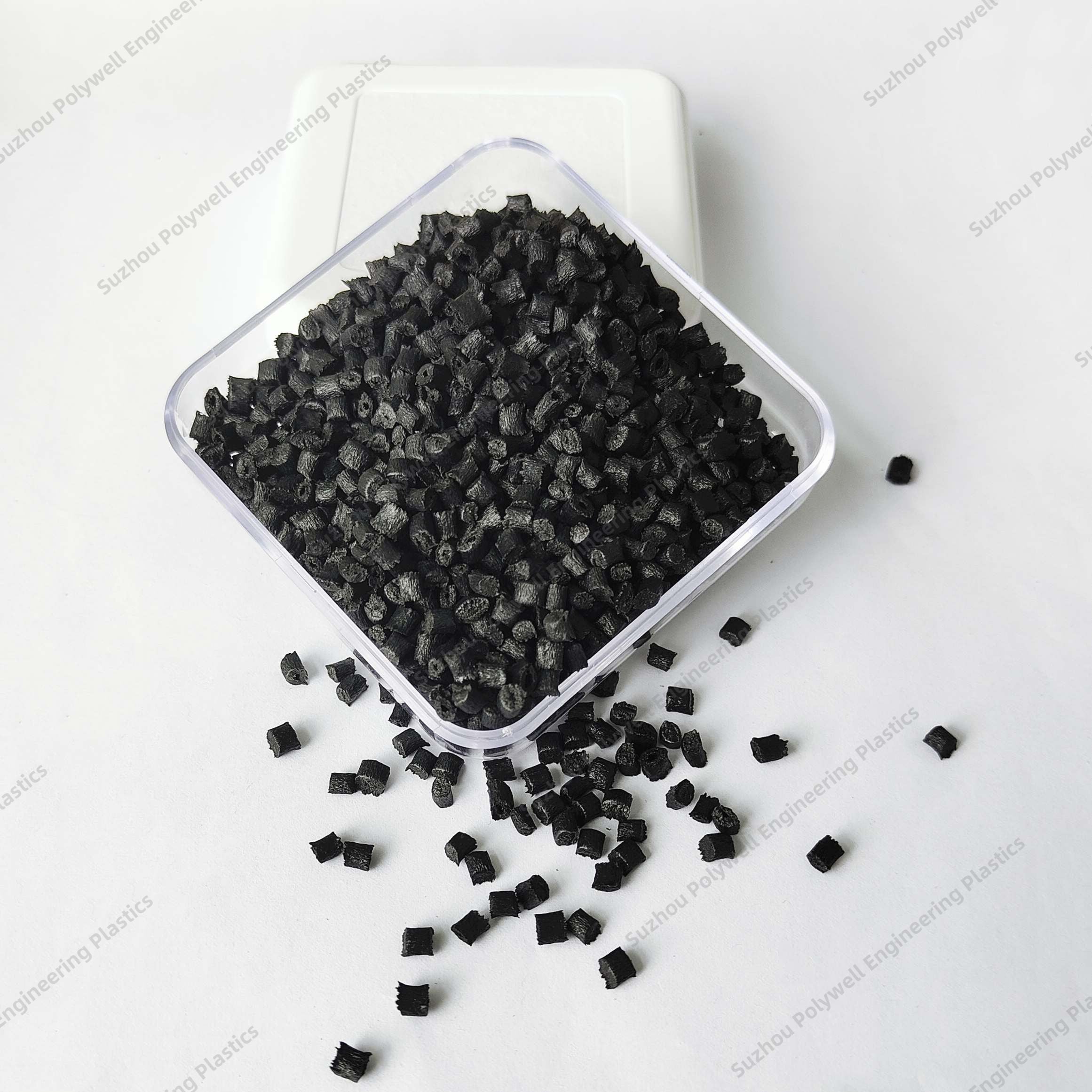
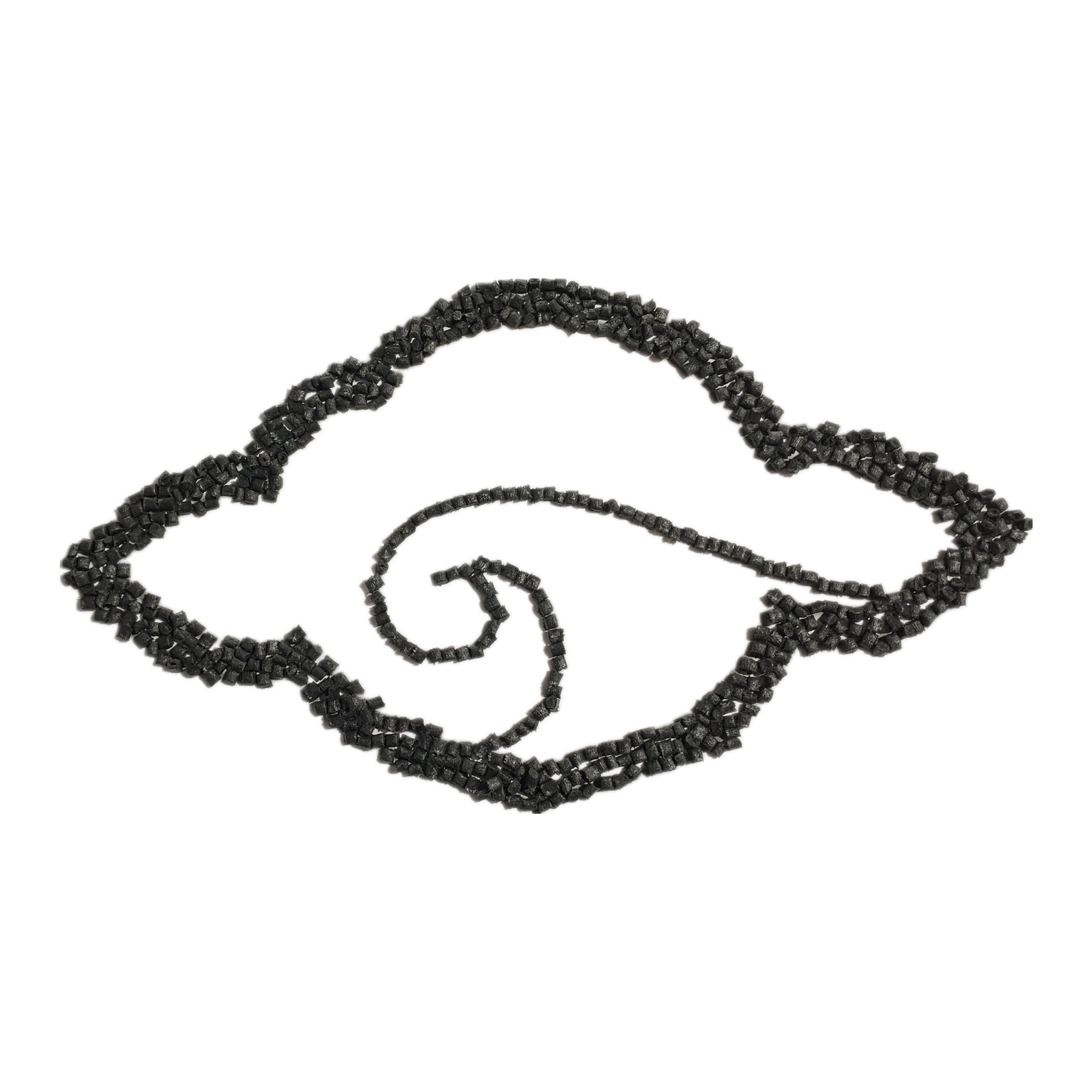
A crucial insight for procurement is that the fight against moisture sensitivity is influenced by the initial quality of the PA66 compound. A superior compound, where glass fibers are uniformly and thoroughly dispersed within the PA66 matrix, exhibits more consistent behavior. This optimal dispersion is achieved through advanced twin screw compounding technology. The intense, controlled shear of the twin screw extruder ensures each glass fiber is fully wetted by the polymer resin, creating a dense, homogeneous network. This uniform structure can influence how moisture permeates the granule and may contribute to slightly more predictable drying characteristics. Starting with a premium, consistently compounded material is the first defense in a robust moisture management strategy.
For a buyer of thermal break strips, managing PA66 storage humidity is an added operational burden fraught with risk. If a defect arises, is it due to your storage conditions, the material's initial state, or the processor's drying procedure? A one stop service provider eliminates this ambiguity by offering complete control over the entire process, from raw material to finished strip.
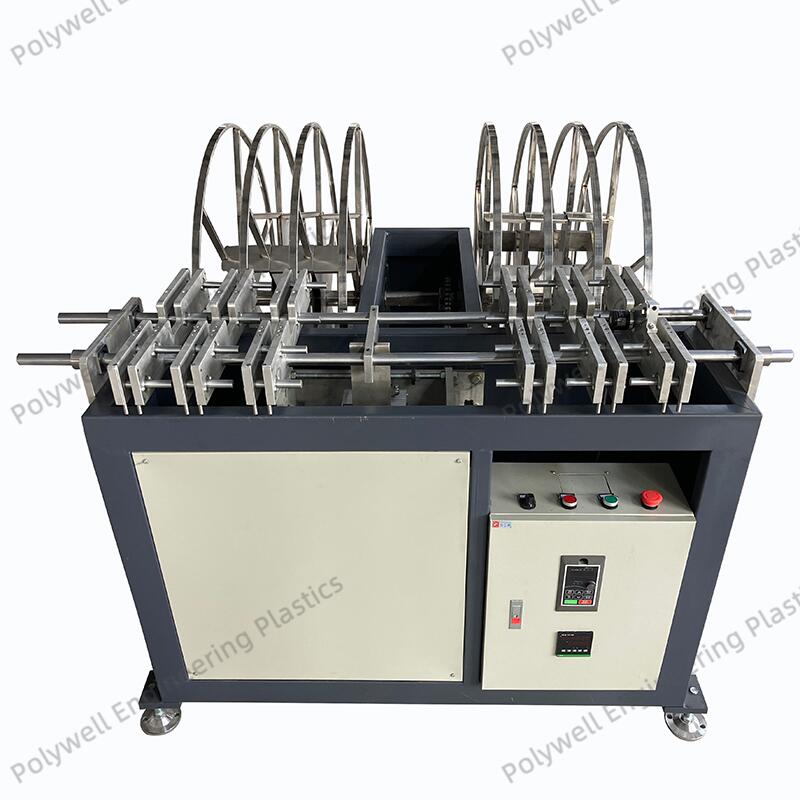
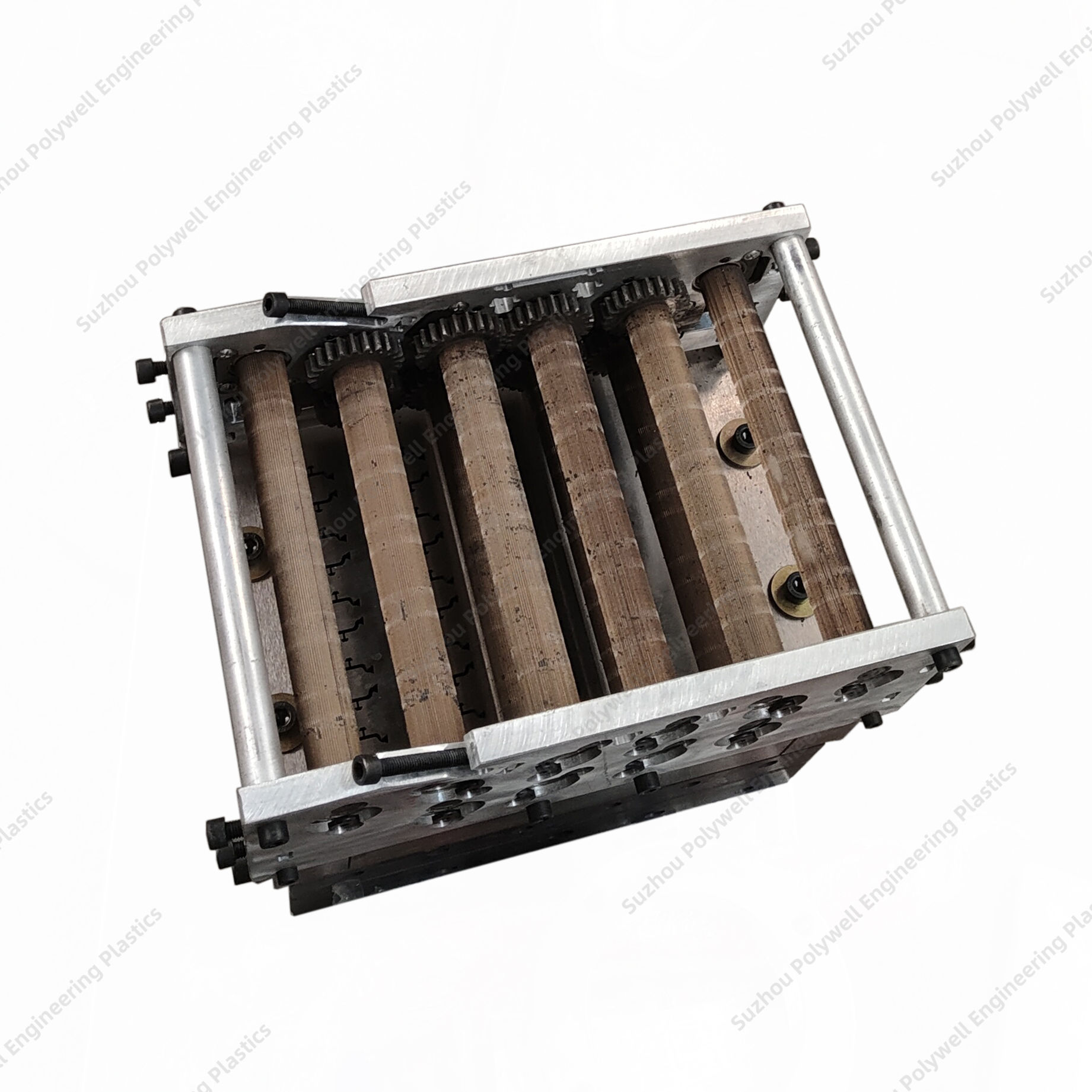
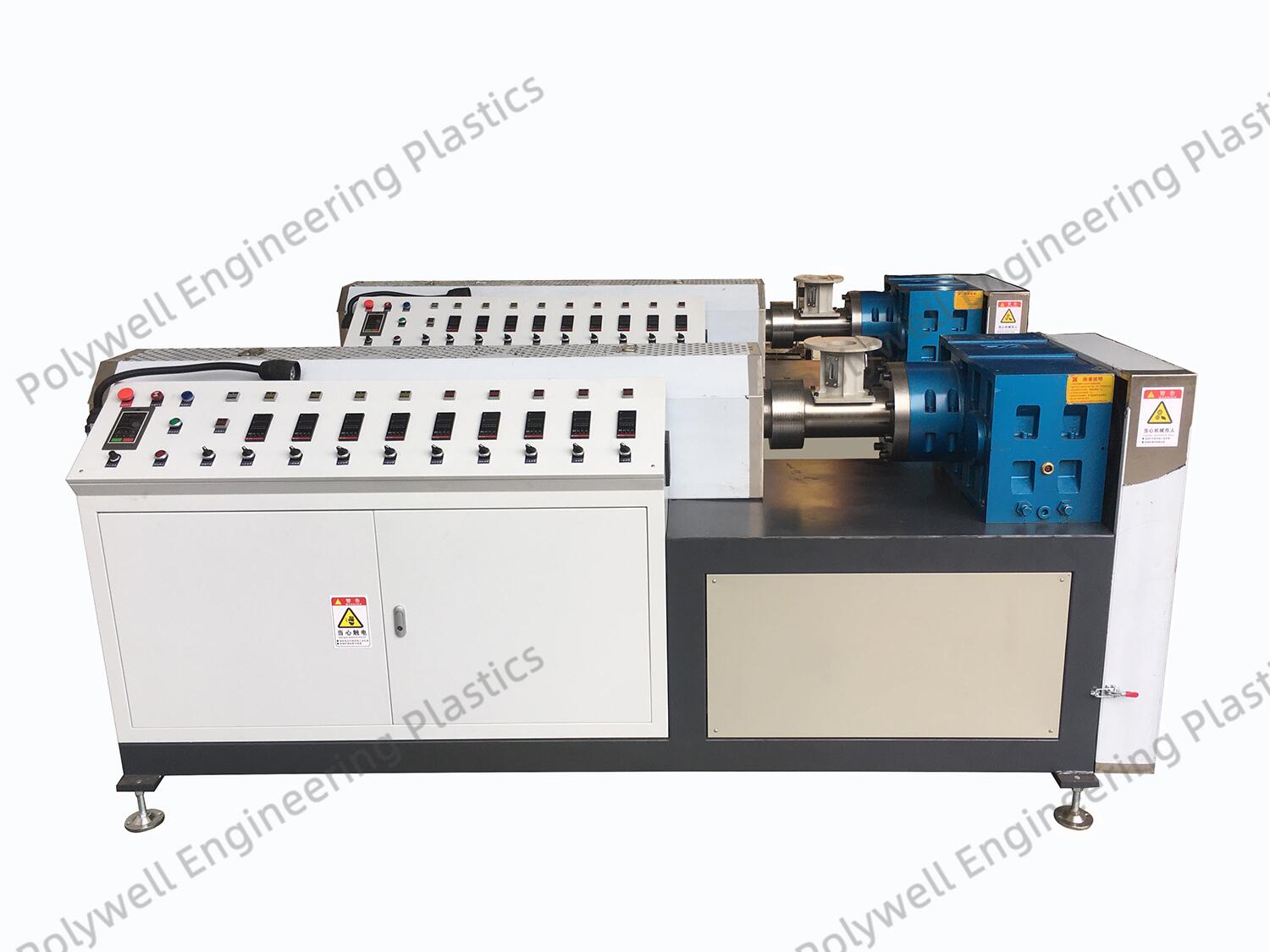
A provider like Polywell, with deep expertise in PA66 material science since 2006 and control over the full production chain, manages the moisture variable from start to finish. They produce their own specialized PA66 compound using twin screw extrusion, ensuring a high quality, consistent feedstock. This material is then immediately and properly packaged in moisture barrier bags. When they undertake the production of strips, they process the material in their own facilities with industrial grade dehumidifying dryers integrated directly with their single screw extruder machines. The strict protocol of drying the PA66 material to below 0.1% moisture content is a controlled, verified step in their standardized process. When you purchase finished strips from them, you are purchasing a product where the moisture critical drying step has been expertly executed and validated.
By partnering with a one stop service provider, you effectively transfer the technical and operational risks associated with PA66 storage and drying. Their service encompasses the entire polyamide thermal break strip production technology. You are not purchasing a hygroscopic raw material that requires careful handling; you are purchasing a finished, performance guaranteed component. This provider assumes full accountability for the material's integrity, ensuring that every strip delivered has been manufactured from properly conditioned PA66, free from the defects caused by moisture. This simplifies your supply chain, reduces your quality inspection overhead, and provides absolute confidence in the long term performance of the strips you install.
In conclusion, the ideal condition for storing PA66 material destined for thermal break strips is to maintain a granule moisture content at or below 0.1%, achieved through sealed packaging and the use of dedicated dehumidifying drying systems prior to extrusion. While proper storage is essential, the most strategic approach for a procurement professional is to source from a partner that views moisture control not as a separate step, but as an integral, managed phase within a fully integrated manufacturing system. Choosing a one stop service provider ensures that the PA66 material is protected, processed, and transformed under optimal conditions. This holistic partnership guarantees that the thermal break strips you receive are free from moisture induced defects, delivering the consistent mechanical strength, dimensional accuracy, and long term reliability that modern fenestration systems require.
 Hot News
POLYWELL specializes in PA66 thermal insulation strips, offering polyamide granules, extruders, molds, winding machines, and comprehensive one-stop customization services.
Jinfeng Town, Zhangjiagang City, Suzhou City, Jiangsu Province, China
Copyright © 2024 Suzhou Polywell Engineering Plastics Co.,Ltd Privacy Policy

 EN
EN