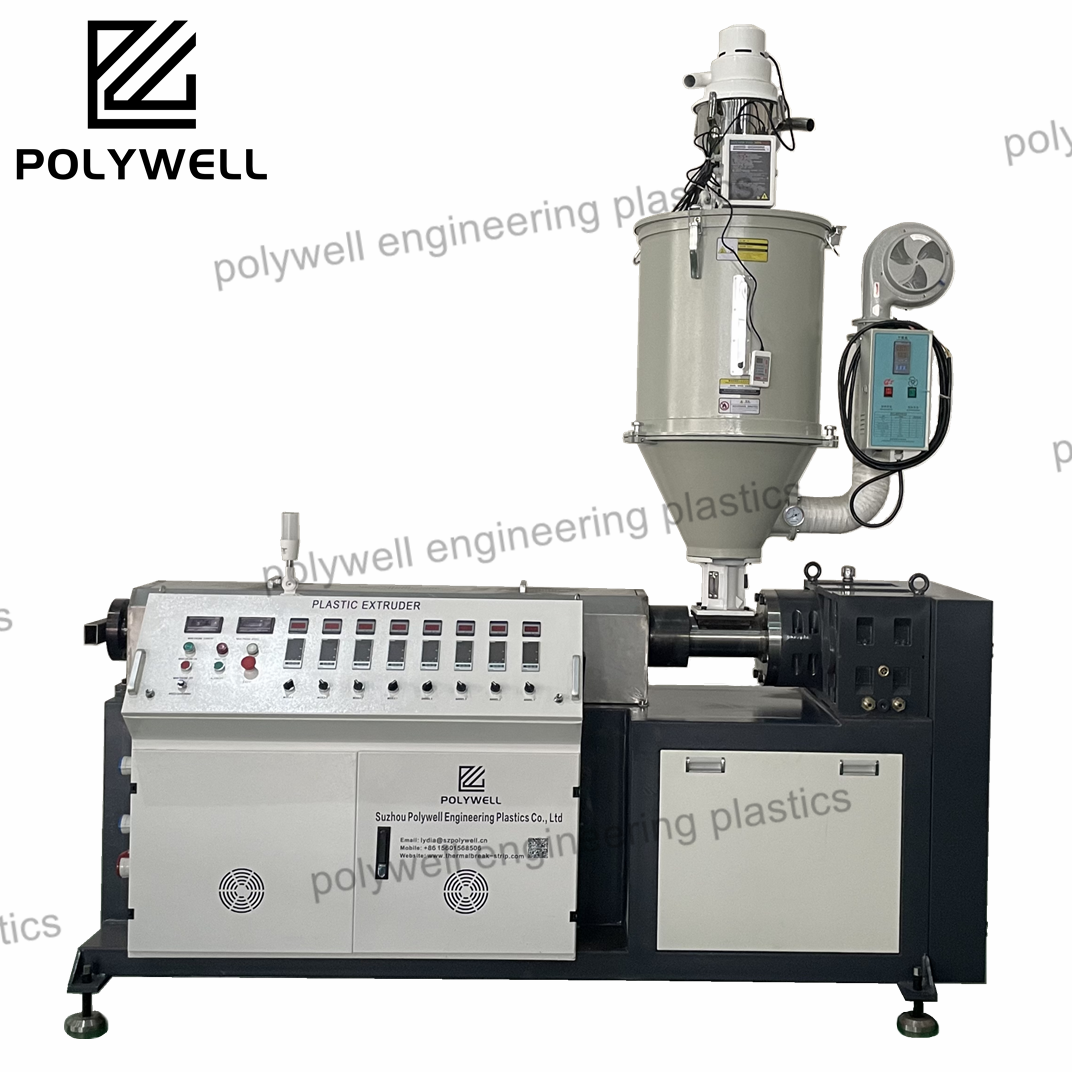
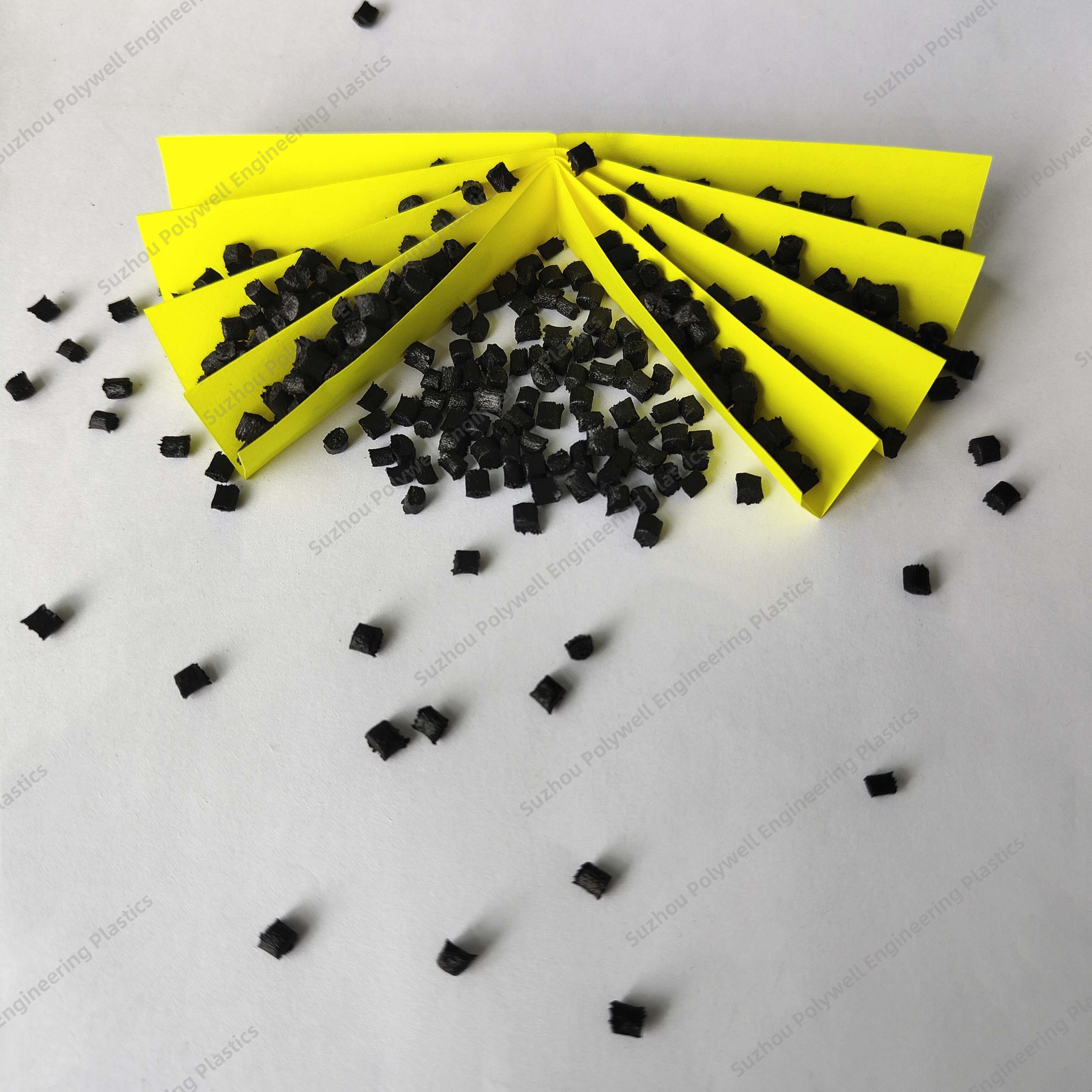
ဖဲနက်စထရေရှင် (fenestration) လုပုပ်ငန်းတွင် ဝယ်ယူမှုစီမံခန့်ခွဲမှုမှူးများနှင့် ထုတ်လုပ်ရေးအင်ဂျင်နီယာများအတွက် သို့မဟုတ် အပူခွဲခြားမှုပါးလွှာ (thermal break strip) ထုတ်လုပ်ရေးလိုင်း၏ နောက်ဆုံးအဆင့်ဖြစ်သည့် ဖြတ်ခြင်းသည် တိကျမှုနှင့် လက်တွေ့အသုံးဝင်မှုတွင် ပေါင်းစပ်မှုရှိသည့် အဆင့်ဖြစ်သည်။ ဖြတ်စက်သည် အဆက်မပြတ် အရွှေ့ပေးထုတ်လုပ်ထားသည့် ပရိုဖိုင်လ်ကို သီးခြားသေးငယ်သည့် အသုံးပြုရန်အတွက် အသင့်ဖြစ်သည့် အတိအကျရှိသည့် အရှည်ရှိသည့် ပါးလွှာများအဖြစ် ပေါင်းစပ်ပေးသည်။ သင့်၏ ထုတ်လုပ်မှုလိုအပ်ချက်များသည် မတူညီသည့် ပေါင်းထုပ်များနှင့် မတူညီသည့် ပရိုဖိုင်လ်များကို မတူညီသည့် ပေါင်းပေါင်းများနှင့် တံခါးများအတွက် လိုအပ်သည့်အတိုင်း ပြောင်းလဲနေပါက သင့်လုပ်ငန်းအတွက် မှန်ကန်သည့် ဖြတ်စက်ကို ရွေးချယ်ရေးသည် အရေးကြီးသည့် ဆုံးဖြတ်ချက်ဖြစ်လာသည်။ မှားယွင်းသည့် ရွေးချယ်မှုသည် ပစ္စည်းစုစုပေါင်း အကုန်အကျဖြစ်ခြင်း၊ စုပ်ယူမှုအတွက် အရည်အသွေးနိမ့်ပါးသည့် ဖြတ်မှုများဖြစ်ခြင်းနှင့် ထုတ်လုပ်မှုတွင် စုံလင်သည့် အတားအဆီးများဖြစ်ခြင်းတို့ကို ဖော်ပေးနိုင်သည်။ ဤလမ်းညွှန်ချက်သည် အထူးသဖြင့် အများအားဖြင့် ဝယ်ယူမှုပမာဏများသည့် ဝယ်ယူသူများ၏ အမြင်မှ စွယ်စုံသည့် ဖြတ်စက်ကို ရွေးချယ်ရေးအတွက် အရေးကြီးသည့် အချက်များကို စုံစမ်းစစ်ဆေးပေးပါသည်။ ထို့အပါအဝင် ဤရွေးချယ်မှုသည် စုံလင်သည့် တစ်နေရာတည်းတွင် ဝန်ဆောင်မှု (one stop service) အစီအစဉ်အတွင်းတွင် အကောင်အကျအောင်မြန်စွာ ဆောင်ရွက်နိုင်သည့် အကောင်အထောက်ဖြစ်ကြောင်းကို အလေးပေးဖော်ပြပါသည်။
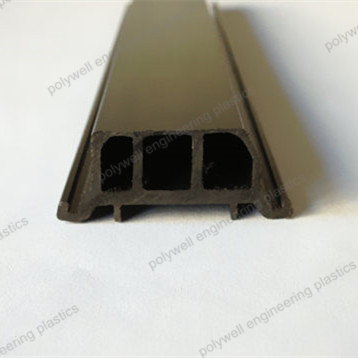
ပေါလီအမိုင်းဒ် သာမားလ်ဘရိတ်စထရစ်၏ ဖြတ်ထားသောအဆုံးသတ်သည် အဆုံးသတ်နေရာသာမက လုပ်ဆောင်ခွင့်ရှိသောမျက်နှာပြင်ဖြစ်သည်။ အရည်အသွေးနိမ့်သောဖြတ်မှု—ဥပမါ ဖြတ်စွန်းများ၊ အလွဲကွဲမှုများ၊ အပူကြောင့်ဖောင်းပွမှုများ သို့မဟုတ် အရှည်မှန်ကန်မှုမရှိခြင်း—သည် ပုံစံအားလုံးကို ထိခိုက်စေနိုင်သည်။
အရည်အသွေးနိမ့်သောဖြတ်မှုမှ ဖြစ်ပေါ်လာသော မျောက်ချောက်သောအစွန်းများ သို့မဟုတ် ထောက်ထားသော ဂလပ်စ်အမျှင်များသည် ရှယ်လ်ဖော်မင်းလုပ်ဆောင်မှုအတွင်း အလူမီနီယမ်ပရိုဖိုင်လ်ထဲသို့ စထရစ်ကို ချောမွေ့စွာထည့်သွင်းရေးကို အဟန့်အတားဖြစ်စေနိုင်သည်။ ဤသည်သည် အလူမီနီယမ်အမျှင်ကို ပျက်စီးစေနိုင်ပါသည် သို့မဟုတ် မှန်ကန်သောကိုက်ညီမှုမရှိစေနိုင်ပါသည်။ ထို့ကြောင့် ယန္တရားအားသာခြင်းနှင့် သာမားလ်ဘရစ်ဂျင်းဖြစ်ပေါ်လာနိုင်ခြင်းကို ဖြစ်ပေါ်စေနိုင်သည်။
စထရစ်၏ အရှည်မတည်မြဲခြင်း သို့မဟုတ် ထောင်ထောင်ထောင်မှန်ကန်မှုမရှိခြင်းသည် စုစည်းမှုလုပ်ငန်းများကို အလွန်အမင်းခက်ခဲစေသည်။ လုပ်သမ်းများသည် အရွယ်အစားမက်က်သော စထရစ်များကို တပ်ဆင်ရေးအတွက် အခက်အခဲဖြင့် ကြိုးစားရပါမည်။ ထိုသို့သောအခြေအနေများသည် ထုတ်လုပ်မှုနှုန်းကို နှေးကွေးစေပါသည်။ ထို့အပြင် အပူကာကွယ်မှုအစိတ်အပိုင်းတွင် အကွာအဝေးများ သို့မဟုတ် ဖိအားစုစုဝေးများကို ဖြစ်ပေါ်စေနိုင်ပါသည်။ ထိုအခြေအနေများသည် အပူကာကွယ်မှုအစိတ်အပိုင်း၏ အပူကာကွယ်မှုစွမ်းရည်ကို အားနည်းစေနိုင်သည်။
အထူသောစတီပ်များအတွက် အထူးသဖြင့် ဖြတ်တောက်ရာတွင် အလွန်အမင်းသော ပွန်းစဲမှုကြောင့် ပိုလီအမိုင်းဒ်ကို ဒေသခံအားဖြင့် အပူဖြင့် အရည်ပေါက်စေခြင်း သို့မဟုတ် ပုံပျက်စေခြင်းကို ဖြစ်ပေါ်စေနိုင်ပါသည်။ ဤအပူဖြင့် ထိခိုက်သော ဇုန်သည် ယန္တရားဂုဏ်သတ္တိများ ပြောင်းလဲသွားသော အားနည်းသော နေရာဖြစ်လာပါသည်။
စံနှုန်းအတိုင်းသော စတီပ်များမှ အထူသော စွမ်းရည်မြင့် အမျိုးအစားများအထိ အထူများစွာကို ကိုင်တွယ်နိုင်သော စက်သည် ဧရီယာများစွာတွင် ထူးခြားစွာ အကောင်အထောက်ဖြစ်ရမည်။
ဖြတ်တောက်ရေးစနစ်တွင် တိကျမှုနှင့် လိုက်လျောညီထွေဖြစ်မှု
စက်၏ အဓိကအစိတ်အပိုင်းမှာ ၎င်း၏ ဖြတ်တောက်ရေးနည်းပညာဖြစ်သည်။ ကြေးနီများဖြင့် အားဖေးပေးထားသော ပိုလီအမိုင်းဒ်စတီပ်များအတွက် သဲမှုန်ဖြင့် ဖြတ်တောက်ခြင်းနည်းလမ်းများထက် သန့်ရှင်းပြီး ဖြတ်တောက်ခြင်းအမျိုးအစား (shearing action) ကို ဦးစားပေးသည်။
ခေတ်မှီပြီး အထုတ်လုပ်မှုပမာဏများသော လိုင်းများတွင် တိကျသော servo မောင်းသော ဖြတ်စက်များကို အသုံးပြုကြသည်။ ဤစနစ်များသည် ဖြတ်စက်ဓားကို အပိုင်းအစများကို ဆက်တိုက်ဖောက်ထုတ်ပေးသည့် အမြန်နှုန်းနှင့် အတိအကျ အကောင်းဆုံး အကိုက်အဝေးရှိစွာ ညှိပေးပါသည်။ ထို့ကြောင့် လိုင်း၏ အမြန်နှုန်း မည်မျှမျှ ဖြစ်စေ အကောင်းဆုံး ထောင်လေးထောင်ဖြတ်မှုကို အမြဲတမ်း အောင်မြင်စေပါသည်။ စနစ်၏ လုံ့လျင်မှုအတွက် အရေးကြီးသော အချက်မှာ မော်ဒယ်အများအပြားကို လွယ်ကူစွာ အသုံးပြုနိုင်ပြီး ပရိုဂရမ်မ်ရေးသားနိုင်သော အားကောင်းသော ထိန်းချုပ်မှုစနစ်ဖြစ်ပါသည်။ ထိုစနစ်သည် လုပ်ဆောင်နေသည့် ပရိုဖိုင်လ်၏ ထူမှုနှင့် သိပ်သောင်းကို အခြေခံ၍ ဖြတ်ခြင်းဆိုင်ရာ အချက်များ—ဖြတ်အား၊ ဖြတ်အမြန်နှုန်း၊ ဖြတ်ခြင်း စက်ကြိမ်နှုန်း—ကို ချက်ချင်း ညှိပေးနိုင်ပါသည်။ မတူညီသော အပိုင်းအစများ၏ အသွင်အပြင်များကို အပြောင်းအလဲ လုပ်ရာတွင် ဤလုံ့လျင်မှုသည် အလွန်အရေးကြီးပါသည်။
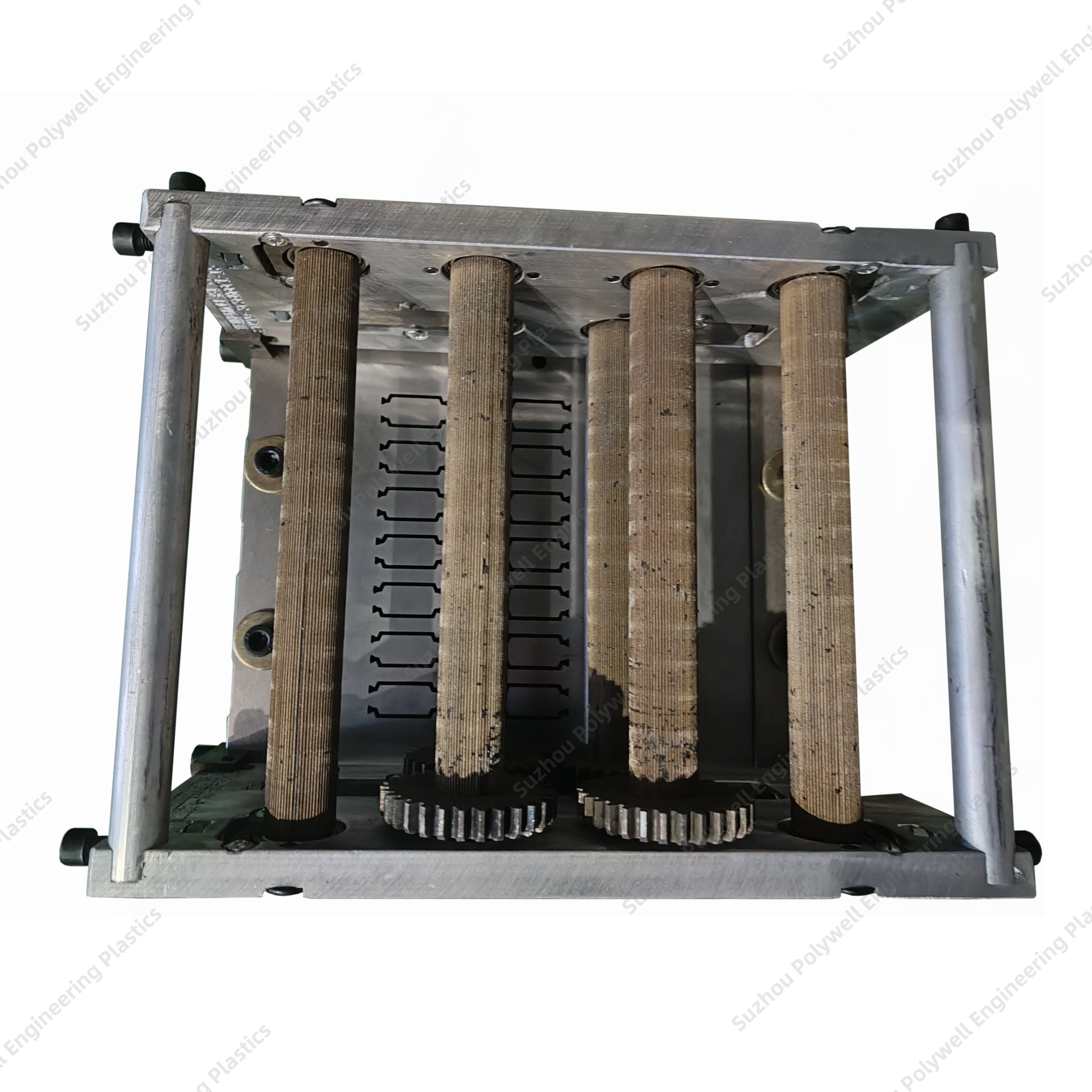
ဓားအများအပြားသည် ကွန်ပို့စ်ပစ္စည်းအတွက် အထူးပုံစံထုတ်ထားရပါမည်။ အထူးခံနိုင်ရည်ရှိသော သံမှုန် သို့မဟုတ် ကာဘိုင်းဒ် အမိုးပါသော ဓားများသည် အရှိန်ကောင်းစွာ ထောင်လေးထောင်ဖြတ်နိုင်သည့် အစွမ်းရှိပြီး PA66 နှင့် ဂလက်စ်ဖိုင်ဘာ မက်ထရစ်ကို အလွန်အများကြီး ဖြတ်အားများ မလိုအပ်ဘဲ သန့်ရှင်းစွာ ဖြတ်နိုင်ပါသည်။ ပုံသောင်းကိရိယာများသည် အပိုင်းအစများ၏ အမြင့်နှင့် ပုံစံများကို လွယ်ကူစွာ ပြောင်းလဲနိုင်ရန် အလွန်လွယ်ကူစွာ အစားထိုးနိုင်ခြင်း သို့မဟုတ် ညှိနိုင်ခြင်း ဖြစ်သင့်ပါသည်။ ထိုသို့ပြုလုပ်ရာတွင် အချိန်ကုန်ကြာမှု အလွန်နည်းပါသည်။
ကတ်ထ်ခ်မ်းစက်သည် ကွာရှင်းနေသော စက်တစ်လုံးမဟုတ်ပါ။ ၎င်း၏ အကောင်အကျင်းမှုသည် အဆက်မပါသော ပေါင်းစပ်မှုအပေါ်တွင် မှီခိုပါသည်။
ကတ်ထ်ခ်မ်းစက်သည် ဟော်လ်အော့ဖ်ယူနစ်မှ အတိုင်းအတာအတိအကျဖော်ပေးထားသော နှင့် အမျှတစွာ ရှေးနေသော ပရိုဖိုင်လ်ကို လက်ခံရရှိရမည်ဖြစ်ပါသည်။ အဆင့်မြင့်စနစ်များတွင် အတိုင်းအတာညှိခြင်းအတွက် ပေါင်းစပ်ထားသော ပြန်လည်အက်ဆ်ပ်ခြင်းစနစ်များကို အသုံးပြုပါသည်။ ထိုသို့ဖြင့် အလျော့အတောင့်မှု (slack) သို့မဟုတ် အဆွဲအထုပ်မှု (drag) ကို ကာကွယ်ပေးပါသည်။ အဆွဲအထုပ်မှု သို့မဟုတ် အလျော့အတောင့်မှုများသည် အရှည်အတိအကျမှုကို ထိခိုက်စေနိုင်ပါသည်။ အထူများစွာကွဲပြားသော အရှည်များကို အသုံးပြုသည့်အခါတွင် ဟော်လ်အော့ဖ်ယူနစ်၏ ကိုင်စွဲမှုအားနှင့် အပေးအယူအမြန်နှုန်းကိုလည်း ညှိနိုင်ရမည်ဖြစ်ပါသည်။ ထိုသို့ဖြင့် စက်နှစ်လုံးကြားတွင် ညှိနှိုင်းမှုရှိသော စနစ်တက်မှုကို လိုအပ်ပါသည်။
အများအားဖြင့် ထုတ်လုပ်မှုပမာဏများစွာကို လုပ်ဆောင်ရန်အတွက် အလိုအလျောက် စုစည်းခြင်းစနစ်သည် အရေးကြီးပါသည်။ စုစည်းမှုစနစ်သည် အပိုင်းအခြားအရှည်များနှင့် အထူများစွာကွဲပြားမှုများကို ကိုက်ညီအောင် ပြောင်းလဲနိုင်ရမည်ဖြစ်ပါသည်။ ထိုသို့ဖြင့် လိုအပ်သော စုဆောင်းမှုများကို လူသားများ၏ ကူညီမှုဖြင့် စုဆောင်းခြင်းမှ ကင်းဝေးစေပါသည်။ လူသားများ၏ ကူညီမှုဖြင့် စုဆောင်းခြင်းသည် ထုတ်လုပ်မှုလိုင်းကို နှေးကွေးစေပါသည်။ ထို့အပါအဝါ ကတ်ထ်ခ်ထားသော အစိတ်အပိုင်းများကို ပျက်စီးစေနိုင်ပါသည်။
ကွဲပါးသော စက်မှုလုပ်ငန်းတွင် အထူးသဖြင့် ခွဲခြမ်းစိတ်ဖြာ၍ ကတ်တ်တင်းစက်ကို ရွေးချယ်ခြင်းသည် အန္တရာယ်များသော လုပ်ရပ်ဖြစ်ပါသည်။ သင့်၏ အထူးသဖြင့် ဖော်ပေးထားသော အပိုင်းအစများ (extruded profile)၊ သင့်၏ လိုင်းအမြန်နှုန်း (line speed) နှင့် သင့်၏ ပစ္စည်းအများအပြား၏ ဂုဏ်သတ္တိများ (material characteristics) တို့နှင့် ကိုက်ညီမှုရှိမရှိကို ယူဆထား၍ မရပါ။ ဤနေရာတွင် ပေါ်လီအမိုင်း (polyamide) အပူခံအပိုင်းအစများ (thermal break strips) အတွက် အပြည့်အစုံ ဝန်ဆောင်မှုတစ်ခုတည်းကို ပေးသည့် ပေးသွင်းသူနှင့် ပူးပေါင်းဆောင်ရွက်ခြင်းသည် ဗျူဟာမြောက်အရ အရေးပါသော အက advantage ကို ပေးစေပါသည်။
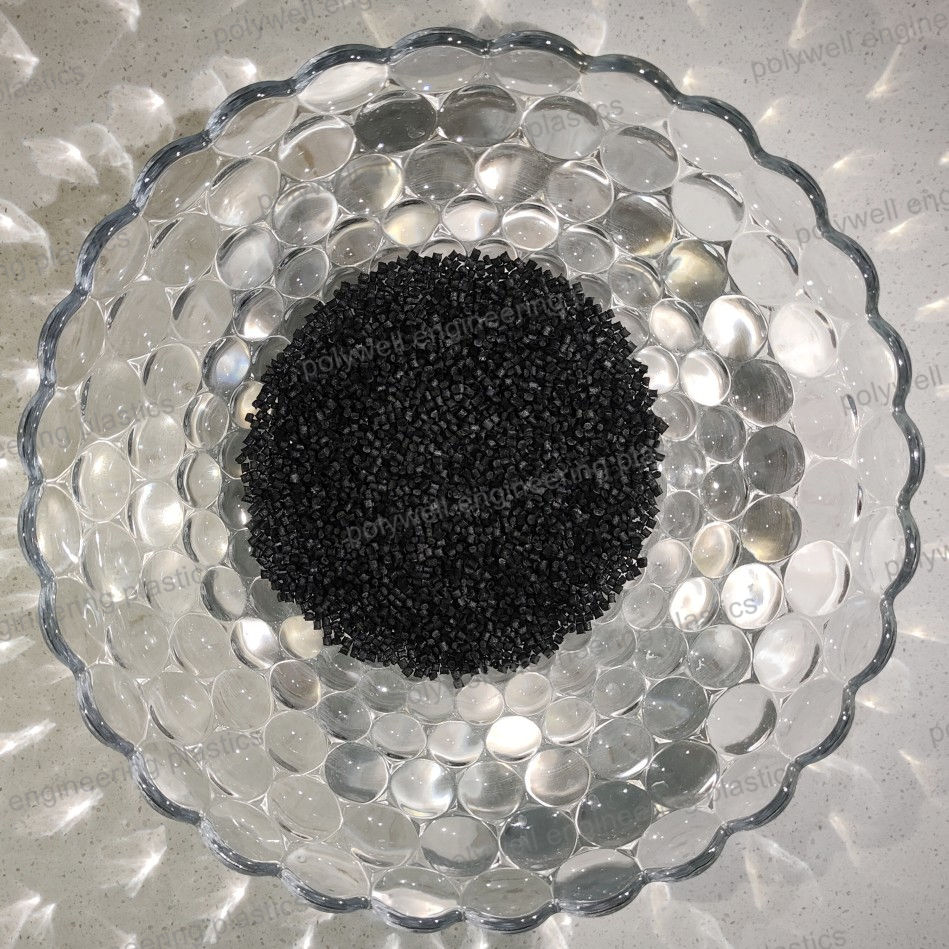
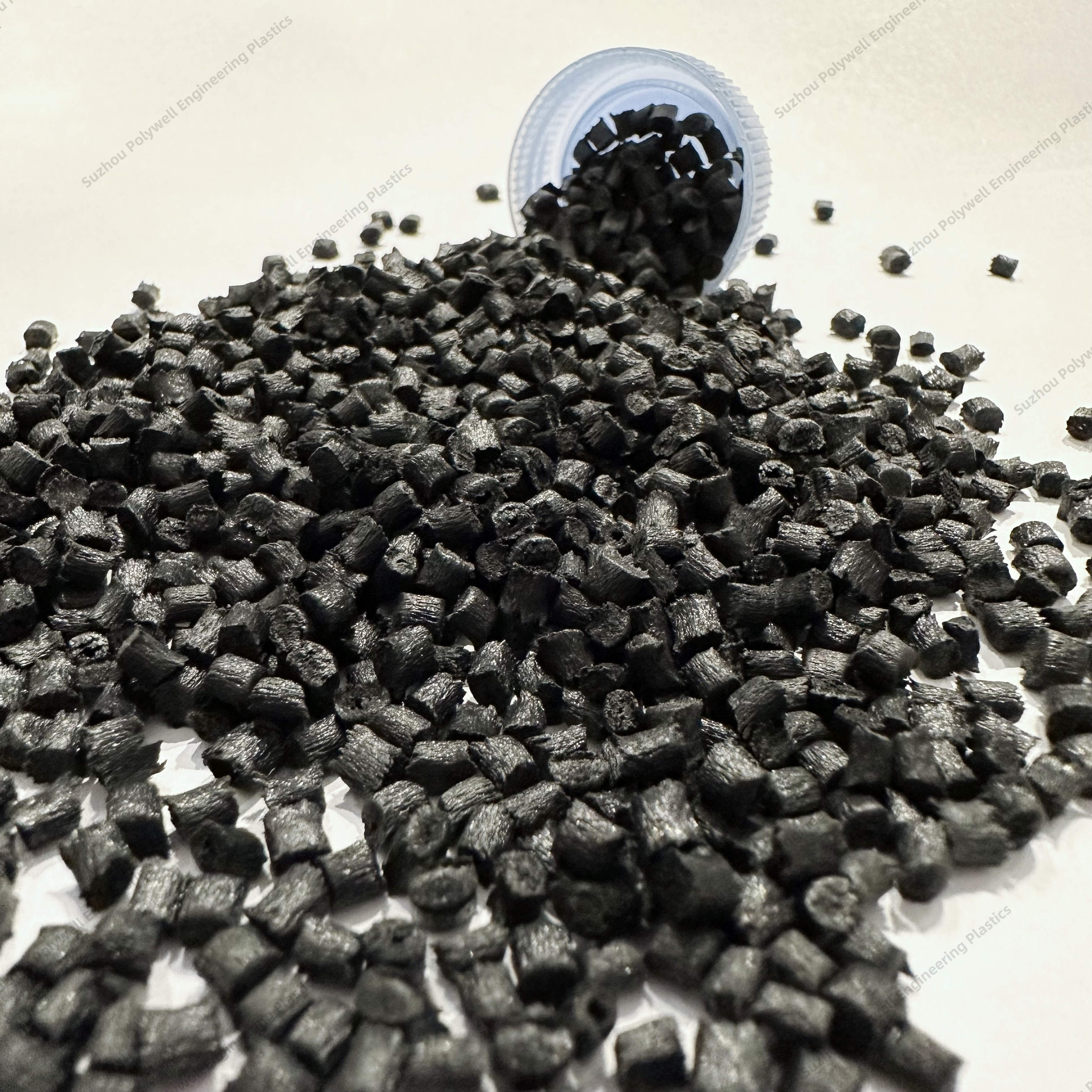
ပေါ်လီဝဲလ်ကဲ့သို့သော အမှန်တကယ် တစ်ခါတည်း ဝန်ဆောင်မှုပေးသူသည် ပစ္စည်းဖွဲ့စည်းမှုမှ နောက်ဆုံးထုတ်လုပ်မှုအထိ လုပ်ငန်းစဉ်တစ်ခုလုံးကို ထိန်းချုပ်ပေးပြီး လိုင်းအစိတ်အပိုင်းများအားလုံးကြား အကောင်းမွန်ဆုံး ဟော်မြိုနီကို အာမခံပေးပါသည်။ ထိုသို့သော ပေးသူများသည် ဖြတ်တောက်မှုစွမ်းဆောင်ရည်သည် လုပ်ငန်းစဉ်၏ အစောပိုင်းအဆင့်များတွင်ပဲ စတင်ကြောင်း နားလည်ပါသည်။ ကုန်ကုန်အရည်အသွေးမြင့် ကွန်ပေါင်းဒ်ကို ဂျီလ်စ်ဖိုင်ဘာများကို အကောင်းမွန်ဆုံး ဖြန့်ဖြူးပေးရန် တွင်းခေါင်းနှစ်ချောင်းပါ အရှိန်မြှင်စက်ဖြင့် ထုတ်လုပ်ပေးခြင်းဖြင့် သိပ်သည်းဆ တစ်သေးတည်းဖြစ်ပြီး အသွေးအသားညီညွတ်သော ပိုက်ချောင်းများကို ရရှိစေပါသည်။ ထိုသိပ်သည်းဆ တစ်သေးတည်းဖြစ်မှုသည် ဖြတ်တောက်မှုစက်အား အမြန်နှုန်းမြင့်မှုဖြင့် ယုံကြည်စိတ်ချရသော စွမ်းဆောင်ရည်ဖြင့် လုပ်ဆောင်နိုင်ရန် အကူအညီဖေးမေးပေးပါသည်။ ထို့နောက် ပေးသူသည် သင့်အတွက် ထုတ်လုပ်ပေးသော ပိုက်ချောင်းများ၏ အပြုအမှုအားလုံးနှင့် အထူအများအတိုင်းအတာကို အတိအကျ ညှိနောင်းထားသော ဖြတ်တောက်မှုစက်နှင့် ပိုက်ချောင်းများကို သယ်ဆောင်သွားရန် စနစ်ကို ပေးပါသည်။
ဝန်ဆောင်မှုသည် စက်ပစ္စည်းများ ထောက်ပံ့ပေးခြင်းကို အများအားဖြင့် ကျော်လွန်သွားပါသည်။ ယင်းဝန်ဆောင်မှုသည် အကောင်းမွန်ဆုံး တပ်ဆင်မှုအတွက် အရေးကြီးသော လုပ်ငန်းစဉ်အသိပ knowledge ကို ပါဝင်ပါသည်။ ကျွမ်းကျင်ပညာရှင်များသည် သင့်၏ ပုံစံအားလုံးတွင် အသုံးပြုသည့် ပါးလွှာသော ပါးလွှာပါး (strip) အထူအများအပြားအတွက် ဓားအကွာအဝေး၊ ဖြတ်ချိန်မှုနှုန်းနှင့် အပိုင်းအစများ တစ်ပါတည်း လုပ်ဆောင်မှု (synchronization) တို့အတွက် တိကျသော စံချိန်များကို ပေးပေးနိုင်ပါသည်။ ထို့အပြင် ၎င်းတို့သည် သင့်၏ စက်မှုလုပ်သမ်းများနှင့် ပြုပြင်ထိန်းသိမ်းရေး နည်းပညာရှင်များအတွက် စုံလင်သော လေ့ကျင်းမှုများကို ပေးပေးနိုင်ပါသည်။ ထို့အပြင် အထူးပြုထားသော ဓားများကဲ့သို့သော မှန်ကန်သော အပိုပစ္စည်းများ ရရှိနေမှုကိုလည်း အာမခံပေးပါသည်။ ဤကြီးမားသော အထောက်အပံ့များသည် ပစ္စည်းများနှင့် လုပ်စဉ်များတွင် နှစ်များစွာကြာသော သုတေသနနှင့် ဖွံ့ဖြိုးရေးလုပ်ငန်းများမှ ပေါါထွန်းလာခြင်းဖြစ်ပါသည်။ ထို့ကြောင့် သင့်၏ လုပ်ငန်းဆောင်တာမှုဆိုင်ရာ အန္တရာယ်များနှင့် အလုပ်လုပ်မှု ရပ်ဆို့မှုအချိန်များကို အနည်းဆုံးသို့ လျှော့ချပေးနိုင်ပါသည်။
သင့်၏ထုတ်ကုန်လိုင်းသည် အသစ်သော၊ ပိုမျှင်သော သို့မဟုတ် ပိုမှုန်းနေသော စတြစ်ဒီဇိုင်းများကို ထည့်သွင်းရန် ဖွံ့ဖြိုးတိုးတက်လာသည့်အခါ သင့်အတွက် တစ်နေရာတည်းတွင် ဝန်ဆောင်မှုပေးသော မိတ်ဖက်သည် အကူအညီပေးရန် အသင်းသင့်ဖြစ်န already ဖြစ်နေပါသည်။ သူတို့သည် ဖြတ်တောက်ရေးစက်ပေါ်တွင် လိုအပ်သော ညှိယူမှုများ သို့မဟုတ် အဆင့်မြှင့်မှုများကို အကြံပေးနိုင်ပါသည်။ ထို့ဖြင့် သင့်ရှိသော ရင်းနှီးမှုသည် ထိရောက်မှုရှိမှုနှင့် လိုက်လျောညီထွေဖြစ်မှုကို ထိန်းသိမ်းပေးနိုင်ပါသည်။ ဤရှည်လျော်သော လက်တွေ့ကူးသန်းရေး မိတ်ဖက်ဖြစ်မှုသည် ပြောင်းလဲနေသော စျေးကွက်တွင် သင့်၏ ထုတ်လုပ်မှု လွတ်လပ်မှုနှင့် အရည်အသွေး တည်ငြိမ်မှုကို အာမခံပေးပါသည်။
နိဂုံးချုပ်အားဖြင့်၊ ပေါလီမိုင်းဒ် သို့မဟုတ် အပူခွဲထားသည့် စထရစ်များ၏ အထူများစွာကွဲပြားမှုအတွက် ကတ်တ်တင်မှုစက်ကို ရွေးချယ်ရာတွင် တိကျမှု၊ လိုက်လျောညီထွှင်မှုနှင့် လိုင်းတစ်လုံးလုံးကို ချောမွေ့စွာ ပေါင်းစပ်နိုင်မှုတို့ကို အလေးပေးရပါမည်။ သို့သော် ဗုံးကြီးမှုကြီးမှုကြီးမှုအတွက် စီမံခန့်ခွဲမှုအရ အရေးကြီးဆုံးသော အချက်မှာ သင့်လျော်သော မိတ်ဖက်ကို ရွေးချယ်ခြင်းဖဲ့ဖဲ့ဖဲ့ဖဲ့ဖဲ့ဖဲ့ဖဲ့ဖဲ့ဖဲ့ဖဲ့ဖဲ့ဖဲ့ဖဲ့ဖဲ့ဖဲ့ဖဲ့ဖဲ့ဖဲ့ဖဲ့ဖဲ့ဖဲ့ဖဲ့ဖဲ့ဖဲ့ဖဲ့ဖဲ့ဖဲ့ဖဲ့ဖဲ့ဖဲ့ဖဲ့ဖဲ့ဖဲ့ဖဲ့ဖဲ့ဖဲ့ဖဲ့ဖဲ့ဖဲ့ဖဲ့ဖဲ့ဖဲ့ဖဲ့ဖဲ့ဖဲ့ဖဲ့ဖဲ့ဖဲ့ဖဲ့ဖဲ့ဖဲ့ဖဲ့ဖဲ့ဖဲ့ဖဲ့ဖဲ့ဖဲ့ဖဲ့ဖဲ့ဖဲ့ဖဲ့ဖဲ့ဖဲ့ဖဲ့ဖဲ့ဖဲ့ဖဲ့ဖဲ့ဖဲ့ဖဲ့ဖဲ့ဖဲ့ဖဲ့ဖဲ့ဖဲ့ဖဲ့ဖဲ့ဖဲ့ဖဲ့ဖဲ့ဖဲ့ဖဲ့ဖဲ့ဖဲ့ဖဲ့ဖဲ့ဖဲ့ဖဲ့ဖဲ့ဖဲ့ဖဲ့ဖဲ့ဖဲ့ဖဲ့ဖဲ့ဖဲ့ဖဲ့ဖဲ့ဖဲ့ဖဲ့ဖဲ့...... စက်ပစ္စည်းများကို တစ်နေရာတည်းမှ ဝယ်ယူခြင်းဖြင့် အများအားဖြင့် အုပ်စုအများအပြားမှ ဝယ်ယူခြင်းတွင် ပါဝင်သည့် ပေါင်းစပ်မှုဆိုင်ရာ အန္တရာယ်များနှင့် အသိပညာအကွက်များကို ရှောင်လွှဲနိုင်ပါသည်။ သင်သည် အပေါ်ယံအဆင်ပေါင်းစပ်မှုများကို လုပ်ဆောင်ပေးမည့် တစ်ခုတည်းသော တာဝန်ယူမှုအများအပြားကို ရရှိမည်ဖြစ်ပါသည်— ထို့အပေါ်တွင် အထူးသော ပစ္စည်းများကို ထုတ်လုပ်ပေးသည့် တွင်းချောင်းနှစ်ခုပါ ကုန်စည်မှု၊ ပစ္စည်းများကို ဖော်နောက်ထုတ်လုပ်ပေးသည့် တွင်းချောင်းတစ်ခုပါ ကုန်စည်မှုနှင့် နောက်ဆုံးတွင် အပ်စ်စ်မှုကို တိကျစွာ ဖော်နောက်ထုတ်လုပ်ပေးသည့် တိကျမှုကို အသုံးပြုပေးခြင်းဖဲ့ဖဲ့ဖဲ့ဖဲ့ဖဲ့ဖဲ့ဖဲ့ဖဲ့ဖဲ့ဖဲ့ဖဲ့ဖဲ့ဖဲ့ဖဲ့ဖဲ့ဖဲ့ဖဲ့ဖဲ့ဖဲ့ဖဲ့ဖဲ့ဖဲ့ဖဲ့ဖဲ့ဖဲ့ဖဲ့ဖဲ့ဖဲ့ဖဲ့ဖဲ့ဖဲ့ဖဲ့ဖဲ့ဖဲ့ဖဲ့ဖဲ့ဖဲ့ဖဲ့ဖဲ့ဖဲ့ဖဲ့ဖဲ့ဖဲ့ဖဲ့ဖဲ့ဖဲ့ဖဲ့ဖဲ့ဖဲ့ဖဲ့ဖဲ့ဖဲ့ဖဲ့ဖဲ့ဖဲ့ဖဲ့ဖဲ့ဖဲ့ဖဲ့ဖဲ့ဖဲ့ဖဲ့ဖဲ့ဖဲ့ဖဲ့ဖဲ့ဖဲ့ဖဲ့ဖဲ့ဖဲ့ဖဲ့ဖဲ့ဖဲ့ဖဲ့ဖဲ့ဖဲ့ဖဲ့ဖဲ့ဖဲ့ဖဲ့ဖဲ့ဖဲ့ဖဲ့ဖဲ့ဖဲ့ဖဲ့ဖဲ့ဖဲ့ဖဲ့ဖဲ့ဖဲ့ဖဲ့ဖဲ့ဖဲ့ဖဲ့ဖဲ့ဖဲ့ဖဲ့ဖဲ့ဖဲ့ဖ...... ထို အစုလုံးဖွဲ့မှုသည် စက်ပစ္စည်းများကို ဝယ်ယူခြင်းကို နည်းဗျူဟာမှုဆိုင်ရာ ဝယ်ယူမှုမှ စီမံခန့်ခွဲမှုအရ အရေးကြီးသော ရင်းနှီးမှုတစ်ခုအဖြစ် ပြောင်းလဲပေးပါသည်။ ထိုသို့သော ရင်းနှီးမှုသည် စီမံခန့်ခွဲမှုကို လွယ်ကူစေပါသည်၊ လုပ်ဆောင်မှုကို ပိုမိုလေးနက်စေပါသည်နှင့် အရည်အသွေးမြင့်မှုကို အောင်မြင်စေပါသည်။
 အရေးကြီးသော သတင်းများ
2025-12-09
2025-12-08
2025-12-05

POLYWELL သည် polyamide granules၊ extruders၊ မှိုများ၊ အကွေ့အကောက်များသောစက်များနှင့် ပြည့်စုံသော တစ်နေရာတည်းတွင် စိတ်ကြိုက်ပြုပြင်ခြင်းဝန်ဆောင်မှုများကို ပေးဆောင်သည့် PA66 အပူလျှပ်ကာအကွက်များကို အထူးပြုပါသည်။
Jinfeng Town, Zhangjiagang City, Suzhou City, Jiangsu Province, China
Copyright © 2024 Suzhou Polywell Engineering Plastics Co.,Ltd ကိုယ်ရေးကိုယ်တာမူဝါဒ

 EN
EN