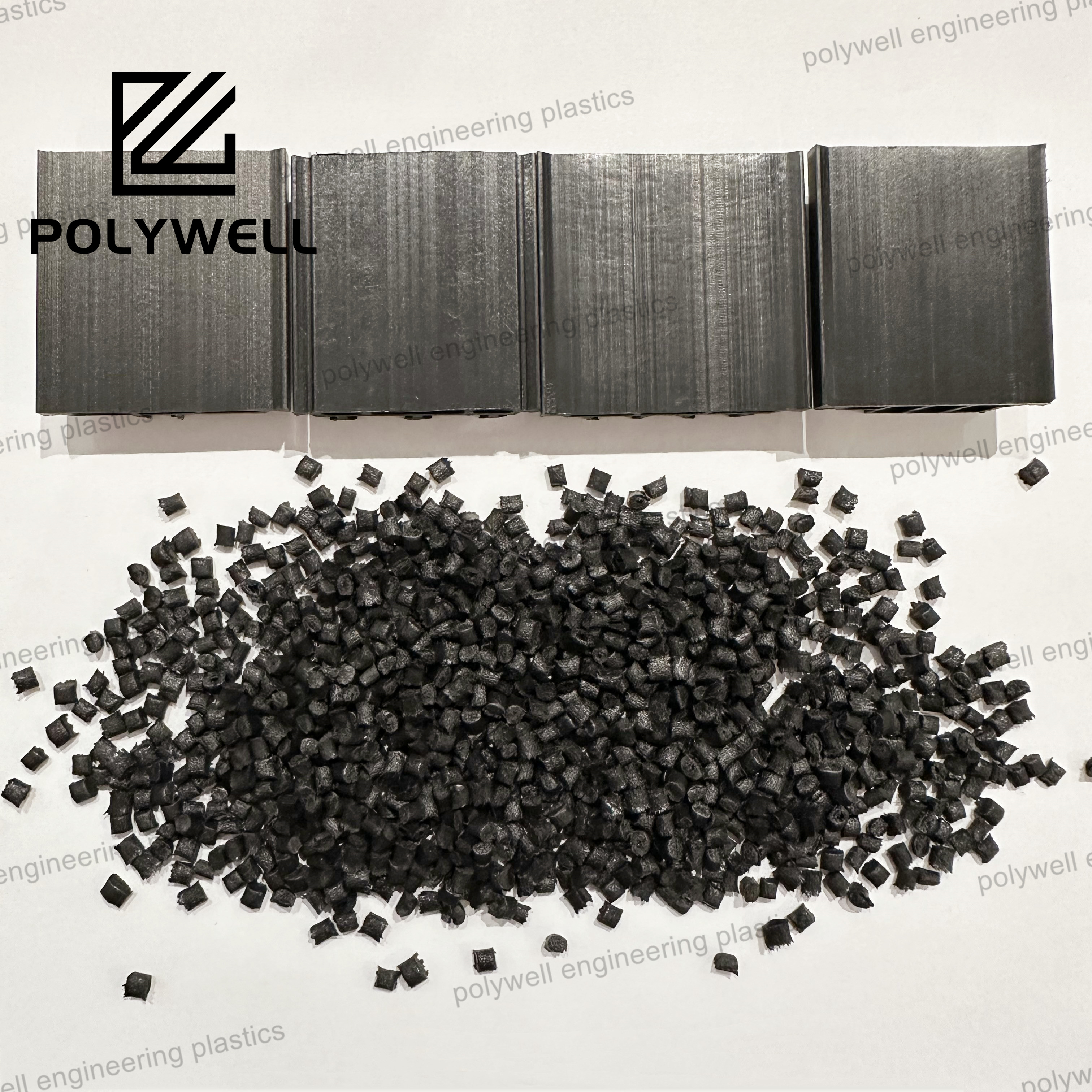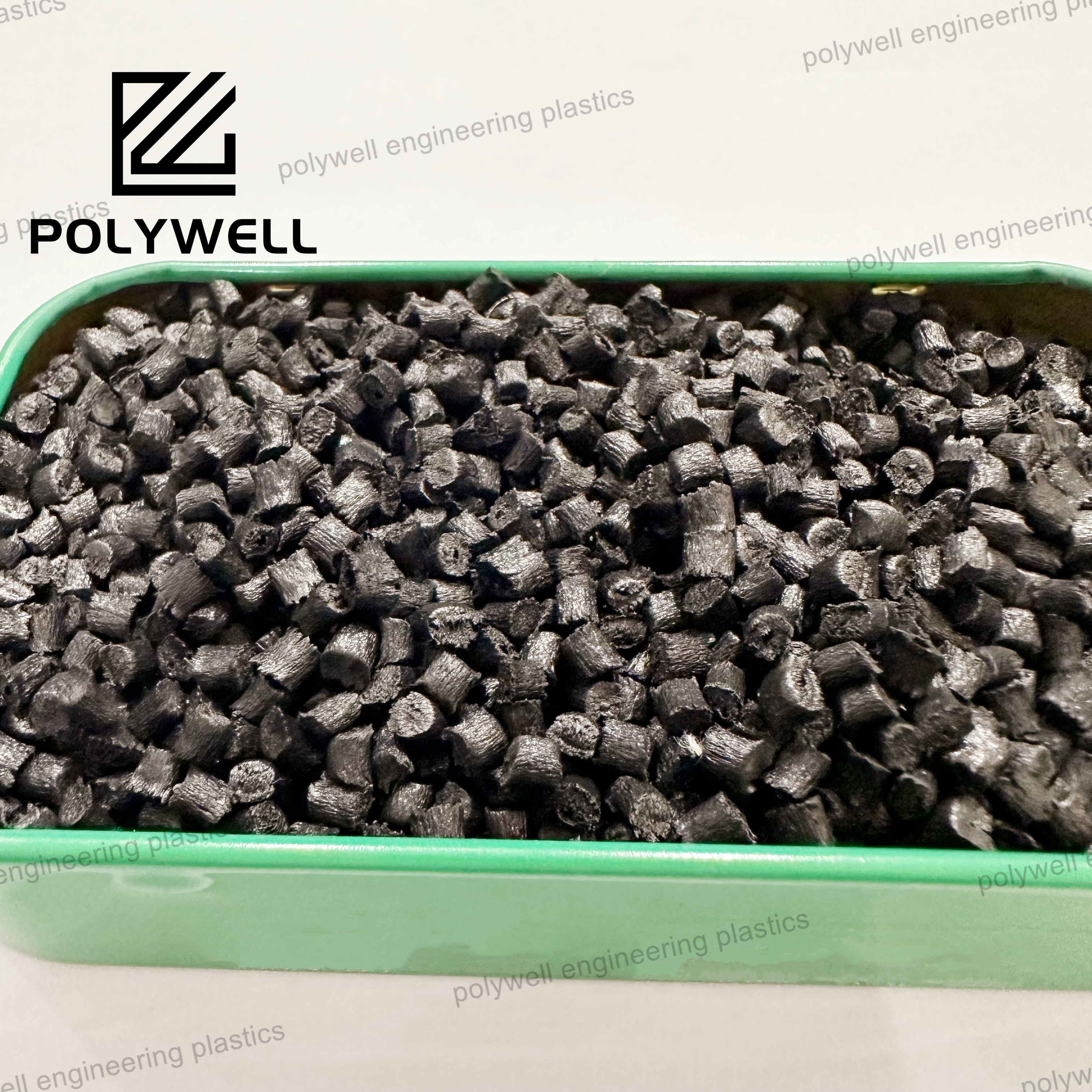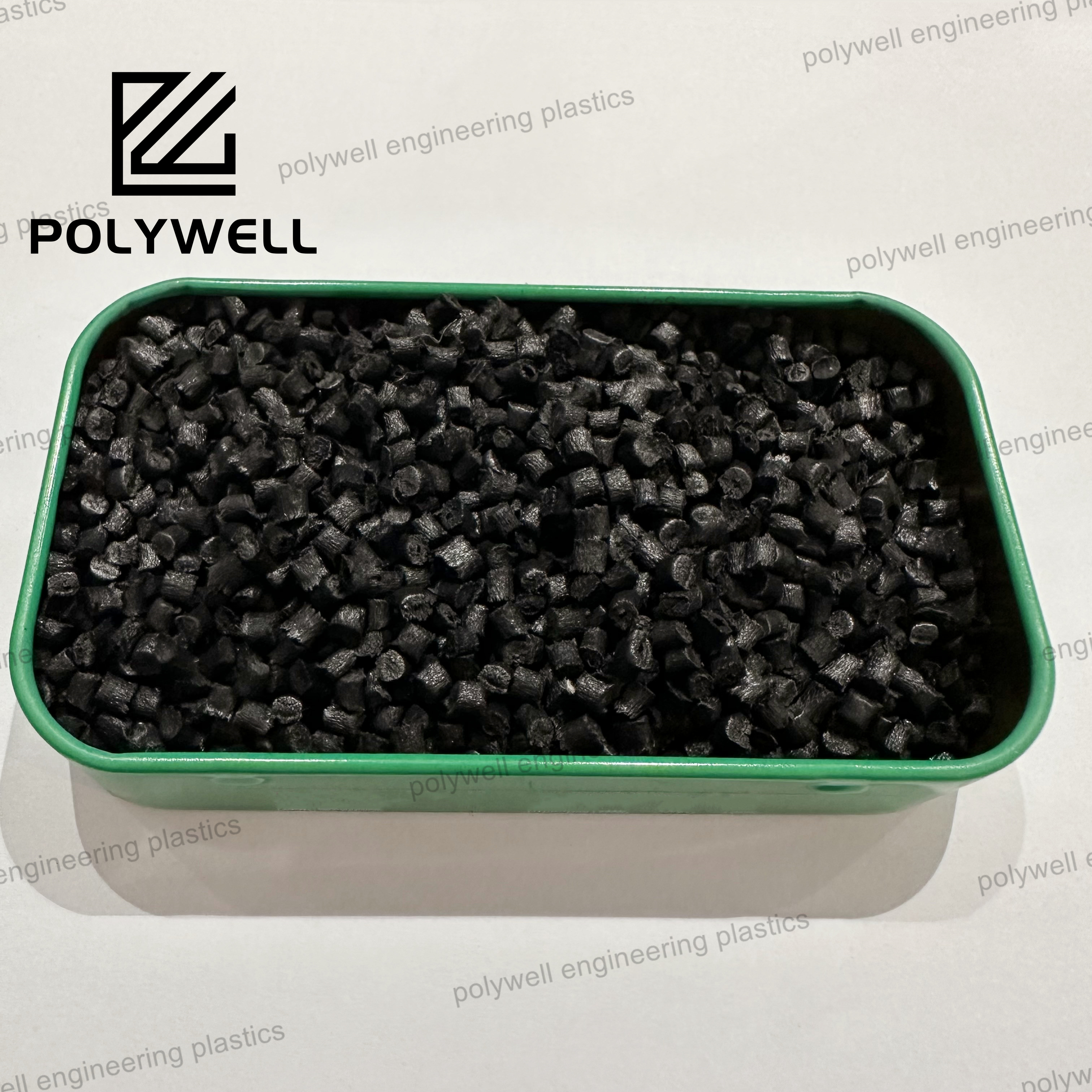
Polyamide PA 66, also known as nylon 66, is a high-performance engineering thermoplastic renowned for its exceptional mechanical strength, thermal resistance, and chemical stability. It is synthesized through polycondensation of hexamethylenediamine and adipic acid, resulting in a semi-crystalline polymer with a melting point of approximately 260°C and a glass transition temperature around 50°C. Key properties include tensile strengths of 80–90 MPa, high rigidity, and good abrasion resistance, making it suitable for demanding applications in automotive, electrical, and industrial sectors. The material exhibits a heat deflection temperature of about 90°C at 1.82 MPa, and it can withstand continuous use temperatures up to 120°C, though it is hygroscopic and may absorb up to 2.5% moisture in humid conditions, which can plasticize the polymer and affect dimensions and mechanical performance. Processing methods like injection molding, extrusion, and blow molding require melt temperatures of 270–290°C and adequate drying to prevent hydrolysis. PA 66 is often modified with additives such as glass fibers, flame retardants, or impact modifiers to enhance specific characteristics; for example, glass-filled versions show improved stiffness and heat resistance. Applications include gears, bearings, and insulating parts, where its low friction, electrical insulation, and resistance to oils and solvents are valued. Environmental and sustainability aspects involve recyclability and efforts to develop bio-based alternatives, aligning with global trends toward eco-friendly materials. In summary, polyamide PA 66 is a versatile and reliable material choice, offering a balance of processability and performance that meets the needs of various industries while adapting to diverse cultural and regulatory requirements worldwide.