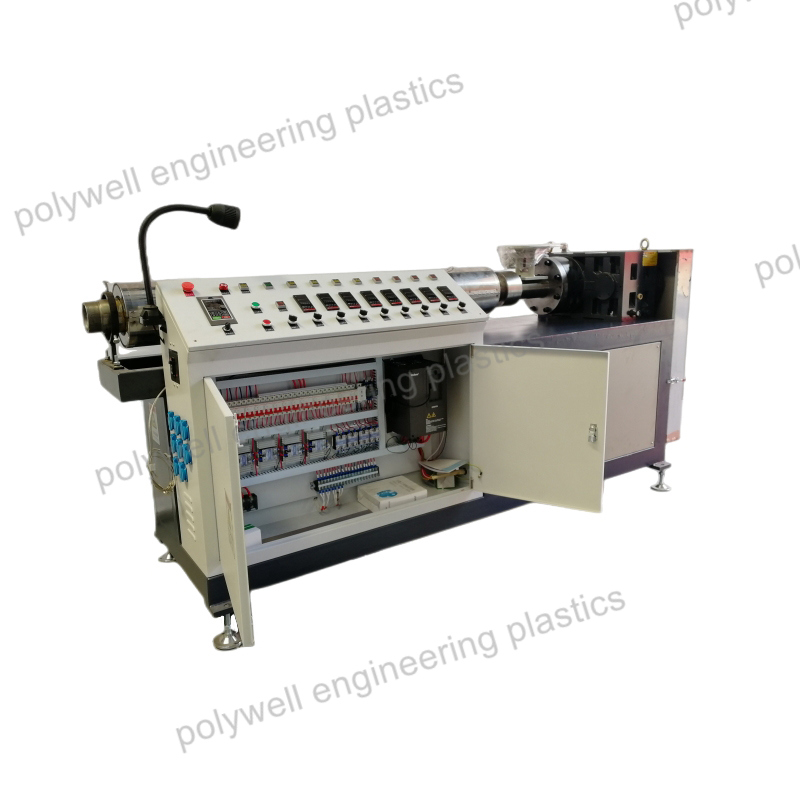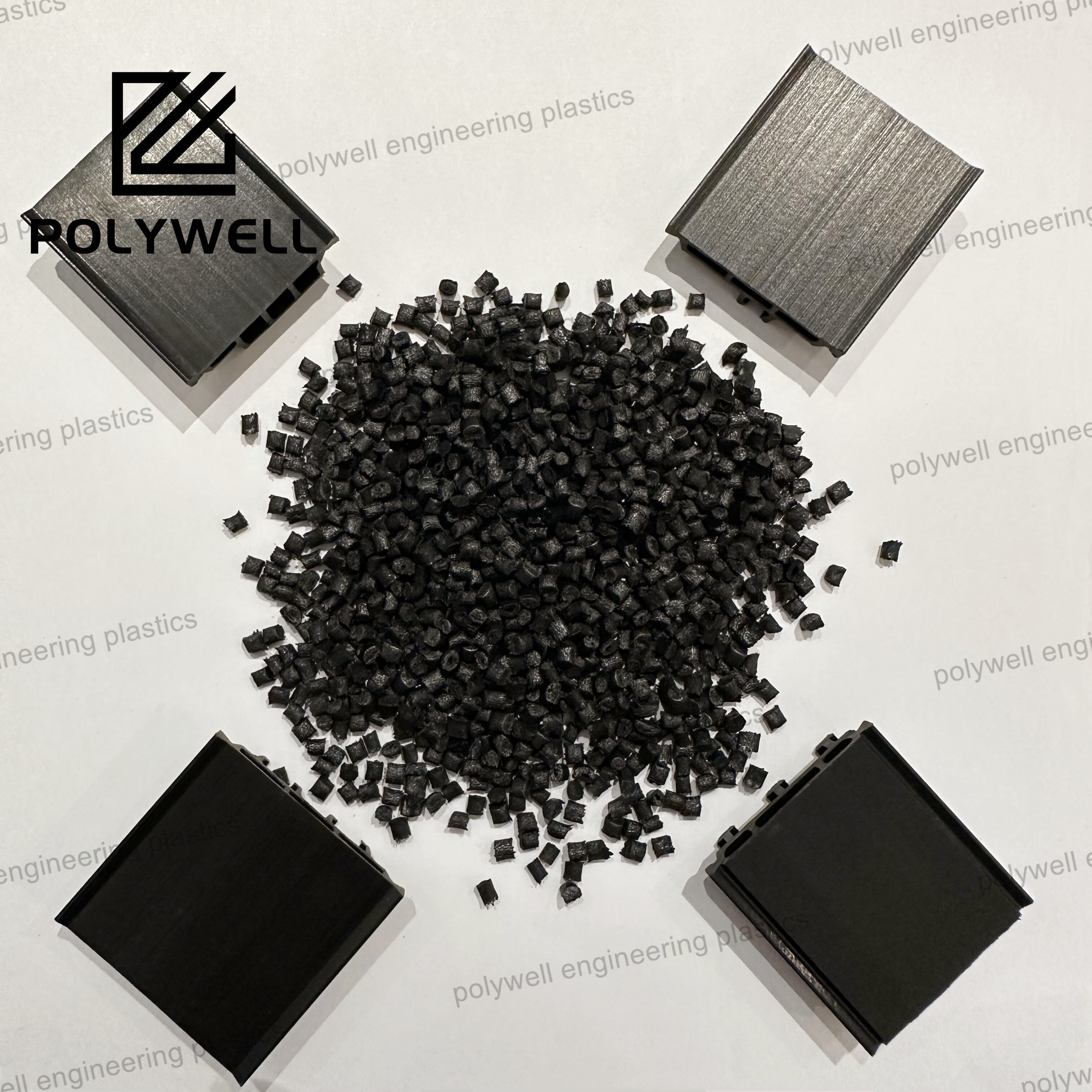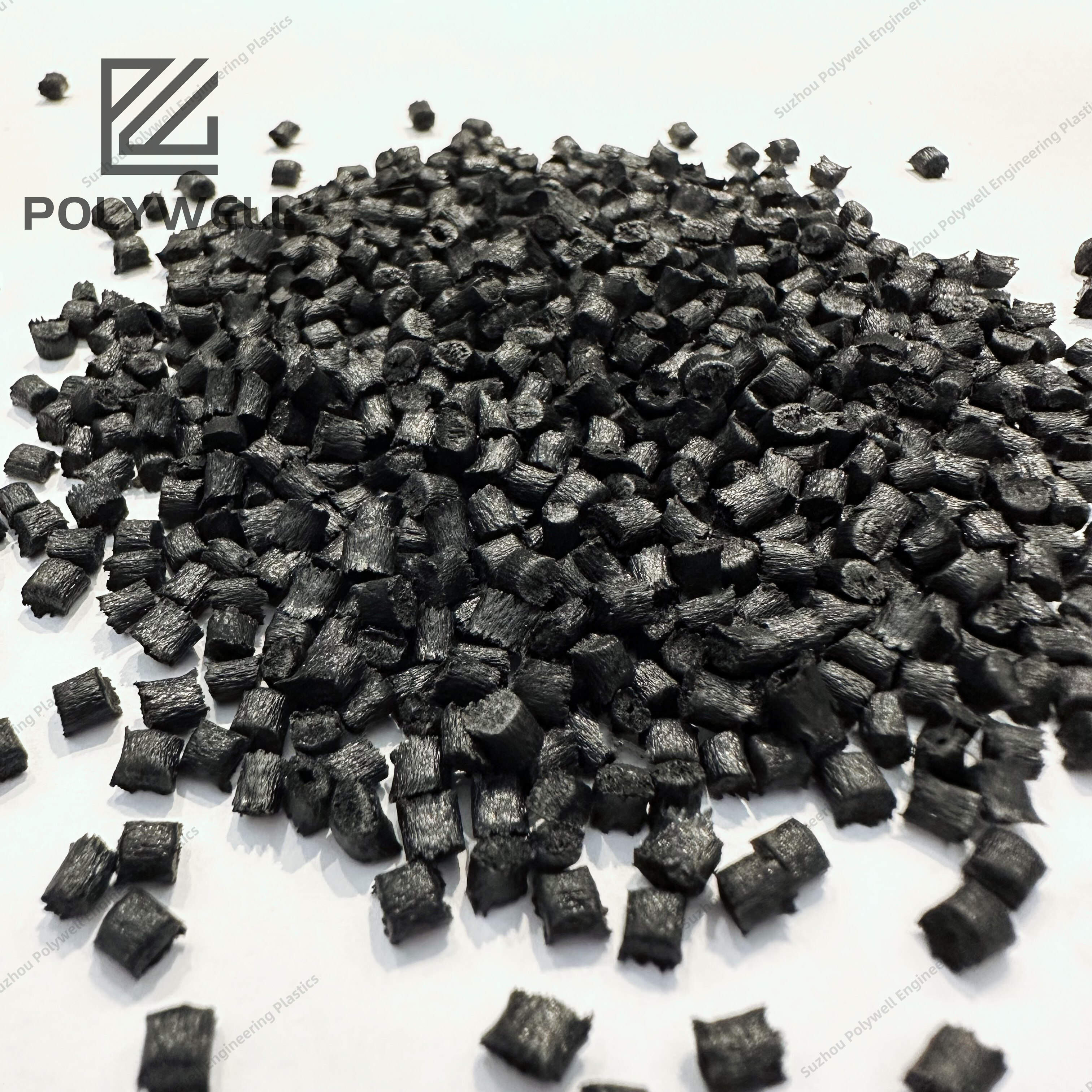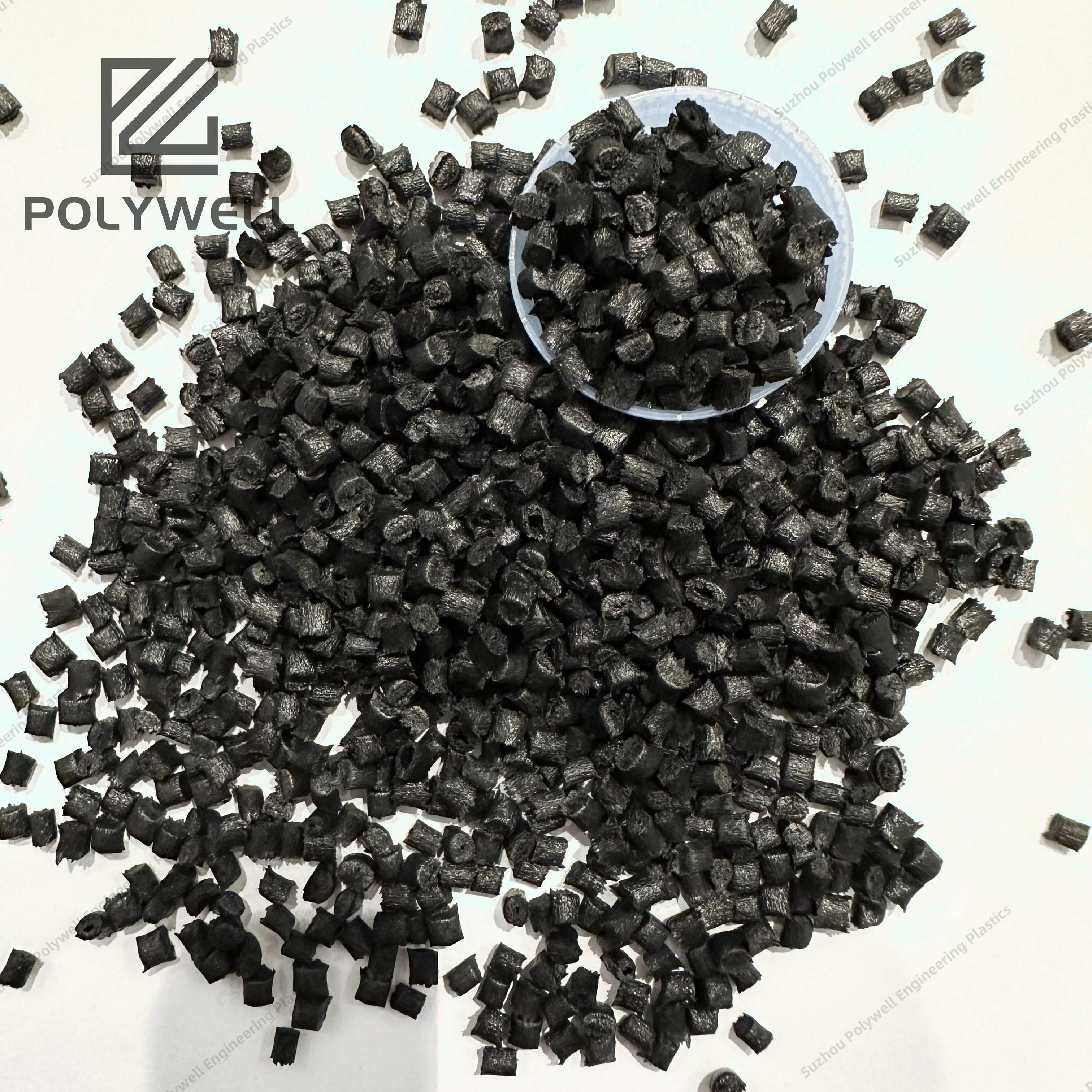
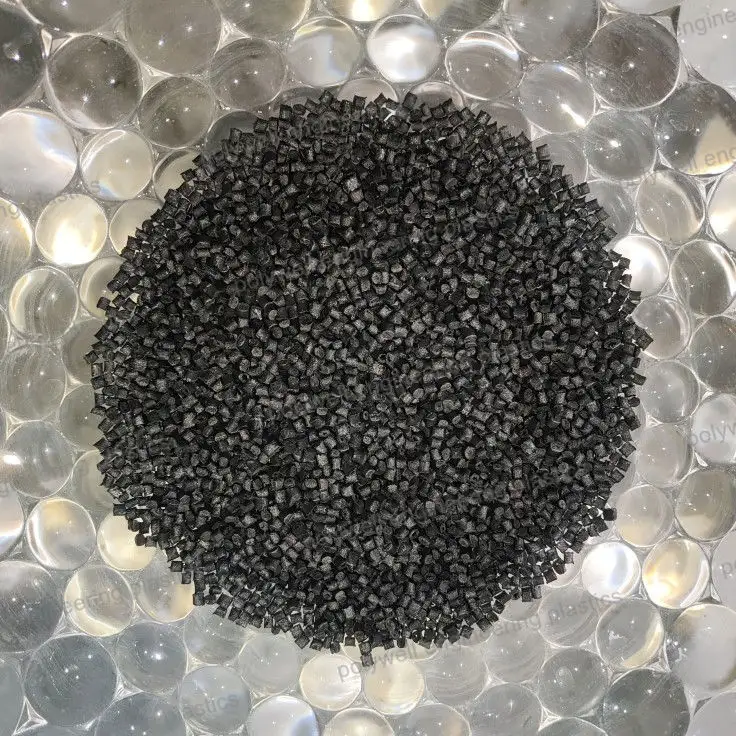
Glass-filled polyamide refers to a category of thermoplastic composites where polyamide resins, such as PA66 or PA6, are reinforced with glass fibers to improve mechanical strength, stiffness, and thermal performance. The glass fibers, typically comprising 10–50% by weight, are integrated during compounding, resulting in materials with enhanced tensile strength (e.g., 150–200 MPa for PA66 GF25), flexural modulus (8–14 GPa), and heat deflection temperatures (200–270°C). These composites exhibit reduced shrinkage and improved creep resistance compared to unfilled polyamides, making them suitable for precision components in automotive, electrical, and consumer goods industries. Processing involves injection molding or extrusion, with careful control of temperature (melt temperatures of 260–290°C for PA66-based grades) and pressure to avoid fiber breakage and ensure homogeneity. The abrasive nature of glass fibers requires wear-resistant equipment and mold materials, while the hygroscopicity of polyamide necessitates pre-drying to prevent defects. Applications include engine parts, insulators, and structural components, where the material's balance of weight, durability, and resistance to chemicals and heat is valued. Environmental aspects, such as recyclability and the use of halogen-free flame retardants, align with global sustainability trends. Glass-filled polyamides are versatile, allowing customization through fiber length, coupling agents, or additives to meet specific needs, and they offer a cost-effective alternative to metals in many applications, ensuring broad appeal across different cultural and industrial contexts.