Ფანჯრის ჩარჩოები ხშირად წარმოადგენს თერმული ხიდების წერტილებს შენობებში, რადგან ლითონის კომპონენტები, როგორიცაა ალუმინი, იოლად გადასცემს თერმულ ენერგიას. ეს არა მხოლოდ ენერგიის დანახარჯს იწვევს, არამედ შესახლების კომფორტის დონესაც ამცირებს. როგორც პროფესიონალი თერმული შეჩერების ზოლების წარმოების მწარმოებელი 2006 წლიდან მოყოლებული R&D გამოცდილებით, ჩვენ ვიცით, რომ მაღალი ხარისხის პოლიამიდური თერმული შეჩერების ზოლები ამ პრობლემის გადაჭრის გასაღებია. წარმოების, მოწყობილობებისა და ტექნოლოგიის ინტეგრირებით, ჩვენ ვაძლევთ ერთი ადგილიდან მომსახურების სერვისს, რათა დაგვეხმარა კლიენტებს ეფექტურად დაებლოკათ თერმული ხიდები.
Ფანჯრის ჩარჩოებში თერმული ხვრელები ორ ძირეულ პრობლემას იწვევს. პირველ რიგში, ზრდის ენერგიის მოხმარებას — გათბობული ან გაცივებული ჰაერი გამოდის ლღობის ჩარჩოში, რაც HVAC სისტემებს უფრო მეტ მუშაობას აიძულებს. კვლევები აჩვენებს, რომ ფანჯრებს, რომლებსაც ეფექტური თერმული ხვრელის ამოხსნა არ აქვთ, შეუძლიათ შენობის ენერგობილინგის 20-30%-ით გაზარდა. მეორე მხრივ, ეს იწვევს კომფორტის პრობლემებს: ზამთარში ჩარჩოებთან შეიქმნება ცივი წერტილები, რაც იწვევს კონდენსაციის ან მუჭის წარმოქმნას. მშენებლებისა და სახლის მფლობელებისთვის თერმული ხვრელის ამოხსნა იწყება სწორი თერმული ხვრელის მასალების არჩევით.
Პოლიამიდი (ნაილონი) გამო distinguished დაბალი თერმული გამტარუნარიანობით, რაც მას იდეალურ მასალას ხდის თერმული შეჩერების აპლიკაციებისთვის. როდესაც მონტაჟირდება ფანჯრის ჩარჩოების შიდა და გარე ალუმინის პროფილებს შორის, პოლიამიდის თერმული შეჩერების ზოლები ბარიერს წარმოადგენს, რომელიც ხელს უშლის სითბოს გადაცემას მეტალის მეშვეობით. სხვა მასალებისგან განსხვავებით, პოლიამიდი ინახავს თავის ფორმას და შესრულებას ექსტრემალურ ტემპერატურებში – -40°C-დან 80°C-მდე, რაც უზრუნველყოფს თერმული შეჩერების გრძელვადიან ეფექტს. ჩვენმა კომპანიამ 17 წლის განმავლობაში ოპტიმიზაცია გაუტარა პოლიამიდის ფორმულებს, რის შედეგადაც ჩვენი თერმული შეჩერების ზოლები სტანდარტულ პროდუქებზე უფრო მედეგი გახდა.
Კარგი თერმული შესვენების ზოლის საფუძველი წარმოადგენს მაღალი სიმტკიცის პოლიამიდურ გრანულებს. ჩვენ გრანულირებისთვის ორსქრელიან ექსტრუდერებს ვიყენებთ, რაც განსაზღვრავს ჩვენი პროდუქტების განსხვავებას. ორი სქრელი ერთად მუშაობს, რათა თანაბრად გაანაწილოს გამყარებელი ბოჭკოები პოლიამიდურ მატრიცაში და ქსელოვანი სტრუქტურა შექმნას. ეს თანაბარი განაწილება ზრდის გრანულების სიმტკიცეს — ჩვენი გამყარებული ბოჭკოვანი გრანულების სიმტკიცე 80MPa-ზე მეტია — და უზრუნველყოფს მუდმივ თერმულ შესვენების მუშაობას. ერთსქრელიანი ექსტრუდერებისგან განსხვავებით, ორსქრელიანები პირდაპირ ვერ წარმოქმნიან თერმული შესვენების ზოლებს, მაგრამ ისინი აუცილებელია მაღალი ხარისხის გრანულების დასამზადებლად, რომლებიც წარმოებისთვის საჭიროა.
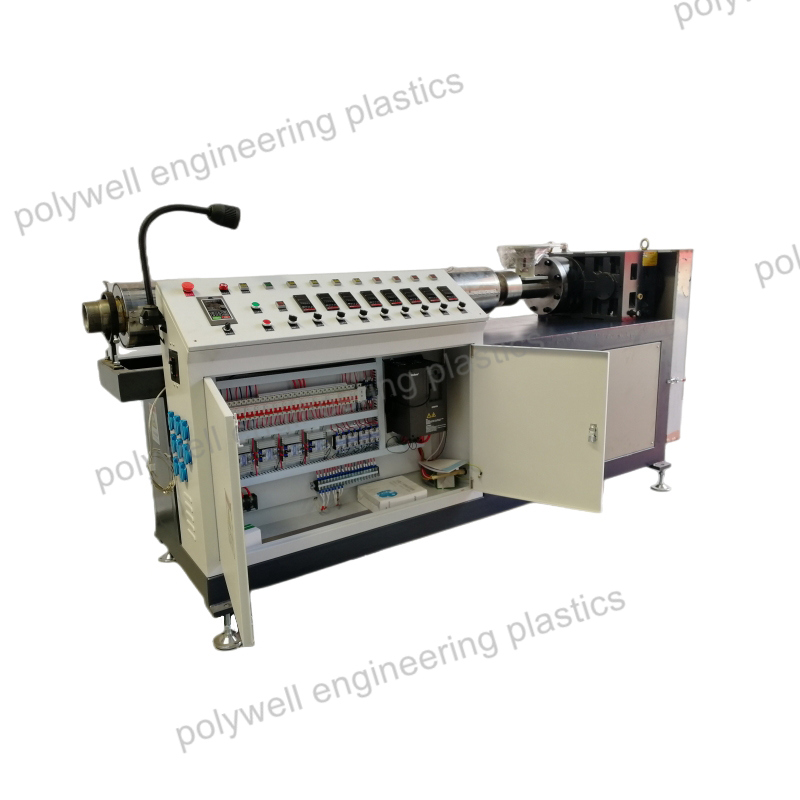
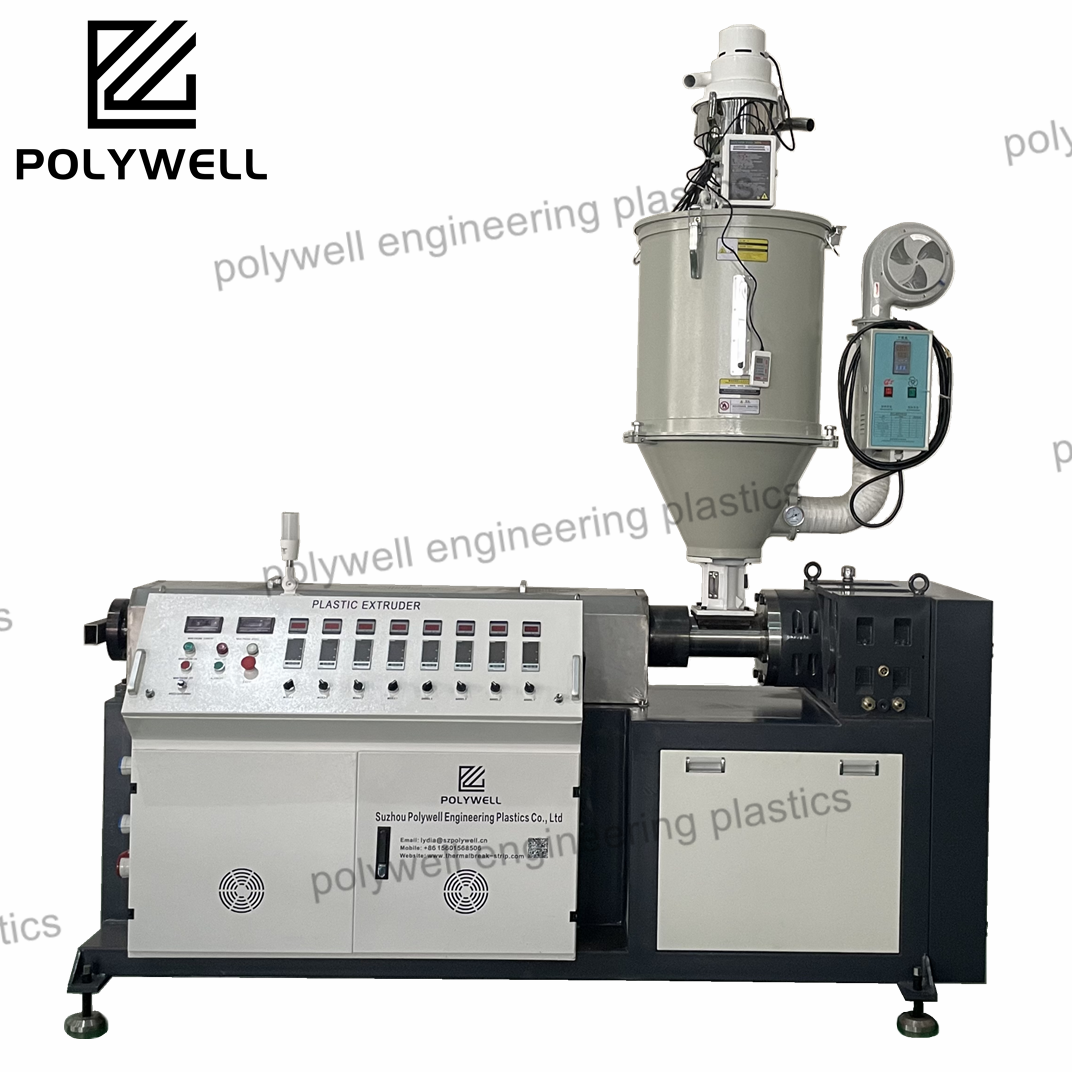
Თერმული შეჩერების ზოლების დასამზადებლად გამოიყენება მხოლოდ ერთგებიანი ექსტრუდერები. ერთგებიანი ექსტრუდერები უზრუნველყოფს სტაბილურ წნევას და ზუსტ ტემპერატურის კონტროლს, რაც მნიშვნელოვანია პოლიამიდის ერთგვაროვან ზოლებად გადასაყვანად. ჩვენი ერთგებიანი ექსტრუდერები ინდივიდუალურად არის მორგებული თერმული შეჩერების წარმოებისთვის: ისინი ათბობს პოლიამიდის გრანულებს 230-250°C-მდე (პოლიამიდისთვის ოპტიმალური დიაპაზონი) და უზრუნველყოფს სტაბილურ ექსტრუზიის სიჩქარეს, რათა თითოეულ ზოლს ჰქონდეს ერთი და იგივე სისქე და გლუვი ზედაპირი. ეს სიზუსტე თავიდან აცილებს სივრცეებს ზოლსა და ალუმინის პროფილებს შორის, რაც ხშირად ხდება თერმული შეჩერების ეფექტის ჩამორთვის მიზეზი.
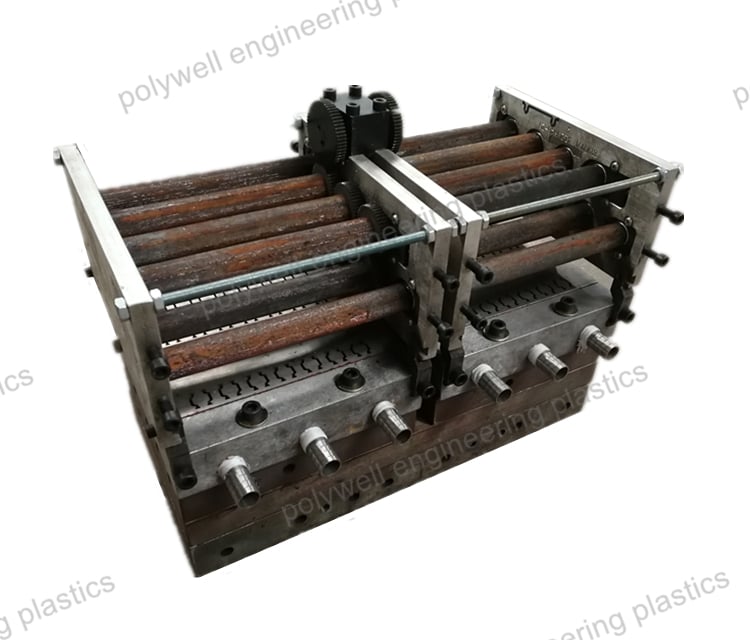
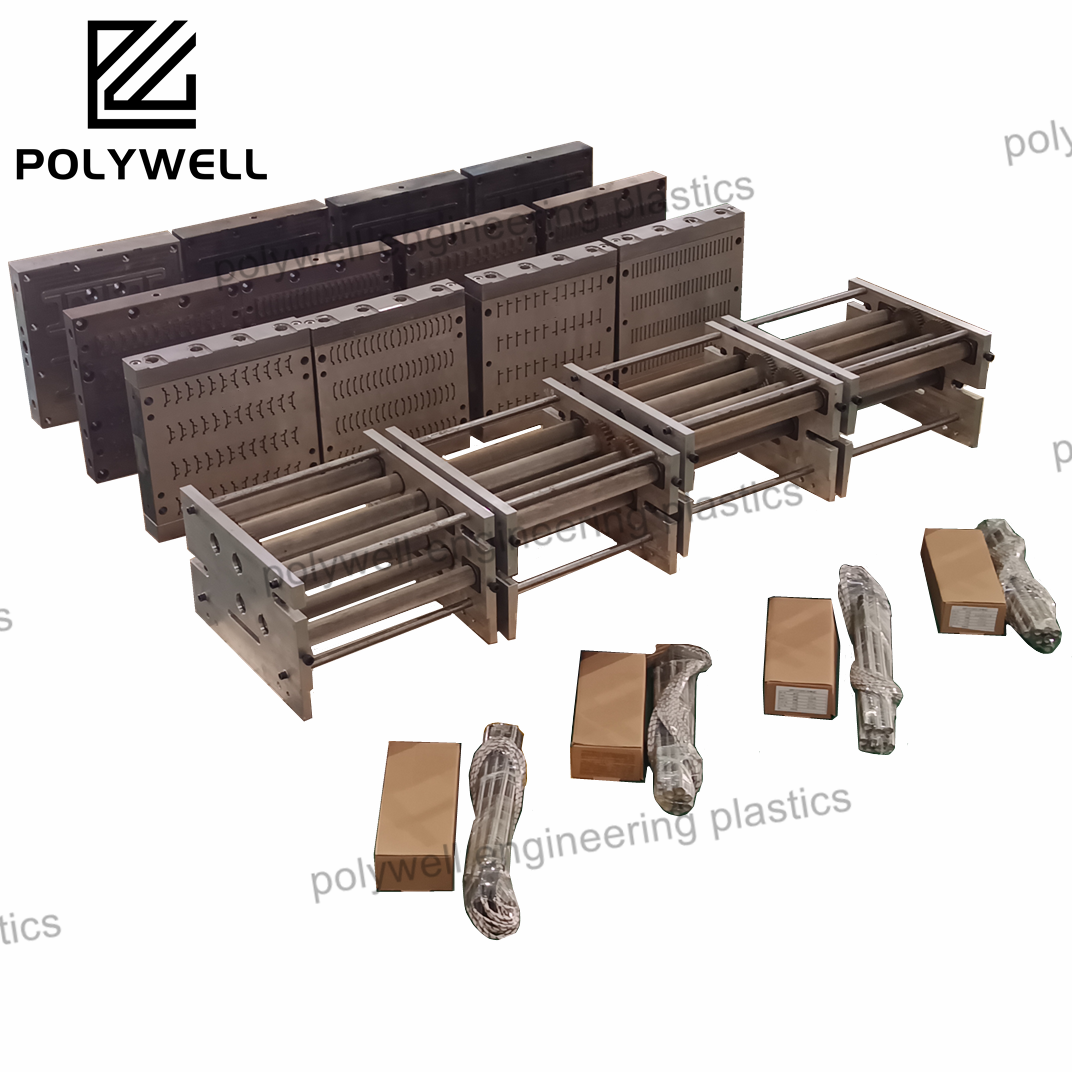
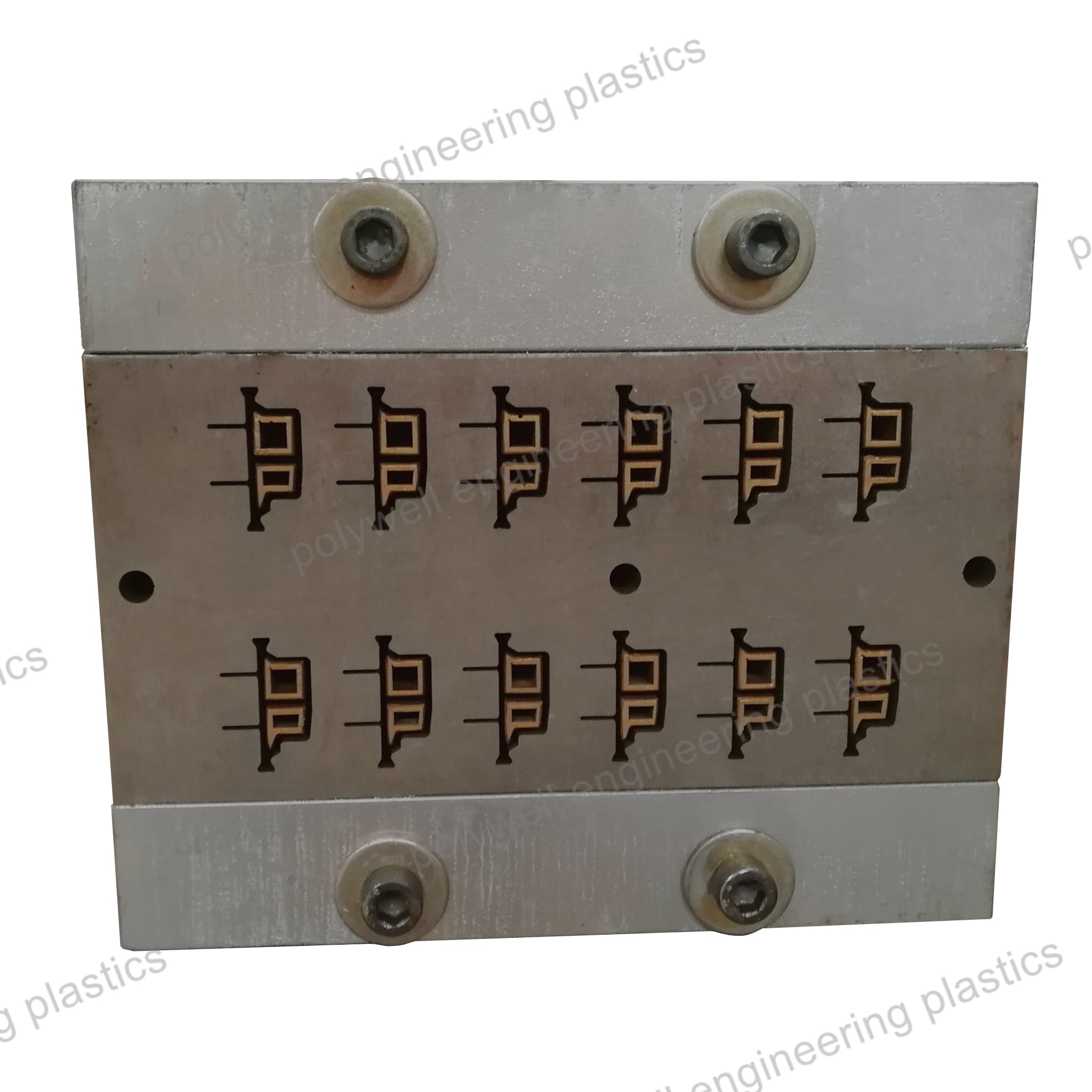
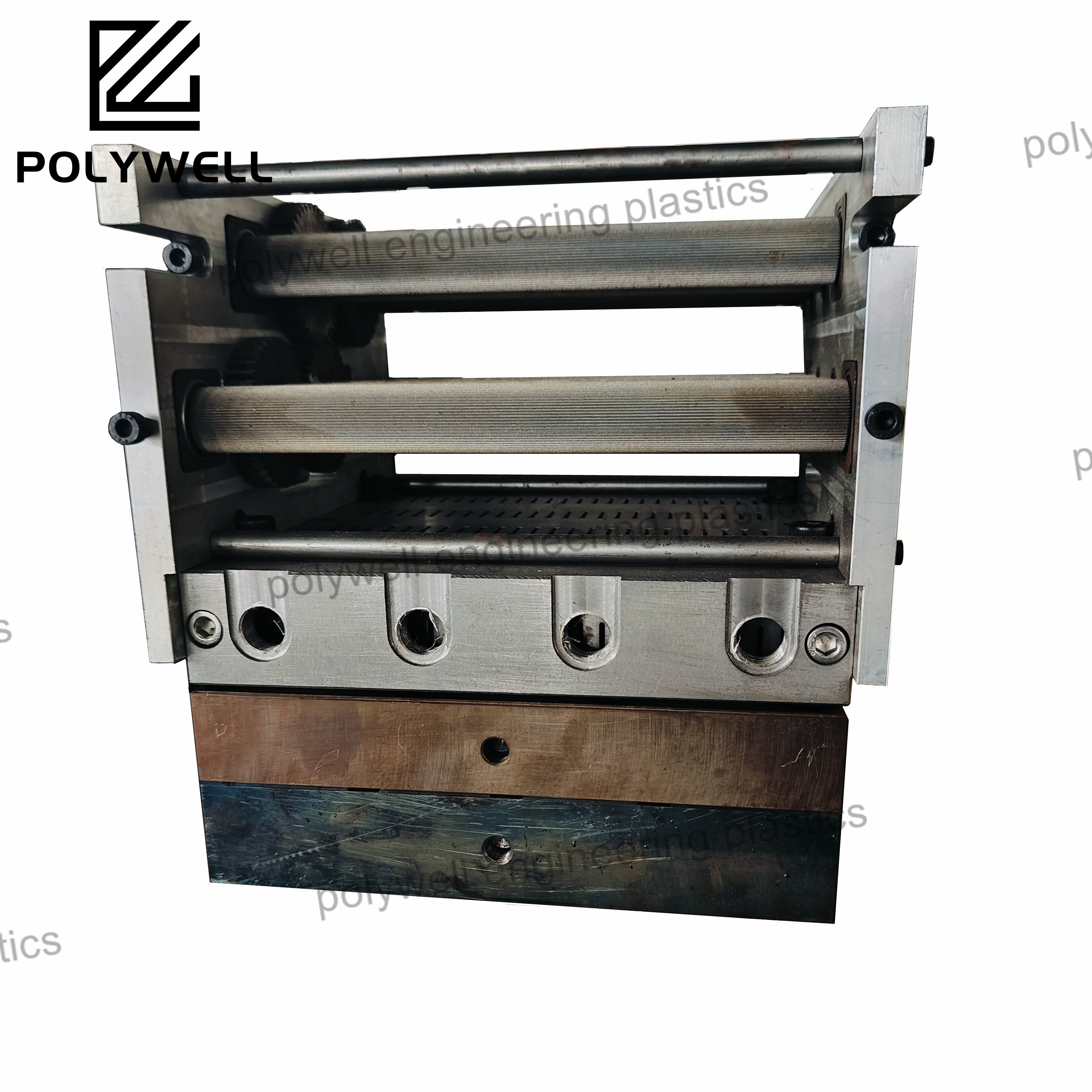
Როგორც ერთი ადგილის მომსახურების მოწოდების მიღებით, ჩვენ ვთავაზობთ ყველაფერს, რაც საჭიროა პოლიამიდური თერმული შეჩერების ზოლის წარმოებისთვის. ამაში შედის ჩვენი ორსქრელიანი მანქანით დამზადებული პოლიამიდური გრანულები, სპეციალურად შეკვეთილი ერთსქრელიანი ექსტრუდერები და შესაბამისი ფორმები (ჩვენი პარტნიორის, წამყვანი ფორმების მწარმოებლის თანამშრომლობით შემუშავებული). ყველა კომპონენტის ერთი მომწოდებლისგან შეძენით, მომხმარებლები თავიდან ავლენენ თავშეწყვეტის პრობლემებს — მაგალითად, ჩვენი გრანულები წინასწარ არის შემოწმებული ჩვენი ექსტრუდერებით, რათა უზრუნველყოთ სრულყოფილი დამუშავება. ეს экономიას უზრუნველყოფს დროში და ამცირებს შეძენის რისკებს.
Ჩვენ არ ვყიდულობთ მხოლოდ პროდუქტებს — ჩვენ გვაქვს სრული ტექნიკური მხარდაჭერა. ჩვენი გუნდი ეხმარება კლიენტებს წარმოების ხაზების მორგებაში: ვიღებთ რჩევებს ორსქრეულიანი გრანულირების პარამეტრების შესახებ (როგორიცაა სქრეულის სიჩქარე და ტემპერატურა) და ვასწავლით თანამშრომლებს ერთსქრეულიანი ექსტრუდერების მართვას. ჩვენ ასევე ვთავაზობთ ადგილზე მითითებებს ფანჯრის ჩარჩოების ასამბლირების შესახებ, რათა თერმული შეჩერების ზოლები სწორად იყოს დამონტაჟებული. მაგალითად, ვსწავლით კლიენტებს, თუ როგორ უნდა გამოიყენონ შესაბამისი ლეღვი ზოლების ალუმინის პროფილებთან შესაერთებლად, რათა მაქსიმალურად გაიზარდოს თერმული შეჩერების ეფექტურობა.
Ჩვენ ხორციელებთ მკაცრ ხარისხის შემოწმებას ყველა ეტაპზე. ჩვენი გრანულები იმოწმება თბოგატარებლობასა და მასალის მდგრადობაზე; ჩვენი თბოიზოლაციური შეჩერების ზოლები გადადის 1000-საათიან დამზადების ტესტს, რათა დადგინდეს მათი მდგრადობა. ჩვენ ასევე მოწოდებთ სერთიფიკაციულ დოკუმენტებს ჩვენი პროდუქებისთვის, რომლებიც აკმაყოფილებენ საერთაშორისო სტანდარტებს, მაგალითად ISO 10077-ს. ეს ხარისხის გარანტია ნიშნავს, რომ კლიენტები შეუძლიათ ივიწყონ ჩვენი თბოიზოლაციური შეჩერების ზოლები თბური ხვრიტების თავიდან აცილებას 20 წელზე მეტი ხნის განმავლობაში, რაც დამუშავდება ჩვენი 17 წლის გამოცდილობით მრეწველობაში.
Სარკმლის ჩარჩოებში თერმული ხიდების თავიდან აცილება არ შემოიფარგლება მხოლოდ სწორი თერმული შეჩერების ზოლების არჩევით — ეს ნიშნავს მწარმოებელთან პარტნიორობას, რომელიც სთავაზობს საიმედო პროდუქტებს და სრულ მხარდაჭერას. ჩვენი ორსაპირიანი შეკვრის გრანულაციის ტექნოლოგია, ერთსაპირიანი გამოტანის გამოცდილება და ყველაფერი ერთ ადგილას მომსახურება გვაკეთებს იდეალურ პარტნიორს მომხმარებლებისთვის, რომლებიც ეფექტურად ცდილობენ თერმული ხიდების პრობლემების გადაჭრას.
 Ახალი სიახლეები
2025-12-09
2025-12-08
2025-12-05

POLYWELL სპეციალიზებულია PA66 თერმული იზოლაციის ზოლებში, გთავაზობთ პოლიამიდურ ბოჭკებს, ექსტრუდორებს, ფორმებს, შემხვევ მანქანებს და ერთჯერად მორგების სრულყოფილ სერვისებს.
Jinfeng Town, Zhangjiagang City, Suzhou City, Jiangsu Province, China
Copyright © 2024 Suzhou Polywell Engineering Plastics Co.,Ltd Კონფიდენციალურობის პოლიტიკა

 EN
EN