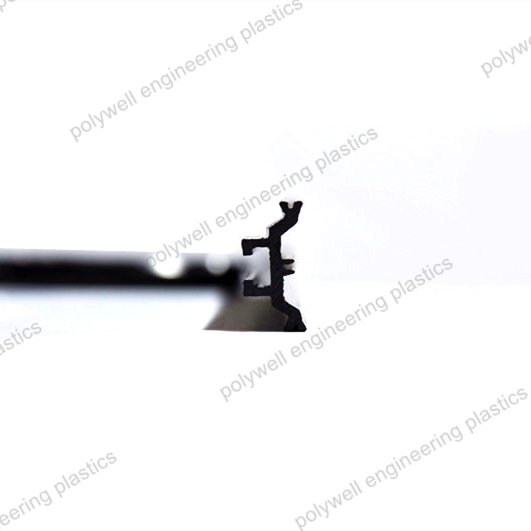
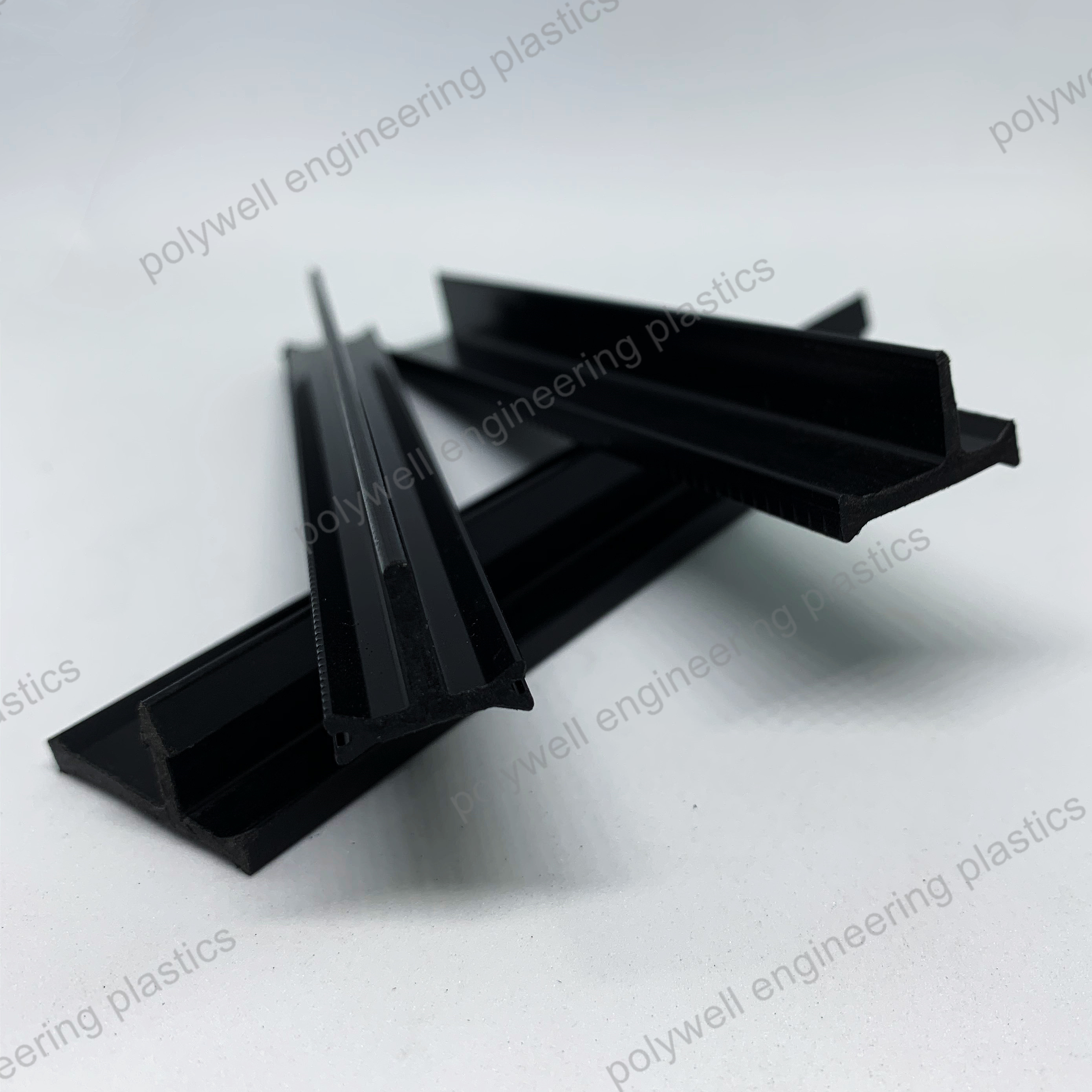
Fyrir innkaupastjóra og tæknisérfræðinga í glugga- og byggingarviðeyri er þarmaleiðni áljúmkerfum óumdeilanleg málstaða. Í miðjunni á þessari leiðni liggur einfaldur en mikilvægur PA66 hitaisoleringarskífustrik. Þó að hönnun á profílinu leiki sín hlutverk, eru innbyggðar hitaisoleringareiginleikar striksins sjálfs á grundvelli efnauppbyggingar hans. Að tilgreina einfaldlega staðlaðan PA66 glasþráðblandun er oft ónóg fyrir framleiðsluumhverfi sem krefjast lægra U-gildis og betri orkuþátttöku. Þessi greining skoðar hvernig ákvörðunargáfu efnaumbreyting á PA66-grunninum er lykillinn að bæta hitaisoleringarstarfi og hvers vegna er samvinna við aðila sem hefur meistarað þessum vísindum frá grunnefni til lokaðs striks ákvarðandi áframhald.
Aðalhlutverk þermíska bilstripsins er að mynda barrið með lágri þermískri leiðileika milli innri og ytri álvínprófíla. Þó að PA66 náilón hafi frá sjálfu sér lægri þermískan leiðileika en álvín, má stilla afkvæmi þess nákvæmlega. Geta þermískra íslenskna eiginleika ekki verið einstök eiginleiki heldur er hún útkoma heildarformúlu og mikilmyndar samsetningarinnar.
Hreinleiki grunnhrísins og tegund viðbóta áhrifa þermískan leiðileika á miklum hátt. Upphafleg efni eða ákveðin veikjandi efni geta myndast leiðir fyrir hitatransfer.
Stærð, lengd og dreifing glasfíra innan PA66-matrisins eru ákveðin mikilvæg. Samkvarðaðar eða illa dreifðar fírur geta myndast staðbundin þermísk brýggjur sem minnka heildarverðmæti íslenskna eiginleika.
Gæði tengingarinnar á milli glasfíra og PA66-hrísils mynda viðskiptaflöt. Með því að stilla þennan viðskiptaflöt til að dreifa fónónum (aðalhitaburðaraftur í föstum efnum) er hægt að minnka áhrifamikla hitaleiðileika.
Bætting á hitaisóllýsingarafköstum fer fram yfir einfaldan blöndunaraðferð. Það krefst targaðra breytinga á efnaþætti, ferli sem best hefst á pellet-gerðarstigi.
Staðlaðar viðbætur felu í sér bætingu á PA66 með glasfílum. Markmið breytingarinnar er að umbreyta þessum fílum frá einföldum stífugreinum í hlut sem virkar virkilega til að hindra hitastróm. Þetta er náð með yfirleitandi samsetningartækni, sérstaklega með notkun tvískrúfu úttrýstisvél með samhliða snúningi. Í þessum ferli skurða skrúfurnar hverja aðra til að búa til mikla, stjórnuða sker- og dreifimisun. Þessi aðgerð dreifir einstökum glasfílum í fullkomnu, brýtur upp fílabundur og dreifir þeim jafnt til að mynda þétt, netlaga uppbyggingu innan PA66-matrisins. Þessi jafna, netlaga dreifing glasfíla aukar óreglubragð heitaleiðarinnar. Hitinn verður að fara umhverfis fjölda talningarlausra, vel dreifðra fíla, sem ákvarðar að hitastróminn fer miklu hægar og þannig aukast heildarþéttleiki hitaisoleringarinnar á lokaproduktinu, hitabrotsskífuna af PA66.
Að auki við glasfísur má koma ákveðnum virkum fyllimöguleikum til að beina sjálfvirkt á hitastigshreyfingu. Míneralfyllimöguleikar með lága hitastigshreyfingu, svo sem ákveðnar meðferðar silíköt, má bæta við í nákvæmum hlutföllum. Form, stærð og yfirborðsmeðferð þeirra er mikilvæg til að tryggja að þeir styðji frekar en hindri eiginleika samsetningarinnar í vörpun og mekanískum eiginleikum. Auk þess eru tengiforrit notuð sem lykilbreytur. Þessi efni bæta viðhengi milli PA66, glasfísurna og einhverra aukafyllimöguleika. Sterkari og jafnari viðskiptasamband minnkar mikroskópiska bil sem gætu auðveldað hitasendingu og tryggir að álag verði áhrifamikilvægt flutt á stuðlunarfísurnar, sem viðheldur uppbyggingarstöðugleika.
Hlutfall kristallískræðar í PA66-polýmerinu sjálfu áhrifar eiginleika þess. Með tilfærðri breytingu á polýmerketjunni og stjórnuðum kælingarhraða í framleiðslu kornanna er hægt að áhrifa kristallbygginguna. Vel breytt kristall-óreglubundin bygging getur gagnast við lægra hitastigsskifti, þar sem óreglubundnari ókristallaðar svæðin sýna venjulega lægra hitasamdrátt en mjög reglubundin kristallað svæði.
Að skilja breytingaprinsipp eru eitt; að framkvæma þau ávallt í iðnaðarstærð er annað. Þetta er staðurinn þar sem innkaupastefnan verður mikilvæg. Að kaupa breytt PA66-samband frá einum birganda og vinna það með vélarúðun frá öðrum birganda bætir við breytur sem minnka afköst.
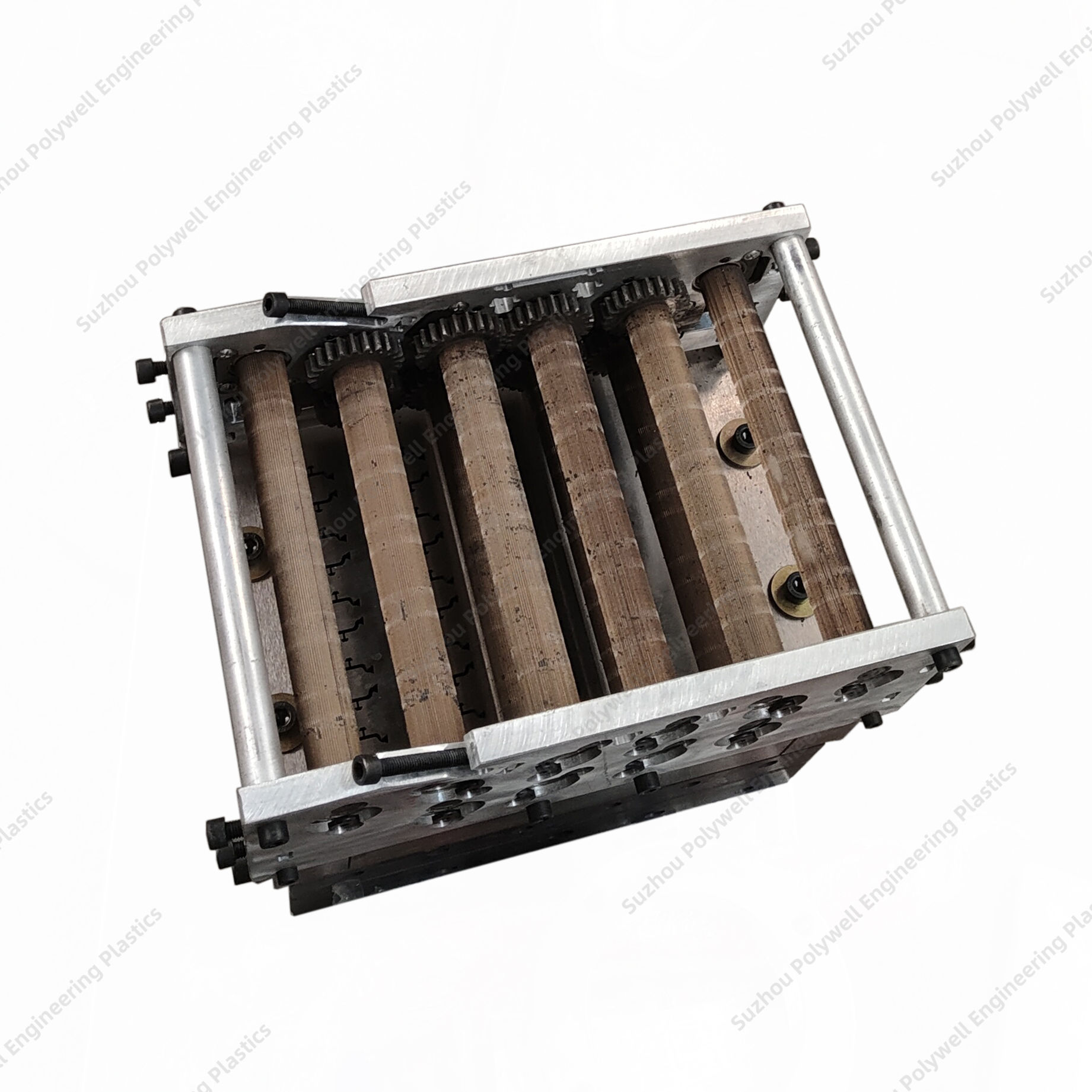
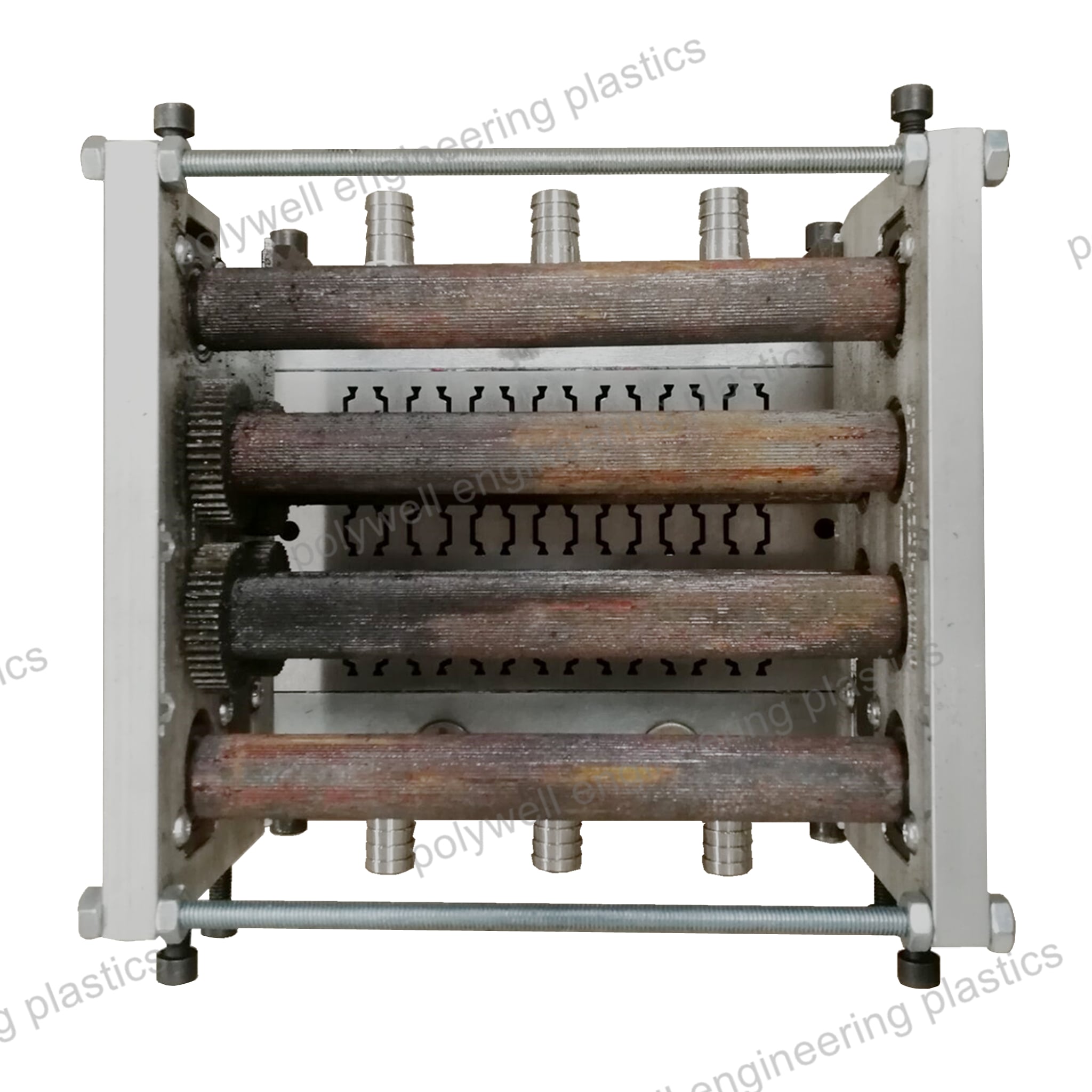
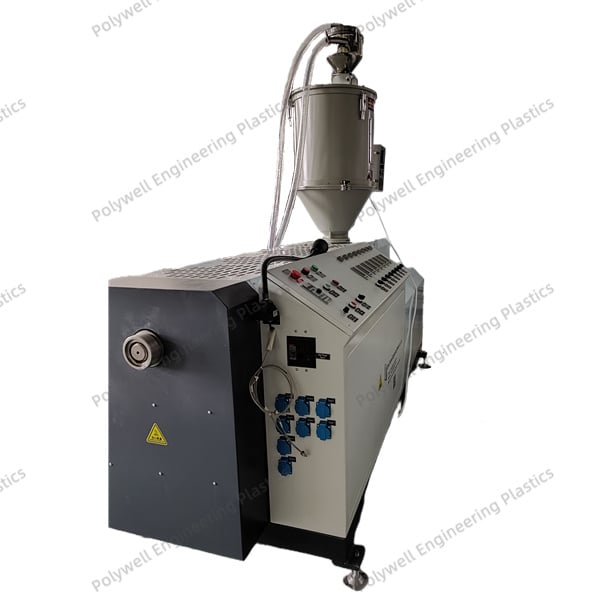
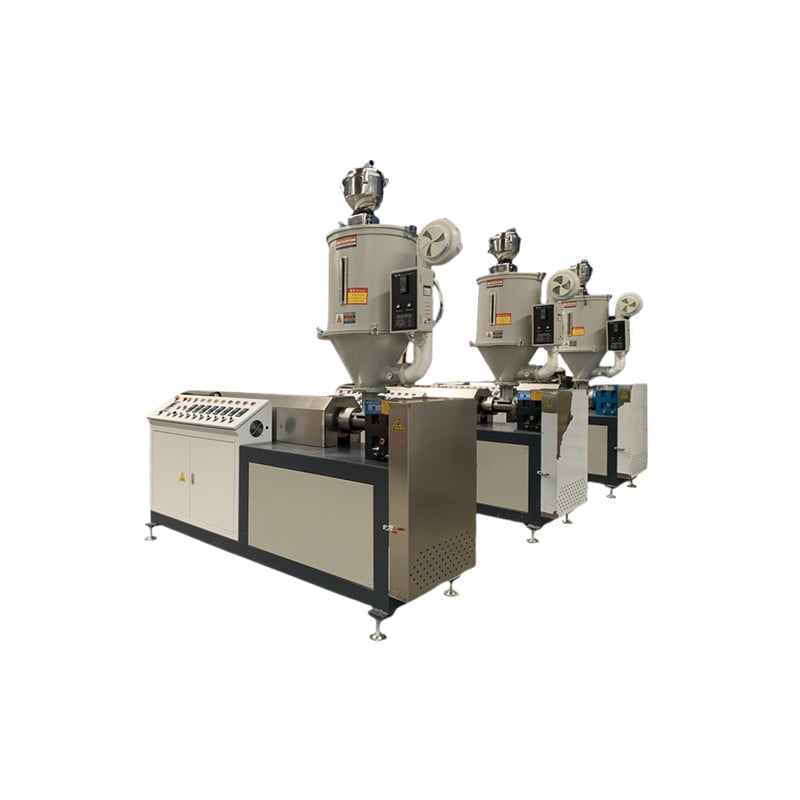
Aðila sem bjóða upp á raunverulega einstöku þjónustu fyrir hitastöðvunarband af polyamíð hefur fulla stjórn á öllum stigum gildisketils. Þeir þróa og framleiða breyttan PA66-hnatt í eigin tilraunastöðum með notkun á háþróuðri tveggja-skrúfu útdreifingartækni sem er sérstaklega hannað til að ná bestu dreifingu á fyllimyndum og frumum. Síðan eru þessar sérsniðnar hnattar unnar á nákvæmum ein-skrúfu útdreifingarlínur fyrir profíl. Þessi lóðrétt samruni tryggir að breytingarnar á efni séu fullkomlega samstilltar við síðari útdreifingarmál fyrir profíl – hitaprófíl, skrúfuhönnun og kælingarhraða – og þannig að bættri hitaisolationseiginleikarnir sem hafa verið hönnuðir í hnöttunum komi fullkomlega fram í lokið hitastöðvunarband af PA66.
Fyrir kaupanda með hátt magn er samhæfni milli skipta af hástaða. Aðila sem býður upp á allt í einu tryggir að hvert kilogram af breyttum PA66-hlotum uppfylli sömu strangar tilgreiningar. Þeir hafa sérfræði til þess að ekki aðeins framkvæma staðlaðar eiginleikaprófunir, heldur einnig meta þarmaleiðileika lokaþráðsins og veita staðfest gögn um að breytingarnar á efni séu að gefa þá betringu á isoleringunni sem hefur verið lofað. Þetta felur út óvissu og gæsluskort fyrir innkaupateymið.
Að lokum er að bæta hitaþéttunaraðstönd PA66 hitafrágreindra strika flókið verkefni í efnafræði, sem miðar að snjallri breytingu á PA66 samsetningu. Skynsamleg dreifing glerþráða, innblæstur sérstakra viðbætta og stjórn á pólýmeraformi eru allt aðgerðir sem hægt er að nota. Þó svo að fyrir innkaupamenn sé skilvirkasta aðgerðin að velja aðila með djúpa, sannaða sérfræði bæði í efnaumbreytingum (með tvískrúfu blöndun) og í framleiðslu lokaforma. Með því að velja fullkomna þjónustuaðila færðu ekki aðeins hlut, heldur hefurðu aðgang að samheyttri tækni sem tryggir að yfirleitandi hitaþéttunaraðstönd, sem er huglögð í PA66 efni, verði áreiðanlega og jafnvel afhent í hverjum metrum hitafrágreinds strips sem þú færð. Þessi heildstæða nálgun umbreytir efnaumbreytingum frá kenningaratriði í átökumátan, gæði-tryggða keppnishag fyrir glugga- og dyrurafurðirnar þínar.
 Heitar fréttir
 2025-12-09
2025-12-08
2025-12-05

POLYWELL sérst Illist á PA66 varmvörumerkjastripi, tilboðið polyamide korn, úthlutara, form, vinðuflokkara og fullnám alls-að-stöðu síðan að metnaðarsviði.
Jinfeng Town, Zhangjiagang City, Suzhou City, Jiangsu Province, China
Copyright © 2024 Suzhou Polywell Engineering Plastics Co.,Ltd Stefna um persónuupplýsingar

 EN
EN