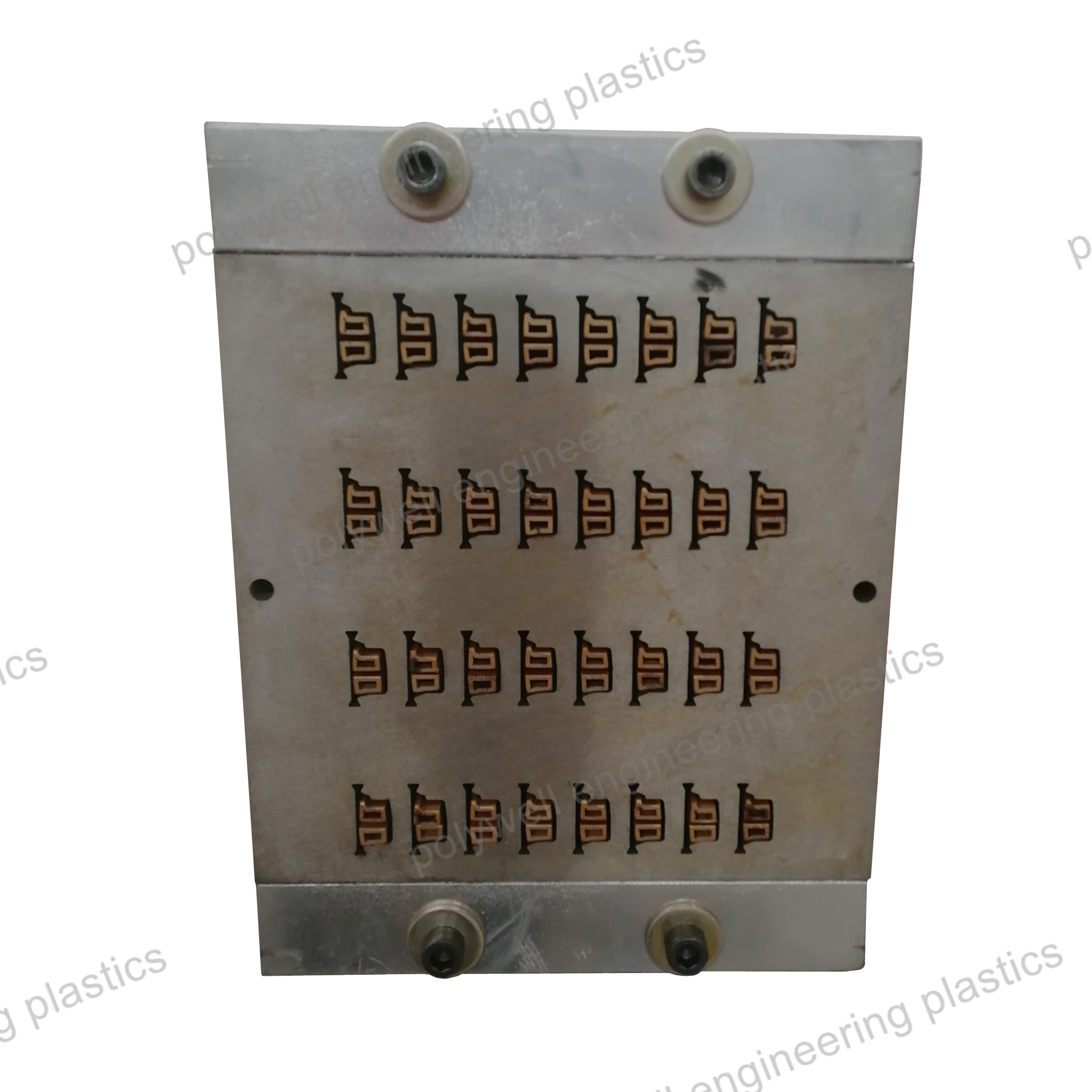
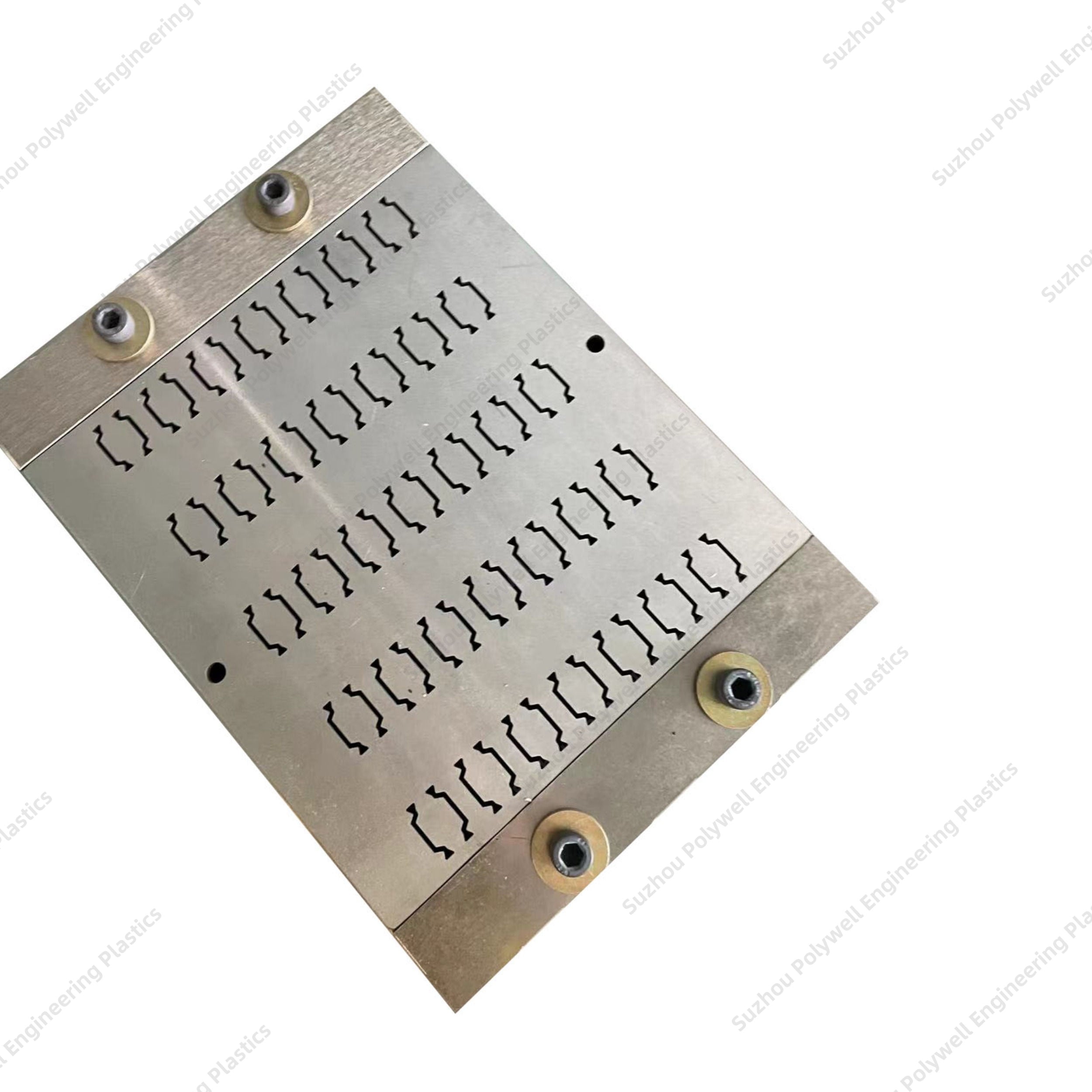
Hönnunartengingin á milli skrúfuhraða og gæða PA66 hitabrotsskífuna
Skruhraði er grunnvirki stjórnunarstærð fyrir ein-skruuða útdrætta fyrir framleiðslu hitastöðvunarbanda af PA66, sem á beiná áhrif á plastgerð PA66GF25-kornanna, samhverfu efnastraumsins og lokalefnis- og verkfræðikvaliteta hitastöðvunarbandanna – lykilþátta sem eru víða notaðir í dyrum og gluggum með álfurprofíl, glerveggjum og öðrum byggingarprofílum. Polywell, leiðandi aðilinn sem býður upp á allt í einu þjónustu fyrir framleiðslu hitastöðvunarbanda af polyamíð, með framleiðslubas í Suzhou, Kína, hefur lagt yfir 18 ár í rannsóknir og þróun sérhæfðra efna fyrir hitastöðvunarbanda frá árinu 2006 og hefur safnað ósérhuglegri sérfræði í nákvæmri stillingu útdrættastjórnunarstærða, svo sem skruhraða, til að ná bestu mögulegu vöruflokk.
Við höfum skýra tækniskiptingu í framleiðslu þarmaskiljusnúru: tvískrúfu-útþrýstivar eru eingöngu notaðir til blöndunar og framleiðslu PA66GF25-kornja, en einnskrúfu-útþrýstivar eru eina faglega búnaðurinn fyrir útþrýstingarformun PA66 þarmaskiljusnúru, og þeir geta ekki verið skiptir út fyrir hvorn annan. Rangar stillingar á skrúfuhraða geta leitt til fjölda vanda við PA66 þarmaskiljusnúrur – frá ófullkominni plastgerð og innri tómrum til ójafna mála og minnkandi tögröð – sem gerir áætlaða hraðastillingu að kjarnahæfileika fyrir árangursríka og hágæða framleiðslu þarmaskiljusnúru.
Merkjandi er að háa afköst PA66GF25-kornanna eru forsenda fyrir optimala stillingu snúðhraðans við ein-snúðs útdrættingu: samvirkis snúningur tveggja snúða í tvísnúðs útdrætturum getur fullkomlega og jafnt dreift glasfínum í polyamíd-mátríxinu til að mynda þéttan netlaga dreifingu, sem miklu bætir eiginleikum kornanna á sviði efnis- og verkfræðieiginleika og leggur fastar grunnsteinar fyrir síðari staðbundna plastgerð í ein-snúðs útdrætturum.
Skrúfuhraði sem áhrifavaldur á plastgerð PA66GF25-kornanna
PA66-þarmabrotsskífur byggja á jafnmaðra plastgerð PA66GF25-kornanna, þar sem snúður einstaks skrúfuútdreggersins framkallar skerihita og þrýsting til að smelta og blanda samsettu efni af polyamíði og glasfílum. Snúðhraðinn ákvarðar hraðann sem kornin fer í gegnum útdreggsrörin, magn skerihitans sem framkallast og tíma sem efnið er að plastgjörva.
Ofurhraði skrúfhráði leidir til ónógu langrar dvalartíðar fyrir PA66GF25-korn, sem hefur í för með sér aðeins hluta-plastgerð og ójafna efna samsetningu í lokastrikinu. Of lágs hráði veldur of mikilli skerhitu og ofmikilli plastgerð, sem getur valdið brot á PA66-efninu og veikið stöðugleika glasfíbra viðbótarinnar. Verkfræðilíkja Polywell hefur náð fullkominni meistaraþekkingu á nákvæmum skrúfhráða-sviðum fyrir PA66GF25-korn (framleidd af okkar fræðilegu tvískrúfu kornagerðarlínu), sem tryggir fullkominna og jafna plastgerð – grunninn að hávirkum hitabrotstriki fyrir byggingaáluminiumprof.
Skrúfhráði og málskýrð nákvæmni PA66 hitabrotstrika
Samfellt efnastraumfræðilegt flæði úr útdregningardísum er nauðsynlegt til að framleiða PA66 hitastöðvunarband með nákvæmum málstikum, sem er kröfu sem ákveðinn viðskiptavinur Polywell, herr Paolo Celani, lagði áherslu á og lofaði dísum fyrirtækisins fyrir að framleiða vörur þar sem allir stærðarmörk eru innan tilgreindra málstikum. Skrefhráttíði hefur bein áhrif á magn plástgerðs PA66GF25 efna sem útdregið er á hverri tímaseiningu; breytingar á hráttíða valda ójafnu efnastraumfræðilegu flæði, sem leidir til band með breytilega þykkt, breidd eða þversniðsform.
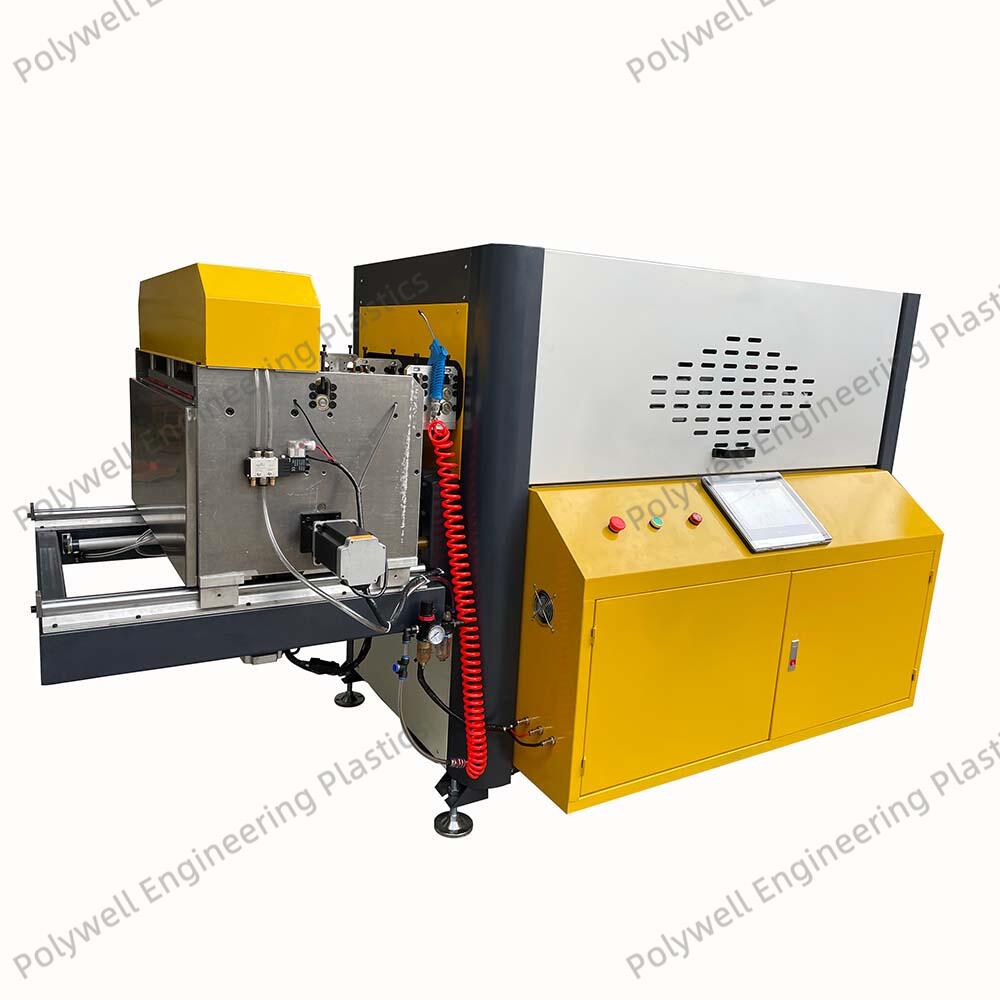
Eindíssútdregningartæki Polywell eru fræðilega stillt til að tryggja staðbundna hraðastýringu fyrir framleiðslu á byggingatekniskum hitastöðvunarbandi, og eru teknikar fyrirtækisins þjálfuðir til að stilla hraðann svo hann passi við hönnun útdregningarskálunnar og sérsniðnar tilgreiningar á hitastöðvunarbandi fyrir hurðir, glugga og glerveggja.
Lykilþættir sem þarf að meta áður en breytt er skrefhráttíða einþræðrar úttrýstiflæðisvélar
Árangursrík stilling á skrufuhráðu fyrir framleiðslu PA66 hitafrumustripa er ekki einstök lausn fyrir allt; hún krefst almenningur matar á margföldum tengdum þáttum sem áhrifast hegðunar viðfangsefnisins og afkvæmi útþrýstisins. Þjónustulið Polywell á staðnum og verkfræðiþekkingarmenn hafa þróað skipulagðan matarskema byggt á áratugum af reynslu úr raunverulegri framleiðslu í framleiðslubúðum þeirra í Suzhou, sem tryggir að hver stilling á hráðu sé aðlagað sérstökum framleiðslustillingum og gæðamarkmiðum fyrir framleiðslu hitafrumustripa fyrir byggingar.
Eiginleikar PA66GF25 gránula
Eiginleikar PA66GF25-kornanna, bæði í efna- og efnahagssamhengi, eru aðalþátturinn sem ákvarðar stillinguna á skrúfuhraða. Breytingar á kornastærð, innihaldi glasfíra, rökuhlutfalli og þýðisflæðisvísitölu (MFI) hafa allar áhrif á þá hátt sem efnið svarar skrúfuhraða. Til dæmis krefjast PA66GF25-korn með hærra glasfírainnihalds smá lægri skrúfuhraða til að tryggja að glasfírarnir (sem eru jafnt dreifðir í netlaga uppbyggingu við tvískrúfu-kornun) verði ekki skemmdir af of mikilli skerþrýstingu, en þurrari korn geta þolað smá hærra hraða vegna minnkaðs hætta við myndun á röku-blaðrum við plastgerð.
Polywell veitir háþróað, samhverft PA66GF25-korn (framleidd með tvískrúfu-kornunarlínu okkar) sem hlut af einum-stöðvar lausnum fyrir hitafrágreiningarband, og veitir tæknideild fyrirtækisins nákvæmar leiðbeiningar um stillingar á hraða byggðar á nákvæmum efnisákvæðum.
Útfellingarmyndunargögn og PA66-stripar
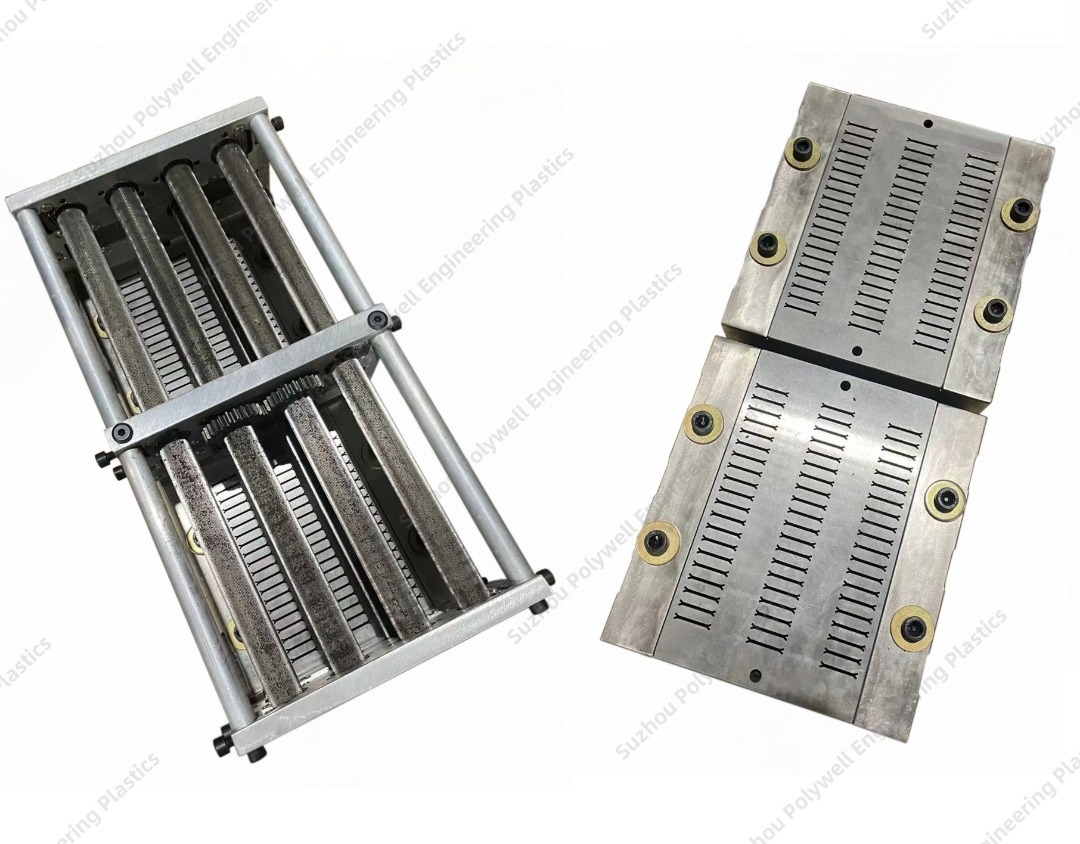
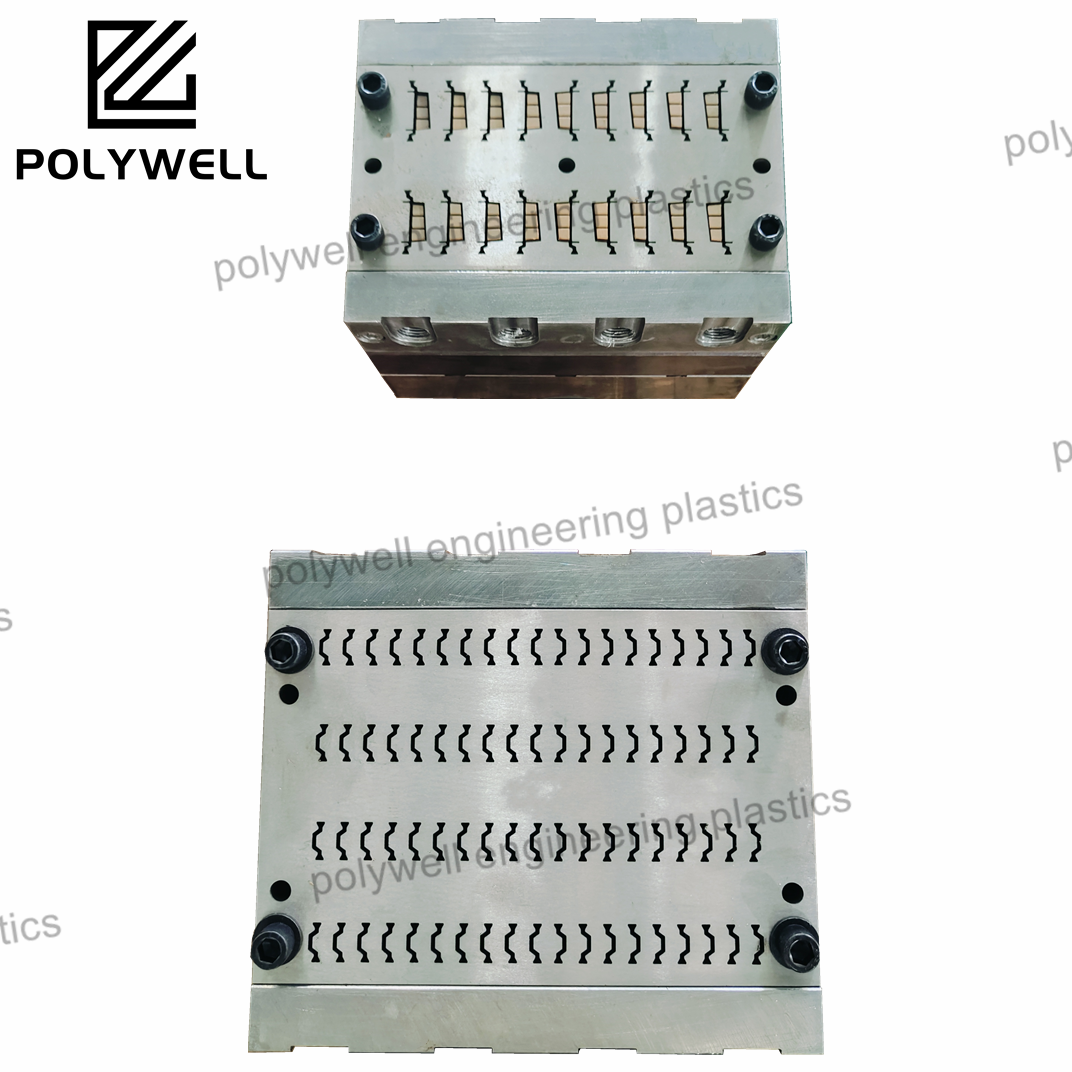
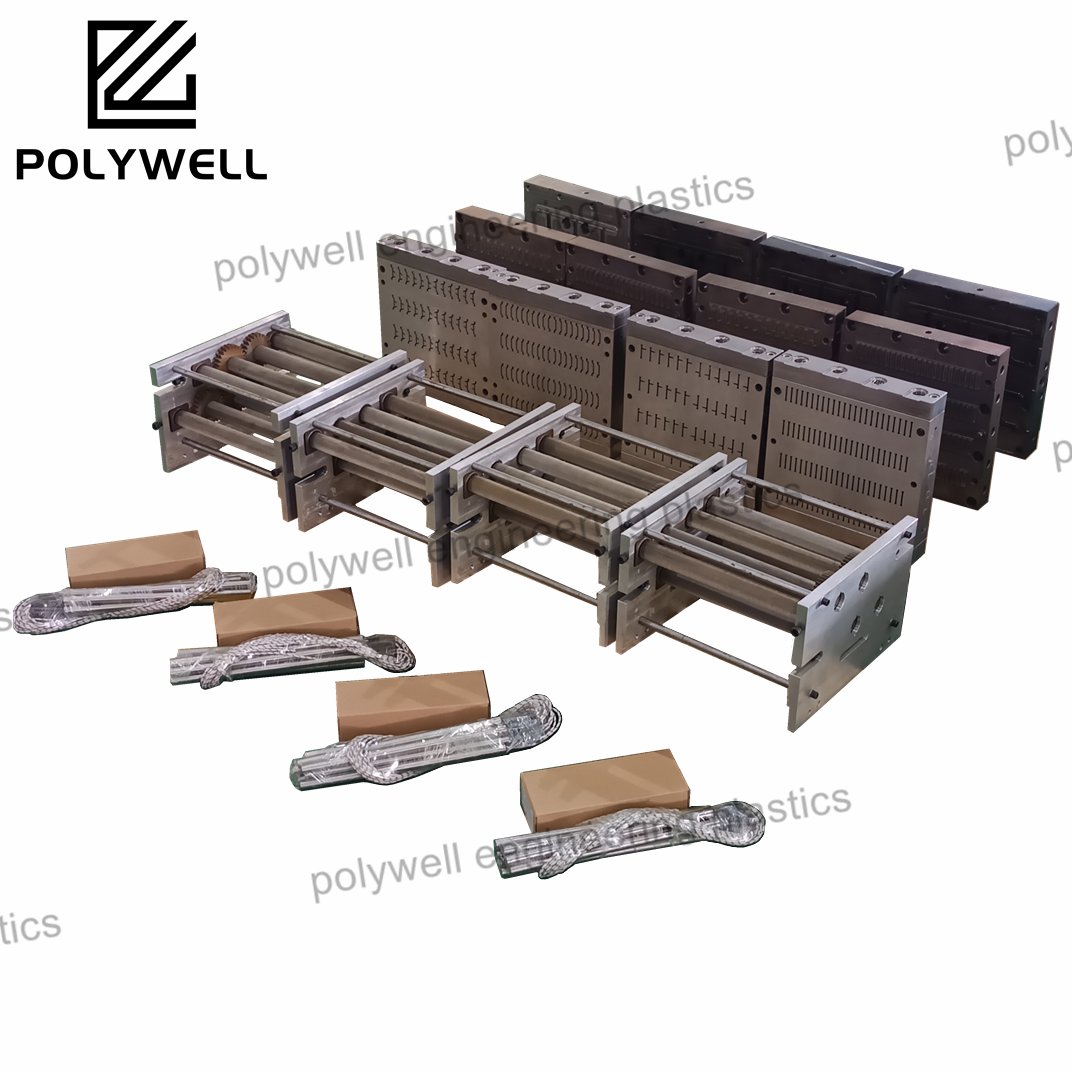
Hönnun útdrættingarformins og óskandi tilgreiningar á PA66 hitaisolatstrippinum leika lykilhlutverk í ákvarðanir um bestu skruhraðann. Tæpleg flæðisrönd í formi, nauðgar myndanir á myndanirnar og sérsniðin þversnið á strippinu (fyrir sérstaka byggingaralúmíníumprofíl) krefjast allar nákvæmrar stjórnunar á efnaflæði, sem er náð með markvissum stillingum á skruhraðann.
Til dæmis krefst form sem er hönnuð fyrir þunn, nauðga PA66 hitaisolatstrippa hægri skruhraða til að koma í veg fyrir of mikla efnaþrýsting á myndanirnar, sem gæti valdið útbreiðslu myndananna og ónákvæmum mælingum. Form fyrir breiðari, þykki strippa gæti leyft smá hægri hraða til að viðhalda árangri án þess að tjá sig á samhæfðu flæði.
Hönnunarsveit Polywell vinnur í samstarfi við útdrættingarspecialista fyrirtækisins til að jafna formtilgreiningar við bestu skruhraðasvið, sem er lykilhluti af starfsemi fyrirtækisins Hönnun fyrir Framleiðslu (DFM) þjónusta sem spár og minnkar framleiðsluáhættur—einn af kjarnapunkturna í Polywell fyrir einstöku þjónustu við framleiðslu þermískt skilja striks.
Hitastigshamfarar í útdrætisvél
Skruhraði og ræsuhitastig vinna saman til að ná bestu plastgerð á PA66GF25 kornum; þeir eru ekki óháðir breytur. Vel stillt hitaprófil getur kompenserað litla breytingar á skruhraða og öfugt. Til dæmis, ef hitastigið í ræsunnar er sett lítið lægra en í æskilegu bili, getur lítill minnkun á skruhraða aukat efniþvertíma og skeruhita til að ná fullkominni plastgerð. Öfugt getur hærra hitaprófil leyft lítinn hraðari skruhraða án þess að missa á gæðum plastgerðar.
Tæknikar hjá Polywell þjálfa starfsfólk viðskiptavina í að jafna ræsuhitastig og skruhraða—þetta er kjarni hluti af fyrirtækinu Stuðningur við framleiðslutæknina —þannig að þessir tveir þættir virki saman til að hámarka gæði vörurnar og framleiðslueffektísku fyrir framleiðslu á hitafrágreindum strikum fyrir byggingar.
Hraði framleiðslulínunnar og samstilling niðurstöðuutvarps
Hraði skrúfu einstöku skrúfuþvottarins verður að vera samstilltur við hraða niðurstöðuframleiðslulínu, þar á meðal töggvamála, klippimála og viklamála sem notað eru við framleiðslu hitastöðuvarnandi striks af PA66. Ósamstilltir hraðar valda spennu eða losun í útþrýstum PA66-striki, sem leidir til strekkingar, bölgunar eða ójafna klippa.
Til dæmis, ef skrúfuhraði er of háur miðað við hraða töggvamálsins myndast of mikil efniþrýstingur, sem strekkur heitt strikið og breytir víddum þess. Of lægur skrúfuhraði leidir til ónógu efnaupplyssingar, sem valdar töggvamálinu að strekka strikið til að halda við línuhraðann. Einnig inniheldur fullkomlega þjónustan Polywell aðlaga og faglega stillingu alls niðurstöðuutvarps, sem notað er við framleiðslu hitastöðuvarnandi striks, og tryggir að hraði skrúfuþvottarins sé fullkomlega samstilltur við rekstrarhraða allrar framleiðslulínunnar.
Skref fyrir skref til að stilla skrúfuhraða ein-skrúfu útþrýstiflæðisvélar fyrir PA66 hitastöðu-brotstrip
Polywell hefur útbúið kerfisbundið, skrefafyrir-skref aðferð til að stilla snúningstíðni einn-skrúfu úttrýstara í samræmi við fjölbreytt framleiðsluupplifun fyrirtækisins í Suzhou og ábendingar alþjóðlegra viðskiptavina, svo sem herra Tiago og frú Özge. Þessi aðferð er hönnuð þannig að hana sé auðvelt að nota og endurtaka, sem gerir framleiðsluverkamenn færri um að ná nákvæmlega stilla snúningstíðnina til að uppfylla hámarkskröfur fyrir gæði PA66 hitastöðvunarbanda, með því að lágmarka framleiðslustöðvun og eyðingu efna — sérstaklega hannað fyrir framleiðslu hitastöðvunarbanda fyrir bygginga-alúmíníumprofíl.
Byrjaðu á grunn-snúningstíðni skrúfunnar fyrir PA66GF25 korn
Hver skammtur af PA66GF25-kornum sem Polywell veitir fylgir með mæltum grunnhraða skrúfu, sem hefur verið þróaður með rökréttum prófunum á framleiðslustöðinni í Suzhou hjá fyrirtækinu. Þessi grunnhraði er upphafspunktur allra hraðabreytinga og er aðlagaður sérstökum eiginleikum kornanna (frá tvískrúfu kornalínunni okkar) og staðlaðum útdráttsskálum fyrir hitastöðvunarband til hurða, glugga og gagnrýnna.
Framleiðsluverkamenn byrja á því að stilla útdráttinn á þennan grunnhraða, með því að tryggja að hitaprófilinn í rörinu sé stilltur á viðeigandi bili og að allt niðurstöðuvirkjatæki sé stillt á samsvarendan línuhraða. Þessi upphaflega uppsetning tryggir jafna plastgerð og streymi efna og veitir stöðugan grunn fyrir nákvæma stillingu.
Fara í prófrás og framleiða prufuúrtak
Eftir að grunnhraði skrúfunarinnar hefur verið stilltur er stutt prófrás framkvæmd til að framleiða litla röð af PA66 hitastöðvunarfjöldum. Því er látist útþrýstingstækið vinna í 15 til 30 mínútur til að ná hita- og rekstrarstöðugleika, þannig að efnastraumurinn og plástískunin séu jafnvel áður en sýni eru teknir.
Tæknikar Polywell mæla með því að taka nokkur sýni frá mismunandi stöðum í prófrásinni til að taka tillit til mögulegra upphaflega rekstrarfluktuasjóna. Þessi sýni eru síðan skoðuð að eftirfarandi lykilgæðamælingum fyrir hitastöðvunarfjöldum í byggingum: málskorrækt, yfirborðsútlit, innri jafnheitni (engir holur eða blös) og mekanísk styrkur (tögræði og beygjuþol) – allt mikilvægt fyrir árangur aluminiumsprofíl-dura, glugga og glerveggja.
Greina gæði dæmisins og auðkenna þarfir fyrir stillingar
Safnaðar PA66 hitastöðvunarbanda eru greindar á grundvelli nauðsynlegra gæðaskilyrða fyrir byggingaforrit til að finna allar gallanir sem gefa til kynna að þörf sé á aðlagningu skruhraða. Algengar gallanir og samsvarandi lausnir með aðlagningu hraða eru vel skjölkuð af verkfræðilíkum Polywell:
-
Ófullkomin plastgerð (sýnilegar harðar stöður eða ójöfn yfirborðsástand): Lítil lækkun á skruhraða til að auka dvalartíma;
-
Yfirplastgerð (brjótlegt band eða litbreyting): Lítil hækkun á hraða til að minnka skerihita;
-
Mismunandi mál (breytileg þykkt/breidd): Hraðakalibrering eða lítil aðlagning til að stöðvast efnastraumur;
-
Innri tómrum: Lítil lækkun á hraða til að fjarlægja þrungin loft.
Virkja síðlegar breytingar á skruhraða og endurprófa
Skrúfhráði stilla ávallt ágradvíslega—aldrei bráðlega—til að koma í veg fyrir skyndilegar breytingar á plastgerð eða rás efna sem geta valdið alvarlegum vandamálum við framleiðslu og eyðingu efna. Polywell mælir með því að stilla hráðann í litlum skrefum (venjulega 5–10 rpm fyrir flestar ein-skrúfu útdrífur sem notaðar eru til framleiðslu þermískra bilstrika) og framkvæma nýtt prófunargöng og smáframleiðslu eftir hverja stillingu.
Nýju sýnigögnin eru síðan greind til að ákvarða hvort vandamálið hafi verið leyst eða hvort frekari nákvæm stilling sé nauðsynleg. Þessi endurtekna ferli heldur áfram þar til PA66 þermísku bilstrikarnir uppfylla allar gæðaskilyrði fyrir byggingaralúmíníumprofíl, og loksins er lokastillingin á hráðanum skráð fyrir framtíðarframleiðslu með sama efni og sama moldaskilyrði.
Stilla og læsa viðeigandi skruhraðastillingu
Þegar hæsta skruhraðinn er ákvarðaður er hraðastýringarkerfið í útþrýstingstækinu stillt til að læsa inn þessa stillingu og koma í veg fyrir óviltar breytingar á hraðanum í framleiðslunni. Tæknikar hjá Polywell æfa líka starfsfólk viðskiptavina í því að skrá hæsta hraðann, ásamt viðkomandi hitaprófilinum í röndinni og hraða niðurstöðuutstyrktum tæknimynsturum, í framleiðsluskjóða.
Þessi skjóði verður tilvísun fyrir framtíðarframleiðslur með sömu PA66GF25-kornabatch (frá tvískru-línunni okkar) og myndgerð, sem tryggir samhverfu gæði vöru yfir tíma fyrir framleiðslu á hitaklósum. Fyrirtækisins endalaus tæknistuðningur inniheldur leiðbeiningar um endurstillingu hraðastillinga ef efnisbatch, myndir eða framleiðsluskilyrði breytast—eitt af kjarnamálum eftirsölustuðnings Polywell fyrir allt í einu lausnir fyrir framleiðslu þarmbrjótsbanda.
Bestu aðferðir til að halda hæsta skruhraðanum í réttu ástandi í samfelldri framleiðslu
Að stilla einn-skrúfu útdrættingarvélina á hámarksskrúfuhraðann er aðeins fyrsta skrefið; að halda þessum hraða í raunverulegum framleiðsluferli PA66 hitastöðu-brotstrips er jafn mikilvægt fyrir samhverf gæði. Polywell hefur þróað safn bestu venjunnar fyrir hraðahald, sem hefur verið hreinsuð og fullvelduð með árum af samfelldri framleiðslu í Suzhou-stöðinni og deilt við viðskiptavini gegnum þjónusta á staðnum og framleiðslutækniþjálfun — tvær kjarnatengdar þjónustur í eina-stöð lausn Polywell fyrir framleiðslu hitastöðu-brotstrips.
Reglulegar skoðanir og stillingar á útdrættingarvélbúnaði
Reglulegar skoðanir á drivekerfi einsskru-útþrýstingstækisins, hraðastýringarmótorinn og gearbóksinn eru nauðsynlegar til að koma í veg fyrir breytingar á hraðanum. Polywell mælir með daglegum sjónskoðunum á merki á slitage eða skemmdir og vikulegri stillingu á hraðastýringarkerfinu til að tryggja að það haldir hraðann sem settur er með lágmarkssprettu.
Einslögunarþjónusta fyrirtækisins felur í sér að veita skiptihluti fyrir útdrætta og allt búnað til framleiðslu þarmaskiljusnúða, sem tryggir að allir slitnir hlutir séu hratt skiptir út til að koma í veg fyrir hraðavandamál.
Fylgjast með jafnleitni á efnauppsetningu
Ójafn mat á PA66GF25-korni í ein-skrúfu útdrættinn getur valdið óbeinum breytingum á skrúfuhraða og ójöfnri plastgerð á efni. Polywell mælir með notkun sjálfvirkra kornmatskerfa til að tryggja jafnan mat á útdrættinhoppa, og reglulega yfirferð á matskerfunni til að koma í veg fyrir blokkun eða festingu.
Fyrirtækið mælir einnig með því að geyma PA66GF25-korni í þurrri og hitastýrðri umhverfi til að koma í veg fyrir klumpun sem getur truflað mat – mikilvæg ráðlegging til að halda stöðugri framleiðslu á hárgæða þarmaskiljusnúðum.
Útbúa framleiðsluverkamenn til rauntíma hraðaeftirlits
Polywell framleiðslutækniþjálfun inniheldur kennslu á viðskiptavinaskrifstofuverkum í því að fylgja með einn-skrúfu útdrætisvélina í rauntíma í framleiðslu, og að greina upphaflega tákn á hraðabreytingum eða tengdum gæðavandamálum. Verkarnir eru kenndir í því að athuga rauntímahraðavísitölu útdrætisvélarinnar í reglulegum millibili og að skoða PA66 hitastöðu-bilin sem útdrætt eru til að finna yfirborðs- eða víddarbreytingar sem gefa til kynna vandamál með hraðanum.
Þessi rauntímafylgi gerir kleift að taka strax viðbótaraðgerðir, sem lágmarkar framleiðslu ófullkominnra bilna og minnkar frávöru á efni – sérfræðikennd kennsla okkar er aðlöguð raunverulegum framleiðsluþörfum framleiðenda hitastöðu-bilna.
Jafna hraðstillingar við breytingar á efnaflöskum
Ólíkar partur af PA66GF25 grjótkornum geta haft litlar breytingar á efnaeigindum, jafnvel þótt þau komi frá sama framleiðanda. Polywell mælir með því að framkvæma litla prófunarframleiðslu og stilla hraðann nákvæmlega þegar skipt er yfir á nýjan part grjótkorna, jafnvel ef grunnhraðinn er sá sami.
Þessi litla skref tryggja að snúningstíði skrúfanna er stillt til að passa við einkenni nýju partíans, sem heldur áfram bestu mögulegu gæðum vörurnar fyrir hitastöðvunarband sem notað er í dyrum, gluggum og gálgurveggjum úr álfínuprófíl.
Fimm kjarnafyrirhugsanir Polywell í hraðastillingu skrúfu fyrir framleiðslu PA66 hitastöðvunarbanda
Polywell stendur út sem leiðandi í branschanum í hraðastillingu skrúfu einstakrar skrúfuútdreifisvél fyrir framleiðslu PA66 hitastöðvunarbanda, með fimm kjarnafyrirhugsanir sem byggja á yfir 18 ára rannsóknar- og þróunarreynslu, almennri þjónustuþjónusta í einum stað kerfi og viðskiptavini miðuð nálgun á framleiðslusérstæði. Þessar kosti byggja á framleiðslubasiss fyrirtækisins í Suzhou, Kína, og dreifa sig yfir allar þær þættir sem tengjast stillingu snúningstíða skrúfanna og rekstri útdreifingarvélanna í framleiðslu hitastöðvunarbanda fyrir byggingarverk.
Eina-stöðvarþjónusta fyrir sameinuða stillingu útdrífjunnar og framleiðslulínunnar
Eina-stöðvarþjónusta Polywell felur í sér heilar PA66 hitaþotusnúða framleiðslulínunnar (sem kernað vöruflokk okkar), frá að veita hágæða PA66GF25 korn (tvöfaldar skrúfur til að gera korn) og ein-skrúfu útdreifingavélar til útdreifingarmynda, klippuvélanna, vinda-vélanna og annarra framleiðslutæka. Þessi samheildarþjónusta tryggir að snúningstíði útdreifingarvélanna sé fullkomlega stillt við öll önnur tæki á framleiðslulínunni, sem felur í sér að koma í veg fyrir ósamsvörun sem veldur gæðavilla.
Verkfræðilíkja fyrirtækisins hanna og stillir alla framleiðslulínuna sem eina kerfi, þar sem snúningstíði skrúfunnar er lykilþáttur í heildaroptímalísuninni—einkaleyfi fyrir framleiðslu þérmískila strika fyrir byggingaáluminíumprofíl.
Hönnun fyrir framleiðslu (DFM) til að koma í veg fyrir framleiðsluáhættur sem tengjast hraða
Polywell Hönnun fyrir Framleiðslu (DFM) þjónusta (ein af kjarnathjónustum okkar) inniheldur optímalísun á snúningstíði skrúfunnar í upphaflegri hönnun á útdreifingarskálfum fyrir PA66 þérmískila strika og framleiðslulínunum. Verkfræðilíkja fyrirtækisins spár mögulegar framleiðsluskyldar áhættur tengdar snúningstíði—t.d. útdreifingu á mynnum eða ófullkomin plastgerð—á hönnunarfærum og breytir tilgreiningum á mynnum og útdreifurum til að minnka þessar áhættur.
Þessi áðurfundin aðferð þýðir að mæltar snúningstíðir skrúfunnar eru innbyggðar í hönnun framleiðslulínunnar, sem minnkar þörfina á miklum breytingum á snúningstíðinni á framleiðslutíma.
Fagleg þjálfun í framleiðslutækni fyrir meistara skrúfuhraða
Polywell býður upp á almennan, handaðan framleiðslutækniþjálfun (kjarniþjónusta eftir sölu) til starfsfólks viðskiptavina, með ákveðinni áherslu á rekstur einn-skrúfu útdrætisvél og stillingu skrúfuhraða fyrir framleiðslu þermíska bilvallar. Tækniflokkur fyrirtækisins æðir starfsfólk til að skilja sambandið milli skrúfuhraða og plastgerðar PA66GF25 kornanna, til að greina vandamál í prufum og ákvarða rétta breytingar á hraðanum og til að halda hámarkshraðanum í gangi á meðan framleiðsla fer áfram.
Þessi æfing er hluti af þjónustu Polywell endalaus tæknistuðningur , með endurtekinum áfærslum sem eru tiltækar þegar nýjar framleiðslutæknir eða efniákvæður eru kynntar.
Á staðnum þjónusta fyrir rauntíma leit að villum í skrúfuhraða
Polywell þjónusta á staðnum (kjarniþjónusta einn-í-alla) fer til framleiðsluverkstæða viðskiptavina um allan heim til að veita rauntíma villuleit og stuðning við að hámarka skrúfuhraðann fyrir framleiðslu þermíska bilvallar. Hópurinn framkvæmir á staðnum mat á rekstri útdrætisvélanna, greinir gæðavandamál sem tengjast hraðanum og gerir strax nauðsynlegar breytingar til að leysa vandamálin.
Liðið veitir einnig á staðnum viðlagningu á hraðastýringarkerfum fyrir útdrætta og þjálfar starfsfólk í bestu aðferðum fyrir viðhald hraða á staðnum. Þessi stuðningur á staðnum er sérstaklega gagnlegur fyrir alþjóðlega viðskiptavini, sem nýta sér heimsvíða þjónustunet Polywell og djúpa sérfræði þeirra í framleiðslu PA66 hitafrágreindra strika fyrir byggingaforrit.
Lífstíðar tæknilagur stuðningur og sérsniðnar hraðalausnir
Polywell veitir endalaus tæknistuðningur til allra viðskiptavina, með sérstökum liði verkfræðinga sem eru tiltækir til að svara spurningum um stillingu skrúfuhraða, leysa framleiðsluvandamál og veita sérsniðna hraðalausnir fyrir einkennandi framleiðslukröfur—t.d. sérsniðna hitafrágreind strik fyrir sérstaka byggingaáluminiumprofíl og glasveggja.
Til dæmis þróa verkfræðilíkja fyrirtækisins sérsniðna hraðamál fyrir skrúfur fyrir viðskiptavini sem framleiða sérstakar PA66 hitastöðvunarband með einstökum þversniðshönnun eða efnaformulur. Þessi endalaus stuðningur tryggir að viðskiptavinir geti áfram að stilla skrúfuhraðann á bestan hátt eftir því sem framleiðsluþörf þeirra breytist, og halda þannig hæsta gæðaniváinu í framleiðslu hitastöðvunarbanda fyrir byggingar.
Ályktun
Að stilla snúningstíðni skrufunnar í einstökri skrufuþvottara er mikilvæg færi til að framleiða háþrýstingar PA66 hitastöðvunarstrauma – lykilhluti fyrir dyr, glugga og gálgur af álmíníumprofíl – með beinum áhrifum á plastgerð efna, mál- og stærðnákvæmni og eiginleika í þyngdarkerfi. Með því að meta lykilþætti eins og eiginleika PA66GF25 korn (frá tvöfaldri skrufuþvottara), myndunargerð, hitastig í rörinu og samstillingu við niðurstöðuvélbúnað, og með því að fylgja kerfisbundinni, skrefafyrir-skref stillingaraðferð, geta framleiðendur hitastöðvunarstrauma stillt snúningstíðni skrufunnar til að ná bestu mögulegu gæðum vörur fyrir byggingaforrit.
Að halda þessari óvirkju hraða með reglulegum tækniprófum, jöfnu efnauppsetningu og rauntímaeinkunn á starfsfólki tryggir samfellda framleiðslu af PA66 hitastöðvunarfletum án villa. Sem leiðandi einstöðuþjónustuaðili fyrir framleiðslu hitastöðvunarfleta af polyamíði, með framleiðslubas í Suzhou, Kína, notar Polywell fimm kjarnafyrirhugsanir sínar og yfir 18 ára atvinnureynd til að hjálpa viðskiptavönnum að ná mestri árangri með snúningstölu skrúfu við framleiðslu PA66 hitastöðvunarfleta.
Við höfum skýra tæknilega deilingu í framleiðslu: tvískrúfu-útdregðuvarp fyrir framleiðslu á hávirkum PA66GF25-kornum og einsskrúfu-útdregðuvarp sem eina búnaðinn fyrir útdreggingu og myndun þermíska bilstrips, sem myndar heildstæða framleiðslukeðju fyrir hágæða byggingaþermíska bilstrips. Með samstarfi við Polywell fá framleiðendur þermíska bilstrips aðgang að fjölbreyttri einstöðulausn fyrirtækisins – meðal annars hágæða PA66GF25-korn, vel stillt einsskrúfu-útdregðuvarp og fulla framleiðslulínubúnað, sérsniðna moldhönnun, á staðinn ákveðin þjónusta, fræðslu í faglegri framleiðslutækni og líftíma tæknihjálp.
Allar þessar auðlindir eru aðlöguð framleiðslu á PA66 hitafrágreiningarskífum fyrir dyr, glugga og glerveggja úr álfínum, og hjálpa framleiðendum að aðlaga skrúfuhraða og framleiða samhverfa, hágæða hitafrágreiningarskífur á skilvirkan hátt. Í keppnishólmuni framleiðslu á hitafrágreiningarskífum fyrir byggingarverk er nákvæmni Polywell í aðlun skrúfuhraða og almennar einstöðuþjónustu lykilþættir sem tryggja árangur viðskiptavina, og tryggja að hver framleiðsluruna gefi hæsta mögulega gæði vöru og rekstrarárangur fyrir hitafrágreiningarforrit í byggingarverkum.
 Heitar fréttir

 EN
EN