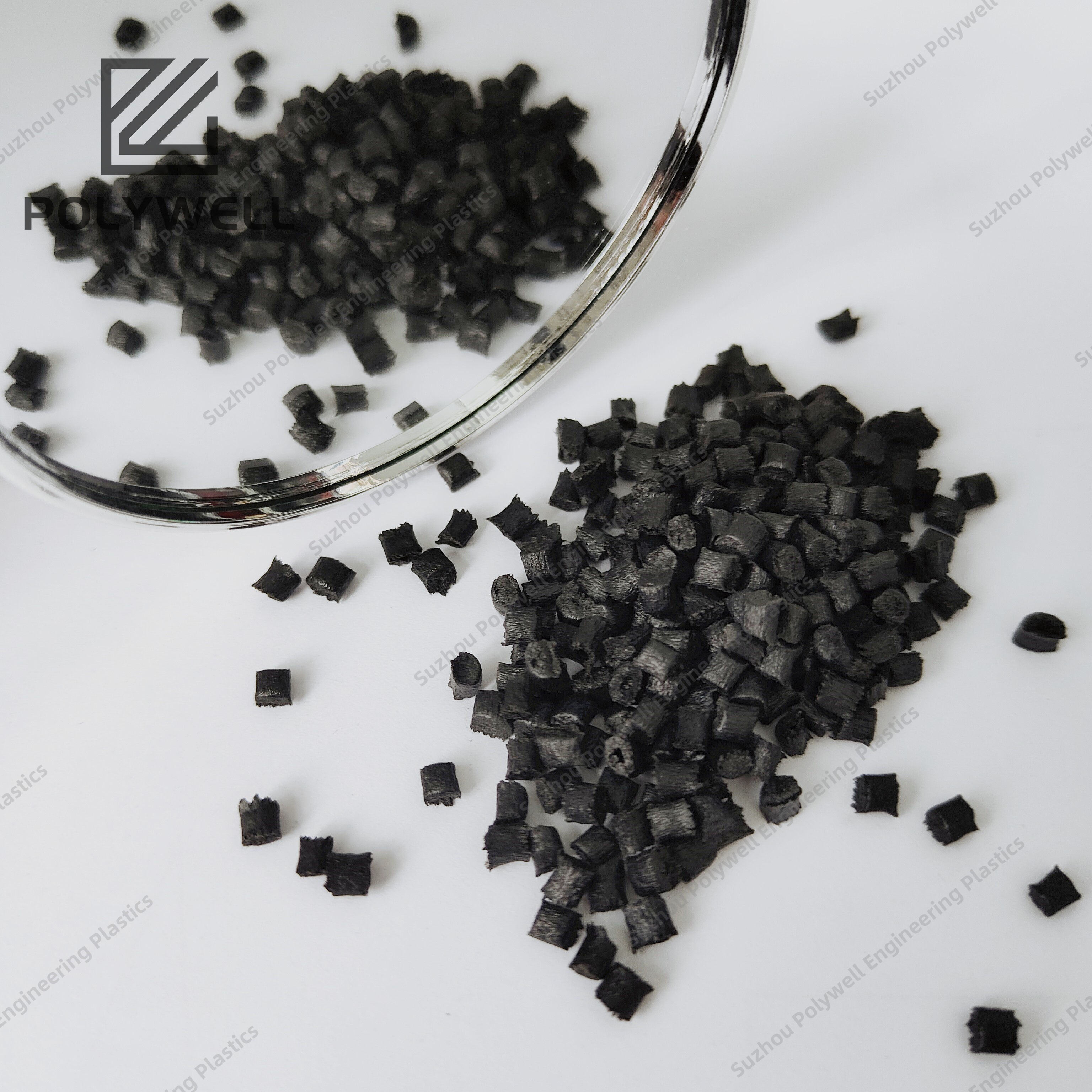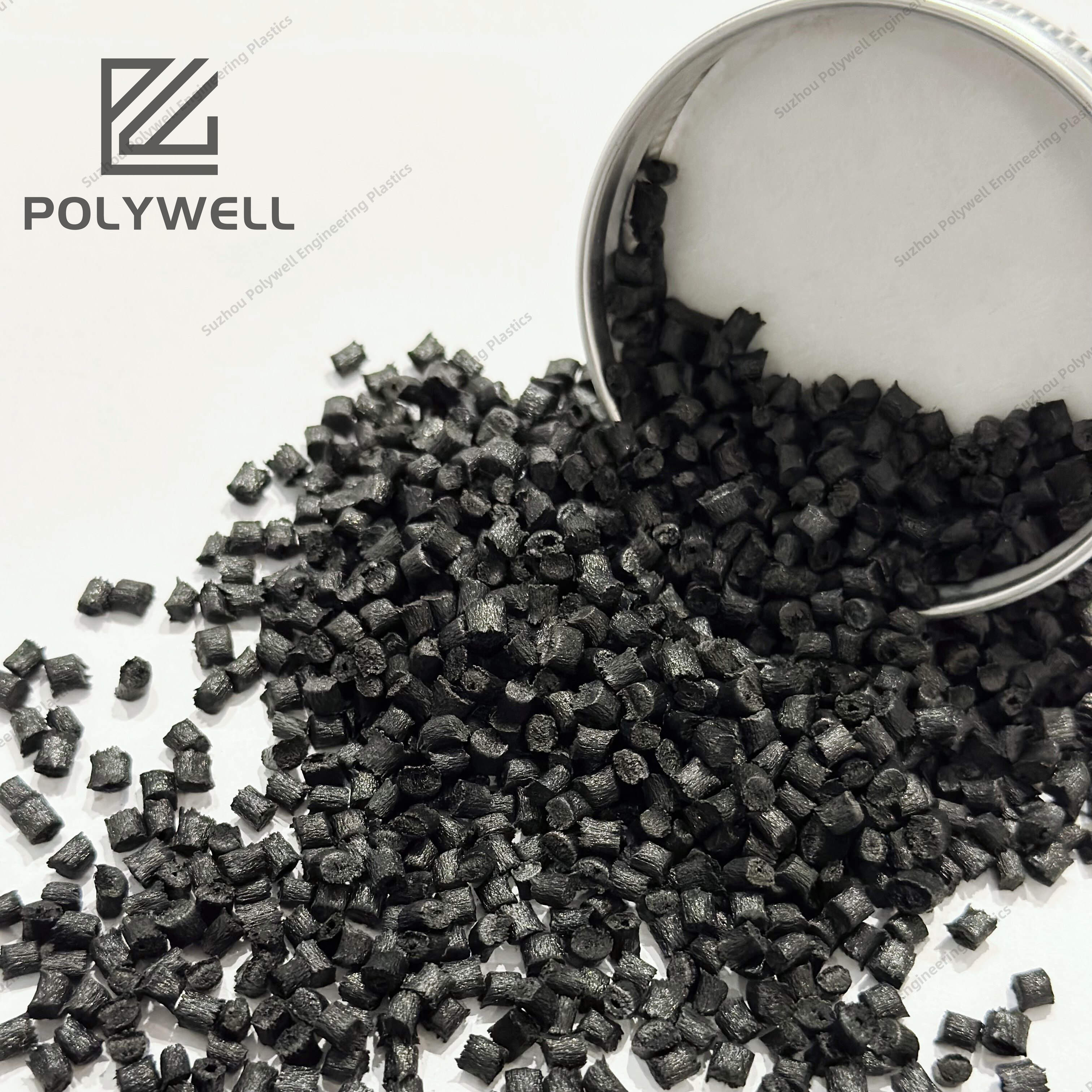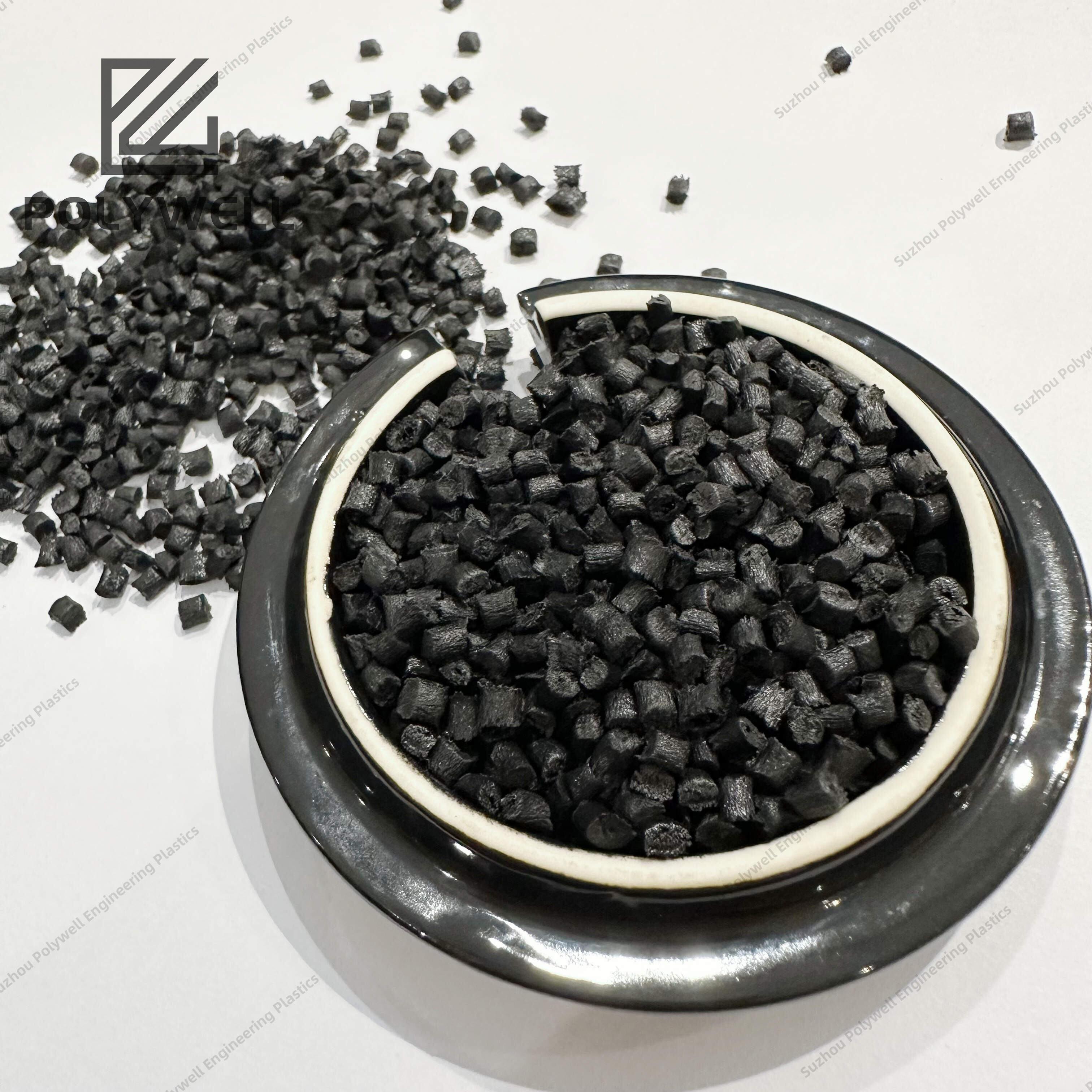
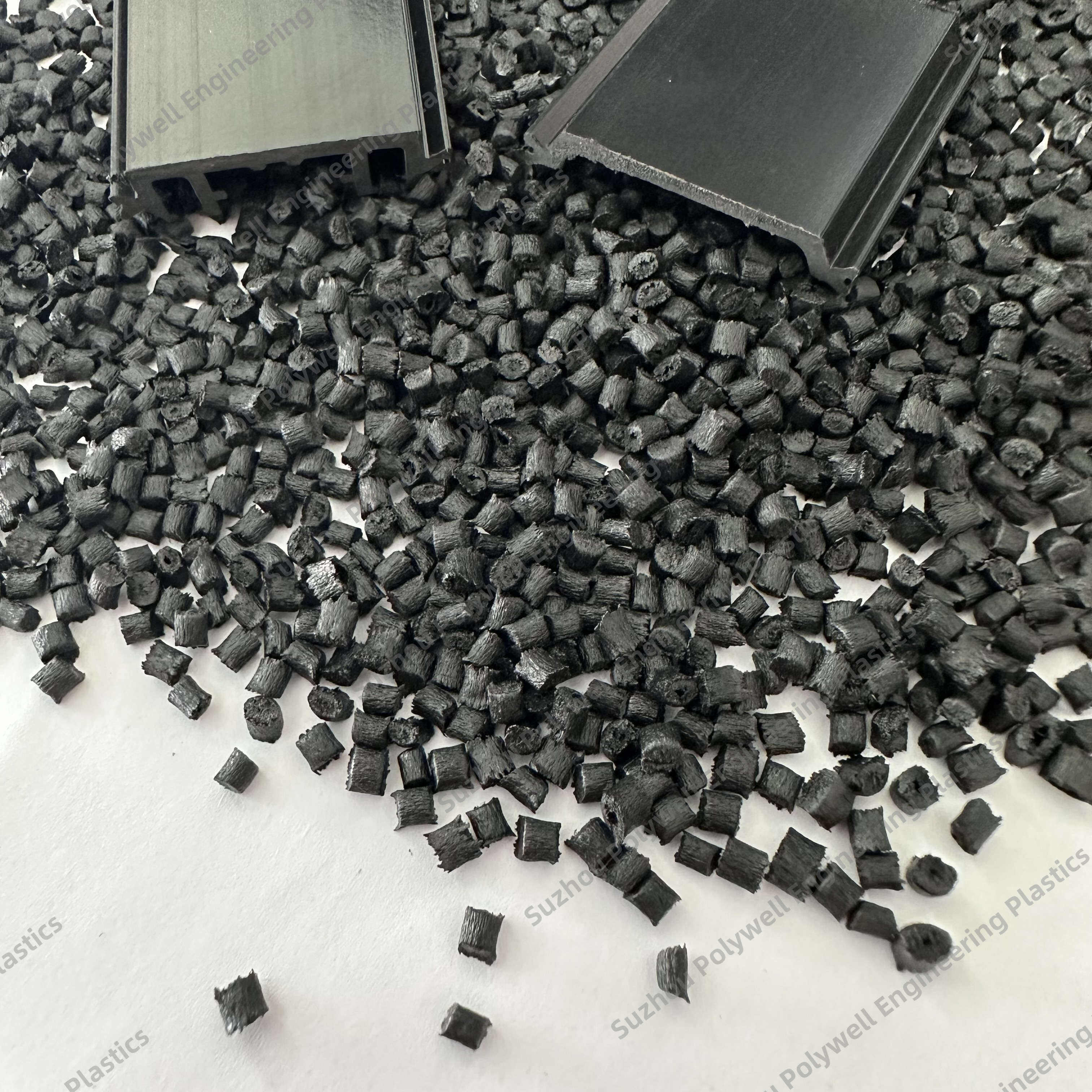
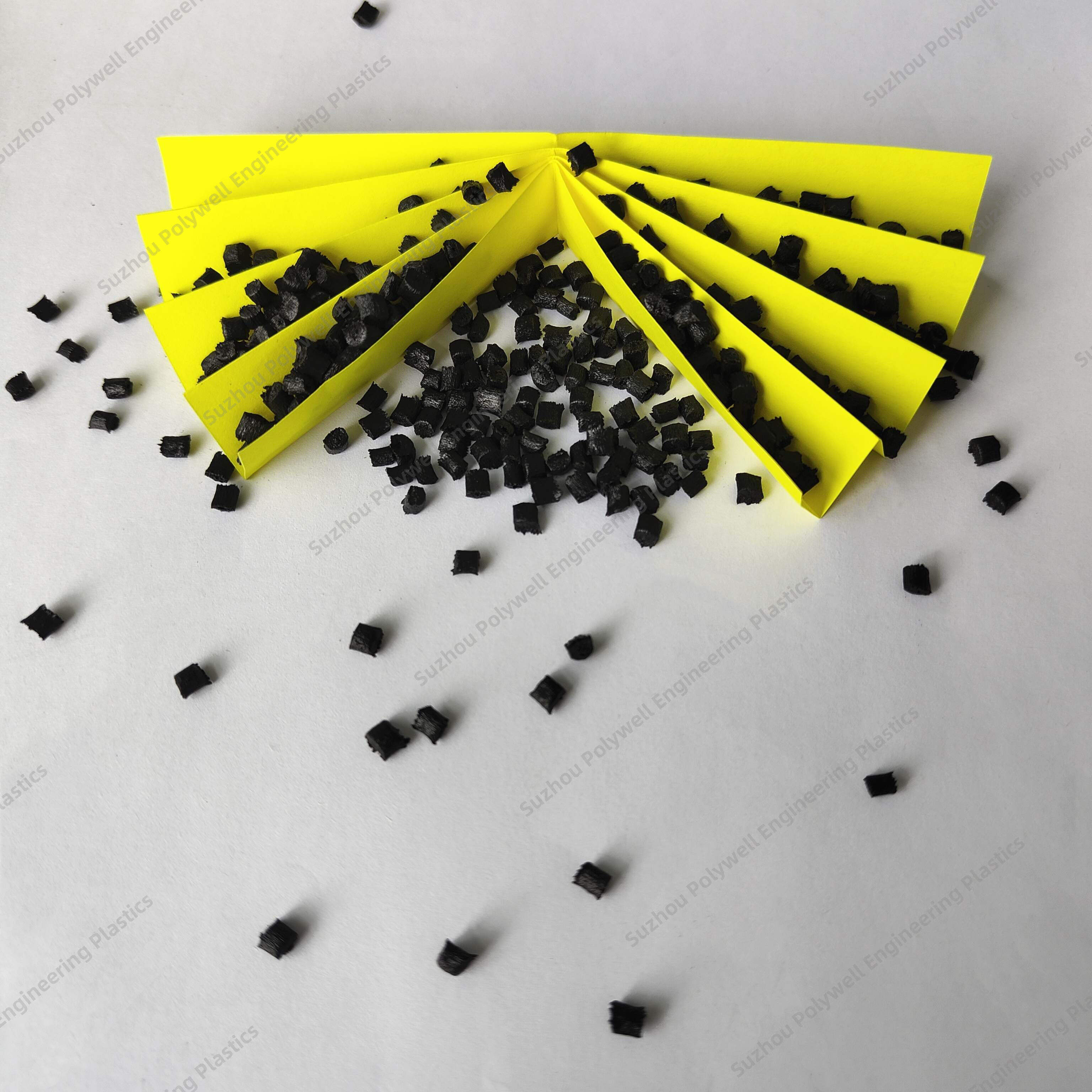
PA66 particles, referring to the base form of polyamide 66 without reinforcement, are widely used in various manufacturing processes due to their excellent balance of mechanical, thermal, and chemical properties. These particles typically feature a semi-crystalline structure, providing high strength, toughness, and resistance to wear and abrasion. Key characteristics include a tensile strength of 80–90 MPa, elongation at break of 10–50%, and a melting point of approximately 260°C, with a heat deflection temperature around 90°C at 1.82 MPa. The particles are processed via injection molding, extrusion, or blow molding, with recommended melt temperatures of 270–290°C and mold temperatures of 80–100°C to ensure optimal crystallization and minimize shrinkage (typically 1.0–1.5%). As PA66 is hygroscopic, particles must be dried at 80–100°C for 2–4 hours to avoid hydrolysis during processing, which can degrade molecular weight and mechanical performance. Applications are diverse, including gears, bearings, and electrical connectors in automotive, consumer goods, and textile industries, where the material's low friction, good electrical insulation, and resistance to hydrocarbons are advantageous. Environmental factors, such as moisture absorption and UV sensitivity, are addressed through additives like heat stabilizers or anti-hydrolysis agents. Recycling and sustainability aspects are increasingly important, with PA66 particles being recyclable but requiring careful management to maintain properties. In summary, PA66 particles offer a versatile foundation for engineering components, prized for their processability and performance in moderate to demanding conditions, and are often customized with fillers or modifiers to meet specific application needs across different cultures and regions.