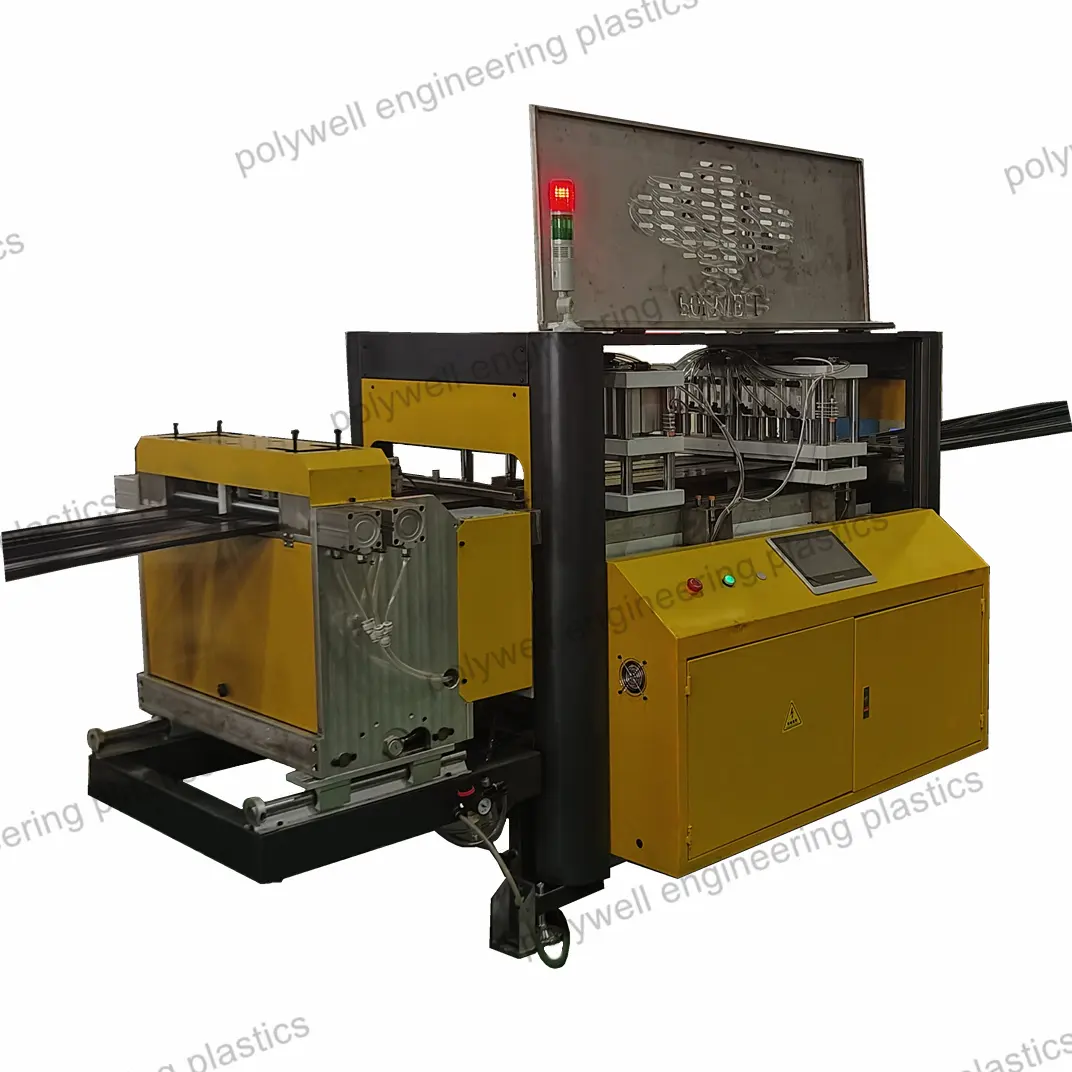
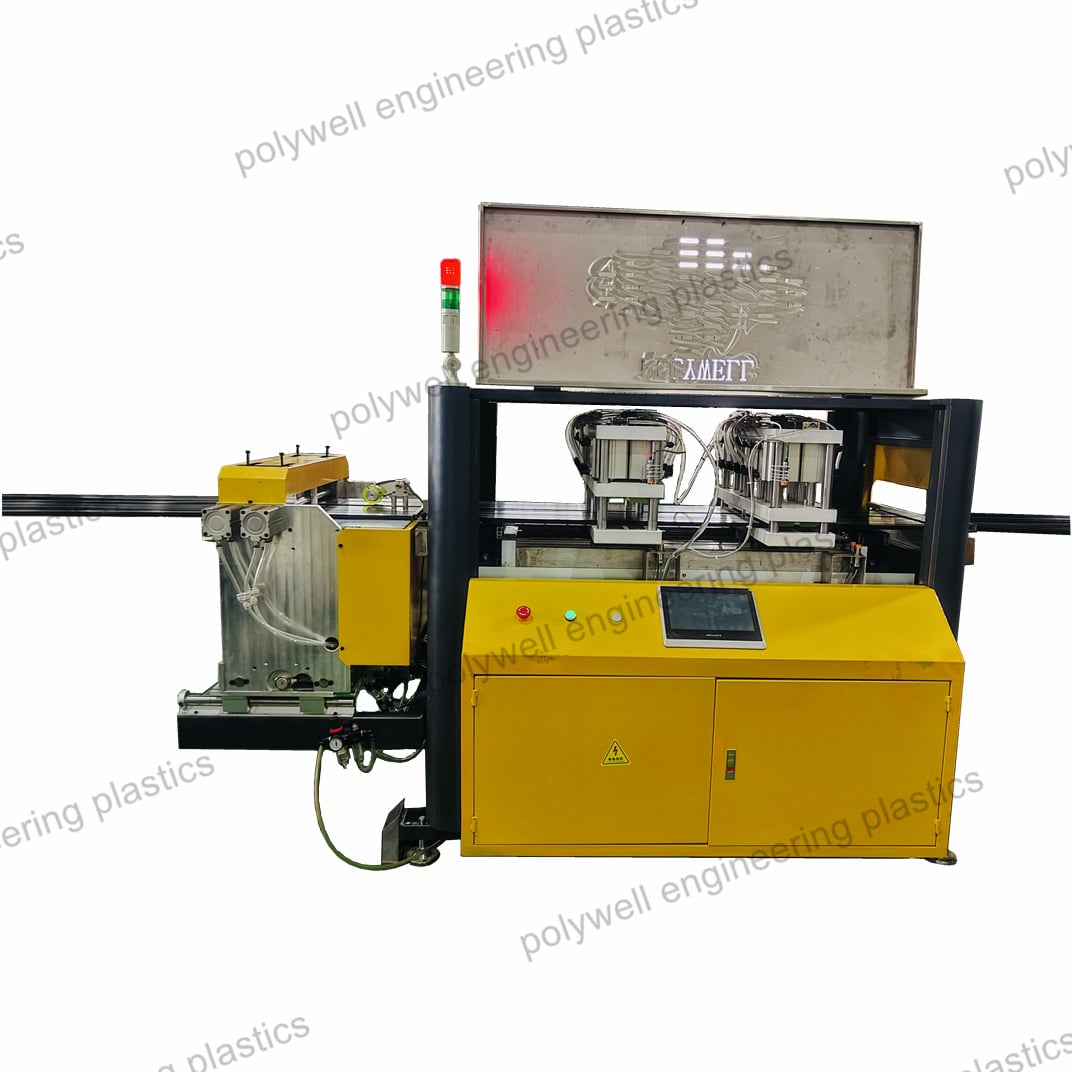
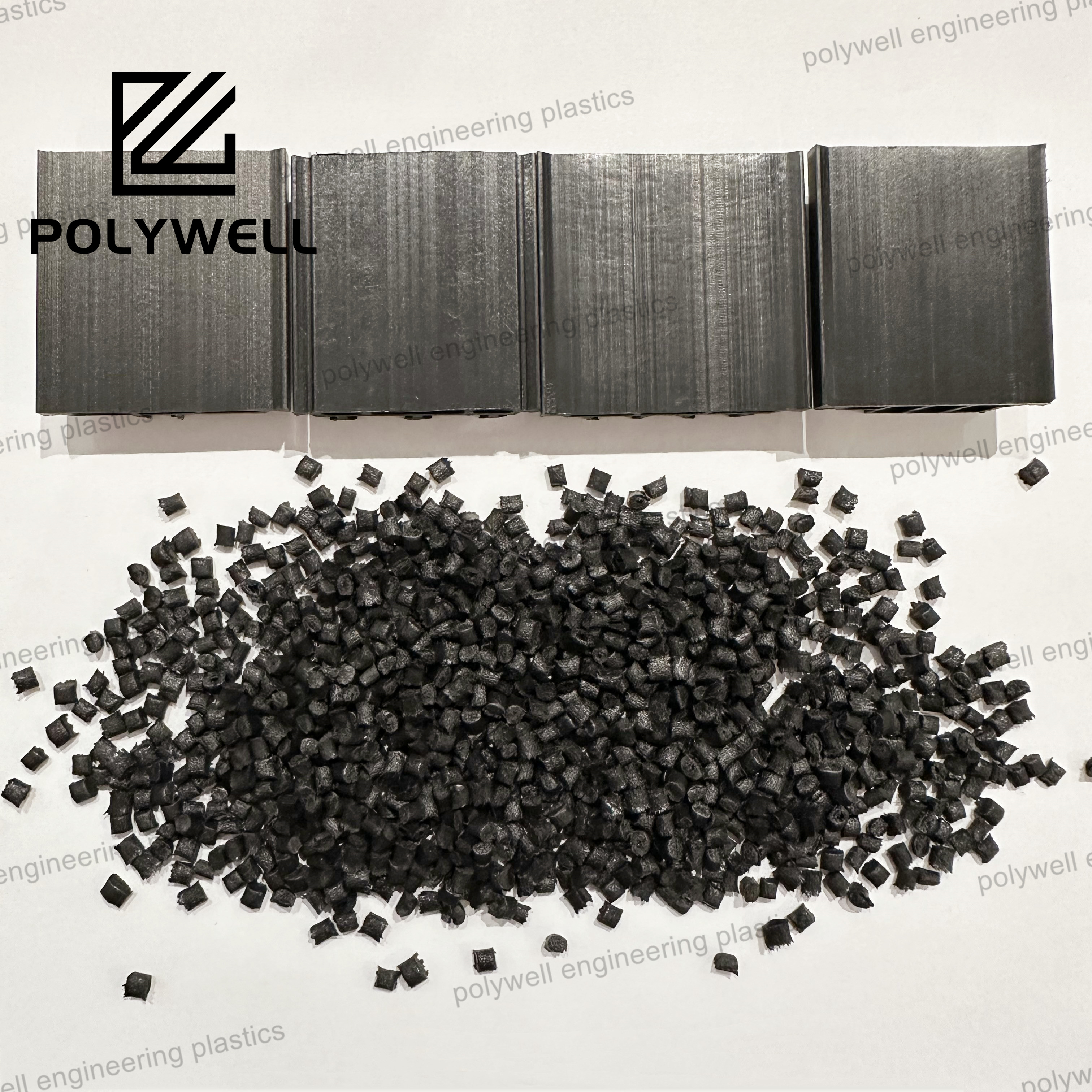
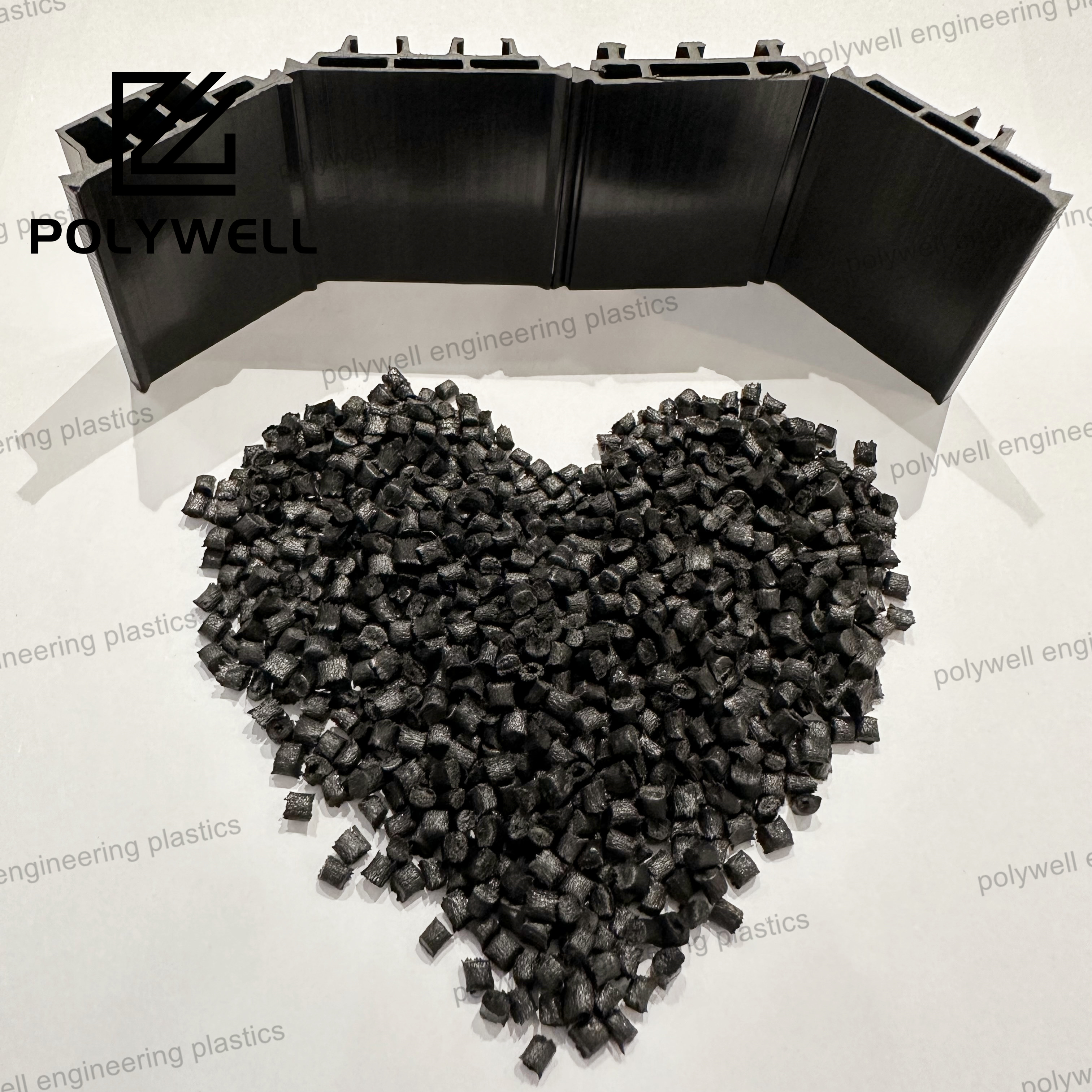
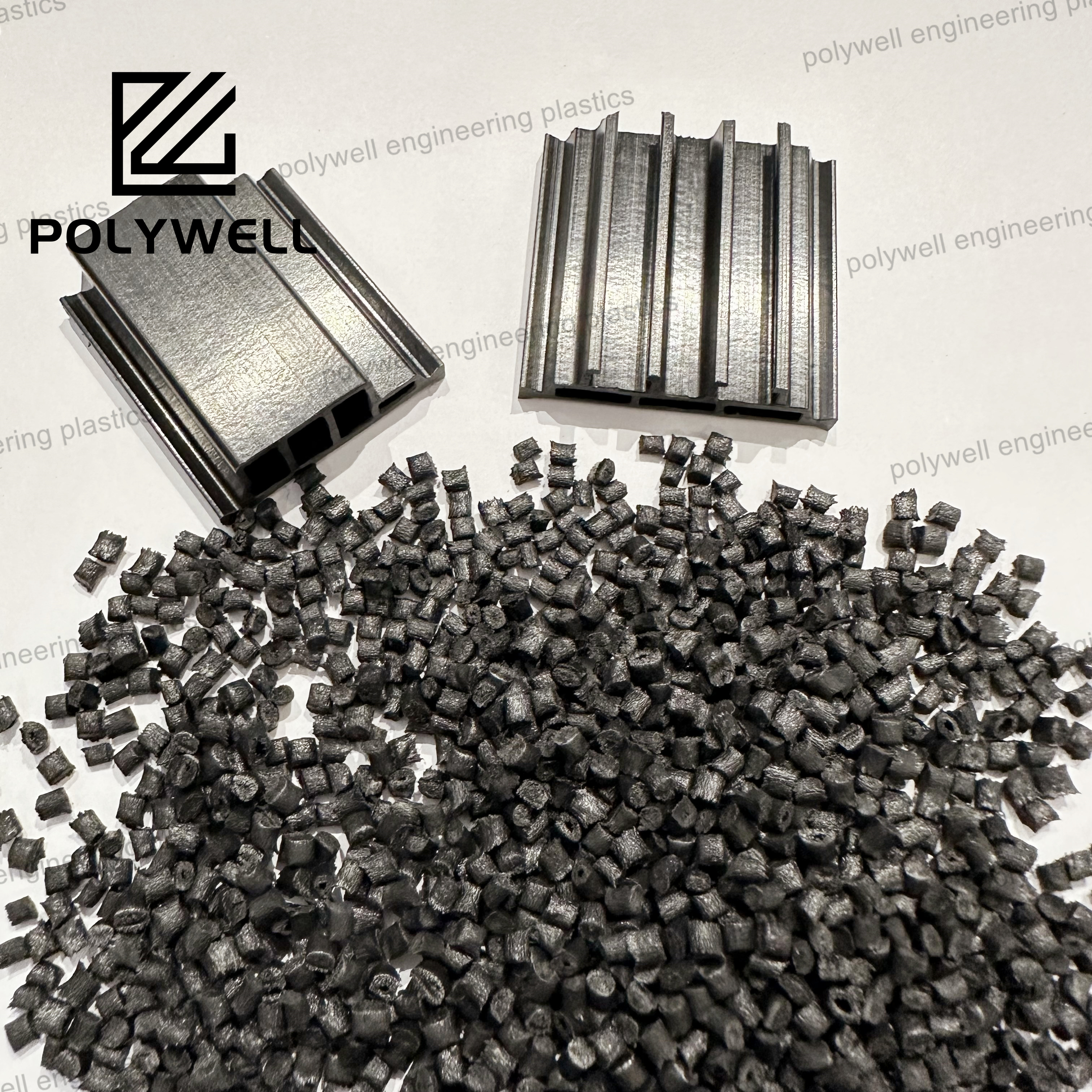
POLYWELL PA66: 15+ xyoo nyh daws nyob rau hauv PA66 qhov theem kaw nruab tshuab thiab txhawb nqa tsim khoom
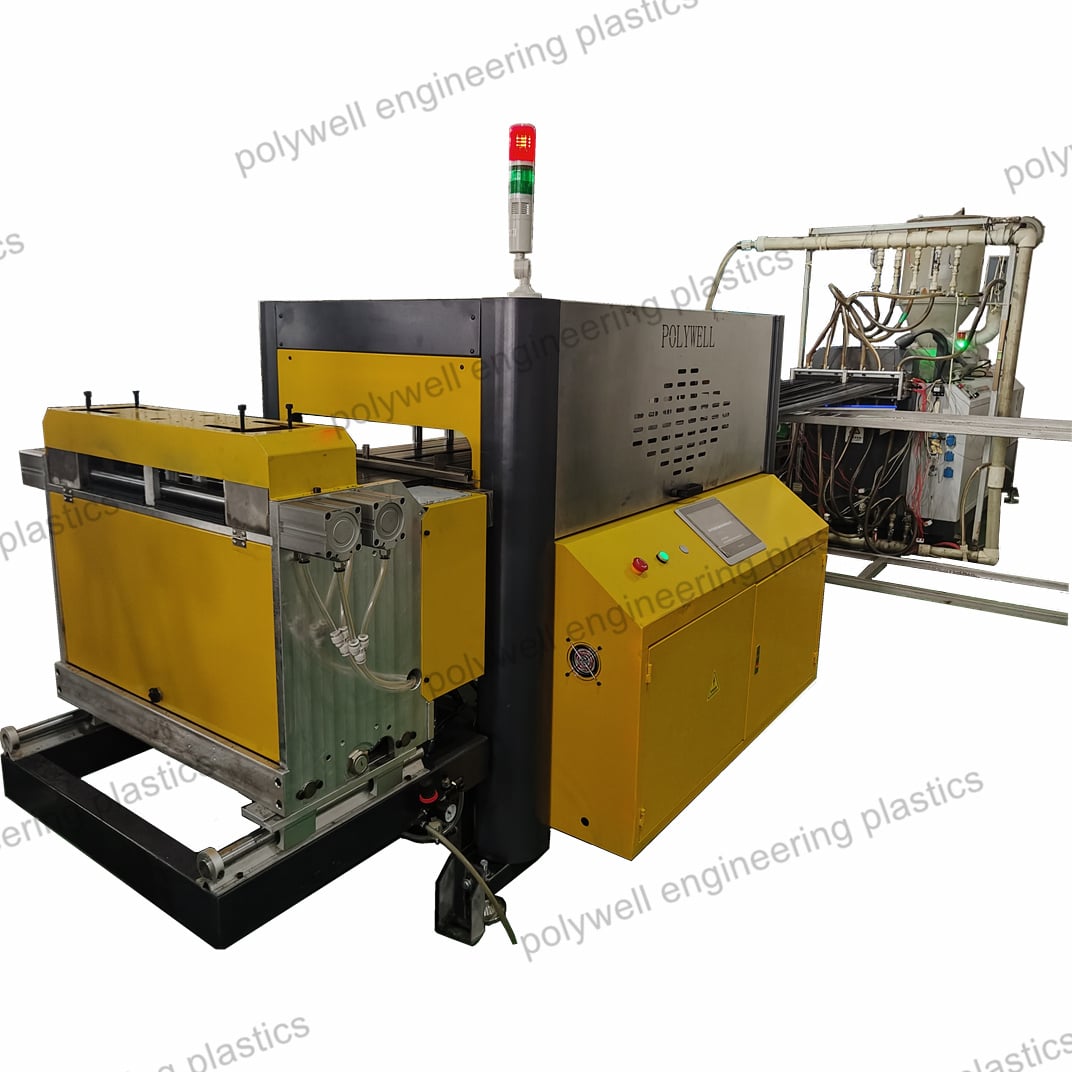
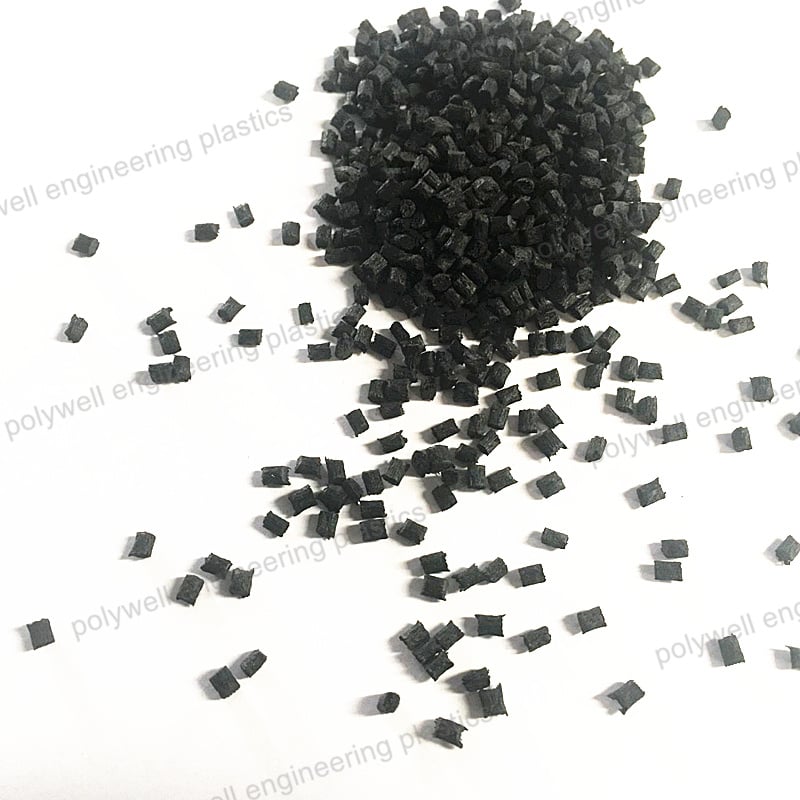
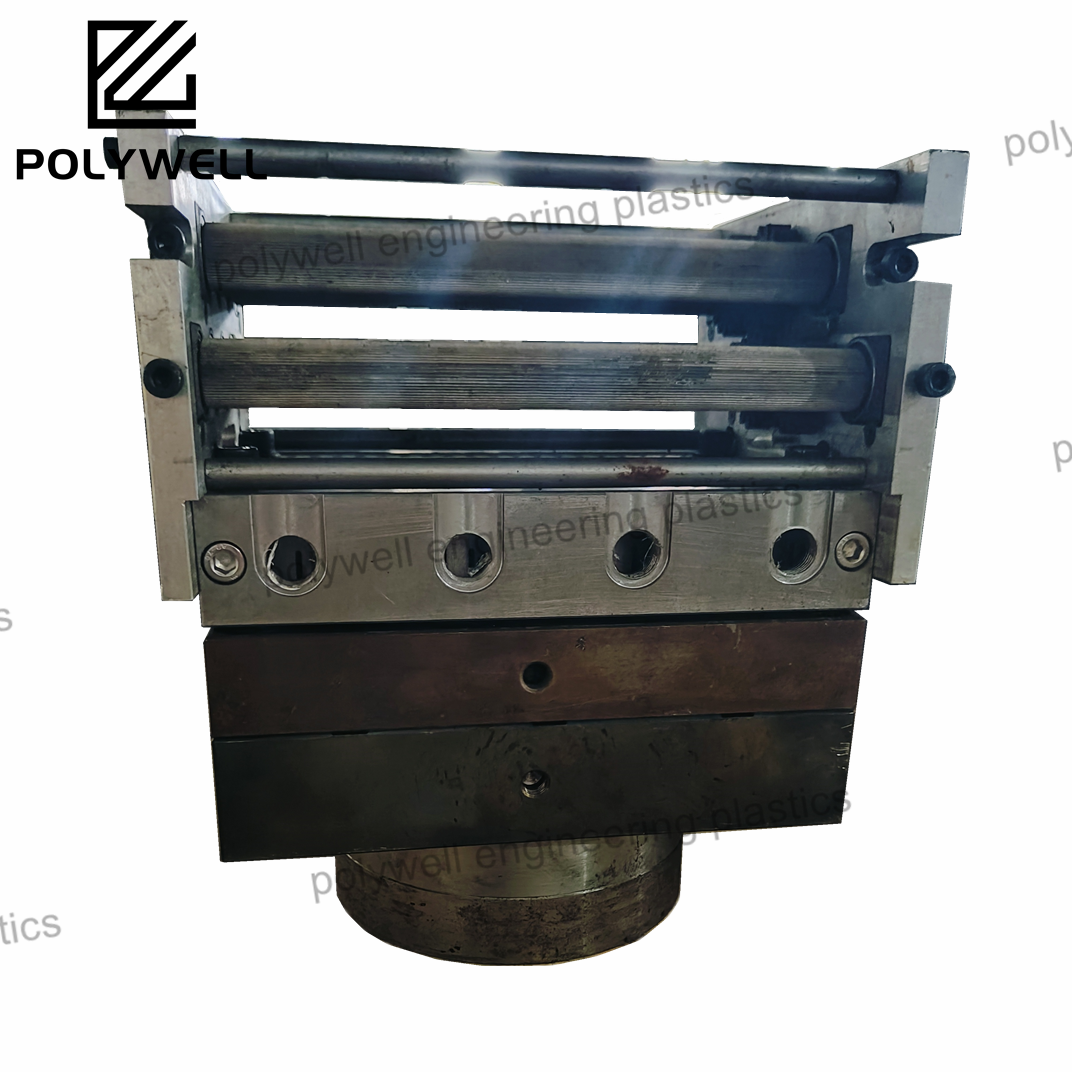
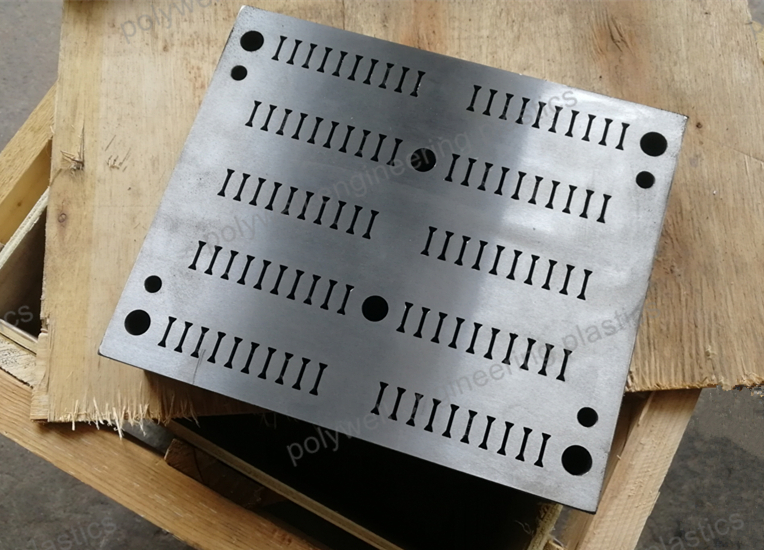
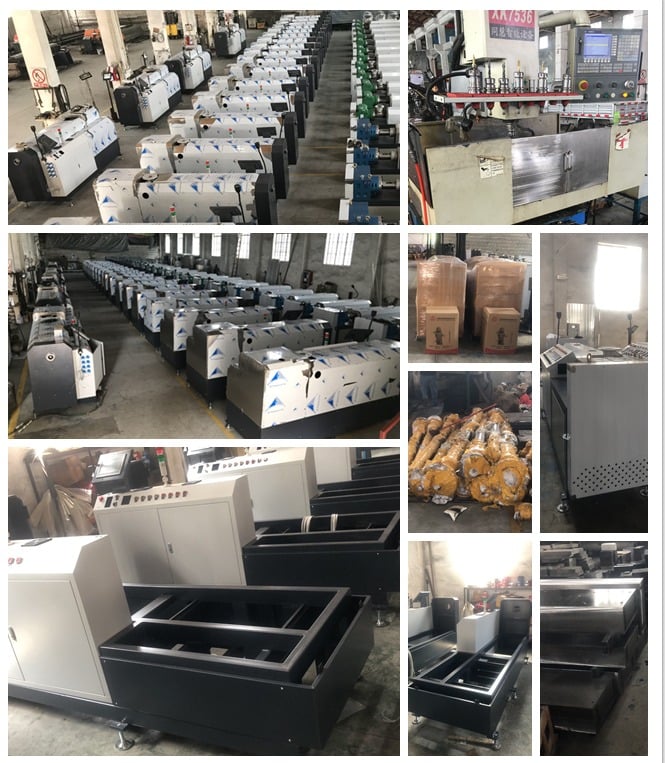
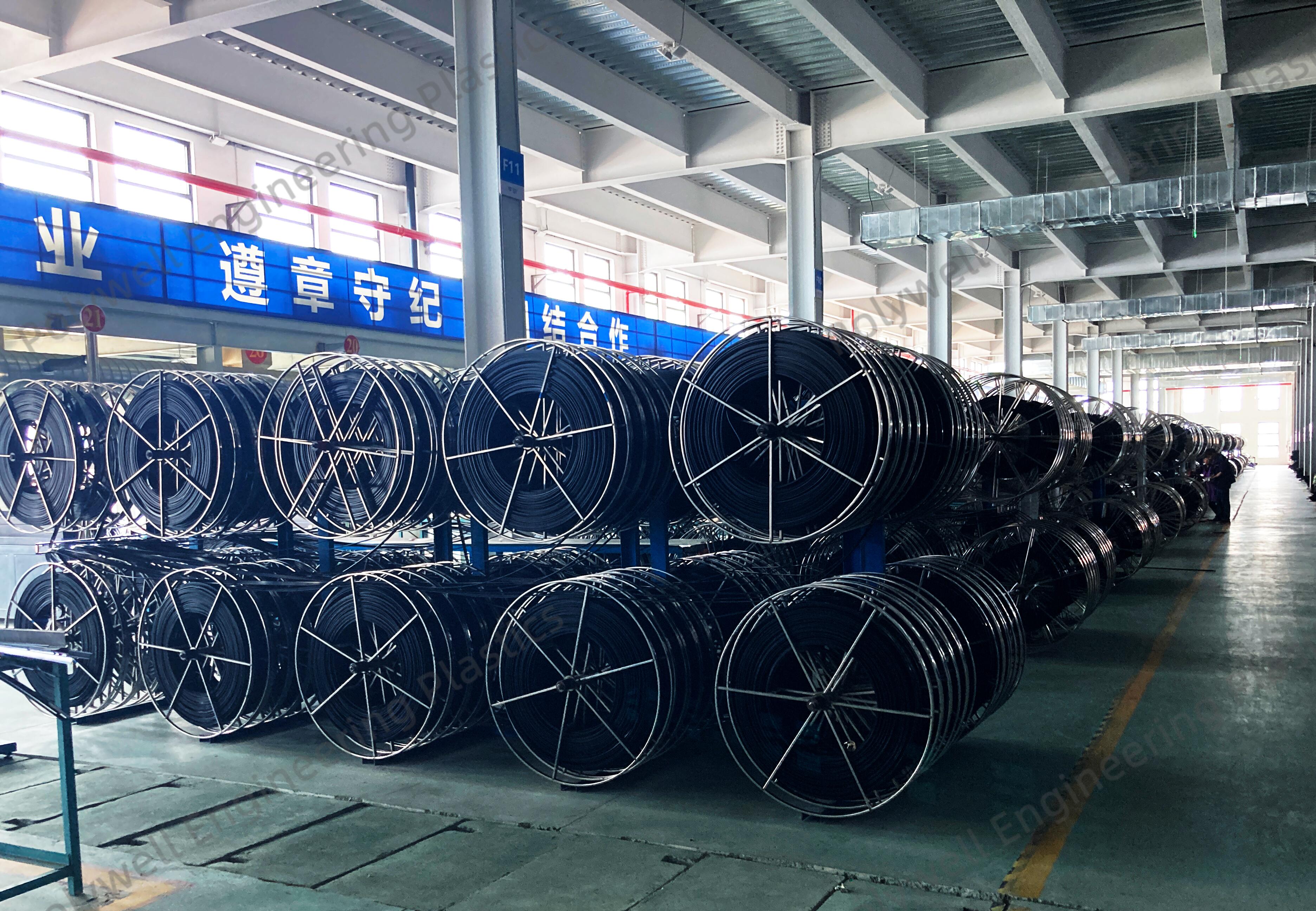
Pher nyh no los ntog POLYWELL, ib cheev muaj 15+ xyoo nyh daws nyob rau hauv PA67, uas chia tshwj xeej rau hauv PA66 qhov theem kaw nruab tshuab thiab txhawb nqa tag nrho qhov kev tsim khoom. Nws muab khoom siv PA66 (pellet), PA66 tso tseg tso cua, PA66 kho tshuab, thiab lwm tshuab tsim khoom. Cov ntsiab lus tau suav nrog DFM kom paub cov riskees nyob rau hauv kev tsim PA66, kev pab nruj qhov chaw tsim khoom kom daws teeb meem, thiab kev qhia txog luj lawm rau cov neeg tsim khoom. Cov lus nug los ntog neeg siv khoom yuav tsum muaj nyob rau hauv zog—Mr. Paolo Celani thaub tias cov PA66 strip dies tau dhau qhov kev caij nqi, thiab Ms. Özge tau pab pawg POLYWELL kom pab pawg nws txhim kho kev sau khoom PA66 pellet. Qhov kev sib koom ua haujlwm tso ob kauj ruam (upload drawing → quote → mold design → mass production → shipping) txhawj xeej kom khaws PA66 strip tau raug sijhawj, pab rau cov neeg tsim thiab siv PA66.
Tau ib qho quote

 EN
EN