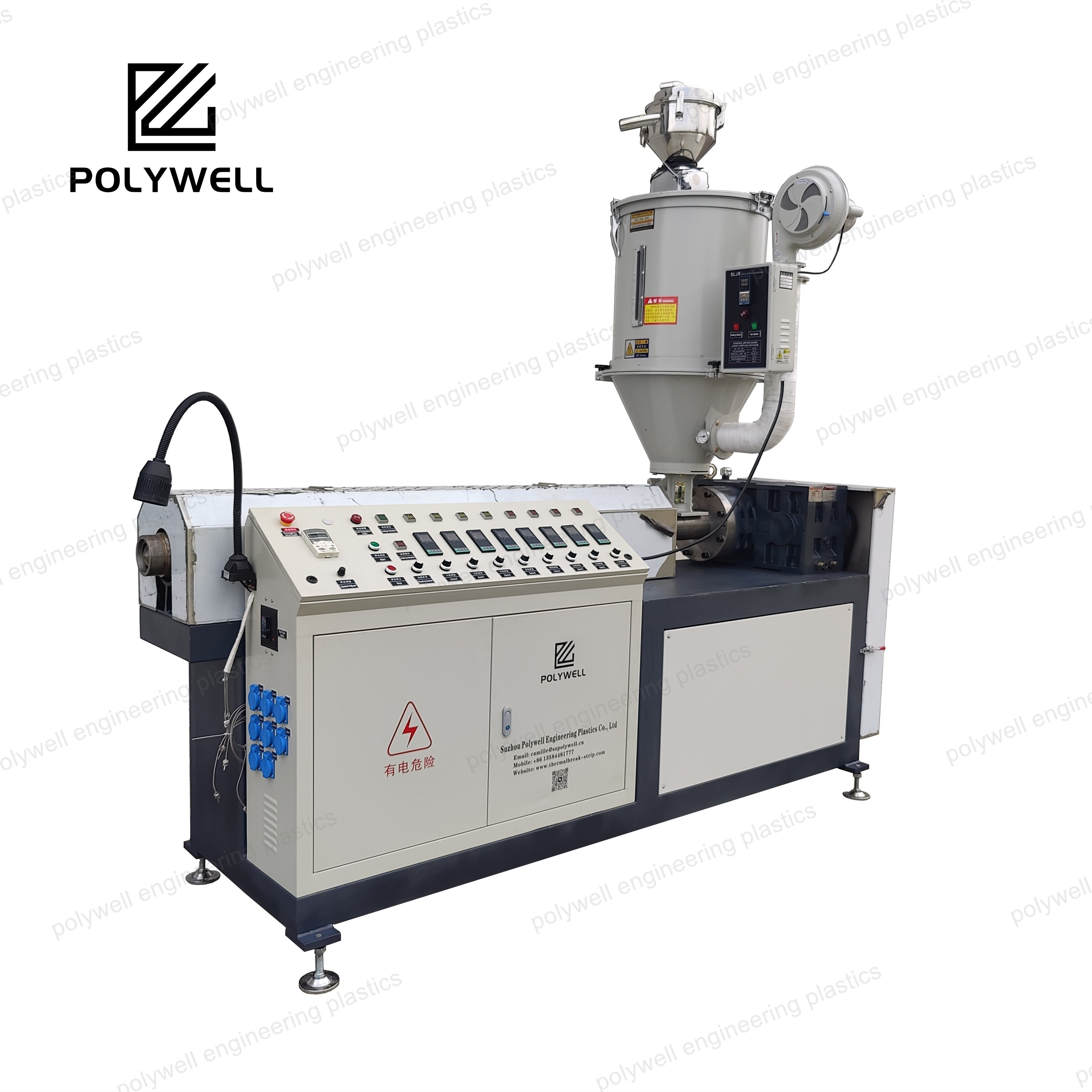
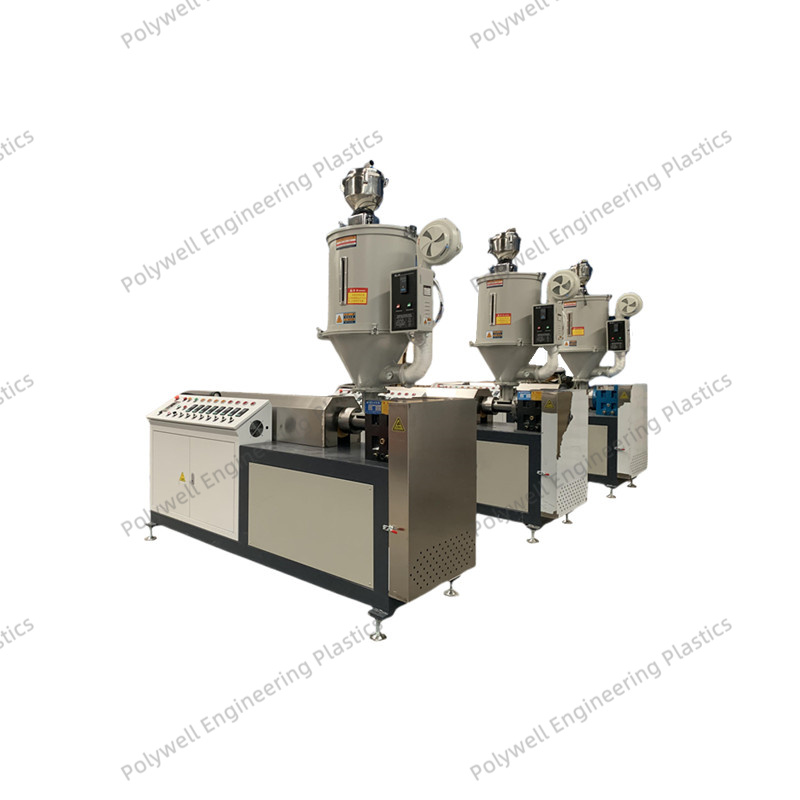
Vented Single Screw Extruder for High-Quality Thermal Break Strips

All Categories

Vented Single Screw Extruder: Remove Volatiles for High Quality Extrusion

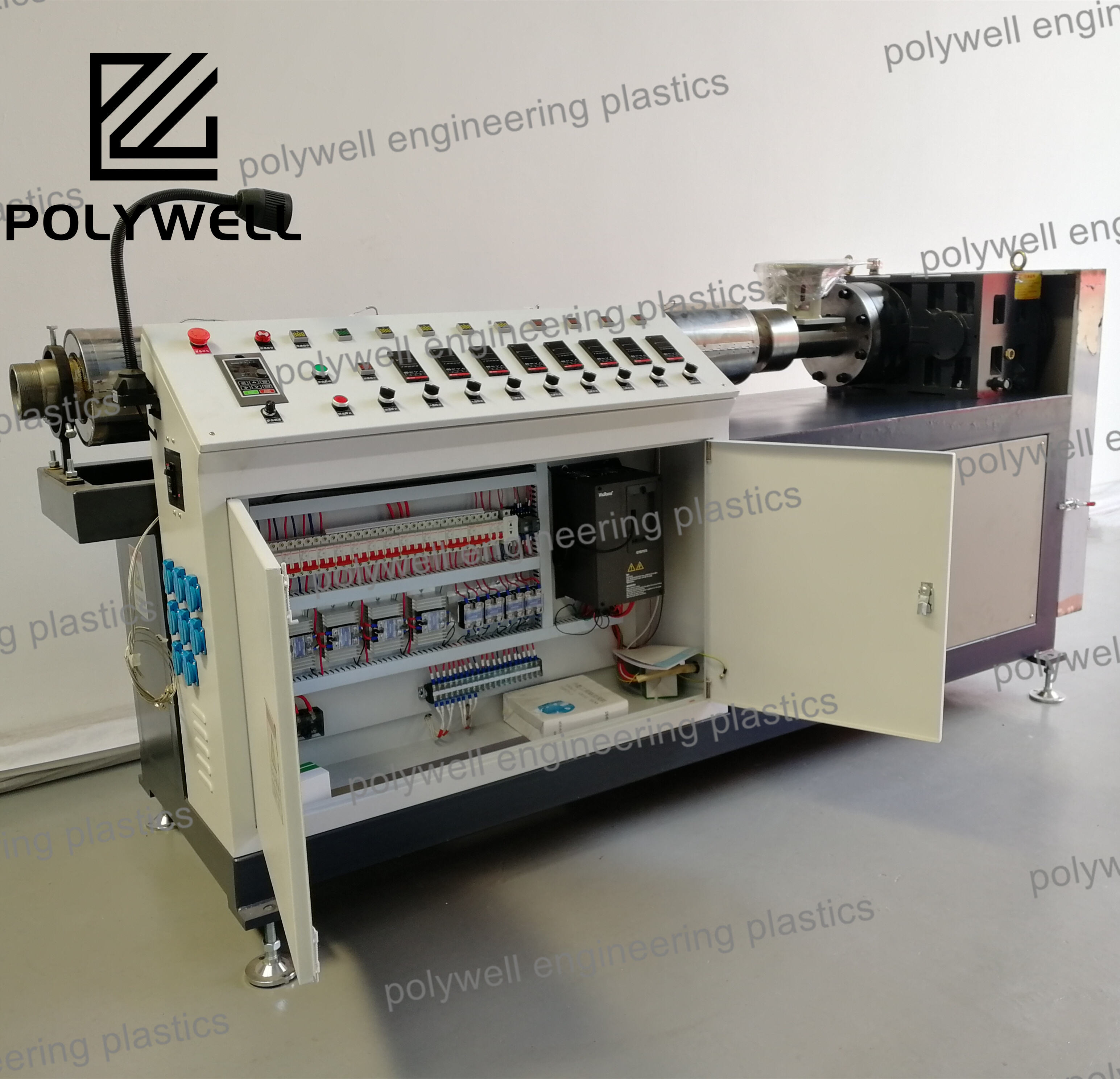
This page explores vented single screw extruders, equipped with a dedicated venting section to remove moisture, gases, or volatiles from materials during extrusion—critical for high quality products. It explains the machine’s design: a two stage screw (first stage melts material, second stage degasses via the vent) and sealed barrel to prevent air reabsorption. The content covers ideal applications (materials like PVC, PET, or recycled plastics that release volatiles) and benefits (reduced product defects, improved material strength). It also details machine features (variable vent sizes, vacuum systems for deep degassing) and operational parameters (screw speed, temperature settings to optimize degassing). This resource serves manufacturers producing high performance extruded products (e.g., food packaging films, medical tubing) where material purity is essential.
Get A Quote

Advantages of the product

Robust Construction for Reliable 24/7 Operation

Built with heavy duty components, high torque drives, and precision bearings, our single screw extruders are made for the demands of continuous industrial production. This robust construction ensures high reliability, minimal unplanned downtime, and the ability to operate around the clock to meet production targets, providing an excellent return on investment for our customers.

Related products

Vented single screw extruders, also known as two-stage extruders, represent advanced polymer processing equipment specifically designed for removing volatile components, moisture, or entrapped air during the extrusion process. These machines feature a distinctive screw design with two sequential sections separated by a vent zone where vacuum is applied. The first section performs conventional plasticating functions - feeding, compression, and melting - after which the melt enters a deep-channel decompression zone where volatiles flash off under vacuum. The second compression section then re-pressurizes the polymer for final discharge through the die. This configuration eliminates the need for pre-drying many hygroscopic materials like ABS, polycarbonate, or nylon, significantly reducing energy consumption and processing time. Vent port design is critical, typically employing specially engineered baffles to prevent melt ejection while maximizing surface area for volatile removal. Vacuum systems require careful sizing to handle the specific volatiles being removed, with condensation equipment often necessary to protect vacuum pumps. Processing parameters must be precisely balanced, particularly the fill level at the vent zone, which affects both devolatilization efficiency and stability. Screw designs incorporate specialized elements to renew the melt surface continuously, enhancing volatile removal through mechanisms such as blister rings, fluted sections, or torpedo elements. Applications extend beyond simple drying to include removal of polymerization solvents, residual monomers, plasticizer fumes, and process-generated gases. Modern vented extruders integrate sophisticated control systems that monitor vacuum levels, melt temperatures, and motor load to optimize devolatilization efficiency. While offering significant process advantages, these machines require more sophisticated operational expertise compared to conventional extruders, particularly regarding start-up procedures, material transition protocols, and maintenance of vacuum system components. The technology finds particular value in recycling operations where contaminant removal is essential, specialty compound production requiring precise volatile content control, and direct extrusion from reactor powders containing residual solvents.

Frequently Asked Questions

What is the significance of the L/D ratio in an extruder screw?

The L/D ratio is the Length to Diameter of the screw. A higher ratio (e.g., 30:1 to 40:1 for PA66) provides a longer residence time and more controlled melting and mixing. This is essential for engineering plastics to ensure complete melting, proper devolatilization (moisture removal), and homogeneous mixing of the polymer and glass fibers, resulting in consistent mechanical properties.

Related Articles

Help you analyze potential risk that may arise

30

Dec

Help you analyze potential risk that may arise

POLYWELL offers expert analysis to identify potential risks in your plastic extrusion processes. Our insights ensure the efficient production of thermal break strips and custom profiles, minimizing operational challenges.
View More
Help you select the extruder of PA66 thermal break strips

30

Dec

Help you select the extruder of PA66 thermal break strips

POLYWELL helps you choose the ideal extruder for manufacturing PA66 thermal break strips. Our expert advice ensures efficient extrusion, high-quality output, and optimal performance for energy-saving applications.
View More
Help you select the mold of PA66 thermal break strips

30

Dec

Help you select the mold of PA66 thermal break strips

POLYWELL provides expert guidance on selecting the perfect mold for producing PA66 thermal break strips. Ensure precision, durability, and high performance with our tailored mold solutions.
View More
What Makes a High-Quality Thermal Break Strip?

10

Jun

What Makes a High-Quality Thermal Break Strip?

Explore the benefits of PA66 GF30 material in thermal break strips for enhanced mechanical properties, durability, and thermal insulation. Understand its role in energy efficiency, compliance with international standards, and its growing preference in sustainable construction.
View More

customer evaluation

Emma Robinson

The control interface is user friendly, and our operators were able to get up to speed quickly. The modular design and easy access for maintenance have reduced our downtime significantly. A well designed machine from an operator's perspective.

Contact Us

Name
Email
Mobile
Message
0/1000

Related Search

Optimized for Engineering Plastics

Optimized for Engineering Plastics

Our single screw extruders are specifically designed and configured for processing high viscosity engineering plastics like PA66 GF25 The screw geometry compression ratio and temperature control zones are meticulously engineered to ensure uniform plasticization consistent melt pressure and stable extrusion of the polyamide material This is fundamental for producing high quality dimensionally stable thermal break strips with excellent mechanical properties
Robust Construction for Reliability

Robust Construction for Reliability

Built with heavy duty components high torque drives and precision bearings our single screw extruders are made for the demands of continuous industrial production This robust construction ensures high reliability minimal unplanned downtime and the ability to operate around the clock to meet production targets providing an excellent return on investment and serving as a dependable backbone for your manufacturing operation
Energy Efficient Operation

Energy Efficient Operation

We prioritize energy efficiency in our extruder design Features such as optimized barrel heating and cooling high efficiency drives and well insulated barrels contribute to lower power consumption per kilogram of output This reduces the ongoing operational costs for our customers making the production of thermal break strips more economical and environmentally friendly over the long term
Inquiry Inquiry Email Email WhatsApp WhatsApp Wechat Wechat
Wechat
TopTop

Related Search