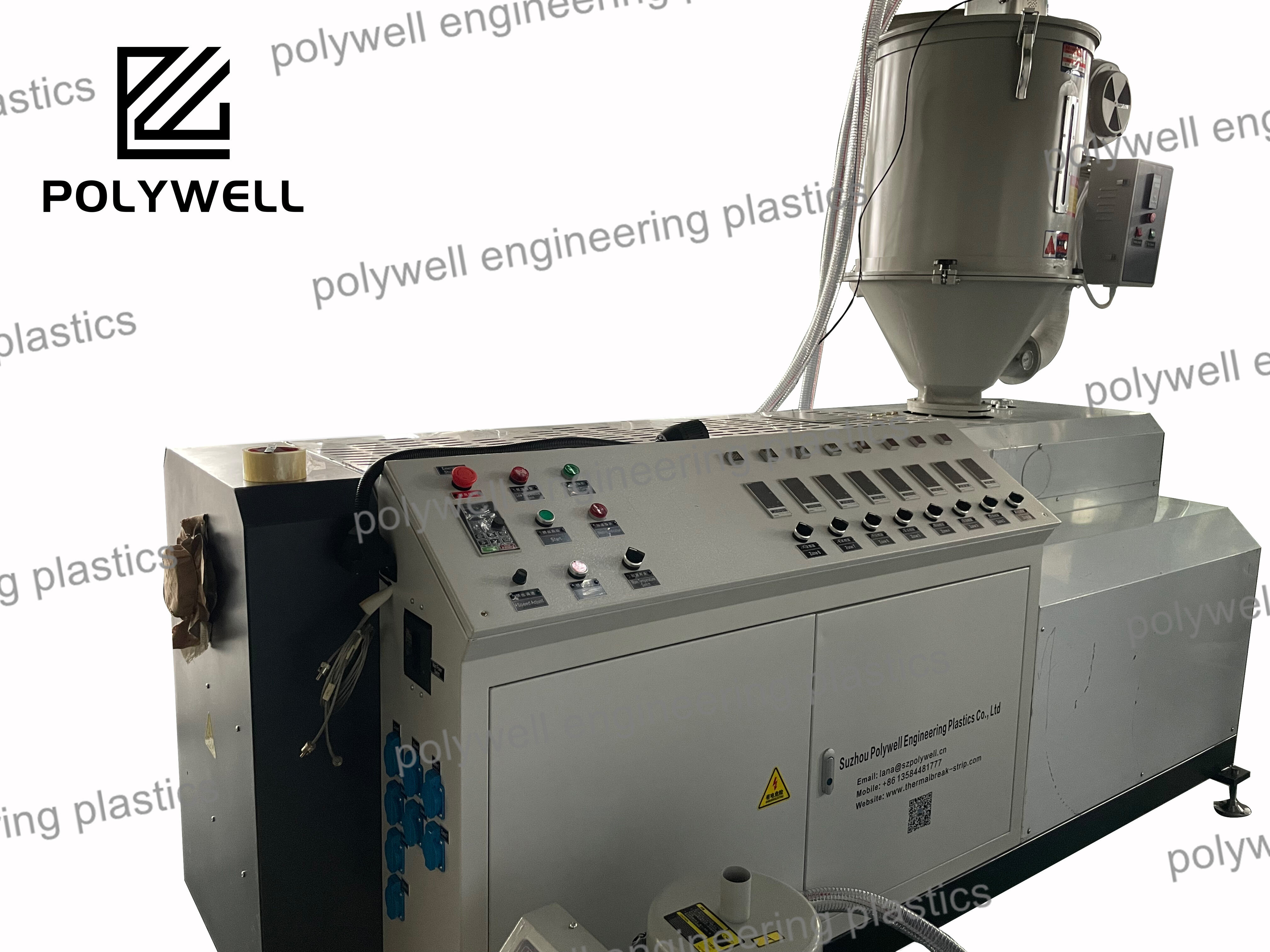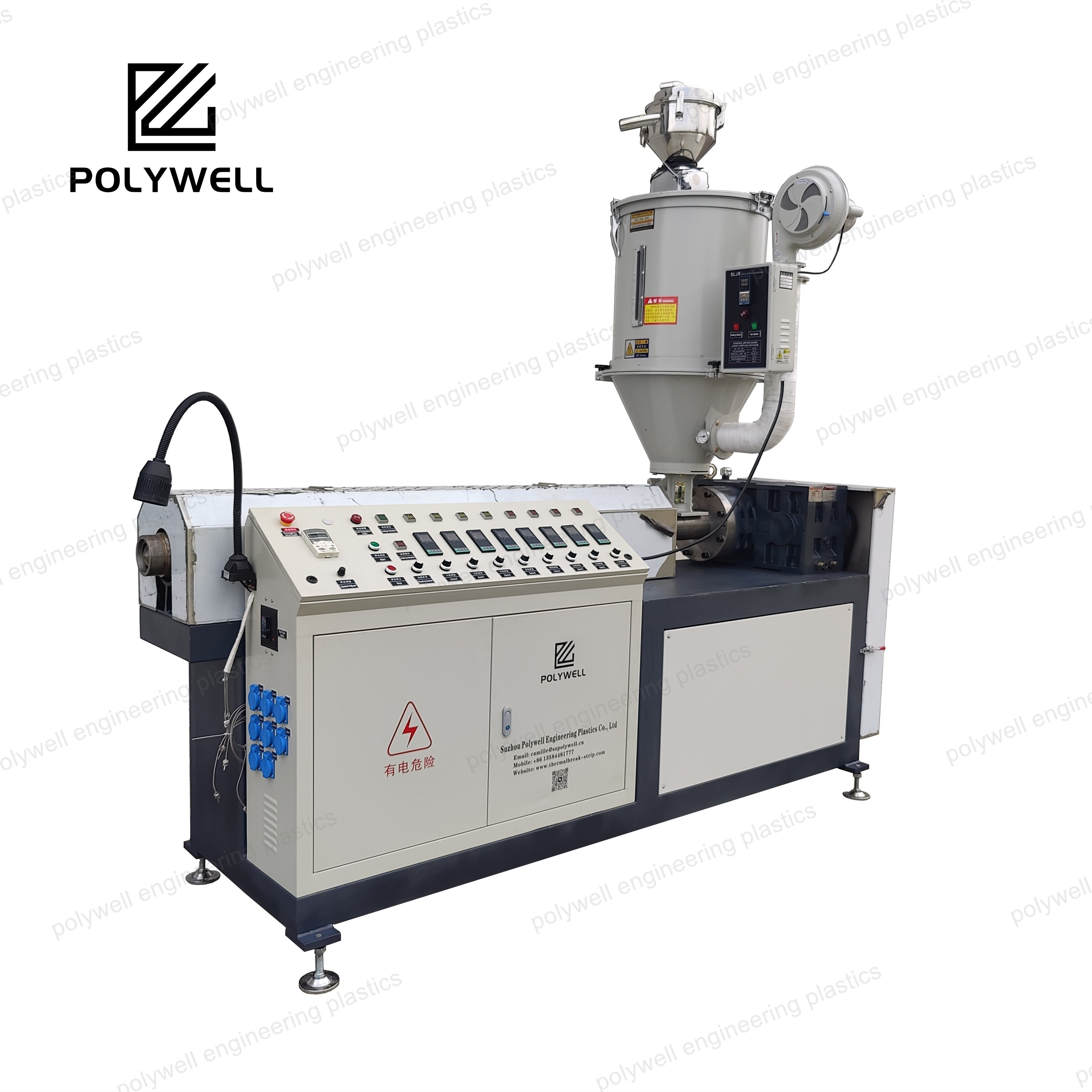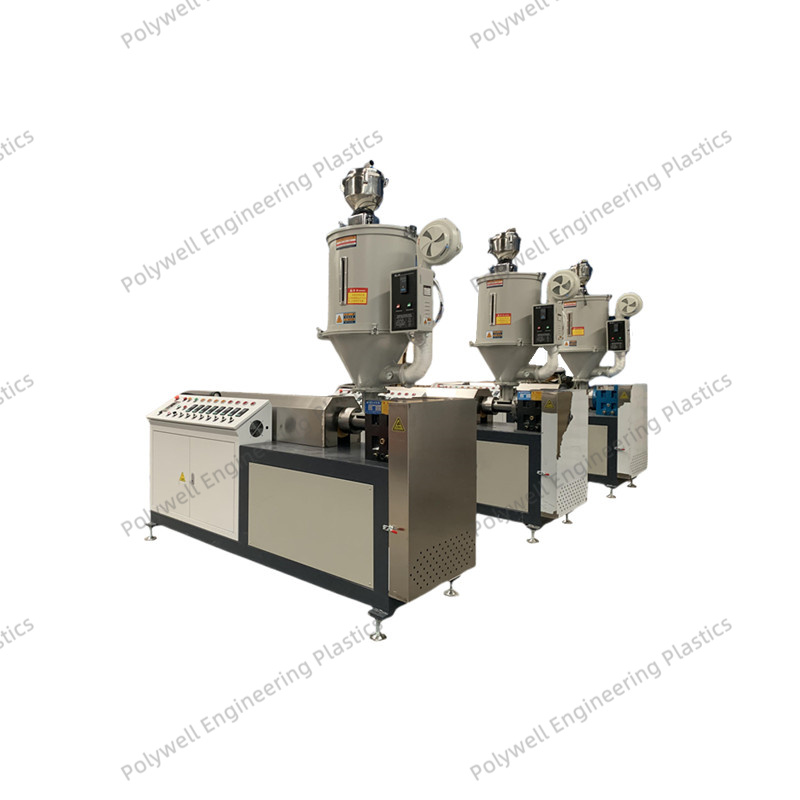
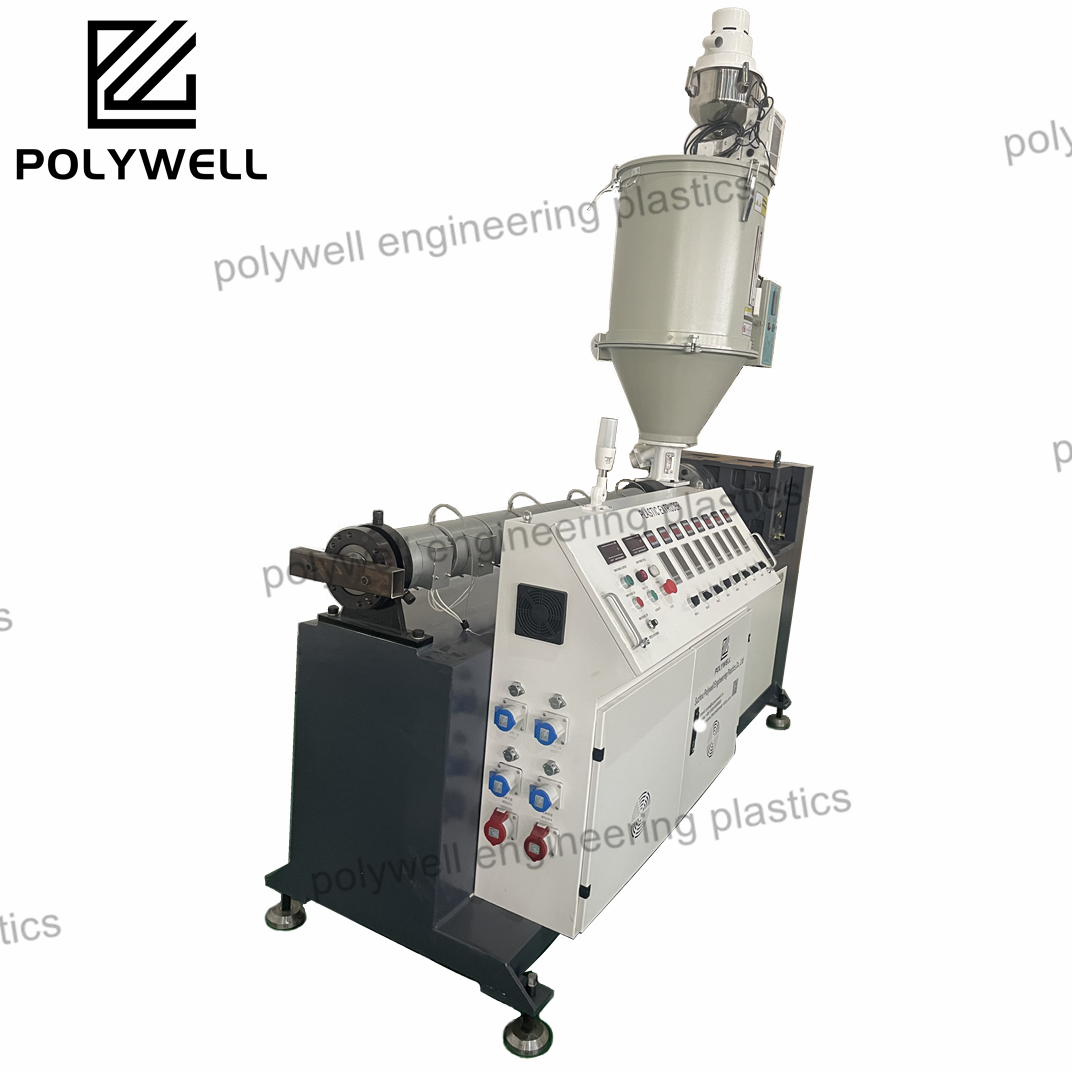
A single screw machine, most commonly referring to a single-screw extruder, is the most widely used type of extruder in the plastics industry due to its mechanical simplicity, robustness, and cost-effectiveness. Its core components are a single, rotating screw nestled within a stationary, heated barrel. The screw is geometrically designed with three distinct sections: the feed section, which conveys solid pellets from the hopper; the compression or transition section, where the channel depth decreases to compress, melt, and homogenize the plastic through a combination of conducted heat from the barrel and dissipated mechanical shear energy; and the metering section, which has a shallow, constant depth to generate the pressure required to pump the melt through the die at a consistent rate. While less efficient at mixing than twin-screw alternatives, single-screw extruders are highly effective for a vast range of applications where intensive mixing is not required, including the extrusion of profiles, pipes, sheets, and blown film. Their performance can be significantly enhanced by the inclusion of mixing elements on the screw, such as Maddock-type mixers or pin mixers. The design of the screw is highly specific to the polymer being processed; for example, a screw for crystalline PA66 would have a longer compression zone and different flight depths than one for amorphous ABS. The single-screw extruder remains the workhorse of the plastics processing world, prized for its reliability and ability to provide a stable, continuous melt stream for shaping into a multitude of essential products.