Single vs Twin Screw Extruder: Choose the Right One for PA66

All Categories

Single Screw Extruder and Twin Screw Extruder: Comparison & Selection Guide

This page compares single screw extruders and twin screw extruders, helping users select the right equipment for their needs. It breaks down core differences: single screw models (simpler design, lower cost, ideal for single material extrusion like PE/PP) and twin screw models (higher mixing efficiency, suitable for multi material or complex formulations like composites). The content covers key factors for selection: material type (single vs. multi component), production volume (low vs. high), and product complexity (simple profiles vs. engineered parts). It also includes application examples (single screw for pipes, twin screw for masterbatches) and cost benefit analyses (initial investment vs. long term efficiency). This guide serves manufacturers, plant managers, and buyers unsure about which extruder type aligns with their production goals.
Get A Quote

Advantages of the product

Optimized for Processing Engineering Plastics like PA66

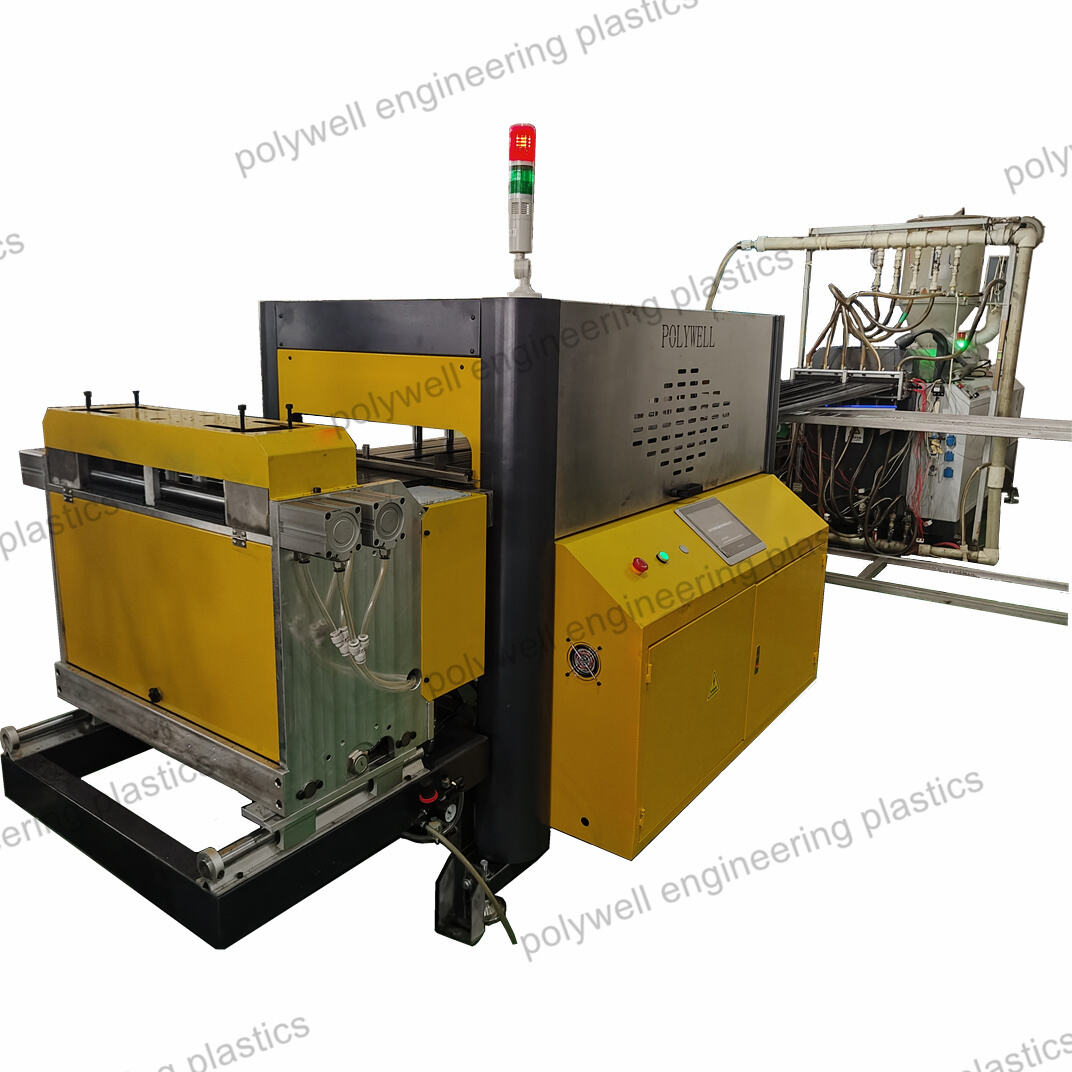
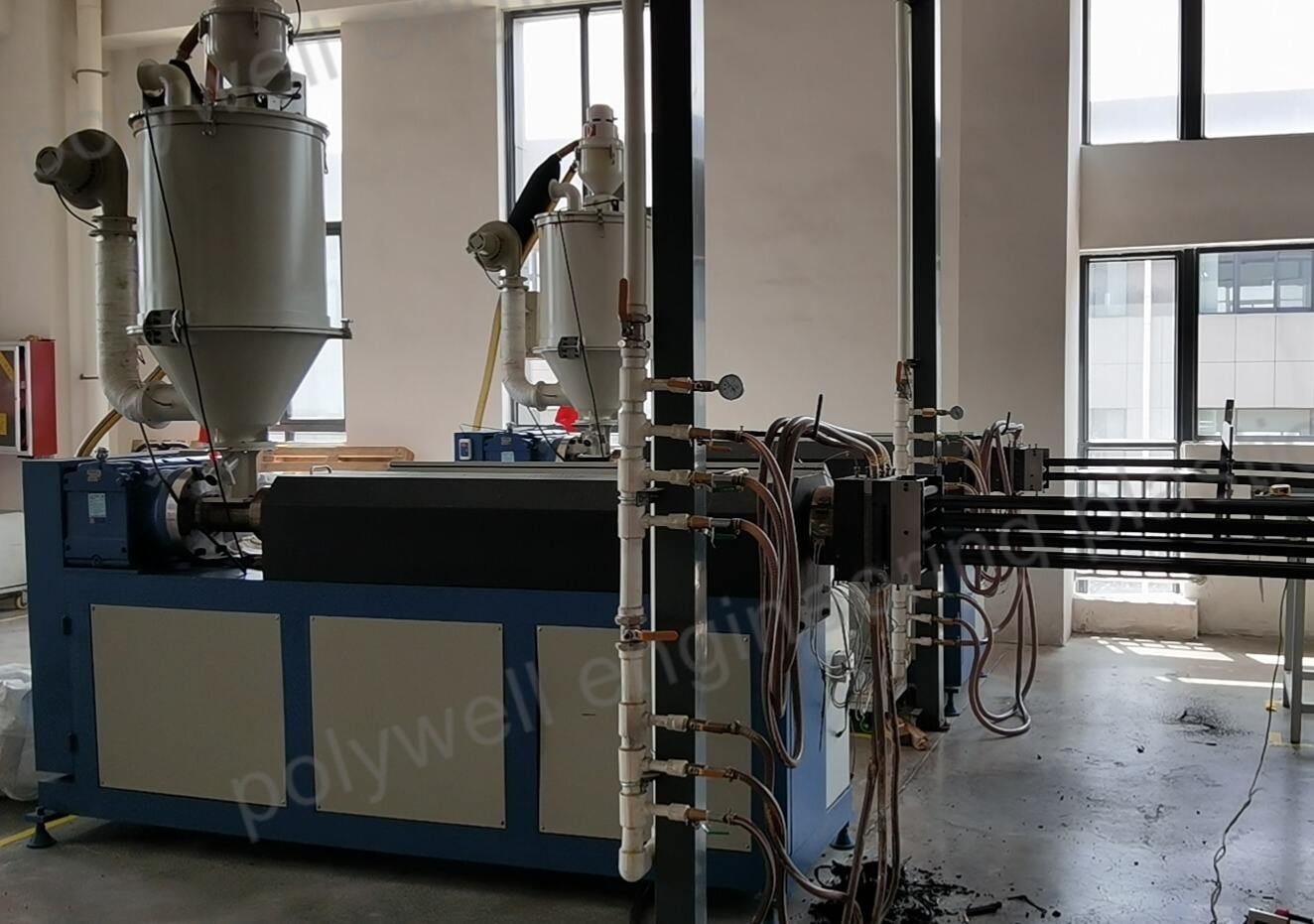
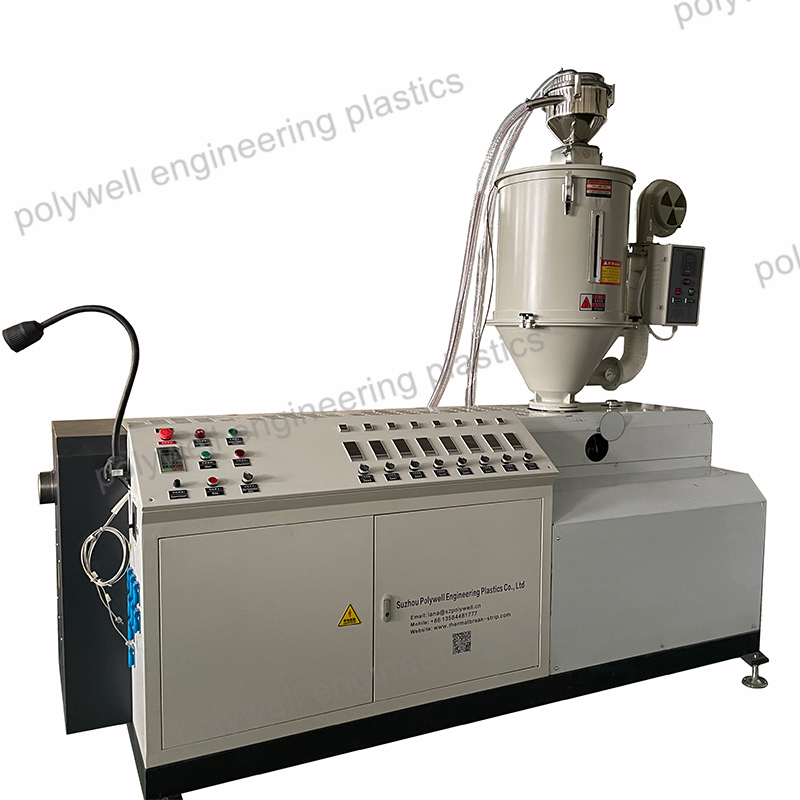
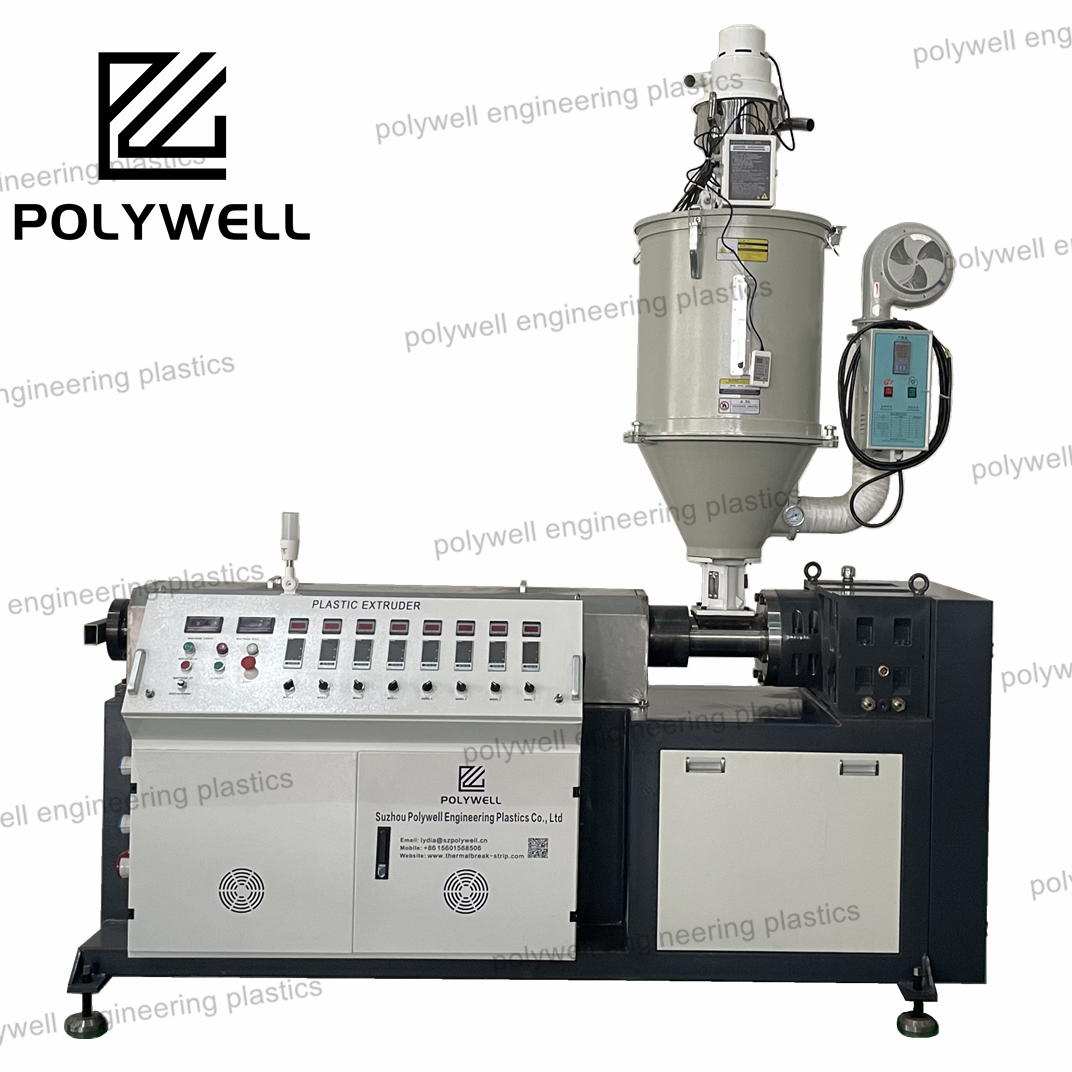
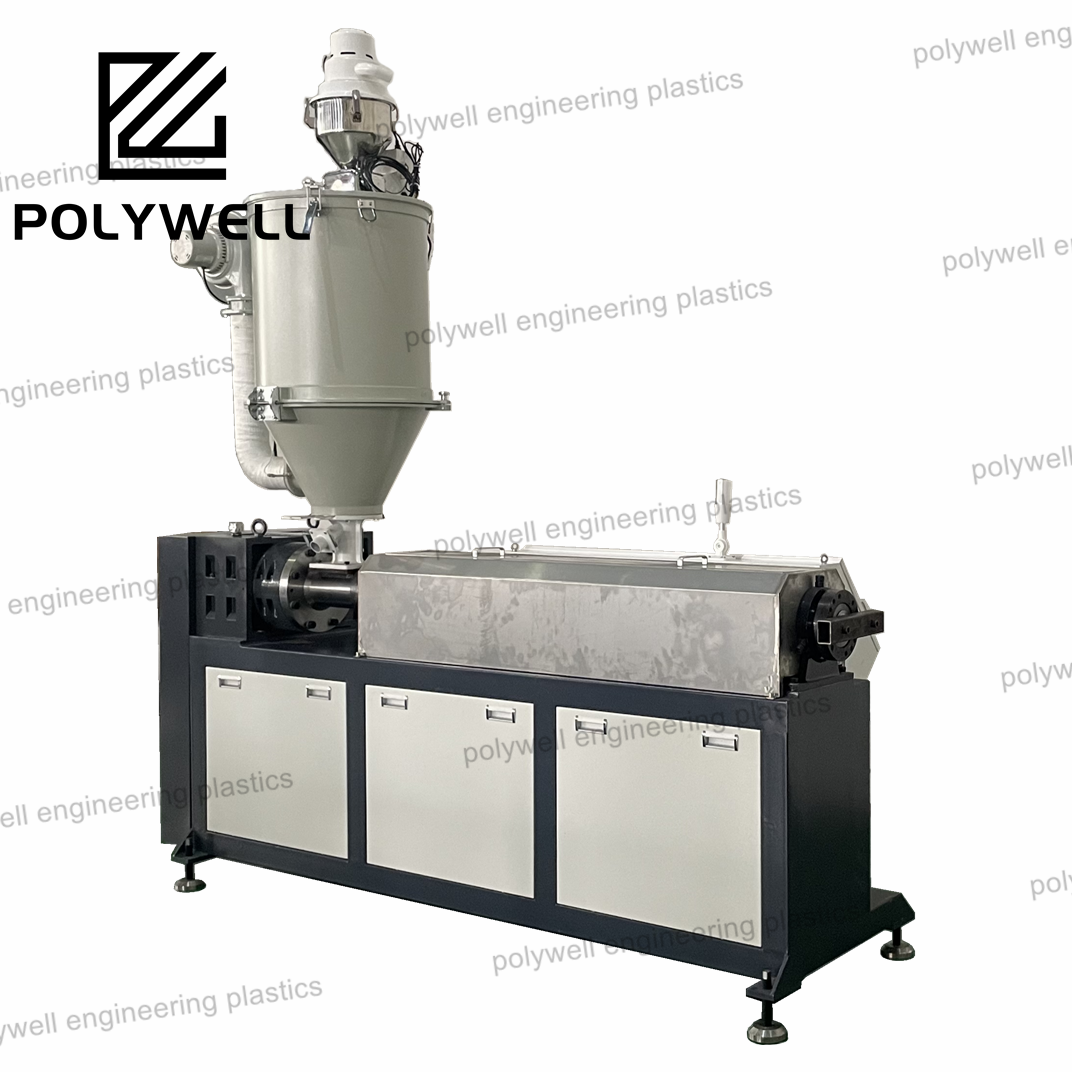
Our single screw extruders are specifically designed and configured for processing high viscosity engineering plastics such as PA66 GF25. The screw geometry, compression ratio, and temperature control zones are meticulously engineered to ensure uniform plasticization, consistent melt pressure, and stable extrusion of the polyamide material, which is fundamental for producing high quality, dimensionally stable thermal break strips.

Related products

The comparative analysis between single screw and twin screw extruders reveals fundamental differences in operating principles, capabilities, and appropriate applications within polymer processing. Single screw extruders function primarily through drag-induced convection between the rotating screw and stationary barrel, with limited mixing capability but relatively simple construction and lower cost. They excel in straightforward tasks including profile extrusion, sheet production, and basic compounding where high-pressure generation and continuous output are prioritized over mixing intensity. Conversely, twin screw extruders, particularly co-rotating intermeshing designs, provide positive displacement pumping action, superior mixing through numerous kneading block configurations, and excellent devolatilization capabilities. These machines dominate applications requiring intensive mixing such as masterbatch production, alloying, filled compound development, and reactive extrusion. Operational differences include significantly higher specific energy input in twin screw systems, greater flexibility through modular screw and barrel designs, and typically lower pressure generation at the die. Process considerations favor single screw extruders for thermally sensitive materials due to more predictable shear history, while twin screw systems provide superior control over residence time distribution. Economic factors strongly influence selection, with single screw extruders offering approximately 40-60% lower capital investment and generally lower maintenance costs, while twin screw systems provide value through formulation flexibility and production efficiency for complex compounds. Recent technological developments have narrowed performance gaps through advanced single screw designs incorporating mixing elements and barrier flights, while twin screw manufacturers continue to enhance specific energy efficiency and wear resistance. The optimal selection depends fundamentally on process requirements: single screw extruders suffice for homogeneous polymers and simple mixtures, while twin screw systems become essential for heterogeneous formulations requiring dispersive and distributive mixing, volatile removal, or chemical reactions during processing. Many modern production facilities utilize both technologies, allocating each to applications matching their inherent strengths.

Frequently Asked Questions

How do you prevent material degradation inside the extruder?

We prevent degradation through precise temperature control across all barrel zones to stay within the material's optimal processing window. Using a screw with a suitable compression ratio and L/D ratio for PA66 ensures efficient melting without excessive shear heat. Properly drying the hygroscopic polyamide beforehand is also crucial, as moisture causes hydrolysis and molecular breakdown, leading to weak, brittle strips.

Related Articles

What Are the Key Features of Modern Single Screw Extruders?

28

Mar

What Are the Key Features of Modern Single Screw Extruders?

Explore the essential components of modern single screw extruders, focusing on high-performance screw design, advanced barrel heating, and precision control. Learn about energy efficiency innovations, IoT integration, and their applications in plastic extrusion cutting machines, enhancing processing efficiency and product quality.
View More
What Makes a High-Quality Thermal Break Strip?

10

Jun

What Makes a High-Quality Thermal Break Strip?

Explore the benefits of PA66 GF30 material in thermal break strips for enhanced mechanical properties, durability, and thermal insulation. Understand its role in energy efficiency, compliance with international standards, and its growing preference in sustainable construction.
View More
How to Choose the Right PA66GF25 Granules for Your Production Needs

10

Jun

How to Choose the Right PA66GF25 Granules for Your Production Needs

Explore PA66GF25 material properties, including tensile and flexural strength, thermal stability, and its advantages in automotive, electrical, and construction applications. Learn how PA66GF25 balances glass fiber content for enhanced performance in extrusion and molding processes.
View More
Safety Operating Rules of Cutting Machine in Thermal Break Strip Production

17

Sep

Safety Operating Rules of Cutting Machine in Thermal Break Strip Production

Ensure OSHA compliance and reduce workplace risks with essential safety operating rules for cutting machines in thermal break strip manufacturing. Discover how proper guarding, pre-operation checks, and operator training prevent 91% of setup errors. Learn more.
View More

customer evaluation

Emma Robinson

The control interface is user friendly, and our operators were able to get up to speed quickly. The modular design and easy access for maintenance have reduced our downtime significantly. A well designed machine from an operator's perspective.

Contact Us

Name
Email
Mobile
Message
0/1000

Related Search

Optimized for Engineering Plastics

Optimized for Engineering Plastics

Our single screw extruders are specifically designed and configured for processing high viscosity engineering plastics like PA66 GF25 The screw geometry compression ratio and temperature control zones are meticulously engineered to ensure uniform plasticization consistent melt pressure and stable extrusion of the polyamide material This is fundamental for producing high quality dimensionally stable thermal break strips with excellent mechanical properties
Robust Construction for Reliability

Robust Construction for Reliability

Built with heavy duty components high torque drives and precision bearings our single screw extruders are made for the demands of continuous industrial production This robust construction ensures high reliability minimal unplanned downtime and the ability to operate around the clock to meet production targets providing an excellent return on investment and serving as a dependable backbone for your manufacturing operation
Energy Efficient Operation

Energy Efficient Operation

We prioritize energy efficiency in our extruder design Features such as optimized barrel heating and cooling high efficiency drives and well insulated barrels contribute to lower power consumption per kilogram of output This reduces the ongoing operational costs for our customers making the production of thermal break strips more economical and environmentally friendly over the long term
Inquiry Inquiry Email Email WhatsApp WhatsApp Wechat Wechat
Wechat
TopTop

Related Search