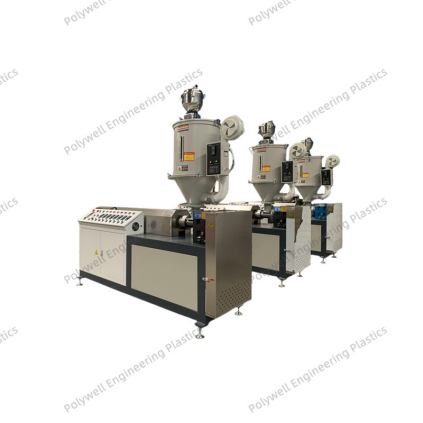
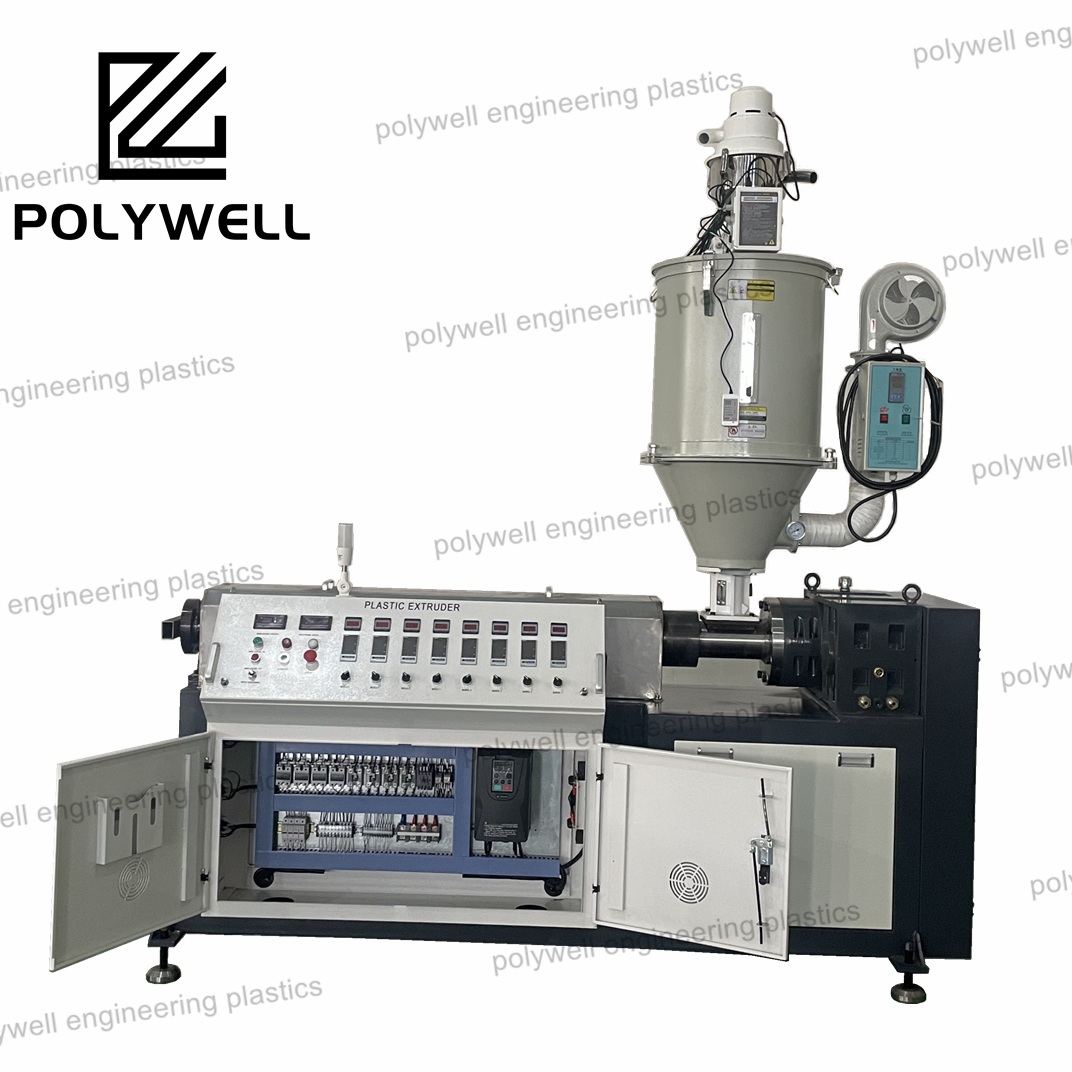
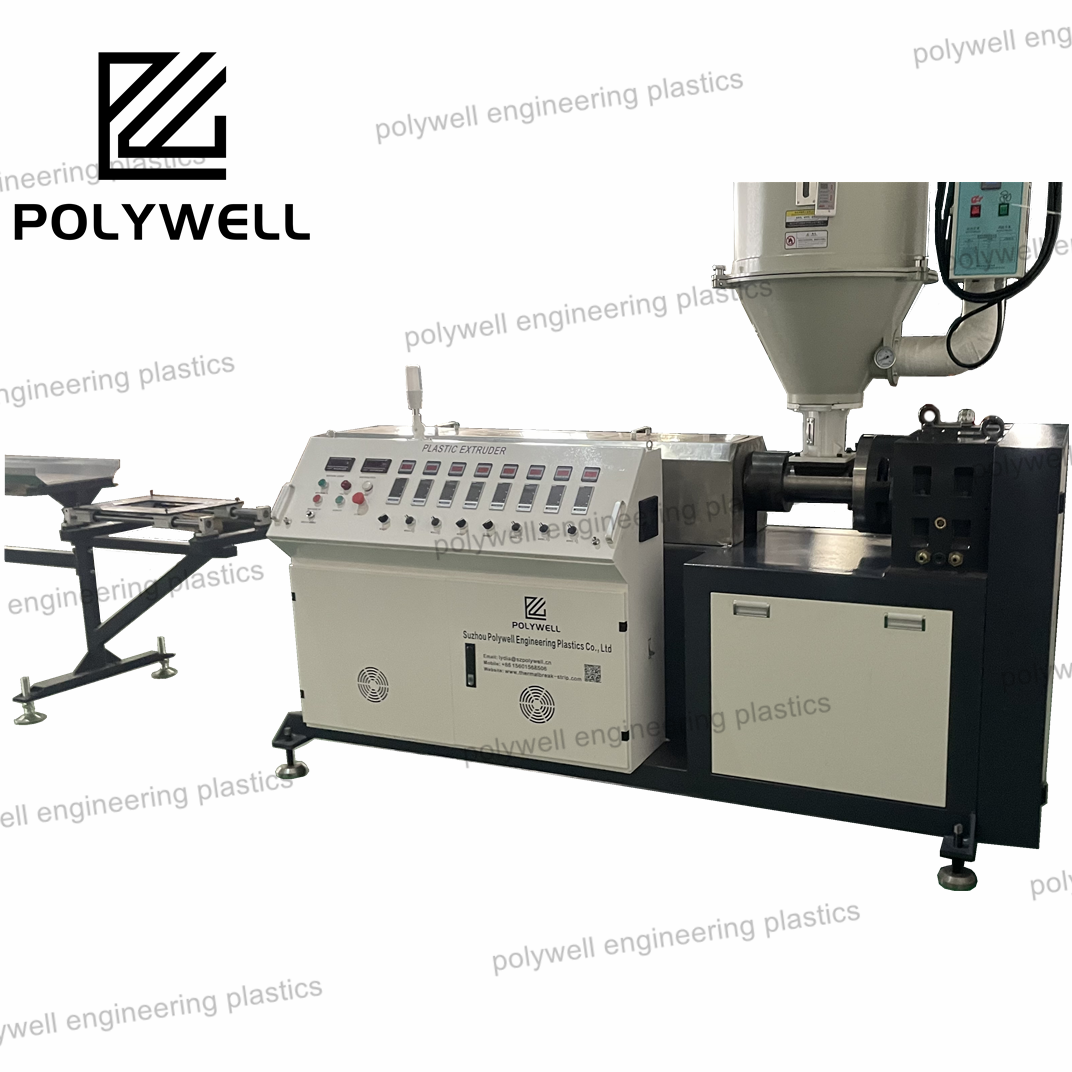
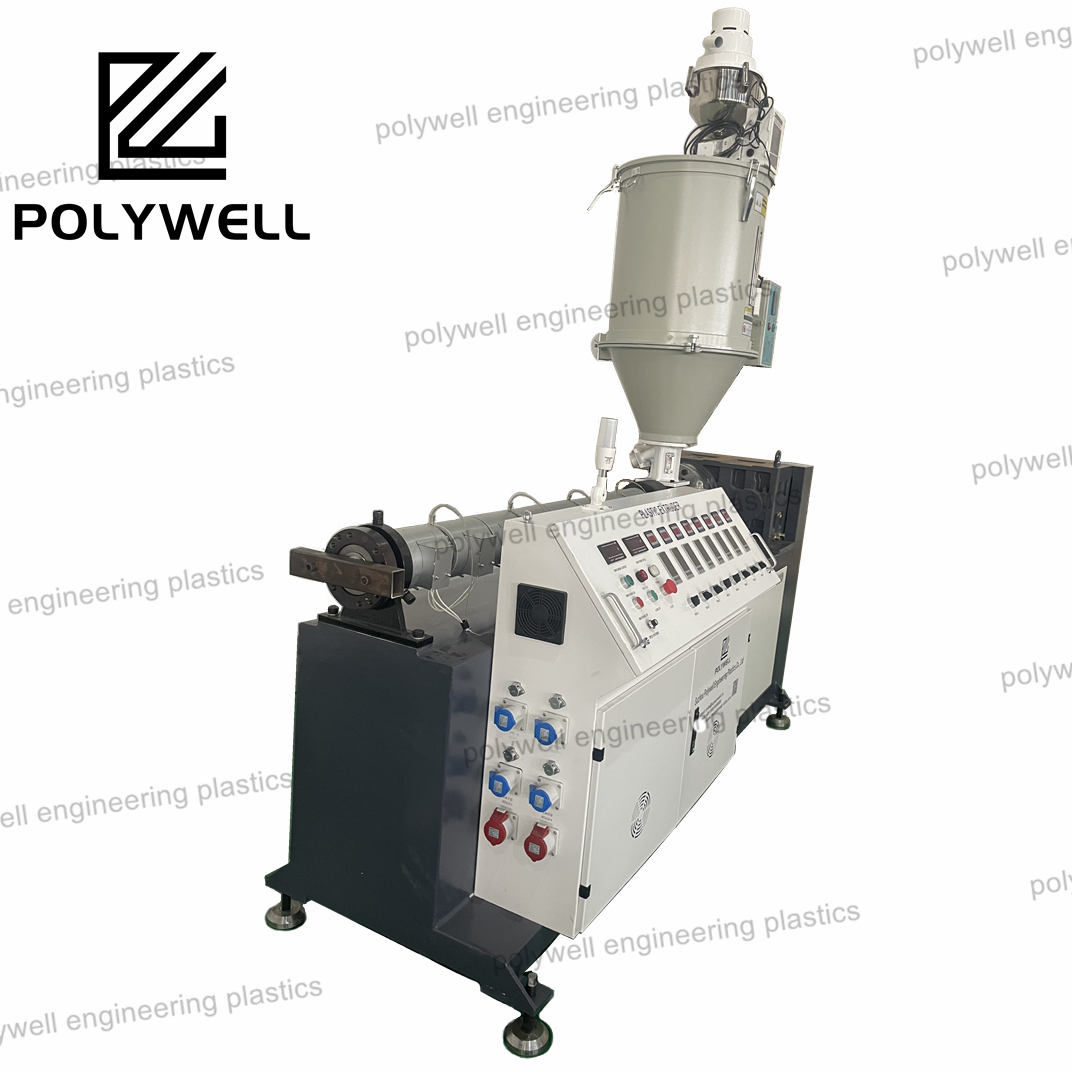
Single Screw: Core Component for Extrusion & Manufacturing Equipment
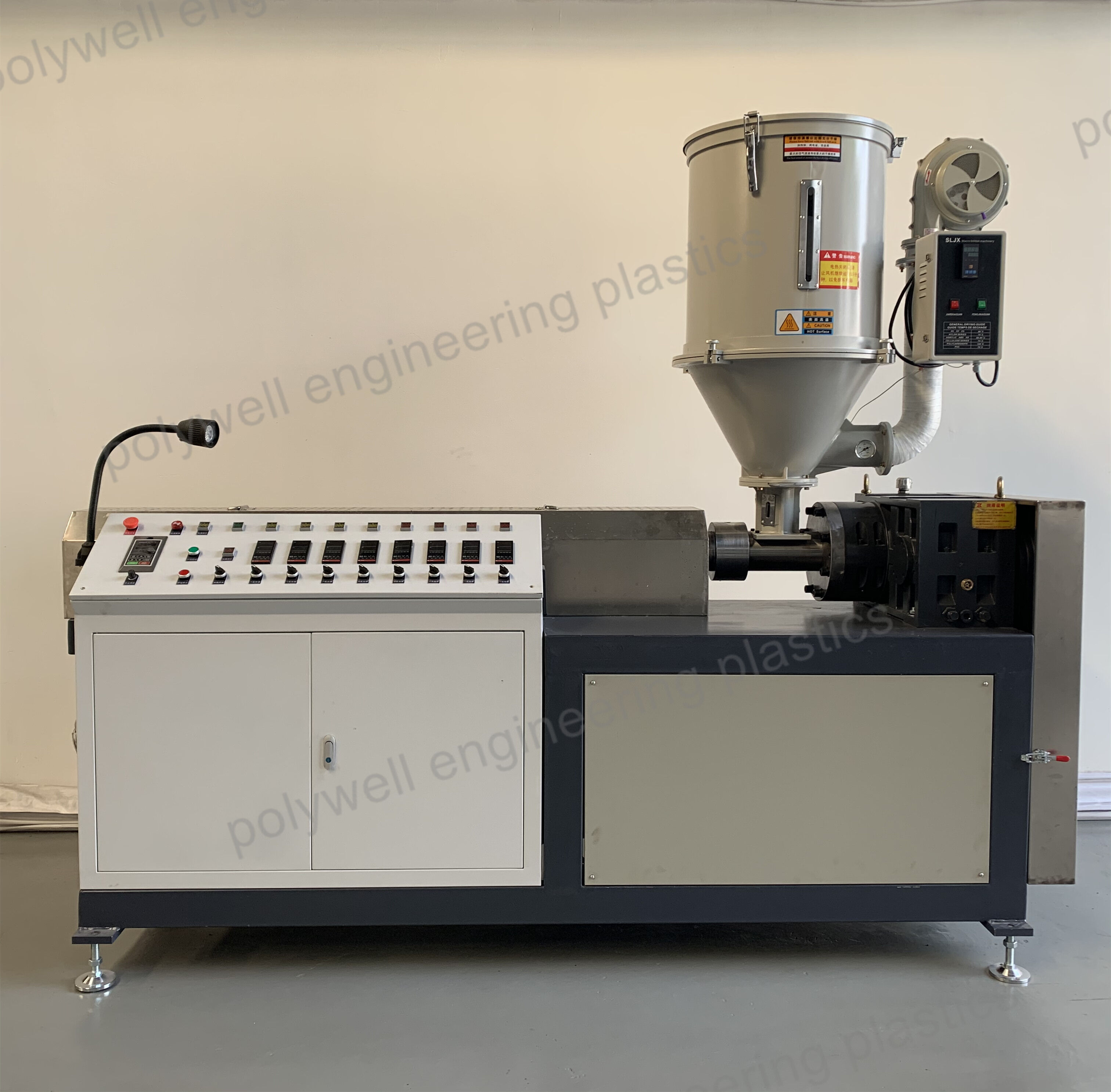
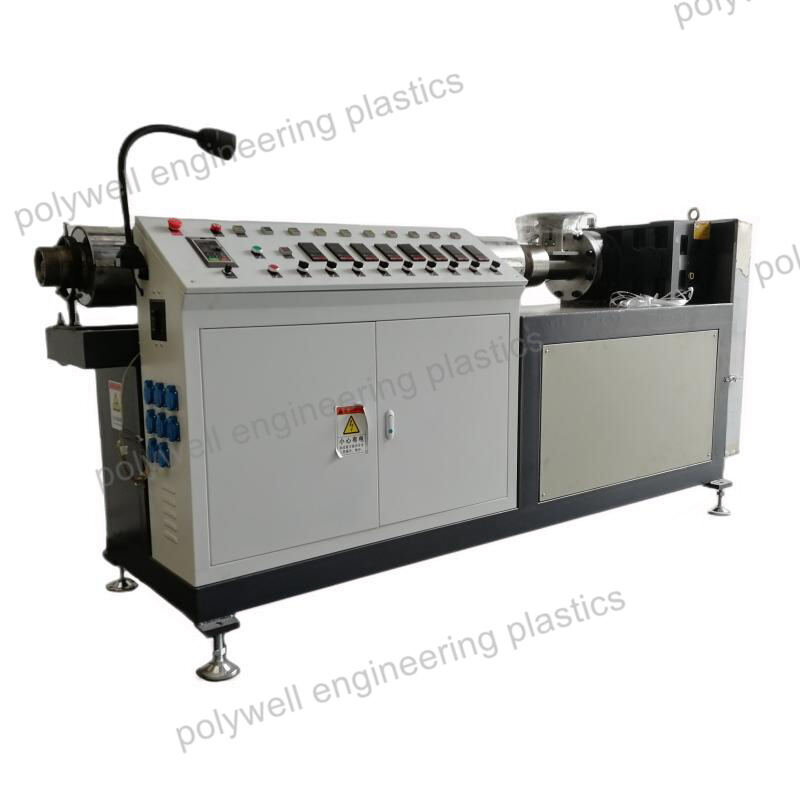
This page focuses on the single screw, a critical component widely used in extrusion machines, injection molding, and material processing equipment. It details the single screw’s structure—including the feed section, compression section, and metering section—and how each part functions to melt, mix, and convey materials (plastics, composites, etc.). The content covers key design factors: screw diameter, pitch, and flight depth, which directly impact material flow rate and processing efficiency. It also includes application scenarios (e.g., single screws in plastic pipe extruders, food processing machines) and maintenance tips (regular cleaning to prevent material buildup, wear inspection). This resource helps engineers, maintenance teams, and buyers understand how single screws optimize manufacturing processes and select the right variant for specific equipment.
Get A Quote

 EN
EN