POLYWELL Profile Wrapping Machine: Packaging Support for Polyamide Profiles
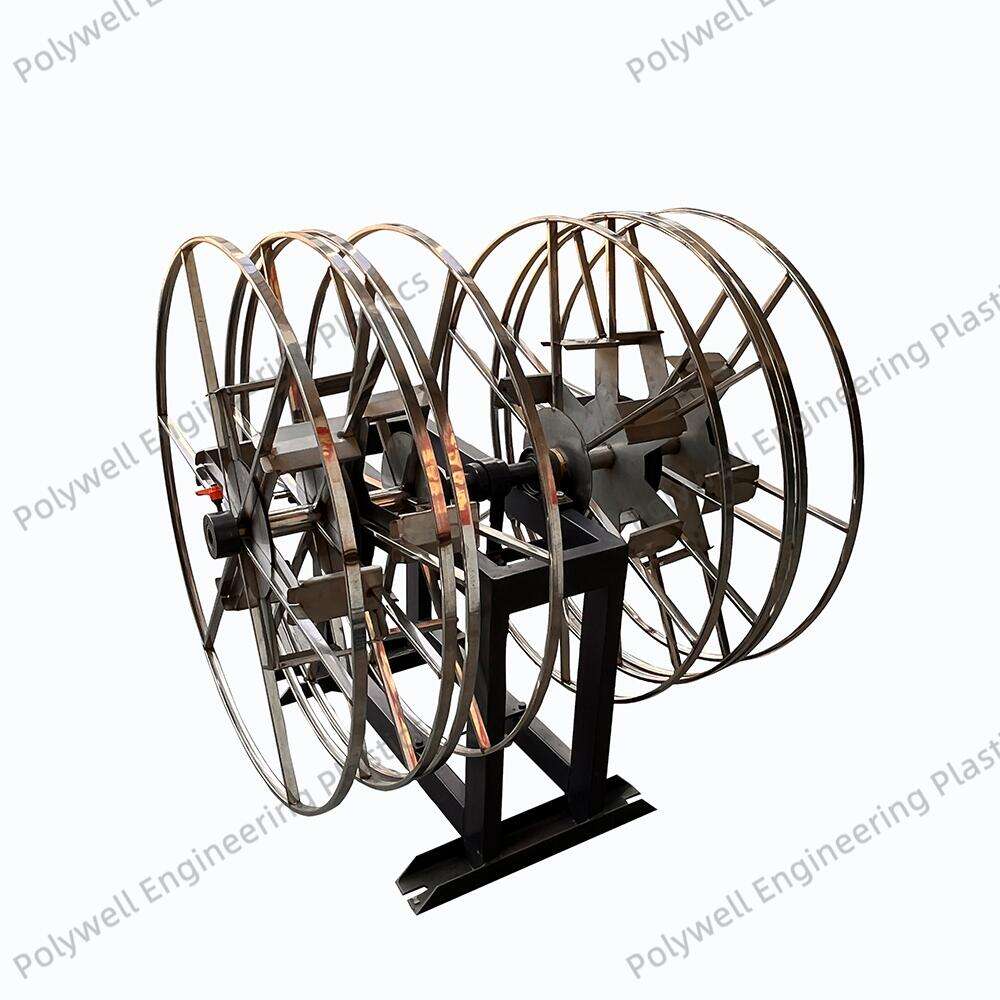
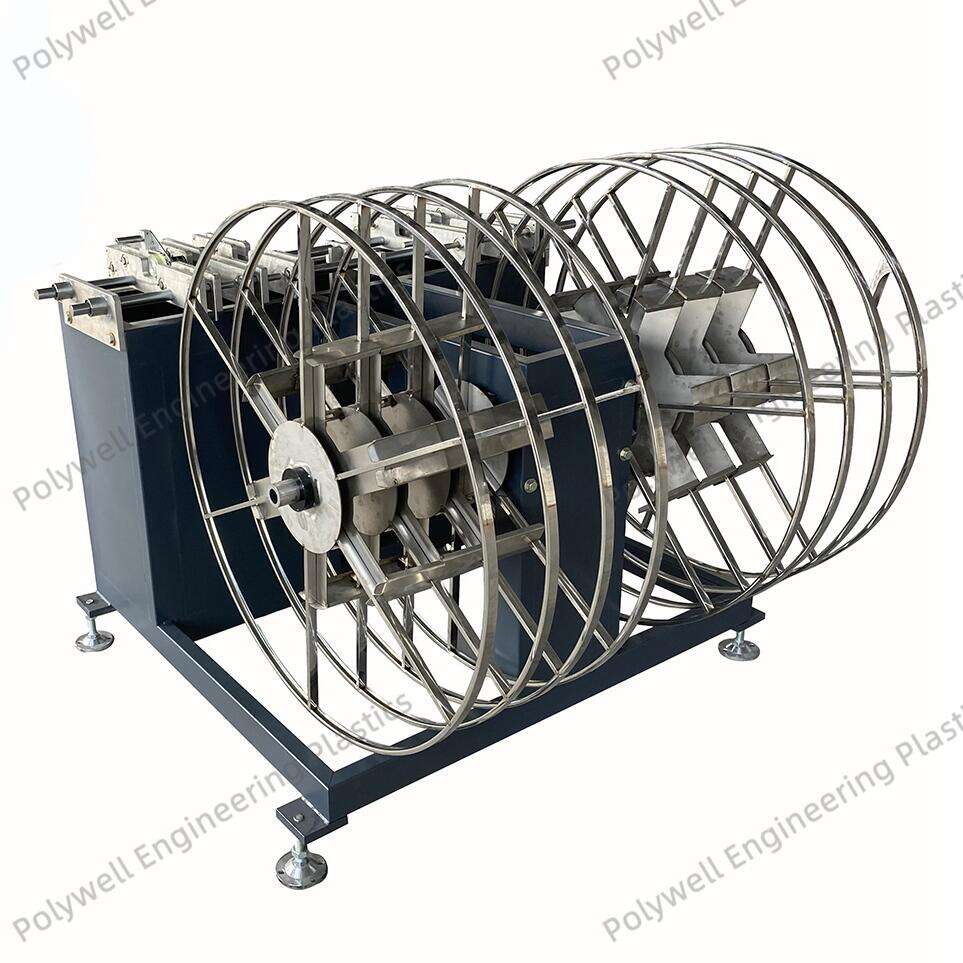
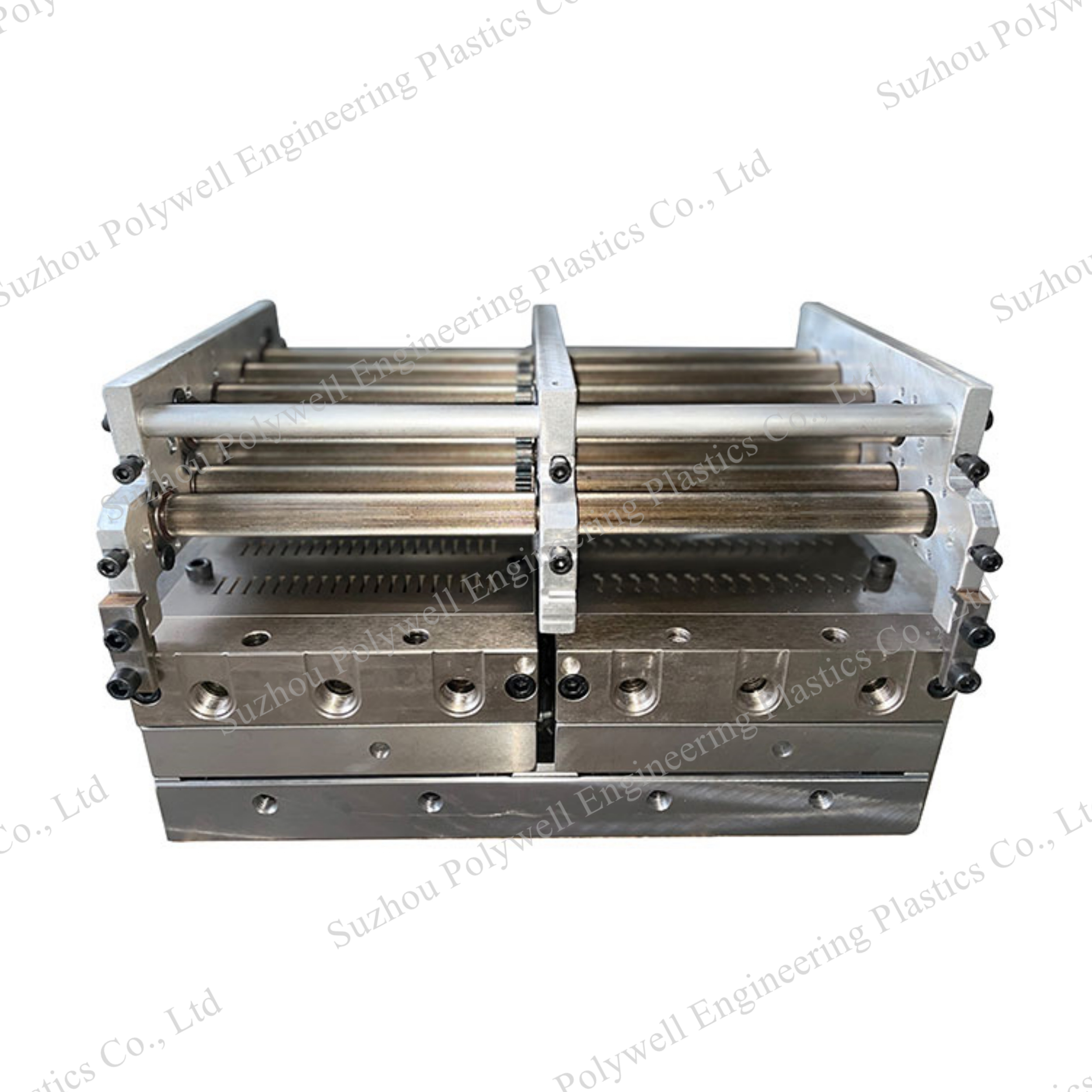
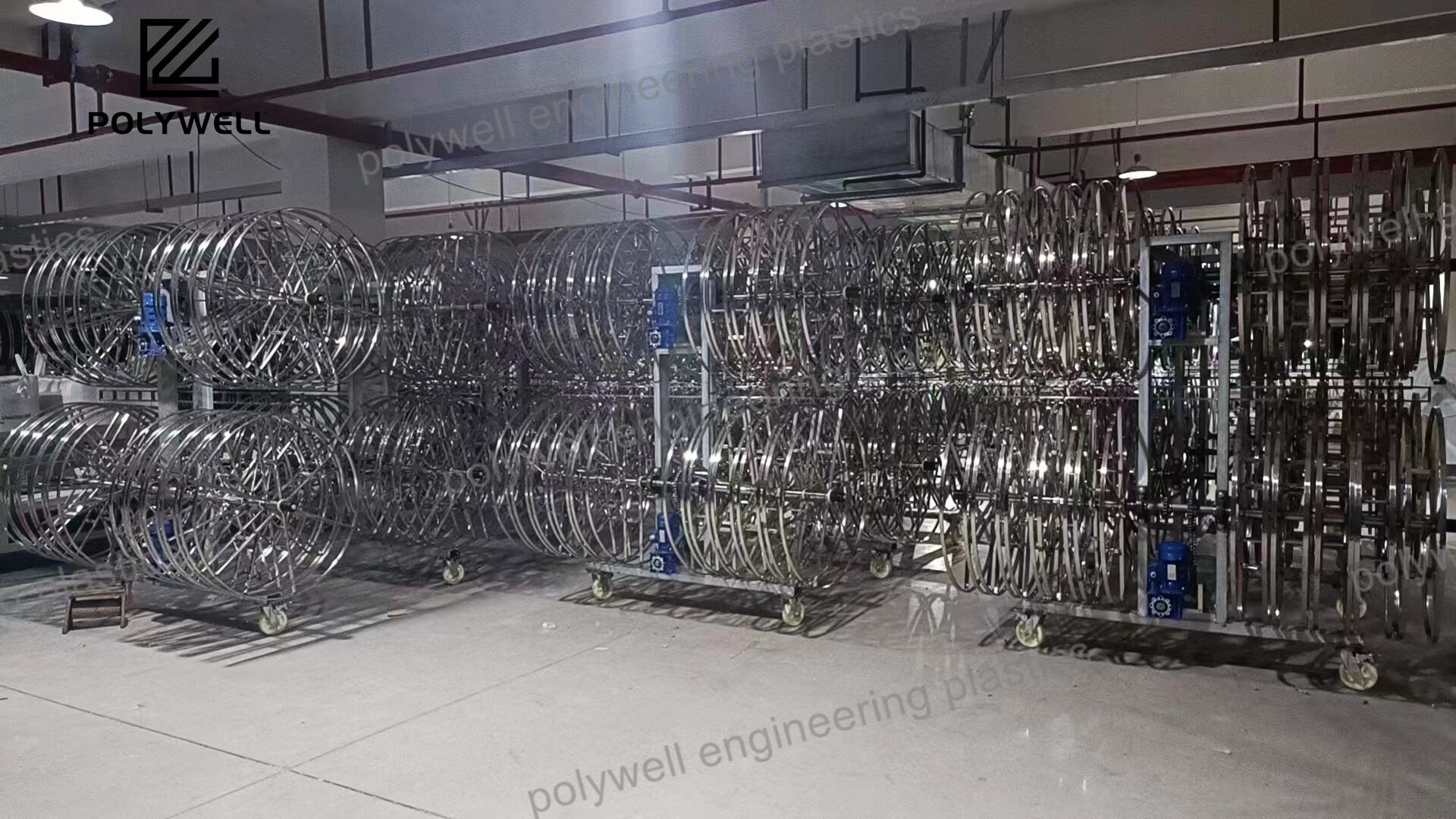
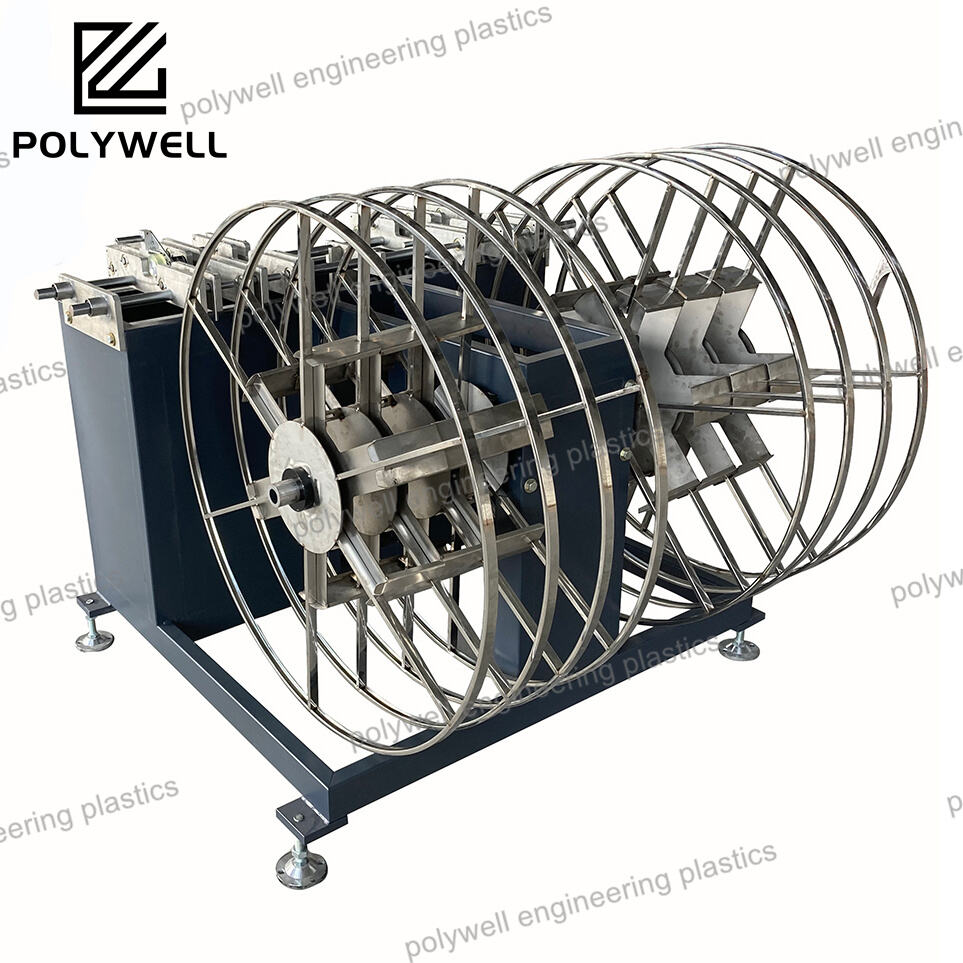
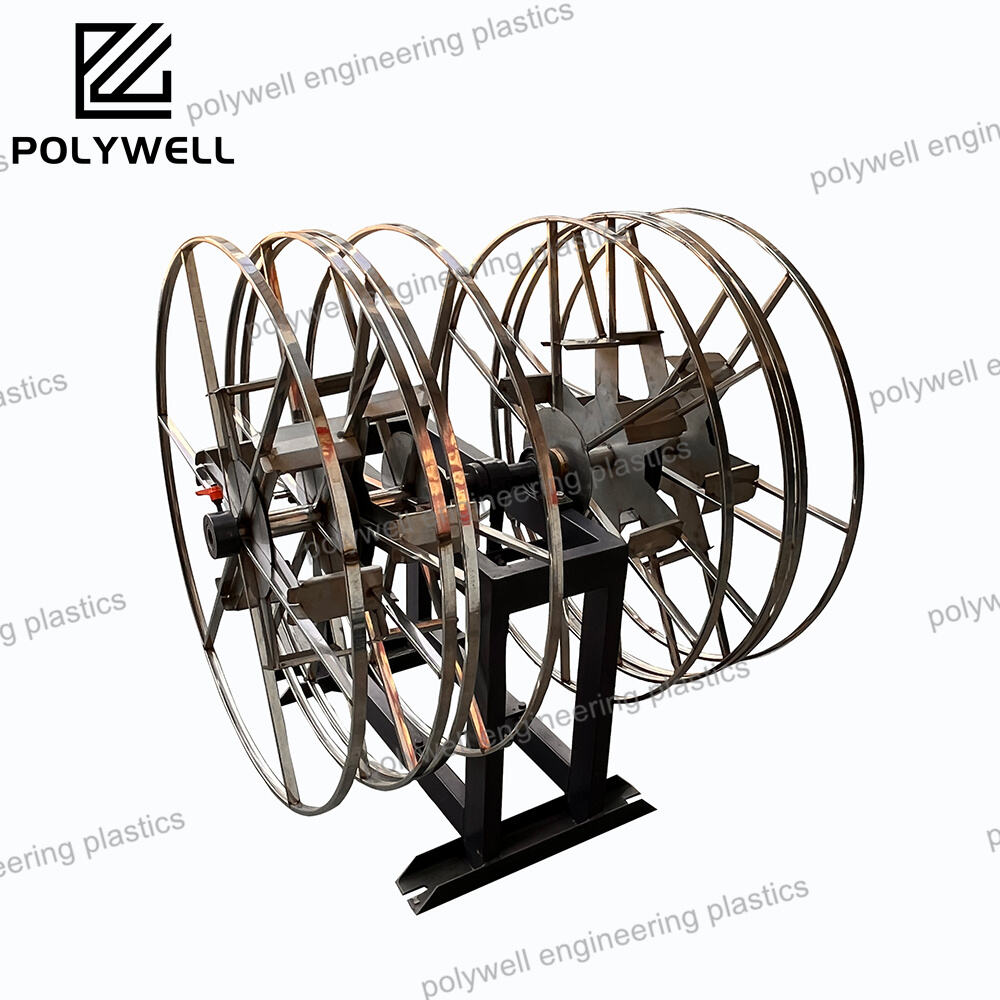
This page showcases POLYWELL’s profile wrapping machine, part of its comprehensive polyamide thermal break strip and profile production line solutions, with 15+ years of industry experience. The profile wrapping machine is designed to package polyamide profiles securely, aligning with POLYWELL’s “Package and ship” step to ensure product protection during transit. It offers technical support for machine setup (e.g., matching wrapping parameters to profile sizes) and DFM services to integrate the machine into production lines. On site service resolves operational challenges, and client testimonials (Mr. Paolo Celani praising precise dies) confirm POLYWELL’s equipment quality. The 6 step cooperation process ensures tailored profile wrapping machine solutions, catering to manufacturers seeking efficient polyamide profile packaging.
Get A Quote

 EN
EN