Prevent Thermal Bridging with PA66 Thermal Break Strips

All Categories

POLYWELL Prevent Thermal Bridging: Polyamide Thermal Break Strips & Expertise

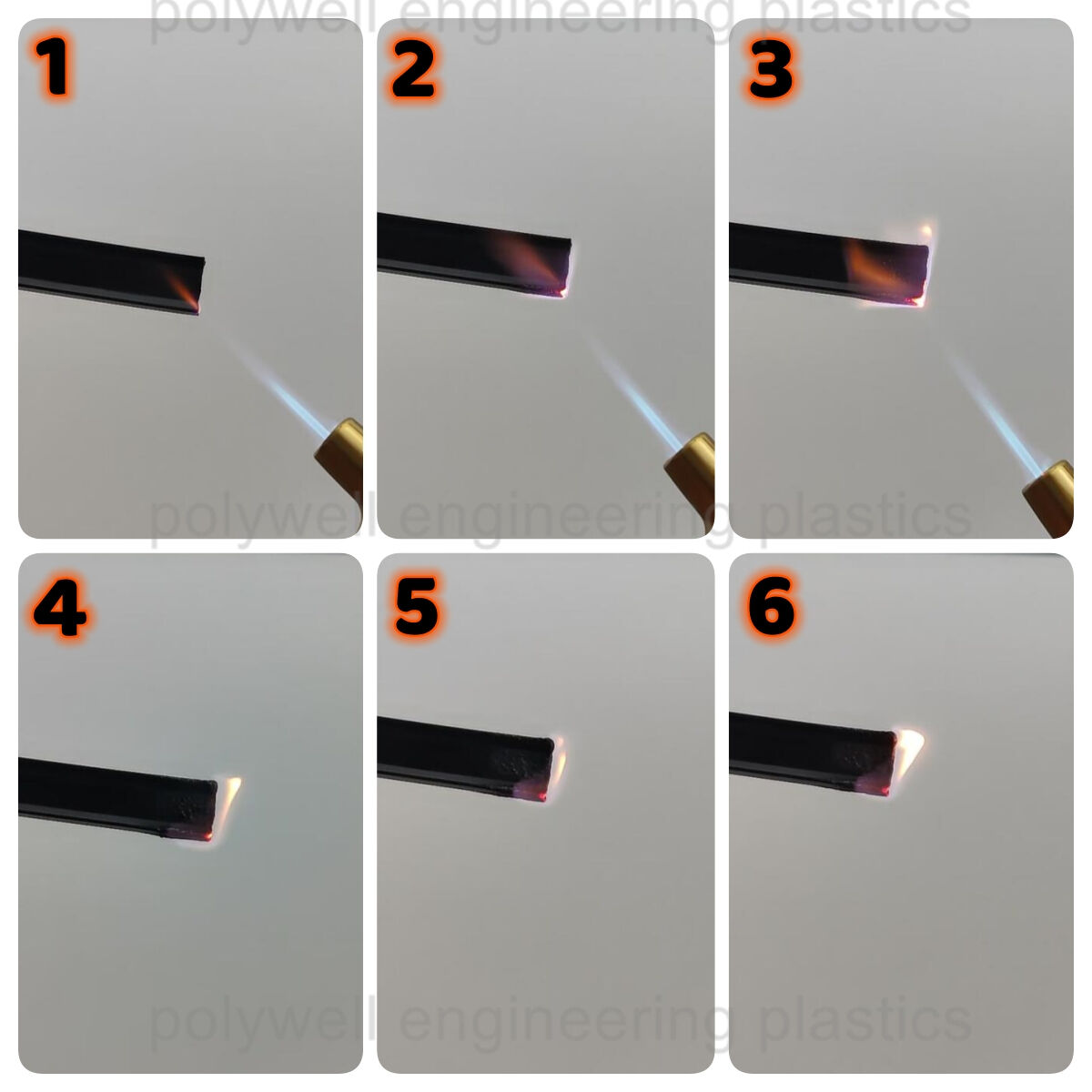
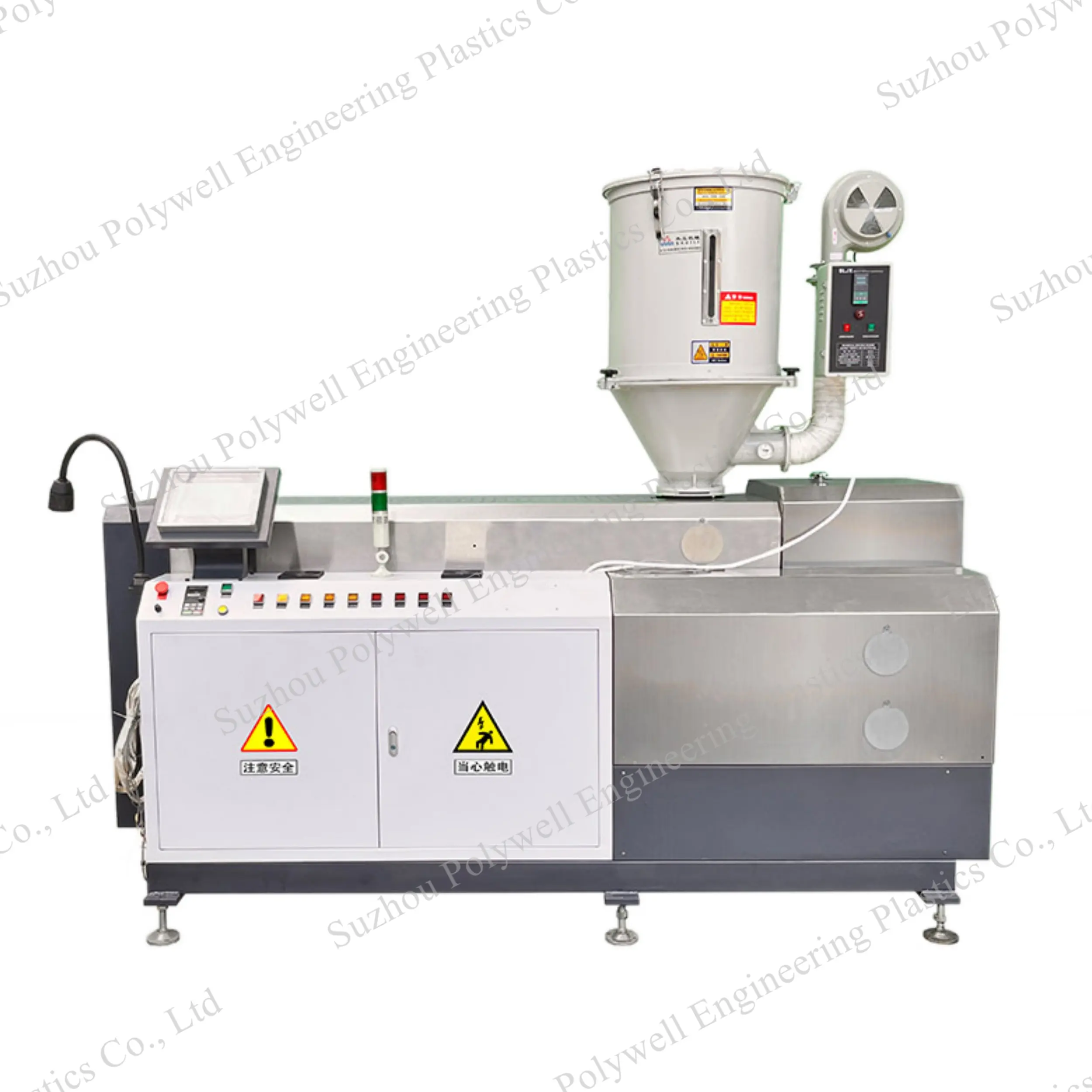
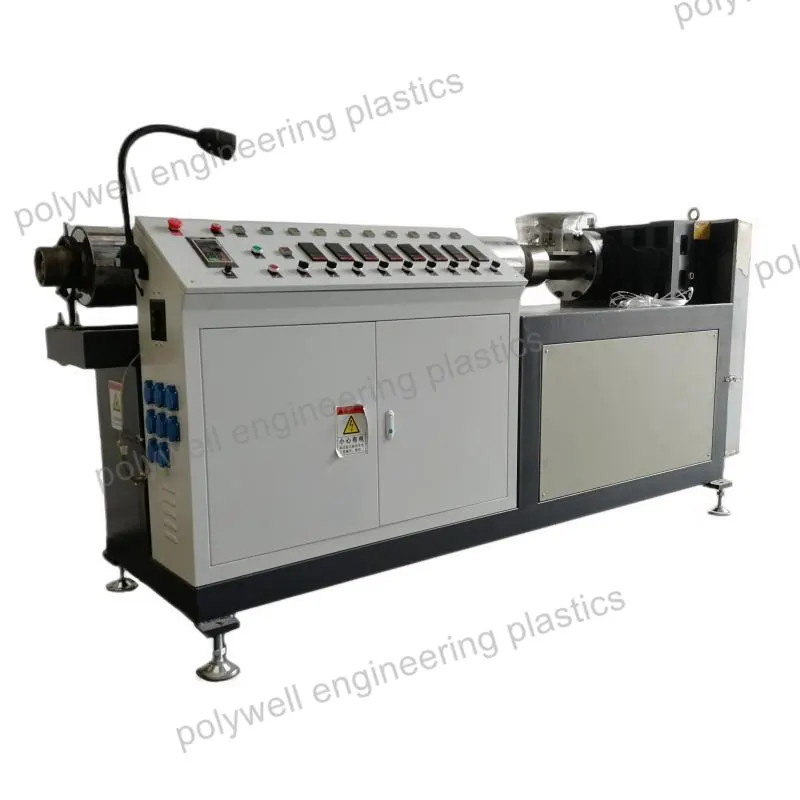
This page from POLYWELL details how to prevent thermal bridging using its high performance polyamide thermal break strips, backed by 15+ years of experience. The strips block heat transfer in structures (e.g., windows, walls), with POLYWELL offering full support: raw materials, extruders, molds, and technical guidance (e.g., advising Ms. Özge on processing). DFM predicts risks to ensure strips effectively prevent thermal bridging, on site service assists installation, and client feedback (Mr. Robin confirming strip performance) validates results. The 6 step process ensures seamless access to solutions for preventing thermal bridging.
Get A Quote

Advantages of the product

Enhanced Comfort and Consistent Indoor Temperatures

Thermal bridging creates cold spots on interior walls and around windows, leading to drafts and radiant heat loss that cause occupant discomfort. Our thermal breaks ensure a more uniform interior surface temperature, eliminating these cold spots and drafts. This creates a more comfortable and consistent indoor living or working environment, enhancing the overall quality of the building.

Related products

To prevent thermal bridging is to adopt a holistic design and construction strategy aimed at eliminating or significantly mitigating paths of high heat flow through the building envelope. Thermal bridging occurs where materials with high thermal conductivity, such as aluminum, steel, or concrete, penetrate or bypass the insulation layer, creating localized areas of energy loss and cold surfaces. Preventing these bridges is paramount for achieving energy efficiency, occupant comfort, and building durability. Key strategies include the use of thermally broken window and door frames, where a polymer strip interrupts the metal frame; installing structural thermal breaks at balconies, parapets, and other structural connections that project through the insulation layer; ensuring continuous insulation (ci) without gaps or compression; and careful detailing at junctions like wall-to-floor and wall-to-roof connections to maintain the insulation barrier. Advanced modeling tools, such as thermal simulation software, are used to identify and analyze potential bridges during the design phase. By systematically preventing thermal bridging, buildings can achieve significantly lower U-values, reduce condensation risk, minimize heating and cooling demands, and create a more comfortable, healthy, and sustainable indoor environment, ultimately leading to lower operational costs and a reduced carbon footprint.

Frequently Asked Questions

Is addressing thermal bridging only important in cold climates?

No, it is crucial in all climates. In cold climates, it prevents heat loss. In hot climates, it equally prevents heat gain, reducing the cooling load and energy consumption. In mixed climates, it improves year round comfort and efficiency. Preventing condensation, a problem in both hot/humid and cold climates, is another universal benefit.

Related Articles

How To Choose The Material of Thermal Break Strips For Windows And Doors?

18

Nov

How To Choose The Material of Thermal Break Strips For Windows And Doors?

POLYWELL guides you in selecting the best materials for thermal break strips in windows and doors. Ensure optimal insulation and energy efficiency with PA66GF25-based profiles.
View More
Help you select the extruder of PA66 thermal break strips

30

Dec

Help you select the extruder of PA66 thermal break strips

POLYWELL helps you choose the ideal extruder for manufacturing PA66 thermal break strips. Our expert advice ensures efficient extrusion, high-quality output, and optimal performance for energy-saving applications.
View More
Innovations in Plastic Extruder Machines for Better Efficiency

19

Nov

Innovations in Plastic Extruder Machines for Better Efficiency

Innovative plastic extruder machines by POLYWELL offer energy-efficient operations, precision control, and high-quality outputs for diverse applications.
View More
How to Choose the Right Single Screw Extruder for Efficient Production

10

Jun

How to Choose the Right Single Screw Extruder for Efficient Production

Explore material compatibility in single screw extruders focusing on PA66 GF30 and Nylon Polyamide 6 for efficient plastic molding. Learn about the significance of material properties, energy efficiency in operations, and optimal extruder performance in this comprehensive guide.
View More

customer evaluation

Payton

Before using thermal breaks, callbacks for condensation and cold drafts were our biggest headache. This product has effectively solved the thermal bridging problem in our aluminum frames. Customer comfort has improved dramatically, and related complaints have dropped to near zero.

Get a Free Quote

Our representative will contact you soon.
Email
Name
Company Name
Message
0/1000
Targeted Solution for Energy Loss Problem

Targeted Solution for Energy Loss Problem

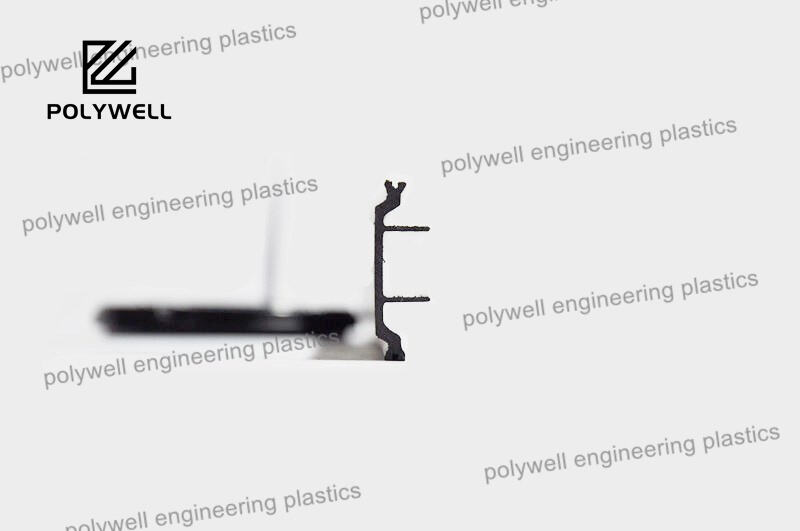
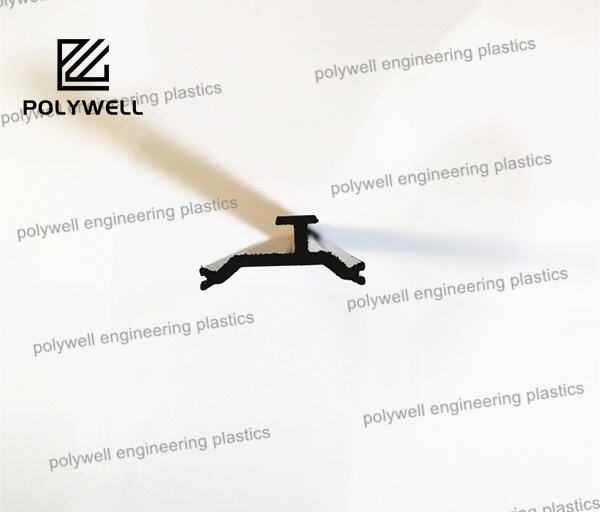
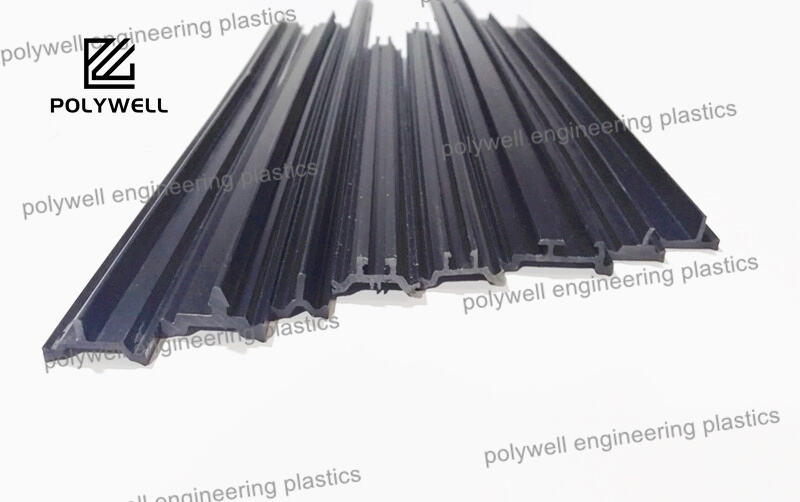
Our polyamide thermal break strips provide a targeted and effective solution to the problem of thermal bridging where heat escapes directly through conductive materials like aluminum window frames By inserting our low conductivity strip we create a continuous thermal barrier that interrupts this path which is the most effective method to prevent the associated energy loss condensation and comfort issues
Prevention of Condensation and Mold Growth

Prevention of Condensation and Mold Growth

By effectively eliminating thermal bridges our strips raise the temperature of the interior surface of the window or door frame This prevents warm moist indoor air from condensing on the cold frame surface The elimination of condensation is crucial for preventing mold growth protecting indoor air quality and preserving the buildings structure and interior finishes from water damage
Increased Overall Energy Efficiency of Buildings

Increased Overall Energy Efficiency of Buildings

The primary economic benefit of addressing thermal bridging is a substantial reduction in energy bills Our thermal breaks significantly improve the overall thermal performance of the building envelope reducing the load on HVAC systems This leads to lower energy consumption for heating and cooling providing a rapid return on investment for builders and owners and contributing to broader energy conservation goals
Inquiry Inquiry Email Email WhatsApp WhatsApp Wechat Wechat
Wechat
TopTop

Related Search