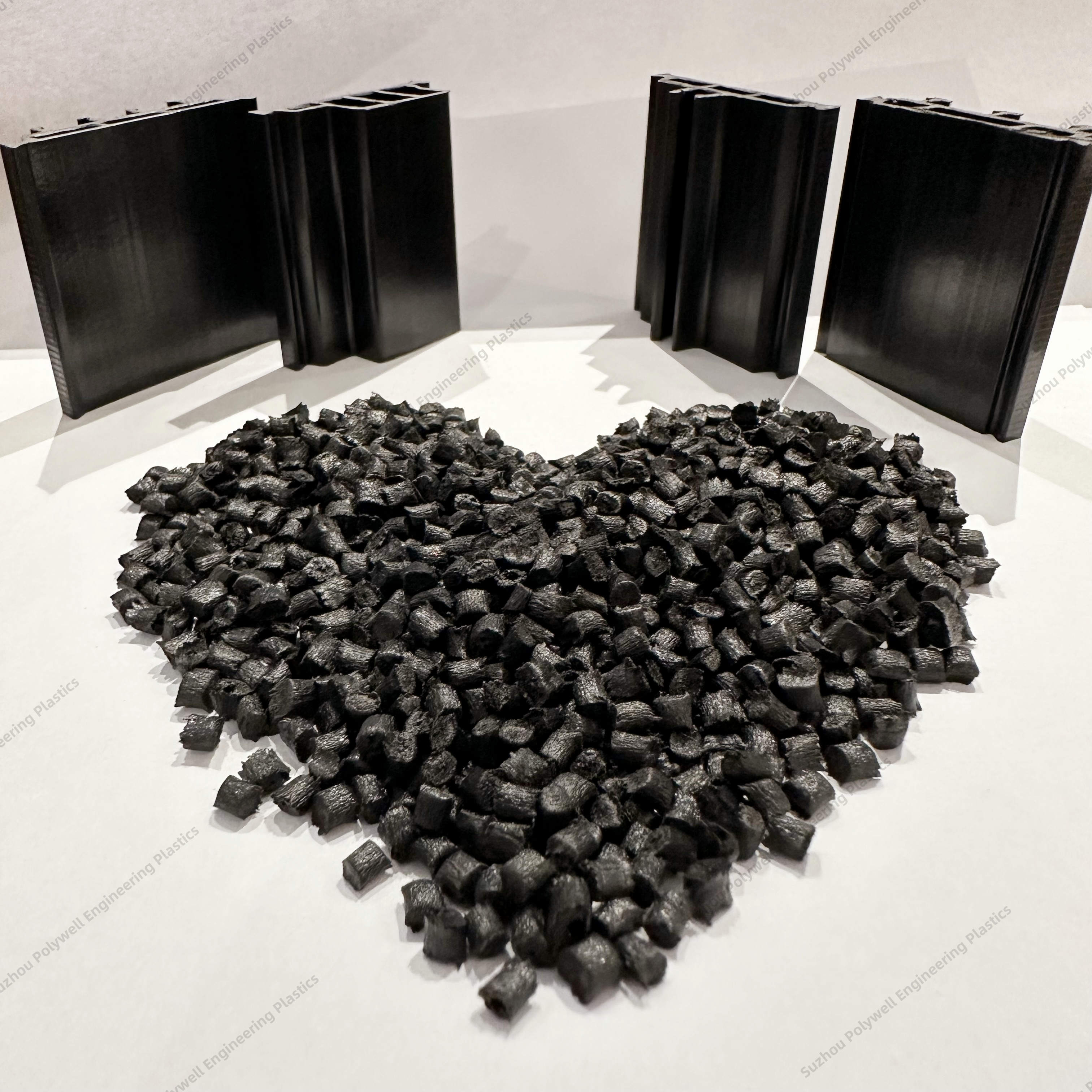
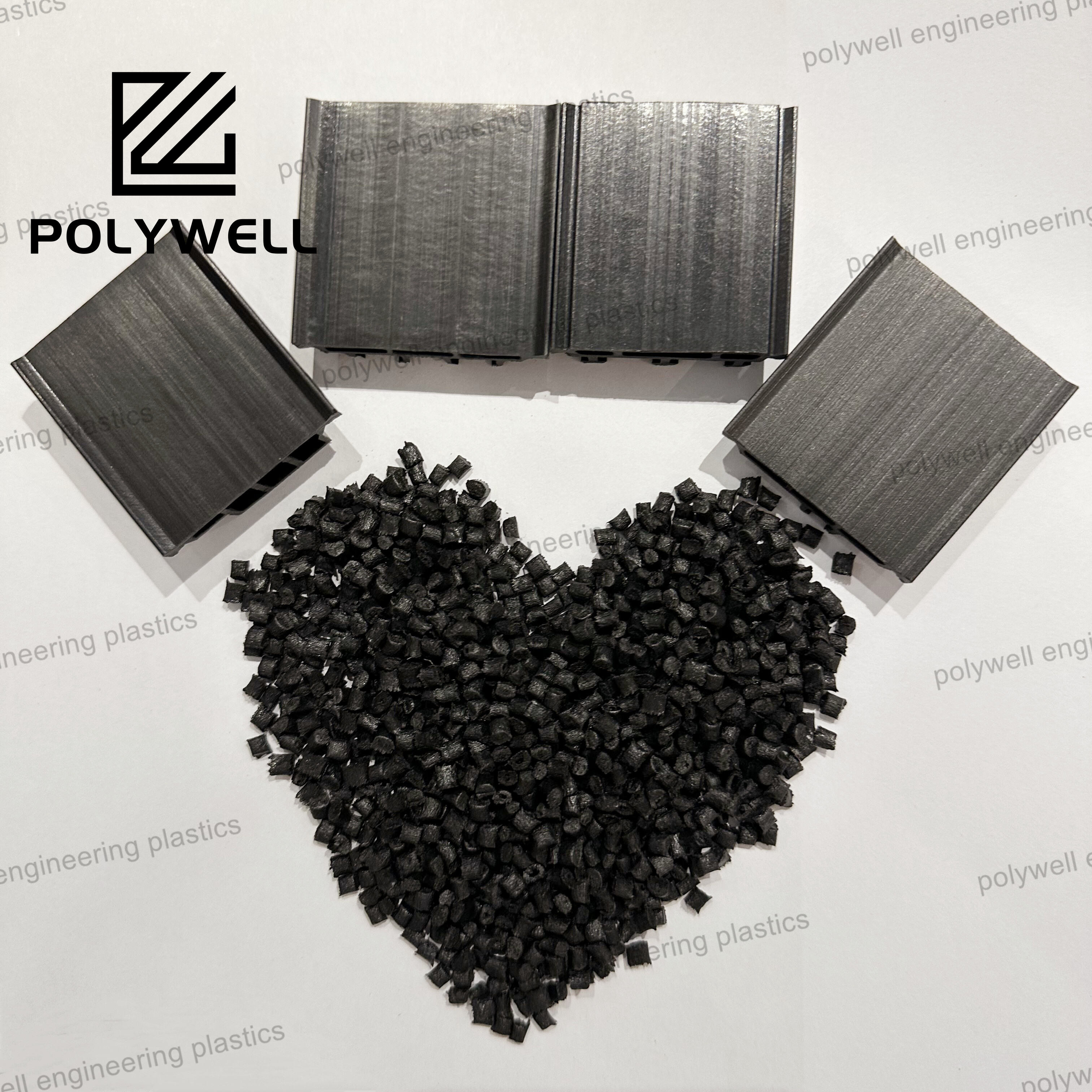
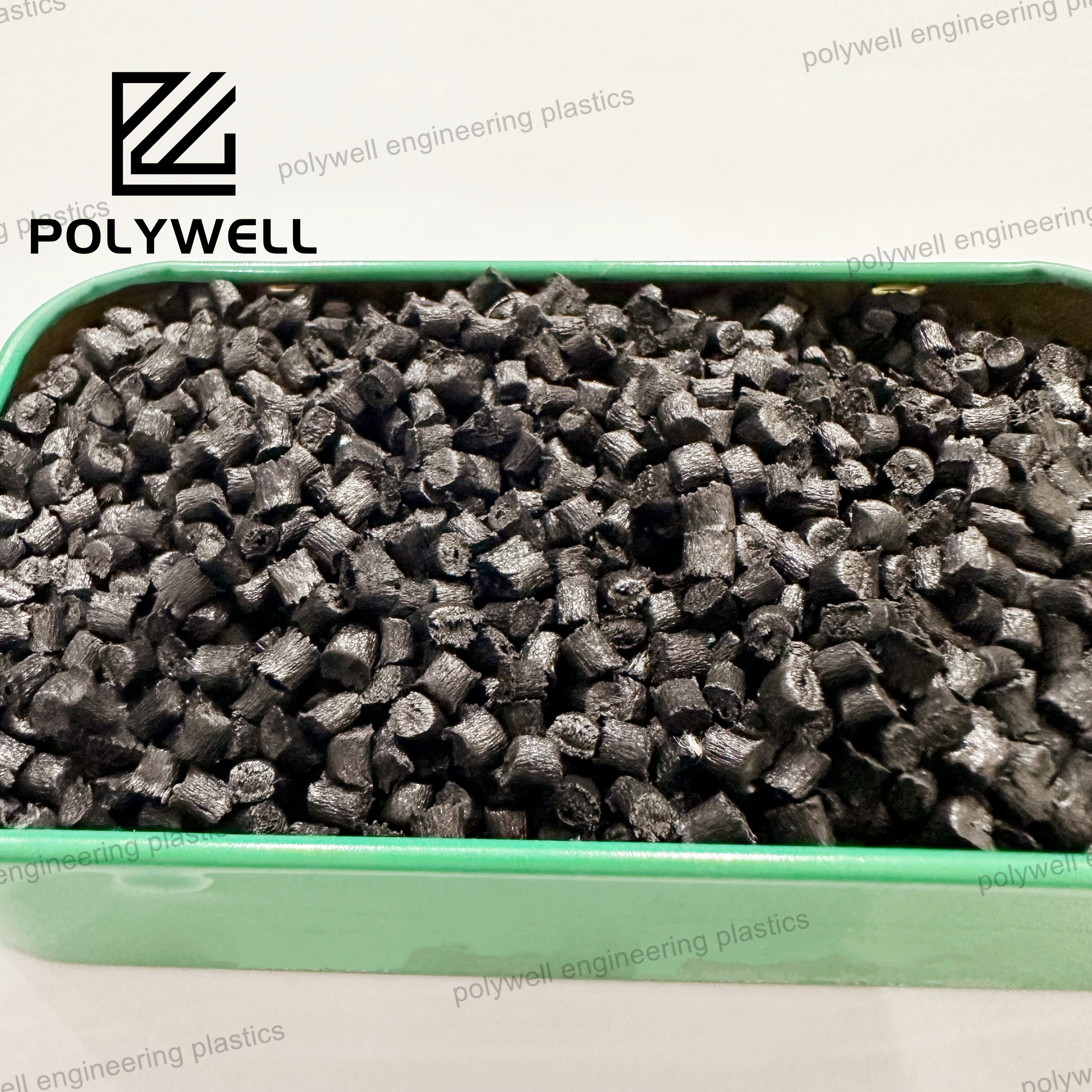
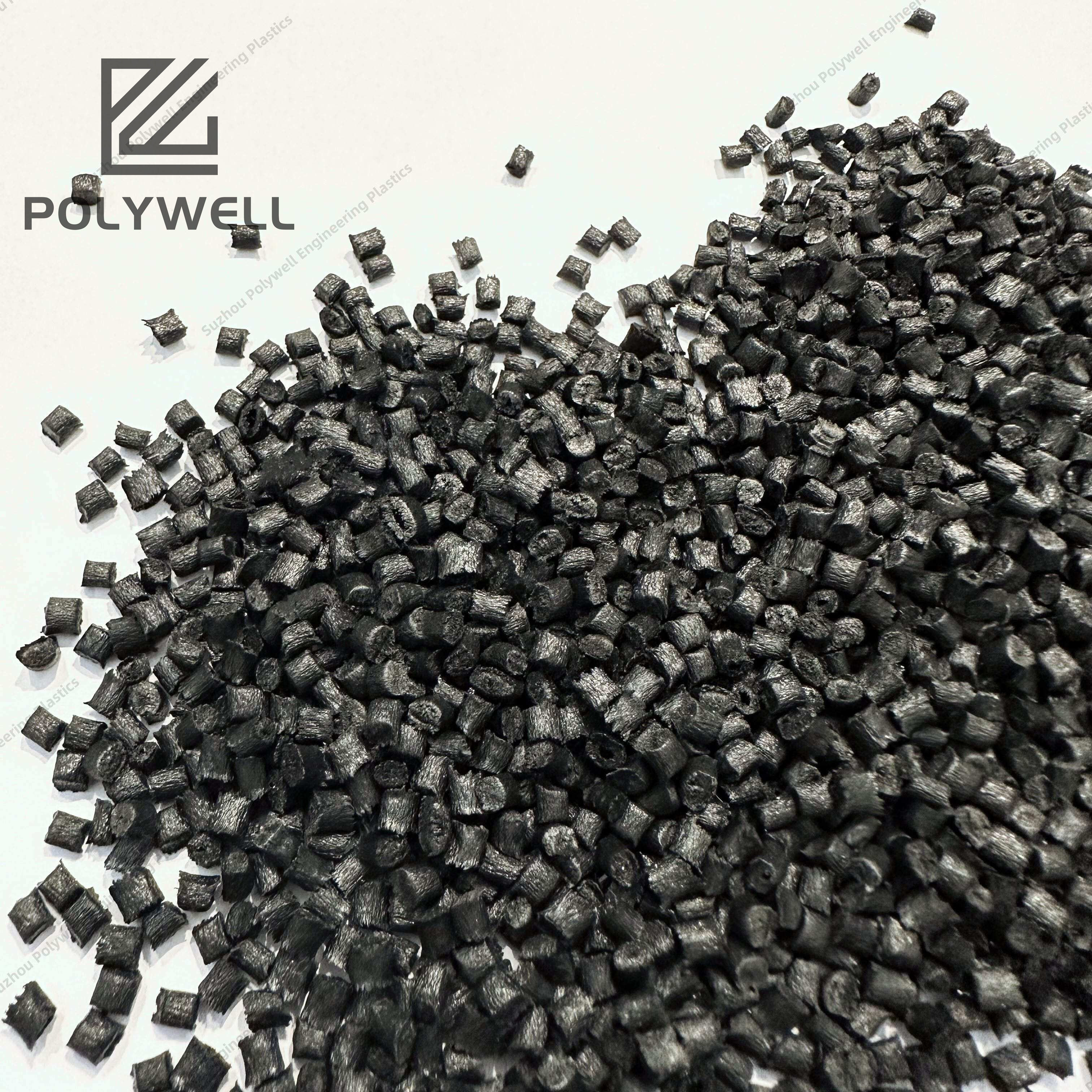
PA66 GF25 is a preferred material for thermal break applications, where it acts as a barrier to reduce heat transfer between conductive components, particularly in construction and industrial systems. Its low thermal conductivity (approximately 0.2–0.3 W/m·K) and high mechanical strength make it ideal for profiles in windows, doors, and curtain walls, preventing thermal bridging and improving energy efficiency in buildings. The glass fiber reinforcement enhances stiffness and creep resistance, ensuring that the material maintains its shape and insulating properties under mechanical loads and temperature fluctuations from -40°C to 120°C. In processing, injection molding is commonly used to produce precise thermal break sections, with design features like tongue-and-groove joints to minimize air infiltration and maximize thermal performance. PA66 GF25's resistance to moisture, chemicals, and UV degradation contributes to longevity in harsh environments, while its self-extinguishing properties (often rated UL94 V-0) enhance safety in fire-prone settings. The material's low shrinkage and dimensional stability allow for tight tolerances, critical in assembly with metals or other polymers. Additionally, sustainability benefits include recyclability and compliance with green building standards, such as LEED. By effectively isolating hot and cold zones, PA66 GF25 thermal breaks help reduce energy consumption and condensation risks, making them a strategic choice for architects and engineers aiming to achieve thermal comfort and regulatory compliance in diverse climatic conditions worldwide.