Laser Engraving Printer for Polyamide Thermal Break Strips

All Categories

POLYWELL Laser Engraving Printer: Precision Engraving for Polyamide Thermal Break Strips

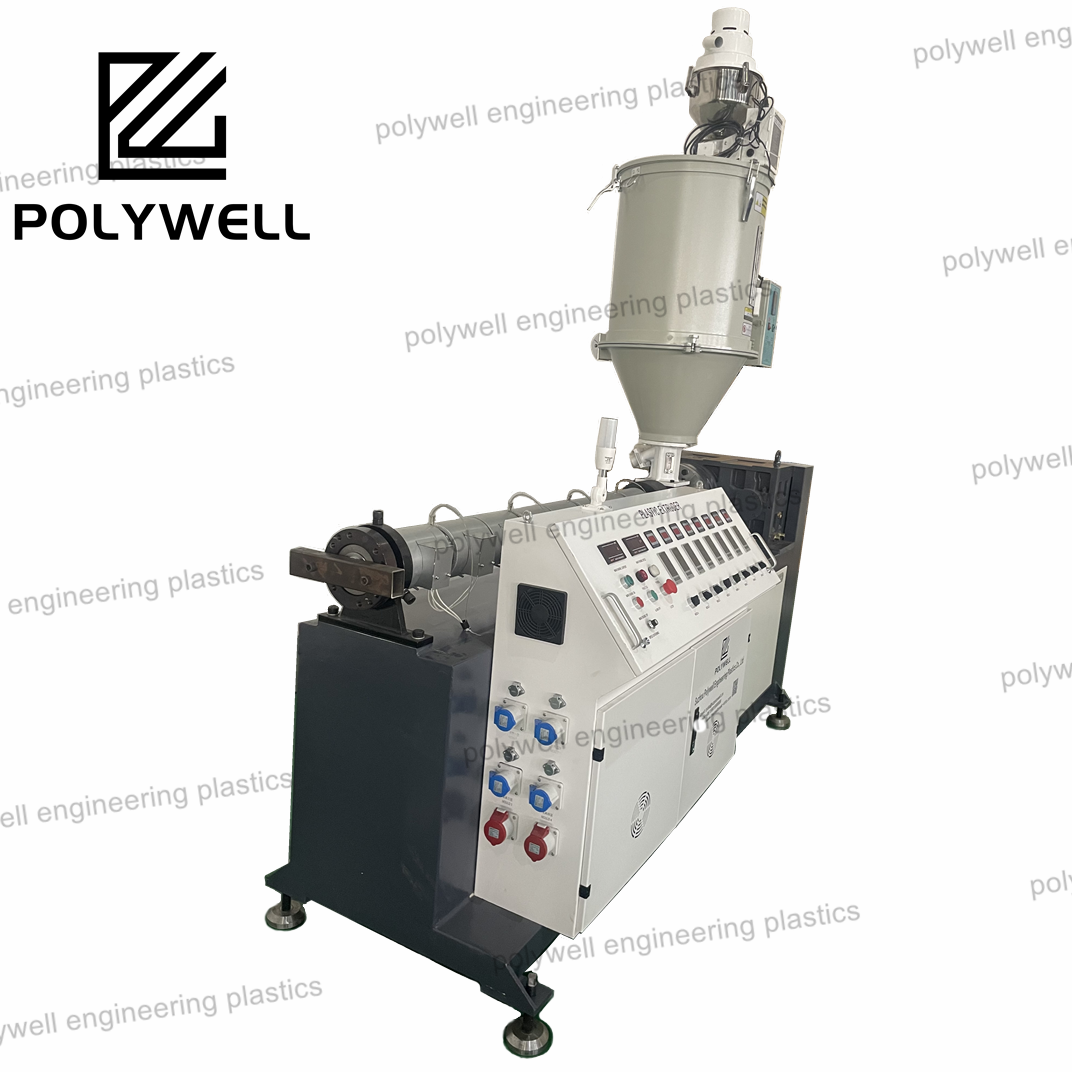
This page showcases POLYWELL’s laser engraving printer, a key supporting device for polyamide thermal break strip production—designed to create precise, permanent engravings (logos, part numbers) on polyamide surfaces, with 15+ years of POLYWELL’s expertise in tow. The printer is optimized for polyamide’s material characteristics, ensuring clear engravings without compromising strip integrity. POLYWELL provides technical guidance (e.g., adjusting engraving depth for different strip thicknesses) and DFM services to avoid production delays. On site service assists with printer setup, while client testimonials (Mr. Paolo Celani praising POLYWELL’s professional support) confirm quality. The 6 step cooperation process (from drawing communication to delivery) ensures manufacturers get tailored laser engraving printer solutions.
Get A Quote

Advantages of the product

Permanent and High Contrast Marking for Traceability

Our laser marking machines create permanent, high contrast marks on the polyamide strip that will not fade, smear, or wear off under normal handling and use. This permanence is essential for traceability, allowing manufacturers to imprint batch numbers, date codes, material grades, or logos. This supports quality control, simplifies inventory management, and enables precise tracking throughout the product's lifecycle.

Related products

A laser engraving printer is a type of laser marking system that is specifically optimized to remove material to create a deep, tactile mark. While the term is sometimes used generically, true engraving involves the laser beam vaporizing the substrate to a measurable depth, creating a recessed impression that can be both seen and felt. This is in contrast to surface marking techniques like annealing or foaming. This process is achieved by using higher power densities and, often, multiple passes of the laser beam over the same area. Laser engraving printers are exceptionally versatile and can be used on materials like wood, acrylic, leather, anodized aluminum, stainless steel, and many plastics. The depth of the engraving can be precisely controlled through parameters like laser power, speed, and number of passes. The primary applications for this technology are where extreme durability or a premium aesthetic is required. This includes creating nameplates, industrial data plates, surgical instruments with depth-wise marked measurement scales, and personalized items. In a more industrial context, such as with aluminum profiles used in construction, a laser engraving printer can be used to create deep, permanent serial numbers or logos that will remain readable even if the profile is painted over or subjected to significant abrasion. The key consideration is that the process is more time-consuming than surface marking and may not be suitable for the very highest production speeds, but it offers an unmatched combination of permanence and physical presence for critical identification and branding.
Frequently Asked Questions

Is laser marking safe for the operators and the environment?

Yes, when properly installed. The marking process is fully enclosed within a protective interlocked cabinet that contains the laser light, which is a critical safety requirement. Since it does not use inks, solvents, or other chemicals, it produces no harmful VOC emissions or liquid waste, making it a clean and safe technology for both operators and the environment.

Related Articles

High-Quality Thermal Break Strips of Extrusion Mold Design Optimization

17

Dec

High-Quality Thermal Break Strips of Extrusion Mold Design Optimization

Optimize extrusion mold design for high-quality thermal break strips, ensuring stability, efficiency, and adaptability in production.
View More
The Importance of Quality Control in Plastic Extrusion Die Manufacturing for Construction

05

Mar

The Importance of Quality Control in Plastic Extrusion Die Manufacturing for Construction

Discover how quality control measures in plastic extrusion die manufacturing enhance precision and consistency, reduce waste, and ensure compliance. Explore common issues, solutions, and future trends in automation and materials.
View More
Advancements in Extrusion Molds for Complex Thermal Break Profiles

28

Mar

Advancements in Extrusion Molds for Complex Thermal Break Profiles

Explore the latest advancements in extrusion molds for thermal break profiles, including the use of advanced materials, 3D printing technology, and CAD software. Discover how these innovations enhance thermal efficiency, energy management, and sustainability in construction projects.
View More
How Single Screw Extruders Work with PA66GF25 Granules?

29

Aug

How Single Screw Extruders Work with PA66GF25 Granules?

Discover how single screw extruders efficiently melt and homogenize PA66GF25 granules for superior output. Learn the science behind polymer processing and optimization. Read the full guide now.
View More

customer evaluation

Ryder

The laser marker provides a permanent, abrasion resistant mark that will not fade or rub off. We now have complete traceability from our production line to the installation site. The ability to mark batch numbers and dates has greatly enhanced our quality control and recall management processes.

Get a Free Quote

Our representative will contact you soon.
Email
Name
Company Name
Message
0/1000
Permanent and High Contrast Marking for Traceability

Permanent and High Contrast Marking for Traceability

Our laser marking machines create permanent high contrast marks on the polyamide strip that will not fade smear or wear off under normal handling and use This permanence is essential for traceability allowing manufacturers to imprint batch numbers date codes material grades or logos This supports quality control simplifies inventory management and enables precise tracking throughout the products lifecycle
Non Contact Process that Prevents Material Damage

Non Contact Process that Prevents Material Damage

Unlike mechanical engraving or ink printing laser marking is a non contact process The laser beam etches the surface without applying any physical force to the strip This eliminates the risk of mechanical stress deformation or micro cracks that could compromise the structural integrity of the thermal break ensuring the marked product remains as strong and reliable as an unmarked one
High Speed and Programmable for Flexible Coding

High Speed and Programmable for Flexible Coding

Our laser markers operate at high speeds seamlessly keeping pace with the extrusion line without creating a bottleneck The marking content is fully programmable via software allowing for quick changes between different codes logos or sequential numbers without any physical tooling changes This offers immense flexibility and efficiency for just in time production runs
Inquiry Inquiry Email Email WhatsApp WhatsApp Wechat Wechat
Wechat
TopTop

Related Search