The Shift Toward Automated Traceability
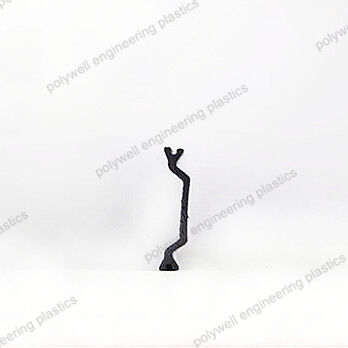
In modern construction, traceability is no longer an optional luxury, it is a requirement. For manufacturers of polyamide thermal break strips, marking each piece with production dates, batch numbers, or brand logos is essential for quality assurance and brand recognition. As production lines speed up to meet global demand, traditional marking methods have become bottlenecks. This is where high speed laser marking machines come into play. Integrating a laser marking system directly into the production line allows for seamless, continuous branding without slowing down the process. The transition from manual or contact based marking to laser technology represents a significant leap in operational efficiency.
Why Fiber Laser Technology Leads the Way
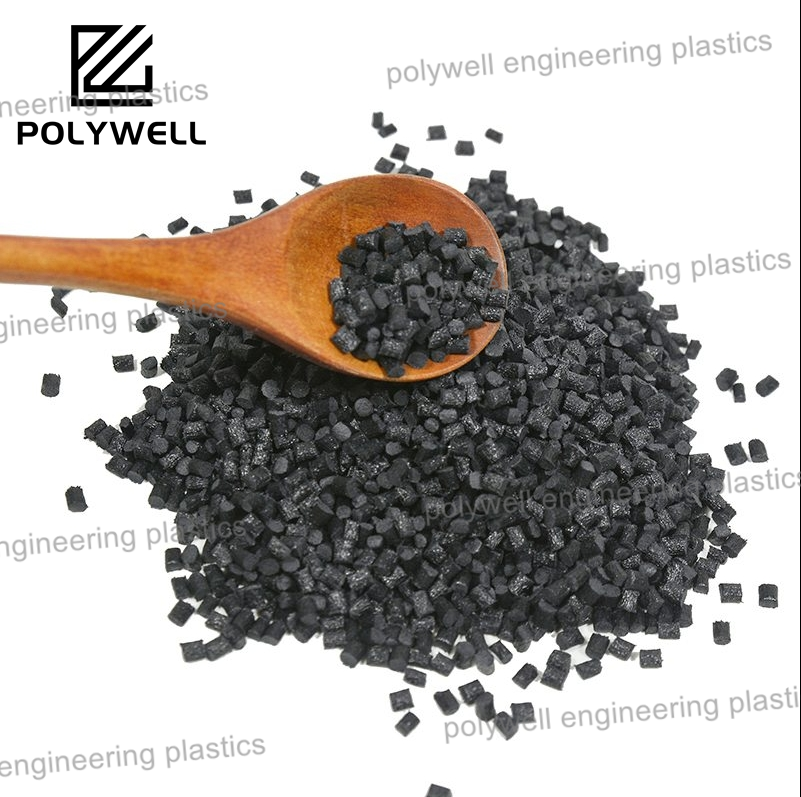
For mass produced thermal break strips, fiber laser marking machines are the gold standard. Unlike CO2 lasers, which are better suited for non metallic materials, fiber lasers are incredibly efficient at marking high density polymers like PA66. The beam quality is exceptional, allowing for permanent, high contrast marks that do not fade or wear off over time. Because these machines can handle high pulses per second, they can keep pace with fast moving production lines, marking each strip in milliseconds. From our extensive experience in the field, we have seen how fiber laser integration eliminates the mechanical wear associated with ink printing, significantly reducing maintenance and consumable costs for the manufacturer.
Balancing Speed with Precision
The primary challenge in high speed marking is maintaining legibility while the material is moving. The laser system must be perfectly synchronized with the extruder’s line speed. Advanced systems utilize high speed galvanometers to deflect the laser beam with extreme accuracy, ensuring the mark remains sharp even at high speeds. It is important to select a system that offers programmable depth, as marking too deeply can create stress concentration points in the strip, while marking too shallow may lead to poor durability. Achieving this balance is a core competency that differentiates superior production setups. The ability to mark consistently without interrupting the extrusion flow is a major commercial asset.
Integration into Existing Production Lines
Adding a laser marker should not be a disruptive process. When sourcing equipment, look for solutions that are designed with modularity in mind. The ideal laser marking machine should be compact enough to fit into existing space constraints between the cooling unit and the winding machine. Moreover, the software interface should be user friendly, allowing operators to quickly change markings for different batch requirements. We have found that the most successful manufacturers are those who integrate these systems into their DFM strategy from the start. By working with partners like Polywell, who understand the entire extrusion workflow, manufacturers can ensure that the laser integration supports, rather than hinders, their production goals.
Value Addition and Brand Protection
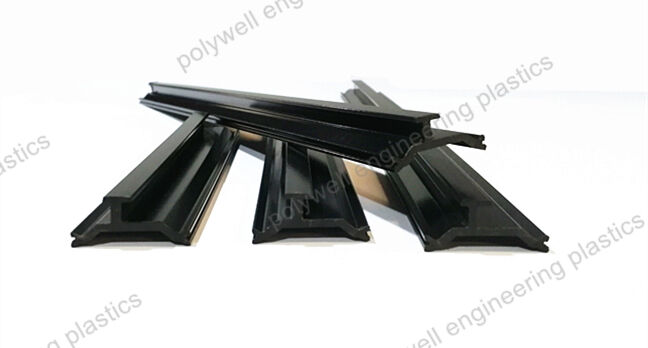
For companies manufacturing thermal barrier strips, laser marking is an investment in brand identity. A clear, high quality mark acts as a guarantee of quality to the end user, whether they are a window fabricator or an architect. It protects the company's brand from counterfeits and provides a clear audit trail in the event of quality disputes. Furthermore, the efficiency gains provided by high speed laser marking directly contribute to lower operational costs and higher profit margins. By adopting such advanced technology, manufacturers not only improve their current processes but also position themselves as leaders in the high end window component market, ready to meet the strict demands of modern building regulations.

 Hot News
 EN
EN