The Critical Importance of Surface Finish in Thermal Barrier Applications
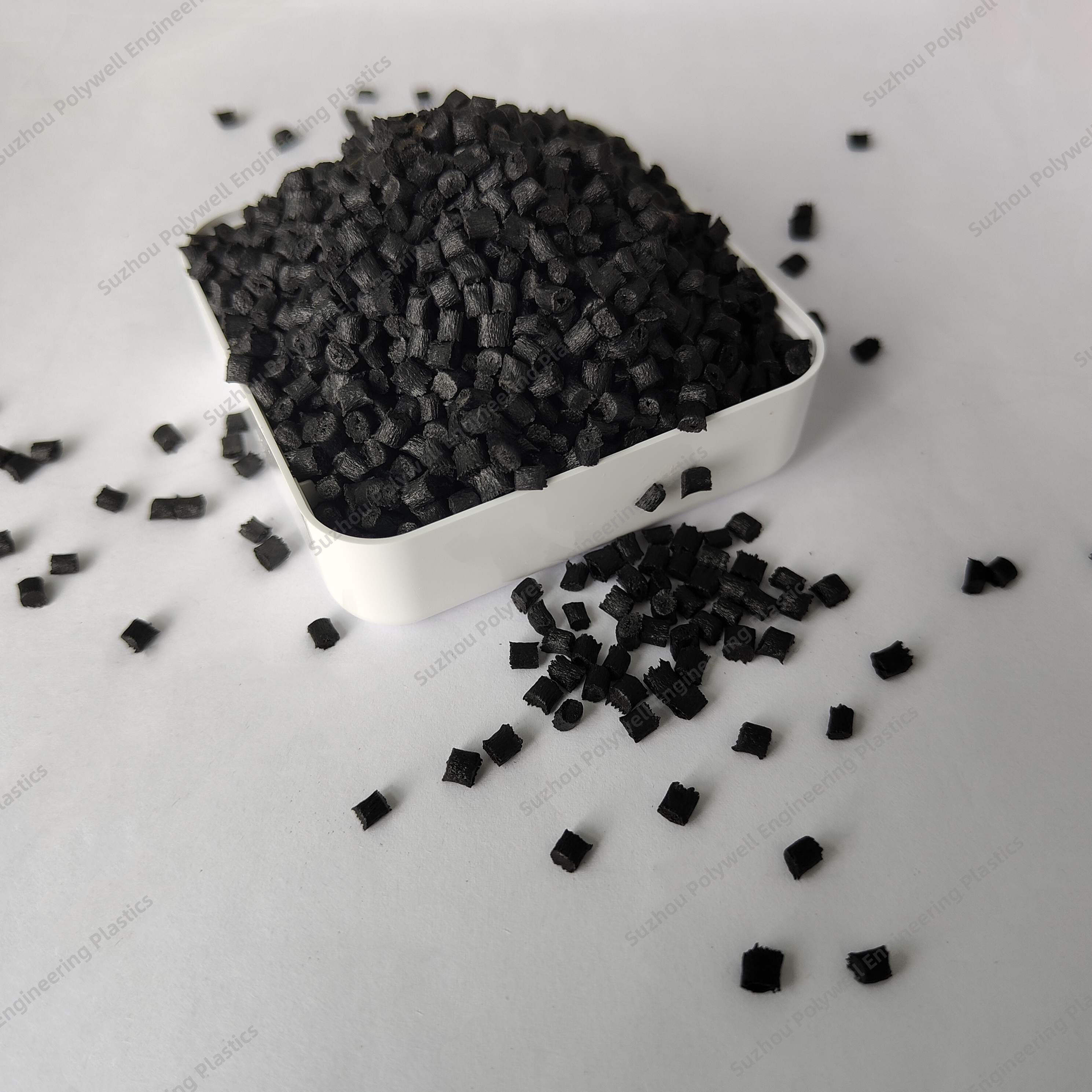
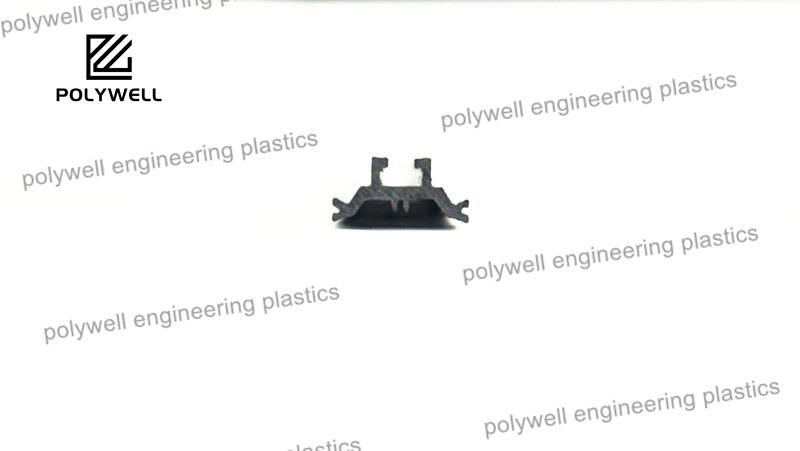
In the world of high performance window systems, the visual and physical quality of the polyamide thermal break strip is paramount. Beyond its primary function of preventing heat transfer, the strip must have a flawless surface to ensure a perfect fit into the aluminum profile. A poor surface finish can lead to friction during the insertion process, potentially damaging the aluminum or the strip itself. Through years of technical support and on site troubleshooting, Polywell have identified that surface quality is a direct reflection of the thermal and pressure stability within the extrusion process. Achieving a smooth, glossy, and dimensionally accurate finish requires a deep understanding of the polymer melt behavior as it exits the die.
Temperature Control as the Foundation of Excellence
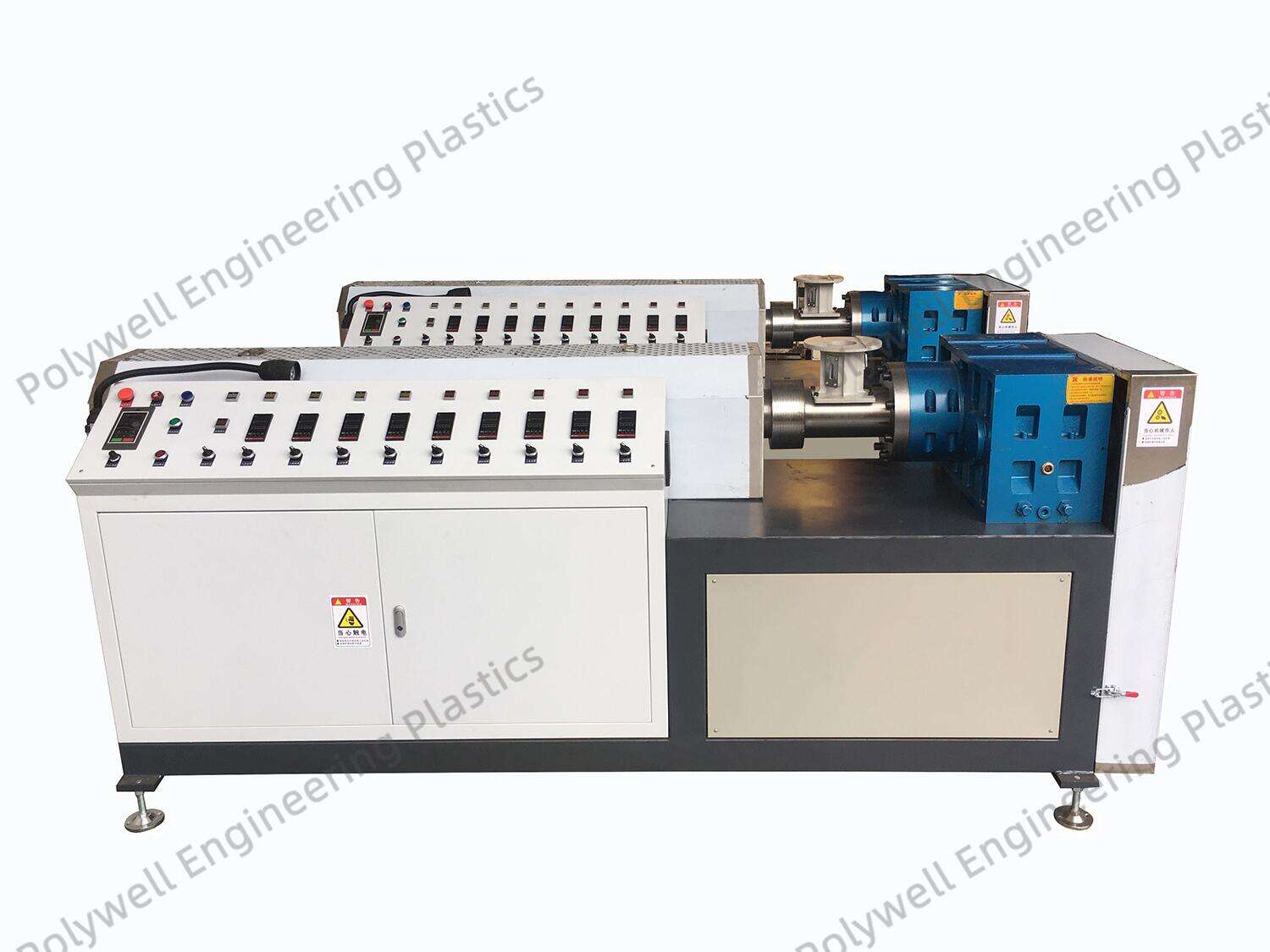
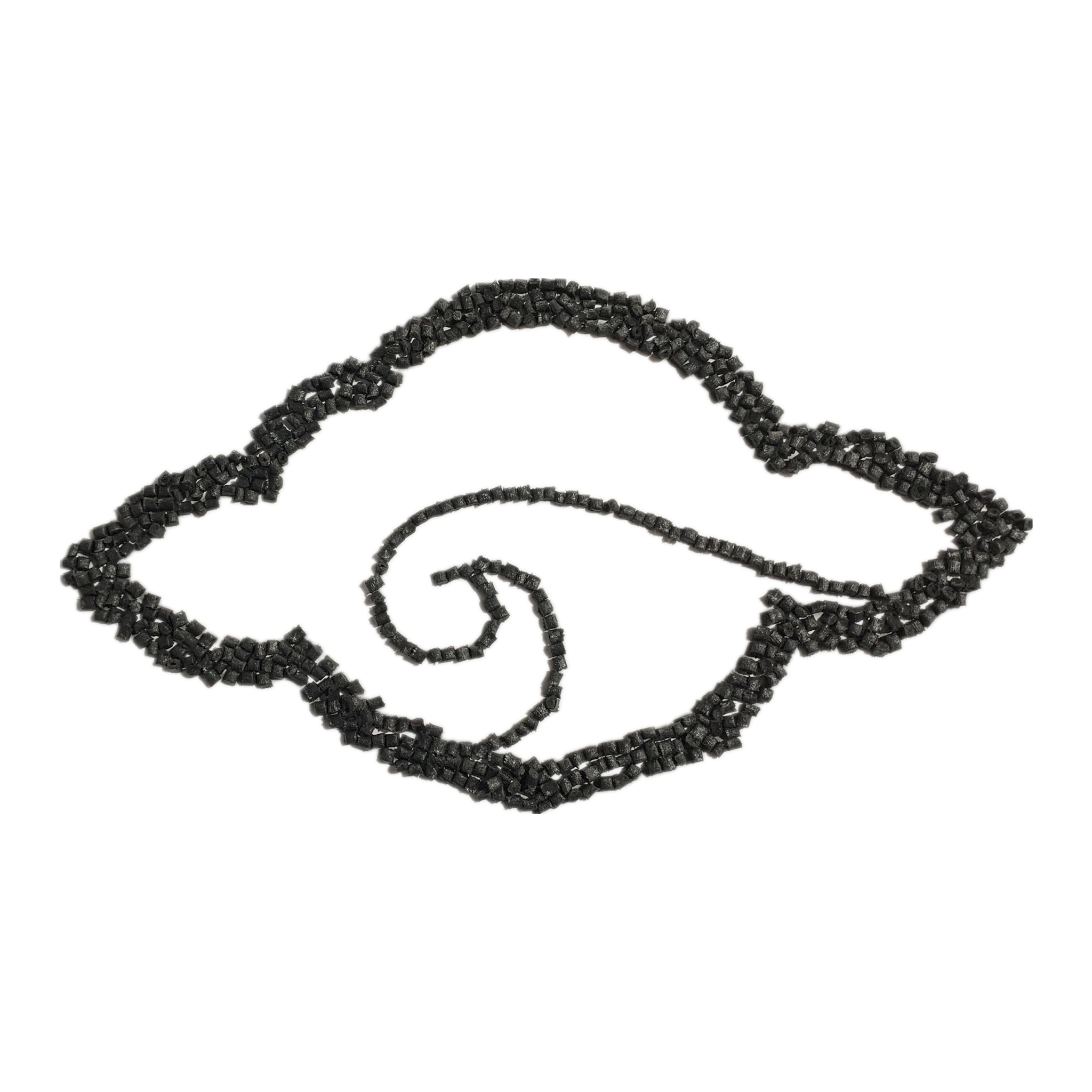
The most influential factor in achieving a superior surface finish is precise temperature management. Polyamide 66 is sensitive to thermal degradation, and if the temperature profile along the extruder barrel is not optimized, the material will not flow uniformly. We often see manufacturers struggling with "shark skin" effects or matte patches, which are telltale signs of incorrect melt temperatures. By fine tuning the heating zones—especially near the die head—one can ensure that the polyamide maintains an optimal viscosity. It is not just about having a high end extruder; it is about having the technical expertise to calibrate that extruder for the specific grade of granules being used. This level of process control is what separates high volume, low quality production from high end manufacturing.
Optimizing Die Design and Maintenance
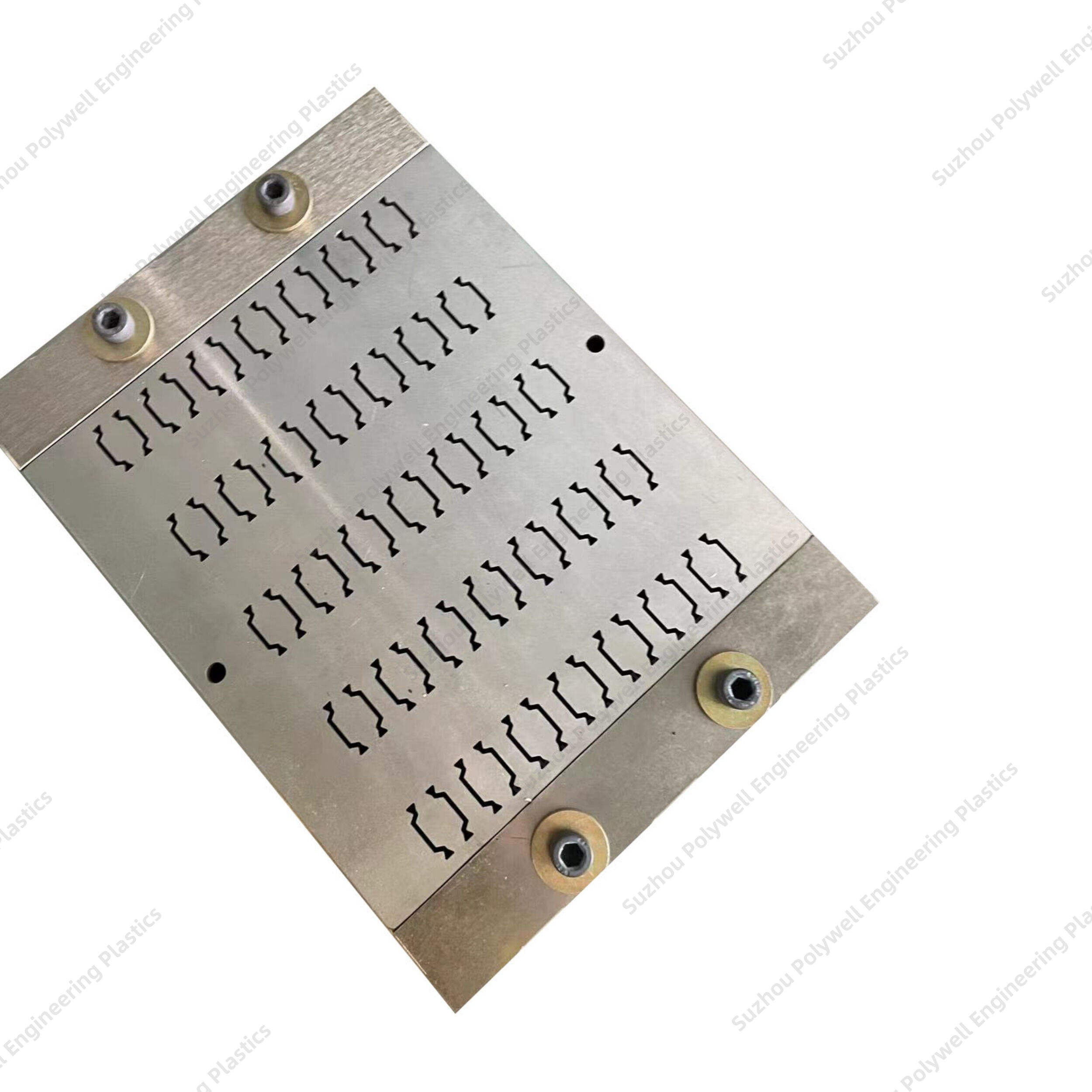
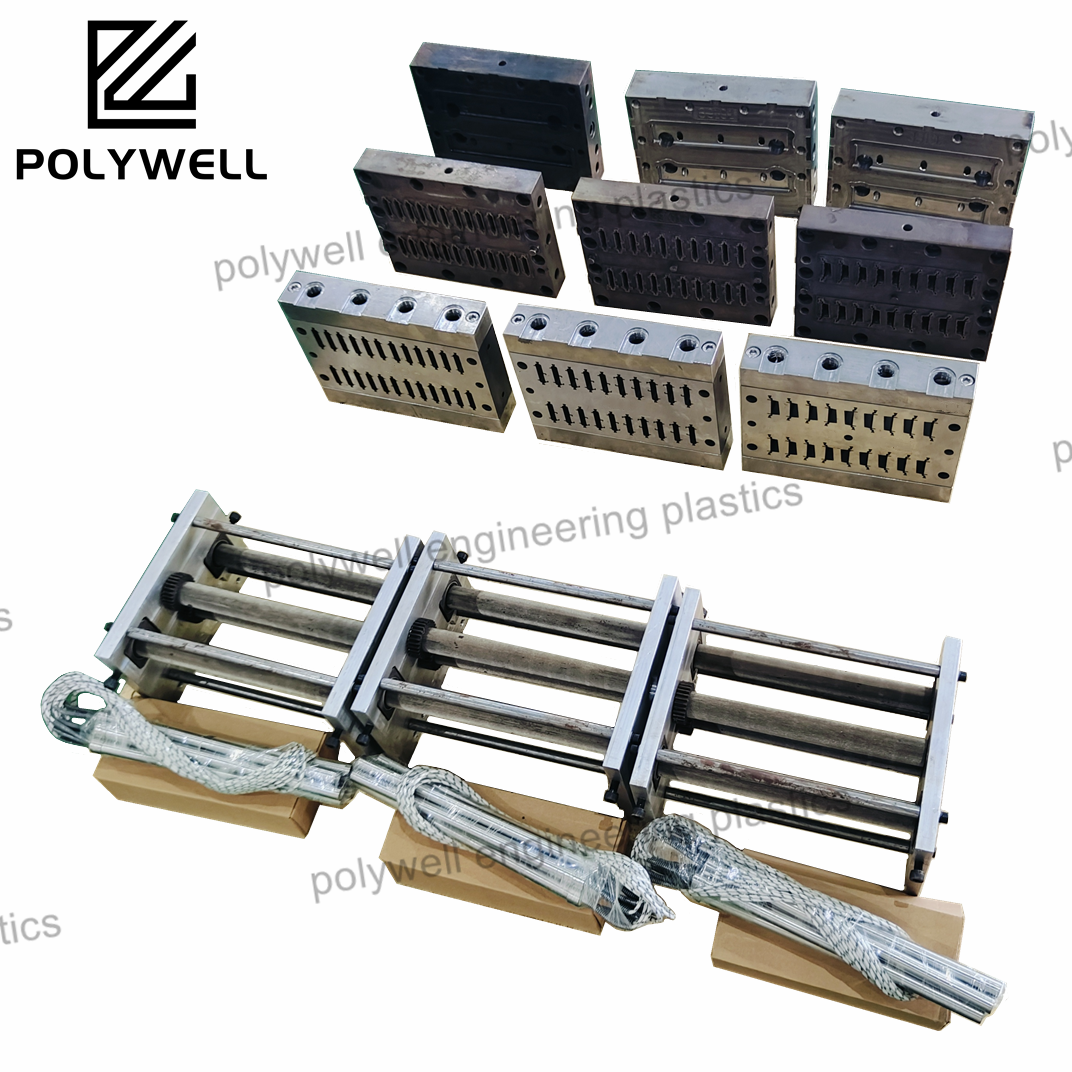
The die is the sculptor of the thermal break strip. Even with perfect raw materials and temperature settings, a worn or poorly designed die will result in inconsistent surface textures. The internal flow channels of the die must be polished to a mirror finish to minimize shear stress. Over time, residue can build up, disrupting the flow and causing streaks on the finished product. Expert maintenance and the use of high precision, DFM verified molds are essential. At Polywell, we advocate for a proactive approach where die condition is monitored as strictly as the extruder output. When the die surfaces are kept in peak condition, the resulting strips emerge with the smooth, consistent finish that top tier architectural projects demand.
The Role of Cooling and Pulling Speeds
Once the profile exits the die, the cooling process takes over. Rapid, uneven cooling can shock the material, causing surface cracks or bowing. The cooling water temperature and the airflow around the strip must be managed to create a gradual, controlled solidification. Furthermore, the synchronization between the extruder output and the puller speed is vital. If the puller exerts too much tension, the surface of the hot polymer can stretch, leading to unwanted texture changes. Achieving the perfect balance requires consistent, high quality pulling equipment that can handle the strip with precision. Manufacturers that master the synchronization between temperature, flow rate, and tension consistently produce the highest quality components for their clients.
Driving Commercial Success Through Quality
Providing high quality, perfectly finished polyamide strips is a powerful market differentiator. Architects and contractors increasingly look for components that not only perform well thermally but also meet strict aesthetic and assembly standards. By focusing on extrusion process optimization, manufacturers can reduce material waste, minimize rework, and build a reputation for reliability. Investing in the right technology—and more importantly, the right expertise—is the most effective way to scale production while maintaining premium quality. Companies like Polywell recognize that the true value lies in providing a holistic solution, from the raw granules to the extruder and the mold, ensuring that every link in the production chain contributes to an exceptional final product.

 Hot News

 EN
EN