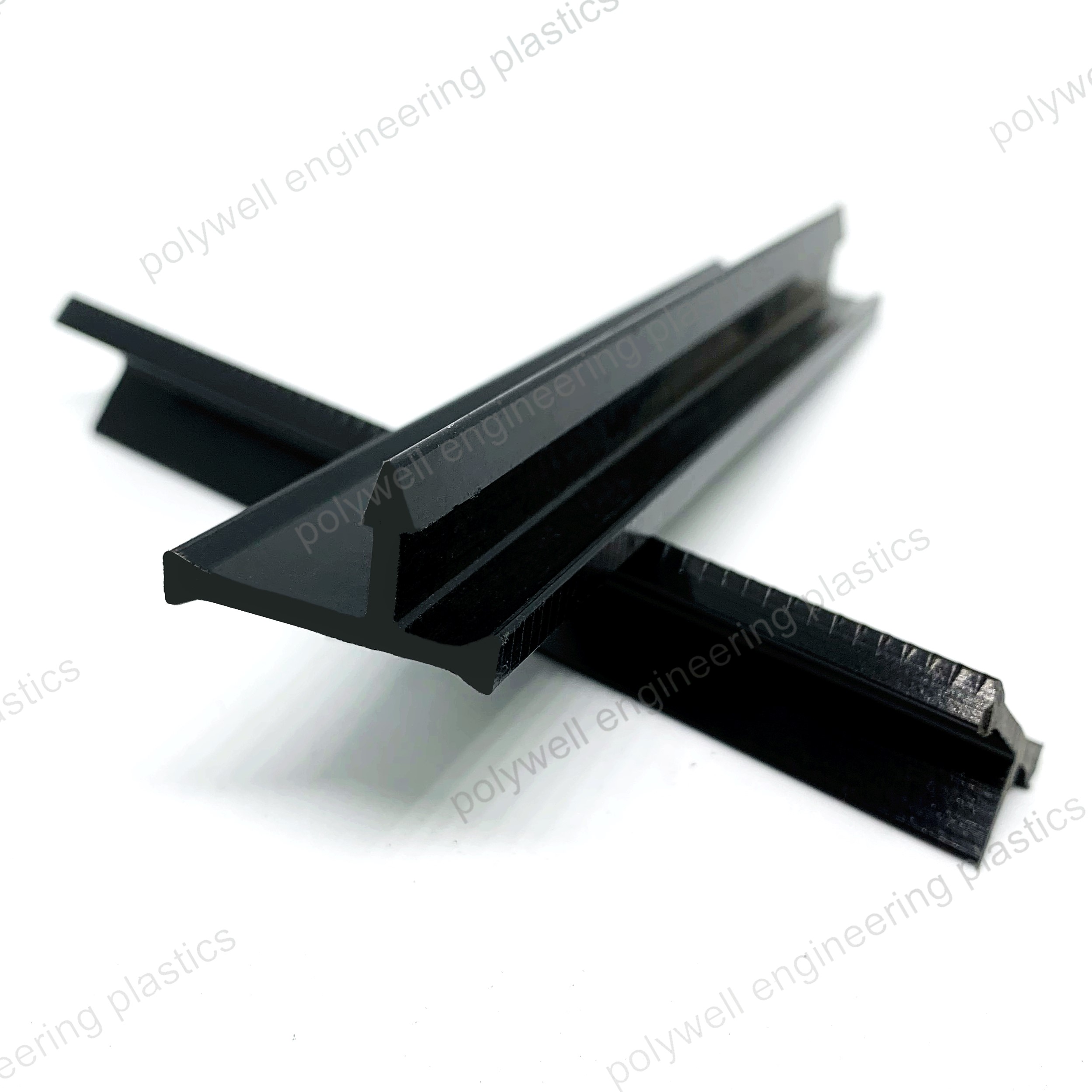
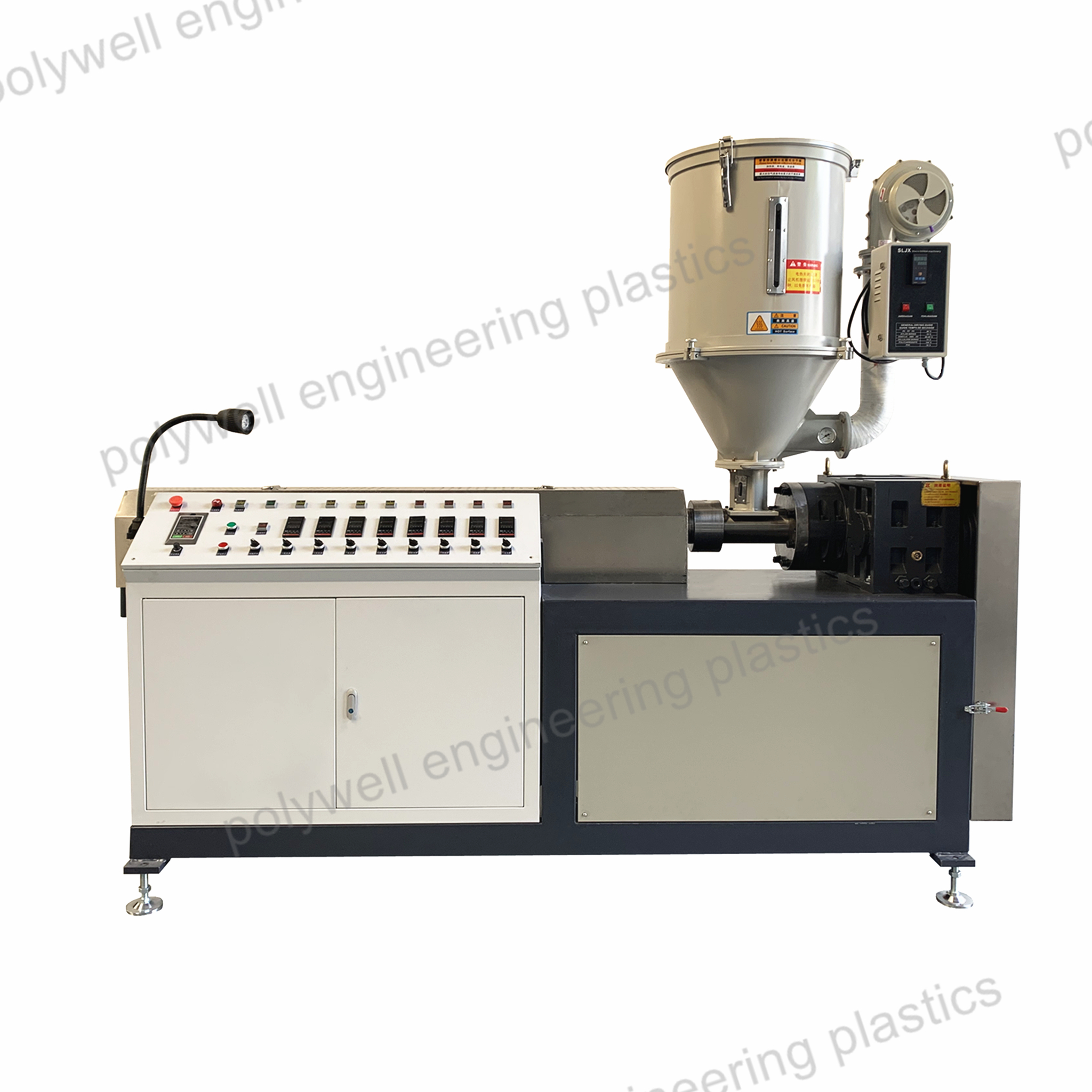
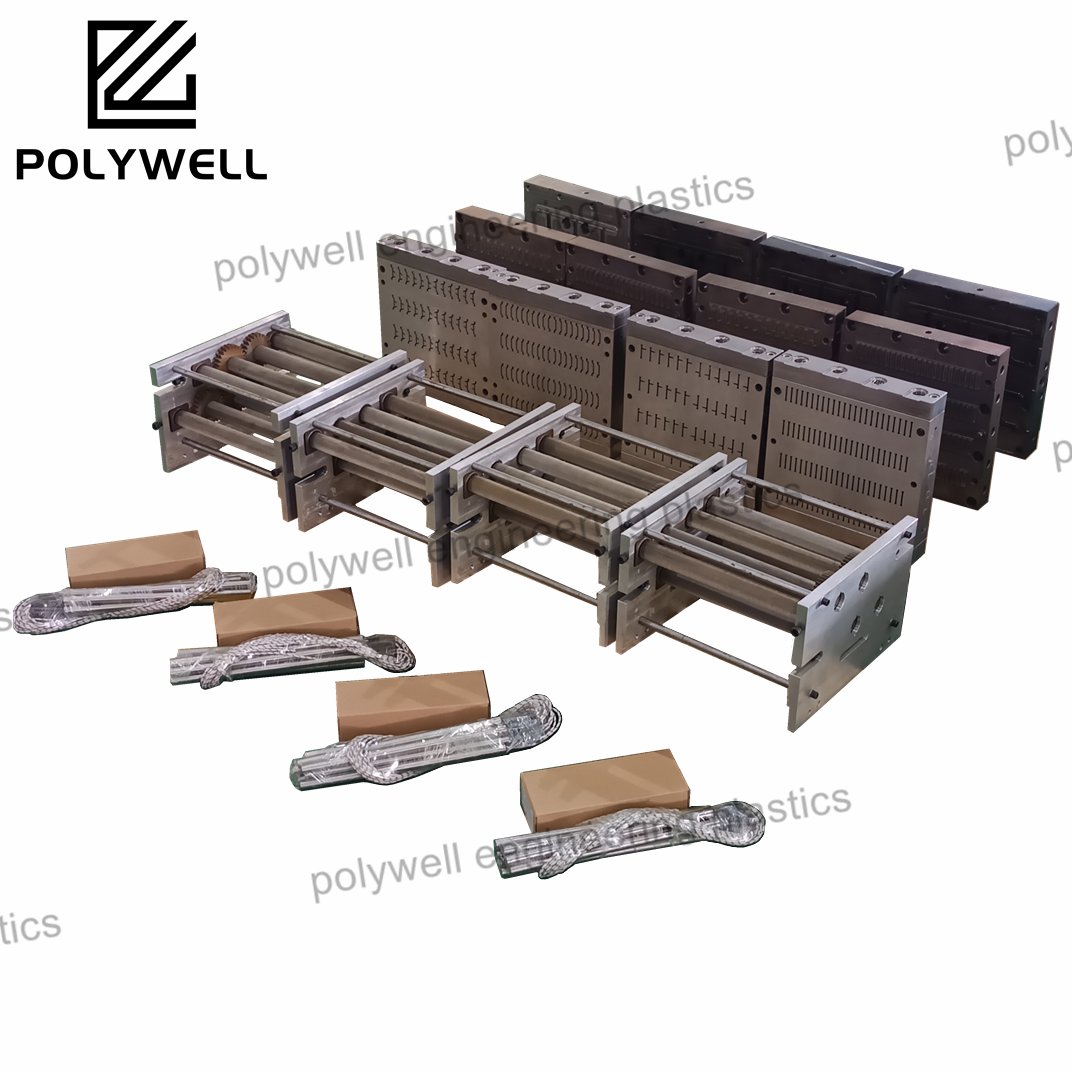
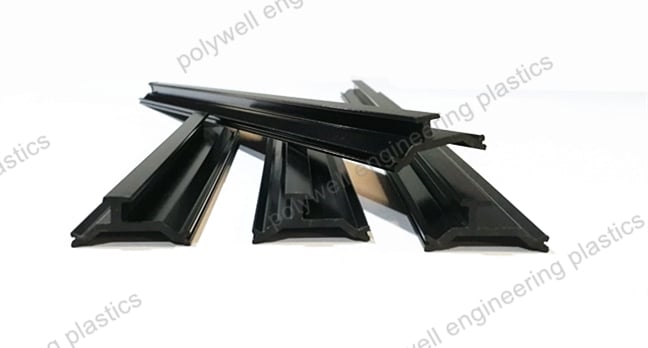
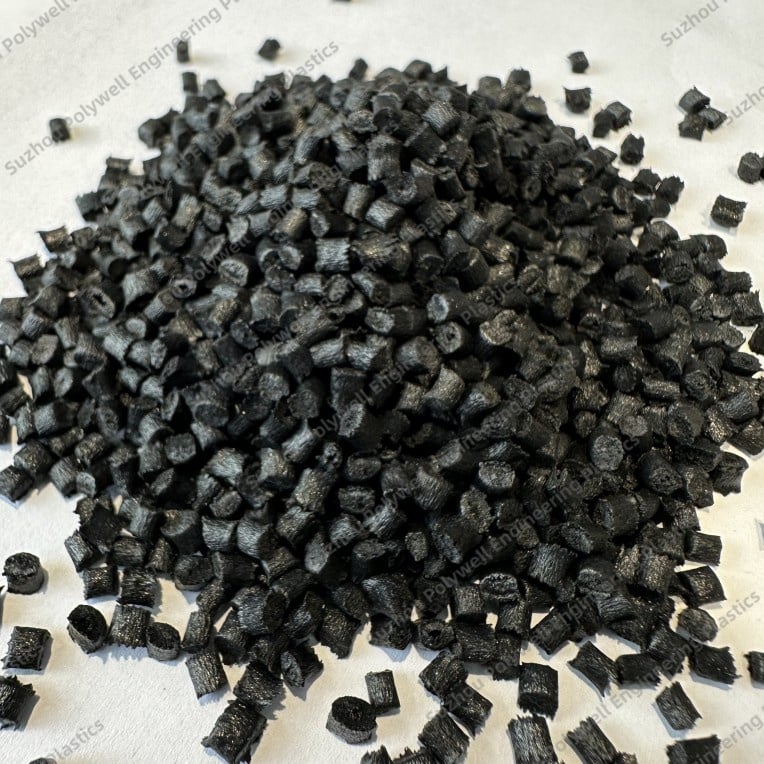
Thermal break strips play a key role in enhancing the energy efficiency and durability of doors and windows, especially in regions with large temperature changes. The core material of these strips directly affects their performance, and polyamide material has become the industry’s first choice for making high-quality thermal break strips. Our company has been researching and developing special materials for thermal break strips since 2006. After entering the international market, we realized that only selling raw materials and polyamide thermal break strips is not enough to meet customers’ needs for overall solutions. Thus, we cooperated with an extruder and mold manufacturer to establish Polywell, dedicated to providing one-stop services covering polyamide material, all products in the polyamide thermal break strips production line, and related production technology. In this blog, we will share practical methods to select the right polyamide material for durable thermal break strips.
Polyamide material is not just a common raw material; it is the core guarantee for the durability of thermal break strips. First, polyamide material has excellent thermal insulation performance. Thermal break strips made of high-quality polyamide material can effectively block heat transfer between the inside and outside of buildings, which is essential for improving the energy-saving effect of doors and windows. If the polyamide material has poor thermal insulation, the thermal break strips will fail to achieve the expected energy-saving goal. Second, polyamide material has strong mechanical strength. Thermal break strips need to bear the pressure of door and window frames and the wear of frequent opening and closing. A high-strength polyamide material can prevent the strips from cracking or deforming, ensuring long-term use. In addition, polyamide material has good aging resistance. It can resist the erosion of UV rays, rainwater, and extreme temperatures, so that the thermal break strips will not lose their performance even after being used outdoors for many years. Therefore, choosing the right polyamide material is the first step to produce durable thermal break strips.
When selecting polyamide material for thermal break strips, you need to focus on the following key factors to ensure its suitability and durability.
The mechanical strength of polyamide material directly determines the load-bearing capacity and anti-deformation ability of thermal break strips. You should check the tensile strength and impact resistance of the polyamide material. For example, in high-rise buildings, the door and window frames are heavier, so the thermal break strips need to use polyamide material with higher tensile strength to avoid breaking due to excessive weight. If the polyamide material has low mechanical strength, the thermal break strips may be damaged during installation or use, increasing maintenance costs.
Thermal stability is another important indicator of polyamide material. Thermal break strips are used in various climates, from cold winter to hot summer. The polyamide material should remain stable in a wide temperature range (usually -40°C to 80°C). If the polyamide material softens at high temperatures or becomes brittle at low temperatures, the thermal break strips will lose their structural stability and thermal insulation performance. You can test the thermal stability of the polyamide material by simulating extreme temperature environments to ensure it meets the actual use needs.
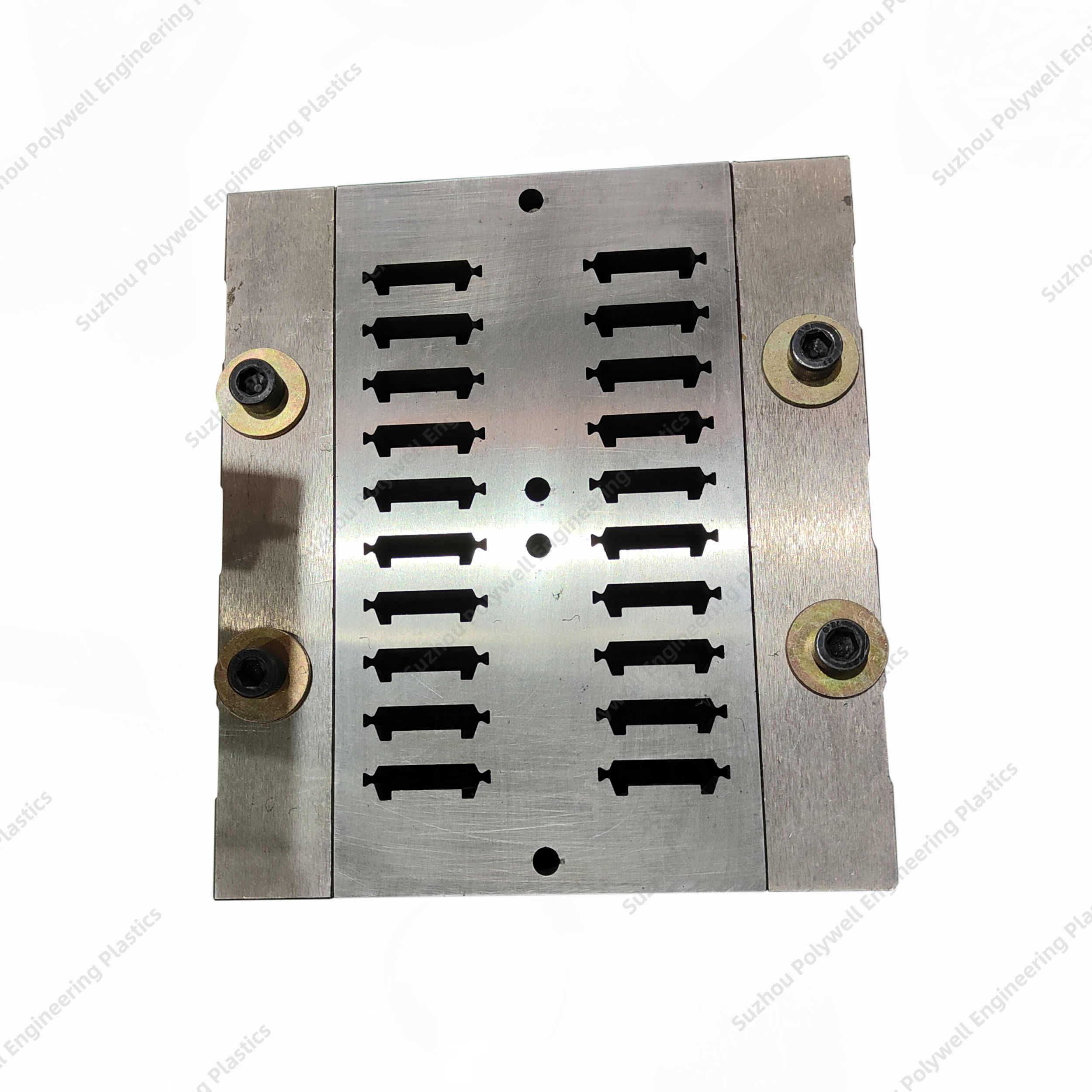
As a provider of one-stop services, Polywell knows that the compatibility between polyamide material and extruders, molds is crucial for smooth production. The polyamide material should have appropriate fluidity, so that it can be evenly extruded into the shape of thermal break strips during the extrusion process. If the polyamide material has poor fluidity, it will cause blockage in the extruder or uneven thickness of the strips, resulting in defective products. Therefore, when selecting polyamide material, you should confirm its compatibility with your existing extruders and molds, or consult professional teams like Polywell to get matching suggestions.
Thermal break strips may come into contact with cleaning agents, paints, or other chemical substances during use. The polyamide material should have good chemical resistance to avoid being corroded and losing its performance. For example, if the polyamide material is easily corroded by common cleaning agents, the surface of the thermal break strips will be damaged, affecting both appearance and durability. You can test the chemical resistance of the polyamide material by contacting it with common chemicals to ensure it can withstand daily chemical erosion.
To avoid buying low-quality polyamide material, you need to use practical methods to verify its quality before purchase.
Reputable polyamide material suppliers will provide industry certifications, such as certifications for thermal insulation performance, mechanical strength, and environmental protection. These certifications are issued by authoritative institutions and can prove that the polyamide material meets international or national standards. For example, if the polyamide material has passed the thermal insulation certification, it means its thermal insulation performance has been tested and recognized. You should ask the supplier to provide these certifications and verify their authenticity to ensure the quality of the polyamide material.
Sample testing is a direct and effective way to verify the quality of polyamide material. You can take a small sample of the polyamide material and conduct tests in a laboratory, such as tensile strength test, impact test, and thermal stability test. For the tensile strength test, you can pull the sample until it breaks to check the maximum force it can bear. For the thermal stability test, you can place the sample in a high-temperature oven and a low-temperature freezer alternately to observe whether it deforms or cracks. Through these tests, you can intuitively understand the performance of the polyamide material.
Our company has more than 15 years of experience in researching and developing polyamide material for thermal break strips. As part of Polywell, we not only provide high-quality polyamide material but also offer professional technical support. We can help you analyze the performance of different polyamide materials and recommend the most suitable one according to your production needs and market positioning. Relying on the experience of such professional suppliers can help you avoid the risk of choosing the wrong polyamide material.
Choosing the right polyamide material brings multiple benefits to your thermal break strips business.
First, it improves the quality and reputation of your products. Durable thermal break strips made of high-quality polyamide material can win the trust of customers, increase customer loyalty, and help you gain a good reputation in the market.
Second, it reduces production costs. High-quality polyamide material has stable performance, which can reduce the number of defective products during production, avoid the waste of raw materials and production time, and thus lower production costs.
Third, it enhances market competitiveness. In the current market, customers pay more and more attention to the durability and energy-saving performance of doors and windows. Using high-quality polyamide material to produce thermal break strips can make your products stand out from competitors and attract more customers.
Finally, it supports long-term business development. With high-quality products, you can expand your market share, establish long-term cooperative relationships with customers, and lay a solid foundation for the long-term development of your business.
Selecting the right polyamide material is crucial for producing durable thermal break strips. From understanding the importance of polyamide material to evaluating key factors, verifying quality, and enjoying the benefits of the right choice, every step is closely related to the success of your business. Our company, with years of R&D experience, and Polywell’s one-stop service, is committed to providing you with high-quality polyamide material and comprehensive support. By choosing the right polyamide material, you can not only produce high-performance thermal break strips but also achieve better development in the industry.
 Hot News
POLYWELL specializes in PA66 thermal insulation strips, offering polyamide granules, extruders, molds, winding machines, and comprehensive one-stop customization services.
Jinfeng Town, Zhangjiagang City, Suzhou City, Jiangsu Province, China
Copyright © 2024 Suzhou Polywell Engineering Plastics Co.,Ltd Privacy Policy

 EN
EN