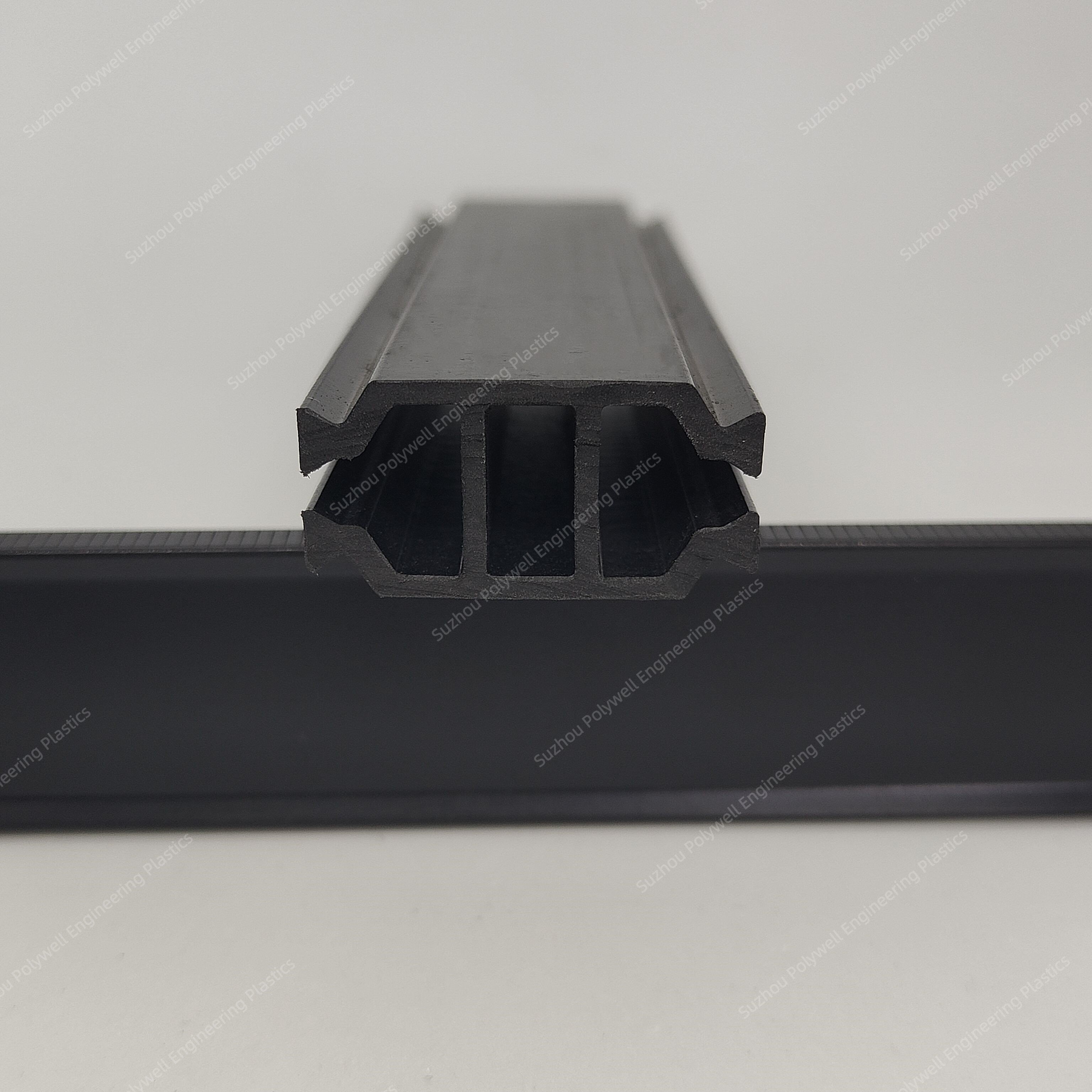
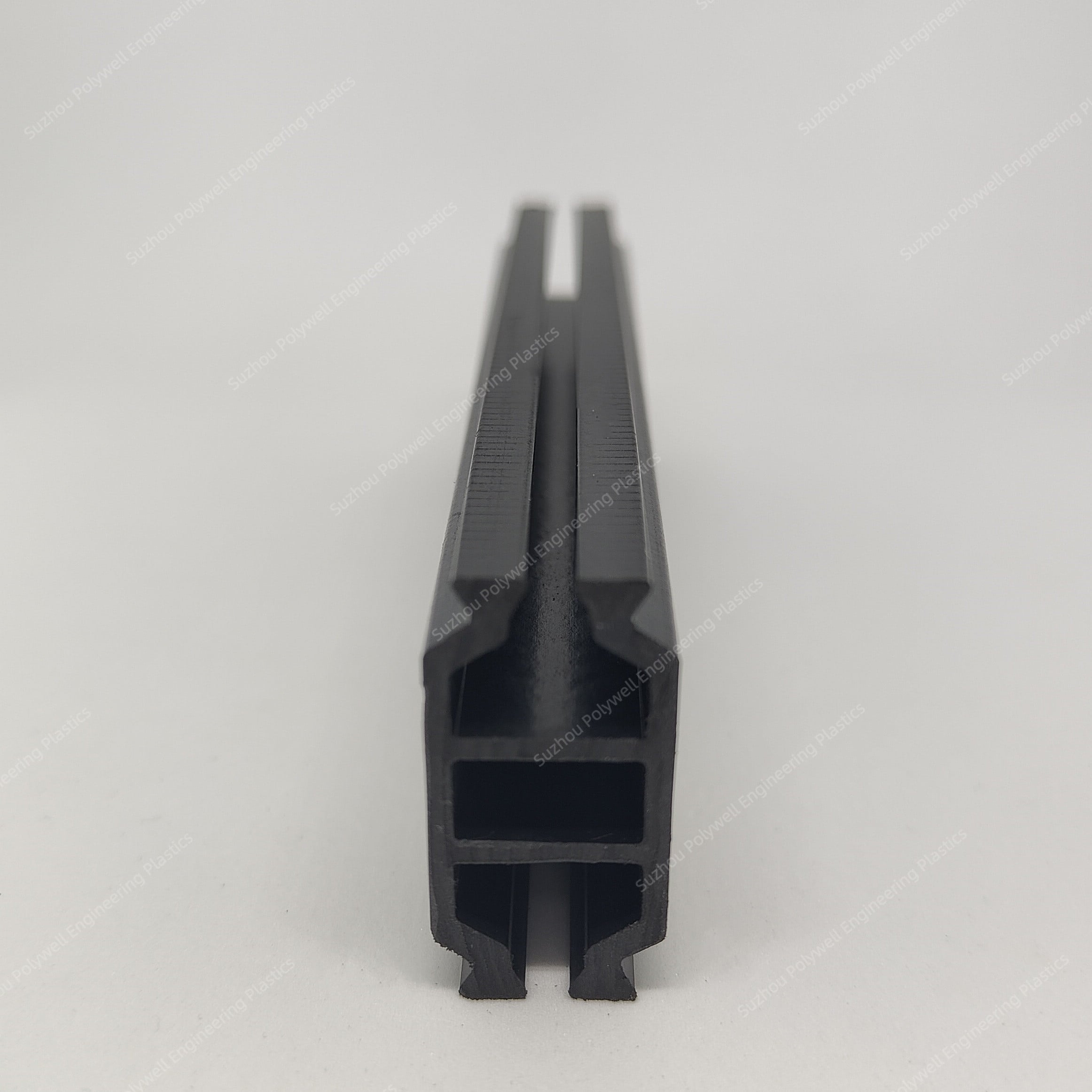
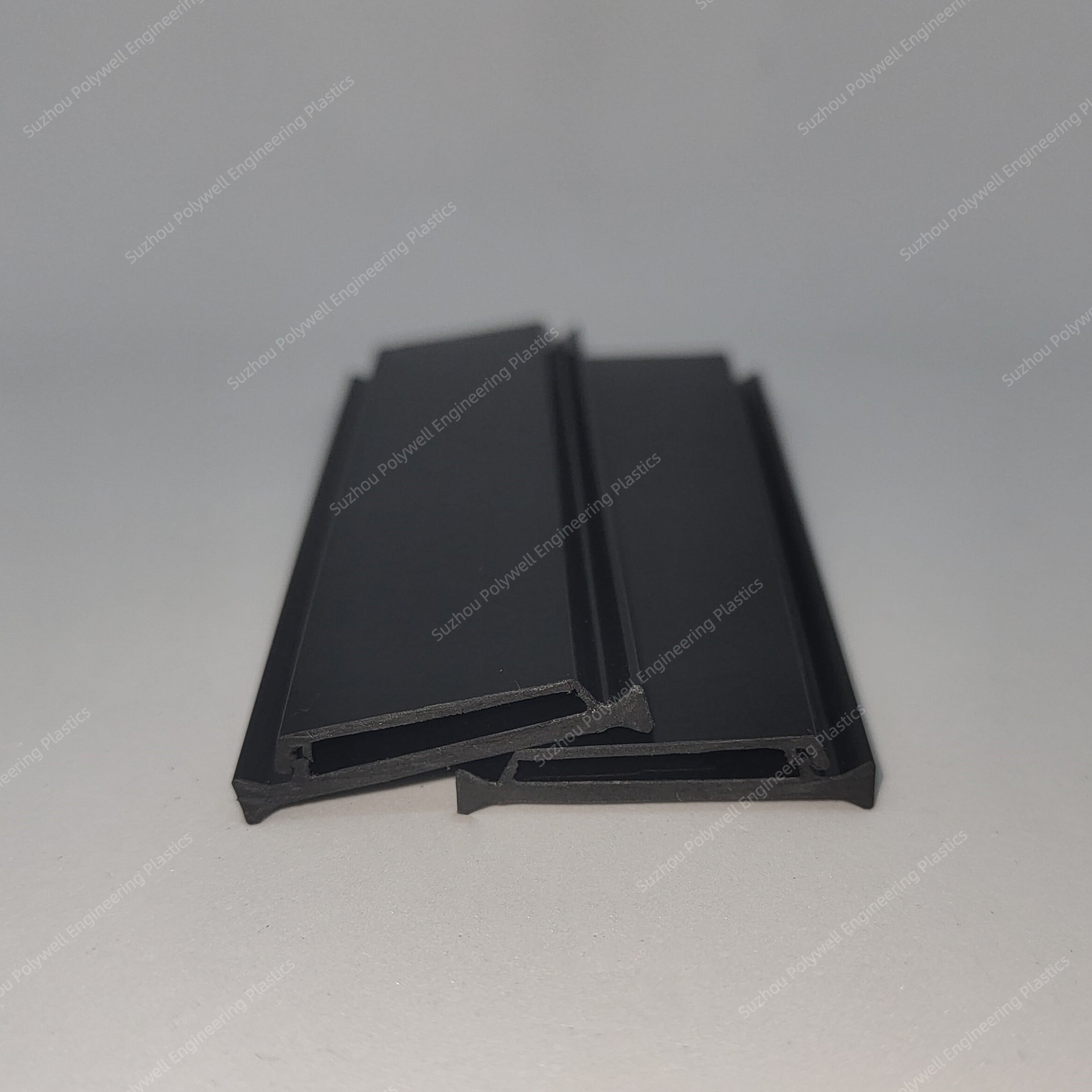
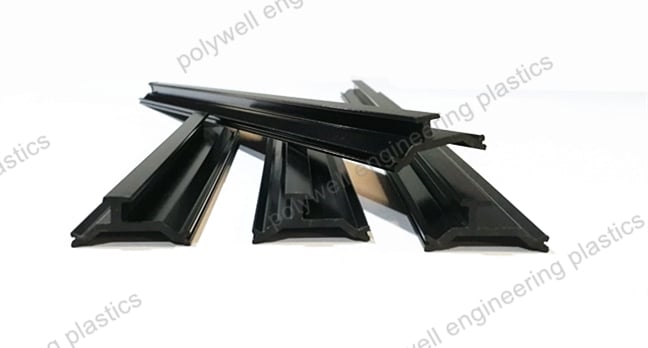
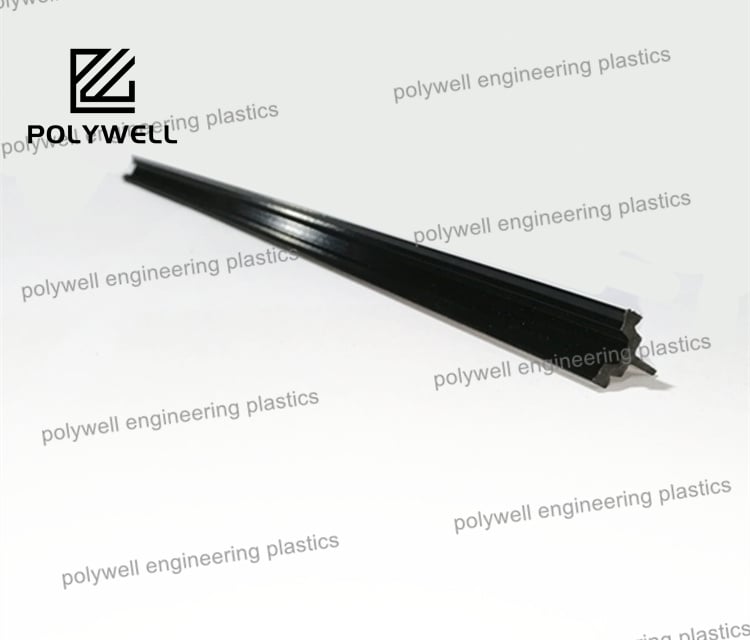
Extrusion die blockages are a major headache for thermal barrier strip manufacturers—they stop production, waste materials, and damage equipment. As a thermal break strip manufacturer with R&D experience since 2006, we’ve encountered and solved countless extrusion die blockage issues. Through our one stop service (built with our mold manufacturing partner to form Polywell), we integrate optimized extrusion die design, high-quality raw materials, and technical support to help customers prevent and resolve blockages, keeping production smooth.
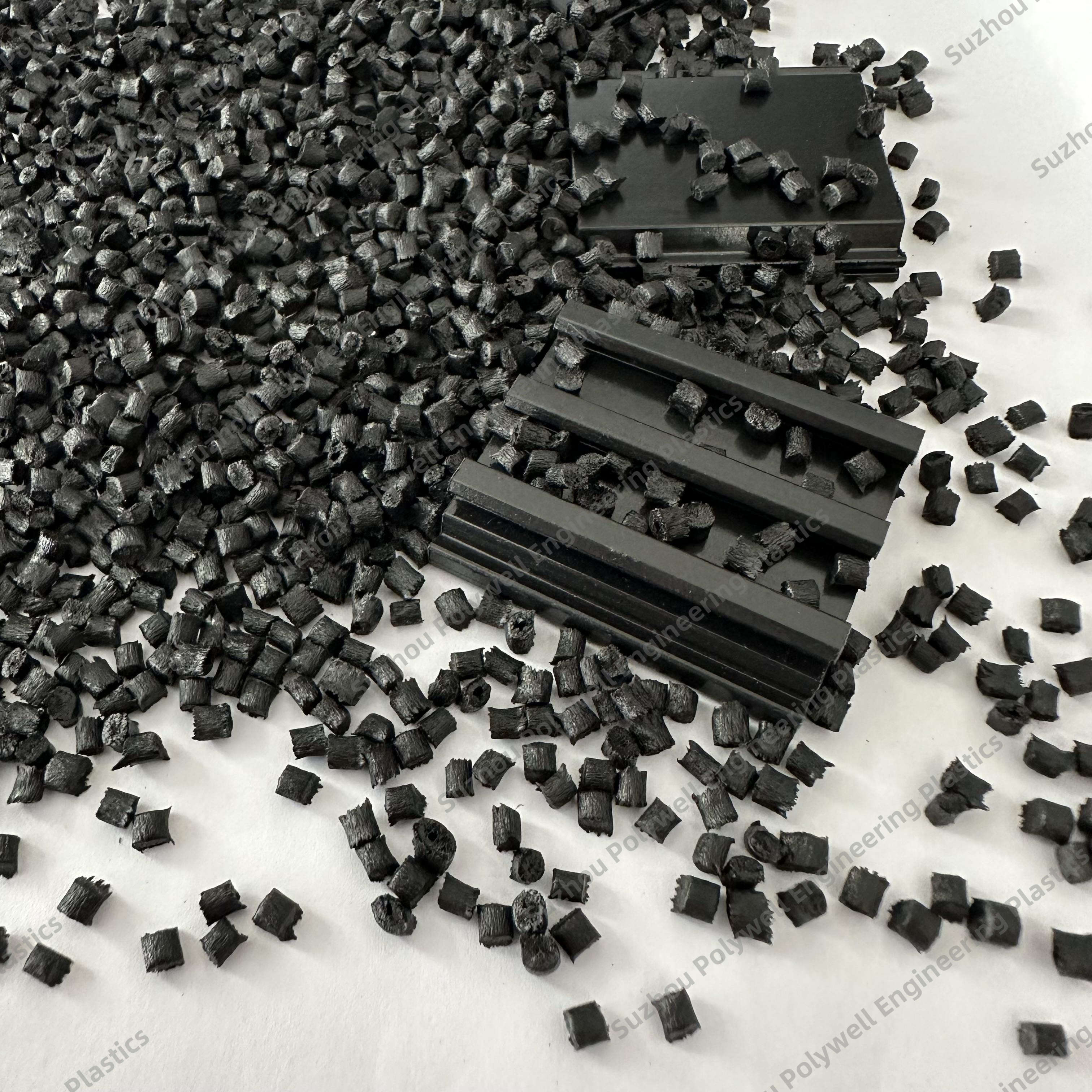
The most frequent cause of extrusion die blockages is impurities in polyamide granules. Dust, small metal shavings, or unmelted polymer lumps can get stuck in the extrusion die’s narrow flow channels, blocking melt flow. This problem is worse with low-quality granules—especially those made by single-screw granulators, which fail to filter out impurities. Our polyamide granules, however, are produced with twin-screw extruders: the twin screws not only disperse glass fibers evenly into the polymer (forming a strong network structure) but also pass through a 120-mesh filter to remove all impurities larger than 0.12mm. This ensures the granules fed into the single-screw extruder (the only equipment for thermal barrier strip production) are clean, reducing extrusion die blockages by 80%.
Extrusion die blockages often happen when the single-screw extruder and extrusion die are mismatched. If the extruder’s output speed is too fast for the extrusion die’s flow capacity, or if the die’s temperature is too low to maintain melt fluidity, polyamide can solidify in the die’s channels. For example, a single-screw extruder running at 60 rpm with an extrusion die designed for 40 rpm will push too much melt into the die, causing backflow and solidification. Our one stop service avoids this: we customize single-screw extruders and extrusion dies as a pair, matching the extruder’s output (3-5 kg/h for thermal barrier strips) to the die’s flow channel volume. We also equip the extrusion die with a multi-zone temperature control system (set to 230-245°C for PA66), ensuring the melt stays fluid and doesn’t solidify in the die.
Over time, polyamide residue can accumulate in the extrusion die’s flow channels and die lip, narrowing the passage and eventually causing blockages. This happens when manufacturers use harsh cleaning agents (which leave residues) or skip regular die disassembly. Polyamide residue is especially sticky when cooled, and if not removed, it mixes with new melt and forms hard clumps that block the die. Our experience shows that extrusion dies cleaned only once a month are 3 times more likely to block than those cleaned weekly.
The first step to resolve blockages is to use clean, high-quality granules—and our twin-screw granulation is the solution. Our twin-screw extruders have a built-in magnetic separator that removes metal impurities and a fine filter that catches dust and unmelted particles. As part of our one stop service, we supply these granules directly to customers, ensuring they’re compatible with our extrusion dies. For customers who already have blockages, we recommend replacing low-quality granules with our twin-screw granulated ones—this simple switch resolves 60% of extrusion die blockage issues within a week.
Since only single-screw extruders can produce thermal barrier strips, matching them to the extrusion die is critical for resolving blockages. If a blockage occurs due to mismatched speed or temperature, we adjust the single-screw extruder’s parameters first: reduce the speed to match the extrusion die’s capacity (e.g., from 50 rpm to 40 rpm) and increase the die’s temperature by 5-10°C to melt any solidified polyamide. Our single-screw extruders have a digital control panel that lets operators fine-tune these parameters in real time. For severe blockages, we disassemble the extrusion die and use our specialized cleaning agent (designed for polyamide residue) to dissolve buildup—this agent is non-corrosive, so it doesn’t damage the die’s precision surfaces.
Regular cleaning is key to resolving and preventing extrusion die blockages. Our one stop service includes training customers on proper die maintenance: after 8-10 hours of production, stop the single-screw extruder, remove the extrusion die, and use a brass brush (to avoid scratching the die) to wipe away surface residue. Every two weeks, perform a deep clean: soak the die in our cleaning agent for 2 hours, then rinse with hot water (80-90°C) and dry with compressed air. We also provide a maintenance checklist that tracks cleaning frequency and die performance—this helps customers catch small residue buildup before it becomes a blockage.
Our extrusion dies are custom-designed to minimize blockages. Unlike standard dies with narrow, sharp flow channels, our dies have widened channels (1.2 times the width of standard dies) and rounded corners (radius ≥5mm) to reduce melt resistance and prevent residue buildup. The die lip—where blockages often start—is polished to a roughness of Ra 0.4μm or lower, so residue can’t stick easily. We also add a small “flush port” to the die: if minor blockages occur, operators can inject a small amount of cleaning agent through this port without disassembling the die, saving production time.
When customers face extrusion die blockages, our engineers provide on-site support within 48 hours. We inspect the entire production line—from the twin-screw granulated granules to the single-screw extruder and extrusion die—to identify the root cause. For example, if a blockage is due to a damaged die filter, we replace the filter with our high-precision ones (150-mesh, compatible with our dies) and test the line to ensure no more blockages. We also train operators on how to spot early signs of blockages (e.g., reduced strip output, uneven thickness) so they can take action before production stops.
As part of our one stop service, we conduct quarterly audits of customers’ production lines. During these audits, we check the extrusion die’s flow channels for residue, the single-screw extruder’s temperature accuracy, and the granule quality. We also calibrate the extrusion die’s temperature sensors and adjust the single-screw extruder’s speed if needed. These audits prevent 90% of potential extrusion die blockages, keeping production efficient and reducing downtime.
Extrusion die blockages don’t have to be a constant problem for thermal barrier strip manufacturers. With our optimized extrusion die design, twin-screw granulated granules, compatible single-screw extruders, and one stop service, customers can resolve existing blockages and prevent new ones. Our 17 years of industry experience have taught us that the key to smooth production is integration—and we bring that integration to every part of our service, helping customers focus on making high-quality thermal barrier strips, not fixing equipment.
 Hot News
POLYWELL specializes in PA66 thermal insulation strips, offering polyamide granules, extruders, molds, winding machines, and comprehensive one-stop customization services.
Jinfeng Town, Zhangjiagang City, Suzhou City, Jiangsu Province, China
Copyright © 2024 Suzhou Polywell Engineering Plastics Co.,Ltd Privacy Policy

 EN
EN