Đối với các quản lý mua hàng và giám đốc kỹ thuật đang tìm kiếm thanh cách nhiệt polyamide, độ chính xác về kích thước không chỉ đơn thuần là một thông số kỹ thuật trên bảng dữ liệu; đây chính là điều kiện tiên quyết cơ bản để lắp ráp thành công và đảm bảo hiệu năng. Độ rộng, chiều cao và hình dạng nhất quán của thanh cách nhiệt trực tiếp quyết định mức độ ăn khớp hoàn hảo của nó vào thanh nhôm trong quá trình cán định hình. Bất kỳ sai lệch nào cũng dẫn đến các vấn đề lắp ráp, làm suy giảm độ bền cơ học và có nguy cơ xảy ra hiện tượng cầu nhiệt. Ở trung tâm của việc đạt được độ chính xác này là một thành phần then chốt nhưng thường bị đánh giá thấp: khuôn ép đùn. Việc hiệu chuẩn đúng cách khuôn ép đùn này là một nghệ thuật và khoa học tinh vi, đóng vai trò then chốt đối với tính nhất quán trong sản xuất. Bài viết này khám phá quy trình hiệu chuẩn từ góc nhìn của một khách hàng yêu cầu các linh kiện đạt tiêu chuẩn 'không lỗi', đồng thời làm rõ lý do vì sao chuyên môn này gắn bó mật thiết với việc lựa chọn nhà cung cấp có khả năng cung cấp dịch vụ trọn gói 'một điểm kết nối'.
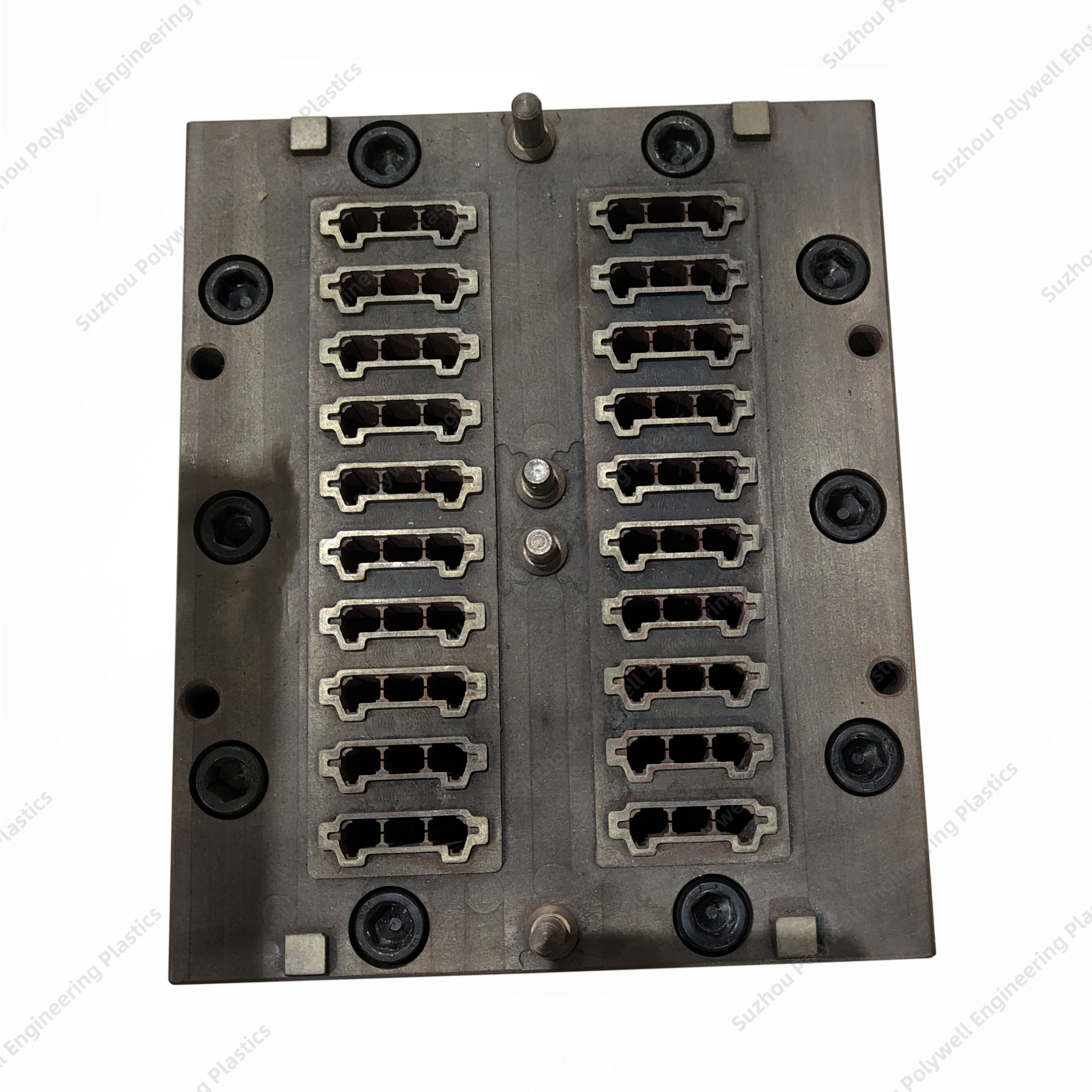
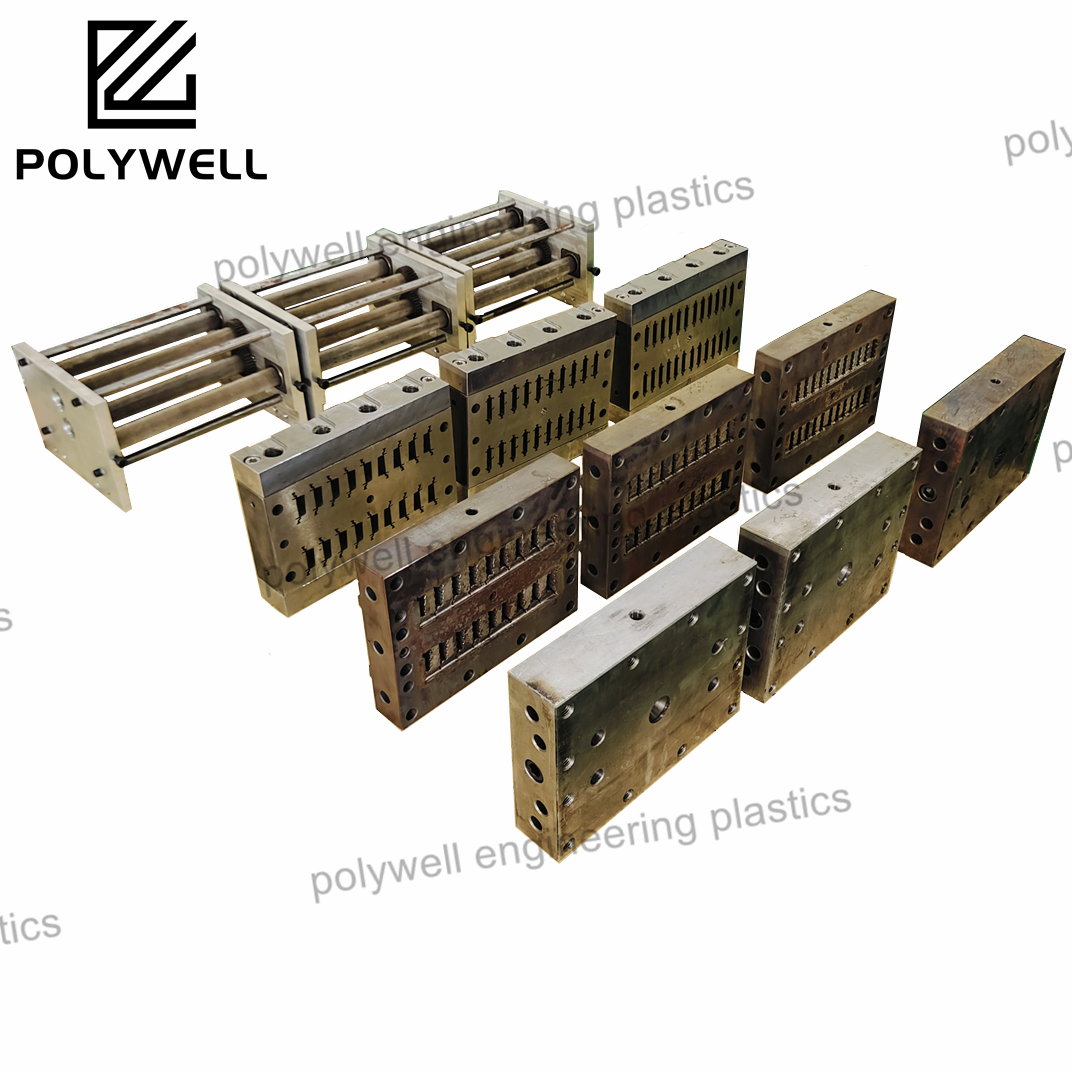
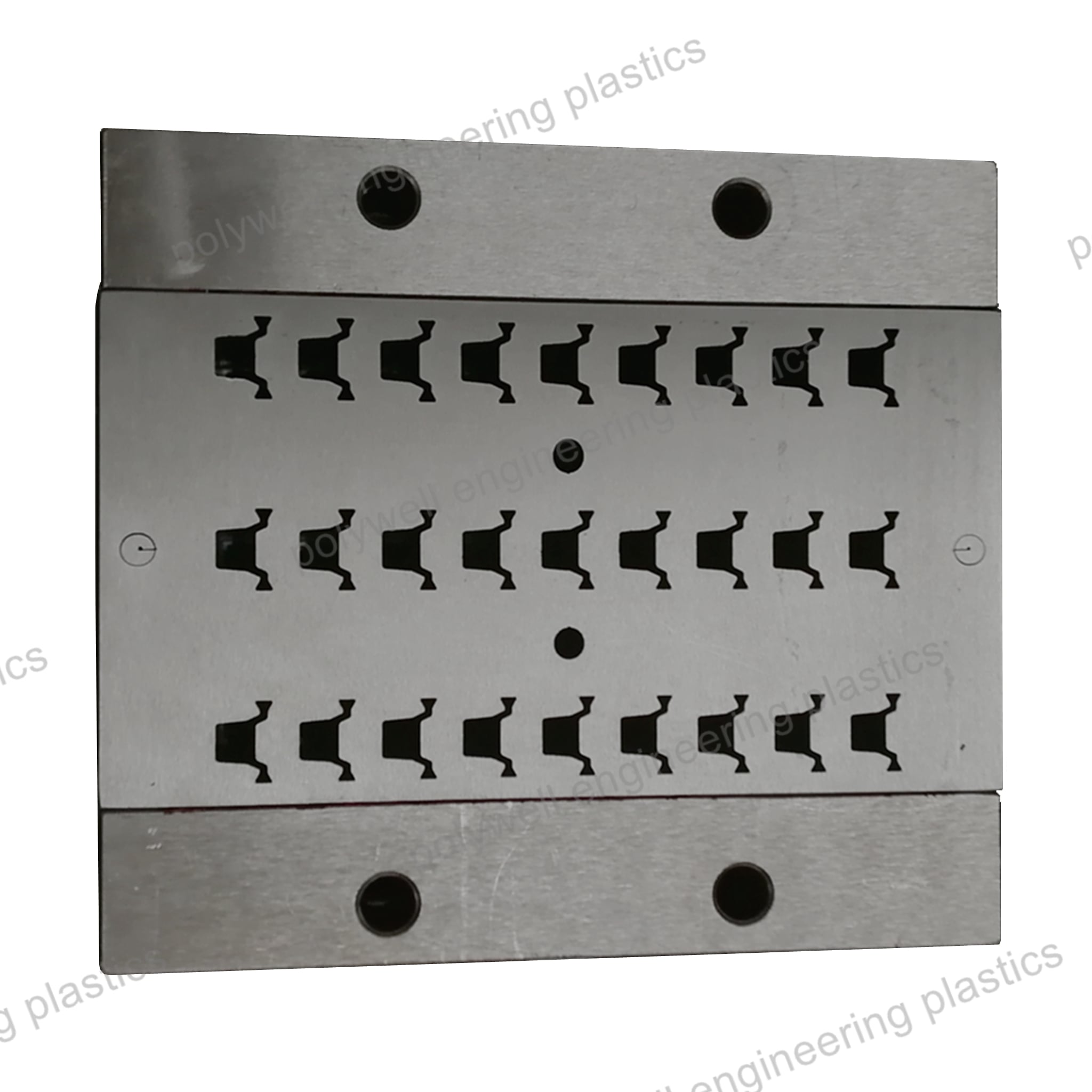
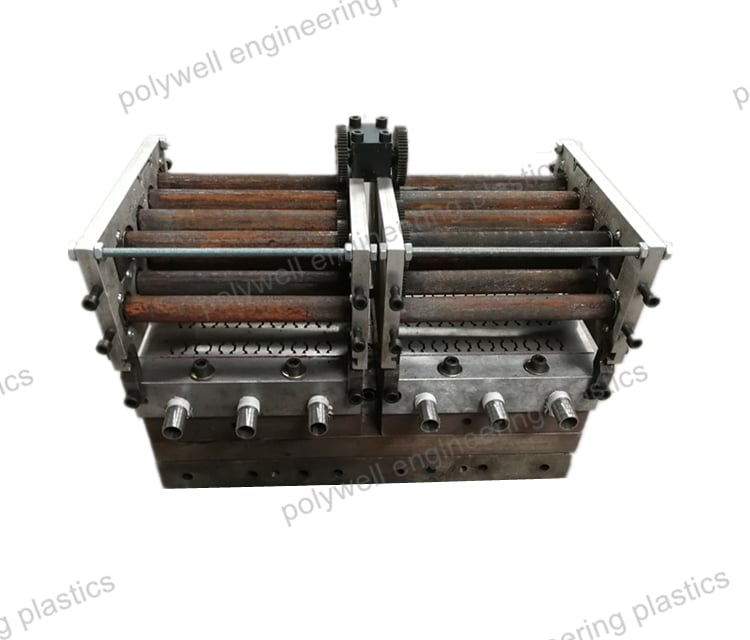
Khuôn ép đùn là công cụ định hình cuối cùng, qua đó hợp chất polyamide chứa thủy tinh ở trạng thái nóng chảy được ép ra để tạo thành dải sản phẩm liên tục. Thiết kế và tình trạng của khuôn quyết định hình dạng cuối cùng của dải sản phẩm. Tuy nhiên, dòng polymer nóng chảy thể hiện các hiện tượng như phình nở (phình khuôn) và co ngót khi thoát ra khỏi khuôn và làm nguội. Hiệu chuẩn là quá trình tỉ mỉ nhằm tính đến các đặc tính biến dạng này của vật liệu bằng cách điều chỉnh chính xác hình học bên trong và chiều dài phần làm việc (land length) của khuôn. Một khuôn ép đùn chưa được hiệu chuẩn hoặc bảo trì kém là nguyên nhân chủ yếu gây ra sự sai lệch về kích thước, dẫn đến các lô dải sản phẩm không đạt dung sai cho phép và không thể sử dụng trong các ứng dụng cửa sổ – kính đòi hỏi độ chính xác cao.
Nhiều biến số xác định cách thức thiết kế khuôn ép đùn cũng như các điều chỉnh tiếp theo cần thực hiện để đạt được các kích thước mục tiêu.
Đặc tính lưu biến cụ thể của hợp chất PA66 sợi thủy tinh là yếu tố then chốt. Một hợp chất có độ phân tán sợi thủy tinh đồng đều và tối ưu—đạt được nhờ quy trình phối trộn bằng máy ép đùn hai trục vít tiên tiến—sẽ chảy ổn định và dự đoán được hơn. Vật liệu phân tán không đồng đều hoặc kém sẽ chảy không đều qua khuôn, gây ra các vùng có mật độ khác nhau và hiện tượng phình nở không kiểm soát được, khiến việc hiệu chuẩn khuôn một cách nhất quán gần như không thể thực hiện. Chất lượng của các hạt nguyên liệu thô là nền tảng cho quá trình ép đùn ổn định.
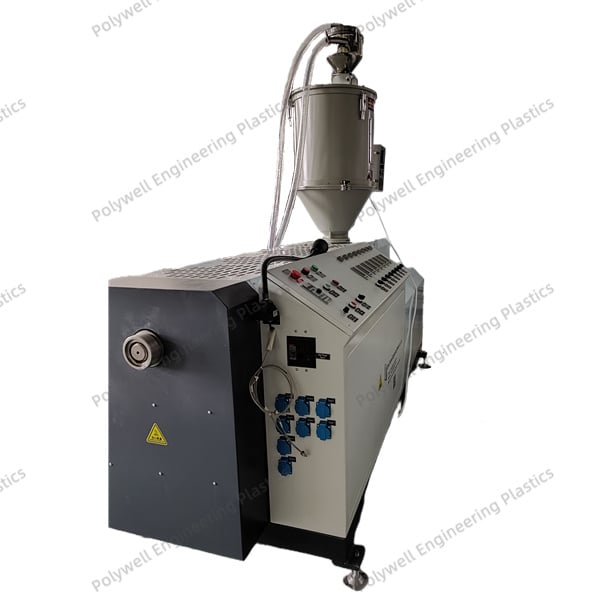
Nhiệt độ của khối nóng chảy, bản thân khuôn ép đùn và môi trường làm mát ngay lập tức phải ổn định và đồng đều. Sự biến thiên nhiệt độ ở bất kỳ vùng nhiệt nào trong số này đều gây ra tốc độ làm mát khác nhau trên toàn bộ tiết diện sản phẩm, dẫn đến hiện tượng cong vênh, xoắn hoặc co ngót không đều—những khuyết tật mà việc hiệu chuẩn khuôn không thể khắc phục hoàn toàn. Quy trình ép đùn trục vít đơn ổn định và được kiểm soát tốt là điều kiện thiết yếu để cung cấp dòng chảy nóng chảy ổn định tới khuôn.
Theo thời gian, tính chất mài mòn của sợi thủy tinh có thể gây hao mòn các bề mặt bên trong của khuôn, đặc biệt ở những khu vực yêu cầu độ chính xác cao. Sự xói mòn dần dần này làm thay đổi các đường dẫn dòng chảy, từ đó làm thay đổi chậm rãi kích thước của profile được ép ra. Việc lập lịch bảo trì và hiệu chuẩn chủ động là cần thiết để khắc phục hiện tượng hao mòn tự nhiên này.
Hiệu chuẩn khuôn ép đùn là một quá trình hệ thống và lặp đi lặp lại, nhằm kết nối giữa lý thuyết thiết kế và thực tế sản xuất.
Quá trình bắt đầu từ rất lâu trước khi khuôn được lắp đặt lên máy. Các kỹ sư sử dụng phần mềm CAD và mô phỏng dòng chảy tiên tiến để thiết kế hình học bên trong khuôn. Việc mô hình hóa dự báo này giúp dự đoán các mẫu dòng chảy, sự sụt giảm áp suất và các vùng phình tiềm ẩn, từ đó tạo ra thiết kế ban đầu tối ưu. Đây đặc biệt quan trọng đối với các dạng profile có hình dáng phức tạp.
Sau khi khuôn được lắp đặt, quá trình sản xuất được khởi động bằng hợp chất đã được kiểm định và đảm bảo độ đồng nhất. Các mẫu được lấy sau khi các quy trình làm mát và kéo ra đã ổn định. Những mẫu này được kiểm tra kỹ lưỡng về kích thước bằng các thiết bị đo chính xác như máy so sánh quang học hoặc máy quét laser. Mọi kích thước then chốt—chiều rộng chân, chiều cao cầu nối, độ sâu rãnh—đều được đo và so sánh với bản vẽ kỹ thuật.
Dựa trên dữ liệu đo được, các kỹ thuật viên lành nghề thực hiện các điều chỉnh vi mô đối với khuôn. Việc này có thể bao gồm việc đánh bóng cẩn thận những khu vực cụ thể nhằm tăng lưu lượng vật liệu, hoặc phủ các lớp phủ chuyên dụng để hạn chế lưu lượng ở những phần khác. Đối với khuôn dạng mô-đun, các chi tiết chèn (insert) hoặc bu-lông cụ thể có thể được điều chỉnh. Quy trình được lặp lại: điều chỉnh → chạy thử → đo đạc, cho đến khi tất cả các kích thước đều nằm trong dải dung sai chặt chẽ. Điều này đòi hỏi kiến thức thực tiễn sâu sắc về cách một thay đổi rất nhỏ bên trong khuôn sẽ biểu hiện ra sao trên sản phẩm cuối cùng đã được làm nguội.
Một thông tin then chốt dành cho các chuyên gia mua hàng là quá trình hiệu chuẩn khuôn ép đùn thực chất bắt đầu từ vật liệu. Một khuôn ép đùn, dù được gia công hoàn hảo đến đâu, cũng không thể khắc phục được những bất ổn trong nguyên liệu đầu vào. Đây chính là lúc lợi thế kỹ thuật của nhà cung cấp nắm vững toàn bộ chuỗi sản xuất trở nên rõ ràng và không thể phủ nhận. Hỗn hợp polyamide được sản xuất bằng công nghệ ép đùn trục vít đôi đảm bảo sợi thủy tinh được phân tán đồng đều, tạo ra dòng chảy nóng đồng nhất với độ nhớt và đặc tính phình nở (swell) có thể dự báo chính xác. Độ nhất quán của vật liệu này tạo nền tảng ổn định, giúp quá trình hiệu chuẩn khuôn diễn ra nhanh hơn, đáng tin cậy hơn và bền vững hơn trong suốt các ca sản xuất dài hạn. Nó loại bỏ một biến số lớn, cho phép kỹ thuật viên tập trung vào việc điều chỉnh tinh vi các bộ phận cơ khí của khuôn.
Đối với người mua dải cách nhiệt, việc hiệu chuẩn khuôn nội bộ hoặc thông qua nhiều nhà cung cấp là một phương án tiềm ẩn rủi ro cao, đi kèm chi phí lớn, thời gian ngừng sản xuất đáng kể và yêu cầu trình độ chuyên môn sâu. Việc hợp tác với một nhà cung cấp dịch vụ trọn gói như Polywell sẽ biến thách thức này thành kết quả được đảm bảo.
Một nhà cung cấp trọn gói kiểm soát toàn bộ chuỗi giá trị. Họ sản xuất hợp chất hiệu suất cao bằng chuyên môn về máy ép đùn hai trục vít của mình—hợp chất này vốn được thiết kế để hoạt động ăn ý với các dây chuyền ép đùn đơn trục vít và các khuôn ép đùn được gia công chính xác do chính họ sản xuất. Sự tích hợp dọc này có nghĩa là khuôn được thiết kế và hiệu chuẩn đặc biệt dành riêng cho loại vật liệu mà nó sẽ xử lý. Vòng phản hồi được khép kín nội bộ: các nhà khoa học vật liệu, kỹ sư thiết kế khuôn và kỹ sư quy trình làm việc phối hợp chặt chẽ nhằm đảm bảo sự tương thích hoàn hảo, từ đó tạo ra các dải cách nhiệt có độ chính xác kích thước vượt trội ngay từ lô sản xuất đầu tiên.
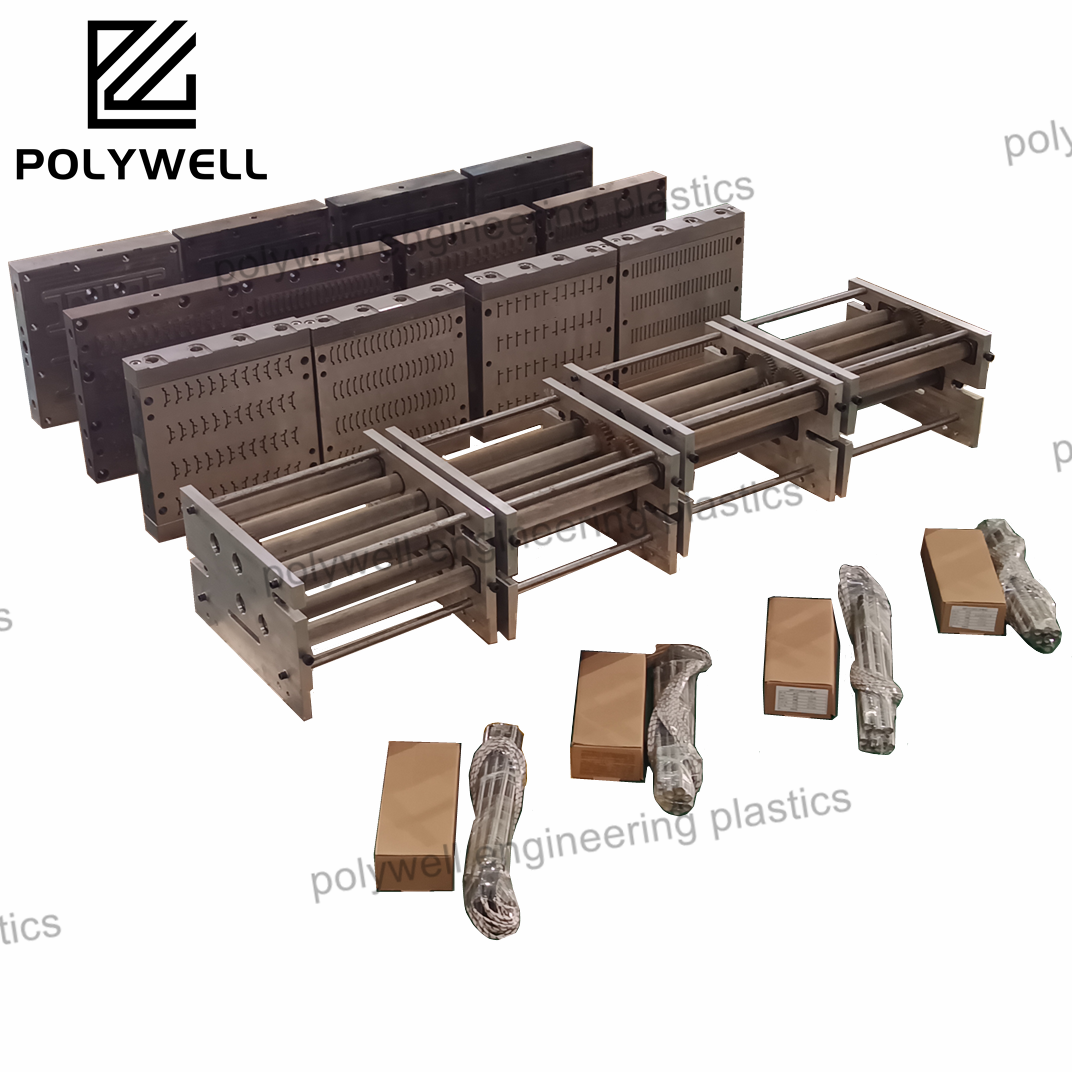
Dịch vụ này vượt xa việc cung cấp một khuôn đã hiệu chuẩn. Nó bao gồm việc cung cấp toàn bộ hệ thống hiệu chuẩn và bể làm mát phía hạ lưu, vốn rất quan trọng để "đóng băng" các kích thước chính xác của mặt cắt sau khi sản phẩm thoát ra khỏi khuôn. Hơn nữa, họ còn cung cấp hỗ trợ liên tục cho việc bảo trì, tân trang và hiệu chuẩn lại khuôn trong suốt vòng đời của khuôn. Kinh nghiệm chuyên sâu trong ngành, được tích lũy từ năm 2006 trong lĩnh vực nghiên cứu và phát triển vật liệu, được áp dụng trực tiếp nhằm duy trì độ chính xác sản xuất của quý khách.
Bằng cách dựa vào một nguồn duy nhất cho hợp chất, công nghệ khuôn ép đùn và kiến thức sản xuất, bạn loại bỏ tình trạng đổ lỗi qua lại giữa nhà cung cấp vật liệu và nhà cung cấp thiết bị khi phát sinh các vấn đề về kích thước. Nhà cung cấp trọn gói sẽ chịu trách nhiệm toàn bộ việc cung cấp các dải vật liệu đáp ứng đúng thông số kỹ thuật của bạn, lô này sau lô khác. Điều này giúp giảm đáng kể chi phí kiểm soát chất lượng và rủi ro trong chuỗi cung ứng đối với đội ngũ mua hàng.
Tóm lại, hiệu chuẩn khuôn ép đùn để đạt được kích thước chính xác cho thanh cách nhiệt là một lĩnh vực kỹ thuật đòi hỏi độ chính xác cao, phụ thuộc vào tính đồng nhất của vật liệu, độ ổn định nhiệt và quá trình điều chỉnh lặp đi lặp lại. Tuy nhiên, đối với người mua chiến lược, phương pháp hiệu chuẩn hiệu quả nhất không được thực hiện trên một khuôn đơn lẻ, mà được tích hợp ngay từ đầu vào toàn bộ mối quan hệ cung ứng. Việc lựa chọn nhà cung cấp dịch vụ trọn gói đảm bảo rằng việc hiệu chuẩn khuôn không còn là một nhiệm vụ riêng lẻ và mang tính phản ứng, mà trở thành một chức năng đã được tối ưu hóa sẵn trong một hệ thống tích hợp. Từ vật liệu được phối trộn bằng máy ép đùn hai trục vít, đến quá trình ép đùn đơn trục vít và thiết kế khuôn chính xác, mối quan hệ đối tác toàn diện này cam kết đảm bảo độ chính xác về kích thước, hiệu năng cơ học cũng như tính ổn định lâu dài trong nguồn cung — những yếu tố then chốt mà ngành sản xuất cửa và vách kính hiện đại yêu cầu, qua đó hình thành nên chiến lược mua sắm đáng tin cậy và hiệu quả nhất hiện có.
 Tin nóng
POLYWELL chuyên về thanh cách nhiệt PA66, cung cấp hạt polyamide, máy ép, mold, máy cuộn và dịch vụ tùy chỉnh toàn diện một điểm đến.
Jinfeng Town, Zhangjiagang City, Suzhou City, Jiangsu Province, China
Copyright © 2024 Suzhou Polywell Engineering Plastics Co.,Ltd CHÍNH SÁCH BẢO MẬT

 EN
EN