ဖဲနက်စထရေးရှင်း (fenestration) လုပ်ငန်းတွင် ဝယ်ယူရေးအထူးကျွမ်းကျင်သူများနှင့် ထုတ်လုပ်ရေးအင်ဂျင်နီယာများအတွက် ပေါလီအမိုင်းဒ် သာမာလီဖြတ်တောက်ရေးစတ်ရစ်ပ်များ၏ အရည်အသွေးတူညီမှုသည် မဖြစ်မနေလိုအပ်သော အချက်ဖြစ်ပါသည်။ ဤအစိတ်အပိုင်းများသည် ဖွဲ့စည်းပုံဆိုင်ရာ အားကောင်းမှုနှင့် ရေရှည်တွင် သာမာလီကာကွယ်မှုစွမ်းရည်အတွက် အလွန်အရေးကြီးပါသည်။ အရည်အသွေးတူညီမှု၏ အဓိကအချက်မှာ အပူချိန်မြင့်မြင့်ဖြင့် အရွှီးထုတ်လုပ်ခြင်းလုပ်ငန်းစဉ်အတွင်း ပေါလီအမိုင်းဒ်ပစ္စည်း၏ အရည်အသွေးကျဆင်းမှုကို ကာကွယ်ရေးဖြစ်ပါသည်။ ပေါလီမာခွဲစိတ်မှု (degradation) သည် ပေါလီမာစွမ်းအားများ ပျက်စီးသွားခြင်းဖြစ်ပြီး ယင်းအချက်သည် ယန္တရားဆိုင်ရာ အားကောင်းမှုလျော့နည်းခြင်း၊ အရောင်ပေါက်ခြင်း၊ မျက်နှာပုံပေါ်တွင် အကွက်များဖြစ်ခြင်းနှင့် ဓာတ်ငွေပေါက်ကွဲမှုများကို ဖော်ပေးပါသည်။ ဤအချက်သည် နောက်ဆုံးပေါ်စတ်ရစ်ပ်၏ စွမ်းရည်နှင့် ကြာရှည်ခံမှုကို တိုက်ရိုက်ထိခိုက်စေပါသည်။ ဤဖော်ပြပေးထားသော ဖော်ပြချက်ကို နားလည်ပြီး ထိန်းသိမ်းရေးလုပ်ဆောင်ခြင်းသည် နည်းပညာဆိုင်ရာအသေးစိတ်အချက်များကို သိရှိရေးသာမက ယုံကြည်စိတ်ချရသော ထုတ်ကုန်များကို ထုတ်လုပ်ရေးအတွက် အရေးကြီးသော အခြေခံအချက်ဖြစ်ပါသည်။ ဤလမ်းညွှန်စာအုပ်တွင် ပေါလီမာခွဲစိတ်မှု၏ အကြောင်းရင်းများကို ရှင်းလင်းဖော်ပြထားပြီး အရည်အသွေးအာမခံခြင်းကို ရှာဖွေနေသော ဝယ်ယူသူများ၏ အမြင်မှ အတည်ပြုထားသော ကာကွယ်ရေးနည်းလမ်းများကို ရှင်းလင်းဖော်ပြထားပါသည်။ ထို့အပေါ်အခြေခံ၍ စုစည်းပေးသော တစ်ခါတည်းဝန်ဆောင်မှုပုံစံ (holistic, one-stop service approach) သည် အကောင်းဆုံး ကာကွယ်ရေးနည်းလမ်းဖြစ်ကြောင်း အလေးပေးဖော်ပြထားပါသည်။
အမြင့်စွမ်းဆောင်ရည်ရှိ ပါးလွှာသော ပါးလွှာများအတွက် အခြေခံပေါလီမာ (base polymer) ဖြစ်သည့် ပေါလီအမိုင်ဒ် ၆၆ (PA66) သည် အပူ၊ အောက်စီဒေတ်ဖြစ်ခြင်းနှင့် ရေနုတ်ယူခြင်း (hydrolytic degradation) တို့ကြောင့် ပျက်စီးလွယ်သည်။ အထုပ်ချုပ်မှုအတွင်း ပါးလွှာများကို အပူ၊ သေးငယ်သော ဖိအားများ (shear forces) နှင့် အောက်စီဂျင်နှင့် ထိတွေ့မှုတို့ကို ဖော်ပေးရသည်။ ထိုအခြေအနေများသည် ပါးလွှာ၏ ရှည်လျားသော အဏုမေဗျူးလာ ချိတ်ဆက်မှုများကို ပျက်စီးစေနိုင်ပါသည်။ ထို့ကြောင့် အဏုမေဗျူးလာအများအပေါင်း (molecular weight) သည် လျော့နည်းသွားပြီး အောက်ပါအတိုင်း ပါးလွှာများ၏ စွမ်းရည်များ လျော့နည်းလာသည်- ဆွဲခွန်အား (tensile strength) လျော့နည်းခြင်း၊ တုံ့ပေးနိုင်စွမ်း (impact resistance) လျော့နည်းခြင်းနှင့် အရွယ်အစား တည်ငြိမ်မှု (dimensional stability) လျော့နည်းခြင်း။ ဝယ်သူအတွက် ထိုအခြေအနေသည် ပါးလွှာများသည် မျှော်လင့်ထားသည့်အတိုင်း အသုံးပြုနိုင်သည်ဟု ထင်ရသော်လည်း လက်တွေ့အသုံးပြုမှုတွင် အစောပိုင်းတွင်ပဲ ပျက်စီးသွားနိုင်သည်ဟု ဆိုလိုပါသည်။ ထိုကြောင့် စုံစမ်းမှုများ (recalls) နှင့် ကုမ္ပဏီ၏ အမည်အမှုအများအပေါင်းကို ထိခိုက်စေနိုင်ပါသည်။ ထိုမမြင်ရသော အန္တရာယ်ကို ကာကွယ်ရန်အတွက် ထုတ်လုပ်မှု လုပ်ငန်းစဉ်တစ်ခုလုံးကို ထိန်းသိမ်းထားရန် လိုအပ်ပါသည်။
ထိရောက်သော ကာကွယ်မှုများကို အကောင်အထည်ဖော်ရန်အတွက် အဓိက အကောင်းများကို ရှာဖွေ၍ ထိန်းသိမ်းရန် အစပျော်သည်။
ပေါလီအမိုင်းဒ်ပစ္စည်းသည် သတ်မှတ်ထားသော အပူချိန်အတိုင်းအတာတွင် အသုံးပြုရမည်ဖြစ်ပါသည်။ ဤအပူချိန်အတိုင်းအတာကို ကျော်လွန်ခြင်း (တော်လောက်သော နေရာတွင်ပါ ဖြစ်နိုင်သည်) သည် ပူပိုင်းဆိုင်ရာ ပျက်စီးမှုကို စတင်စေပါသည်။ အီက်စ်ထရူဒါဘာရယ်တွင် သို့မဟုတ် ဒိုင်အတွင်းတွင် အပူချိန်မှုန်းမှုများသည် ပျက်စီးမှုစတင်သည့် အပူအများဆုံးနေရာများကို ဖန်တီးပေးပါသည်။ အလားတူပဲ အပူချိန်များသော နေရာများတွင် ပစ္စည်း၏ နေရာတွင် ရှိနေသည့် အချိန်ကြာမှုသည် စုစုပေါင်းပျက်စီးမှုကို ဖြစ်စေပါသည်။ ဇုန်အလိုက် အတိအကျအပူချိန်ထိန်းသိမ်းမှုသည် အလွန်အရေးကြီးပါသည်။
ဤအချက်သည် ပေါလီအမိုင်းဒ်ပစ္စည်းအတွက် အရေးအကြီးဆုံးအချက်ဖြစ်နိုင်ပါသည်။ PA66 သည် စိုထုံးကို စုပ်ယူလေ့ရှိပြီး လေထုမှ စိုထုံးကို လွယ်ကူစွာ စုပ်ယူနိုင်ပါသည်။ ဂရနူးလ်များကို စိုထုံးအနည်းငယ်မျှ ကျန်ရှိနေပါက အပူချိန်များသော ဘာရယ်တွင် ရေငွေ့အဖြစ် ပေါ်ပေါက်လာပြီး ရေဓာတ်ဖြင့် ပျက်စီးမှုကို ဖြစ်စေပါသည်။ ဤသို့သော ပျက်စီးမှုသည် ပေါလီမာကို အလွန်အမင်း အားနည်းစေပါသည်။ ဂရနူးလ်များကို အသုံးပြုမည့်အခါ စိုထုံးပါဝင်မှုကို အလွန်နည်းပါးသော အဆင့်သို့ (ပုံမှန်အားဖြင့် ၀.၁% အောက်) အပူချိန်ဖြင့် အပူချိန်ပေးပြီး ခြောက်သောအချိန်တွင် အသုံးပြုရန် လိုအပ်ပါသည်။
အပိုင်းအစများကို ဖောက်ထုတ်ရန်အတွက် အသုံးပြုသည့် စကရူး၏ ယန္တရားဆိုင်ရာ လှုပ်ရှားမှုက သိပ်သည်းမှုကြောင့် ပူပွန်းမှုကို ဖောက်ထုတ်ပေးပါသည်။ အသုံးပြုရန်အတွက် အရောင်းအဝယ်နှင့် ရောစပ်မှုအတွက် သိပ်သည်းမှုအနည်းငယ်မျှသာ လိုအပ်ပါသည်။ သို့သော် စကရူးဒီဇိုင်းမှာ မသင့်လျော်ခြင်း သို့မဟုတ် စကရူးအမြန်နှုန်းကို အလွန်မြင့်မားစွာ အသုံးပြုခြင်းတို့ကြောင့် ဖြစ်ပေါ်လာသည့် အလွ်အမင်းသိပ်သည်းမှုသည် ပေါလီအမိုင်းဒ်ပစ္စည်းကို အလွန်အမင်းအသုံးပြုစေပါသည်။ ဤယန္တရားဆိုင်ရာ ပျက်စီးမှုသည် ပူပွန်းမှုနှင့် သိပ်သည်းမှုကြောင့် ဖြစ်ပေါ်လာသည့် စက်မှုဖောက်ပြန်မှုဖြစ်ပြီး ဘာရယ်အပိုင်း၏ အပူခါးမှု အချက်အလက်များနှင့် မသက်ဆိုင်ပါသည်။
ဤစွန်းထောက်မှုများကို လျှော့ချရန်အတွက် ပစ္စည်းသည် အပိုင်းအစများကို ဖောက်ထုတ်ရန်အတွက် အသုံးပြုရန် အလွန်အမင်းစောစောကုန်သည်အထိ စနစ်တကျ ချဉ်းကပ်မှုများကို အသုံးပြုရန် လိုအပ်ပါသည်။
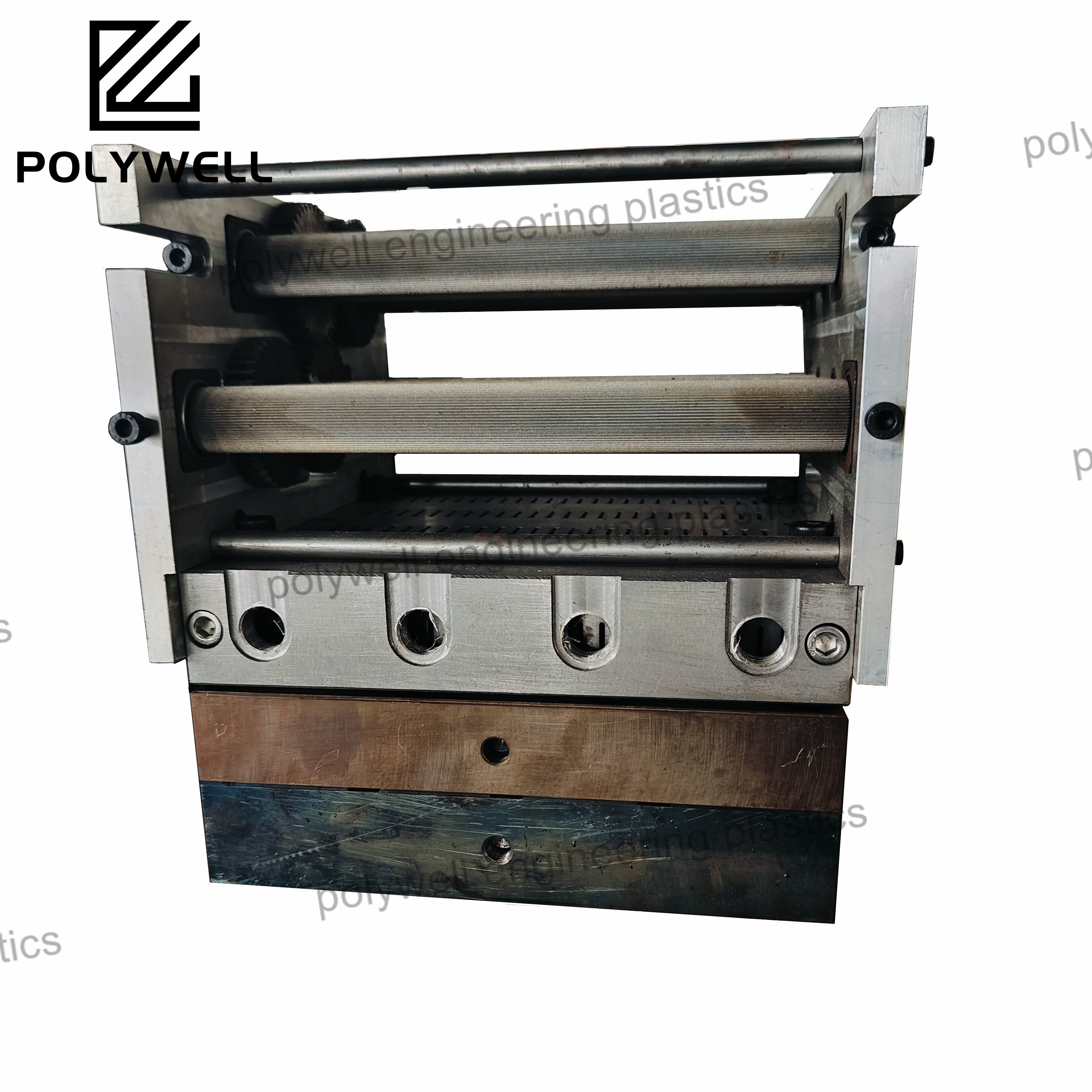
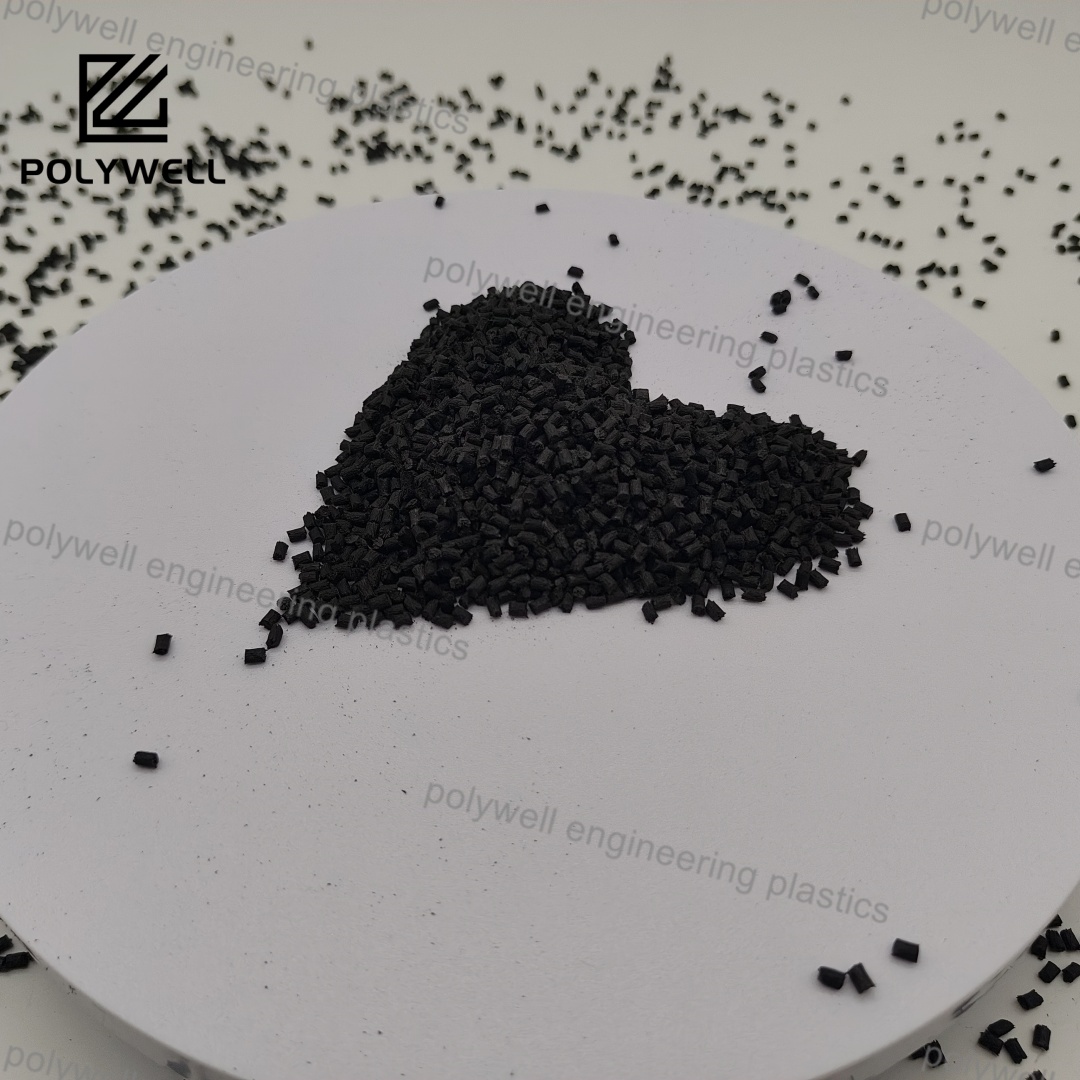
ကာကွယ်ရေး၏အခြေခံသည် ကုန်ကြမ်းပစ္စည်းများကို အကောင်းမောင်းစေရန် ပြုလုပ်ခြင်းဖြစ်သည်။ ဤလုပ်ဆောင်ချက်သည် အဆင့်နှစ်ဆင့်ပါဝင်သည်။ ပထမအဆင့်တွင် ပေါ်လီအမိုင်းဒ်ပေါင်းစပ်မှု (compound) ကိုယ်တိုင်သည် အရည်အသွေးမြင့်မားရပါမည်။ ပေါင်းစပ်မှုအတွက် တွင်းခေါင်းနှစ်ချောင်းပါ အရှိန်မြင့်စက် (twin-screw extruder) ကို အသုံးပြုရန် အရေးကြီးပါသည်။ ဤလုပ်ဆောင်ချက်သည် နောက်ဆက်တွဲအဆင့်များတွင် ပေါ်လီမာကို ကာကွယ်ရန်အတွက် အပူခံနိုင်ရည်ရှိသော ပေါင်းစပ်မှုများ (thermal stabilizers) နှင့် အခြားပေါင်းစပ်မှုများကို တိကျစွာထည့်သွင်းနိုင်စေပါသည်။ ထို့အပေါ်တွင် တွင်းခေါင်းနှစ်ချောင်းပါ အရှိန်မြင့်စက်၏ လုပ်ဆောင်မှုသည် မှုန်မှုန်များ (glass fibers) ကို အလွန်ညီညွတ်စွာ ဖြန့်ကြူးပေးပါသည်။ ထို့ကြောင့် ရှေးရှေးတွင် ပူပွန်းမှုဖြစ်လေ့ရှိသည့် ရှေးရှေးပိုမိုပါဝင်သည့် နေရာများ (resin-rich areas) ကို ဖျက်သိမ်းပေးပါသည်။ ဒုတိယအဆင့်တွင် ဤအရည်အသွေးမြင့်ပေါင်းစပ်မှုကို အသုံးပြုရန် မှန်ကန်သော အပူခံချိန်တွင် နောက်ဆက်တွဲအဆင့်များအတွက် လုံလေးစွာ ခြောက်သွေ့စေရန် အထူးပြုထားသော စိုထောင်ခြောက်သွေ့စေသည့် စက် (dehumidifying dryer) တွင် လုံလေးစွာ ခြောက်သွေ့စေရပါမည်။ ထို့နောက် အရှိန်မြင့်စက်သို့ ပို့ဆောင်ရန်အတွက် ခြောက်သွေ့ပြီးသော ပေါင်းစပ်မှုကို အိုးမ်ဘောက်စ် (hopper) ထဲသို့ ထည့်သွင်းရပါမည်။ ထိုအိုးမ်ဘောက်စ်ကို ပိတ်ထားရပါမည်။ အကြောင်းမှာ ပတ်ဝန်းကျင်ရှိ စိုထောင်မှုကို ပြန်လည်စုပ်ယူမှုကို ကာကွယ်ရန်အတွက်ဖြစ်သည်။
စင်တာစကရူးအီက်စ်ထရူဒါ၏ ဒီဇိုင်းနှင့် လုပ်ဆောင်မှုသည် ကြိုတင်ပေါင်းစပ်ထားသော ပစ္စည်းများကို ပိုမိုနူးညံ့ပြီး ထိန်းချုပ်မှုရှိစွာ ဖော်ပေါ်စေရန် အထူးပြုထားပါသည်။ PA66 အတွက် အကောင်းဆုံးဖော်ပေါ်စေရန် စကရူးပုံစံကို အထူးရှာဖွေရှာဖွေထားပါသည်။ ထို့ကြောင့် ပုံစံအတိုင်း ပေါင်းစပ်မှုကို ချောမွေ့စွာ ဖော်ပေါ်စေပြီး သိပ်သည်းမှုအပူချိန် ထုတ်လုပ်မှုကို အနည်းငယ်သာ ဖော်ပေါ်စေပါသည်။ ဘာရယ်အပူချိန်ပရိုဖိုင်များကို ပုံစံအတိုင်း ပစ္စည်းကို ထိရောက်စွာ ဖော်ပေါ်စေရန် အပူချိန်၏ အများဆုံးအတိုင်းအတာကို မကျော်လွန်စေရန် သတ်မှတ်ထားပါသည်။ အရေးကြီးသည်မှာ ဖော်ပေါ်မှုအပူချိန်နှင့် ဖော်ပေါ်မှုဖိအားကို ဒိုင်အနီးတွင် အချိန်နှင့်တစ်ပါက် စောင်းမှုဖော်ပေါ်စေရန် စောင်းမှုဖော်ပေါ်စေပါသည်။ ဖော်ပေါ်မှုတွင် ဖော်ပေါ်မှုအပူချိန်နှင့် ဖော်ပေါ်မှုဖိအားတွင် အနည်းငယ်မျှ ပြောင်းလဲမှုရှိပါက လုပ်ငန်းစဉ်မတည်မြဲမှု၏ အကောင်းဆုံး အထောက်အထားဖြစ်ပြီး ပစ္စည်းပျက်စီးမှုကို ဖော်ပေါ်စေနိုင်ပါသည်။
ပေါ်စာခေါ်မန်နေဂျာအတွက် ပစ္စည်းများ၊ စက်ပစ္စည်းများနှင့် ကျွမ်းကျင်မှုများကို သီးခြားစီ ရယူခြင်းဖြင့် ဤရှုပ်ထွေးသော အရာများကို စီမံခန့်ခွဲရန်သည် အန္တရာယ်များသော နောက်ဆုံးရလဒ်ကို ဖော်ပေးနိုင်သည့် နောက်ခံအကြောင်းရင်းများကို ပေါ်စာခေါ်မန်နေဂျာများသည် အများအားဖြင့် ပစ္စည်းဖွဲ့စည်းမှုနှင့် စက်လုပ်ငန်းလုပ်ဆောင်မှု အချက်များအကြား ချို့ယွင်းမှုများကြောင့် ဖြစ်ပေါ်လေ့ရှိပါသည်။ ပေါ်လီအမိုင်းဒ် အပူခွဲခြားရှိုးထုံးများအတွက် ဝန်ဆောင်မှုတစ်ခုတည်းတွင် ပေးသည့် ပေးသည့် ဝန်ဆောင်မှုသည် ထုတ်လုပ်မှုစနစ်အားလုံးကို ပေါင်းစပ်ထိန်းချုပ်မှုဖြင့် ဤချို့ယွင်းမှုကို ဖြေရှင်းပေးပါသည်။
2006 ခုနှစ်မှစ၍ နက်ရှိုင်းသော ကျွမ်းကျင်မှုရှိသည့် Polywell ကဲ့သို့သော ပေးသောသူသည် လုပ်ငန်းစဉ်၏ အဆုံးနှစ်ဖက်စလုံးကို ထိန်းချုပ်နိုင်ပါသည်။ ၎င်းတို့သည် ကိုယ်ပိုင် အထူးပြုပေးထားသော ပေါလီအမိုင်းဒ် ပေါင်းစပ်မှုကို ထုတ်လုပ်ရန် အဆင့်မြင့် တွဲဖက် ပိုက်လိုင်း အရှိန်မြင့်ထုတ်လုပ်မှု နည်းပညာကို အသုံးပြုပါသည်။ ဤသည်မှာ စတင်ချင်းမှပဲ အကောင်းဆုံး တည်ငြိမ်ရေးပေးသော ပုံစံများကို အင်ဂျင်နီယာပုံစောင်ပေးခြင်းနှင့် အရေးကြီးသောအားဖြင့် အမျှတ်သော အပူဖြန့်ဖြူးမှုကို အာမခံပေးနိုင်သည့် ပုံပေါင်းပြီးသော ကြွေစေးမှုန်များ၏ ကွန်ရက်ကို ဖန်တီးပေးခြင်းဖြစ်ပါသည်။ ဤအထူးပုံစောင်ထားသော ပစ္စည်းကို အတိအကျ တစ်ခုတည်းသော ပိုက်လိုင်း အရှိန်မြင့်ထုတ်လုပ်မှု လိုင်းများပေါ်တွင် ထုတ်လုပ်ပါသည်။ ထိုလိုင်းများ၏ စံချိန်များကို ထို ပေါင်းစပ်မှုအတွက် ကြိုတင်အမျှတ်သော စံချိန်များဖြင့် သတ်မှတ်ထားပါသည်။ ဤပိတ်ထားသော စနစ်သည် ပေါင်းစပ်မှုကို စံချိန်အတိအကျဖြင့် အသုံးပြုခြင်းကို အာမခံပေးပါသည်။ အကြောင်းမှာ အစွဲအလမ်းပုံစောင်မှုများနှင့် စက်ပစ္စည်း ချိန်ညှိမှုများကို တစ်ပါတည်း အသုံးပြုခြင်းဖြစ်သောကြောင့်ဖြစ်ပါသည်။
ဝန်ဆောင်မှုတစ်ခုတည်းဖြင့် ပေးသည့် စက်ကိရိယာများနှင့် ပါးလွှာသော ပစ္စည်းများကို ပေးပို့ခြင်းကို အလွန်သိမ်းပိမ်း၍ အရေးကြီးသော လုပ်ငန်းစဉ်အသိပေးခြင်းကိုလည်း ထည့်သွင်းပေးပါသည်။ ကျွမ်းကျင်ပညာရှင်များသည် ပေါလီအမိုင်ဒ်ပစ္စည်းကို တည်ငြိမ်စေရန် လိုအပ်သော အတိအကျသော ခြောက်သွေ့မှု ပါရာမီတာများ၊ အပူခါးမှု ပရိုဖိုင်များ၊ ပုံစဥ်လှည့်နှုန်းများနှင့် ပုံမှန်ထိန်းသိမ်းမှု အစီအစဥ်များကို ပေးပို့ပြီး အတည်ပြုပေးပါသည်။ ထို့အပြင် လုပ်ငန်းဆောင်တာများကို ပစ္စည်းပျက်စီးမှု၏ အစောပိုင်း သတိပေးချက်များကို မှန်ကန်စွာ သိရှိနိုင်ရန် လေ့ကျင်းပေးပါသည်။ ထို့အပြင် ၎င်းတို့၏ အဆက်မပါသော နည်းပညာအထောက်အပံ့များသည် လုပ်ငန်းစဉ်တွင် ဖြစ်ပေါ်လာသည့် အပေါ်ယံပေါက်ကွဲမှုများကို အများဆုံးမှန်ကန်စွာ အများဆုံးမှန်ကန်စွာ ပြုပြင်ပေးပါသည်။ ထို့ကြောင့် အရည်အသွေးမှုန်ဝါးသော ပစ္စည်းများ ထုတ်လုပ်မှုကို ကာကွယ်ပေးပါသည်။ ဤကဲ့သို့သော ပေါင်းစပ်ထောက်ပံ့မှုအဆင့်များကို ယေဘုယျပစ္စည်းများ သို့မဟုတ် အလွဲသုံးစားမှုများ ဖြစ်နိုင်သည့် အထုတ်လုပ်မှုစက်များကို ပေးသည့် ပေးသွင်းသူများထံမှ ရရှိနိုင်မည်မဟုတ်ပါ။
တစ်ခုတည်းသော ပေးသောအရင်းအမြစ်မှ ပူးပေါင်းဆောင်ရွက်ခြင်းဖြင့် သင်သည် ပျက်စီးမှုကို ကာကွယ်ရန်အတွက် နည်းပညာဆိုင်ရာ ဝန်ပေါ်လုပ်ခွင့်ကို ကျွမ်းကျင်သူများထံသို့ လွှဲပေးလိုက်ပါသည်။ သင်သည် ပေးသောအရင်းအမြစ်မှ ပေးအပ်သည့် အပူခွဲထုတ်စပ် (thermal break strip) ကို ရရှိမည်ဖြစ်ပြီး ၎င်းသည် ပေါလီအမိုင်းဒ်အမြှုပ်ပစ္စည်း၏ အရည်အသွေးကို ထိန်းသိမ်းပေးနိုင်မည့် အကောင်းများဆုံးနှင့် ထိန်းချုပ်ထားသော အခြေအနေများအောက်တွင် ထုတ်လုပ်ပေးကြောင်း အာမခံခံထားပါသည်။ ထို့ကြောင့် သင်၏ ဝယ်ယူလာသည့် အရည်အသွေးစစ်ဆေးမှုစရိတ်များ သိသိသာသာ လျော့ကျသွားပါမည်။ အပူခွဲထုတ်စပ်၏ ပစ္စည်းအားနည်းမှုကြောင့် အသုံးပြုနေစဉ်တွင် ဖြစ်ပွားနိုင်သည့် အန္တရာယ်များကိုလည်း လုံးဝ ဖျောက်ဖျောက်နှင့် ဖြစ်ပါသည်။ ပေးသောအရင်းအမြစ်သည် ပေလေးတ်မှ ပရိုဖိုင်အထိ ပေးသည့် ပစ္စည်း၏ စွမ်းဆောင်ရည်အတွက် အပြည့်အဝ တာဝန်ယူမှုကို လက်ခံထားပါသည်။
နိဂုံးချုပ်အားဖြင့်၊ အထုပ်ထုပ်မှု (extrusion) လုပ်ငန်းစဉ်အတွင်း ပေါလီအမိုက်ဒ် ပစ္စည်းများ၏ အရည်အသွေး ကျဆင်းမှုကို ကာကွယ်ရေးသည် စိုထောင်မှု၊ အပူခါး၊ အရွှီး (shear) နှင့် ပစ္စည်းဖော်မြူလေးရှင်း စသည့် အချက်များကို ထိန်းချုပ်ရန် လိုအပ်သည့် အများပါးသော စိန်ခေါ်မှုတစ်ရပ်ဖြစ်သည်။ တစ်ခုချင်းစီသော နည်းဗျူဟာများသည် အရေးကြီးသော်လည်း ၎င်းတို့၏ အကောင်အထည်ဖော်မှု အောင်မွန်မှုသည် စနစ်တက်ပြည့်စုံသော စုစည်းမှုအတွင်းတွင်သာ အများဆုံး အကောင်အထည်ဖော်နိုင်ပါသည်။ ဗျူရိုကရက်တစ် ဝယ်သူအတွက် အရည်အသွေး ကျဆင်းမှုကင်းသော ထုတ်လုပ်မှုကို အာမခံရန် အကောင်အထည်ဖော်နိုင်သည့် အကောင်အများဆုံး ယုံကုံစိတ်ချရသော နည်းလမ်းမှာ တစ်ခါတည်း အာမခံပေးသည့် အပြည့်အစုံဝန်ဆောင်မှုကို ပေးနိုင်သည့် မိတ်ဖက်တစ်ဦးနှင့် ပူးပေါင်းဆောင်ရွက်ခြင်းဖြစ်သည်။ ဤပူးပေါင်းမှုသည် ပေါလီအမိုက်ဒ် ပေါင်းစပ်မှုကို တည်ငြိမ်မှုအတွက် အင်ဂျင်နီယာပုံစံဖော်ထားခြင်း၊ အထုပ်ထုပ်မှုလုပ်ငန်းစဉ်ကို ထိန်းသိမ်းရန် အကောင်အထည်ဖော်ထားခြင်းနှင့် အဆင့်များအားလုံးကို အထူးကောင်းမွန်မှု စံနှုန်းတစ်ရပ်အောက်တွင် စီမံခန့်ခွဲခြင်း စသည့် အရေးကြီးသော အာမခံချက်များကို ပေးစေသည်။ ဤစုစည်းမှုအခြေပြု ချဉ်းကပ်မှုသည် စိတ်ချရသော အပူခွဲခြားမှု ပါးလ် (thermal break strips) များကို အမျှတစ်ဖုံ အရည်အသွေးမှုန်ညှာမှု ရှိစွာ ရရှိစေရန် နောက်ဆုံးပေါ် ကာကွယ်ရေးနည်းလမ်းဖြစ်သည်။
 အရေးကြီးသော သတင်းများ
2025-12-09
2025-12-08
2025-12-05
POLYWELL သည် polyamide granules၊ extruders၊ မှိုများ၊ အကွေ့အကောက်များသောစက်များနှင့် ပြည့်စုံသော တစ်နေရာတည်းတွင် စိတ်ကြိုက်ပြုပြင်ခြင်းဝန်ဆောင်မှုများကို ပေးဆောင်သည့် PA66 အပူလျှပ်ကာအကွက်များကို အထူးပြုပါသည်။
Jinfeng Town, Zhangjiagang City, Suzhou City, Jiangsu Province, China
Copyright © 2024 Suzhou Polywell Engineering Plastics Co.,Ltd ကိုယ်ရေးကိုယ်တာမူဝါဒ
 EN
EN