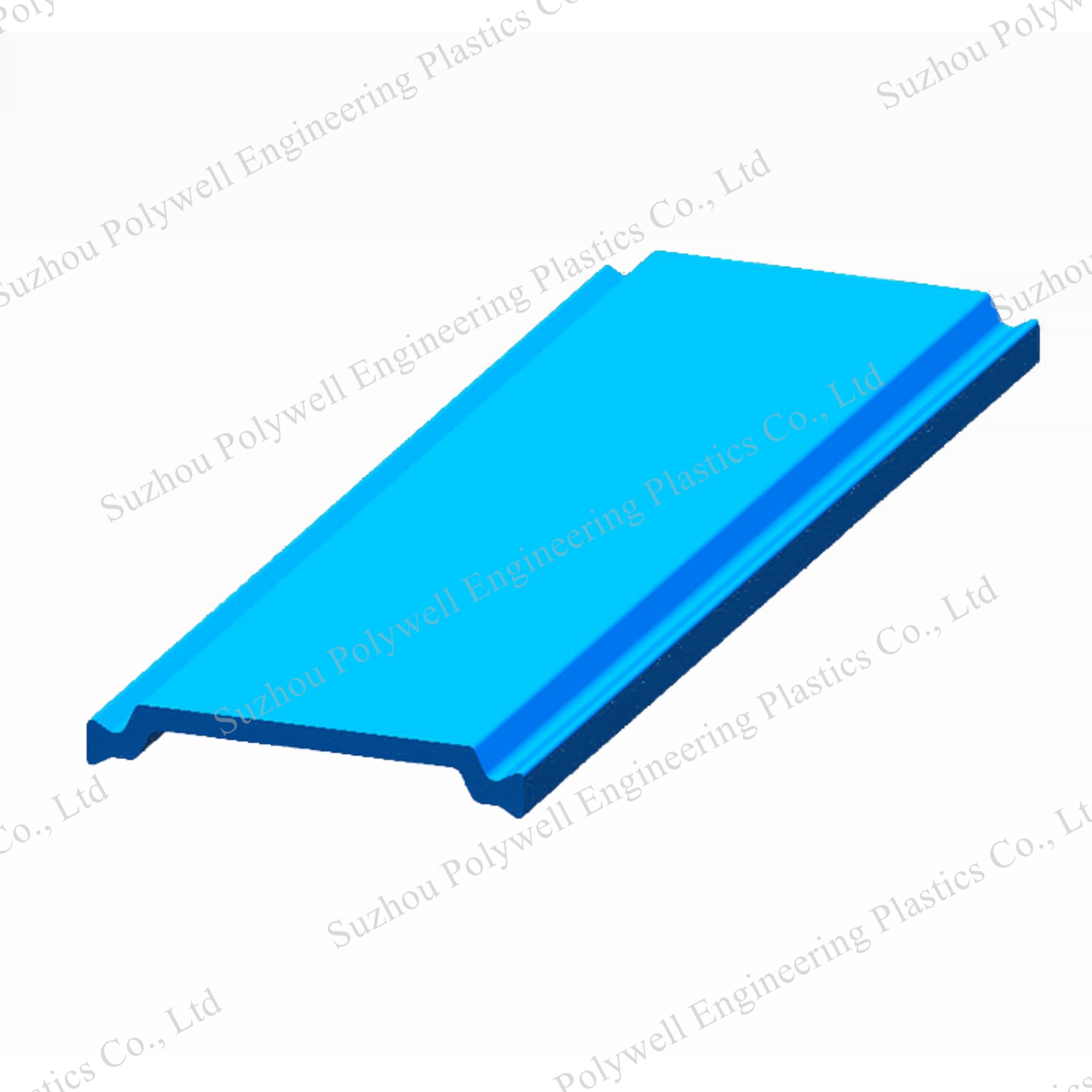
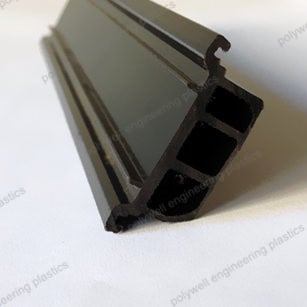
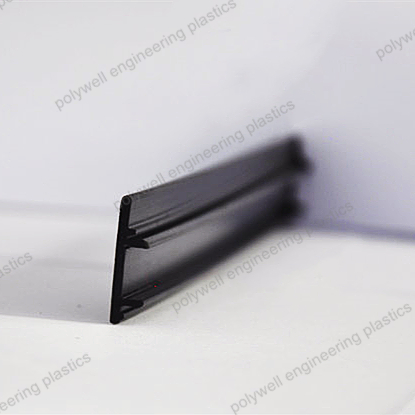
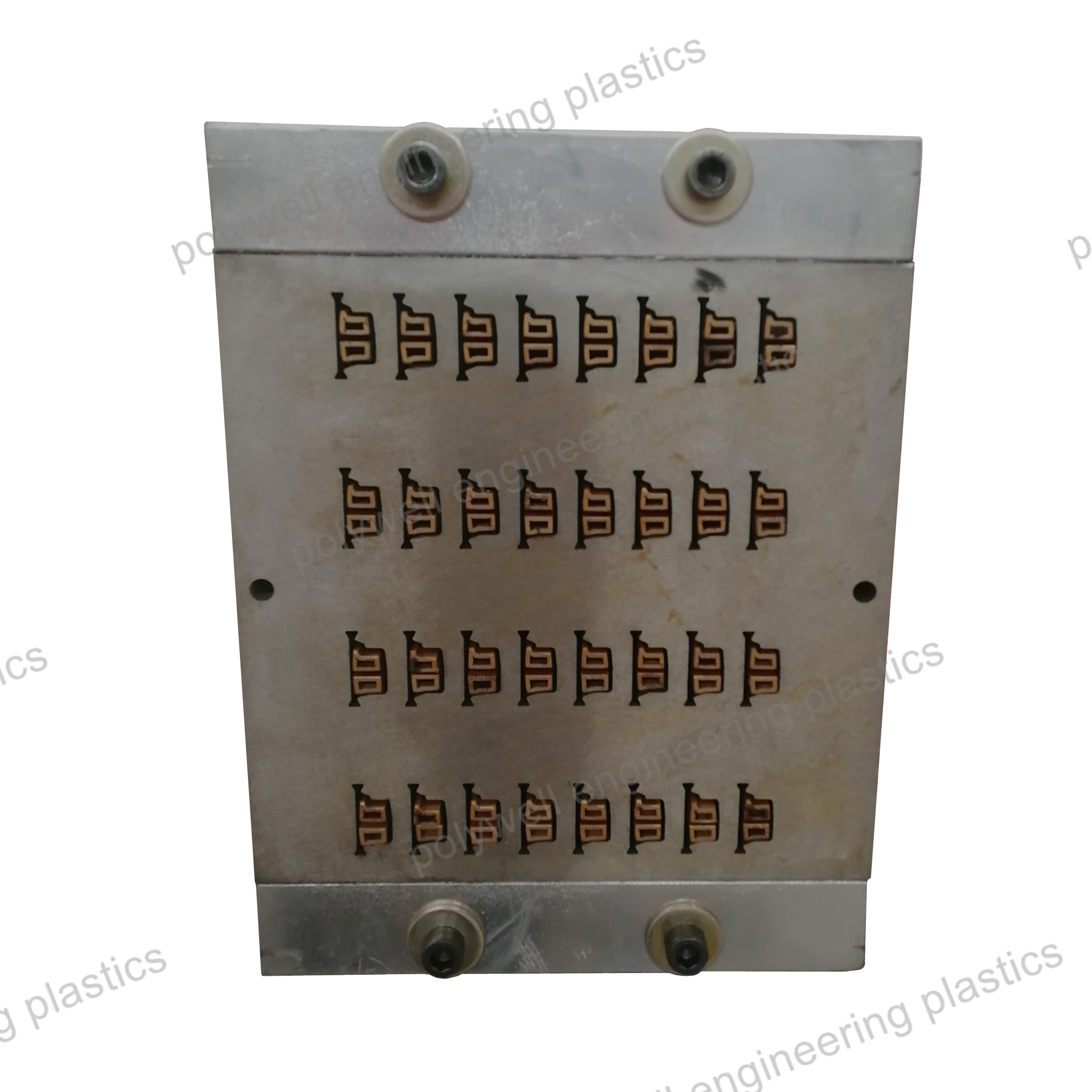
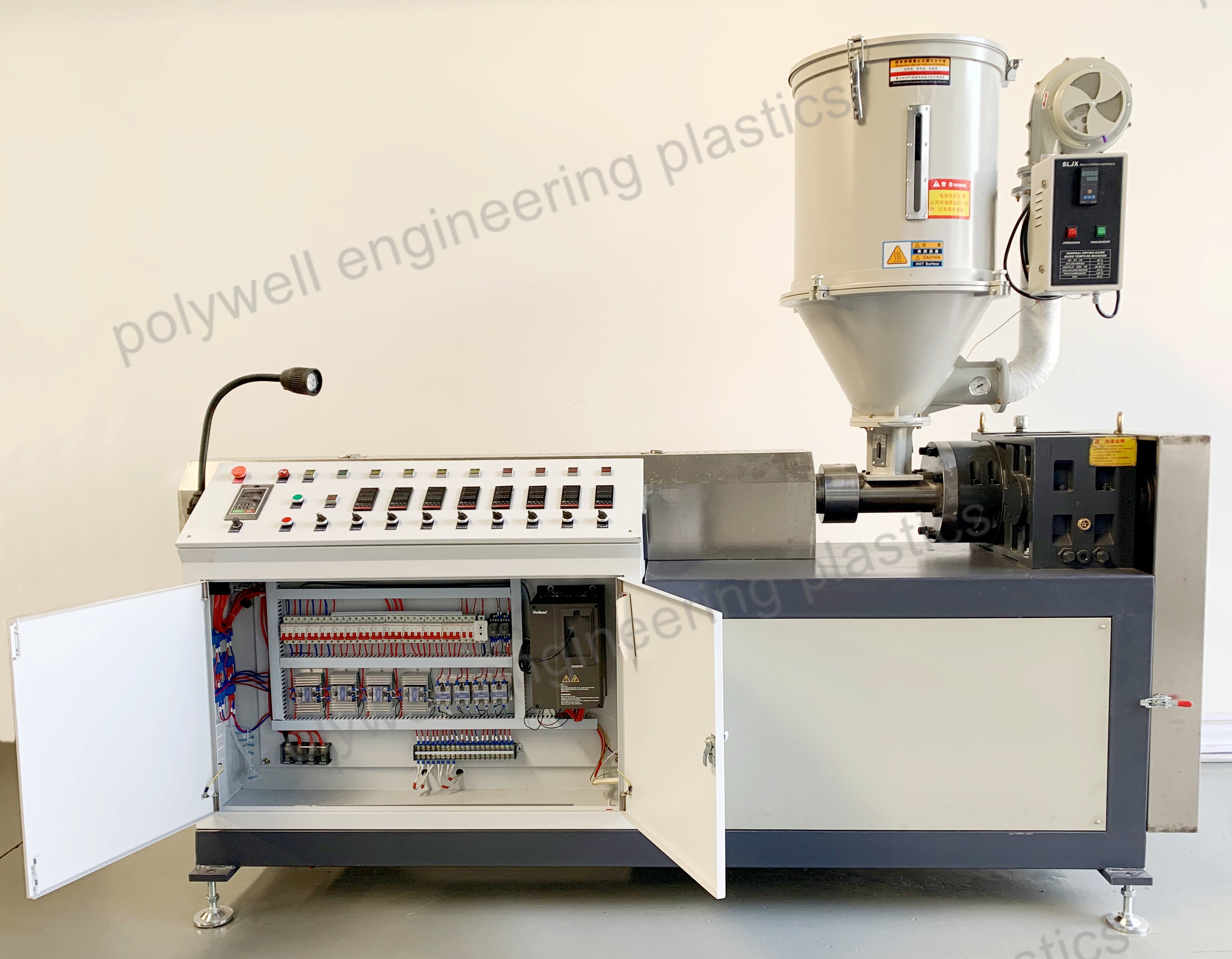
Pengeluaran jalur penghenti haba berprestasi tinggi merupakan proses kritikal dalam sistem fenestrasi dan bangunan moden. Komponen-komponen ini amat penting untuk meningkatkan kecekapan tenaga, mengurangkan pemindahan haba, serta memastikan integriti struktural profil aluminium. Bagi pengilang berskala besar dan pakar pembelian, pilihan peralatan pengeluaran bukan sekadar pembelian—tetapi merupakan pelaburan strategik jangka panjang. Di hati sebaris pengeluaran ini terletaklah ekstruder skru tunggal. Memilih yang sesuai adalah perkara yang sangat penting untuk mencapai kualiti yang konsisten, keluaran tinggi, dan keseluruhan keberkesanan kos. Panduan ini menyerlahkan pertimbangan utama dari sudut pandangan pengurus pembelian yang mencari keupayaan pengeluaran yang boleh dipercayai dan berkelompok tinggi, khususnya apabila bekerjasama dengan penyedia perkhidmatan penuh.
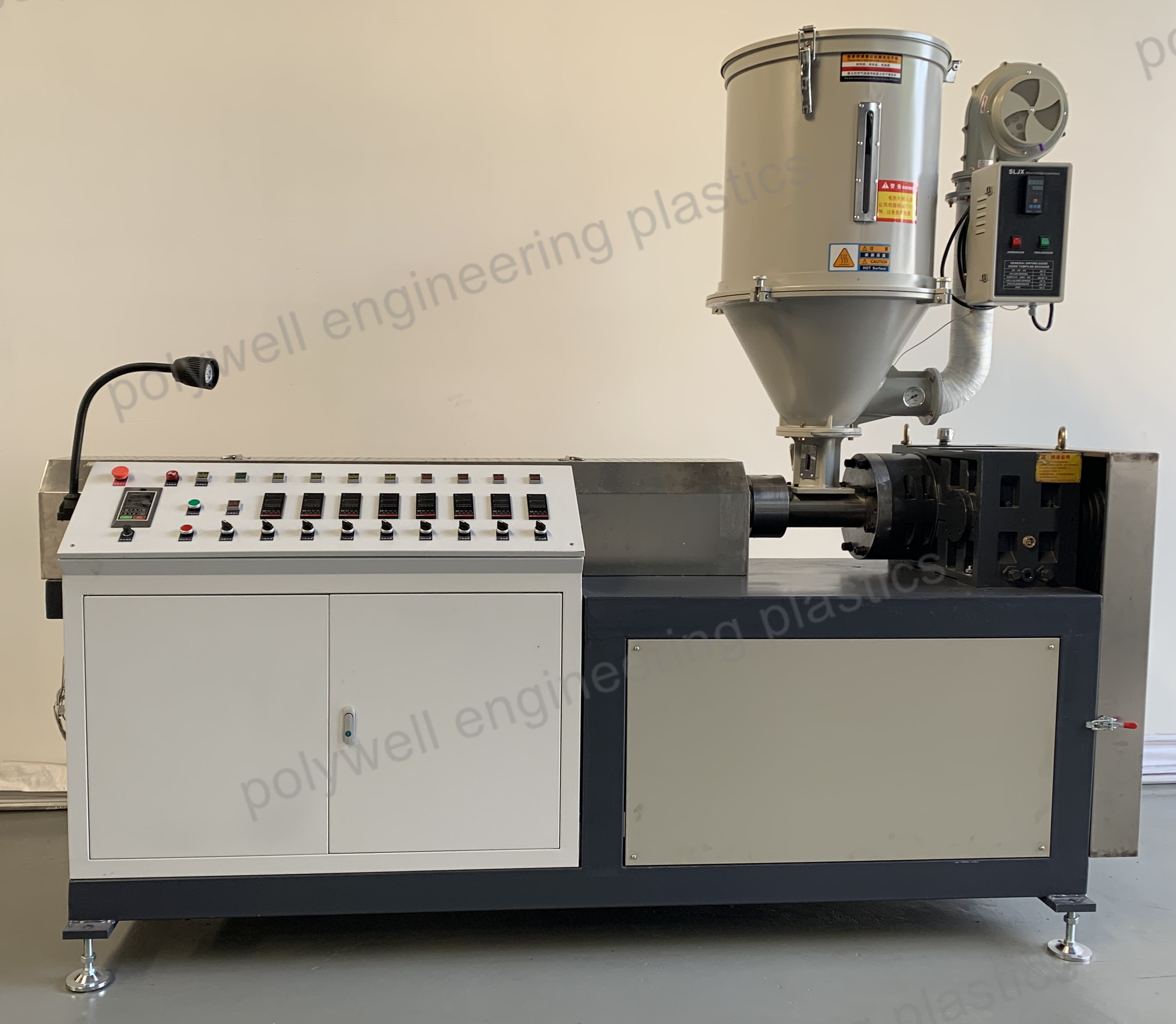
Penyemperit skru tunggal merupakan jentera utama dalam talian pengeluaran jalur pemutus haba. Fungsi utamanya ialah memlastikkan bahan komposit—biasanya berasaskan poliamida (PA66) yang diperkukuh dengan gentian kaca—dan membentuknya menjadi profil berterusan yang tepat melalui matriks. Berbeza daripada proses lain, pengeluaran jalur pemutus haba poliamida siap sangat bergantung kepada teknologi penyemperit skru tunggal. Ini disebabkan keupayaannya yang unggul dalam memberikan tekanan dan suhu yang stabil serta boleh dikawal bagi peringkat pembentukan akhir dan penyejukan, yang merupakan faktor kritikal untuk mencapai ketepatan dimensi dan sifat mekanikal yang diperlukan.
Apabila menilai penyemperit skru tunggal untuk pengeluaran jalur pemutus haba berskala besar, beberapa spesifikasi teknikal menjadi tumpuan utama. Parameter-parameter ini secara langsung mempengaruhi kadar keluaran, kekonsistenan, dan keupayaan untuk mengendali formulasi bahan lanjutan.
Diameter skru merupakan penunjuk utama terhadap keluaran berpotensi. Bagi permintaan isipadu tinggi, diameter yang lebih besar (contohnya, 60 mm, 90 mm, atau lebih) biasanya diperlukan. Nisbah Panjang-ke-Diameter (L/D) juga sama pentingnya. Nisbah L/D yang lebih tinggi (biasanya 30:1 hingga 40:1) membolehkan zon pemprosesan yang lebih panjang. Ini memastikan peleburan yang lebih lengkap, penghomogenan polimer dan penguat gentian kaca yang lebih baik, serta pengeluaran gas yang lebih unggul, menghasilkan ekstrudat yang lebih stabil dan berkualiti tinggi.
Pengeluaran isipadu tinggi memerlukan sistem pemacu yang kukuh. Kuasa motor dan tork yang tersedia mesti mencukupi untuk memproses bahan komposit kaca-isian yang kaku tanpa terhenti atau menyebabkan kausan skru yang berlebihan. Pemacu yang berkuasa tinggi dan dikawal secara tepat memastikan kelajuan skru yang konsisten, yang amat penting bagi mengekalkan kadar keluaran dan dimensi profil secara seragam.
Seluruh laras mesti dilengkapi dengan beberapa zon pemanasan yang dikawal secara berasingan. Sistem lanjutan menggunakan pemanas seramik atau pemanas aluminium tuang yang dipasangkan dengan penyejukan udara atau air yang tepat untuk pengurusan haba yang optimal. Kawalan suhu yang tepat—sering kali dalam julat ±1°C—adalah wajib bagi pemprosesan bahan berbasis poliamida, kerana ia mengelakkan degradasi terma dan memastikan kelikatan lebur yang konsisten.
Prestasi jentera ekstruder ulir tunggal yang paling canggih sekalipun bergantung kepada kualiti bahan masukan (feedstock)nya. Di sinilah sinergi dengan penyedia penyelesaian lengkap menjadi sangat bernilai. Butiran poliamida mentah yang diperkukuh dengan gentian kaca mesti mempunyai kualiti yang luar biasa dan konsisten.
Walaupun pembentukan profil akhir memerlukan ekstruder sekrup tunggal, peringkat penggabungan (compounding) terdahulu paling baik diuruskan oleh ekstruder sekrup dwi. Sistem sekrup dwi khusus unggul dalam menyebarkan dan mengedarkan gentian kaca secara seragam di seluruh matriks polimer. Sekrup-sekrup yang saling bersilang mencipta persekitaran ricih tinggi dan pengadunan yang kuat untuk memecahkan ikatan gentian, seterusnya membentuk rangkaian penguat di dalam pelet. Hasilnya ialah butiran bahan gabungan dengan sifat mekanikal yang optimum, kestabilan haba, dan kebolehprosesan. Apabila anda memperoleh bahan daripada penyedia yang menguasai kedua-dua proses penggabungan (melalui ekstruder sekrup dwi) dan ekstrusi profil (melalui ekstruder sekrup tunggal), anda menjamin suatu rantaian kualiti yang lancar dari bahan ke komponen.
Memilih peralatan secara berasingan merupakan pendekatan yang terpisah-pisah. Bagi pengeluar berkelompok besar, bekerjasama dengan pembekal yang menawarkan perkhidmatan satu hentian yang komprehensif untuk jalur pemutus haba poliamida mengubah proses pembelian. Sokongan holistik ini merangkumi setiap aspek kritikal.
Seorang rakan kongsi sejati tidak hanya menyediakan mesin ekstruder skru tunggal, tetapi keseluruhan ekosistem pengeluaran. Ini termasuk bahan kompaun berprestasi tinggi (dihasilkan melalui penggabungan skru kembar yang dioptimumkan), acuan ekstrusi presisi yang direka khas mengikut spesifikasi profil anda, unit penyejukan dan kalibrasi hilir, sistem penarikan (haul-offs), serta peralatan pemotongan. Pendekatan terintegrasi ini menjamin keserasian antara semua komponen talian.
Melampaui perkakasan, pemindahan teknologi pengeluaran adalah sangat penting. Perkhidmatan ini merangkumi panduan mendalam mengenai parameter proses, rekabentuk skru dan silinder untuk bahan tertentu, bantuan dalam menyelesaikan masalah, serta penambahbaikan berterusan bagi meningkatkan produktiviti dan kualiti. Pengalaman industri yang mendalam ini—yang biasanya diperoleh melalui tahunan penyelidikan dan pembangunan—menjadi aset langsung kepada operasi anda.
Apabila membuat pilihan, gunakan kerangka kerja ini untuk menilai pembekal ekstruder skru tunggal yang berpotensi, terutamanya mereka yang menonjolkan diri sebagai penyedia penyelesaian.
Kaji latar belakang pembekal dalam sains bahan khususnya untuk jalur penghalang haba. Adakah mereka memahami ciri-ciri poliamida berisi kaca? Adakah mereka mampu menyediakan atau mencadangkan kompaun yang paling optimum? Keahlian mereka dalam proses penggabungan skru kembar di peringkat awal merupakan petunjuk kuat terhadap penguasaan keseluruhan mereka terhadap teknologi ini.
Teliti keupayaan mereka untuk menyampaikan talian pengeluaran yang diselaraskan. Sejauh mana ekstruder, acuan, dan peralatan hilir mereka berinteraksi dengan baik? Mohon kajian kes atau rujukan yang menunjukkan kejayaan mereka dalam menetapkan talian pengeluaran lengkap beroutput tinggi untuk jalur pemutus haba.
Pastikan mereka menawarkan perkhidmatan selepas jualan yang kukuh, suku cadang yang tersedia secara mudah, serta latihan operator dan penyelenggaraan yang komprehensif. Kebolehpercayaan jangka panjang pengeluaran anda bergantung kepada struktur sokongan ini.
Seorang pembekal yang terlibat secara aktif dalam penyelidikan dan pembangunan (R&D) boleh menjadi sekutu strategik, membantu anda menyesuaikan diri dengan bahan baharu atau tuntutan pasaran pada masa depan.
Kesimpulannya, memilih pengekstrud paksi tunggal untuk pengeluaran jalur pemutus haba berkelantangan tinggi merupakan keputusan pelbagai aspek yang melangkaui spesifikasi mesin semata-mata. Ia berkaitan dengan pemilihan sistem pengeluaran dan rakan teknologi. Dengan mengutamakan parameter teknikal yang tepat, memahami hubungan kritikal terhadap kompaun berkualiti tinggi yang dihasilkan melalui teknologi paksi dua, serta bekerjasama dengan penyedia perkhidmatan satu hentian, pengurus pembelian dapat menjamin asas bagi kecemerlangan dalam pengeluaran. Pendekatan ini tidak hanya memastikan permintaan semasa dipenuhi, malah juga memberikan keluwesan dan kekonsistenan kualiti yang diperlukan untuk pertumbuhan masa depan dalam industri fenestrasi yang kompetitif.
 Berita Hangat
2025-12-09
2025-12-08
2025-12-05

POLYWELL mengkhususkan diri dalam jalur penebat haba PA66, menawarkan butiran poliamida, ekstruder, acuan, mesin penggulung, dan perkhidmatan penyesuaian satu-henti yang komprehensif.
Jinfeng Town, Zhangjiagang City, Suzhou City, Jiangsu Province, China
Copyright © 2024 Suzhou Polywell Engineering Plastics Co.,Ltd POLISI PRIVASI

 EN
EN