
 EN
EN


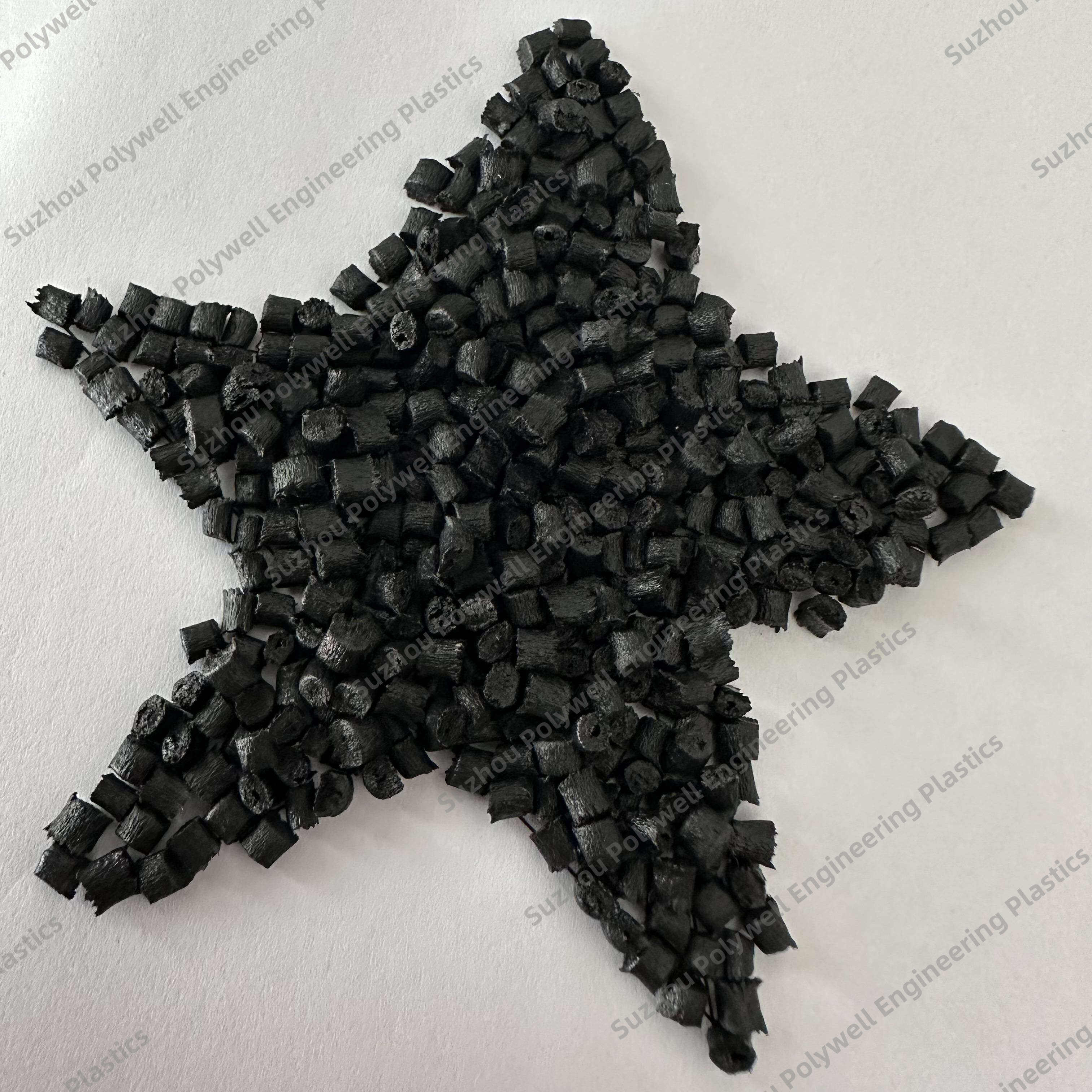
Processus Fabricationis Granulorum PA66GF25 Explicatus
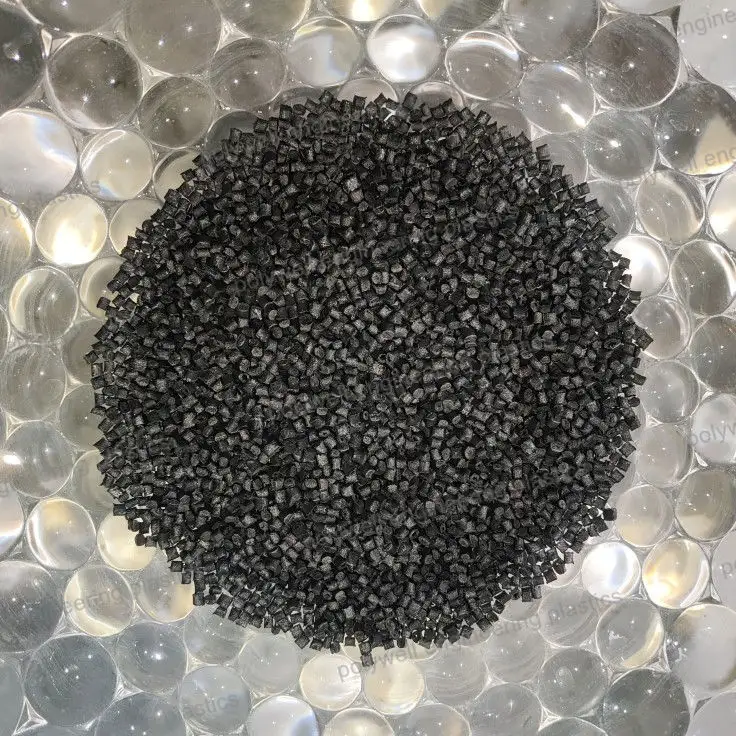
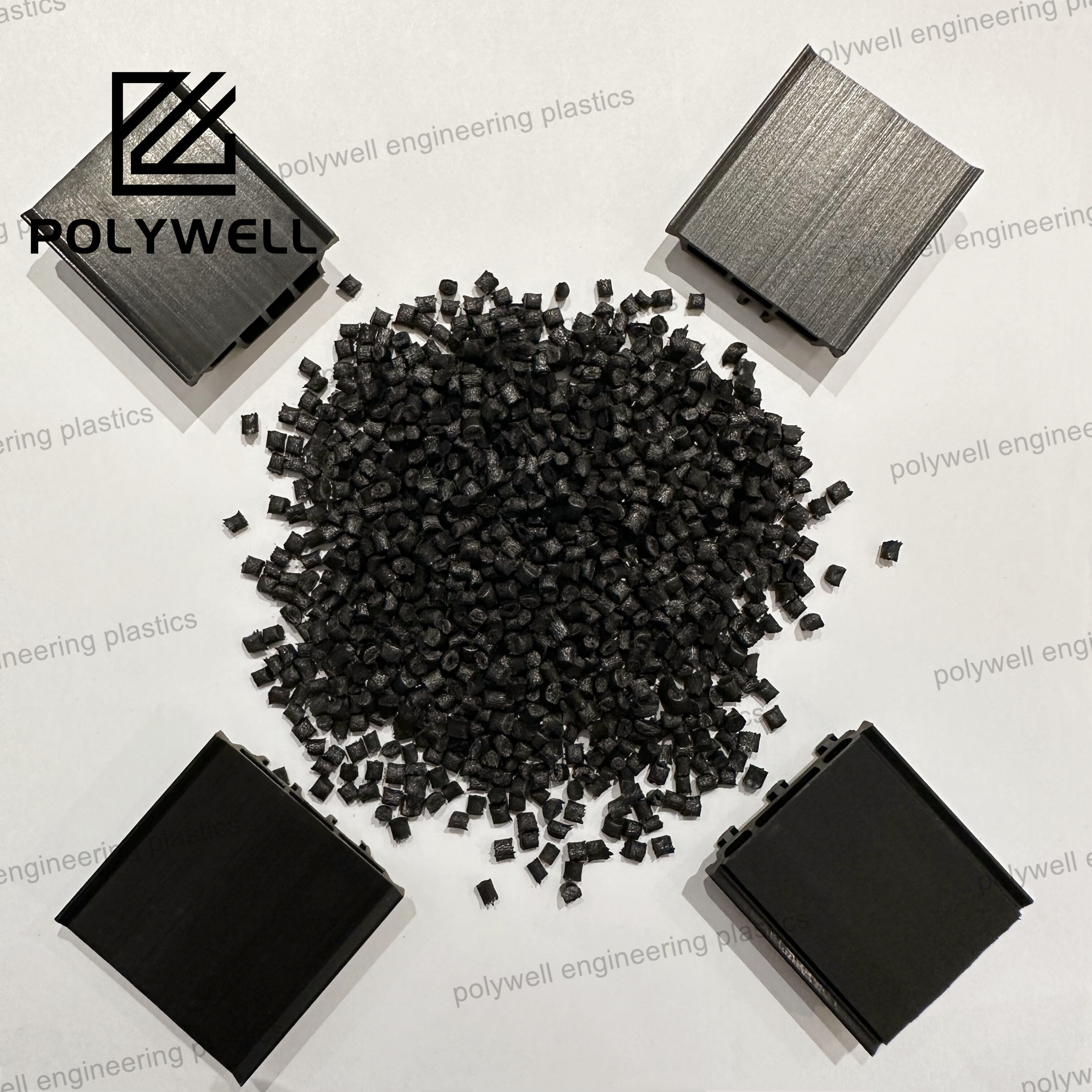
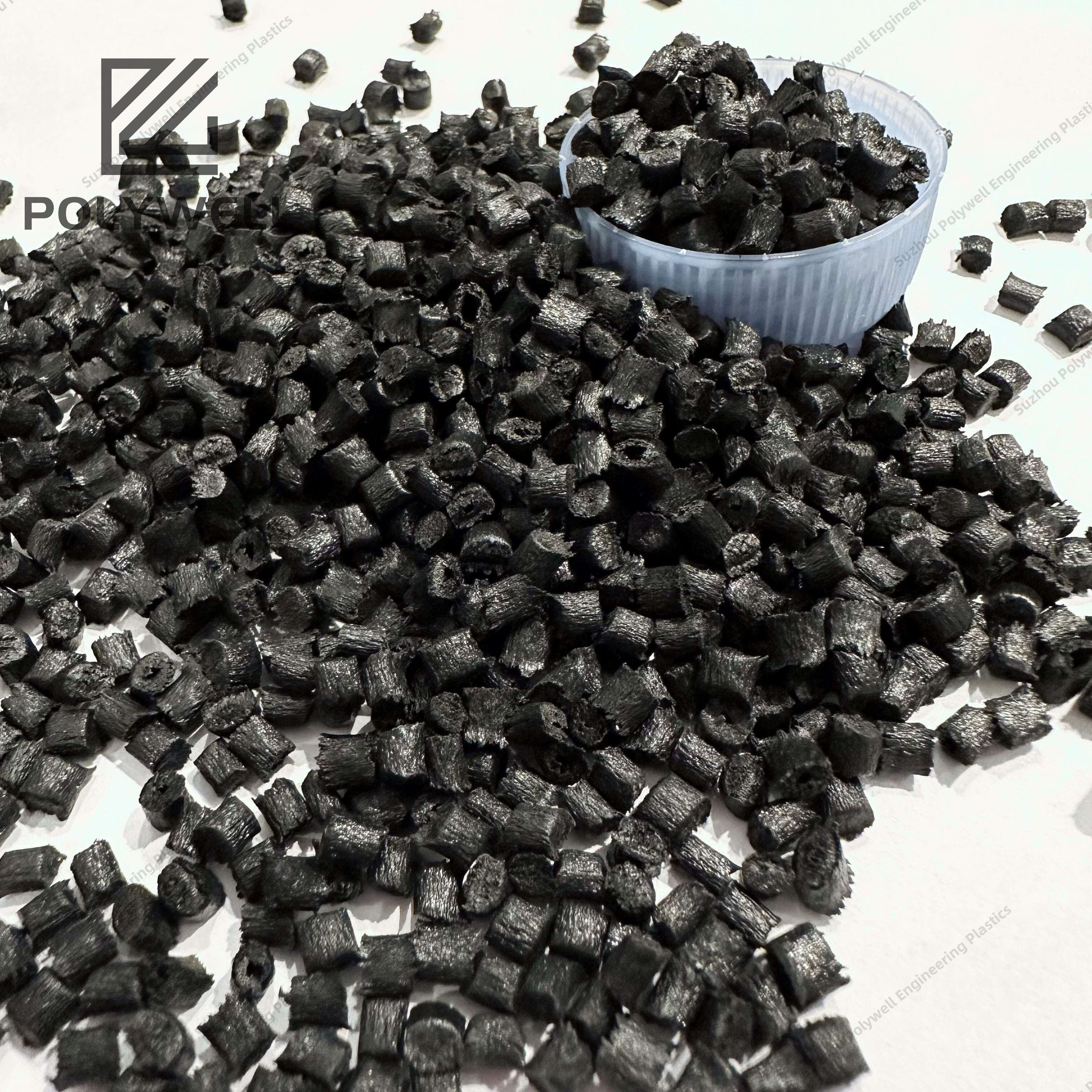
POLYWELL conficit granula PA66GF25 altissimae qualitatis per processum detailed, robur et stabilitatem thermicam praestantem varii applicationi providendo.
VIDE MAGIS
Nylon polyamidum 66, quod significat PA66, est thermoplasticum technicum alti perficientis notum egregiis proprietatibus mechanicis, stabilitate thermica et resistentia chemica. Ex acidulo adipico et hexamethylenediamina synthetizatur, formans polymerum semi-cristallinum cum puncto fusionis circiter 260°C et temperatura transitus vitrei prope 50°C. Attributa principalia includunt firmitates extensionales 80–90 MPa, bonam resistentiam ad ictum et coefficientes frictionis parvos, idoneum reddens pro usibus in automotive, electronicis et textilibus. Materia usum continuatum usque ad 120°C sustinere potest et habet temperaturam deflexionis caloris 70–100°C ad 1.82 MPa, licet hygroscopica sit et humorem absorbere possit, quod dimensiones et functionem mechanicam afficit, nisi recte regatur. Technicae processiones sicut moldatio injectionis et extrusio requirunt temperaturas fusionis 270–290°C et praeesiccatio ad 80–100°C ut hydrolysis prohibeatur. PA66 saepe cum reinforcementibus, velut fibris vitrei, modificatur ad rigiditatem et resistentiam caloris augendam, aut additamentis pro stabilitate UV et retardatione flammae. Usus vulgares includunt rotae dentatas, cunei et insulatores electricos, ubi durabilitas, insulatio electrica et resistentia ad olea et solventa sunt utilia. Considerationes de sustentabilitate recyclabilitatem et conatus ad praecurssores bio-basatos evolvendos amplectuntur, impactionem ambientalem minuendo. In universum, nylon polyamidum 66 est materia versatilis quae tractabilitatem cum firma performance coniungit, variis necessitatibus industrialibus satisfaciens dum se adaptat ad normas globales et praeferentias culturales circa fidem et efficacitatem in designo producti.
18
Nov
17
Dec
28
Jul
10
Jun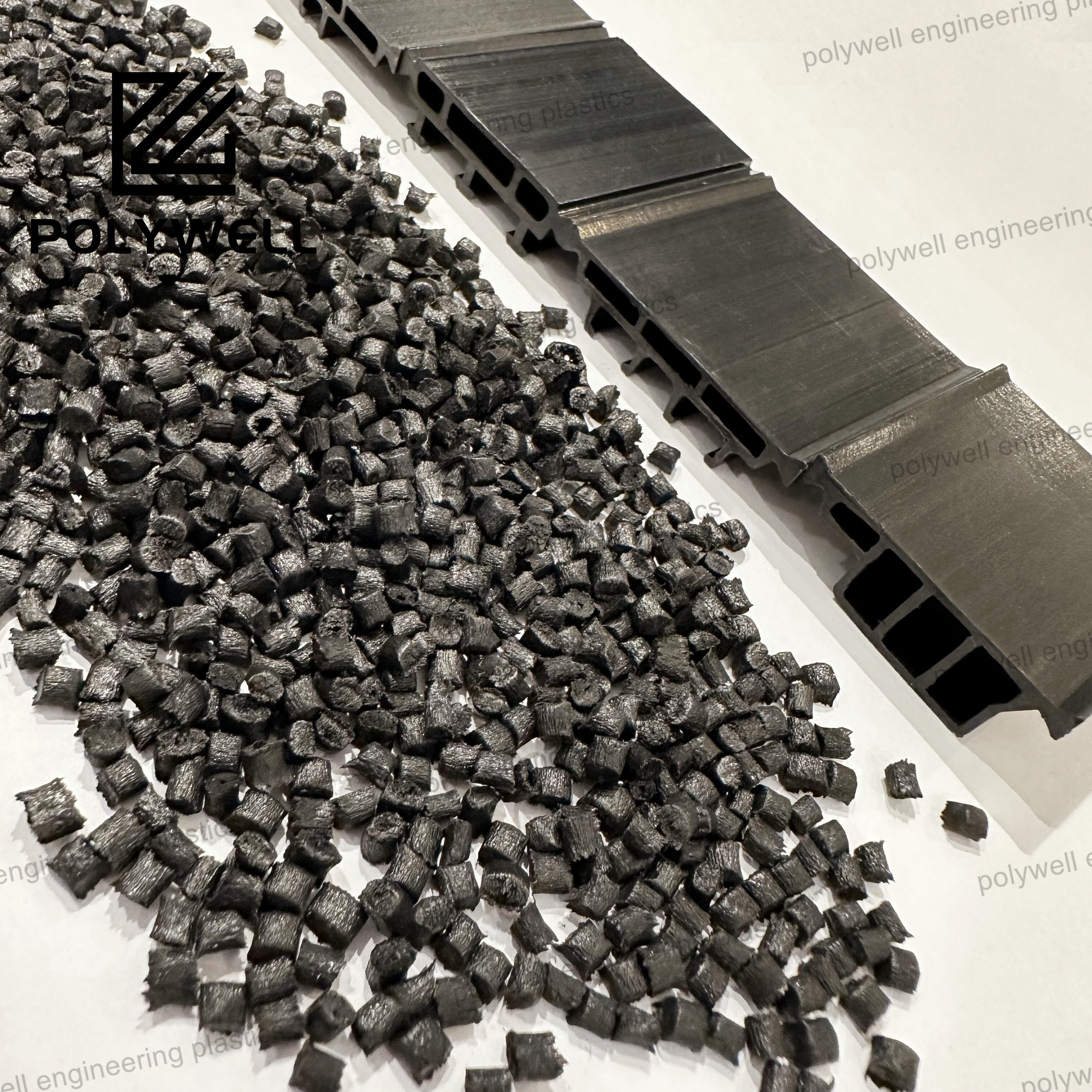

POLYWELL speciale in PA66 ligamenta thermarum insolationum offerens polyamida granula, extrudera, formas, machinas tortuosas, et operas cssmores interretiales comprehensivas.
Vicus Jinfeng, Civitas Zhangjiagang, Civitas Suzhou, Provincia Jiangsu, Sinarum
Ius Copyrigt © 2024 Suzhou Polywell Engineering Plastics Co., Ltd Politica Privata