 EN
EN


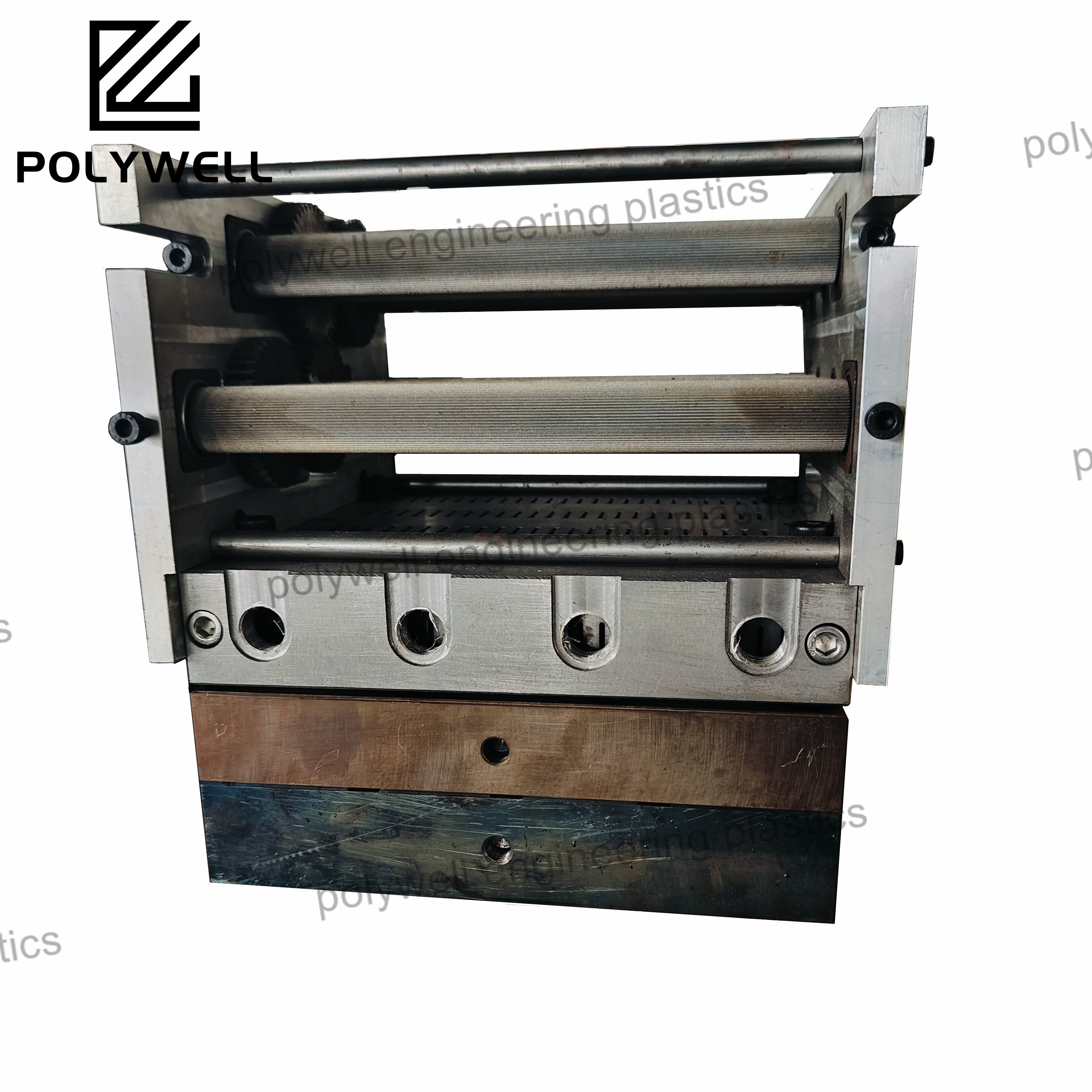
U skladu s člankom 3. stavkom 1. točkom (a) ovog članka, za proizvodnju plastičnih vlakana za toplinski prekid se primjenjuje sljedeći standard:
Vodič lanca Materijal nilon Vodični materijal Staza vodiča Materijal
- Prikaz
- Preporučeni proizvodi
Koji je sirovina za poliamidske trake termičkog prekida?
Poliamidi su među najvažnijim i najdokazanijim tehničkim termoplastici, poznati po svojoj otpornosti na toplinu, krutosti i visokoj mehaničkoj stabilnosti.
Polamidi se mogu razvrstiti u različite vrste, od kojih su PA 6, PA 6, PA 6 i PA 12 najrasprostranjeniji na tržištu. Osim ABS-a i PP-a, one su među najčešće korištenim plastikama, a nalaze se u nekoliko sektora, uključujući automobilsku, strojarnu, konstrukcijsko i instalacijsko inženjerstvo, fotonapetostnu i elektrotehniku.
Staklena vlakna su materijal koji se sastoji od brojnih izuzetno finih staklenih vlakana.
Staklena vlakna se koriste kao ojačanje polimera u raznim područjima kao što su zrakoplovstvo, automobilski, pomorski, sportski i rekreacijski proizvodi, te građevinarstvo i građevinsko inženjerstvo. Jedna od glavnih prednosti korištenja staklenih vlakana za jačanje polimera je njihov visok odnos performansi prema troškovima.
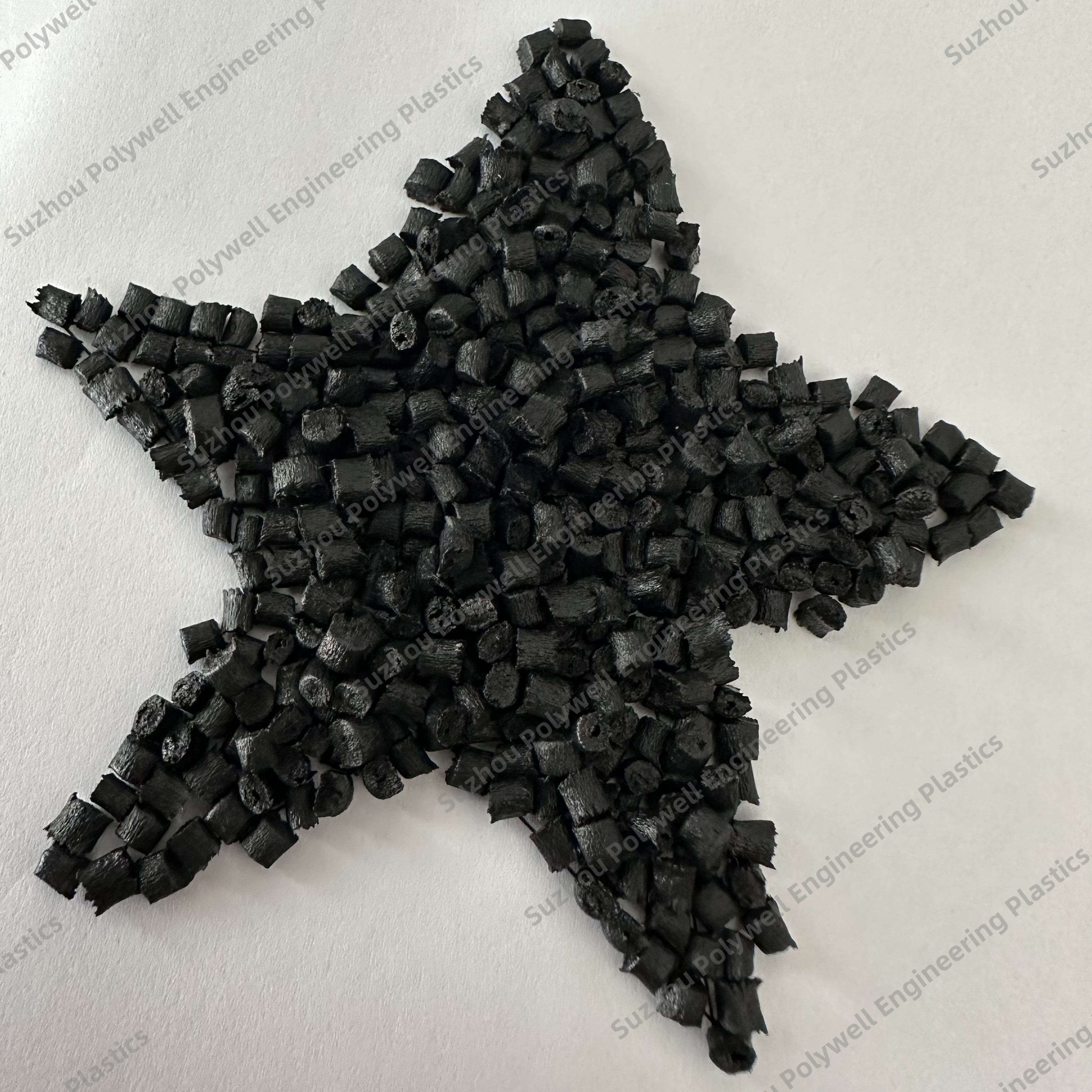
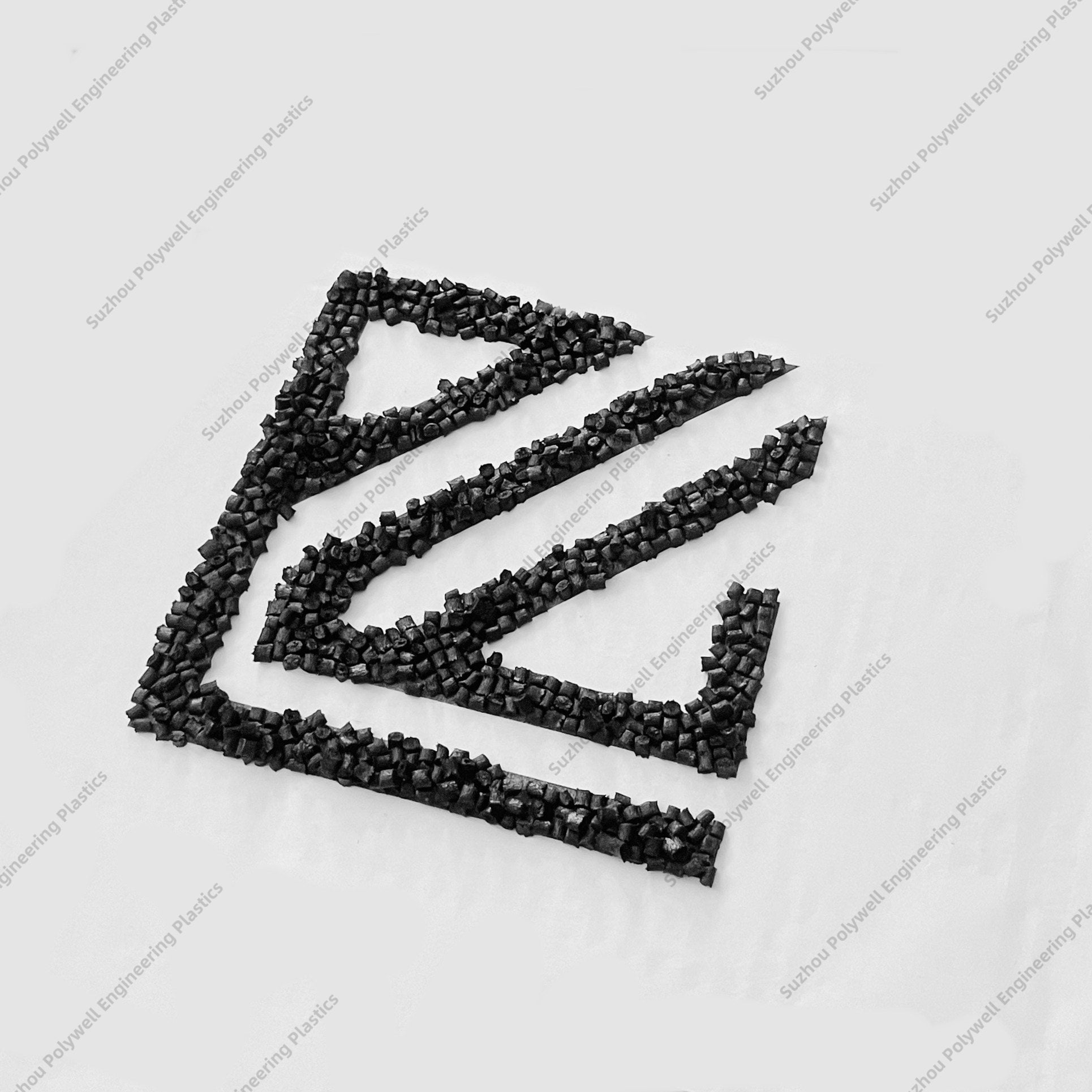
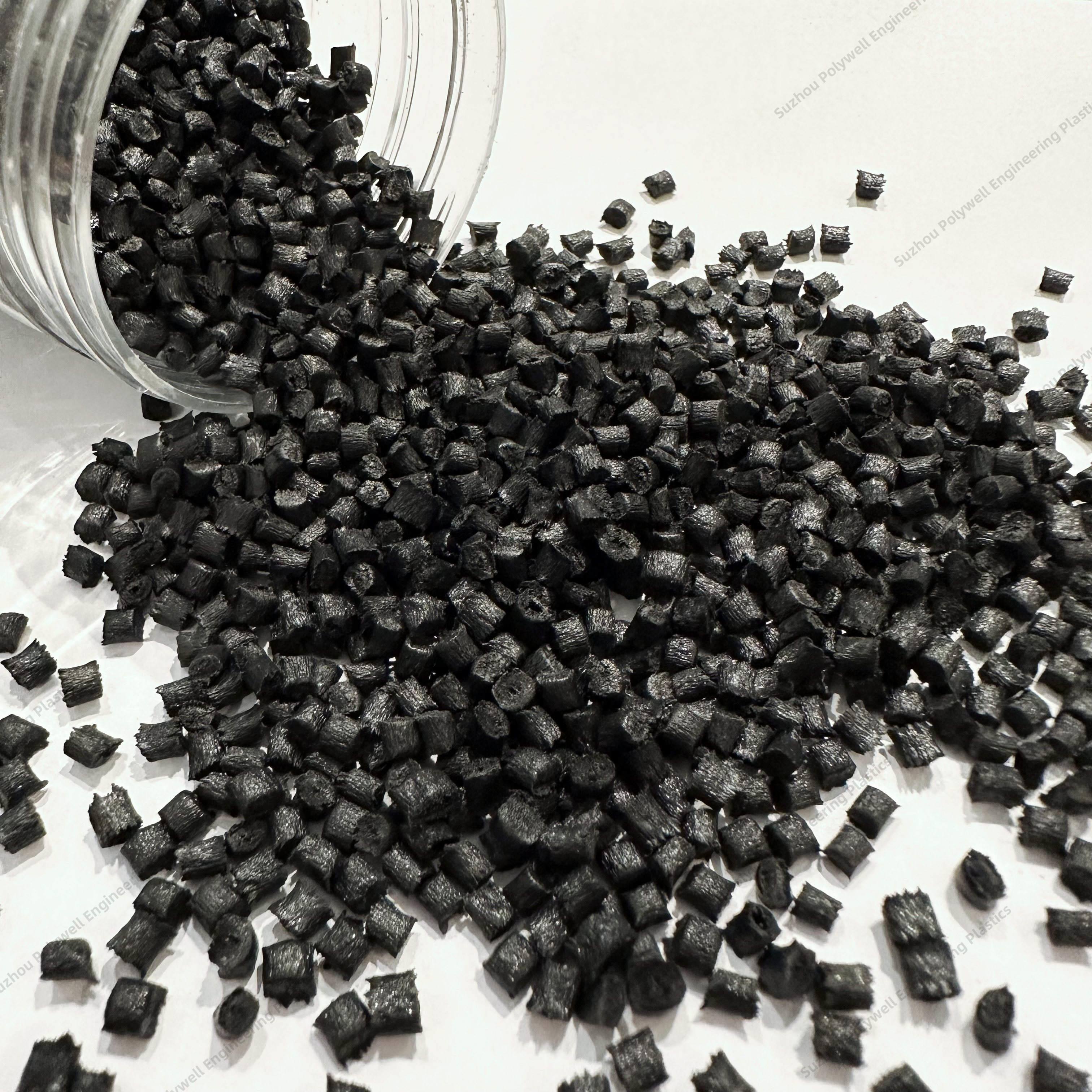
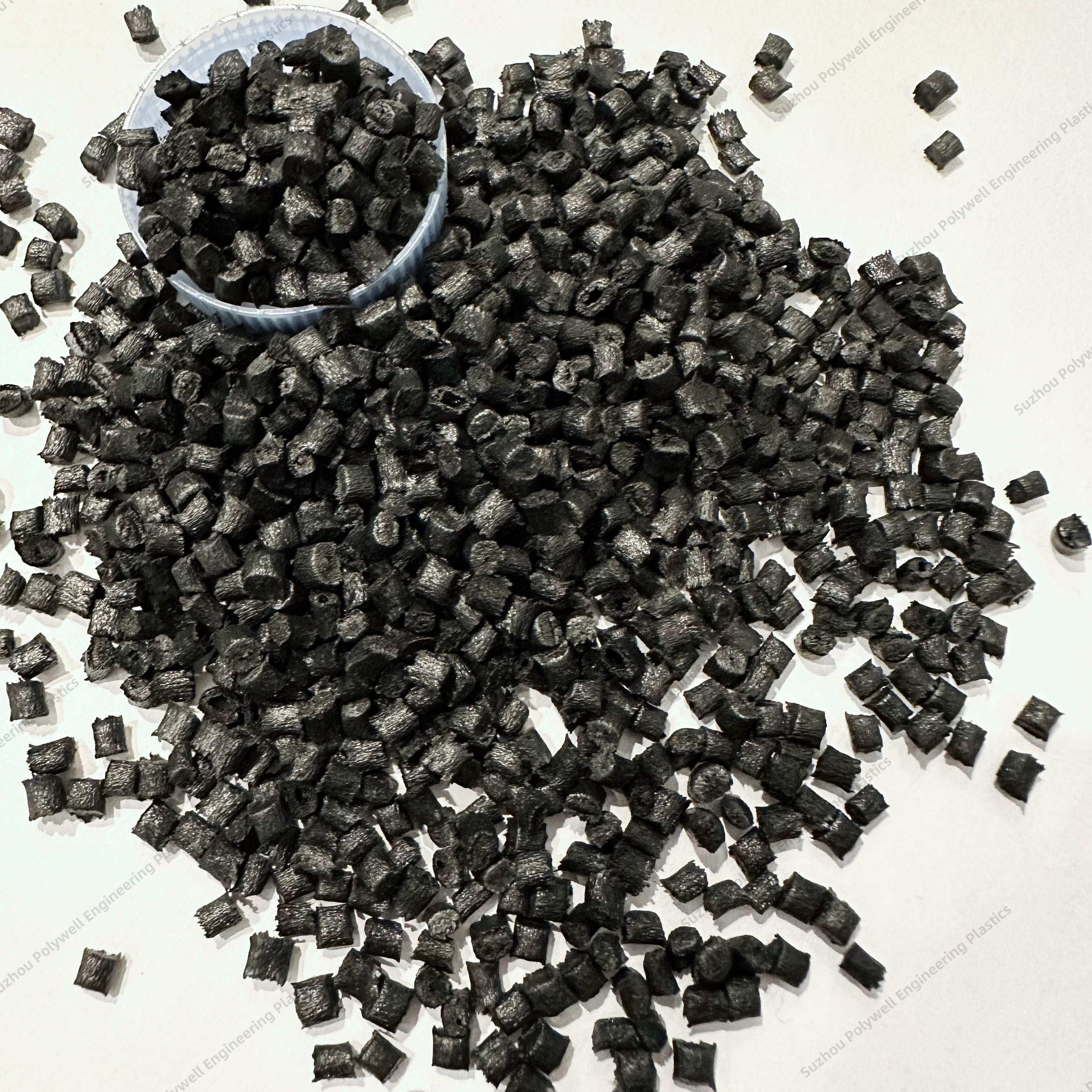
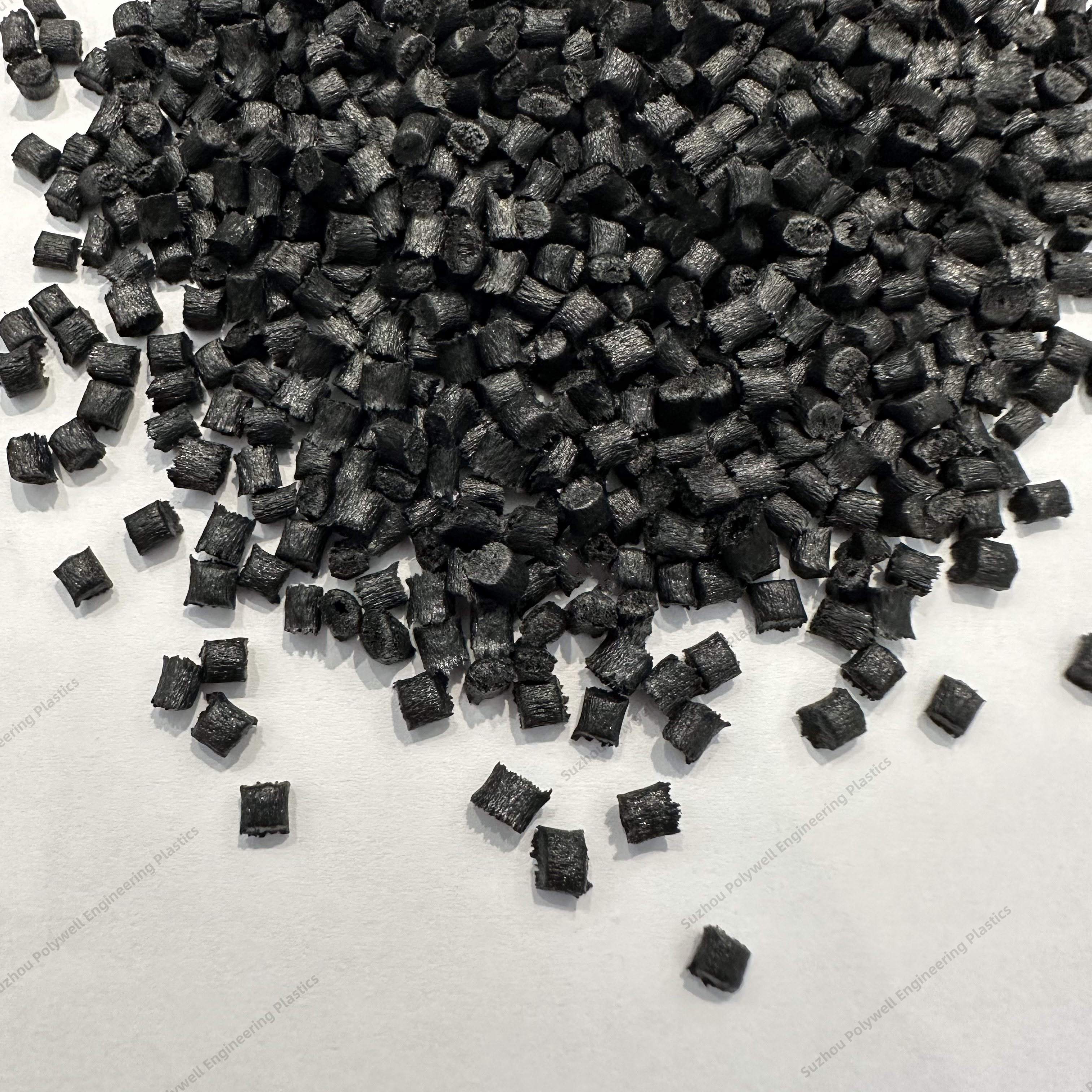
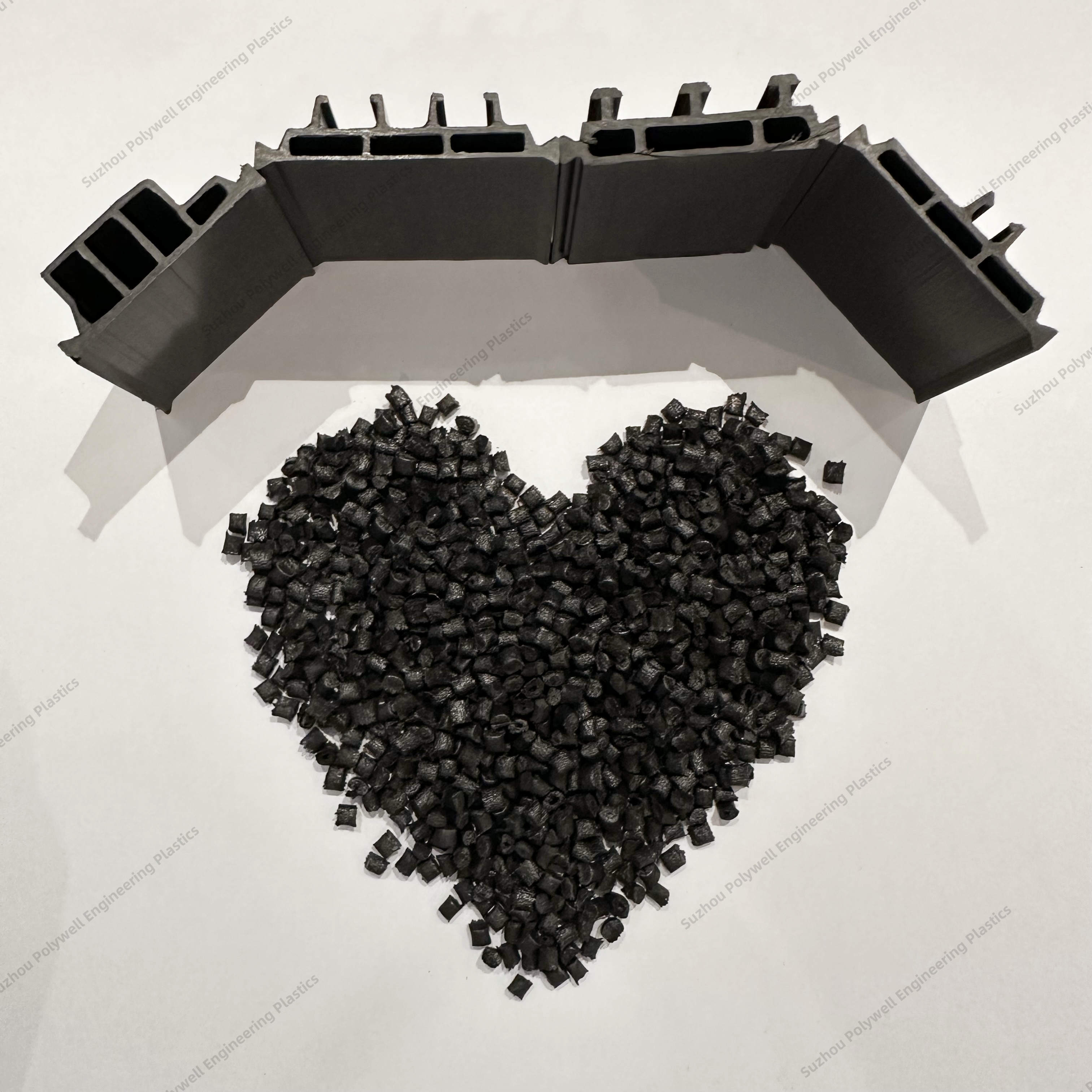
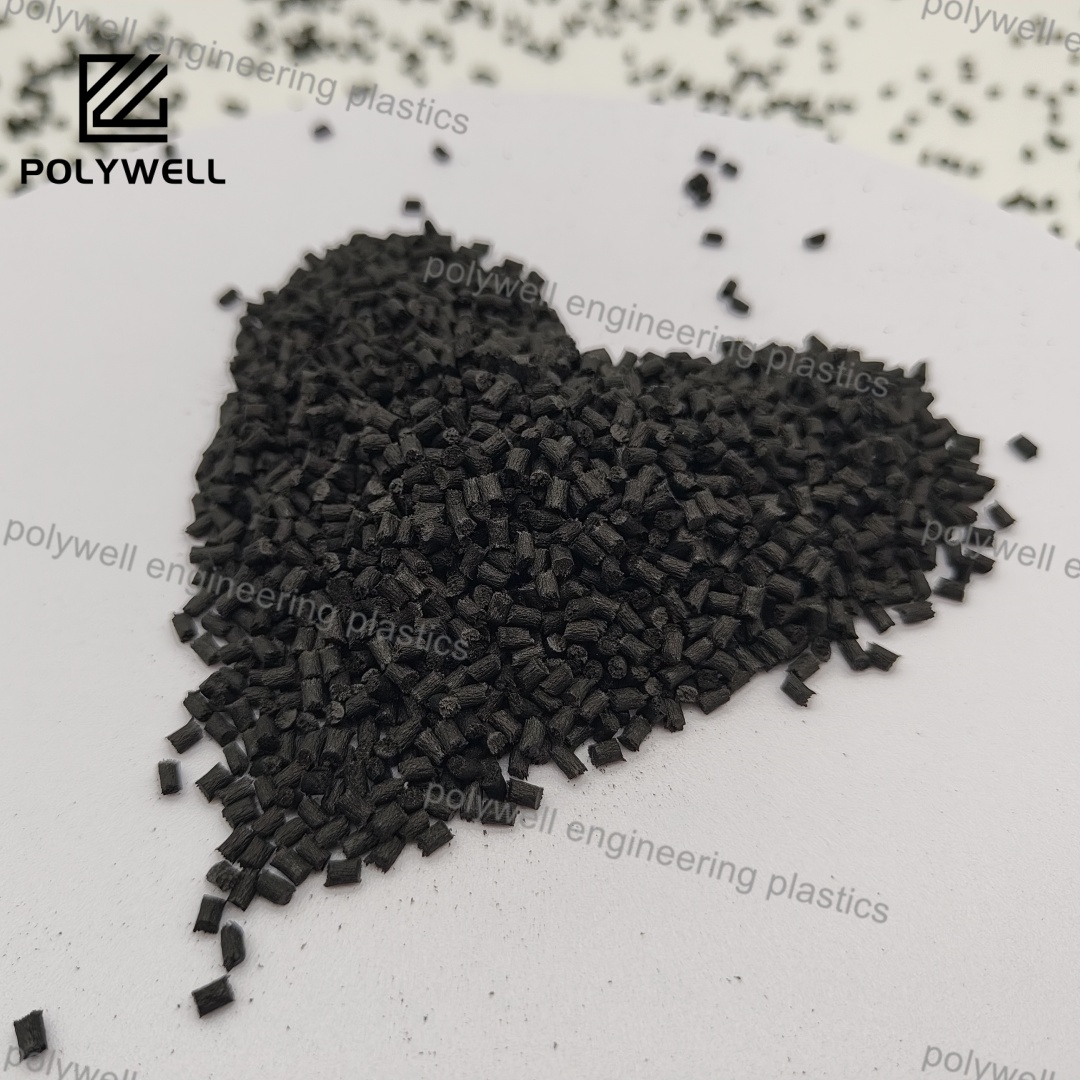
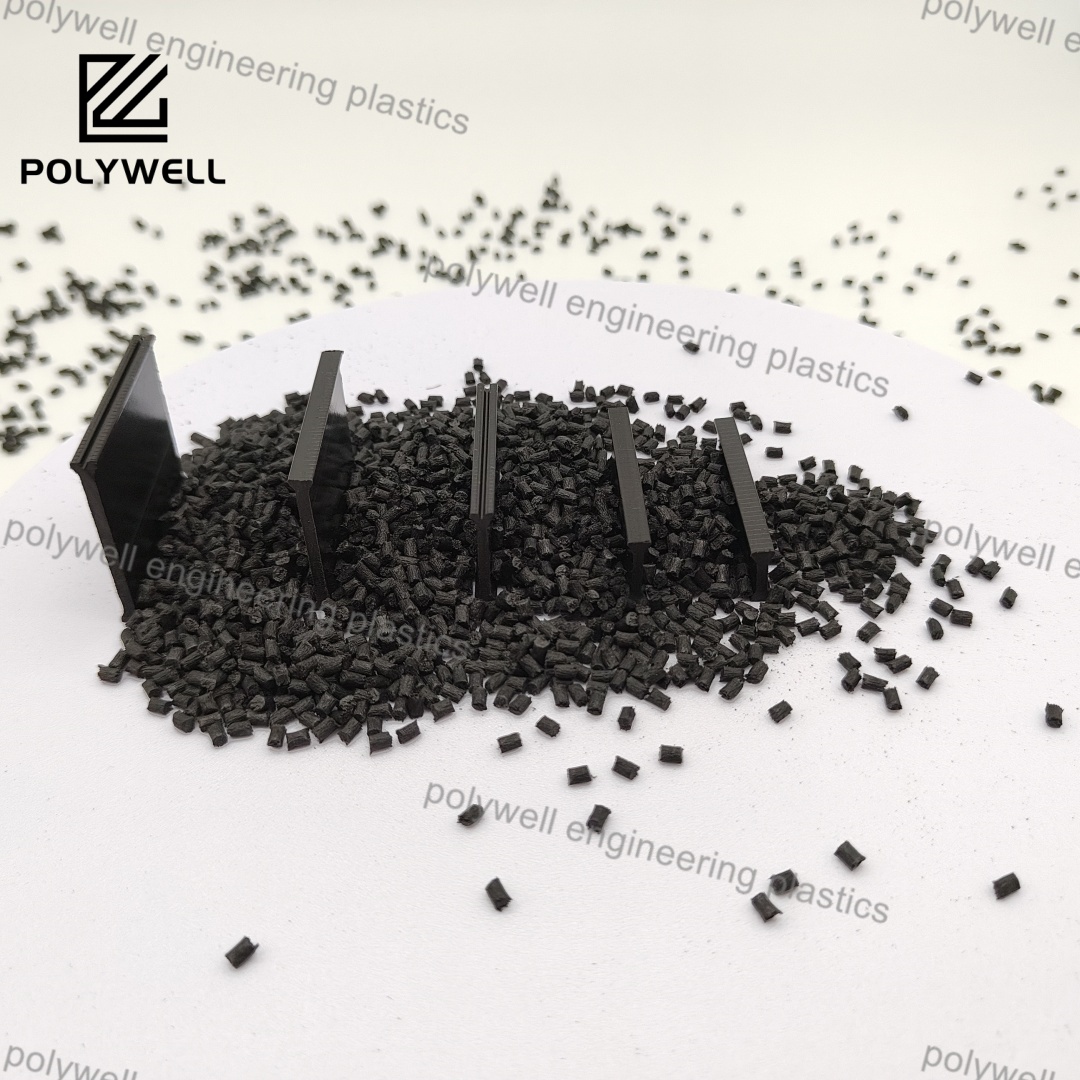
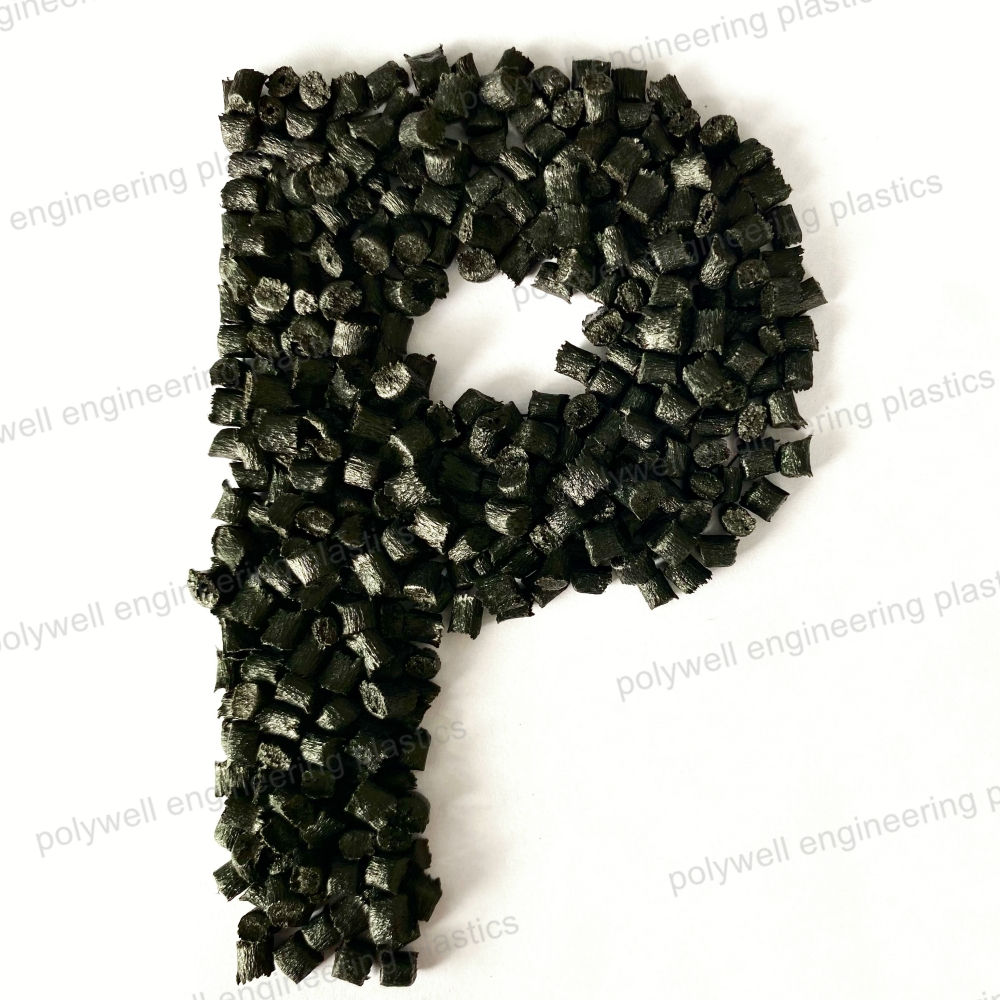
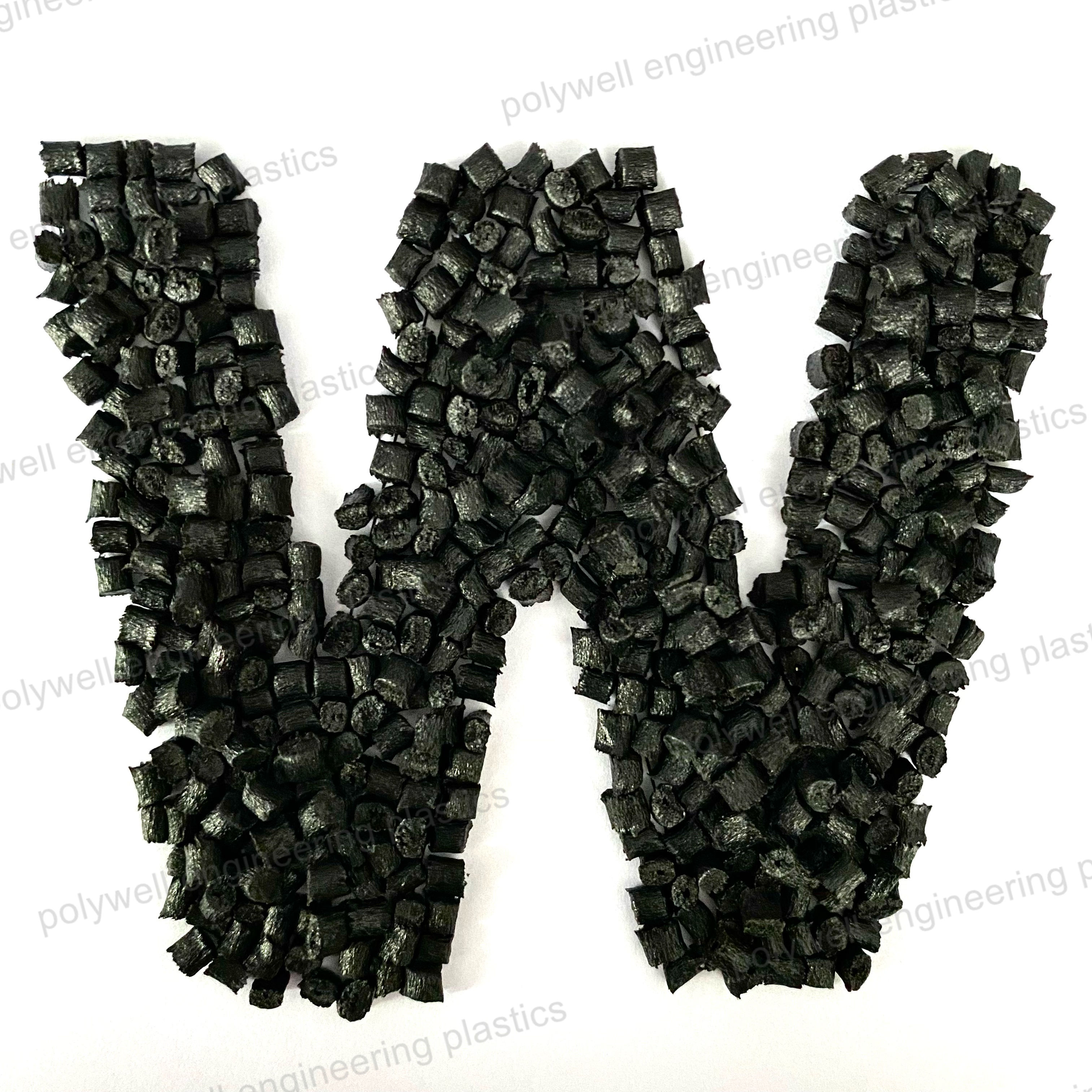
Naša tvrtka koristi PA 6.6 i stakleno vlakno za proizvodnju granula PA66GF25, što je najprikladnija sirovina za proizvodnju poliamidnih toplinskih traka.
Paket i isporuka:
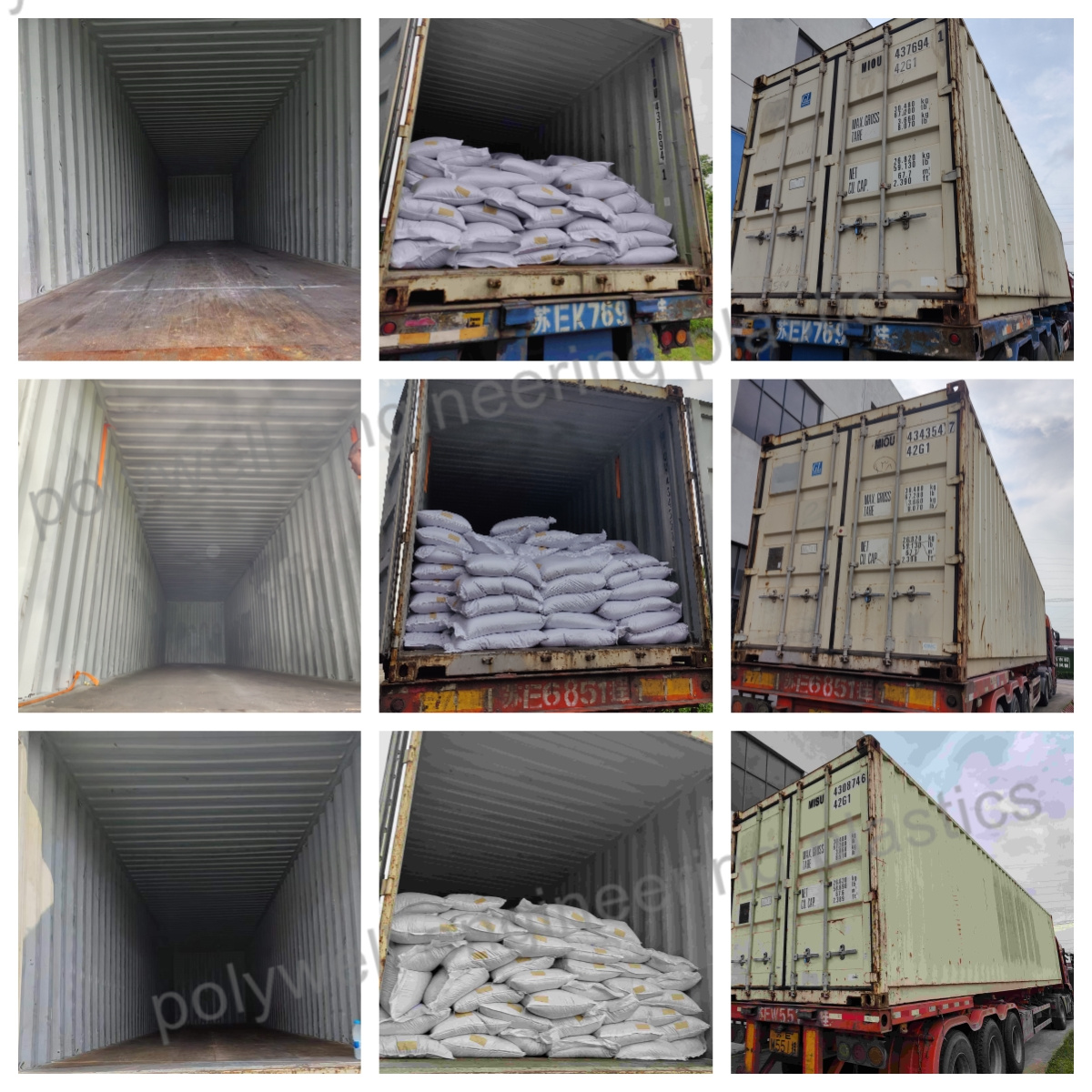
Detalji pakiranja |
25 kg/saku |
Vrijeme isporuke |
10-15 radnih dana |
Podaci o dostavi |
u slučaju da je to potrebno, može se upotrebljavati i druga sredstva. 24-25 tona po kontejneru od 40 stopa |
Jeste li PA66 isto što i nilon 66?
Dok je poliamid 66 (PA66) ili najlon 66 jedan od najpopularnijih inženjerskih termoplastičnih materijala i uglavnom se koristi kao zamjena za metal u raznim primjenama. Nailon 66 sintetizira se polikondenzacijom heksametilendiamina i adipne kiseline (dva monomera koja sadrže po 6 ugljikovih atoma).
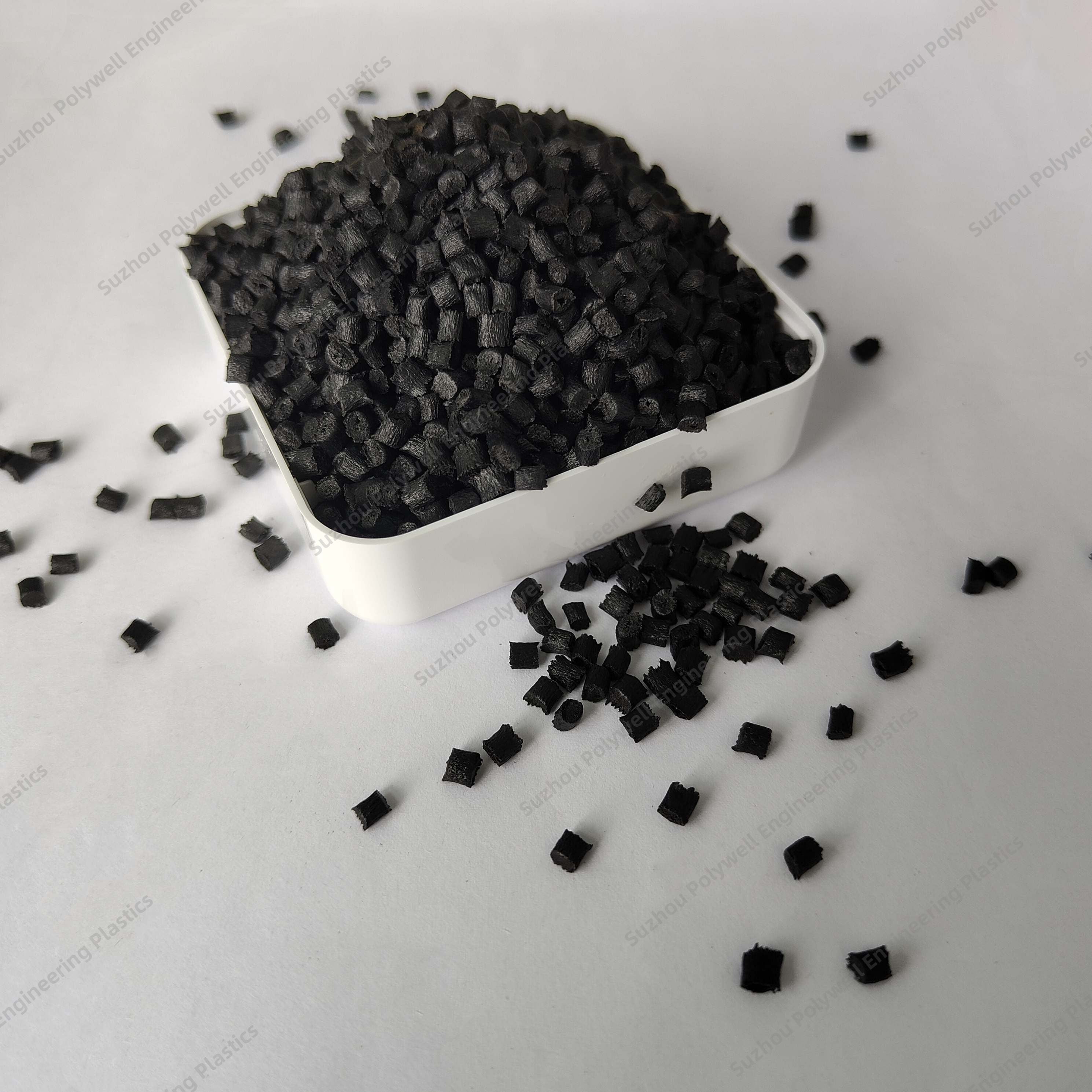
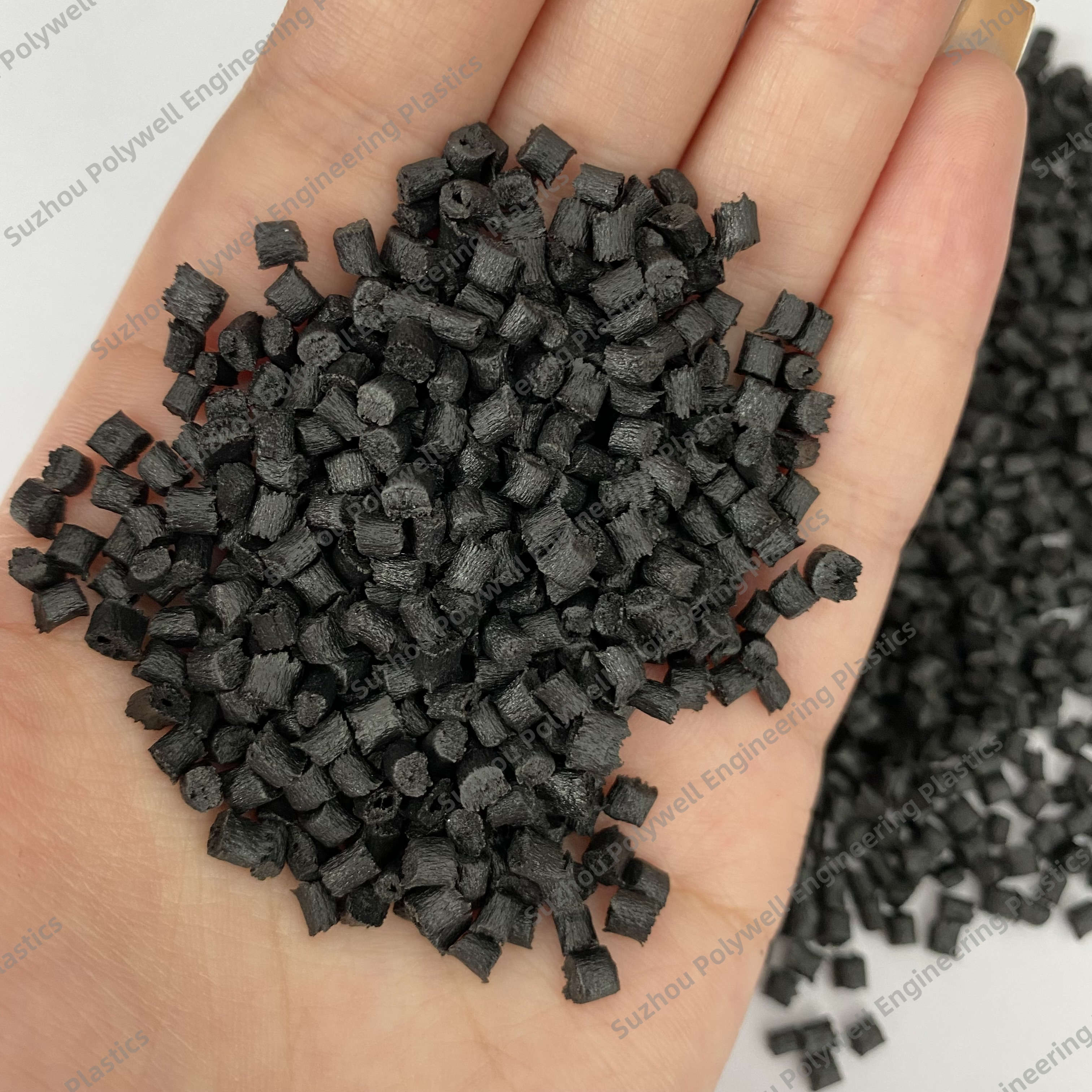
U skladu s člankom 3. stavkom 2.
| -Ne, ne, ne. | Članci | Jedinica | U skladu s člankom 3. stavkom 1. | U skladu s člankom 4. stavkom 2. |
| Materijalna svojstva | ||||
| 1 | Gostija | g/cm 3 | 1.3±0.05 | 1.28-1.35 |
| 2 | Koefficient linearne dilatacije | K -1 | (2.3-3.5)×10-5 | (2.3-3.5)×10-5 |
| 3 | Vikat temperatura omekšavanja | oC | ≥230ºC | ≥233ºC |
| 4 | Talište | oC | ≥240ºC | ≥240ºC |
| 5 | Ispitivanje na rascjepove u vezi sa vučenjem | - Što? | Nema pukotina. | Nema pukotina. |
| 6 | Obalna tvrdoća | - Što? | 80±5 | 80-85 |
| 7 | Utjecajna čvrstoća (neoznačeno) | KJ/m 2 | ≥35 | ≥38 |
| 8 | Tensilna čvrstoća (dužinski) | MPa | ≥80a. | ≥82a. |
| 9 | Modul elastičnosti | MPa | ≥4500 | ≥4550 |
| 10 | Produženje pri lomu | % | ≥2.5 | ≥2.6 |
| 11 | Tensilna čvrstoća (poprečno) | MPa | ≥70a. | ≥70a. |
| 12 | Svaka vrsta proizvoda iz poglavlja 3. | MPa | ≥45a. | ≥47a. |
| 13 | Smanjena temperaturna čvrstoća na vladanje (prečna) | MPa | ≥80a. | ≥81a. |
| 14 | Odolnost na vodu, snaga vučenja (prečna) | MPa | ≥35a. | ≥35a. |
| 15 | Odolnost na starenje, snaga na vladanje (prečna) | MPa | ≥50a. | ≥50a. |
3. Slijedi sljedeće: U slučaju da se proizvod ne može upotrebljavati u skladu s člankom 6. stavkom 1. točkom (a) ovog članka, proizvođač mora u skladu s člankom 6. stavkom 1. točkom (a) ovog članka upotrebljavati proizvod koji se upotrebljava u skladu s člankom 6. stavkom 1. točkom (a) ovog članka.
Uvođenje:
Široko se koristi u mašinstvu, instrumentalnoj opremi, automobilskim dijelovima, električnim i elektronskim uređajima, željeznicama, gospodinjskim aparatom, telekomunikacijama, tekstilu, sportovskim i vremena-dozivljanja proizvodima, cijevima i preciznim inženjerskim proizvodima.
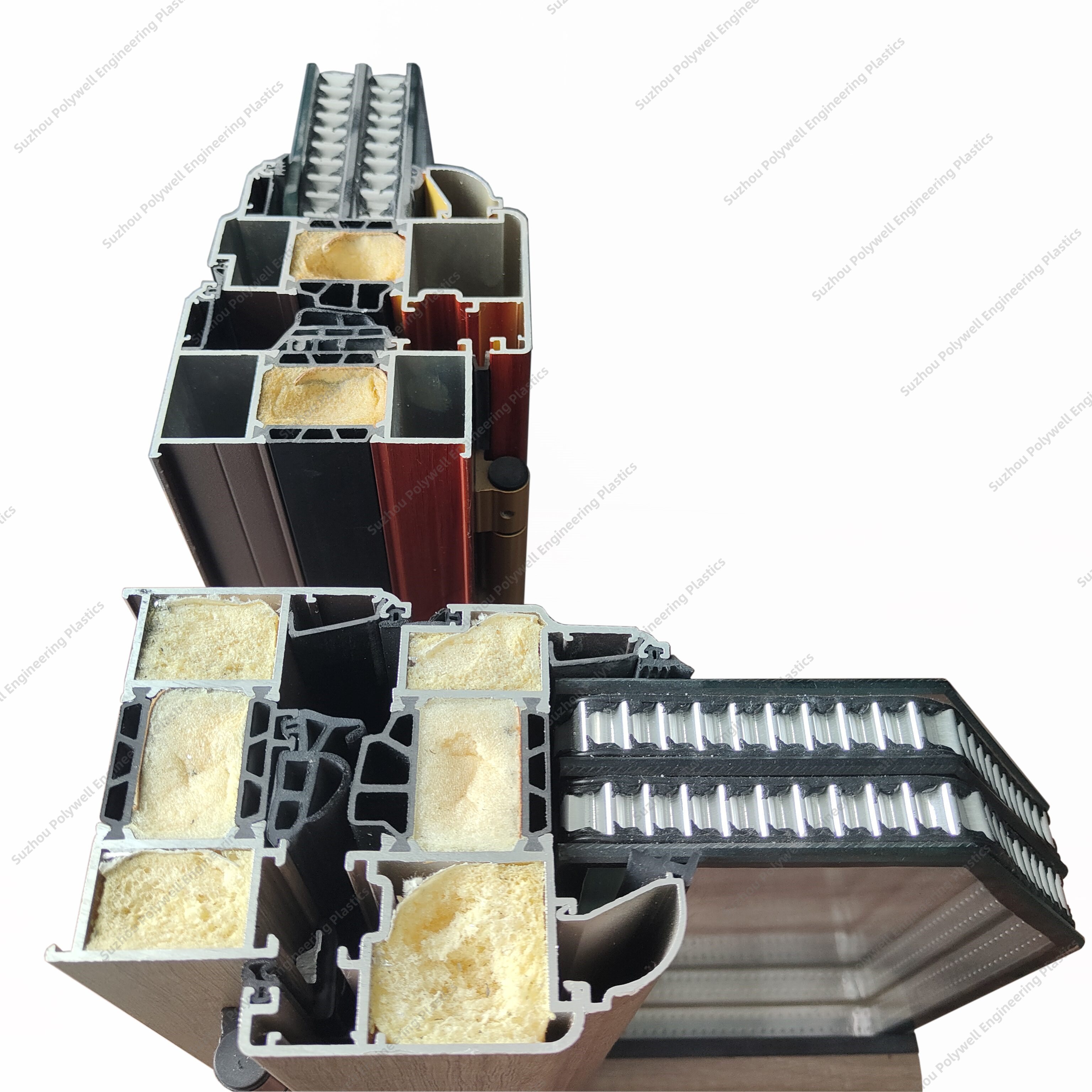
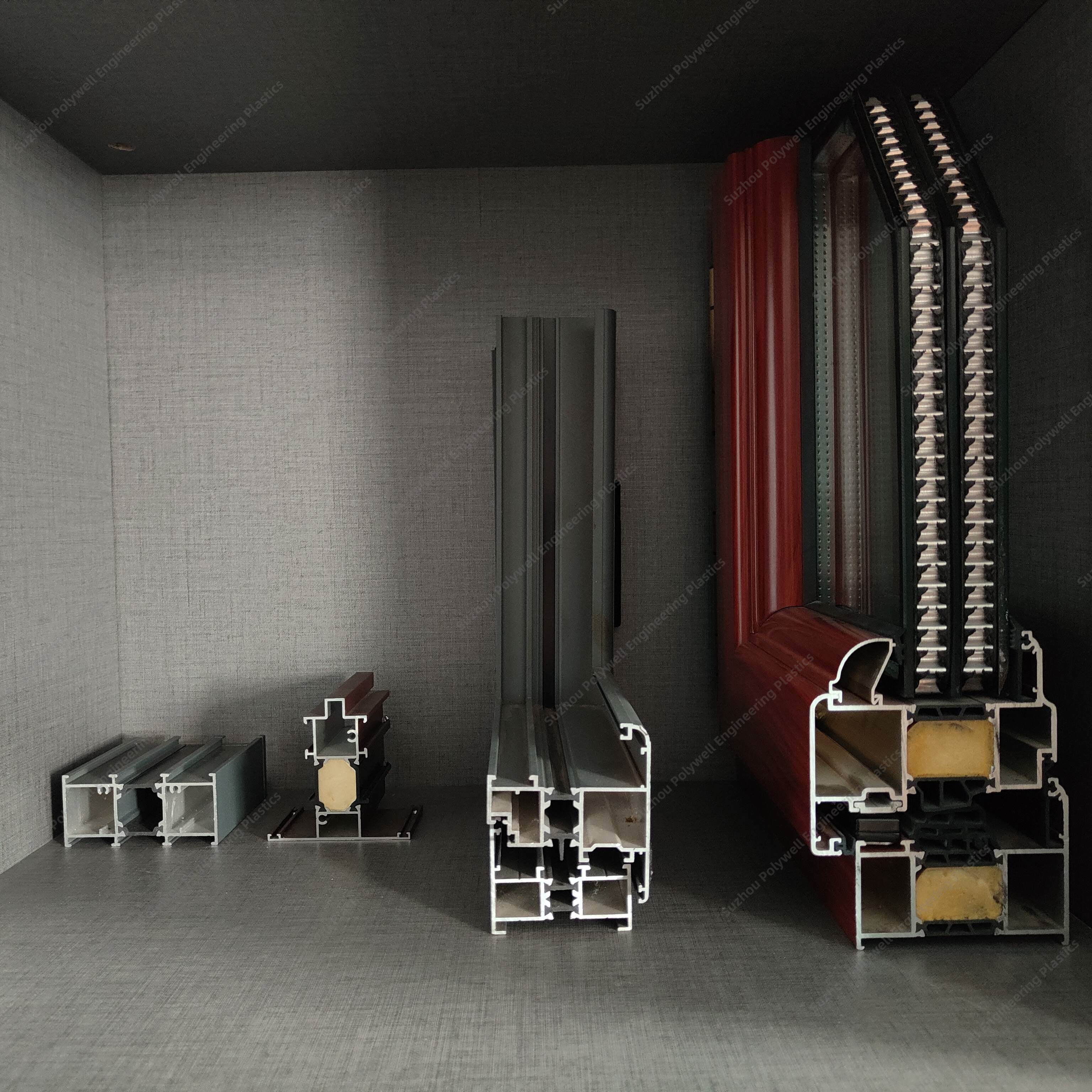
Naša tvrtka:
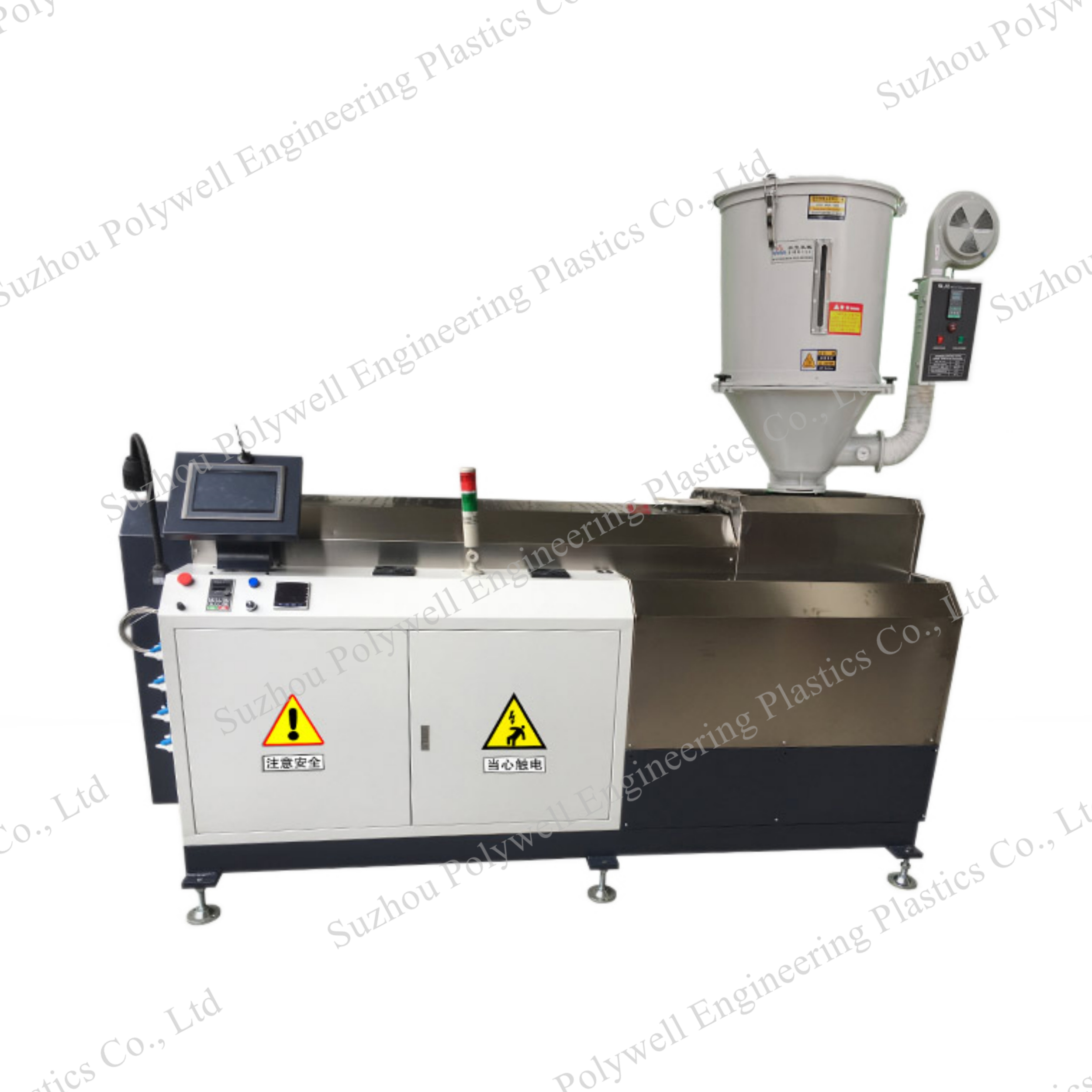
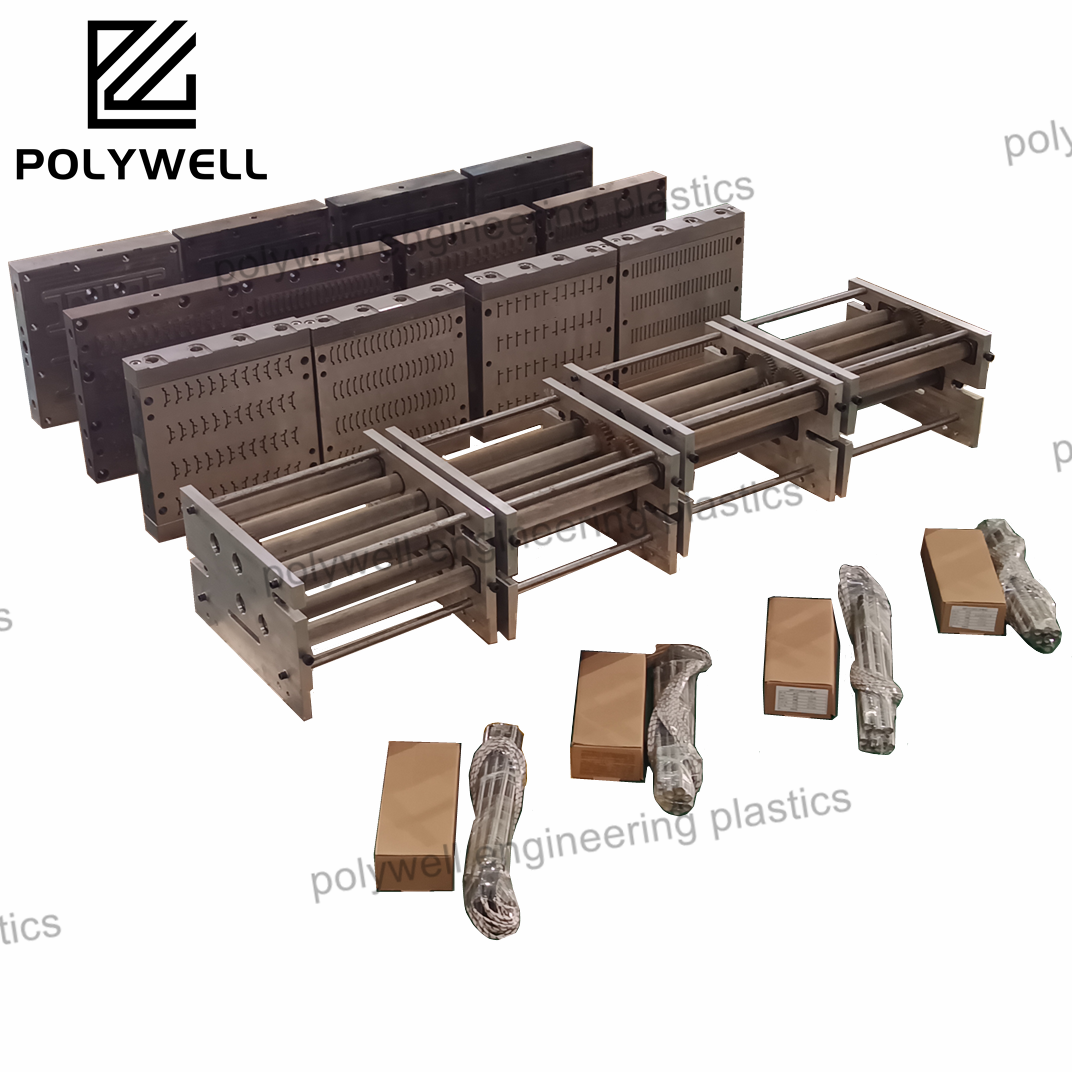
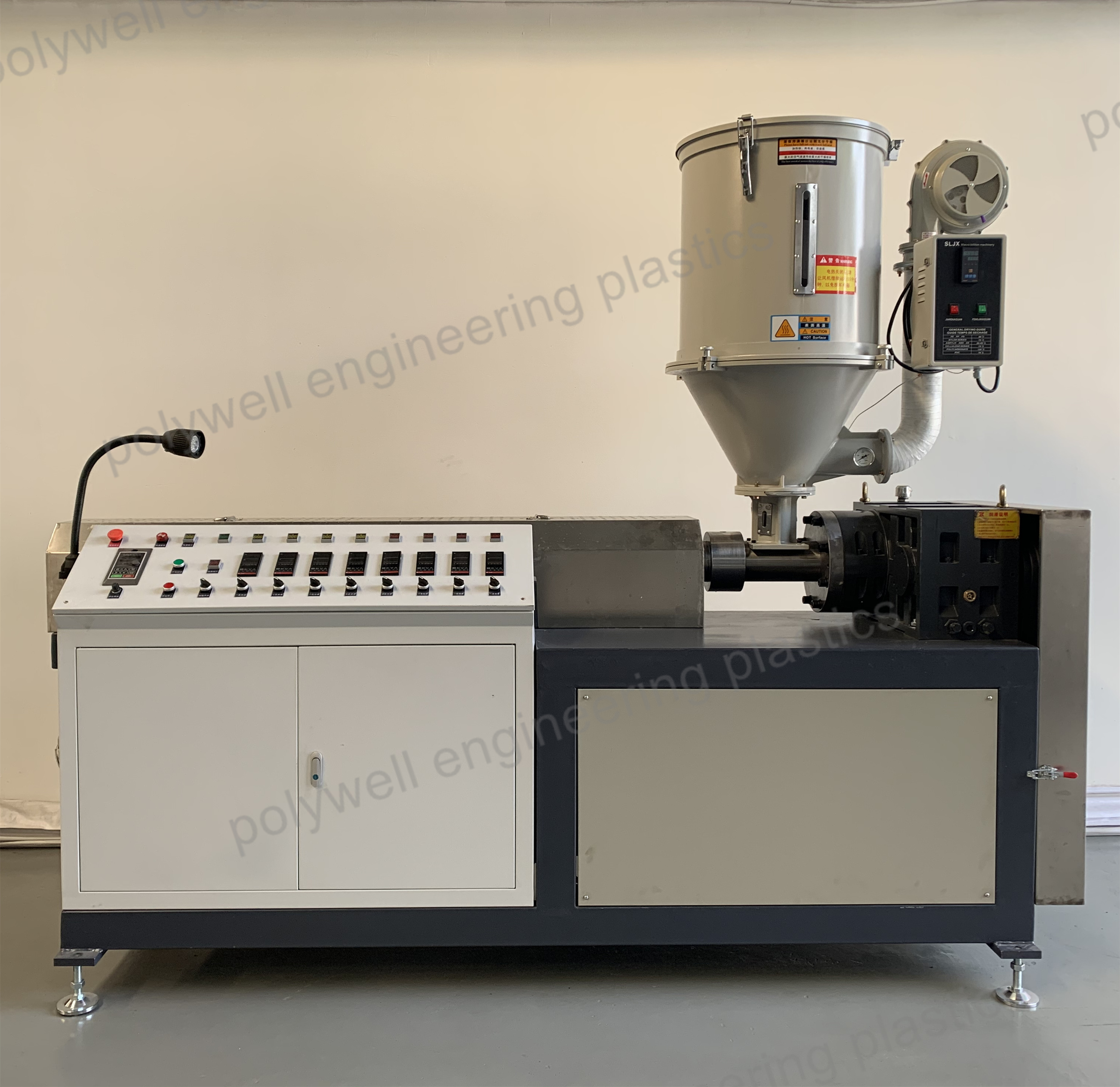
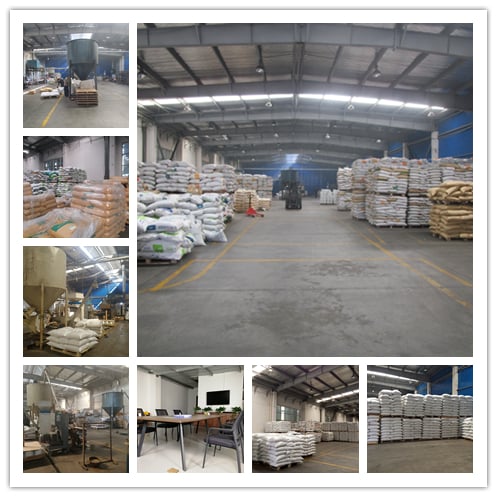
Polywell je specijaliziran za pružanje klijentima rješenja za proizvodnju poliamidnih traka, uključujući sirovine, traku za toplinski prekid, plastični ekstruder, kalup, radni stol, stroj za sečenje, mašinu za navijanje itd.
Molim vas, slobodno nas kontaktirajte ako imate pitanja.