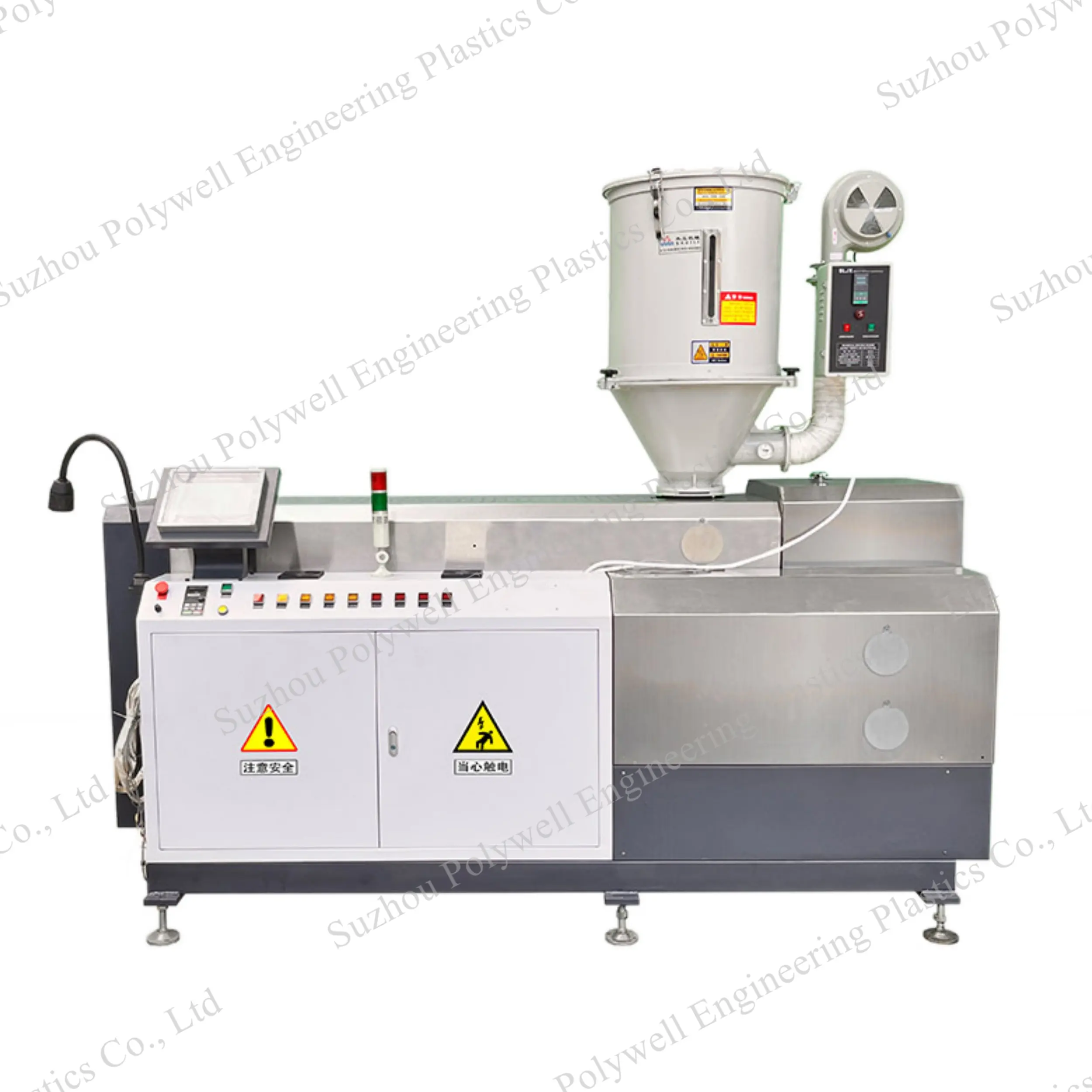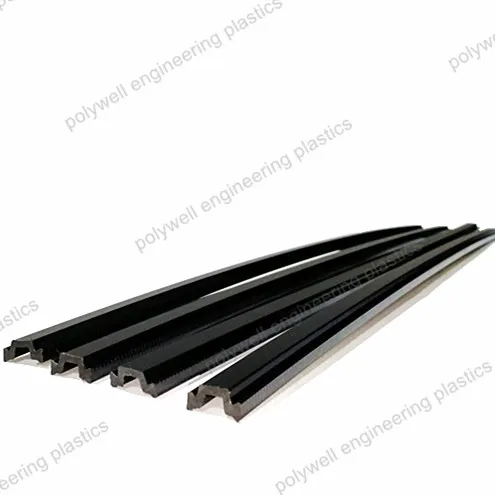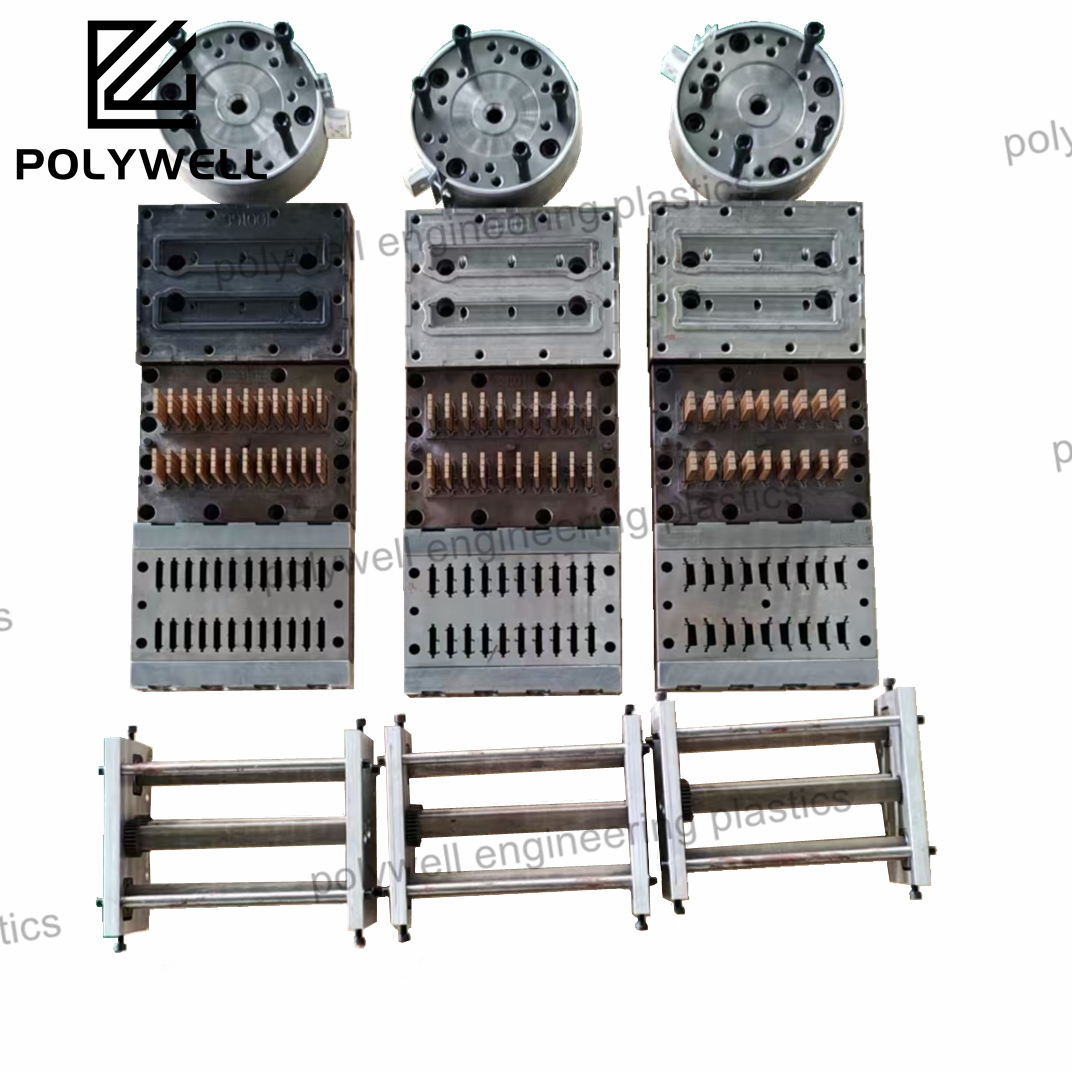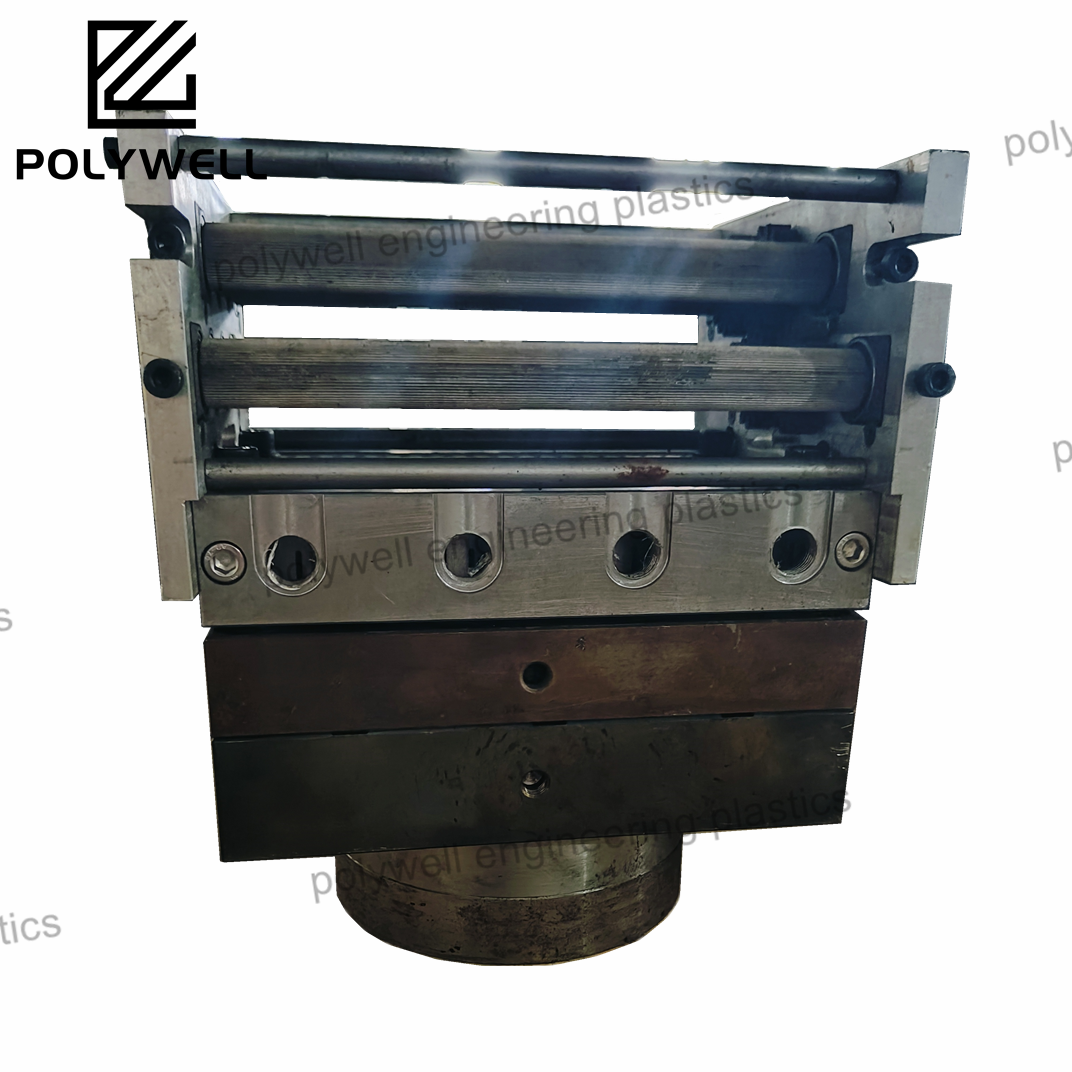
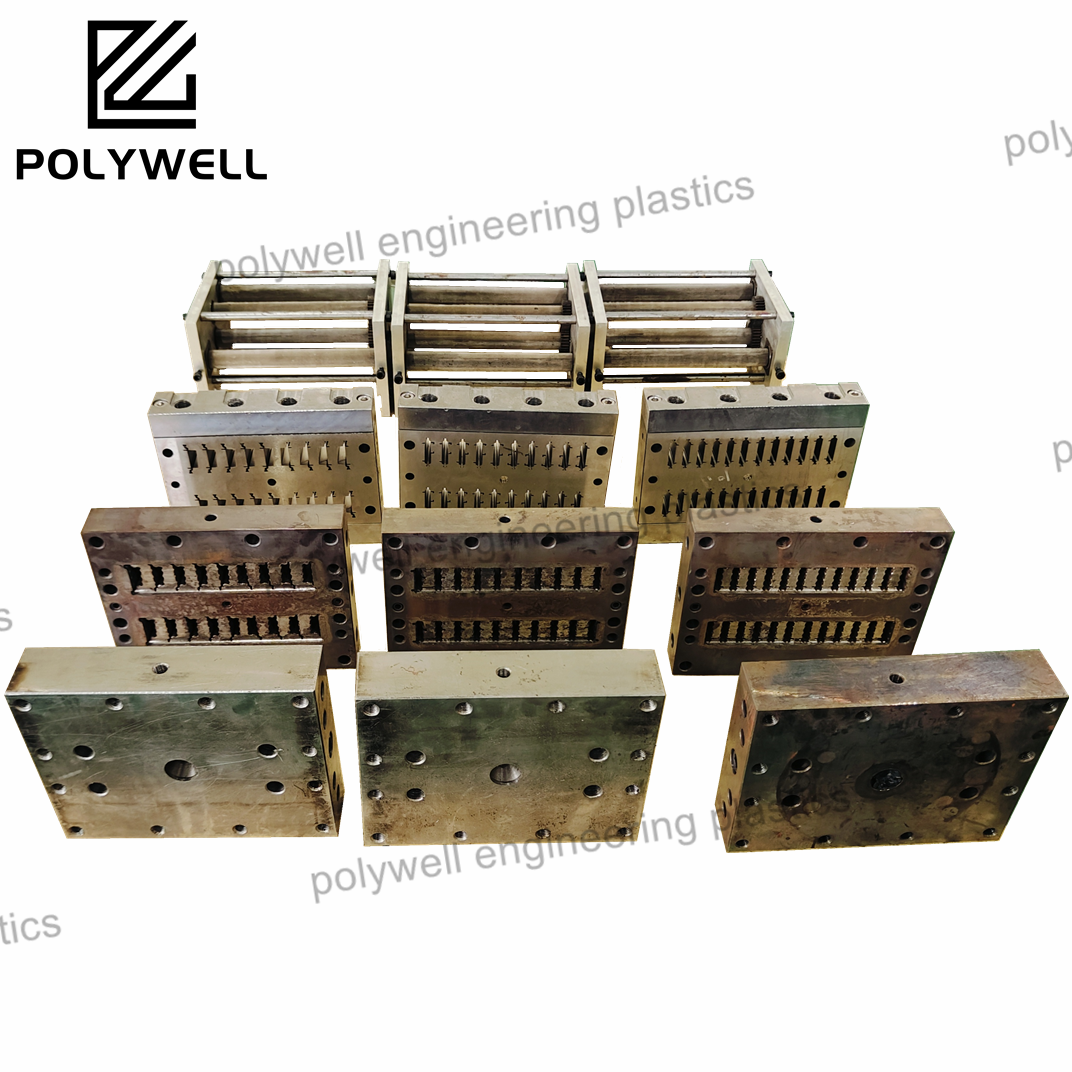
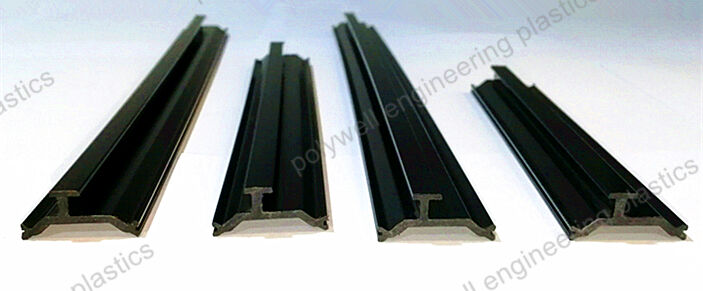
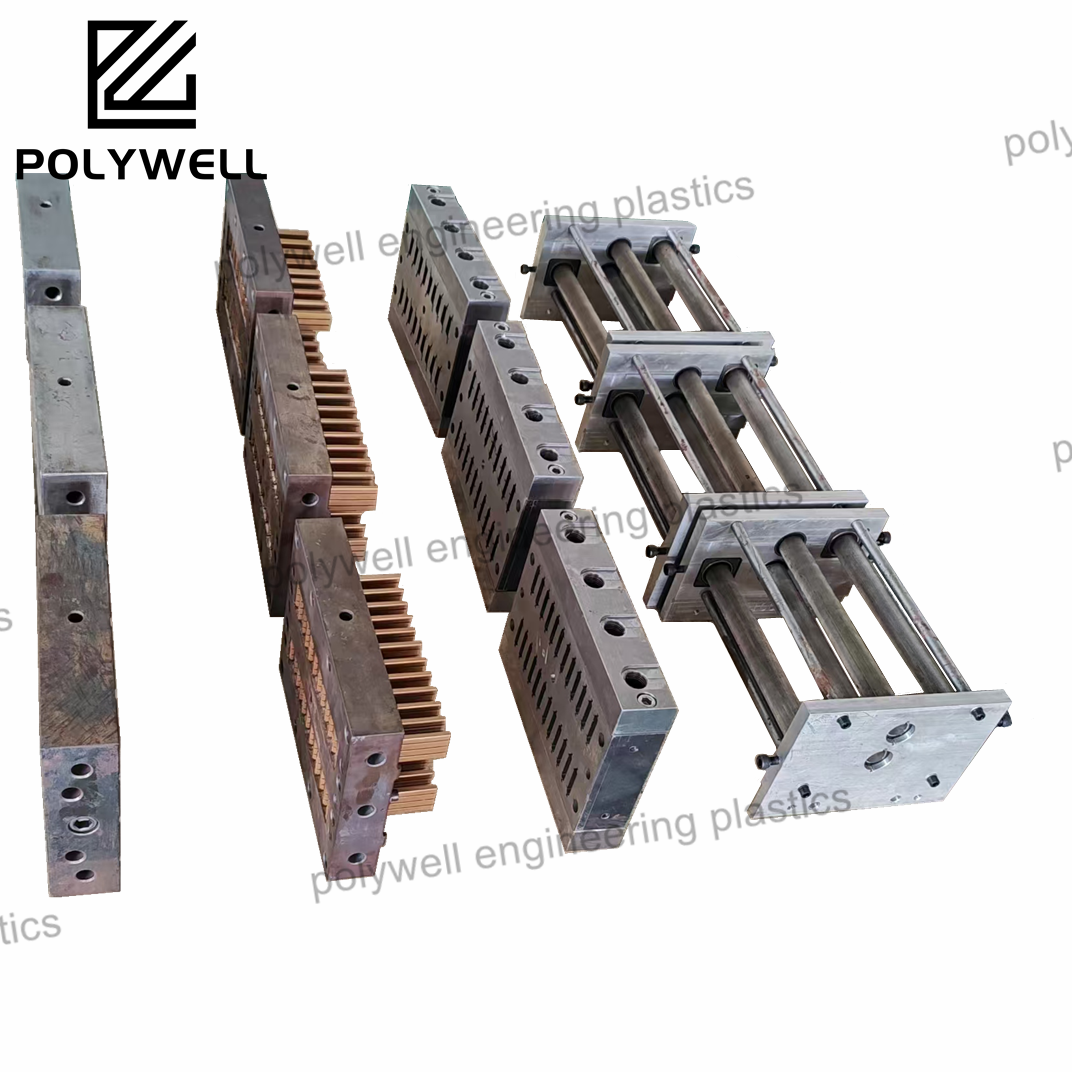
A plastic extruder die is the final, and arguably most critical, component in the extruder where the actual shaping of the plastic product occurs. It is a meticulously engineered block, usually constructed from high-grade tool steel like P20 or H13, that is hardened, tempered, and polished to a mirror finish. The die is tasked with accepting the homogeneous, pressurized melt from the extruder and transforming it into a continuous stream with a specific two-dimensional cross-section. The internal flow path, or manifold, within the die is designed using principles of fluid dynamics to ensure the polymer melt arrives at the die lips with a uniform velocity and pressure across the entire exit face. This is essential to prevent issues like uneven wall thickness or "bambooing." The design must also account for material-specific behaviors, primarily die swell—the tendency of the viscoelastic polymer melt to expand upon exiting the die due to the release of internal stresses. Therefore, the die orifice is often not an exact replica of the final desired profile but is slightly undersized and differently proportioned. For complex profiles, the die may be segmented into several plates for easier machining and maintenance. The performance of a plastic extruder die directly governs the dimensional stability, surface finish, and overall quality of the extruded profile, making its design and manufacturing a specialized art that blends empirical knowledge with sophisticated simulation software.