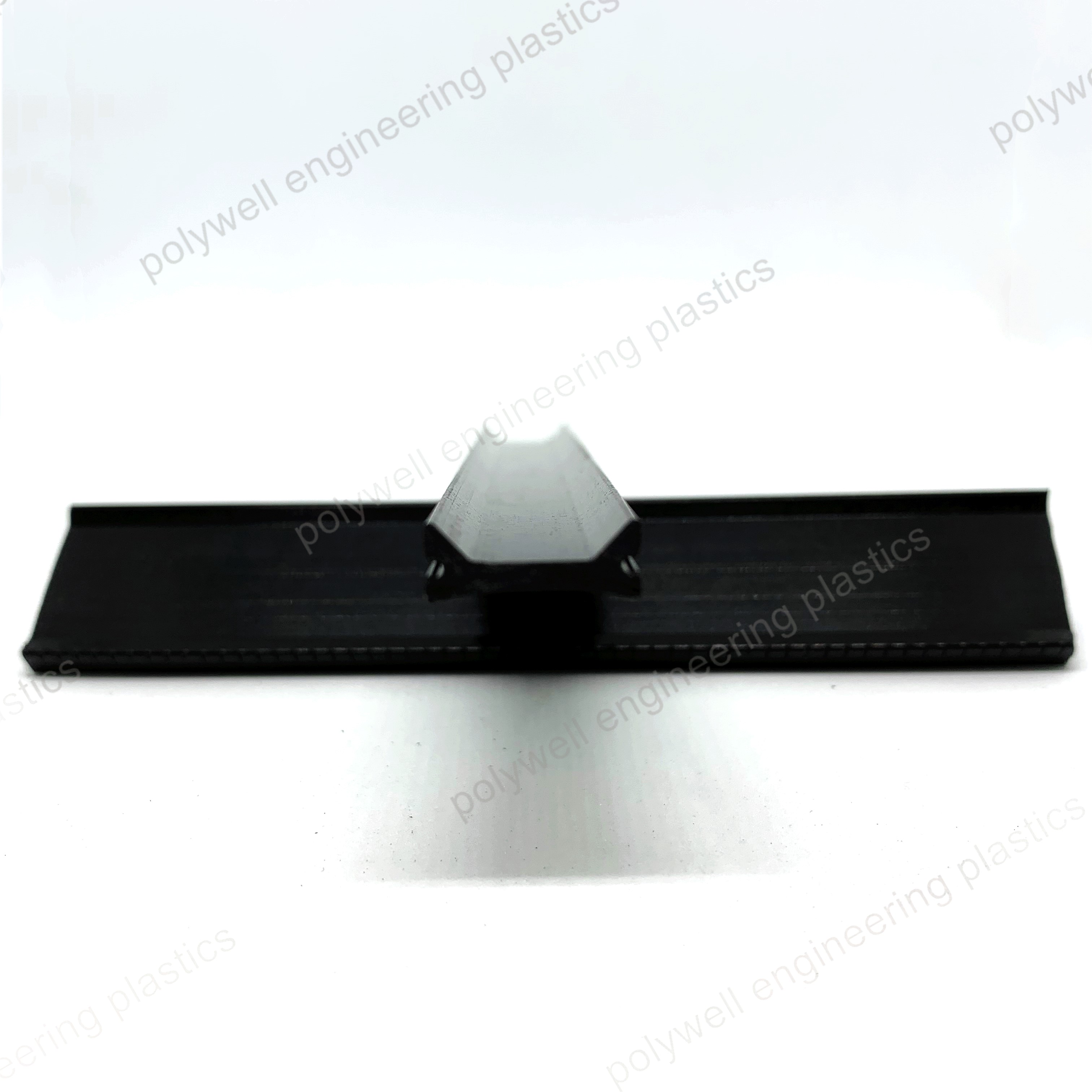
Polyamidové tepelně izolační profily hrají klíčovou roli při udržování tepelné izolace oken a dveří v chladném klimatu, ale nízké teploty mohou materiál zlomit, čímž se snižuje jeho odolnost proti nárazu. Tepelně izolační profil, který praskne nebo se zlomí za mrazivého počasí, nepředstavuje bariéru proti přenosu tepla a poškozuje celý okenní systém. Jako výrobce tepelně izolačních profilů s vývojovou zkušeností od roku 2006 jsme vyvinuli přísné testovací protokoly, které zajišťují spolehlivý výkon našich polyamidových tepelně izolačních profilů i za mrazivých podmínek. Díky naší komplexní službě – pokrývající dvoušroubové granulované materiály, jednošroubovou extruzi a technickou testovací podporu – pomáháme zákazníkům ověřit odolnost tepelně izolačních profilů v chladném prostředí a zajistit tak dlouhodobou trvanlivost.
Polyamid, jako většina plastů, prochází křehkou přeměnou při nízkých teplotách – pod určitou mezí prudce klesá jeho pružnost a stává se náchylným k lomu při nárazu. U tepelně izolačních profilů používaných v chladných oblastech (např. při teplotách až -40 °C) představuje tato přeměna významné riziko. Běžný tepelně izolační profil z polyamidu, který dobře funguje při pokojové teplotě, se může při teplotě -30 °C zlomit při malém nárazu (např. při pádu nářadí během instalace). Tento zlom vytvoří tepelný most, čímž se ničí izolační funkce profilu a vyžaduje nákladnou výměnu. Naše 17 let zkušeností z odvětví ukazuje, že tepelně izolační profily s špatnou odolností proti nárazu za studena mají v zimě až trojnásobně vyšší pravděpodobnost poruchy, což činí tento test klíčovým pro kvalitu výrobku.
Tepelné izolační profily jsou v chladném prostředí vystaveny riziku více druhů nárazů. Během montáže v zimě mohou dělníci omylem upustit hliníkové profily na tyto izolační profily, nebo se jich mohou náhodně dotknout nástroji – nárazy, které by za pokojové teploty profil nepoškodily, mohou v zimě vést k jeho prasknutí. Po instalaci mohou být izolační profily ohroženy i drobnými nárazy způsobenými tříští roznášenou větrem nebo dokonce cykly tepelné roztažnosti/smršťování, které materiál oslabují. Spolehlivý tepelný izolační profil musí být schopen odolat těmto namáháním bez poškození. Naše testovací protokoly simulují tyto reálné situace a zajistí tak, že tepelné izolační profily, které vyrábíme (a podporujeme prostřednictvím našich komplexních služeb), vydrží nárazy v chladném prostředí.
Před testováním musí být tepelné izolační profily vyconditionovány na cílovou nízkou teplotu, aby byly napodobeny reálné podmínky. Spěchání tohoto kroku vede k nepřesným výsledkům – pokud profil není plně ochlazen, bude jeho odolnost proti nárazu zdánlivě vyšší, než je ve skutečnosti při použití. Naše protokol stanovuje, že tepelné izolační profily (nakrájené na standardní zkušební rozměry: 100 mm dlouhé × 20 mm široké, odpovídající běžným výrobním rozměrům z našich jednošnekových extrudérů) se umístí do komory s regulovanou teplotou. Komoru nastavíme na zkušební teplotu (-20 °C, -30 °C nebo -40 °C, v závislosti na cílové oblasti zákazníka) a ponecháme profily nejméně 4 hodiny – tím je zajištěno, že celý profil, nikoli pouze povrch, dosáhne požadované nízké teploty. Jako součást našeho kompletního servisu poskytujeme zákazníkům pokyny pro vyconditionování a můžeme profily dokonce předem vyconditionovat ve své laboratoři před testováním.
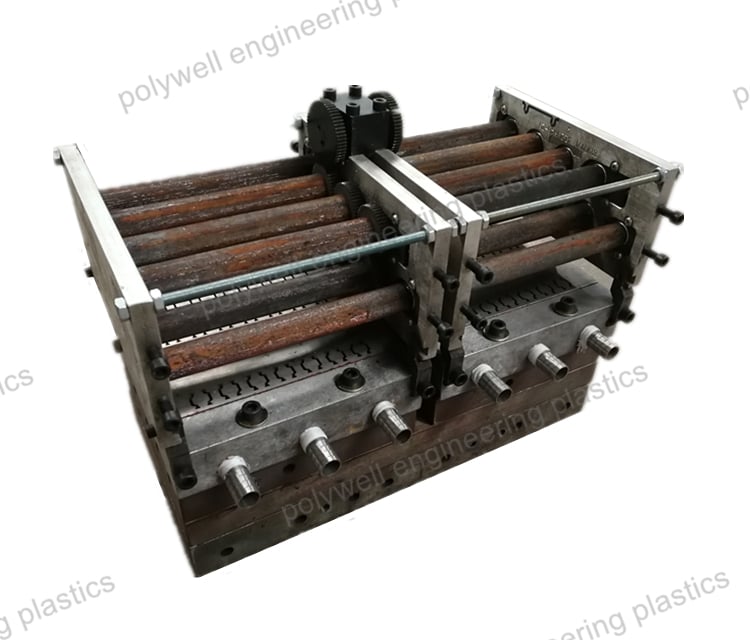
Aby výsledky testů odrážely výkon celé série, musí být vzorky reprezentativní pro celou výrobní dávku. Doporučujeme odebírat 10 až 15 vzorků z různých částí linky na výrobu tepelných izolátorů (např. začátek, střed, konec dávky), abychom zohlednili případné malé odchylky v procesu extruze. Naše tepelné izolátory vyrábíme jednošnekovými extrudéry (jediné zařízení schopné vyrábět tepelné izolátory – dvojšnekové extrudéry se používají výhradně pro granulaci), které zajišťují konzistentní rozměry a rovnoměrné rozložení materiálu, avšak odběr vzorků z více míst zvyšuje spolehlivost výsledků. Používáme také vzorky bez povrchových vad (chybějící hrany, bílé skvrny, stopa po vodě atd.), protože tyto vadné místa mohou působit jako místa koncentrace napětí a zkreslit výsledky testů.
Zkouška rázové houževnatosti podle Charpyho je nejběžnější metodou pro hodnocení odolnosti proti nárazu u tepelných izolačních vložek v chladném prostředí. Měří množství energie potřebné k přerušení zářezem oslabeného vzorku jediným úderem – vyšší hodnota energie znamená lepší odolnost proti nárazu. Naše metoda používá zařízení na zkoušku rázové houževnatosti podle Charpyho kalibrované dle normy ISO 179. Toto je postup provedení zkoušky:
Naše kompletní služba zahrnuje školení zákazníků v používání Charpyho kladiv a interpretaci výsledků. Dále poskytujeme referenční vzorky (vyrobené z našeho dvoušnekově granulovaného polyamidu s rovnoměrným rozložením skleněných vláken, které zvyšuje odolnost proti nárazu) pro kalibraci testů u zákazníků.
U tepelných izolačních profilů s tenčími průřezy (tloušťka 1,5–2 mm) je vhodnější nárazová zkouška Izod – vzorek je upnut svisle, což usnadňuje testování úzkých profilů. Postup je podobný jako u zkoušky Charpy, ale vzorek je upevněn na jednom konci a kyvadlo dopadá na volný konec. Pro tenké tepelné izolační profily používáme přístroj Izod s kyvadlem 1 J. Při teplotě -30 °C naše profily absorbuji ≥0,9 J, čímž je zajištěno, že se nezlomí při běžných nárazech v chladném prostředí. Zkouška Izod je obzvláště užitečná pro zákazníky vyrábějící tepelné izolační profily pro design úzkých oken, a tuto zkoušku proto zahrnujeme do našeho balíčku komplexní technické podpory.
Po testování nárazu provádíme kontrolu tepelně izolačních profilů, abychom posoudili poškození – vzorky, které test projdou, by neměly mít žádné úplné zlomy (případně jen drobné praskliny) a musí si zachovat svou strukturní integritu. Profil, který se zcela přeruší, test nezvládne, protože by ve skutečném provozu ztratil svoji tepelně izolační funkci. Zároveň kontrolujeme vyloupnutí mezi polyamidem a skleněnými vlákny – náš proces granulace dvojšnekovým extrudérem zajišťuje pevné spojení vlákna a polymeru, takže u našich profilů dochází k vyloupnutí velmi zřídka. Pro zákazníky je tento krok kontroly kritický: i když profil pohltí dostatek energie, viditelné poškození může naznačovat problémy s dlouhodobou spolehlivostí. Naše komplexní služba zahrnuje podrobné kontrolní seznamy, které pomáhají zákazníkům dokumentovat výsledky a činit informovaná rozhodnutí o tepelně izolačních profilech.
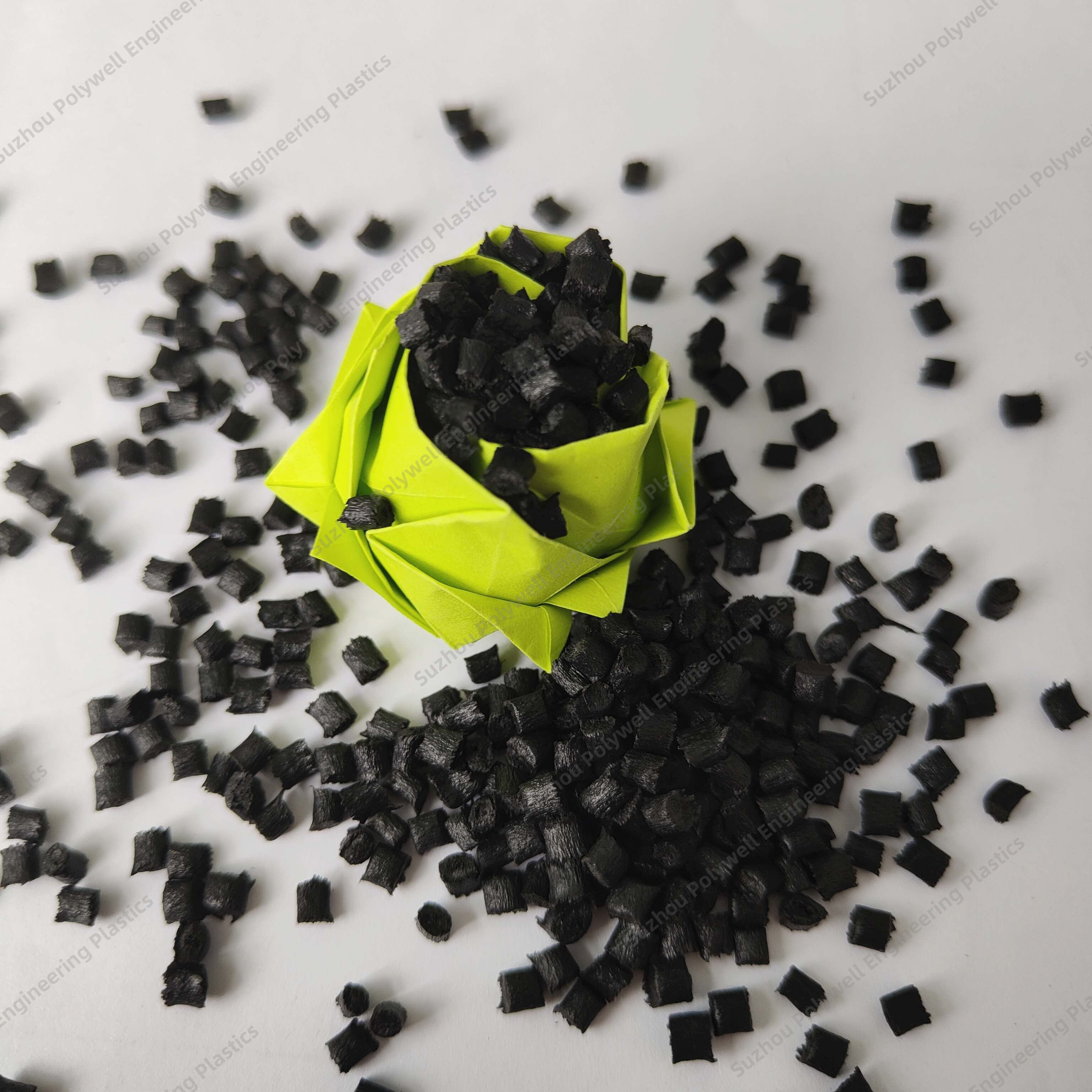
Základem odolnosti našich tepelných izolačních profilů proti nárazu za studena je granulovaný polyamid se dvěma šrouby. Dva šrouby ve vytlačovacích lisích spolu zasahují a rovnoměrně rozptýlí skleněná vlákna do matrice polyamidu, čímž vytvoří síťovou strukturu, která pohlcuje energii nárazu za nízkých teplot. Na rozdíl od jednošroubové granulace (která vytváří shluky vláken, jež oslabují profil), náš dvoušroubový proces zajišťuje rovnoměrné rozložení vláken v obsahu 25–30 %, čímž zvyšuje odolnost proti nárazu o 30 % ve srovnání se standardním polyamidem. Když jsou tyto granule vytlačovány do profilů pomocí našich jednošroubových vytlačovacích strojů, síťová struktura vláken zůstává zachována, což zajišťuje stálý výkon i v chladném prostředí.
Pokud u zákazníka selžou tepelné izolační profily při zkouškách nárazu za studena, použijeme naši komplexní službu k identifikaci a odstranění problému. Běžné problémy zahrnují nízký obsah skleněných vláken (řeší se úpravou parametrů granulace na dvoušnekovém lisu) nebo nerovnoměrnou extruzi (řeší se optimalizací teploty nebo rychlosti jednošnekového extrudéru). Spolupracujeme se zákazníky na úpravě výrobních procesů a opakovaném testování vzorků, dokud nesplní požadované normy odolnosti proti nárazu. Tato komplexní podpora zajistí, že zákazníci nejen testují své tepelné izolační profily – ale také je vylepšují.
Otestování odolnosti polyamidových tepelně izolačních profilů proti nárazu v podmínkách nízkých teplot je klíčové pro zajištění spolehlivosti výrobku a spokojenosti zákazníků. Naše 17 let vývoje a výzkumu, technologie dvoušnekové granulace, odborné znalosti jednošnekové extruze a komplexní servis nás činí ideálním partnerem pro tento důležitý úkol. Ať už potřebujete otestovat své vlastní tepelně izolační profily nebo optimalizovat výrobu za účelem zvýšení odolnosti proti nárazu za studena, poskytujeme nástroje, know-how a podporu, abyste zajistili bezproblémový provoz tepelně izolačních profilů i v nejchladnějších klimatických podmínkách.
 Nejnovější zprávy
Společnost POLYWELL se specializuje na tepelné izolační pásy PA66, nabízí granule polyamidu, extrudéry, formy, vinutí stroje a komplexní služby na zakázku.
Jinfeng Town, Zhangjiagang City, Suzhou City, Jiangsu Province, China
Copyright © 2024 Suzhou Polywell Engineering Plastics Co.,Ltd Zásady ochrany soukromí

 EN
EN