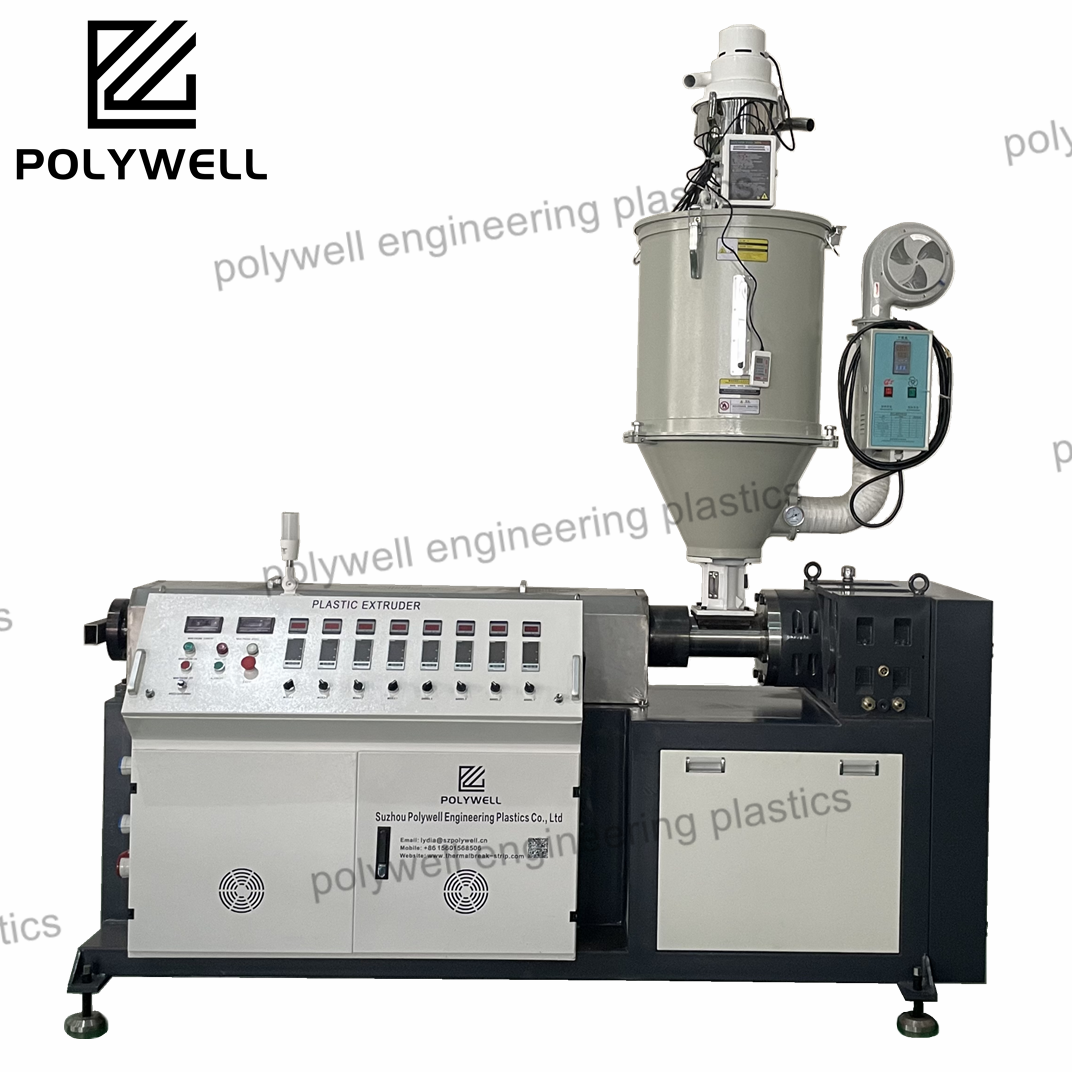
İstilik maneəsi lentlərinin istehsalını nəzarət edən satınalma menecerləri və istehsal rəhbərləri üçün avadanlığın etibarlılığı əməliyyat uğurunun əsas amilidir. Ekstruziya xəttində planlaşdırılmamış dayanma yalnız istehsalı dayandırmır; həmçinin təchizat zəncirlərini pozur, keyfiyyət bərabərliyini təhlükə altına alır və mənfəəti azaldır. Xəttin ürəyi kimi çıxış edən ekstruder maşını, disiplinli və proaktiv texniki xidmət strategiyasını tələb edir. Sərt və planlı texniki xidmət proqramının tətbiqi seçimlik xərc deyil, əksinə, davamlı və yüksək keyfiyyətli hasilat üçün vacib investisiyadır. Bu təlimat, daimi performansdan asılı olan alıcının baxış bucağından tövsiyə olunan texniki xidmət çərçivəsini izah edir və bu ixtisasın həqiqi bir mənbədən təminat xidməti tərəfdaşlığı üçün əsas rolunu nümayiş etdirir.
Termal lent istehsalında istifadə olunan ekstruder maşını yüksək temperatur, davamlı mexaniki gərginlik və aşındırıcı şüşə ilə doldurulmuş poliamid birləşmələri kimi çətin şəraitdə işləyir. İhdas etmək — bu problemlərin ardıcıl zəncirinə səbəb olur: yavaş-yavaş baş verən vint və baraban aşınması eriyik pompalama səmərəliliyini pozur, keyfiyyətsiz isidici elementlər temperatur dalğalanmalarına səbəb olur və sıxlıq təmin edən qaplamaların pozulması kontaminasiyaya (çirklənməyə) gətirib çıxara bilər. Nəticədə lent ölçülərində qeyri-sabitlik, mexaniki xassələrdə keyfiyyət itirməsi, enerji sərfiyyatında artım və nəhayət, fəlakətli qırılma baş verir. Sistematik texniki xidmət qrafiki bu reaktiv dövrü aktiv strategiyaya çevirərək aktivlərin dəyərini və məhsulun keyfiyyətini qorumağa imkan verir.
Davamlılıq, təlim keçmiş operatorlar tərəfindən həyata keçirilən rutin yoxlamalarla başlayır. Bu tədbirlər birinci müdafiə xəttini təşkil edir.
Sızıntılar, qeyri-adi səslər və ya titrəmələr üçün vizual yoxlamalar hər smenada aparılmalıdır. Tənqidli temperatur və təzyiqlər qeyd edilməli və müəyyən edilmiş bazis göstəriciləri ilə müqayisə edilməlidir. Operatorlar həmçinin materialın köpüklənməsini (bridging) qarşısını almaq üçün qida ağzı soyutma sisteminin işlədiyinə əmin olmalıdırlar.
Kross kontaminasiya və materialın keyfiyyətinin itirilməsini qarşısını almaq üçün qida çuxuru və ağzının ətraflı təmizlənməsi üçün həftəlik dayanma dövrü nəzərdə tutulmalıdır. İtələyici podşiblonun və reduktorun bütün yağlama nöqtələri istehsalçının texniki təlimatına uyğun olaraq yağlanmalıdır. Həmçinin, sürücü zəncirinin gərginliyi və mühərrik ampermetr göstəriciləri də yoxlanılmalıdır.
Bu daha ətraflı tədbirlər planlaşdırma tələb edir və adətən texniki xidmət mütəxəssisləri tərəfindən aparılır.
Bütün istilik lentləri və termocütlər dəqiqliyin yoxlanılması üçün kalibrasiya edilməli və sınaqdan keçirilməlidir. Elektrik qoşulmaları sıxılmalı və idarəetmə şkaflarının daxili hissəsi tozdan təmizlənməlidir. İstiləşməni qarşısını almaq üçün baraban soyutma ventilyatorlarının və ya su dövrəsi sistemlərinin düzgün işləməsinin yoxlanılması vacibdir.
Qutu yağının səviyyəsi və vəziyyəti təhlil edilməli, nümunələr dövri olaraq təhlil üçün göndərilməlidir. Motor, qutu və vida arasındakı əsas mexaniki qoşulmalar aşınma və ya uyğunsuzluq üçün yoxlanılmalıdır. Ekran dəyişdirici möhürlərinin və lövhələrinin vəziyyəti müvafiq olduqda qiymətləndirilməlidir.
İllik olaraq ekstruder maşının tam baxımı üçün tam istehsal dayandırılması planlaşdırılmalıdır. Bu, baxım cədvəlinin ən mühüm mərhələsidir.
Tam vizual və ölçülü yoxlama üçün vidanın çıxarılması lazımdır. Uçuş kənarlarında və kök diametrində aşınma orijinal spesifikasiyalara uyğun olaraq ölçülməlidir. Barrellin daxili diametri uyğunluq üçün ölçüləməlidir. Vida və barrel arasındakı sinerji çıxış sabitliyini və ərimə keyfiyyətini birbaşa müəyyən edir; artıq boşluq pis pompalama, dalğalanma və məhsuldarlığın azalmasına səbəb olur.
Vidanın yaratdığı böyük oxial təzyiqi udan itələyici yataq qurğusu aşınma üçün yoxlanılmalıdır. Dövrə qutusu dişli çarxlar və yataqların ətraflı daxili yoxlanılması üçün açılmalıdır; bu proses tez-tez orijinal avadanlıq istehsalçısı ilə əməkdaşlıq tələb edir. Bu eyni zamanda daha davamlı, iki metallı barrel və ya sürtünməyə davamlı şüşə ilə doldurulmuş PA66 materiallarının emalı üçün xüsusi sərtləşdirilmiş vida ilə yenidən təchiz etmək kimi təkmilləşdirmələri nəzərdə tutmaq üçün ideal vaxtdır.
Bu mürəkkəb texniki xidmət cədvəlinin daxili idarə edilməsi əhəmiyyətli ixtisas və ehtiyat tələb edir. İstilik zolağı istehsalçısı üçün, həqiqi bir mərhələdə xidmət təklif edən təchizatçı ilə əməkdaşlıq etmək avadanlığın qayğısına dair üstün, inteqrasiya olunmuş həll yolu təmin edir.
Hamıya tanınan Polywell kimi təchizatçı, hamısı ilə birlikdə başlanğıc materialların birləşdirilməsini və profil ekstruziyasını yaxşı bilir. Onlar, şüşə ilə doldurulmuş PA66 birləşməsinin xüsusi aşınma xüsusiyyətlərinin ekstruder maşın komponentləri üzərində necə təsir etdiyini anlayır. Bu onlara yalnız ümumi texniki xidmət tövsiyə etmək deyil, həm də aşınmanı minimuma endirmək və avadanlığın ömrünü ən başlanğıc mərhələdən uzatmaq üçün konkret sürtkü vintləri dizaynı, barrellərin materialları və iş parametrlərini tövsiyə etməyə imkan verir.
Doğru bir "bütün həll" xidməti davamlı texniki dəstək daxil edir. Bu, sizin istehsal xəttinizdəki konkret ekstruder maşını üçün ətraflı, fərdiləşdirilmiş texniki xidmət protokollarının təqdim edilməsini, personalınızın düzgün prosedurlar üzrə təlim keçirməsini və vidalar, barrellər və isidicilər kimi orijinal ehtiyat hissələrinin vaxtında mövcudluğunu təmin etməni əhatə edir. Onların istilik kəsici materiallar və emal sahəsində illər ərzində aparılan tədqiqat və inkişaf işləri əsasında yığılmış dərin təcrübəsi onlara problemləri yalnız maşınla bağlı deyil, həm də material-emal qarşılıqlı təsiri kontekstində diaqnostika etməyə imkan verir.
Eyni tərəfdaş yüksək keyfiyyətli qarışığı (tamamilə şüşə yayılması üçün iki valı extruderlarda optimallaşdırılmış) təmin edir və tək valı profil extruder maşınını dəstəkləyirsə, bu, sinerji təmin edir. Onlar materialın maşının xüsusiyyətlərinə mükəmməl uyğun olduğunu və əksinə, maşının materiala tam uyğun olduğunu təmin edirlər ki, bu da avadanlıq üzərində artıq gərginliyi azaldır. Bu inteqrasiya yanaşması dəyişənləri minimuma endirir və buna görə də texniki xidmət cədvəli daha proqnozlaşdırıla bilən və effektiv olur.
Nəticə olaraq, istilik maneəsi lentlərinin istehsalında istifadə olunan ekstruder maşını üçün tövsiyə olunan texniki xidmət cədvəli — gündəlik nəzarət, dövri yoxlamalar və illik tam təmir işləri olmaqla çox səviyyəli bir strategiyadır. Bu strategiyanın məqsədi dəqiqlik, etibarlılıq və uzunömürlülük təmin etməkdir. Lakin təchizat mütəxəssisi üçün ən ağıllı qərar — yalnız bir lent və ya maşın satışı ilə kifayətlənməyən, xidmətini daha da genişləndirən bir təchizat partnyoru seçməkdir. Bir yerdə bütün xidmətləri təklif edən bir provayderlə əməkdaşlıq etmək, sizə qiymətli bir aktiv verir: material elmi, emal texnologiyası və avadanlıq idarəçiliyi sahələrini pürüzsüz şəkildə birləşdirən bütövlükdə ixtisaslaşma. Belə bir əməkdaşlıq texniki xidməti ağır bir zərurətdən strateji funksiyaya çevirir, istehsalınızın həcmini qoruyur, kapital investisiyanızı müdafiə edir və istehsal etdiyiniz hər bir PA66 istilik maneəsi lentinin sabit keyfiyyətini təmin edir.
 Son xəbərlər
2025-12-09
2025-12-08
2025-12-05

POLYWELL, PA66 termal izolyasiya şeritlərinə fokuslaşır və poliamid qranulları, extruderlər, forması, yuvarlama maşınları və bütöv bir yerda yetişdirilmə xidmətlərini təklif edir.
Jinfeng Town, Zhangjiagang City, Suzhou City, Jiangsu Province, China
Copyright © 2024 Suzhou Polywell Engineering Plastics Co.,Ltd Gizlilik Siyasəti

 EN
EN