أهمية اختبار مقاومة الشد لشرائط العزل الحراري المصنوعة من مادة PA66
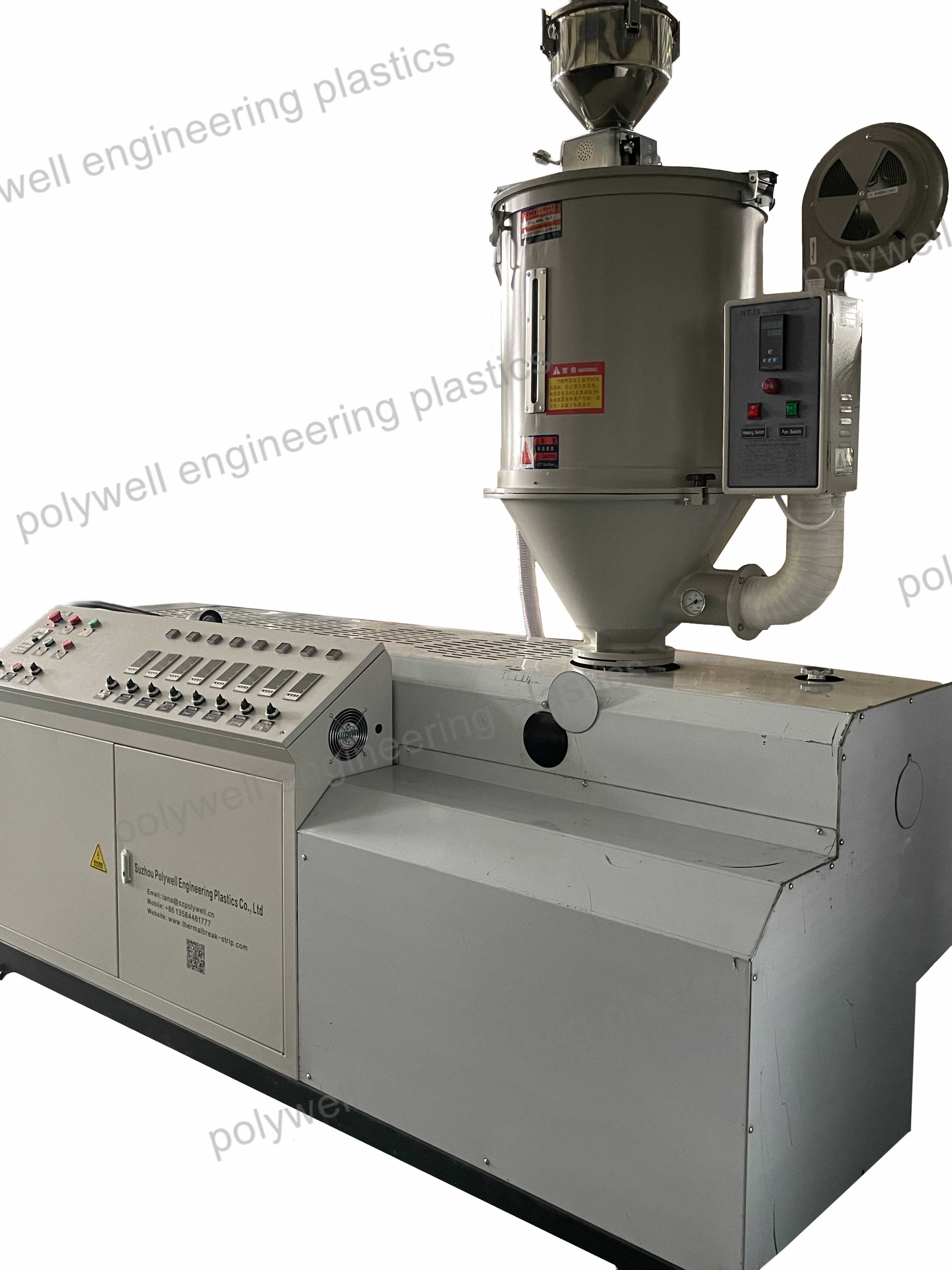
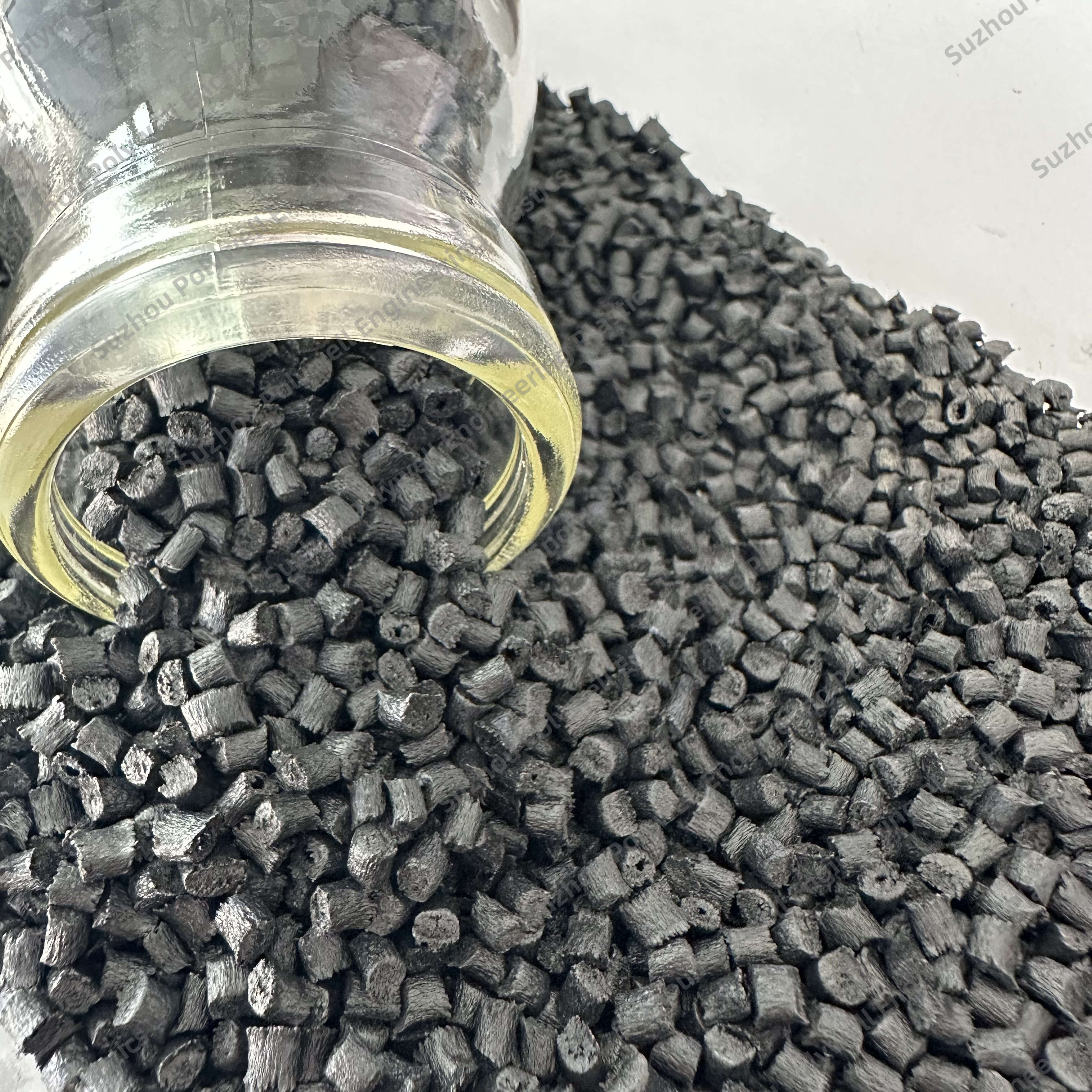
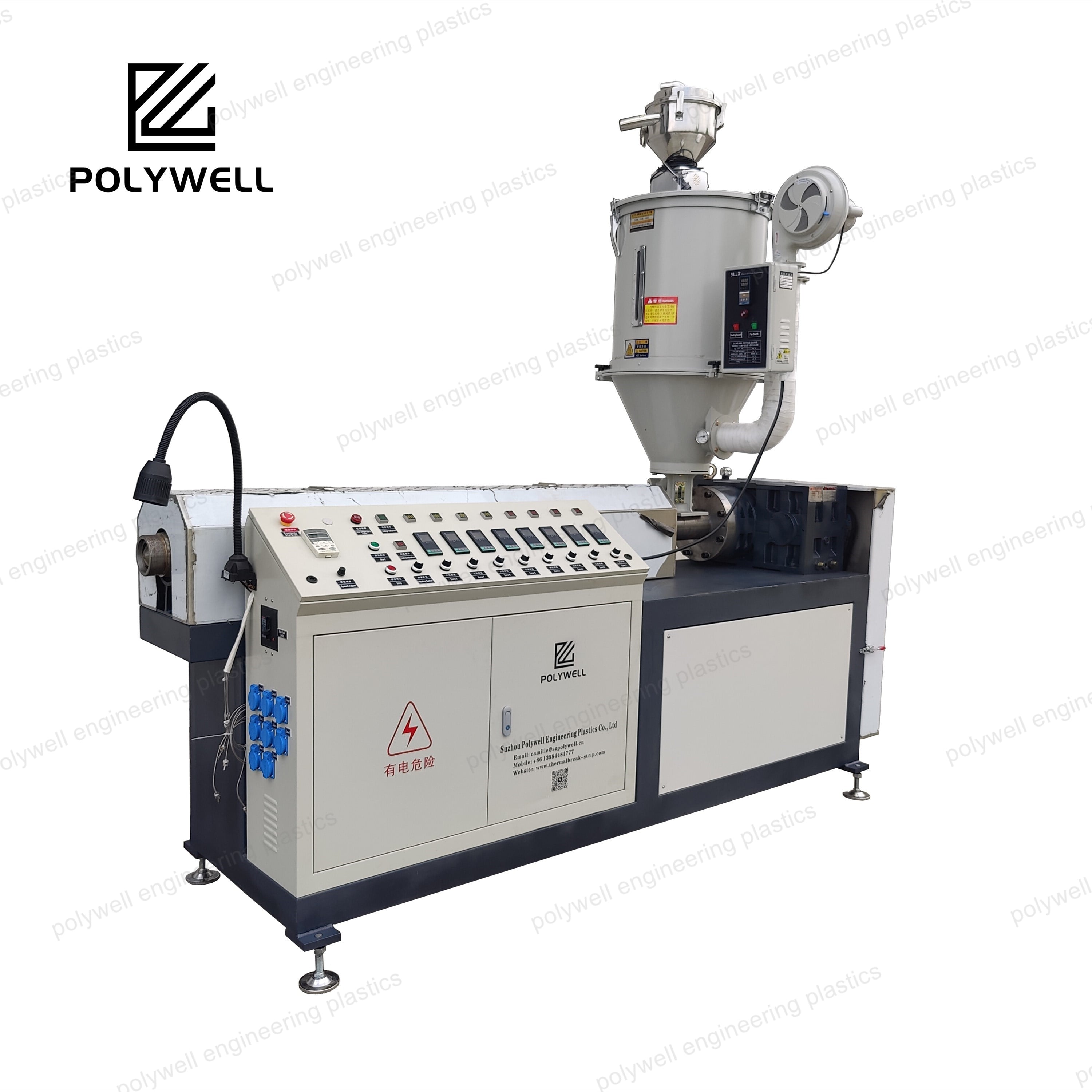
تُعَد مقاومة الشد خاصية ميكانيكية لا يمكن التنازل عنها بالنسبة لشرائط العزل الحراري المصنوعة من البولي أميد ٦٦ (PA66) المستخدمة في التطبيقات الإنشائية، وهي تحدد قدرة الشريط على تحمل الإجهادات الميكانيكية والأحمال الإنشائية والضغوط الخارجية في أنظمة الملامح الألومنيومية للمباني الخاصة بالأبواب والنوافذ والجدران الستارية. وبصفتها مقدِّمًا رائدًا لخدمات «متوقف واحد» لشرائط العزل الحراري المصنوعة من البولي أميد، ومقر إنتاجها في مدينة سوتشو بالصين، كرَّست شركة بوليويل جهودها منذ عام ٢٠٠٦ للبحث والتطوير في مجال المواد الخاصة المُستخدمة في شرائط العزل الحراري، ووضعت نظام اختبار دقيق لمقاومة الشد لشرائط العزل الحراري المصنوعة من البولي أميد ٦٦ (PA66)، استنادًا إلى خبرتها الصناعية التي تزيد عن ١٨ عامًا. ولدينا تقسيم فني واضح في خطوط الإنتاج: إذ تُستخدم ماكينات البثق ذات البرغي المزدوج حصريًّا لخلط حبيبات البولي أميد ٦٦ المقوى بالألياف الزجاجية بنسبة ٢٥٪ (PA66GF25) عالية الأداء، بينما تُعد ماكينات البثق ذات البرغي الواحد المعدات الاحترافية الوحيدة لتشكيل شرائط العزل الحراري المصنوعة من البولي أميد ٦٦ (PA66) عبر عملية البثق، ولا يمكن لأيٍّ من هاتين الآلتين أن تحل محل الأخرى. وفي التطبيقات الإنشائية في هندسة المباني، فإن انخفاض مقاومة الشد لشرائط العزل الحراري المصنوعة من البولي أميد ٦٦ (PA66) دون المستوى المطلوب يؤدي إلى تشوهات هيكلية أو كسر أو حتى تلف النظام الكامل للملامح الألومنيومية الخاصة بالأبواب والنوافذ والجدران الستارية، مما يجعل الاختبار العلمي والقياسي لمقاومة الشد خطوةً أساسية لا غنى عنها في عمليات إنتاج هذه الشرائط والتحكم في جودتها.
مقاومة الشد كمؤشر رئيسي للأداء الهيكلي
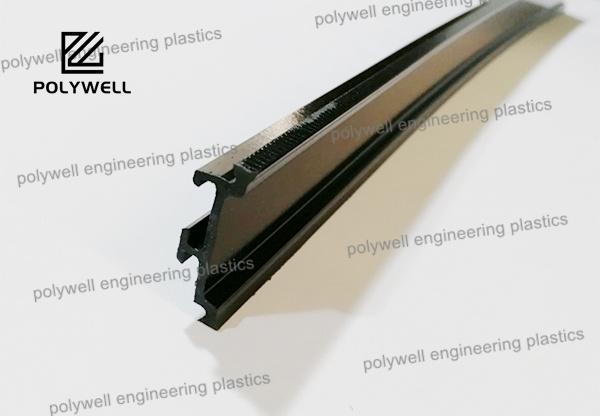
أشرطة العزل الحراري المصنوعة من مادة PA66، والتي تُصنع أساسًا من حبيبات PA66GF25 عالية الأداء، تُعدّ المكونات الرئيسية المتصلة والعازلة في هياكل الملامح الألومنيومية المستخدمة في أبواب ونوافذ المباني والواجهات الزجاجية. ويؤثر مقاومتها الشدّيّة مباشرةً على الاستقرار العام وأمان الهيكل البنائي، لا سيما في المباني الشاهقة ومشاريع الواجهات الزجاجية ذات الباع الكبير وورش المباني الصناعية، حيث تتعرّض هذه الأشرطة لأحمال ميكانيكية مستمرة ومعقّدة. وقد صُمّمت أشرطة العزل الحراري من مادة PA66 الخاصة بشركة Polywell لتلبّي متطلبات مقاومة الشدّ المحدَّدة في المعايير الدولية الخاصة بالتطبيقات الإنشائية للملامح الألومنيومية المعمارية، ويجب أن تخضع كل دفعة من هذه المنتجات لاختبارات صارمة لمقاومة الشدّ قبل خروجها من المصنع. وتعتمد أشرطة العزل الحراري من مادة PA66 المستخدمة في التطبيقات الإنشائية للمباني على مقاومة شدٍّ ممتازة للحفاظ على وظائفها الإنشائية والعازلة حراريًّا لفترة طويلة، مما يضمن سلامة ومتانة أنظمة الملامح الألومنيومية.
العلاقة بين قوة الشد وجودة الأشرطة المصنوعة من مادة البولي أميد 66 (PA66)
إن اختبار مقاومة الشد يُعَدُّ أيضًا وسيلةً فعّالةً للتحقق من جودة المادة وعملية الإنتاج لشريط العزل الحراري المصنوع من مادة البولي أميد ٦٦ (PA66). فمحتوى ألياف الزجاج في حبيبات PA66GF25، وتجانس توزيع الألياف، ومعقولية عملية البثق ذات البرغي الواحد، ودقة تصنيع القالب — كلُّها عوامل تؤثِّر تأثيرًا مباشرًا في مقاومة الشد للشريط النهائي. ومن الجدير بالذكر أن التوزيع المنتظم لشبكة ألياف الزجاج داخل مصفوفة البولي أميد — والذي يتحقق عبر دوران البرغيين المتشابكين في آلة البثق ذات البرغيين أثناء عملية التحبيب — يشكِّل الأساس المحوري لمقاومة الشد الممتازة لهذا الشريط. أما المواد الأولية الرديئة، أو معايير البثق غير المناسبة، أو القوالب المعيبة، أو عدم انتظام توزيع الألياف، فهي جميعها تؤدي إلى انخفاضٍ كبيرٍ في مقاومة الشد لشريط العزل الحراري المصنوع من مادة البولي أميد ٦٦ (PA66). وتستخدم شركة Polywell حبيبات PA66GF25 عالية النقاء التي تُنتجها خطّها الاحترافي لتحبيب البرغيين المزدوجين، فضلاً عن تقنية البثق المتقدمة ذات البرغي الواحد، لضمان التوزيع المنتظم لألياف الزجاج داخل مصفوفة البولي أميد، وبذلك فإن نتائج اختبار مقاومة الشد تعكس بدقة جودة العملية الإنتاجية بأكملها، مما يساعد على تحديد المنتجات غير المطابقة وإزالتها في الوقت المناسب.
التحضير للاختبار المسبق لمقاومة الشد لشريط العزل الحراري من مادة PA66
يبدأ اختبار مقاومة الشد الدقيق لشرائط العزل الحراري المصنوعة من مادة PA66 للتطبيقات الإنشائية في المباني بخطوات صارمة للتحضير للاختبار المسبق، والتي تشمل إعداد العينات، ومعايرة أجهزة الاختبار، والتحكم في الظروف البيئية. وقد وضعت فرقة مراقبة الجودة في شركة بولويل معياراً تفصيلياً للتحضير للاختبار المسبق استناداً إلى المعايير الدولية للاختبارات والخبرة العملية المكتسبة في تطبيقات الملامح الألومنيومية المعمارية، مما يضمن توحيد وعلمية كل مرحلة من مراحل أعمال التحضير، ويُرسي أساساً متيناً لدقة نتائج الاختبار.
إعداد عيّنات موحدة لشرائط العزل الحراري من مادة PA66
إعداد العيّنات هو الخطوة الأولى والأكثر أهمية في اختبار مقاومة الشد. ويجب قص عيّنات شريط العزل الحراري المصنوع من مادة البولي أميد 66 (PA66) والمستخدمة في التطبيقات الإنشائية للمباني وتجهيزها وفقًا لمعايير الاختبار الدولية، مع الحفاظ على أبعاد متسقة، وحواف ناعمة، وخالية من العيوب الواضحة مثل التشققات والفقاعات وعدم تجانس السُمك—وكلُّ هذه العيوب قد تؤدي إلى نتائج اختبار منحازة. وتستخدم شركة بولويل آلات قص احترافية مستمدة من خط إنتاجها الخاص لشرائط البولي أميد لتجهيز عيّنات الاختبار، مما يضمن أن تكون أطوال العيّنات وعرضها وسمكها متوافقة مع متطلبات الاختبار المحددة للملحقات المخصصة للمشكّلات الألومنيومية المعمارية. وتتم عملية أخذ العيّنات بشكل عشوائي وتمثيلي، حيث تؤخذ العيّنات من مواضع مختلفة ضمن دفعة الإنتاج لتعكس بدقة مستوى مقاومة الشد الكلي لتلك الدفعة من المنتجات.
معايرة ومراقبة معدات اختبار الشد
معدات اختبار الشد، وبشكل رئيسي آلات الاختبار العالمي الإلكترونيّة، يجب معايرتها وفحصها قبل إجراء الاختبار لضمان دقتها واستقرارها. ويجب معايرة مستشعر القوة، ومستشعر الإزاحة، ووحدة التثبيت في جهاز الاختبار وفقاً للمعايير الوطنية في مجال القياسات، مع التحكم في مدى الخطأ ضمن الحد المسموح به للاختبار. ومختبر اختبارات شركة بولويل مزوَّدٌ بآلات اختبار عالمي إلكترونية عالية الدقة، يتم معايرتها وصيانتها بانتظام من قِبل فنيين متخصصين. كما تم تصميم وحدة التثبيت خصيصاً لشرائط العزل الحراري المصنوعة من مادة البولي أميد ٦٦ (PA66) المستخدمة في الأبواب والنوافذ والواجهات الزجاجية، وذلك لتجنب الانزلاق أو تركُّز الإجهادات محلياً أثناء الاختبار، الذي قد يؤدي إلى نتائج اختبار غير دقيقة.
التحكم في ظروف البيئة أثناء الاختبار
تتأثر مقاومة الشد لشرائط العزل الحراري المصنوعة من مادة PA66 بالعوامل البيئية مثل درجة الحرارة والرطوبة، ولذلك يجب التحكم بدقة في بيئة الاختبار وفقًا للمعايير الدولية لاختبار مواد البناء. وتتمثل بيئة الاختبار القياسية عادةً في درجة حرارة تبلغ ٢٣°م ±٢°م ورطوبة نسبية تبلغ ٥٠٪ ±٥٪، ويجب ترك العينات في هذه البيئة لمدة تزيد عن ٢٤ ساعة قبل إجراء الاختبار لتكيُّفها الكامل مع الظروف البيئية. ومختبر اختبارات شركة بولويل مزوَّد بنظام ذكي للتحكم في درجة الحرارة والرطوبة بشكل ثابت، ويمكنه الحفاظ على بيئة اختبار مستقرة لفترة طويلة، مما يلغي تمامًا أي تداخل ناتج عن العوامل البيئية في نتائج اختبار مقاومة الشد، ويضمن قابلية مقارنة البيانات واختبار دقتها.
عملية اختبار مقاومة الشد لشرائط العزل الحراري المصنوعة من مادة PA66 خطوة بخطوة
عملية اختبار مقاومة الشد لشرائط العزل الحراري المصنوعة من مادة البولي أميد 66 (PA66) المستخدمة في التطبيقات الإنشائية للمباني هي عملية تشغيل منهجية ومعيارية، وتتطلب الالتزام الصارم بخطوات التشغيل لضمان دقة نتائج الاختبار وإمكانية تكرارها. وقد قام شركة بوليويل (Polywell) بتلخيص مجموعة من عمليات الاختبار التفصيلية والقابلة للتطبيق استنادًا إلى سنوات الخبرة الطويلة في مجال الاختبارات، وبما يراعي الخصائص الخاصة بشرائط العزل الحراري المصنوعة من مادة PA66 والمُستخدمة في الملامح الألومنيوم المعمارية، وهي صالحة لاختبار مقاومة الشد لأنواع مختلفة من مواصفات شرائط العزل الحراري المصنوعة من مادة PA66 في تطبيقات الأبواب والنوافذ والواجهات الزجاجية.
تثبيت العينة وتحديد موضعها
الخطوة الأولى في الاختبار الرسمي هي تثبيت وتحديد موضع عينة شريط العزل الحراري المصنوع من مادة PA66. وتُثبَّت العينة المُعالَجة والمُحضَّرة مسبقاً على الكماشتين العلوية والسفلية لجهاز الاختبار العالمي الإلكتروني، ويجب أن يتطابق خط المنتصف للعينة تماماً مع خط المنتصف لجهاز التثبيت لضمان خضوع العينة لشد محوري منتظم أثناء الاختبار دون أي قوة قص إضافية. ويجب أن تكون قوة التثبيت معتدلة: إذ يؤدي التثبيت غير المحكم إلى انزياح العينة أثناء الاختبار، بينما يؤدي التثبيت الشديد إلى حدوث تلف ضغطي موضعي في العينة عند موقع التثبيت، وكلا الحالتين تؤديان إلى تشويه النتائج واختلال دقتها. وقد تلقى فنيو الاختبار في شركة بوليويل تدريباً احترافياً منهجياً لاكتساب الطريقة القياسية للتثبيت والتحكم الدقيق في القوة، مما يضمن التثبيت والتموضع الصحيحين لكل عينة.
ضبط معايير الاختبار على جهاز الاختبار
بعد تثبيت العينة وتأكيد وضعها في مكانها الصحيح، يجب ضبط معاملات الاختبار المقابلة على جهاز الاختبار العالمي الإلكتروني وفقًا لمواصفات شريط العزل الحراري من مادة البولي أميد 66 (PA66) ومتطلبات مقاومة الشد الخاصة بالتطبيقات الإنشائية للمباني. وتشمل معاملات الاختبار الرئيسية سرعة الاختبار، ومدى قياس القوة لمُستشعر القوة، ومدى قياس الإزاحة. وبالنسبة لأشرطة العزل الحراري من مادة PA66 المستخدمة في تطبيقات الملامح الألومنيومية المعمارية، تُضبط سرعة الاختبار بدقة وفقًا لمعايير منظمة التقييس الدولية (ISO) ومعايير اختبار مواد البناء الوطنية، ويتم اختيار مستشعر القوة بدقة وفقًا لمقاومة الشد المُقدَّرة للعينة لضمان أعلى درجة دقة في قياس القوة. وسيقوم فنيو الاختبار في شركة بوليويل (Polywell) بتعديل معاملات الاختبار وفقًا لاختلاف مواصفات المقطع العرضي لأشرطة العزل الحراري من مادة PA66 وسياقات استخدامها المختلفة، كما سيقومون بحفظ جميع إعدادات المعاملات لضمان إمكانية تتبعها لاحقًا وإجراء تحليل مقارن لنتائج الاختبار.
إجراء اختبار الشد وجمع البيانات
يُجرى اختبار الشد الرسمي فقط بعد ضبط معايير الاختبار والتحقق من صحتها. وتقوم آلة الاختبار العالمي الإلكترونية بتحريك الكابح السفلي للأسفل بسرعة ثابتة مُحددة مسبقًا، مما يُطبِّق شدًّا محوريًّا مستقرًّا على عينة شريط العزل الحراري المصنوع من مادة البولي أميد ٦٦ (PA66) حتى تنكسر العينة تمامًا عند أضعف جزء فيها. وخلال عملية الاختبار بأكملها، تقوم آلة الاختبار تلقائيًّا وباستمرار بجمع بيانات فعلية في الوقت الفعلي، مثل القوة المطبَّقة، وانزياح العينة، ومعدل الاستطالة، والعلاقة بين الإجهاد والانفعال، كما تقوم تلقائيًّا بإنشاء منحنى كامل للإجهاد-الانفعال أثناء الشد لكل عينة. ولدى شركة بوليويل متطلبات صارمة فيما يتعلَّق بعدد الاختبارات: فيجب إجراء الاختبار على عدد محدَّد من العينات الصالحة لكل دفعة من المنتجات، ويجب تسجيل بيانات الاختبار الخاصة بكل عينة بالتفصيل، بما في ذلك أقصى قوة شد، ومقاومة الشد، والاستطالة عند الكسر، وغيرها من المؤشرات الميكانيكية الأساسية.
معالجة البيانات وحساب النتائج
بعد الانتهاء من إجراء جميع اختبارات الشد على عينات الدفعة، يجب معالجة البيانات التجريبية المُجمَّعة وحسابها بدقة وفقًا الصارمة لمعايير الاختبار الدولية للمواد البنائية للحصول على قيمة مقاومة الشد النهائية لشريط العزل الحراري المصنوع من مادة البولي أميد 66 (PA66). وتُحسب مقاومة الشد بدقة عن طريق قسمة أقصى قوة شد تحملتها العينة قبل الانكسار على المساحة الأصلية الفعلية للمساحة المقطعية للعينة (مع استبعاد أي عيوب سطحية). وتُعالَج نتائج الاختبارات الصالحة لعدة عينات ضمن الدفعة نفسها معالجة إحصائية، ويتم حساب القيمة المتوسطة والانحراف المعياري ومعامل التباين لتقديم صورة شاملة عن مستوى مقاومة الشد العام واستقرار هذه الدفعة من المنتجات. وتستخدم شركة بوليويل (Polywell) برامج متخصصة ومصرَّح بها لمعالجة البيانات لإتمام جميع العمليات الحسابية، كما تُعاد فحص أي نتائج اختبار غير مطابقة أو غير طبيعية عبر إجراء اختبارات تكرارية لاستبعاد تأثير الأخطاء البشرية والأخطاء العرضية في المعدات تمامًا.
تفسير وتطبيق نتائج اختبار مقاومة الشد
يُعَدُّ تفسير نتائج اختبار مقاومة الشد لشرائط العزل الحراري المصنوعة من مادة البولي أميد ٦٦ (PA66) في التطبيقات الإنشائية للمباني أمرًا بالغ الأهمية، بل يساوي في أهميته الاختبار نفسه، إذ يحدد هذا التفسير بشكل مباشر ما إذا كانت المنتجات تفي بمتطلبات الاستخدام الإنشائي في الملامح الألومنيومية المعمارية، ويوفِّر أساسًا علميًّا لتحسين عملية الإنتاج وجودة المنتج باستمرار. وتقوم فرق البحث والتطوير الهندسي وضمان الجودة في شركة بولويل معًا بإجراء تفسير شاملٍ ومتعمِّقٍ للنتائج، مع دمج المتطلبات الفعلية للتطبيقات الإنشائية في أبواب المباني ونوافذها والواجهات الزجاجية، بالإضافة إلى المعايير الصناعية الدولية، لتقييم مدى مطابقة المنتج للمواصفات، وتحليل الأسباب الجذرية لنتائج الاختبار غير المطابقة، واقتراح إجراءات تحسين مستهدفة وقابلة للتنفيذ.
الحكم على المطابقة استنادًا إلى المعايير الصناعية والإنشائية
تتمثل الخطوة الأولى في تفسير نتائج الاختبار في تقييم مدى مطابقة منتجات شرائط العزل الحراري المصنوعة من مادة البولي أميد ٦٦ (PA66) للمعايير الوطنية والدولية ذات الصلة الخاصة بصناعة مواد البناء، وكذلك لمتطلبات مقاومة الشد المحددة لكل سيناريو تطبيقي هيكلي مختلف. فعلى سبيل المثال، تتفاوت متطلبات الدرجة المطلوبة لمقاومة الشد في شرائط العزل الحراري المصنوعة من مادة البولي أميد ٦٦ (PA66) باختلاف السيناريوهات التطبيقية الهيكلية، مثل واجهات الأبنية الشاهقة، وأبواب ونوافذ المباني السكنية، وأنظمة الملامح الألومنيومية المستخدمة في المباني الصناعية. وقد صُمّمت شرائط العزل الحراري المصنوعة من مادة البولي أميد ٦٦ (PA66) من شركة بولويل وصُنعت وفق أعلى المعايير الدولية الهيكلية الخاصة بالملامح الألومنيومية المعمارية، ويجب أن تكون نتائج اختبار مقاومة الشد لهذه الشرائط مستقرةً وبشكلٍ دائمٍ أعلى من القيمة الدنيا المحددة لتُعتبر مُؤهَّلةً. أما بالنسبة لأي دفعة من المنتجات غير المؤهلة، فإن شركة بولويل تطبّق نظامًا صارمًا لاسترجاع المنتجات وعزلها، وتوقف فورًا تسليم واستخدام تلك الدفعة من المنتجات، وتقوم بمراجعة شاملة لعملية التصنيع لضمان السلامة المطلقة للمنتجات المستخدمة في المشاريع الإنشائية.
تحليل نتائج الاختبارات غير المُطابِقة وتحسين العمليات
بالنسبة لعينات شريط العزل الحراري المصنوع من مادة PA66 والتي أظهرت نتائج غير مطابقة في اختبار مقاومة الشد، ستقوم شركة بوليويل بإجراء تحليل جذري متعدد الأبعاد وشامل لتحديد الأسباب الجوهرية وراء الأداء غير المطابق، والتي قد تكون مرتبطة بجودة المواد الخام، أو عملية تكوير البلاستيك باستخدام آلة التوأم اللولبية، أو معايير عملية البثق باستخدام آلة البثق الأحادية اللولبية، أو تصميم القالب، أو معالجة العينات. فعلى سبيل المثال، فإن انخفاض محتوى ألياف الزجاج في حبيبات PA66GF25، أو عدم انتظام توزيع الألياف أثناء عملية التكوير بالآلة ذات اللولبين المتوازيين، أو ارتفاع درجة حرارة البثق بشكل مفرط مما يؤدي إلى تدهور المادة، أو وجود عيوب في قناة تدفق المادة داخل القالب تؤدي إلى عدم انتظام كثافة المادة — كلُّ هذه العوامل قد تتسبب في انخفاضٍ كبيرٍ في مقاومة الشد للشرائط النهائية. وبعد تحديد السبب الجذري بوضوح، ستعمل فرق البحث والتطوير والإنتاج في شركة بوليويل معًا على تحسين العملية الإنتاجية ذات الصلة، مثل استبدال المواد الخام عالية الجودة، أو تعديل معايير عملية التكوير بالآلة ذات اللولبين المتوازيين لتحسين توزيع الألياف، أو تحسين معايير درجة الحرارة وسرعة آلة البثق الأحادية اللولبية، أو تعديل تصميم القالب لتحسين انتظام تدفق المادة، ثم إعادة اختبار المنتجات بعد التحسين لضمان أن مقاومة الشد تفي تمامًا بالمتطلبات الهيكلية لملفات الألومنيوم المعمارية.
تطبيق نتائج الاختبارات في تخصيص المنتج وتصميمه
تُوفِر نتائج اختبار مقاومة الشد لشريط العزل الحراري المصنوع من مادة البولي أميد ٦٦ (PA66) أيضًا دعمًا بياناتٍ مهمًّا ودقيقًا لتخصيص المنتج والتصميم الهيكلي الخاص بسيناريوهات تطبيق هياكل المباني المحددة. فتتفاوت خصائص الأحمال الميكانيكية والإجهادات المؤثرة على أبواب النوافذ والواجهات الزجاجية المصنوعة من سبائك الألومنيوم باختلاف مشاريع المباني، وتستطيع شركة بوليويل (Polywell) تعديل تركيبة حبيبات PA66GF25 (مثل: نسبة محتوى ألياف الزجاج وأنواعها)، وتحسين معايير عملية التحبيب ذات البرغيين المزدوجين لتعزيز تشتت الألياف، وضبط عملية البثق ذات البرغي الواحد، بل وحتى تحسين التصميم الهيكلي للمقطع العرضي للشرائط استنادًا إلى نتائج الاختبارات ومتطلبات المشروع الفعلية، وذلك لتخصيص شرائط العزل الحراري المصنوعة من مادة PA66 بما يتوافق مع مقاومة شدٍّ ومزايا ميكانيكية محددة حسب طلب العملاء. فعلى سبيل المثال، في مشاريع الواجهات الزجاجية عالية التحميل ذات spam الكبير، يمكن لشركة بوليويل زيادة نسبة محتوى ألياف الزجاج في حبيبات PA66GF25 بشكل مناسب وتحسين عملية تشتت البرغيين المزدوجين لرفع مقاومة الشد والصلابة الهيكلية للشرائط بشكل أكبر. كما تُستخدَم نتائج هذه الاختبارات باستمرار لتحسين تصميم المنتج القياسي، مما يجعل شرائط العزل الحراري المصنوعة من مادة PA66 أكثر ملاءمةً للخصائص الفعلية للإجهادات الميكانيكية في مختلف تطبيقات هياكل المباني، ويؤدي ذلك إلى تحسين الأداء العام للمنتج.
المزايا الخمسة الأساسية لشركة بوليويل في اختبار مقاومة الشد لشريط العزل الحراري من مادة PA66
حققت شركة بوليويل خمسة مزايا أساسية في اختبار مقاومة الشد لشرائط العزل الحراري المصنوعة من مادة البولي أميد 66 (PA66) المستخدمة في التطبيقات الإنشائية، وذلك اعتمادًا على خبرتها التي تزيد عن 18 عامًا في مجال البحث والتطوير الخاص بمواد شرائط العزل الحراري المتخصصة، ونظامها الشامل للخدمات المتكاملة الذي يغطي خط الإنتاج بالكامل، ومفهومها الصارم والمنهجي لمراقبة الجودة. وهذه المزايا لا تضمن فقط الدقة والموثوقية المطلقة لنتائج اختبار مقاومة الشد لشرائط العزل الحراري المصنوعة من مادة PA66 فحسب، بل توفر أيضًا دعماً فنياً قوياً لتحسين الجودة، وتنقية العمليات، وتخصيص المنتجات الخاصة بشرائط العزل الحراري، مما يلبّي تمامًا احتياجات العملاء في قطاع ملفات الألومنيوم المعمارية من حيث الاختبارات ومراقبة الجودة. وتنبع كل هذه المزايا من قاعدة إنتاج بوليويل في مدينة سوتشو الصينية، والتي تمتلك سلسلة قيمة صناعية كاملة تدعم مواد ملفات الألومنيوم المعمارية، ومزودة بمعدات اختبار متقدمة وفريق فني محترف.
خدمة شاملة تغطي الإنتاج والاختبار
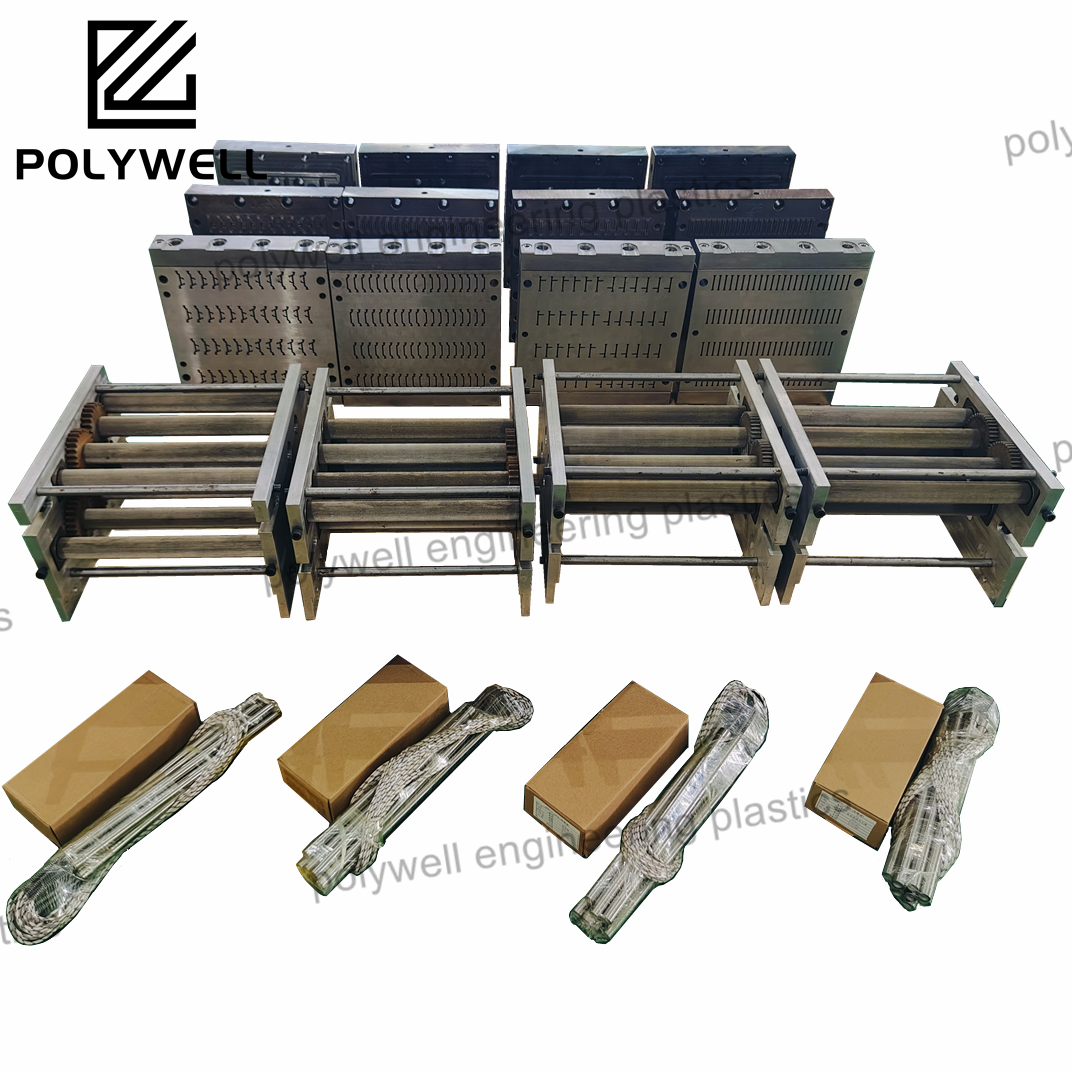
تقدم شركة بوليويل خدمة متكاملة تغطي خط إنتاج شرائط البولي أميد العازلة للحرارة بالكامل، بالإضافة إلى نظام متكامل لاختبار الأداء الميكانيكي للمنتج، يشمل توريد حبيبات PA66GF25 عالية الأداء (التحبيب باستخدام لولب مزدوج)، وآلات بثق أحادية اللولب، وقوالب بثق، وآلات قطع، وغيرها من معدات الإنتاج المتكاملة، فضلاً عن إجراء اختبارات صارمة لقوة الشد، وقوة الانحناء، وغيرها من اختبارات الأداء الميكانيكي. تضمن هذه الخدمة المتكاملة ترابطًا وثيقًا وتوافقًا عاليًا بين عملية الإنتاج وعملية الاختبار، وإمكانية إعادة نتائج الاختبار إلى عملية الإنتاج في الوقت المناسب وبكفاءة عالية، لتحقيق إدارة متكاملة لجودة المنتج بدءًا من تحبيب المواد الخام وحتى تسليم المنتج النهائي. بالنسبة للعملاء، تعني هذه الخدمة المتكاملة حصولهم على منتجات عالية الجودة ودعم اختبار احترافي في آن واحد، مما يُحسّن بشكل كبير من كفاءة الإنتاج ومراقبة الجودة.
فريق اختبارات احترافي ومعدات اختبار متقدمة
تضم شركة بوليويل فريقًا احترافيًّا عالي الجودة مختصًّا باختبارات الجودة، ويتكوَّن هذا الفريق من مهندسي مواد كبار وفنيِّي اختبارات ذوي خبرةٍ واسعة، وقد تلقَّى جميع أفراده تدريبًا احترافيًّا منهجيًّا في مجال اختبار الأداء الميكانيكي للمواد البنائية، كما أنهم يتقنون المعايير الدولية والوطنية الخاصة باختبار مقاومة الشد لشريط العزل الحراري المصنوع من مادة البولي أميد ٦٦ (PA66)، إضافةً إلى عمليات التشغيل القياسية المرتبطة بها. ومُجهَّزة مختبرات الاختبار التابعة للشركة بمجموعة كاملة من أحدث معدات الاختبار المستوردة، ومن بينها آلات الاختبار العالميّة الإلكترونية عالية الدقة، وأنظمة التحكم الذكية في درجة الحرارة والرطوبة، وأجهزة قياس الصور المتخصصة، وبرامج معالجة البيانات المرخَّصة، ما يشكِّل نظام اختبارٍ متكاملٍ ومتطوِّرٍ يضمن دقةً عاليةً وكفاءةً عاليةً وتوحيدًا قياسيًّا في اختبارات مقاومة الشد. ويمثِّل الفريق المهني المختص بالاختبارات والمعدات المتقدمة المستخدمة في الاختبار الضمان الأساسي لموثوقية نتائج الاختبارات التي تُجريها شركة بوليويل.
التصميم من أجل التصنيع لتحسين الأداء القابل للاختبار
تُمكن خدمة تصميم التصنيع (DFM) الأساسية التي تقدّمها شركة بوليويل من التنبؤ بالمخاطر المحتملة المتعلقة بمقاومة الشد لمُقاطع العزل الحراري المصنوعة من مادة البولي أميد 66 (PA66) في مرحلة تصميم المنتج وتصميم عملية الإنتاج، ومن ثم تحسين هيكل المقطع العرضي للمنتج وصيغة المادة وعملية تكوير البرغي المزدوج وعملية البثق بالبرغي الأحادي بشكل استباقي لتحسين أداء مقاومة الشد القابل للاختبار للمنتج. ويقوم الفريق الهندسي، انطلاقًا من متطلبات التطبيق الهيكلي الفعلية للأبواب والنوافذ والواجهات الزجاجية في المباني ومعايير اختبار مقاومة الشد، بتنفيذ تصميم شامل لمُقاطع العزل الحراري المصنوعة من مادة البولي أميد 66 (PA66)، وذلك لتفادي عيوب التصميم التي قد تؤدي إلى انخفاض مقاومة الشد أو عدم انتظام الأداء. وبفضل هذا التصميم الاستباقي الأمثل، لا يتحسَّن فقط أداء مقاومة الشد والأداء الميكانيكي للمنتج، بل ويصبح أداء المنتج أكثر استقرارًا ونتائج الاختبار أكثر موثوقية، مما يقلل من خطر ظهور منتجات غير مطابقة للمواصفات في عملية الإنتاج.
إرشادات الاختبار في الموقع والدعم الفني
توفر شركة بوليويل إرشادات احترافية لمُعايَرَة الاختبارات في الموقع ودعمًا فنيًّا لجميع العملاء، حيث ترسل فنيّي الاختبارات المتمرسين إلى مصانع العملاء لتوجيه إنشاء وتطوير نظام اختبار مقاومة الشد لشرائط العزل الحراري المصنوعة من مادة البولي أميد ٦٦ (PA66)، ويشمل ذلك التدريب الموحَّد للموظفين المسؤولين عن إجراء الاختبارات في الموقع، والمعايرة الاحترافية لأجهزة الاختبار، ووضع إجراءات اختبار مخصصة حسب متطلبات كل مؤسسة، وتوجيه معالجة بيانات الاختبار. وتساعد هذه الخدمة الفنية المقدمة في الموقع العملاء على إتقان طريقة اختبار مقاومة الشد الموحَّدة، وعلى اكتساب القدرة على إجراء اختبارات الجودة بشكل مستقل، كما تتيح لهم إجراء اختبارات جودة فورية أثناء عملية الإنتاج، ما يحسِّن بكفاءة كبيرة كفاءة مراقبة جودة المنتجات ويقلل من خطر خروج منتجات غير مطابقة للمواصفات من المصنع. وهذه الخدمة الداعمة المقدمة في الموقع تُعَدُّ ميزةً فريدةً من مزايا خدمة بوليويل الشاملة «من نقطة واحدة»، وقد نالت تقديرًا عاليًا من العملاء محليًّا ودوليًّا.
دعم فني مدى الحياة وإمكانية تتبع نتائج الاختبارات
توفر شركة بوليويل دعماً فنياً مدى الحياة لاختبار مقاومة الشد لشرائط العزل الحراري المصنوعة من مادة البولي أميد 66 (PA66) لجميع العملاء. ويمكن للعملاء الاستعانة بالفريق الفني المتخصص في الشركة في أي وقتٍ للاستفسار عن أية أسئلة أو صعوبات تواجههم أثناء عملية الاختبار، وسيقدّم الفريق حلولاً احترافيةً علميةً وقابلةً للتطبيق في الوقت المناسب. وفي الوقت نفسه، أنشأت بوليويل نظاماً كاملاً ومعيارياً لتتبع نتائج الاختبارات، يسجل فيه بيانات الاختبار التفصيلية ومعلومات العينة ومعلومات دفعة الإنتاج ومواصفات المعدات والموظف المسؤول عن إجراء اختبار مقاومة الشد، وذلك بطريقة موحَّدة ومعيارية. كما يمكن الاطّلاع على جميع هذه البيانات وتتبُّعها في أي وقتٍ وعلى المدى الطويل. ويوفّر هذا النظام المثالي لتتبع النتائج أساساً موثوقاً ليس فقط لمراقبة جودة المنتجات وخدمة ما بعد البيع والتحقيق في الحوادث، بل ويقدّم أيضاً كمية كبيرة من الدعم البياناتي القيّمة لأغراض البحث والتطوير المستمر، وتحسين العمليات، وترقية منتجات شرائط العزل الحراري المصنوعة من مادة البولي أميد 66 (PA66).
الخاتمة
تُعَدُّ اختبارات مقاومة الشد رابطًا أساسيًّا لا غنى عنه في ضبط جودة شرائط العزل الحراري المصنوعة من مادة البولي أميد ٦٦ (PA66) المستخدمة في التطبيقات الإنشائية للمباني، ويُشكِّل إجراء الاختبار العلمي والقياسي والدقيق المفتاحَ لضمان موثوقية نتائج الاختبار وسلامة التطبيقات الإنشائية للمباني. فمنذ التحضير الدقيق قبل الاختبار — الذي يشمل إعداد العيّنات وفق المعايير القياسية، ومعايرة المعدات عالية الدقة، والتحكم الصارم في الظروف البيئية — وصولًا إلى إجراء الاختبار خطوة بخطوة وفق المعايير القياسية مع تشغيل دقيق، ثم تفسير النتائج واشتقاق الاستنتاجات منها بشكلٍ متعمِّق وشامل، فإن كل مرحلة تتطلب الالتزام الصارم بالمعايير الدولية والوطنية الخاصة بمواد البناء، وبإجراءات التشغيل المهنية والقياسية. وبصفتها مقدِّمة رائدة للخدمات الشاملة (One-Stop) المتعلقة بشرايط العزل الحراري المصنوعة من البولي أميد، ومقرُّها قاعدة الإنتاج في مدينة سوتشو الصينية، أنشأت شركة «بوليويل» (Polywell) نظامًا كاملاً وصارمًا وعلميًّا لاختبار مقاومة الشد لمادة البولي أميد ٦٦ (PA66) الخاصة بشرايط العزل الحراري، مستندةً في ذلك إلى خمسة مزايا أساسية لديها وخبرتها الغنية التي تمتد لأكثر من ١٨ عامًا في هذا المجال، ما يضمن أن جميع منتجات شرائط العزل الحراري المصنوعة من مادة البولي أميد ٦٦ (PA66) والمخصصة للتطبيقات الإنشائية للمباني تفي تمامًا بالمتطلبات الصارمة لمقاومة الشد المفروضة على أنظمة الألومنيوم المعمارية المستخدمة في الأبواب والنوافذ والواجهات الزجاجية.
كانت شركة بوليويل دائمًا تركز على البحث والتطوير، والإنتاج، والاختبار، والخدمات المتعلقة بشرائط العزل الحراري المصنوعة من مادة البولي أميد 66 (PA66) الخاصة بصناعة الملامح الألومنيومية المعمارية، وشكّلت بذلك ميزة سلسلة قيمة صناعية متكاملة تشمل: تصنيع حبيبات PA66GF25 عالية الأداء باستخدام آلة التكوير ذات البرغيين، وتشكيل الشرائط عبر بثق أحادي البرغي، وتصميم القوالب وتصنيعها بدقة عالية، بالإضافة إلى إجراء الاختبارات المهنية للأداء الميكانيكي وتقديم الدعم الفني الميداني. وبالتزامها بالمبادئ الأساسية المتمثلة في ضبط الجودة بدقة، وإجراء الاختبارات العلمية، وتقديم الخدمات الاحترافية، تساعد شركة بوليويل جميع عملائها في قطاع الملامح الألومنيومية المعمارية على إنتاج شرائط عزل حراري مصنوعة من مادة PA66 عالية الجودة، وتتميّز هذه الشرائط بمقاومة شدٍّ ممتازة وأداءٍ مستقرٍّ، مما يضمن السلامة والمتانة والكفاءة الطاقية لأنظمة أبواب ونوافذ المباني والجدران المعلَّقة (Curtain Wall Systems). وفي المستقبل، ستواصل شركة بوليويل زيادة استثماراتها في مجال البحث والتطوير المتعلق بتقنيات الاختبار والمعدات، وستحسّن باستمرار عملية اختبار مقاومة الشد ونظام ضبط الجودة الخاص بشرائط العزل الحراري المصنوعة من مادة PA66، كما ستقدّم خدمات اختبار احترافية أكثر دقةً وشموليةً، وحلول إنتاج متكاملة «من نقطة واحدة» للعملاء حول العالم الذين يعملون في مشاريع التطبيقات الإنشائية للمباني، ما يساعدهم على تحسين جودة منتجاتهم باستمرار وتعزيز قدرتهم التنافسية الأساسية في قطاع الملامح الألومنيومية المعمارية.


 EN
EN


 أخبار عاجلة