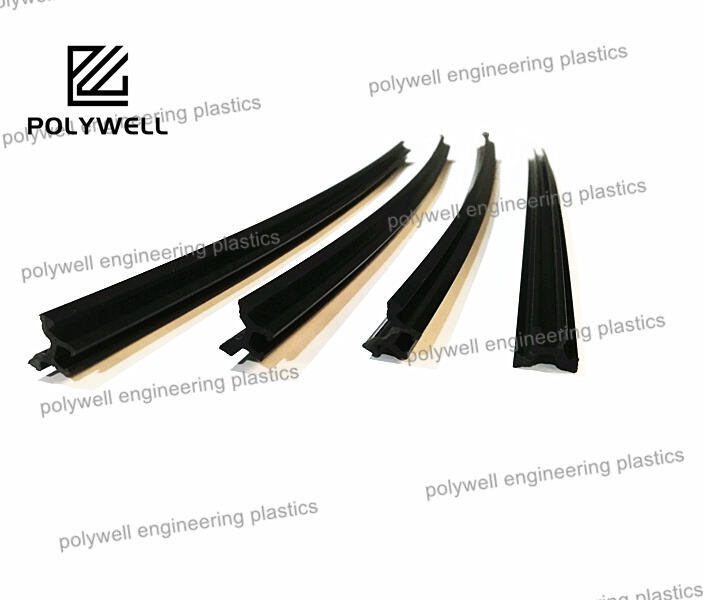
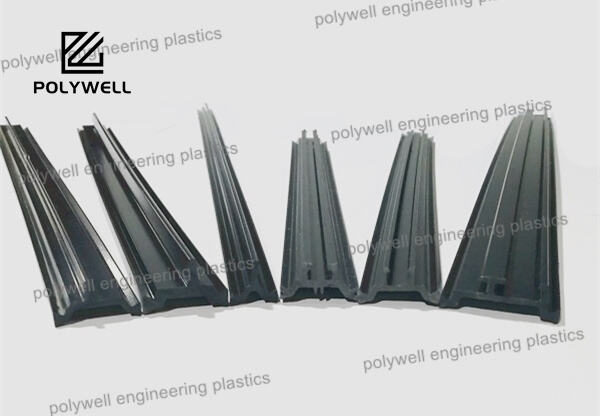
POLYWELL Window Thermal Bridge Solutions: Polyamide Thermal Break Strips
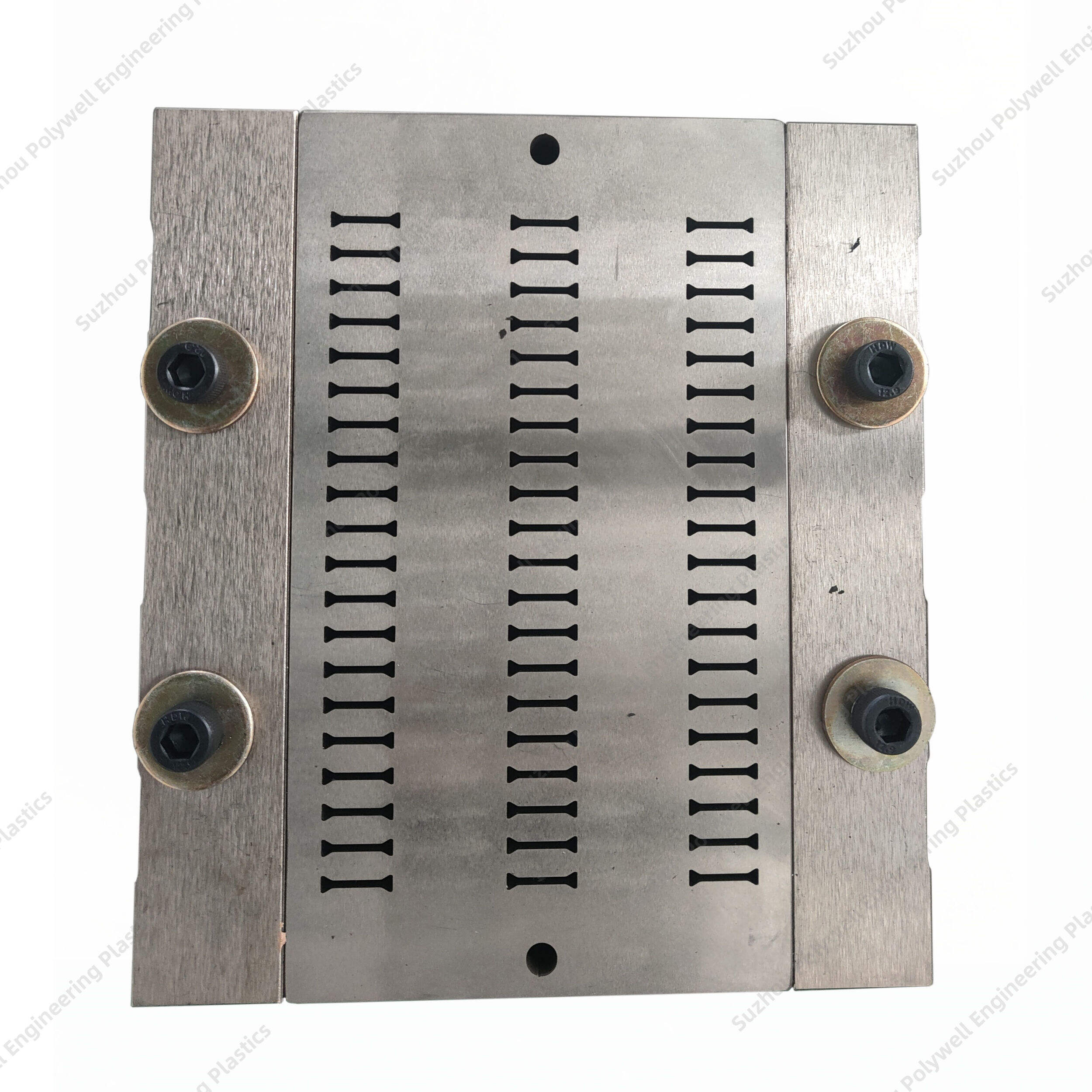
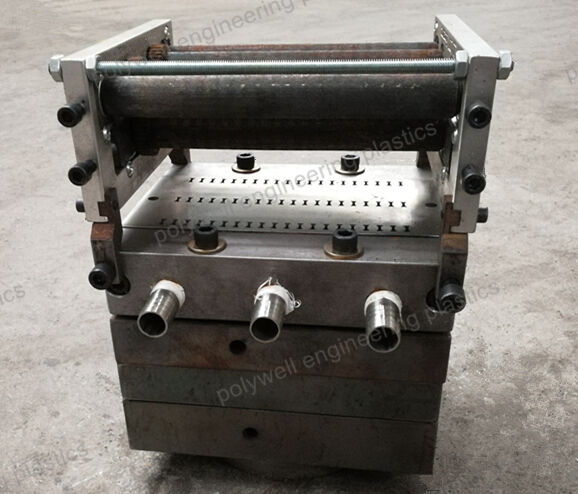
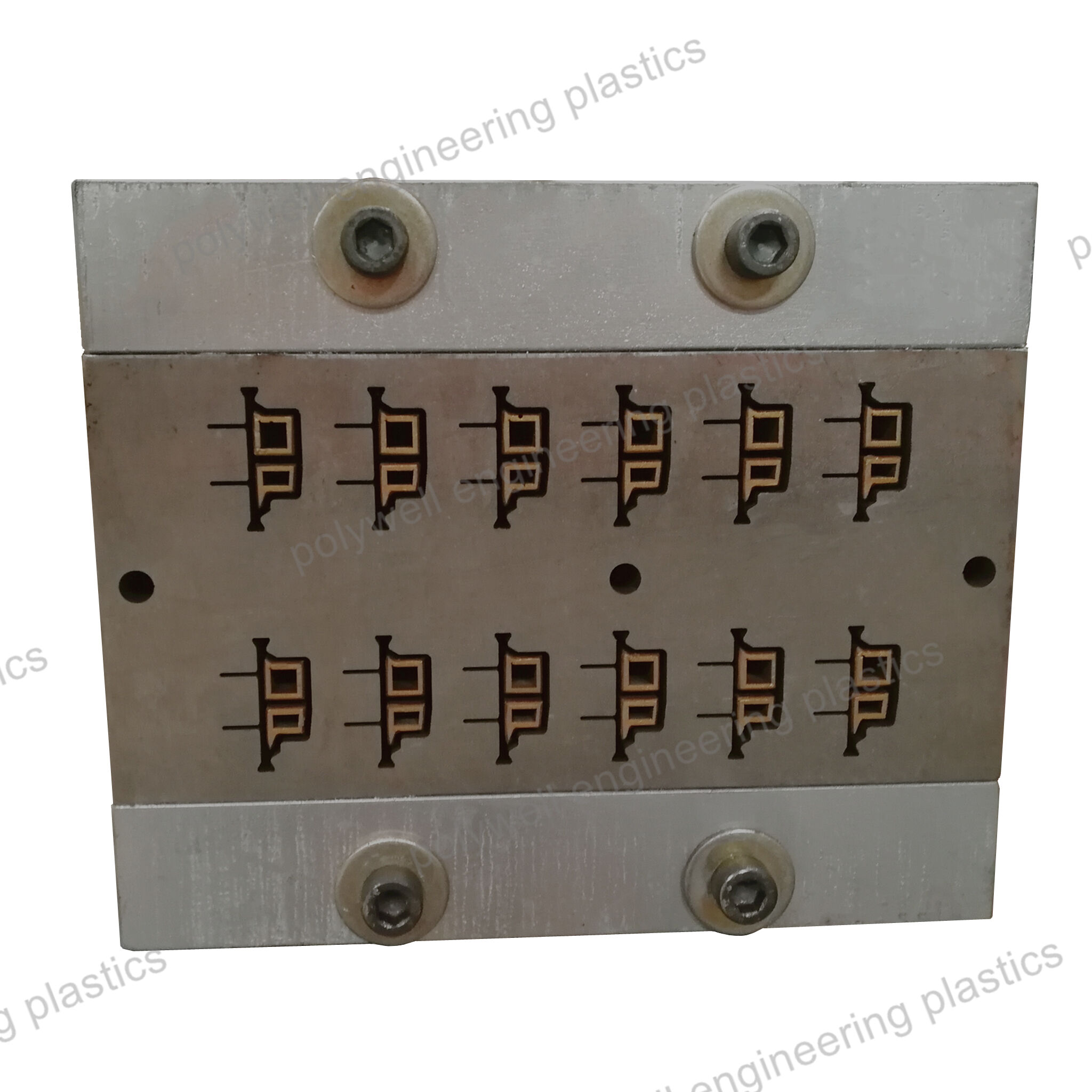
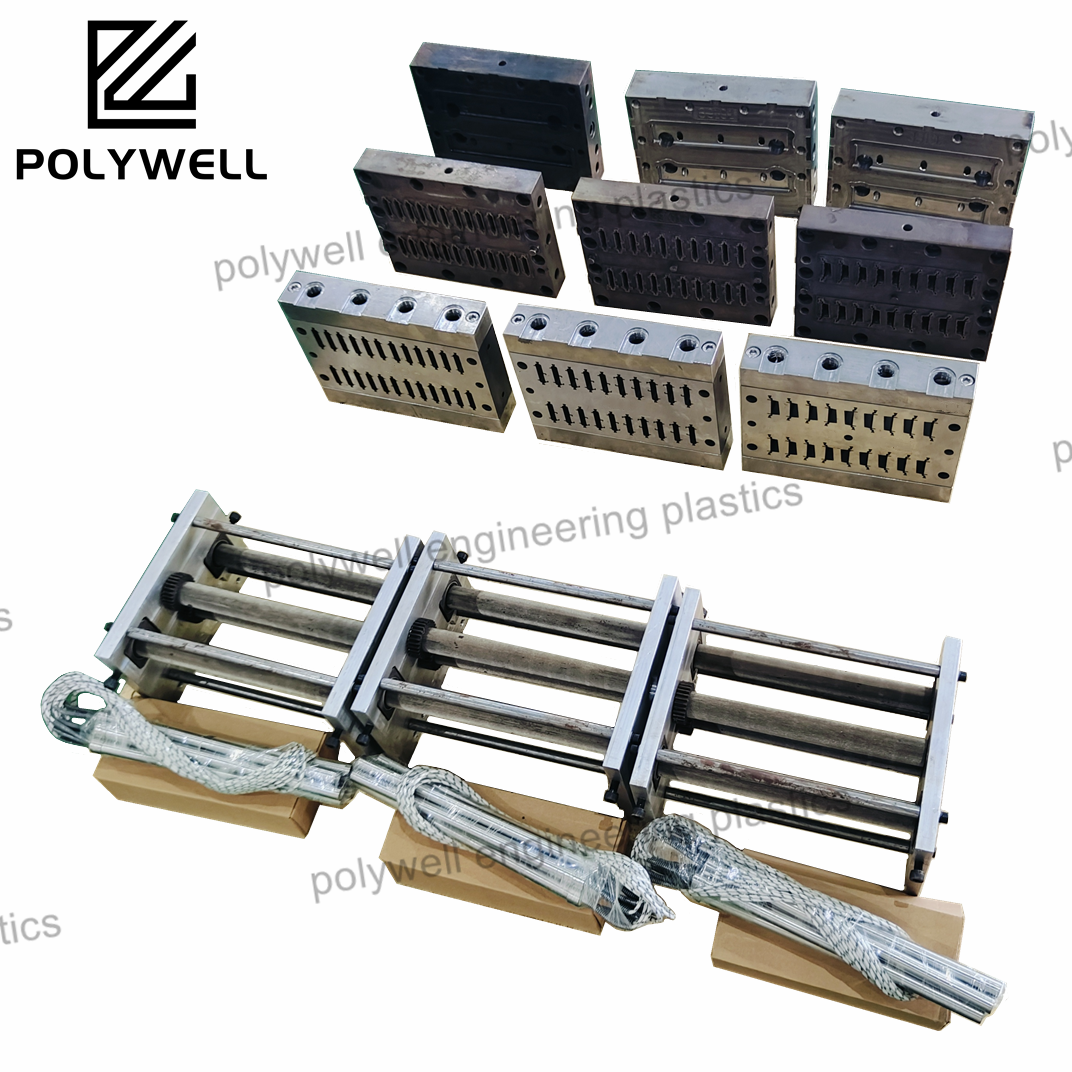
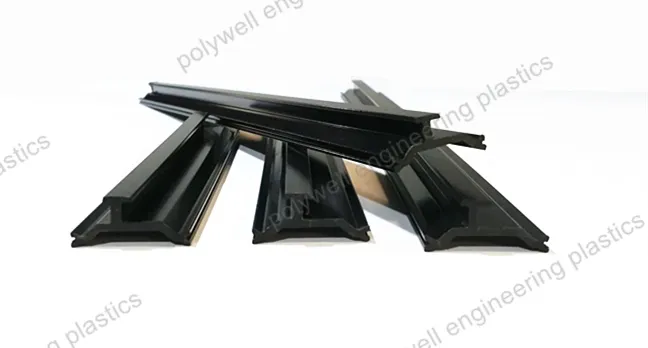
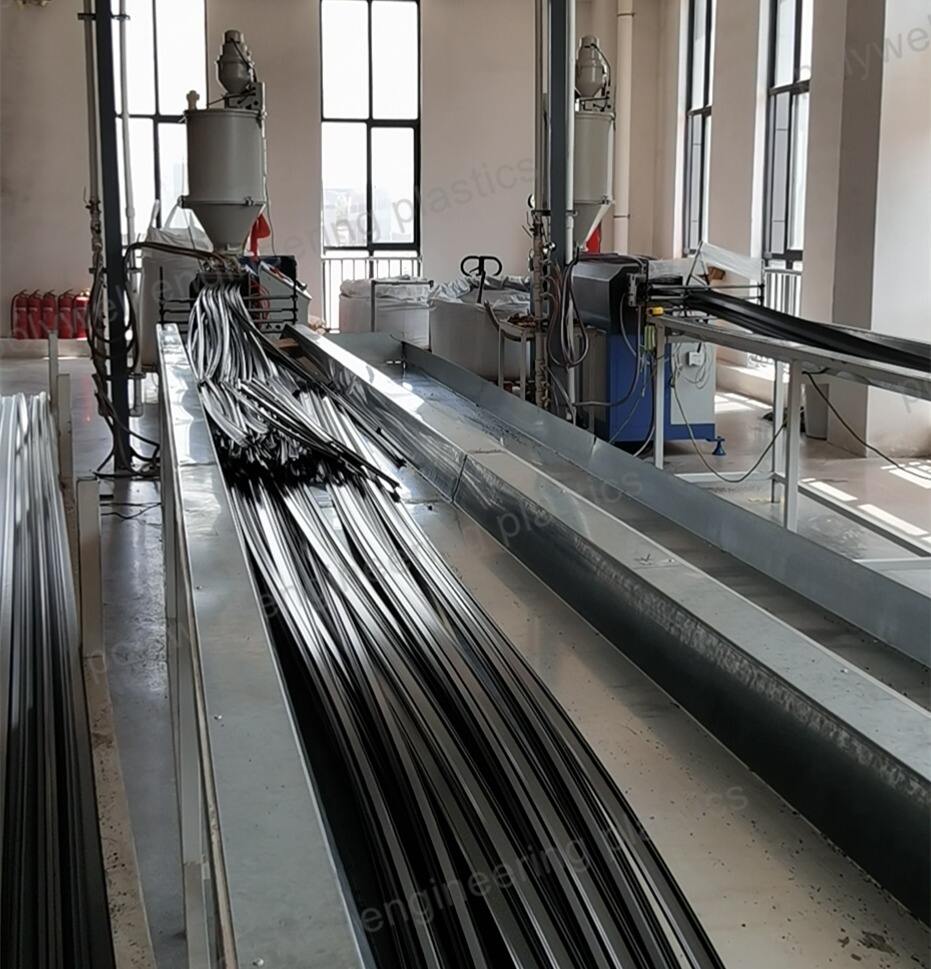
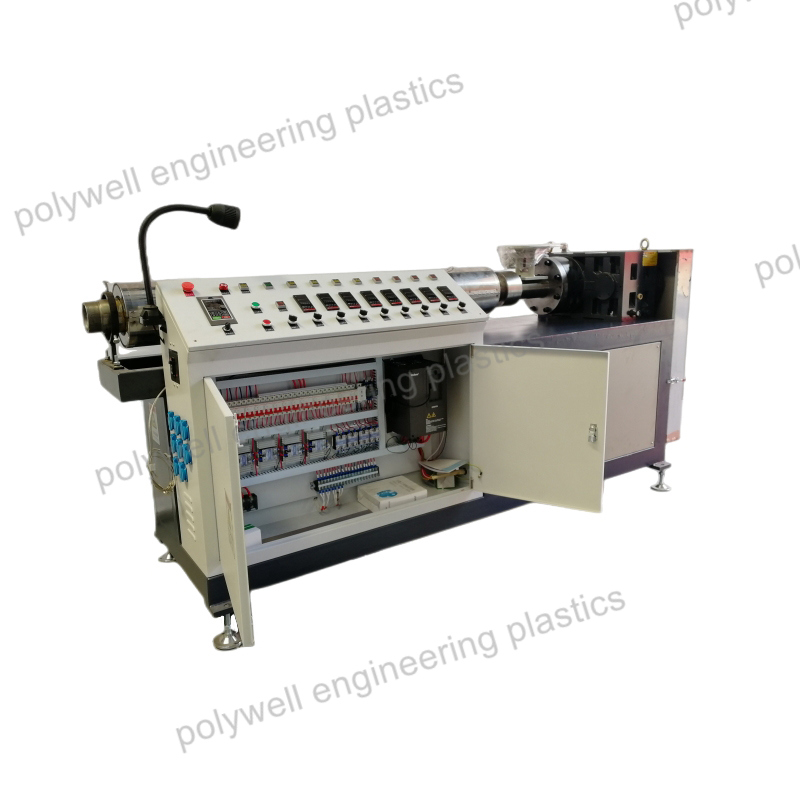
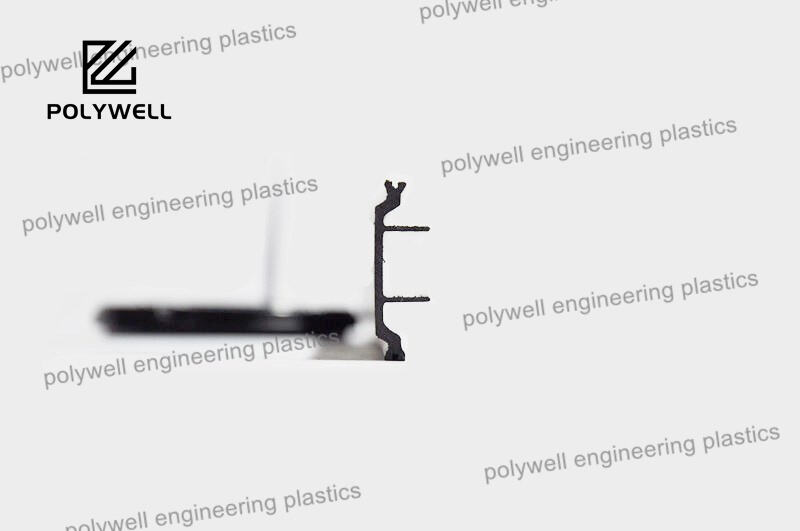
This page belongs to POLYWELL, offering solutions for window thermal bridge issues using its core polyamide thermal break strips (backed by 15+ years of experience). The polyamide strips act as barriers to block heat transfer in window frames, resolving window thermal bridge problems. POLYWELL provides full support: raw materials for strip production, extruders, molds, and technical guidance. DFM predicts production risks, on site service assists installation, and client feedback (Mr. Robin noting strips “work perfectly”) validates effectiveness. The 6 step process ensures seamless delivery of window thermal bridge solutions for manufacturers and users.
Get A Quote

 EN
EN