Thermal Bridging Solutions: PA66GF25 Strips & Molds for Energy Efficiency

All Categories

POLYWELL Thermal Bridging Solutions: Polyamide Strips & Full Production Support

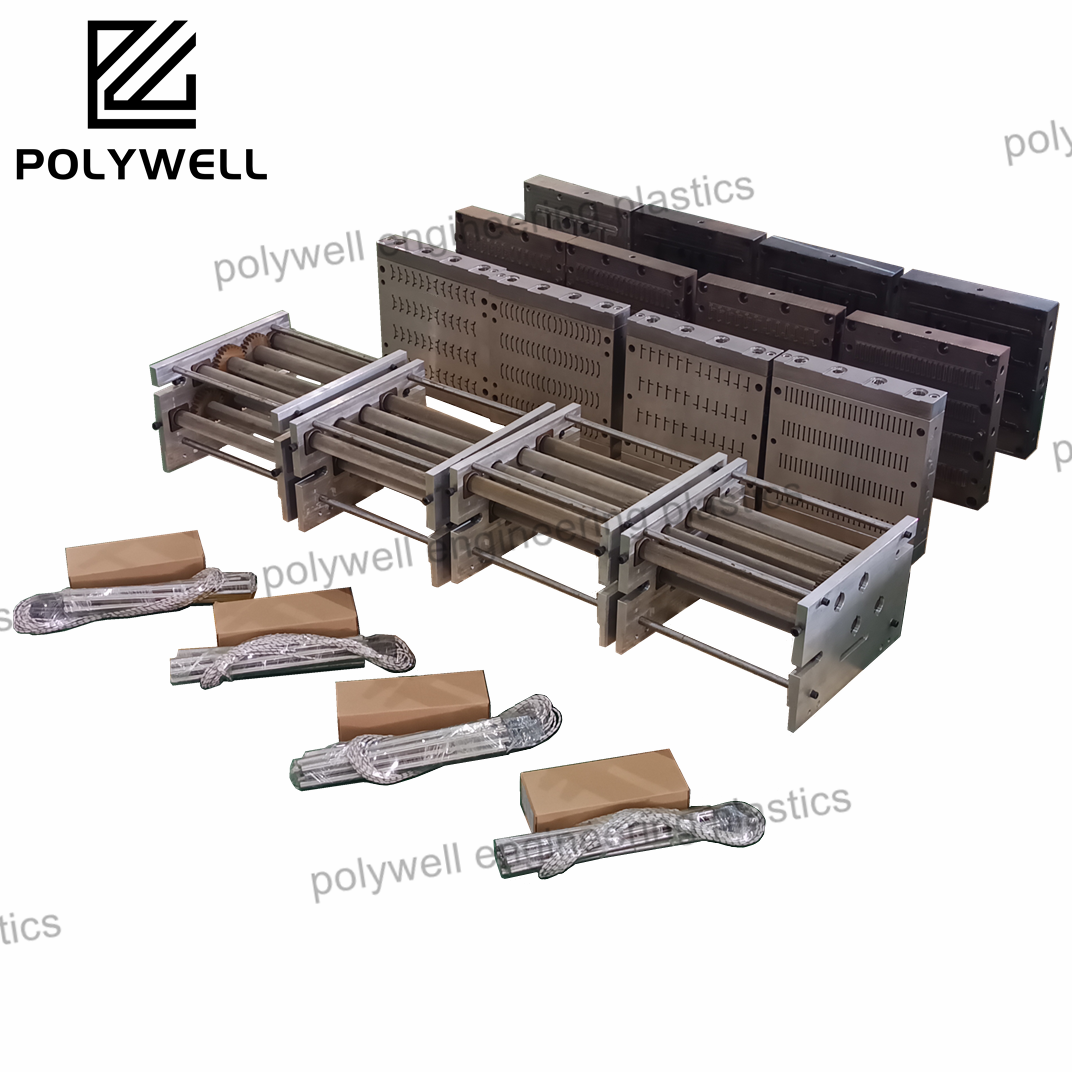
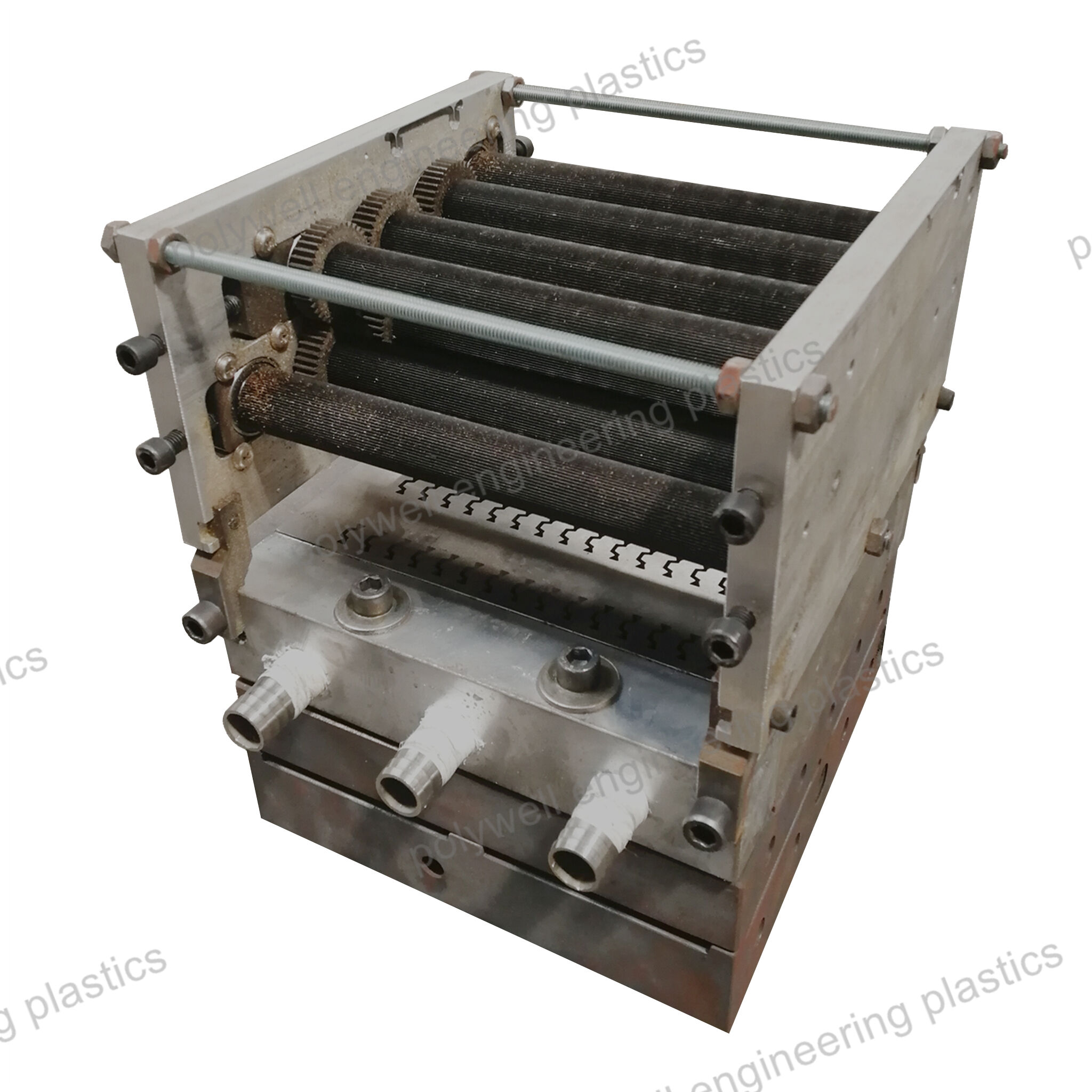
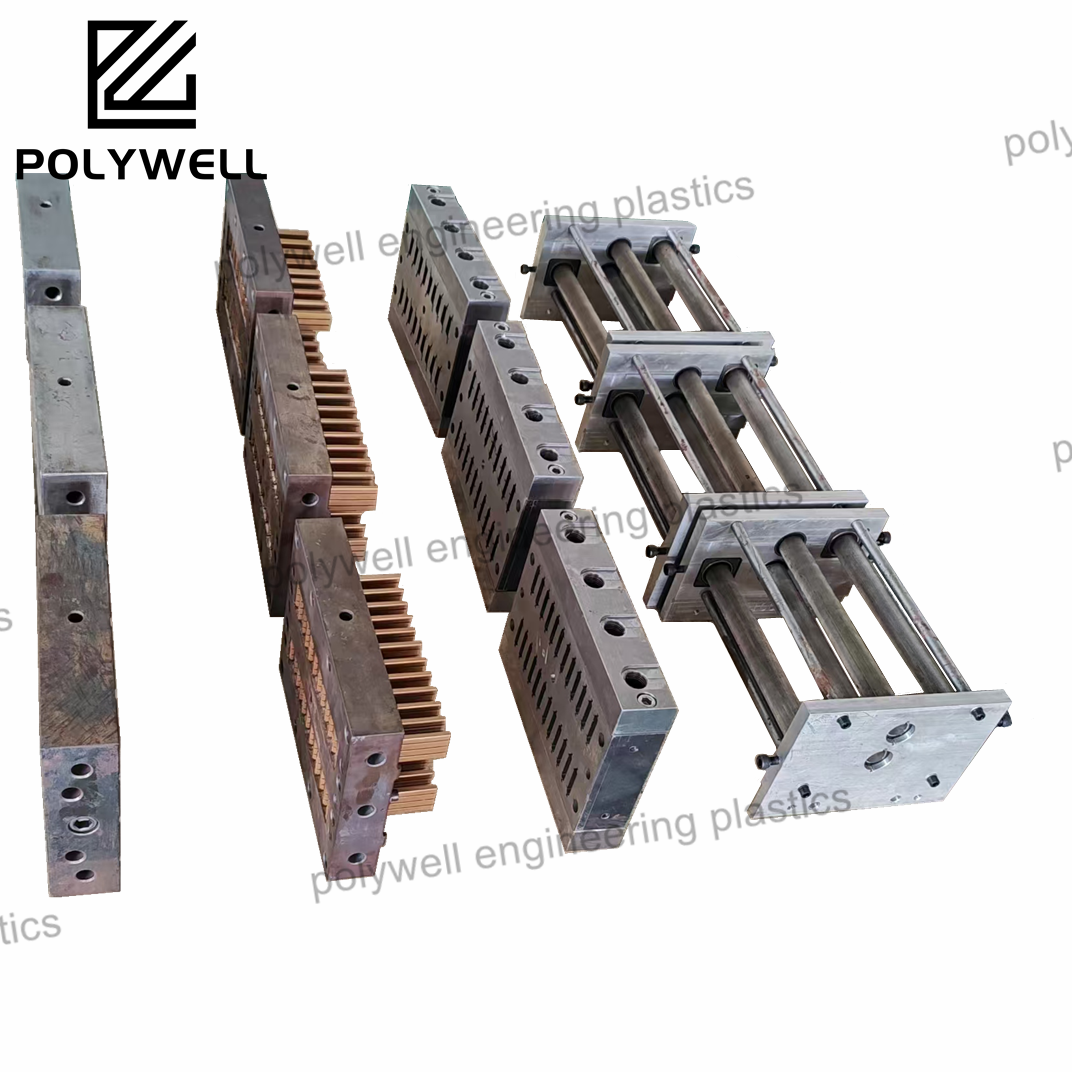
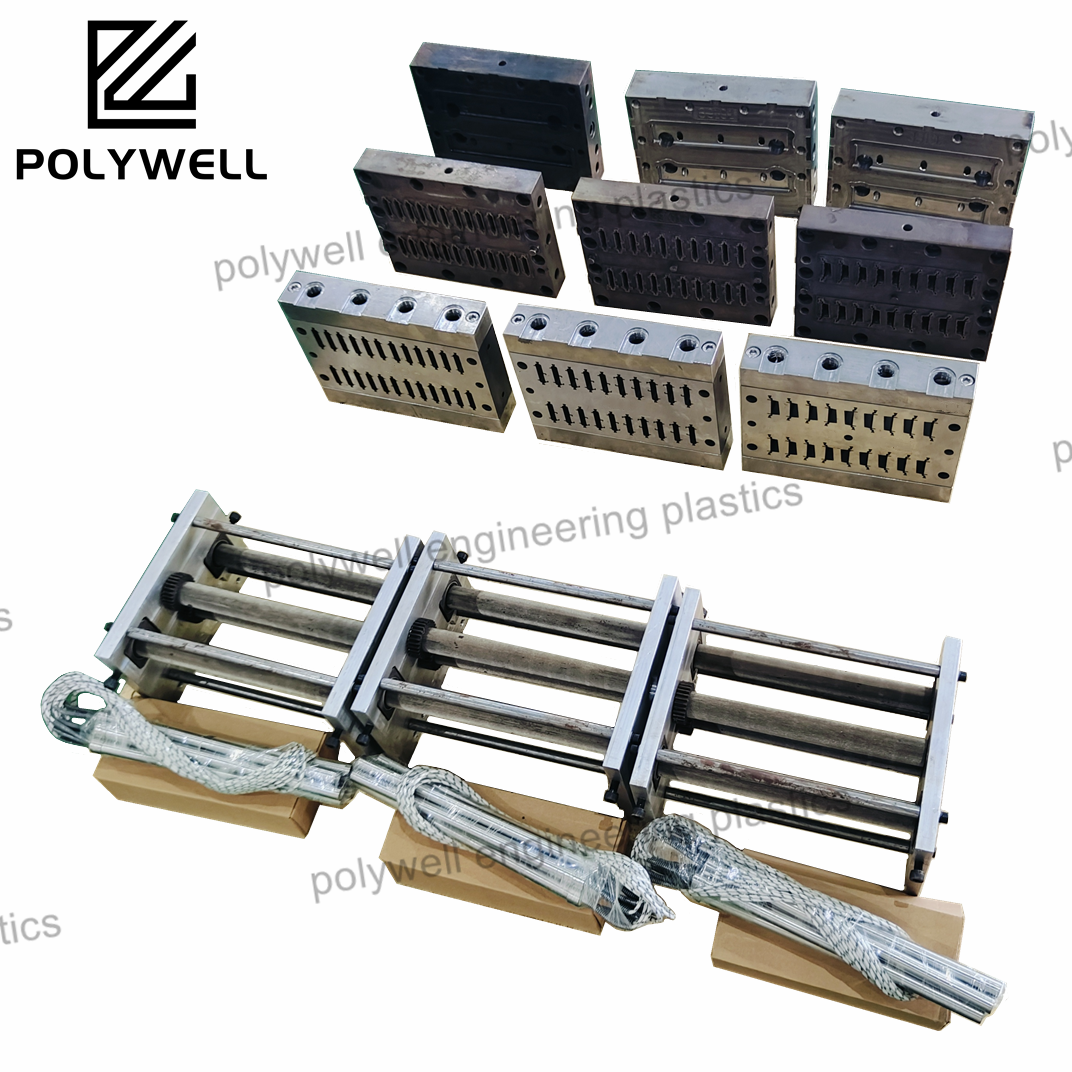
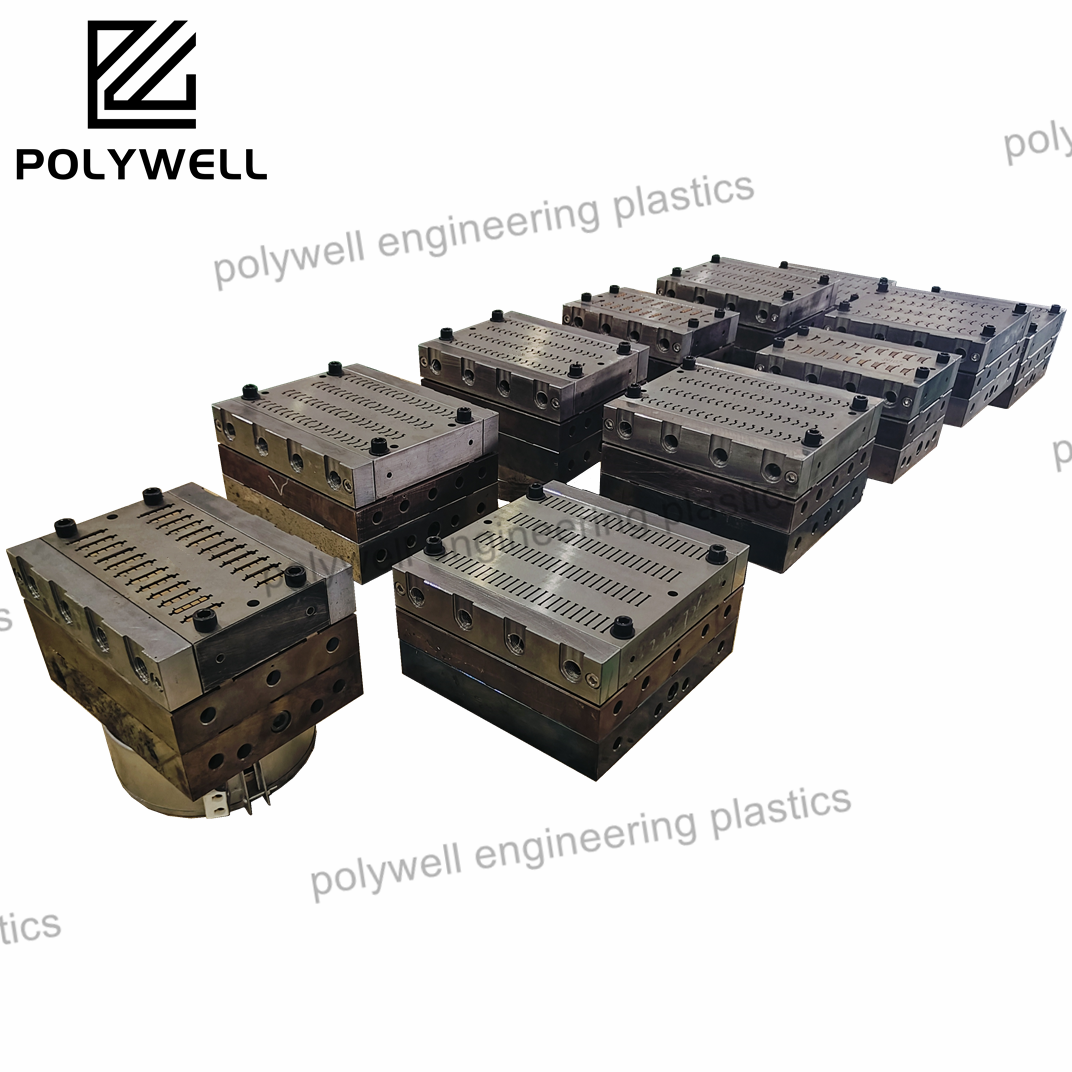
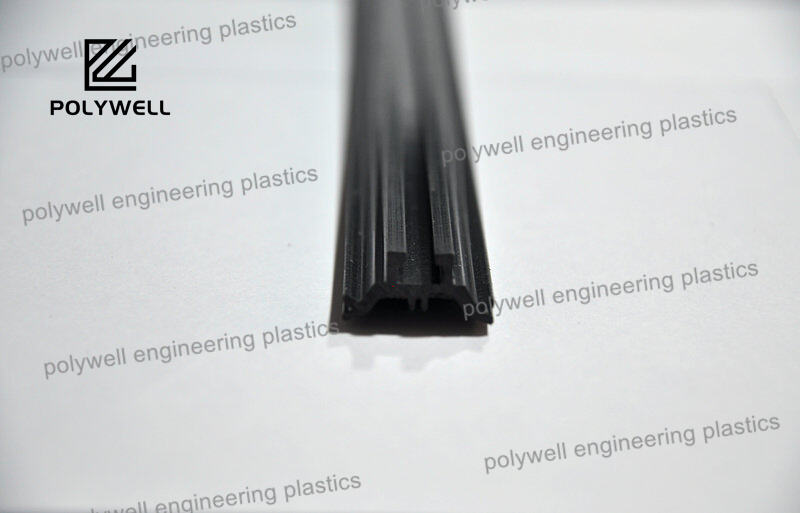
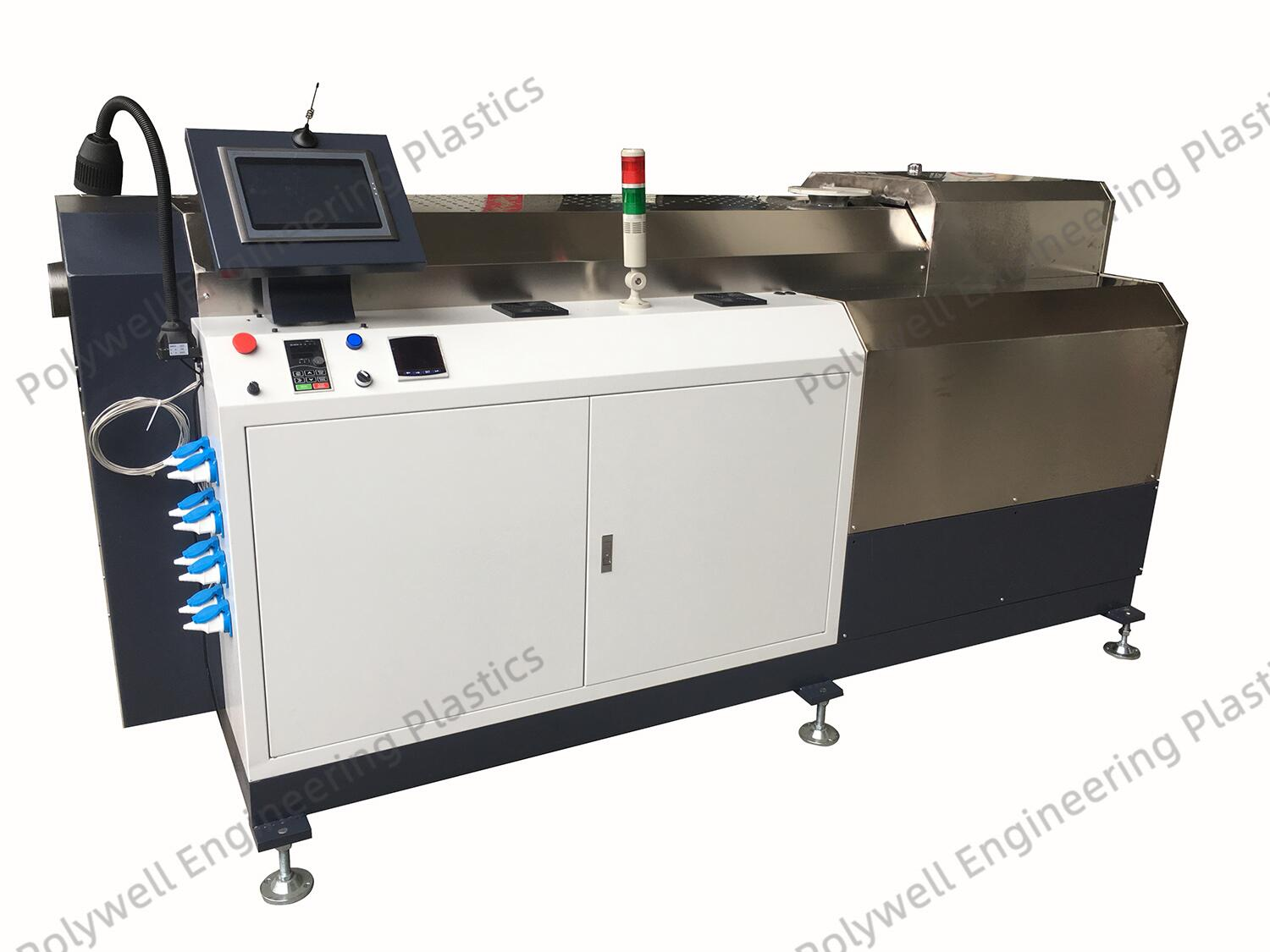
This page showcases POLYWELL’s thermal bridging solutions, centered on polyamide thermal break strips (backed by 15+ years of expertise) to block unwanted heat transfer. It provides all resources for solutions: polyamide raw materials, extruders, molds, and technical guidance (e.g., advising Ms. Özge on temperature adjustments for “good results”). DFM services optimize production, on site service fixes issues, and lifelong training supports clients. Client Mr. Tiago praises POLYWELL’s extruders, and the 6 step process ensures seamless delivery of thermal bridging solutions for manufacturers and users.
Get A Quote

Advantages of the product

Enhanced Comfort and Consistent Indoor Temperatures

Thermal bridging creates cold spots on interior walls and around windows, leading to drafts and radiant heat loss that cause occupant discomfort. Our thermal breaks ensure a more uniform interior surface temperature, eliminating these cold spots and drafts. This creates a more comfortable and consistent indoor living or working environment, enhancing the overall quality of the building.

Related products

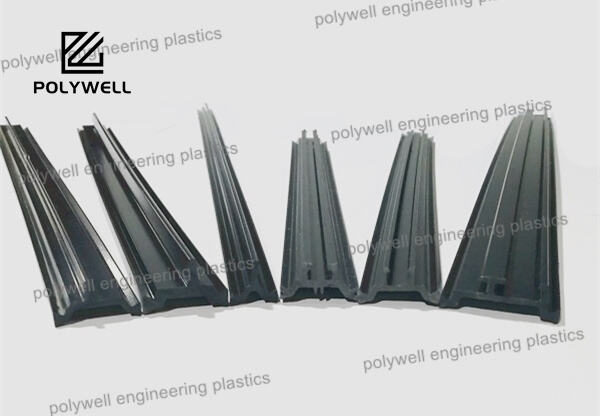
Thermal bridging solutions encompass a range of design strategies, construction techniques, and specialized materials aimed at eliminating or minimizing the negative impacts of thermal bridges in building envelopes. The overarching goal is to create a continuous thermal barrier that is as uninterrupted as possible. One of the most critical solutions is the use of thermally broken profiles for windows, doors, and curtain walls. This involves inserting a high-strength, low-conductivity polymer strip (e.g., PA66 GF30) within the aluminum or steel frame to separate the interior and exterior metal. For structural connections, such as balcony slabs or cantilevered beams, structural thermal break materials are employed. These are robust, compression-resistant panels, often made of glass-fiber reinforced polymer or dense composite materials, that are installed at the point of connection to isolate the conductive element. Another fundamental solution is the principle of continuous insulation (ci), where the insulation layer is installed externally and without gaps over the entire building facade, covering structural elements like studs and concrete members that would otherwise create bridges. Careful architectural detailing is also a solution; for example, using non-conductive spacers and fasteners for cladding attachments, and designing junctions between walls, roofs, and floors to maintain the insulation line. Advanced modeling software, such as thermal analysis programs, is used as a predictive solution to identify and rectify potential bridges during the design phase. The implementation of these solutions is not merely a technical exercise but a fundamental requirement for achieving high levels of energy efficiency, ensuring occupant comfort and health, and constructing durable, long-lasting buildings that meet modern performance standards.

Frequently Asked Questions

What is thermal bridging and why is it a problem?

Thermal bridging occurs when a more conductive material (like aluminum) creates a path of least resistance for heat to flow through an insulated building assembly. In windows, this leads to significant energy loss, higher utility bills, cold spots on interior frames that cause discomfort, and condensation which can promote mold growth and damage building materials. It is a major challenge for energy efficient construction.

Related Articles

How To Choose The Material of Thermal Break Strips For Windows And Doors?

18

Nov

How To Choose The Material of Thermal Break Strips For Windows And Doors?

POLYWELL guides you in selecting the best materials for thermal break strips in windows and doors. Ensure optimal insulation and energy efficiency with PA66GF25-based profiles.
View More
What to Consider When Choosing a Plastic Molding Manufacturer

22

Nov

What to Consider When Choosing a Plastic Molding Manufacturer

Choose POLYWELL for high-quality plastic molding solutions, advanced technology, and customer-driven service in the construction industry
View More
Importance of Glass Fiber in PA66GF25 Nylon Thermal Insulation Strips

27

Nov

Importance of Glass Fiber in PA66GF25 Nylon Thermal Insulation Strips

High-quality glass fiber in PA66GF25 nylon thermal insulation strips enhances tensile strength and performance, ensuring superior product quality and reliability.
View More
Extrusion Mold Design for Thermal Break Strips

21

Aug

Extrusion Mold Design for Thermal Break Strips

Enhance energy efficiency and structural integrity with precision extrusion mold design for thermal break strips. Discover key design principles that reduce thermal conductivity and improve building performance. Learn more today.
View More

customer evaluation

Aiden

Addressing thermal bridging is no longer optional. This solution is integral to our firm's philosophy of designing sustainable, energy efficient buildings. The performance data is clear: it significantly reduces the operational carbon footprint of the structures we design.

Get a Free Quote

Our representative will contact you soon.
Email
Name
Company Name
Message
0/1000
Targeted Solution for Energy Loss Problem

Targeted Solution for Energy Loss Problem

Our polyamide thermal break strips provide a targeted and effective solution to the problem of thermal bridging where heat escapes directly through conductive materials like aluminum window frames By inserting our low conductivity strip we create a continuous thermal barrier that interrupts this path which is the most effective method to prevent the associated energy loss condensation and comfort issues
Prevention of Condensation and Mold Growth

Prevention of Condensation and Mold Growth

By effectively eliminating thermal bridges our strips raise the temperature of the interior surface of the window or door frame This prevents warm moist indoor air from condensing on the cold frame surface The elimination of condensation is crucial for preventing mold growth protecting indoor air quality and preserving the buildings structure and interior finishes from water damage
Increased Overall Energy Efficiency of Buildings

Increased Overall Energy Efficiency of Buildings

The primary economic benefit of addressing thermal bridging is a substantial reduction in energy bills Our thermal breaks significantly improve the overall thermal performance of the building envelope reducing the load on HVAC systems This leads to lower energy consumption for heating and cooling providing a rapid return on investment for builders and owners and contributing to broader energy conservation goals
Inquiry Inquiry Email Email WhatsApp WhatsApp Wechat Wechat
Wechat
TopTop

Related Search