Thermal Bridge Window Solutions | Polyamide Strips for Insulation

All Categories

POLYWELL Thermal Bridge Window Solutions: Polyamide Strips for Insulation

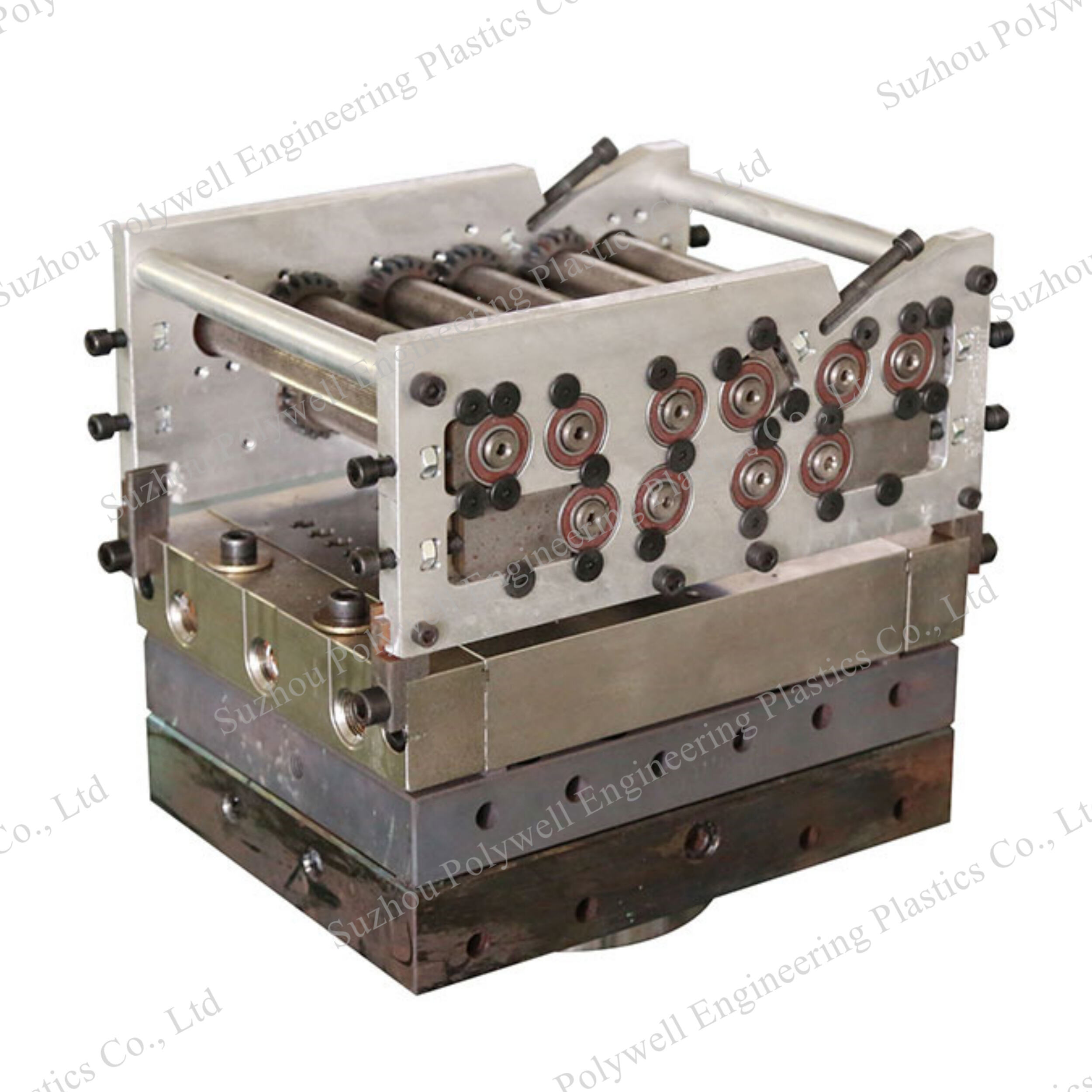
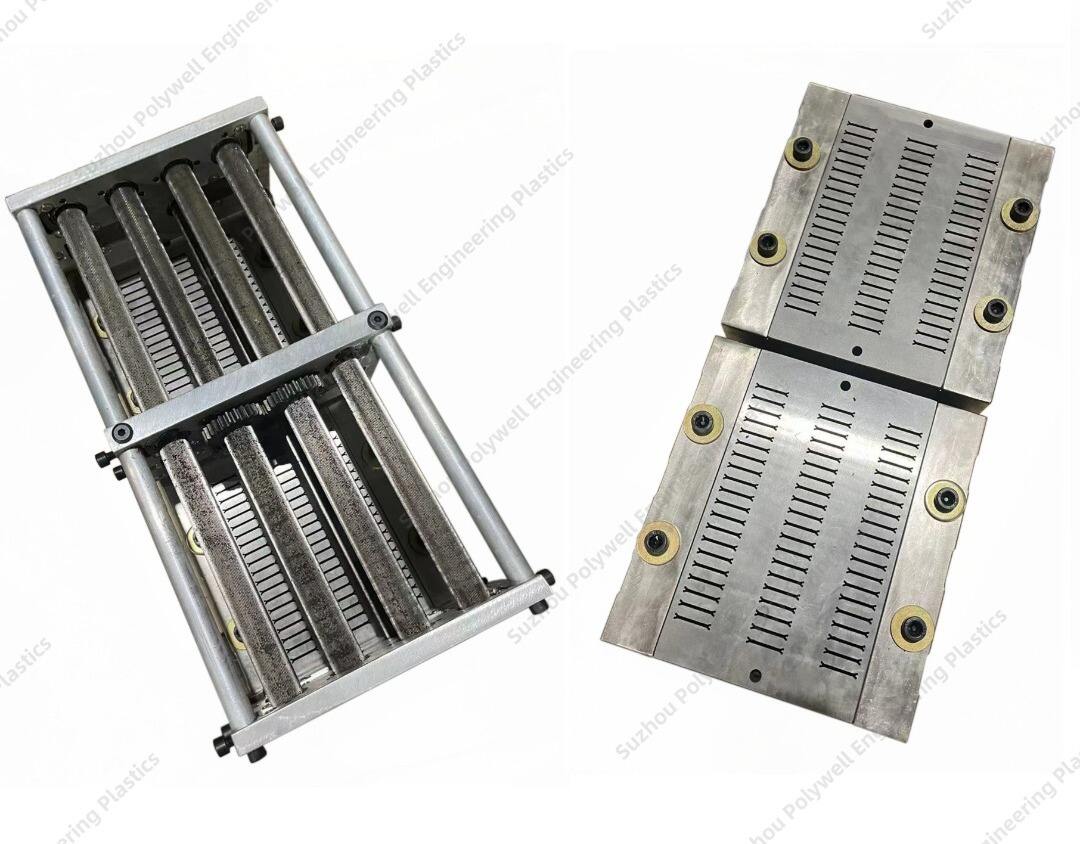
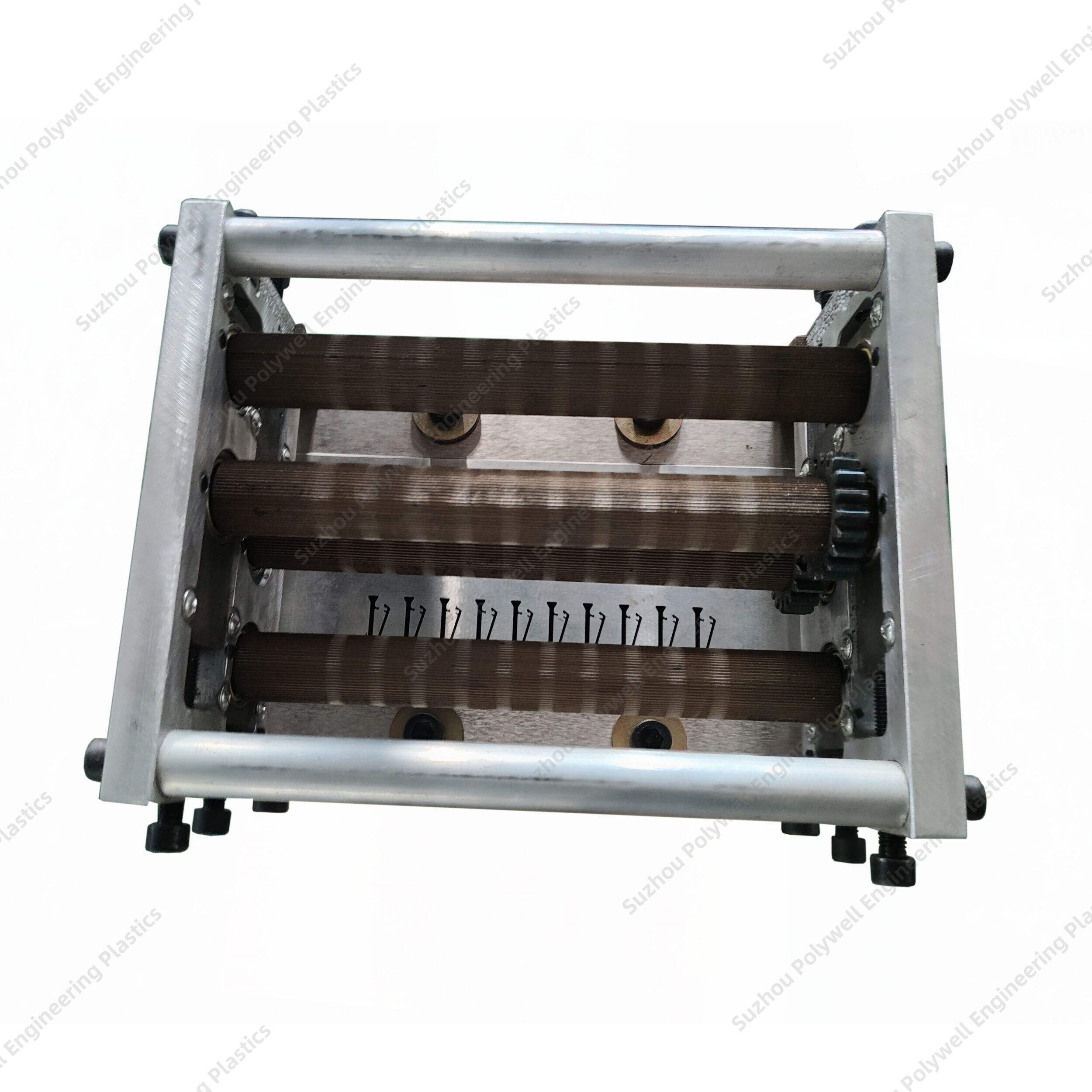
This page showcases POLYWELL’s solutions for thermal bridge window issues, using polyamide thermal break strips to insulate window frames and block heat transfer. With 15+ years of experience, POLYWELL provides strips tailored for window applications, plus supporting equipment (extruders, molds) and services. DFM optimizes strip fit for windows, on site service resolves installation issues, and client testimonials (Mr. Robin noting strips “work perfectly”) confirm effectiveness. The 6 step cooperation process ensures manufacturers and window makers get thermal bridge window solutions aligned with their needs.
Get A Quote

Advantages of the product

Prevention of Condensation and Mold Growth

By effectively eliminating thermal bridges, our strips raise the temperature of the interior surface of the window or door frame. This prevents warm, moist indoor air from condensing on the cold frame surface. The elimination of condensation is crucial for preventing mold growth, protecting indoor air quality, and preserving the building's structure and interior finishes from water damage.

Related products

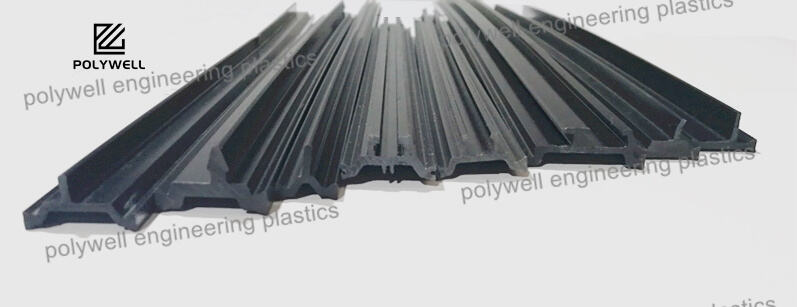
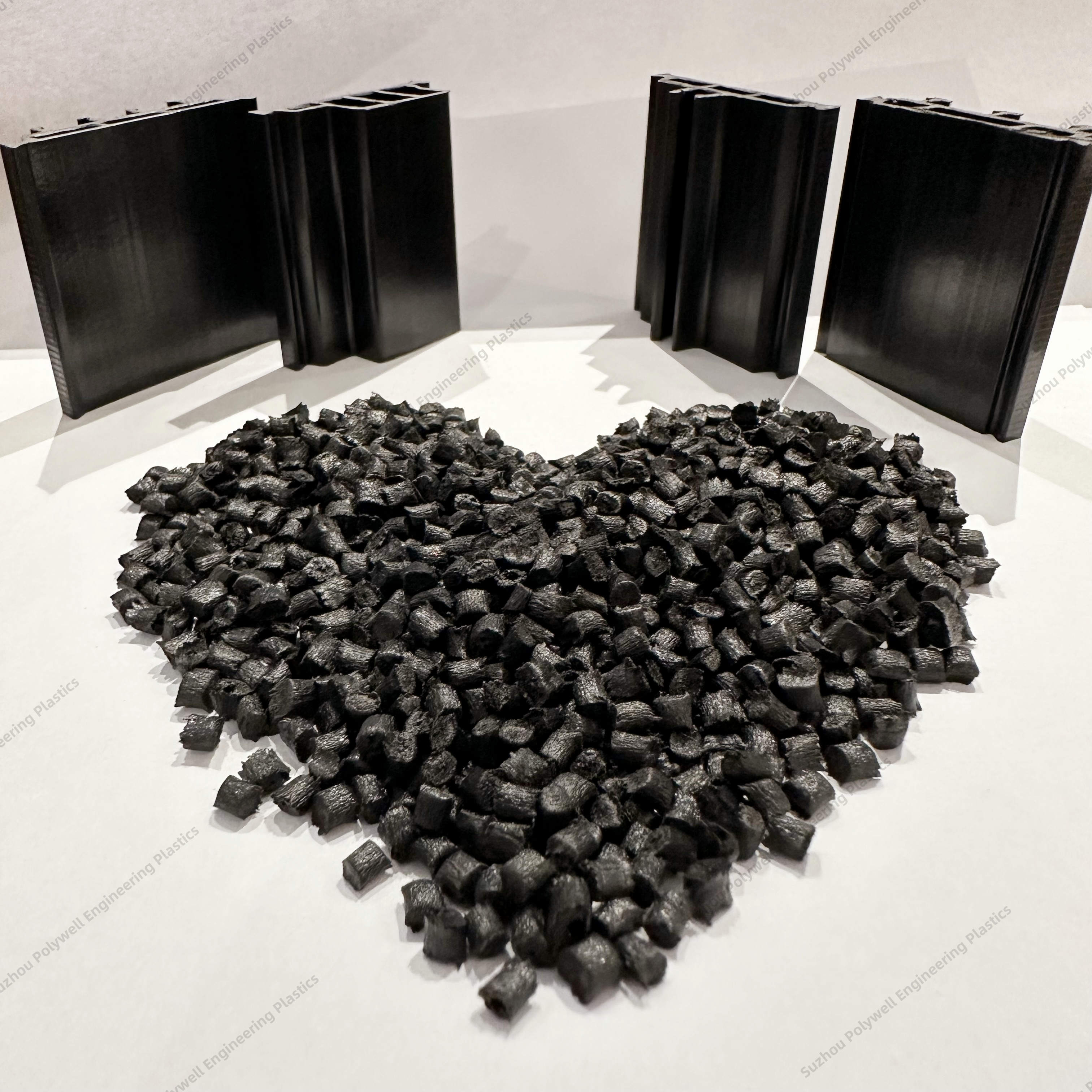
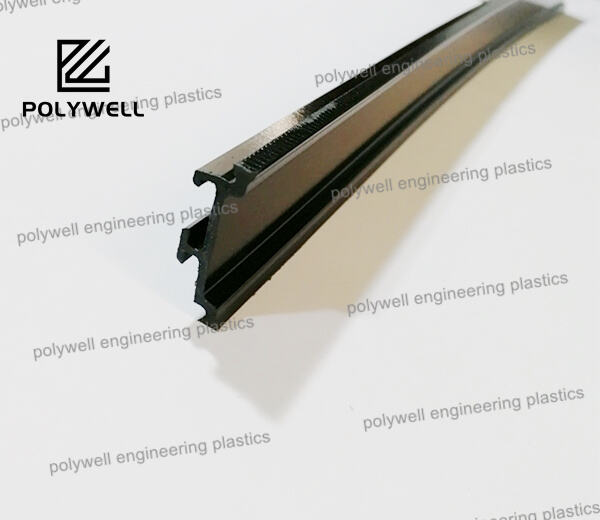
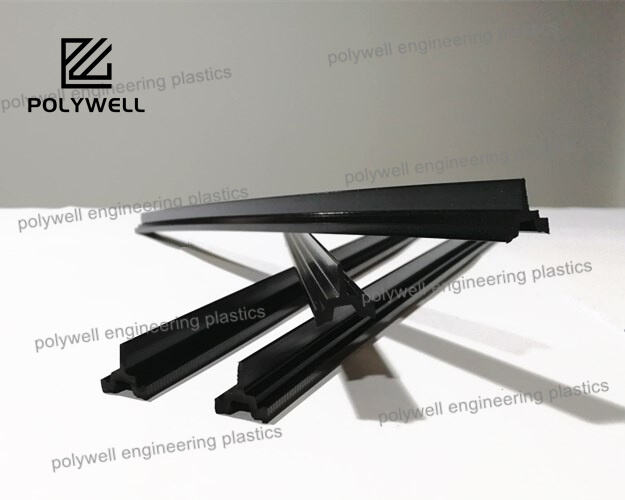
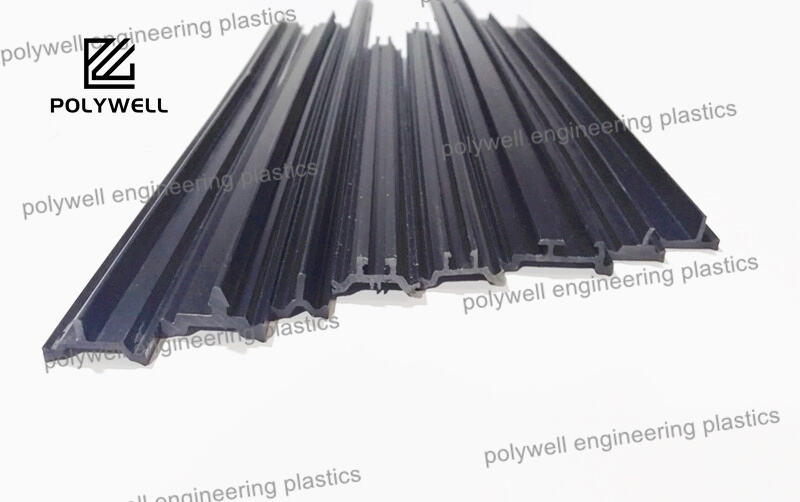
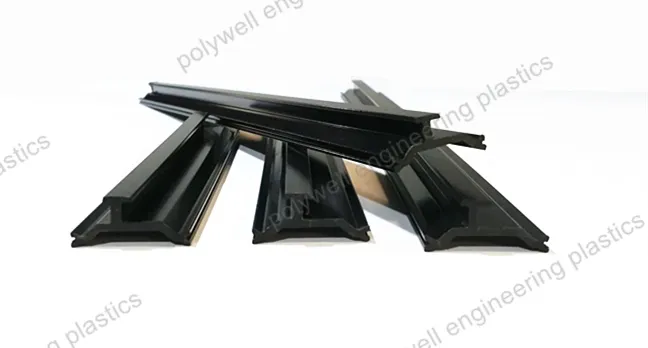
A thermal bridge window refers to a fenestration system specifically engineered to eliminate or drastically reduce the thermal bridge inherent in standard metal-framed windows. In a conventional aluminum or steel window without a thermal break, the metal frame acts as a highly efficient conduit for heat, creating a direct path for thermal energy to flow between the interior and exterior. This results in significant heat loss during cold weather and heat gain during warm weather, leading to elevated energy costs for heating and cooling. More critically, it causes the interior surface temperature of the frame to drop, often below the dew point, which triggers condensation. This condensation can damage window fittings, promote mold growth on adjacent walls, and create an uncomfortable indoor environment. A true thermal bridge window addresses this fundamental flaw by incorporating a thermal break within its frame and sash profiles. This break is a continuous strip of a material with very low thermal conductivity, typically glass-fiber reinforced polyamide (PA66 GF30), which is mechanically locked into the aluminum extrusions during manufacturing. This polymer strip physically separates the inner and outer metal parts of the window, creating a barrier that reduces heat flow by over 90% compared to an unbroken metal frame. The performance of such a window is quantified by its overall U-value, with the thermally broken frame contributing to a much lower and more efficient rating. By mitigating the thermal bridge, these windows enhance occupant comfort by maintaining warmer interior frame surfaces in winter, prevent condensation, reduce energy consumption, and contribute directly to meeting stringent building energy codes and green building certification standards like Passive House, LEED, and BREEAM.
Frequently Asked Questions

What is thermal bridging and why is it a problem?

Thermal bridging occurs when a more conductive material (like aluminum) creates a path of least resistance for heat to flow through an insulated building assembly. In windows, this leads to significant energy loss, higher utility bills, cold spots on interior frames that cause discomfort, and condensation which can promote mold growth and damage building materials. It is a major challenge for energy efficient construction.

Related Articles

Design Options for Thermally Broken Aluminum Windows

27

Nov

Design Options for Thermally Broken Aluminum Windows

POLYWELL offers high-performance thermal break strips for energy-efficient aluminum windows, enhancing thermal and sound insulation with precision design.
View More
Importance of Glass Fiber in PA66GF25 Nylon Thermal Insulation Strips

27

Nov

Importance of Glass Fiber in PA66GF25 Nylon Thermal Insulation Strips

High-quality glass fiber in PA66GF25 nylon thermal insulation strips enhances tensile strength and performance, ensuring superior product quality and reliability.
View More
What Makes a High-Quality Thermal Break Strip?

10

Jun

What Makes a High-Quality Thermal Break Strip?

Explore the benefits of PA66 GF30 material in thermal break strips for enhanced mechanical properties, durability, and thermal insulation. Understand its role in energy efficiency, compliance with international standards, and its growing preference in sustainable construction.
View More
PA66GF25 Granules and Thermal Break Strip Performance

29

Aug

PA66GF25 Granules and Thermal Break Strip Performance

Discover how PA66GF25 granules improve strength and thermal efficiency in aluminum profiles. Ideal for energy-efficient building systems. Learn more now.
View More

customer evaluation

Aiden

Addressing thermal bridging is no longer optional. This solution is integral to our firm's philosophy of designing sustainable, energy efficient buildings. The performance data is clear: it significantly reduces the operational carbon footprint of the structures we design.

Get a Free Quote

Our representative will contact you soon.
Email
Name
Company Name
Message
0/1000
Targeted Solution for Energy Loss Problem

Targeted Solution for Energy Loss Problem

Our polyamide thermal break strips provide a targeted and effective solution to the problem of thermal bridging where heat escapes directly through conductive materials like aluminum window frames By inserting our low conductivity strip we create a continuous thermal barrier that interrupts this path which is the most effective method to prevent the associated energy loss condensation and comfort issues
Prevention of Condensation and Mold Growth

Prevention of Condensation and Mold Growth

By effectively eliminating thermal bridges our strips raise the temperature of the interior surface of the window or door frame This prevents warm moist indoor air from condensing on the cold frame surface The elimination of condensation is crucial for preventing mold growth protecting indoor air quality and preserving the buildings structure and interior finishes from water damage
Increased Overall Energy Efficiency of Buildings

Increased Overall Energy Efficiency of Buildings

The primary economic benefit of addressing thermal bridging is a substantial reduction in energy bills Our thermal breaks significantly improve the overall thermal performance of the building envelope reducing the load on HVAC systems This leads to lower energy consumption for heating and cooling providing a rapid return on investment for builders and owners and contributing to broader energy conservation goals
Inquiry Inquiry Email Email WhatsApp WhatsApp Wechat Wechat
Wechat
TopTop

Related Search