Thermal Bridge Meaning & PA66 Solutions | POLYWELL Guide

All Categories

POLYWELL Thermal Bridge Meaning: Explanation & Polyamide Mitigation Solutions

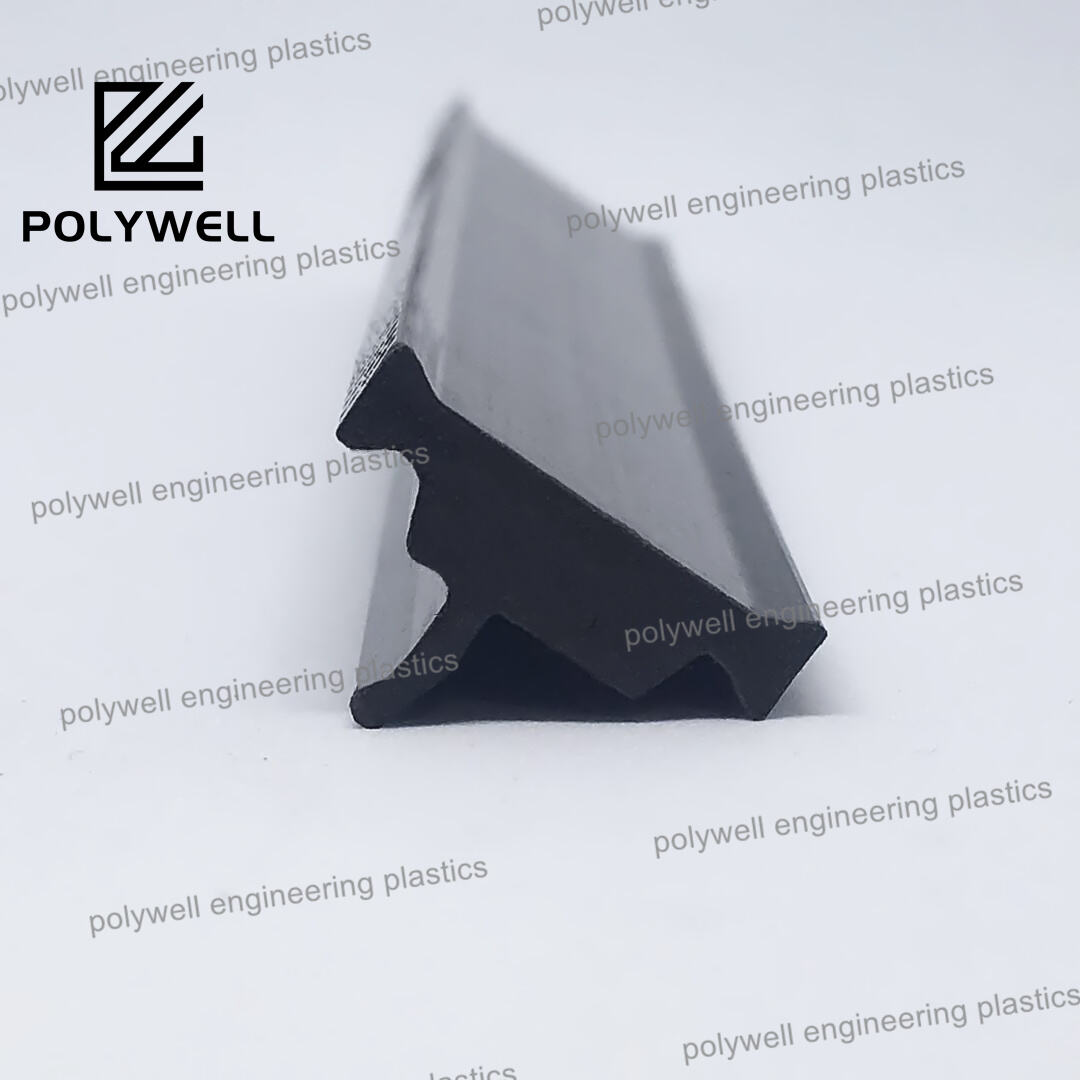
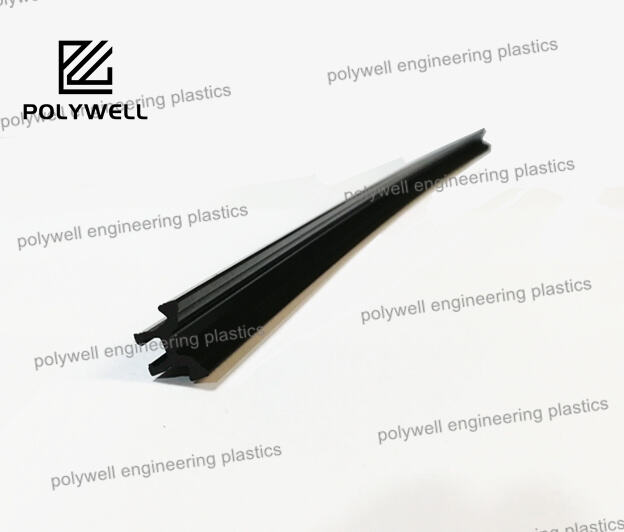
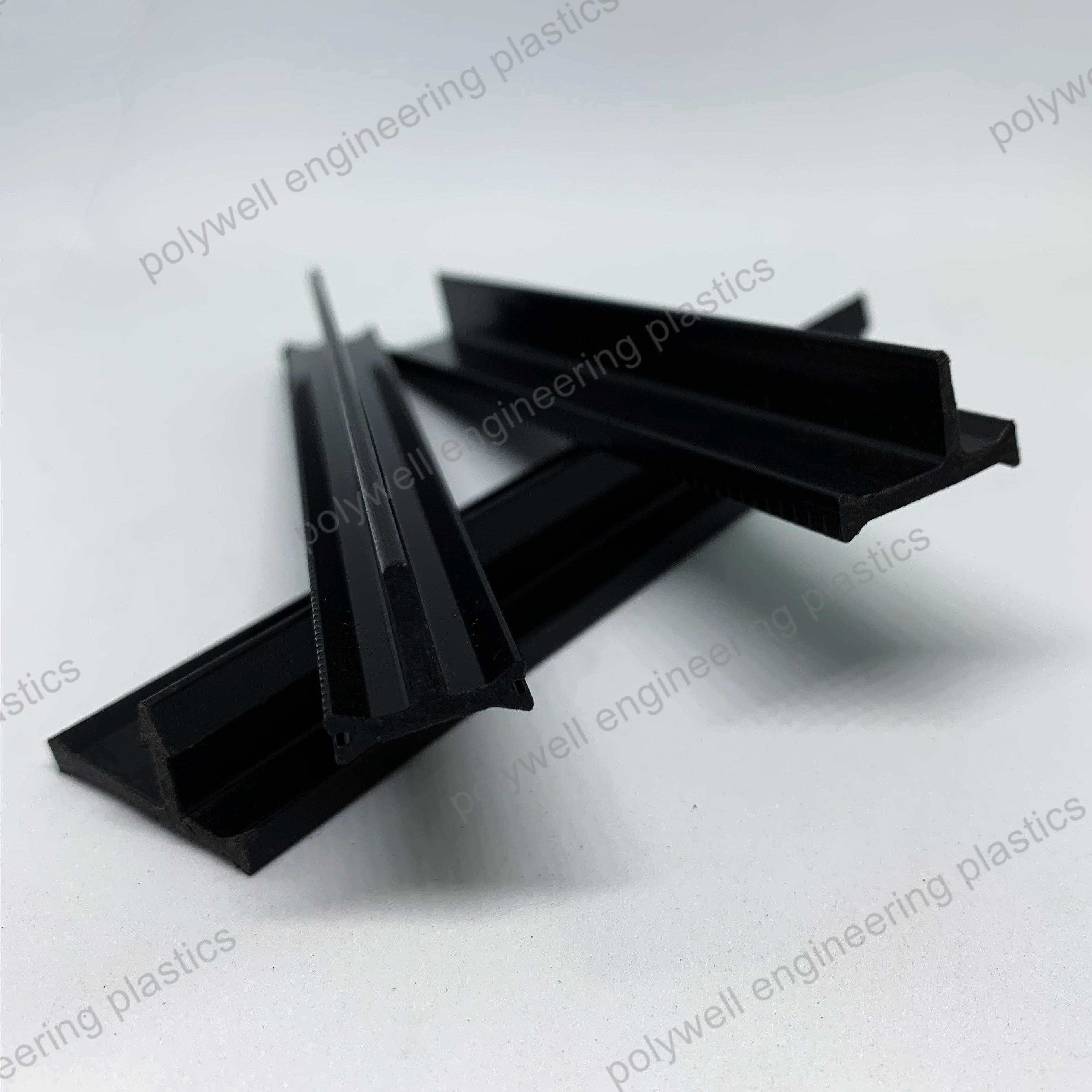
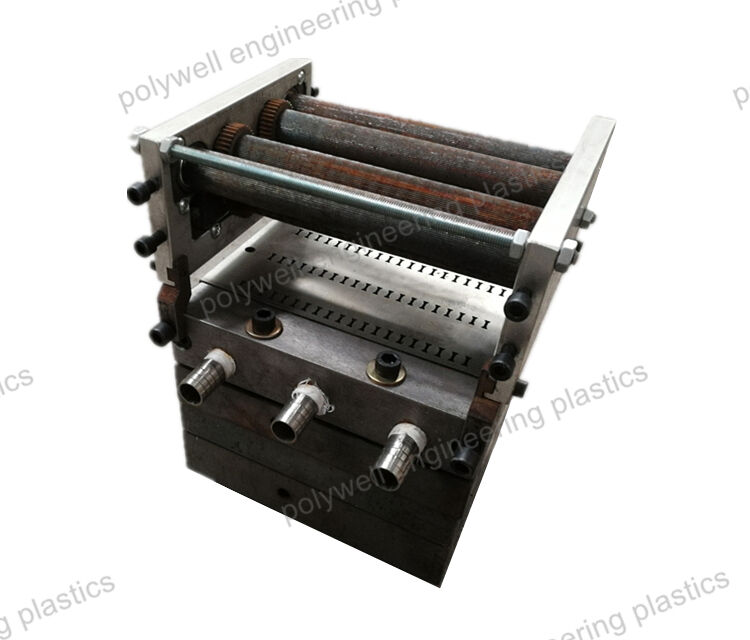
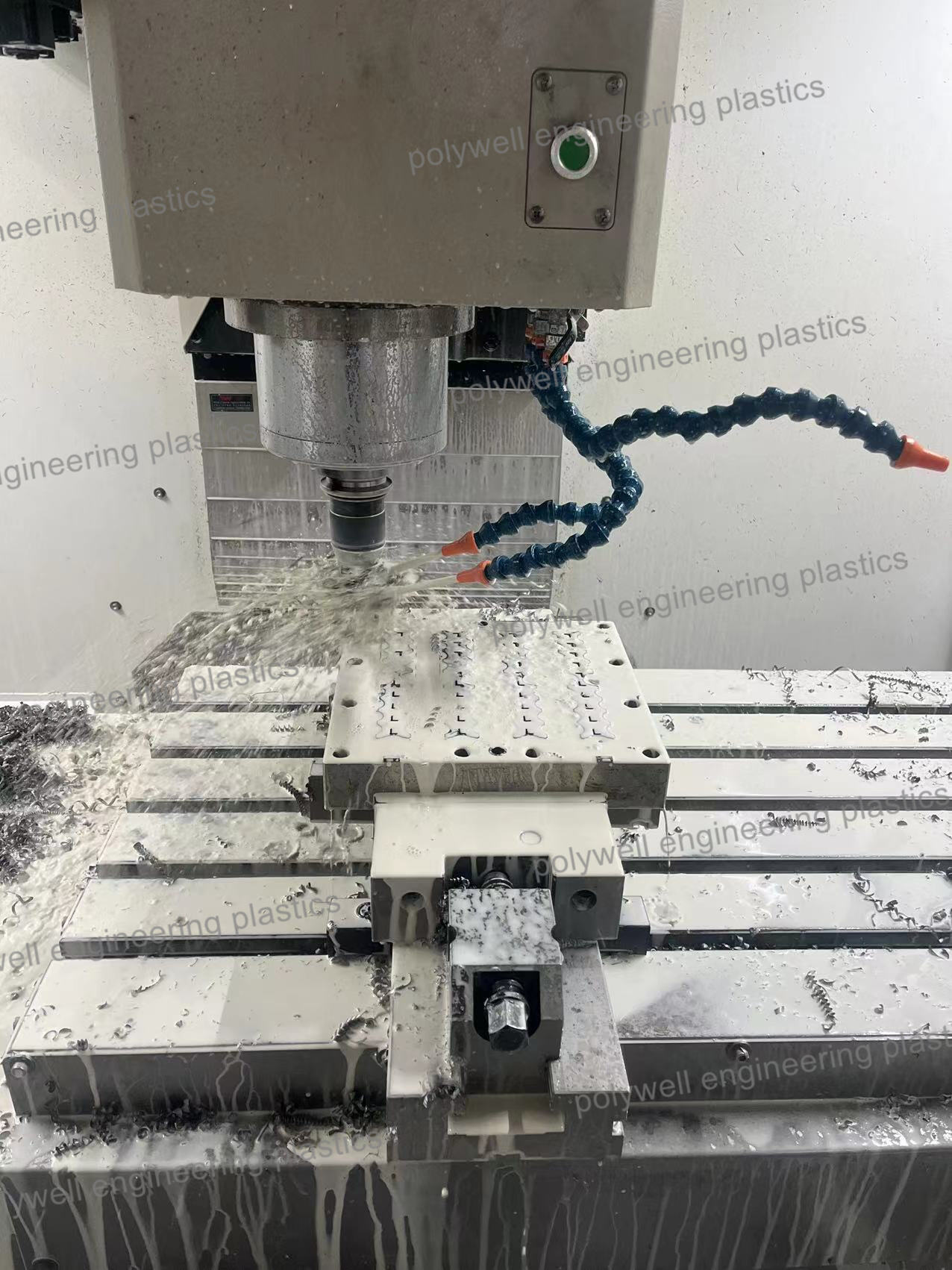
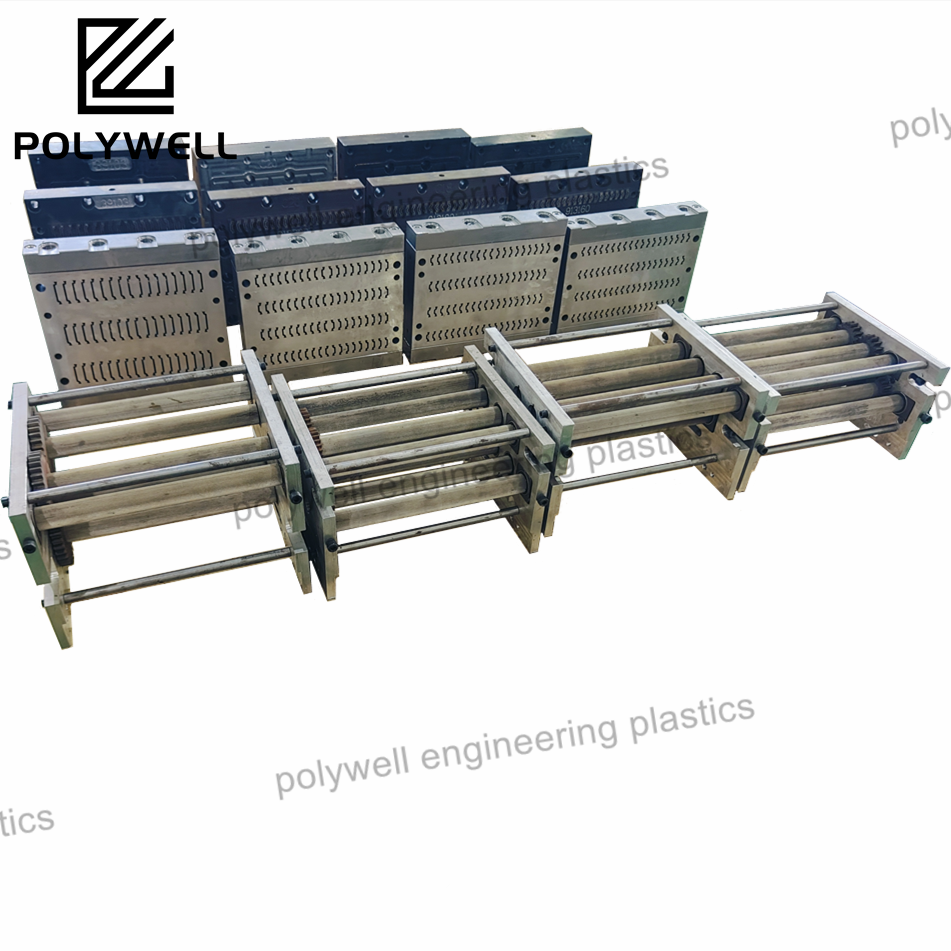
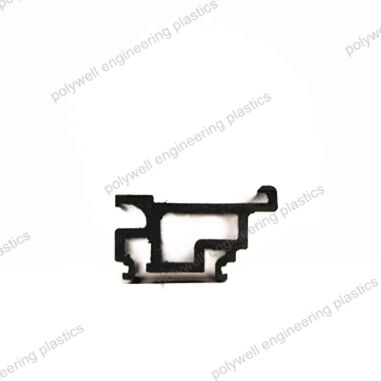
This page from POLYWELL first clarifies thermal bridge meaning: areas in structures where heat transfers more easily (causing energy loss). It then links to POLYWELL’s solution—polyamide thermal break strips—backed by 15+ years of experience. The page explains how these strips block thermal bridges, plus offers production support (extruders, molds, DFM) and on site service. Client testimonials (Mr. Robin noting strip effectiveness) reinforce solutions, and the 6 step process ensures manufacturers get tools to create thermal bridge mitigations. It’s a resource for understanding thermal bridge meaning and accessing practical fixes.
Get A Quote

Advantages of the product

Prevention of Condensation and Mold Growth

By effectively eliminating thermal bridges, our strips raise the temperature of the interior surface of the window or door frame. This prevents warm, moist indoor air from condensing on the cold frame surface. The elimination of condensation is crucial for preventing mold growth, protecting indoor air quality, and preserving the building's structure and interior finishes from water damage.

Related products

The meaning of "thermal bridge" is a fundamental concept in building science and heat transfer, describing a localized area in a building assembly where heat flows more readily than in the surrounding materials due to higher thermal conductivity. Think of it as a "shortcut" for heat energy to travel across a thermal barrier. In a well-insulated wall, the insulation provides high resistance to heat flow. However, if a highly conductive material, like a metal stud or a concrete column, penetrates this insulation layer, it creates a path of lower resistance. This is the thermal bridge. The impact is not merely a slight increase in energy loss; it is a concentrated and often severe flaw. The scientific principle is governed by Fourier's Law of heat conduction, where the rate of heat transfer is proportional to the material's conductivity and the cross-sectional area, and inversely proportional to the path length. In a thermal bridge, the high conductivity of the material (e.g., aluminum at 160 W/m·K versus insulation at 0.03 W/m·K) causes a dramatic local increase in heat flux. This leads to a lower temperature on the interior surface of the bridge compared to the adjacent insulated areas. When this surface temperature drops below the dew point, condensation occurs, with all its associated risks of mold and material degradation. Therefore, understanding the meaning of a thermal bridge extends beyond a simple definition; it encompasses recognizing its physical cause, its detrimental effects on building performance, occupant health, and energy efficiency, and the critical importance of designing to avoid or mitigate it through principles of thermal continuity.

Frequently Asked Questions

What is thermal bridging and why is it a problem?

Thermal bridging occurs when a more conductive material (like aluminum) creates a path of least resistance for heat to flow through an insulated building assembly. In windows, this leads to significant energy loss, higher utility bills, cold spots on interior frames that cause discomfort, and condensation which can promote mold growth and damage building materials. It is a major challenge for energy efficient construction.

Related Articles

How To Choose The Material of Thermal Break Strips For Windows And Doors?

18

Nov

How To Choose The Material of Thermal Break Strips For Windows And Doors?

POLYWELL guides you in selecting the best materials for thermal break strips in windows and doors. Ensure optimal insulation and energy efficiency with PA66GF25-based profiles.
View More

Why you need one stop service (overall solutions)

30

Dec

Why you need one stop service (overall solutions)

Discover why POLYWELL’s one-stop service is essential for your plastic extrusion projects. From raw material selection to final production, we provide comprehensive support for thermal break strips and custom profiles.
View More
The Importance of PA66GF25 Granules in Thermal Break Strip Manufacturing

10

Dec

The Importance of PA66GF25 Granules in Thermal Break Strip Manufacturing

POLYWELL offers high-quality PA66GF25 granules for enhanced thermal insulation and structural strength in construction applications, meeting strict standards and customization needs.
View More
Single Screw Extruder vs. Twin Screw Extruder: What's the Difference?

10

Jun

Single Screw Extruder vs. Twin Screw Extruder: What's the Difference?

Explore the key differences between single and twin screw extruders, focusing on design, functionality, and application in insulation manufacturing. Learn their benefits in terms of consistency, cost-efficiency, and material compatibility, with FAQs addressing common reader queries.
View More

customer evaluation

Easton

The reduction in heat transfer directly translates to lower energy bills for the building owners. We can now provide calculated energy savings projections, making the investment in quality windows with effective thermal breaks an easy financial decision.

Get a Free Quote

Our representative will contact you soon.
Email
Name
Company Name
Message
0/1000
Targeted Solution for Energy Loss Problem

Targeted Solution for Energy Loss Problem

Our polyamide thermal break strips provide a targeted and effective solution to the problem of thermal bridging where heat escapes directly through conductive materials like aluminum window frames By inserting our low conductivity strip we create a continuous thermal barrier that interrupts this path which is the most effective method to prevent the associated energy loss condensation and comfort issues
Prevention of Condensation and Mold Growth

Prevention of Condensation and Mold Growth

By effectively eliminating thermal bridges our strips raise the temperature of the interior surface of the window or door frame This prevents warm moist indoor air from condensing on the cold frame surface The elimination of condensation is crucial for preventing mold growth protecting indoor air quality and preserving the buildings structure and interior finishes from water damage
Increased Overall Energy Efficiency of Buildings

Increased Overall Energy Efficiency of Buildings

The primary economic benefit of addressing thermal bridging is a substantial reduction in energy bills Our thermal breaks significantly improve the overall thermal performance of the building envelope reducing the load on HVAC systems This leads to lower energy consumption for heating and cooling providing a rapid return on investment for builders and owners and contributing to broader energy conservation goals
Inquiry Inquiry Email Email WhatsApp WhatsApp Wechat Wechat
Wechat
TopTop

Related Search