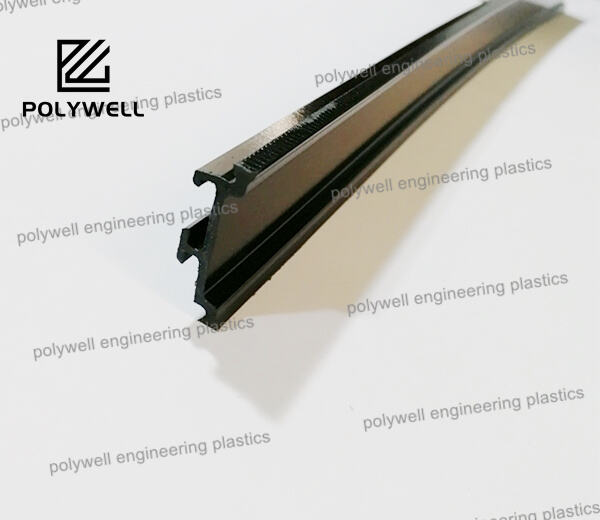
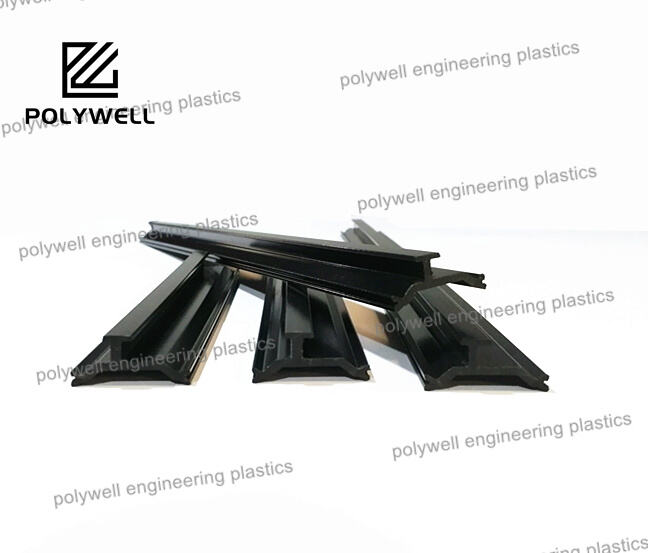
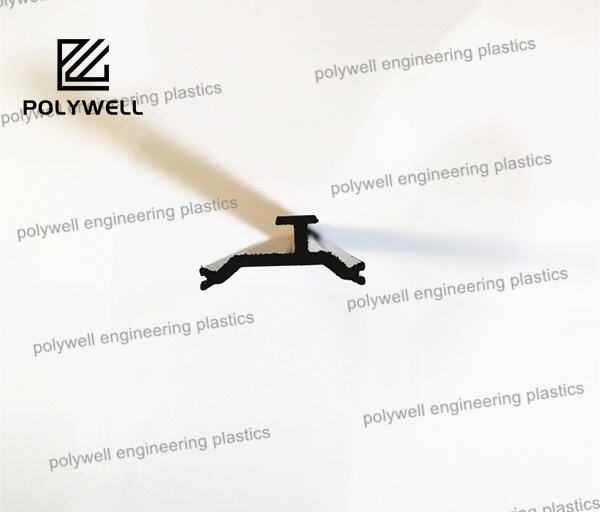
POLYWELL Thermal Bridge Break: Polyamide Strips & Full Production Support
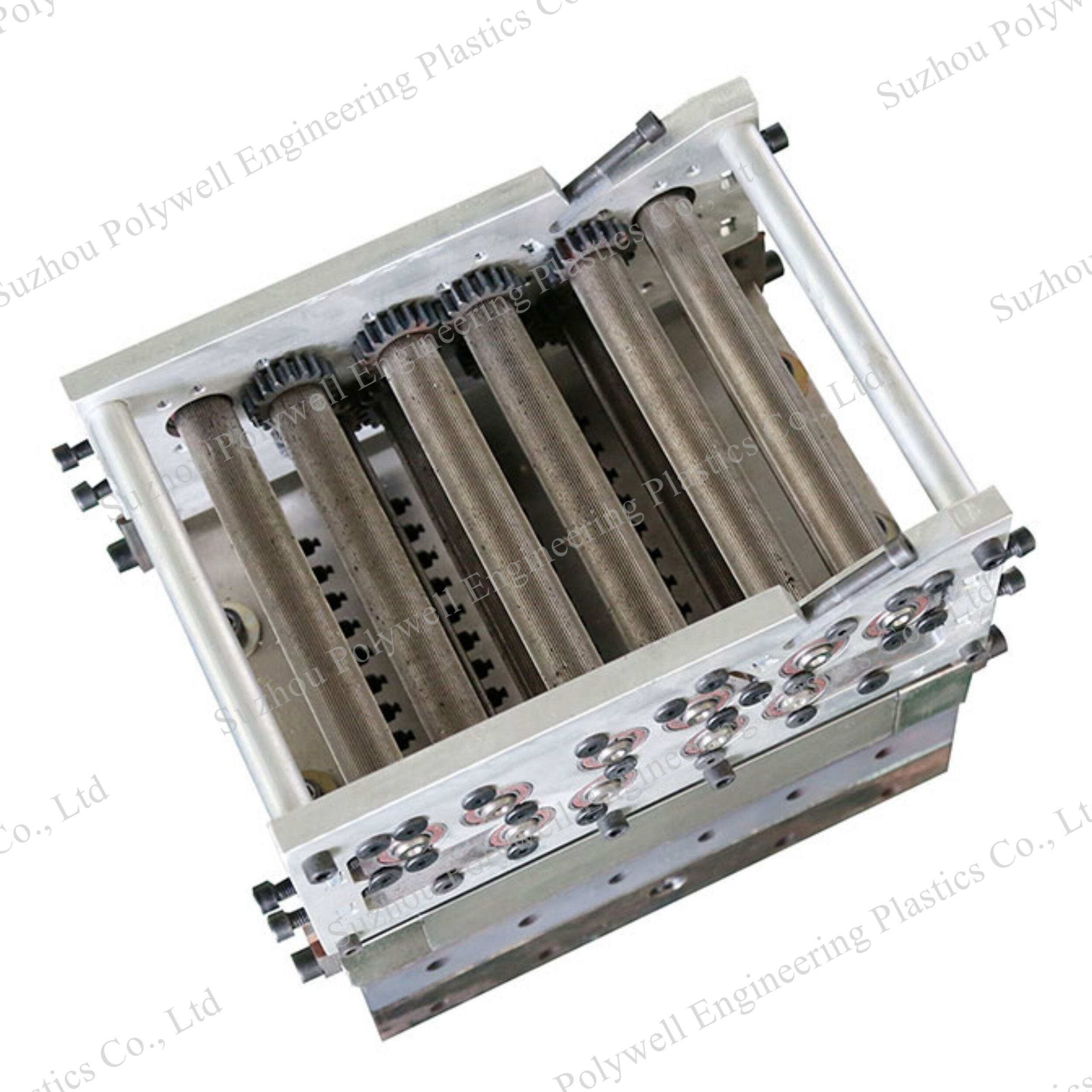
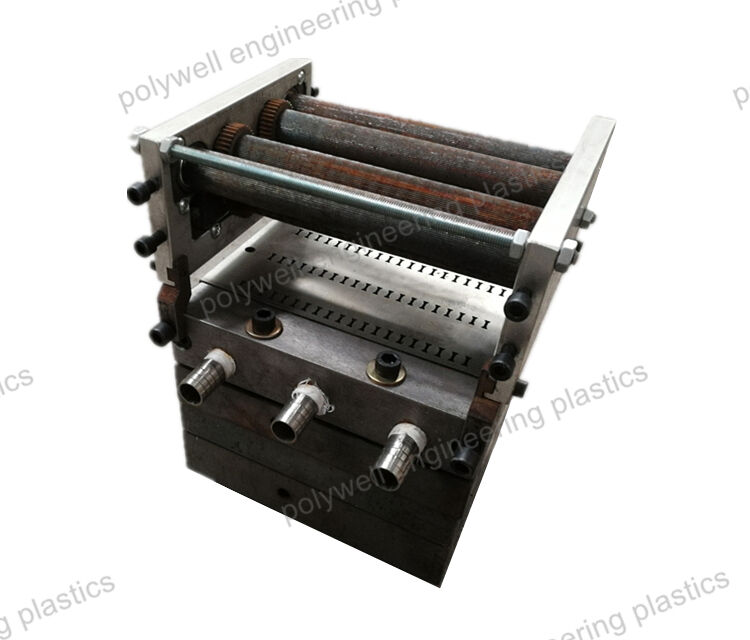
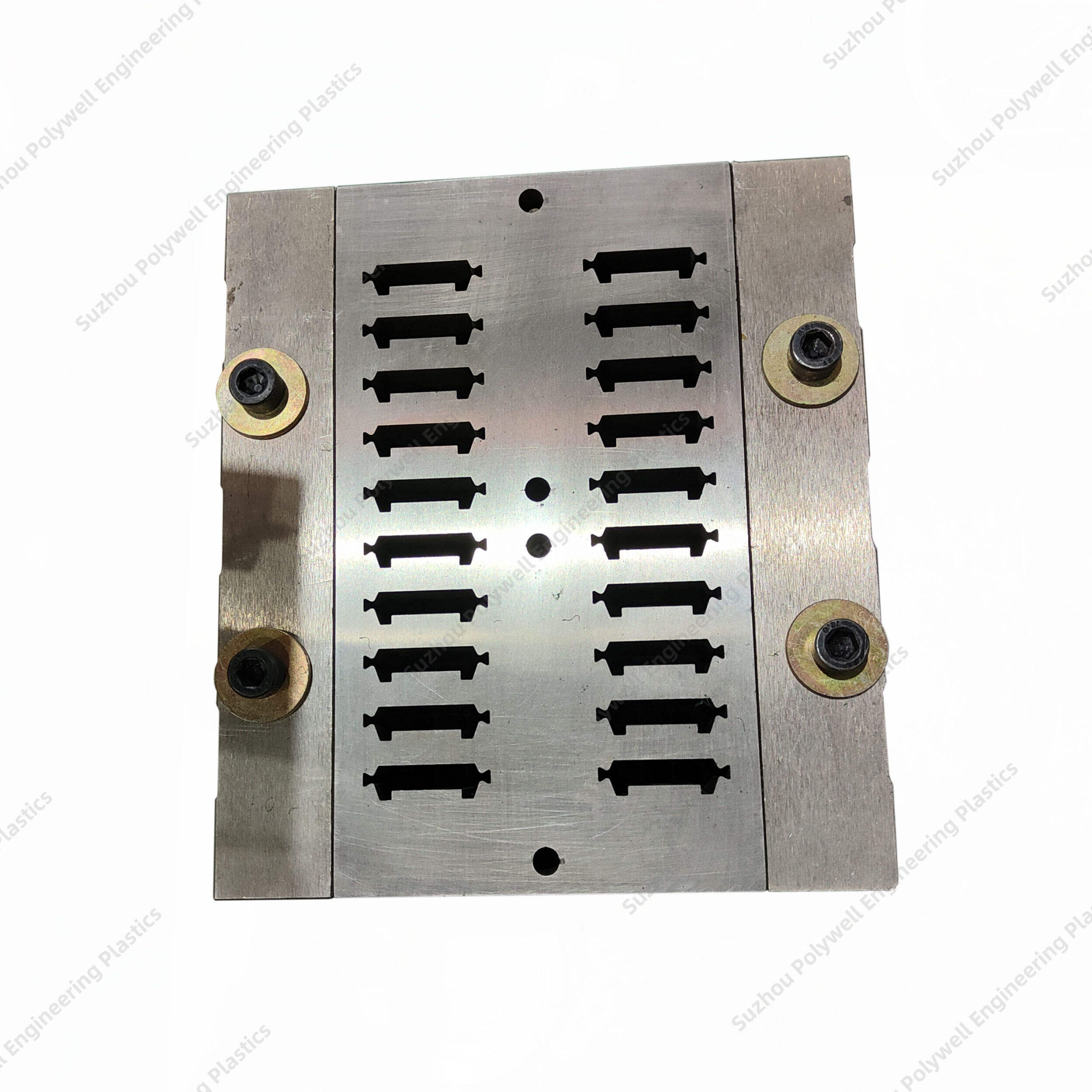
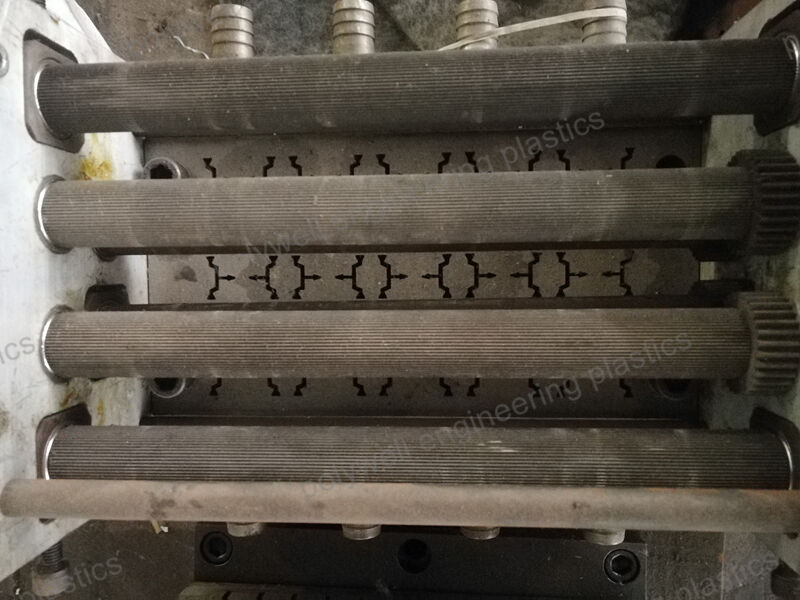
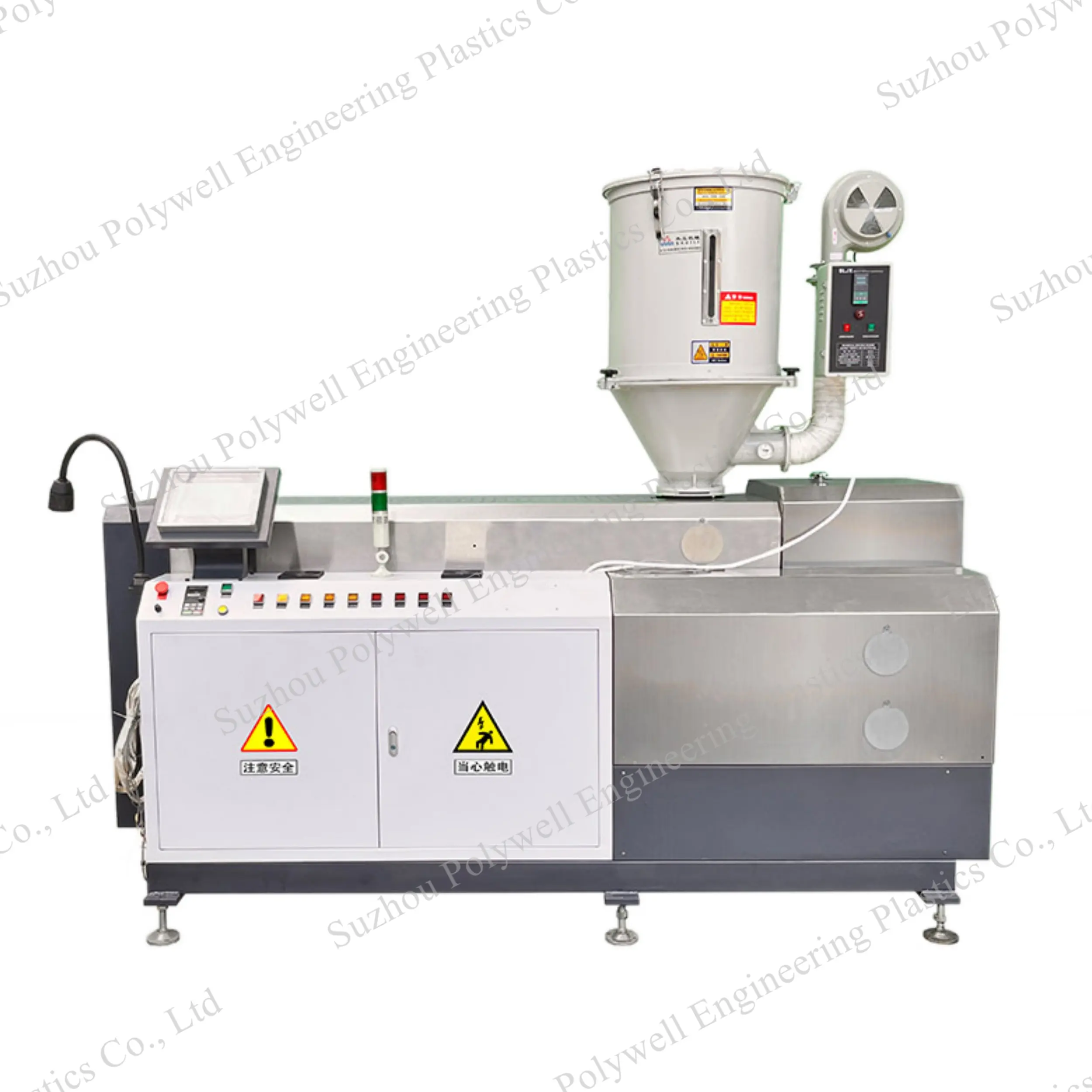
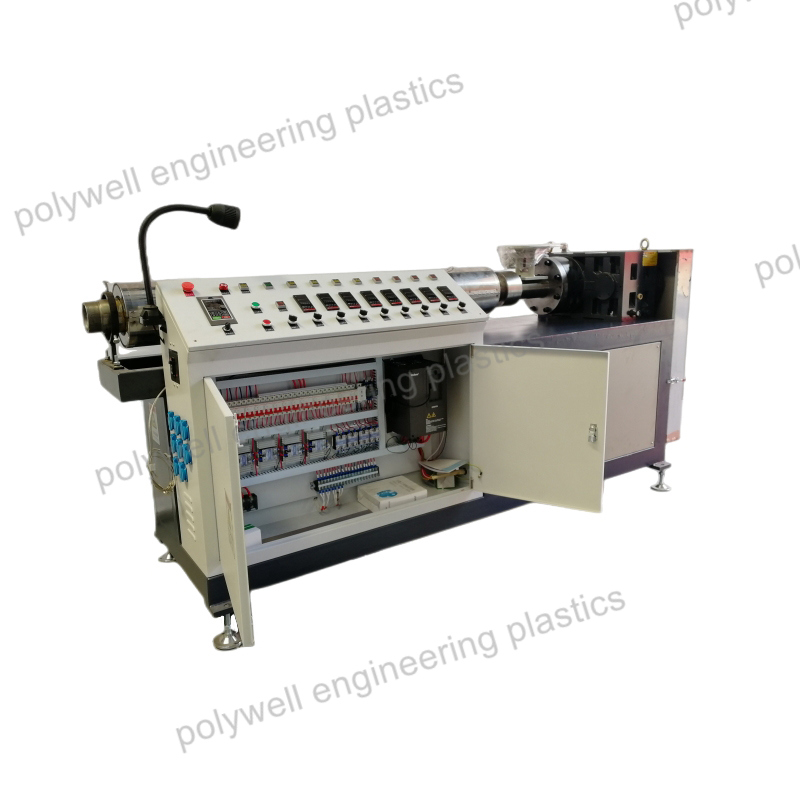
This page focuses on POLYWELL’s thermal bridge break solutions, centered on polyamide thermal break strips (the key to blocking heat transfer) with 15+ years of expertise. It offers all resources for thermal bridge break: polyamide raw materials, extruders, molds, and production technology. POLYWELL provides DFM to optimize strip performance, on site service to resolve issues, and training. Client testimonials (Mr. Paolo Celani praising precise dies) confirm quality, and the 6 step cooperation process ensures manufacturers get tailored thermal bridge break solutions.
Get A Quote

 EN
EN