POLYWELL Heat Bridge Solutions: Polyamide Thermal Break Strips for Mitigation
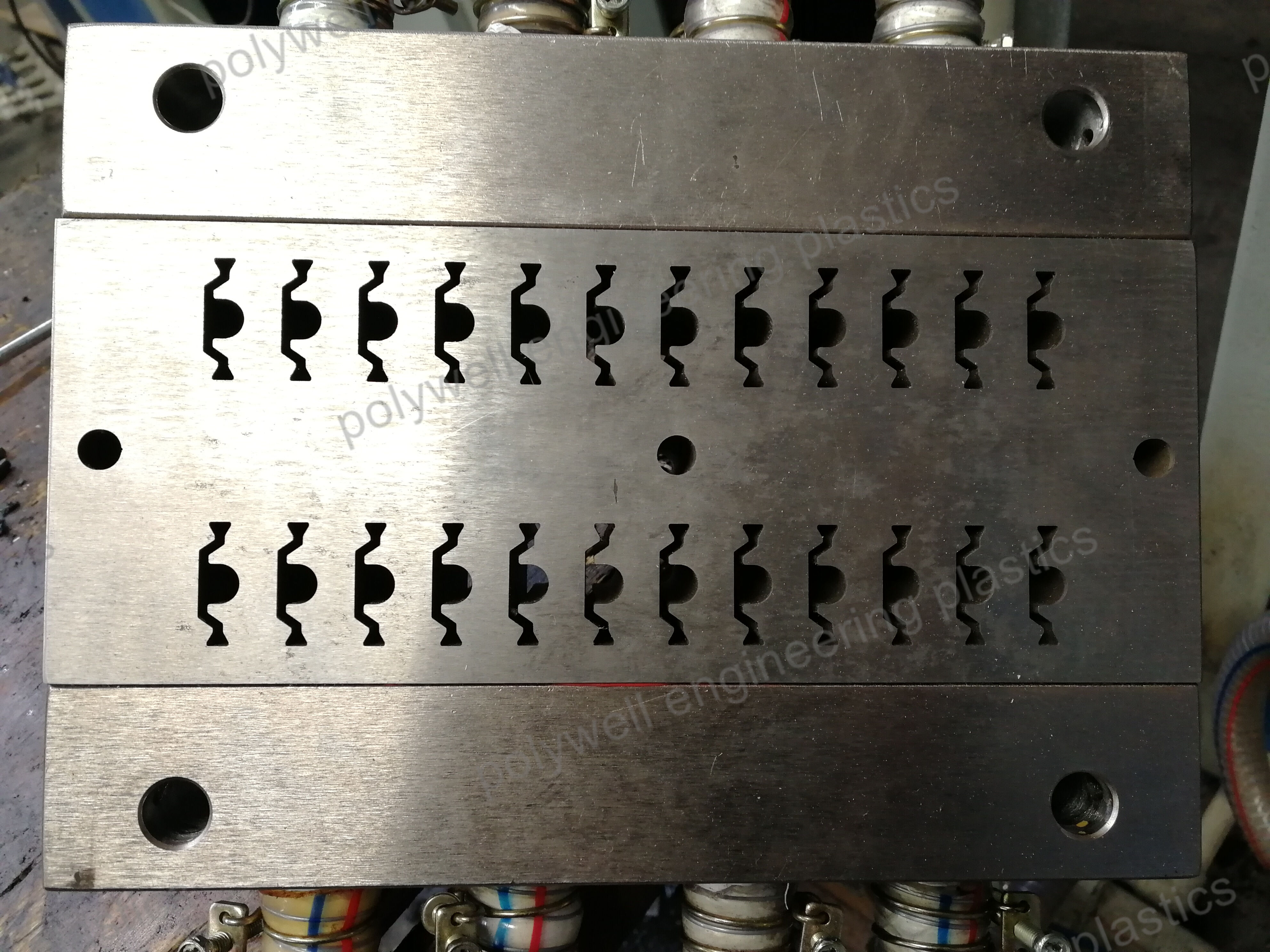
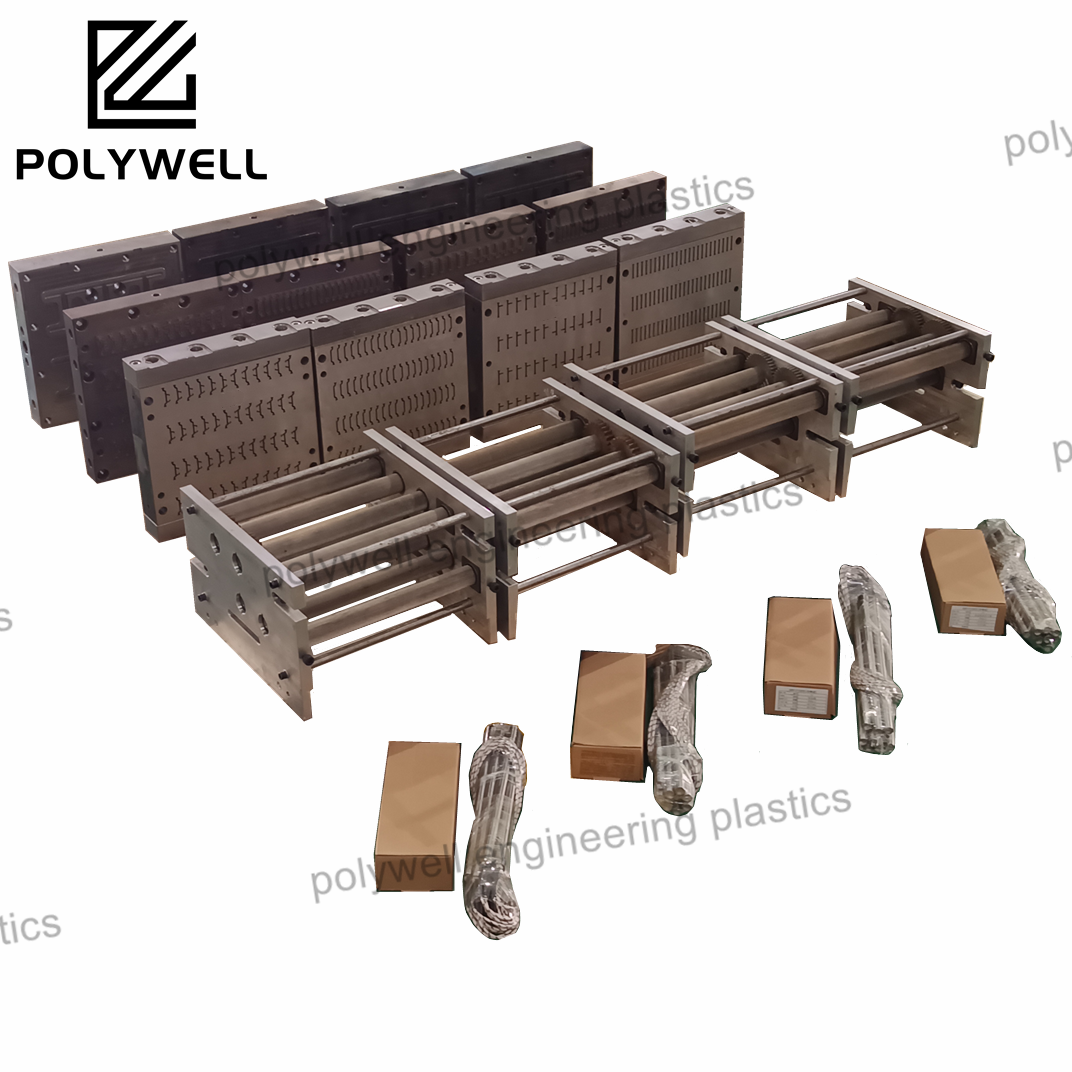
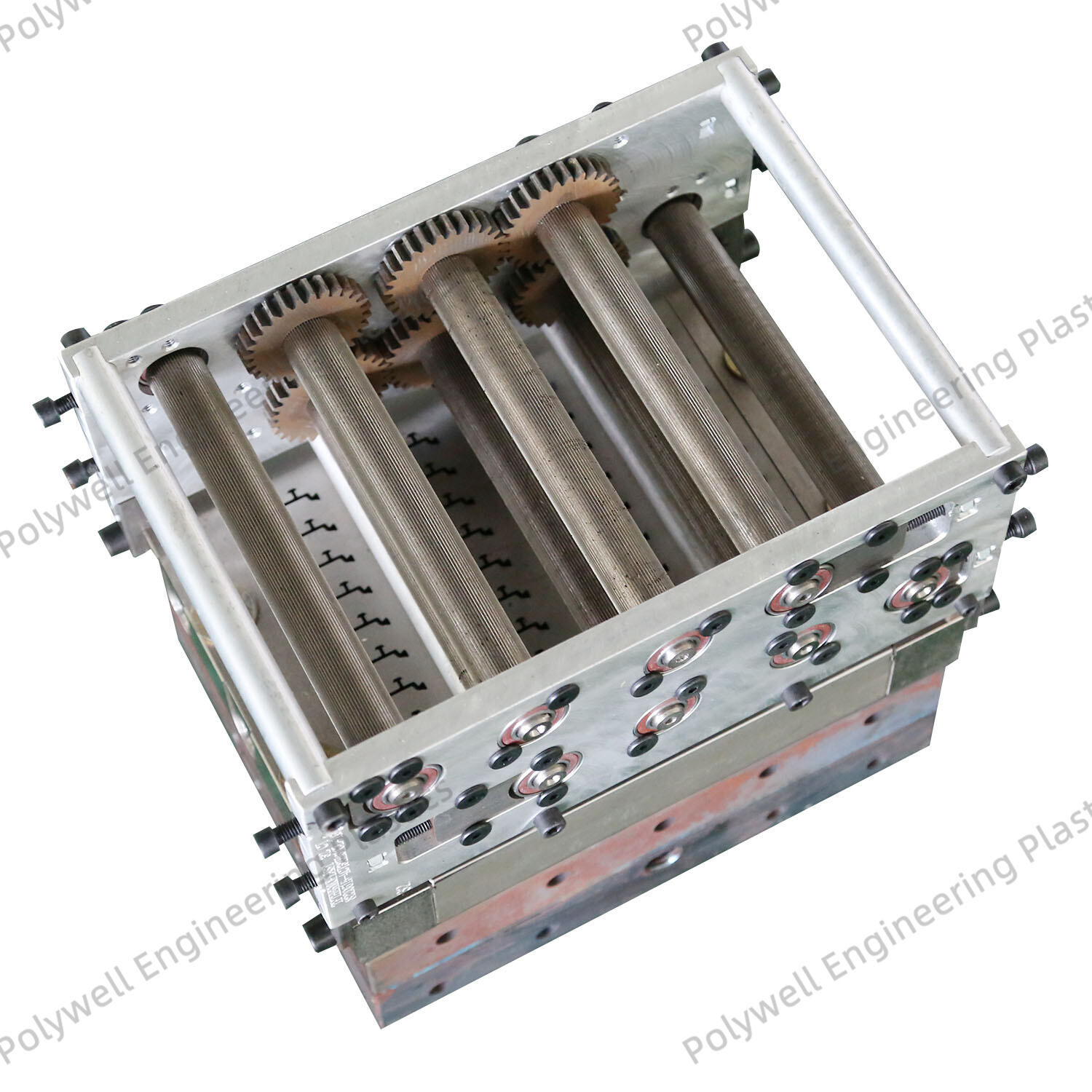
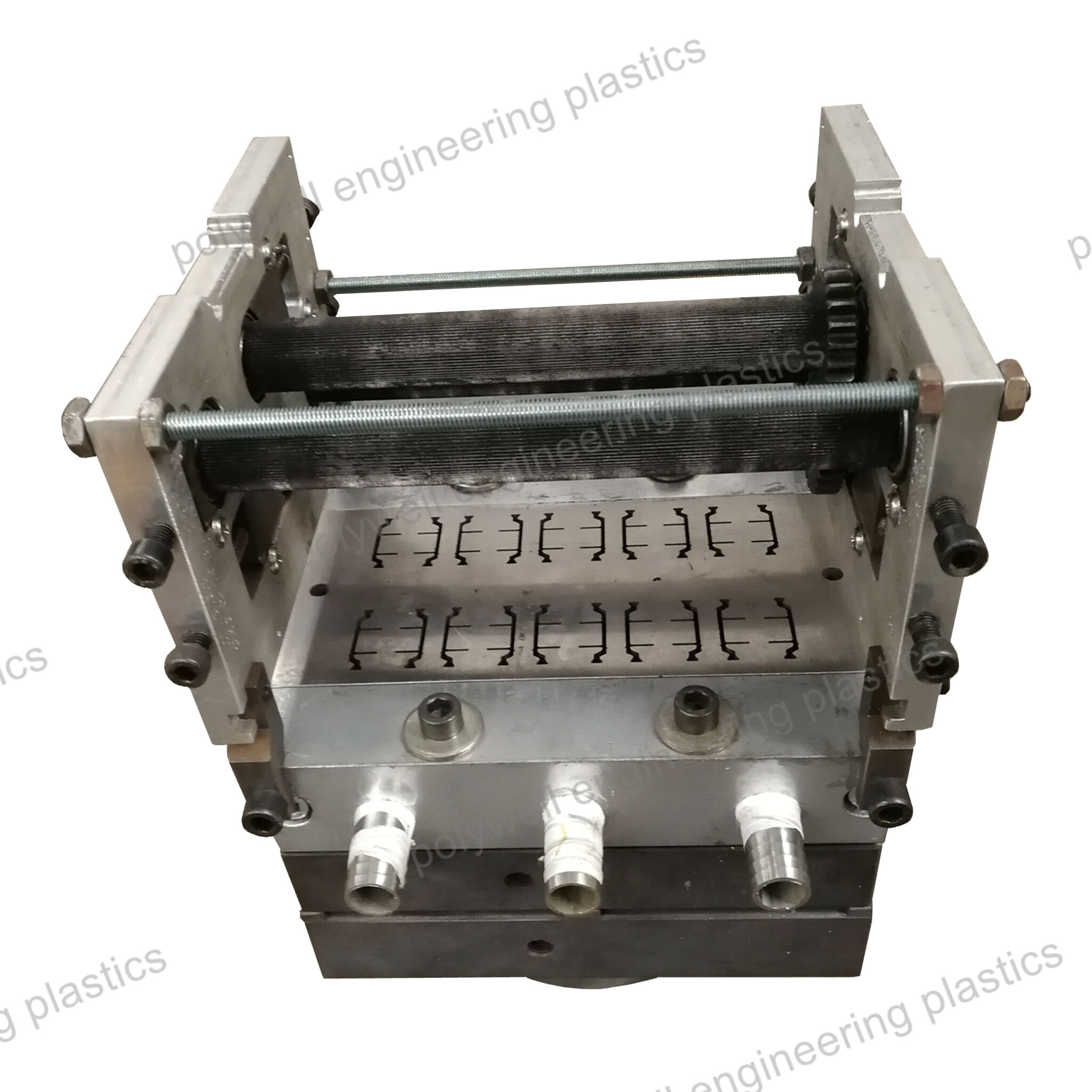
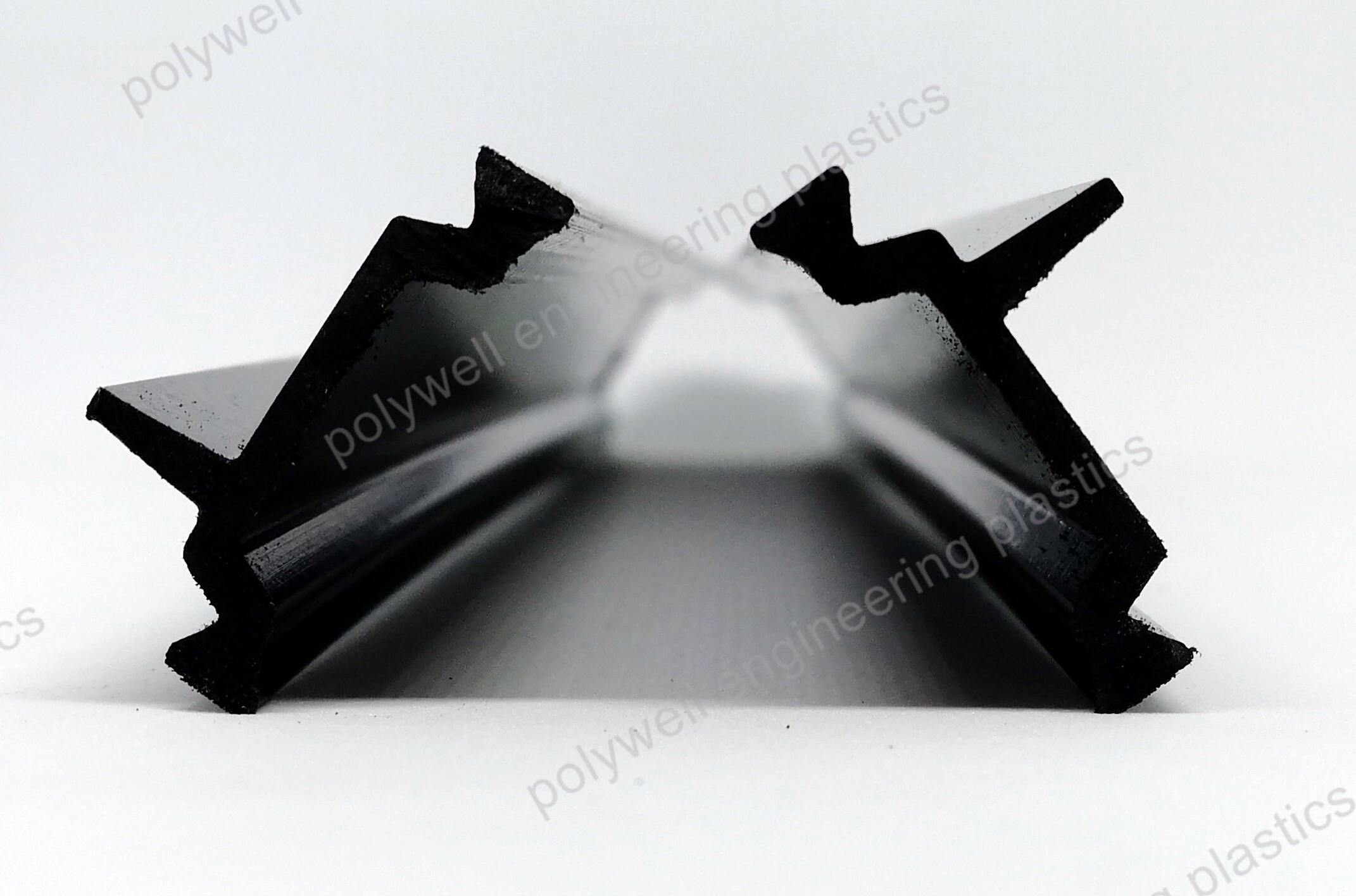
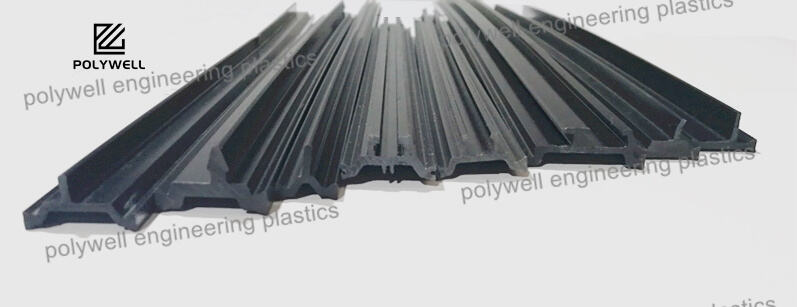
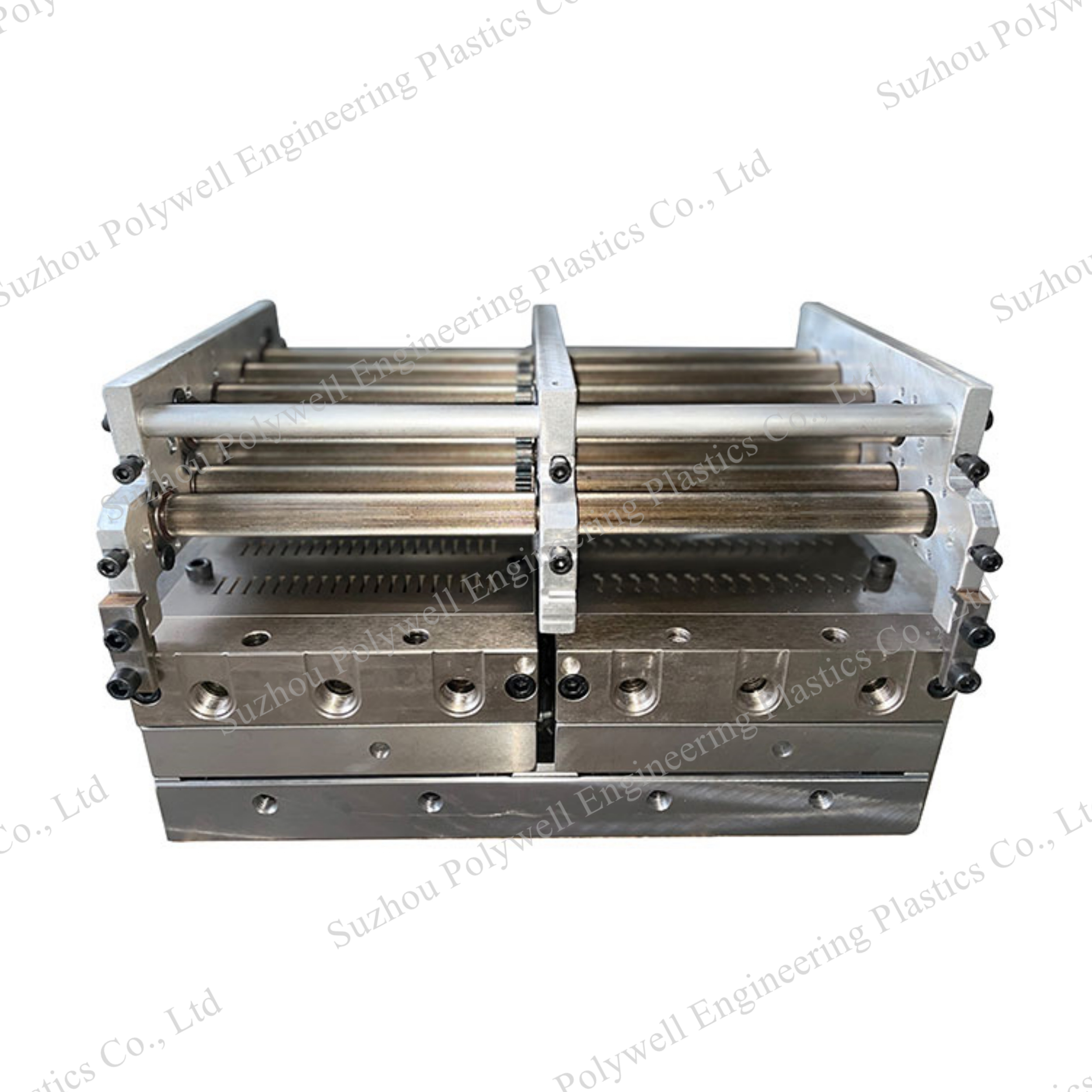
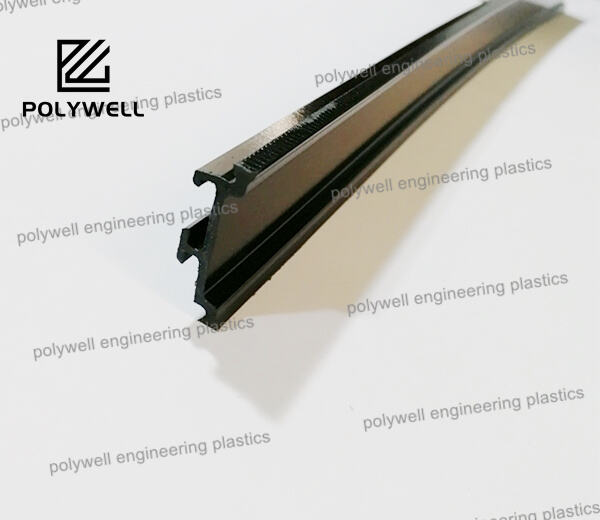
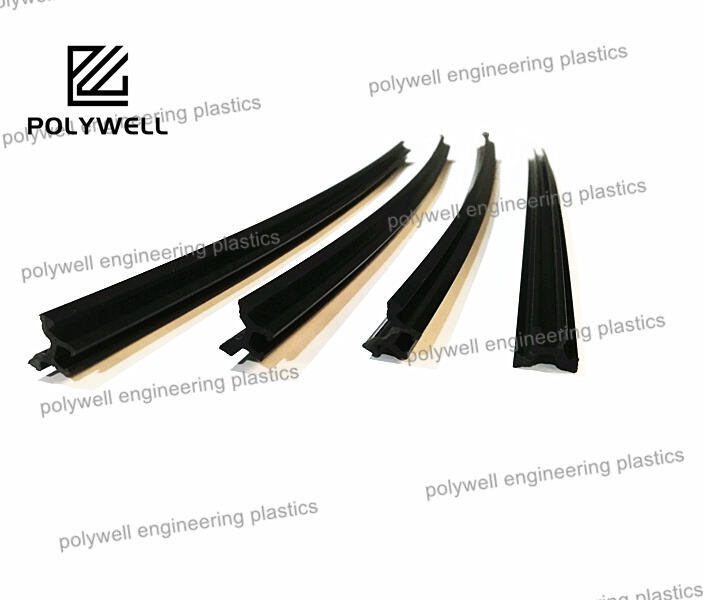
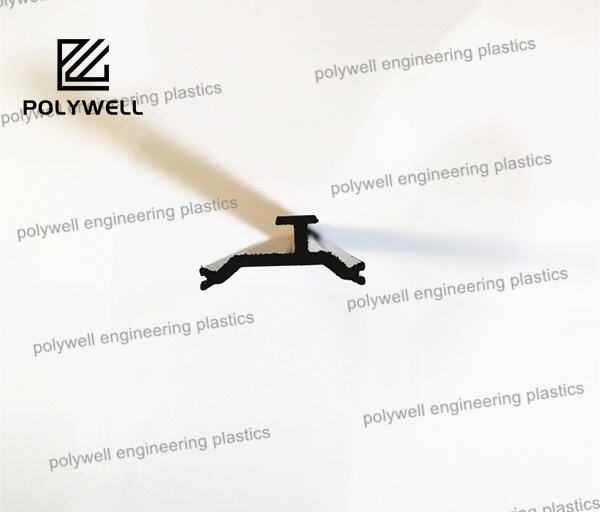
This page belongs to POLYWELL, a provider with 15+ years of experience, focusing on solving heat bridge issues using polyamide thermal break strips. A heat bridge (area of high heat transfer) is addressed by POLYWELL’s strips, which block heat flow in structures like windows or walls. The page offers one stop support: raw materials for heat bridge mitigating strips, specialized extruders, precision molds, and DFM services to predict production risks. On site service resolves factory issues, and client Mr. Robin confirms strips “work perfectly.” The 6 step cooperation process (drawing → quote → production) ensures manufacturers get effective heat bridge solutions.
Get A Quote

 EN
EN