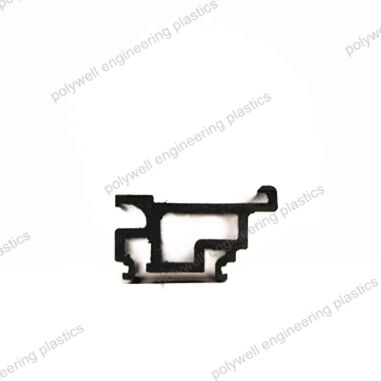
Define Thermal Bridging & Prevent Energy Loss with Polyamide Strips

All Categories

POLYWELL: Define Thermal Bridging & Mitigate with Polyamide Strips

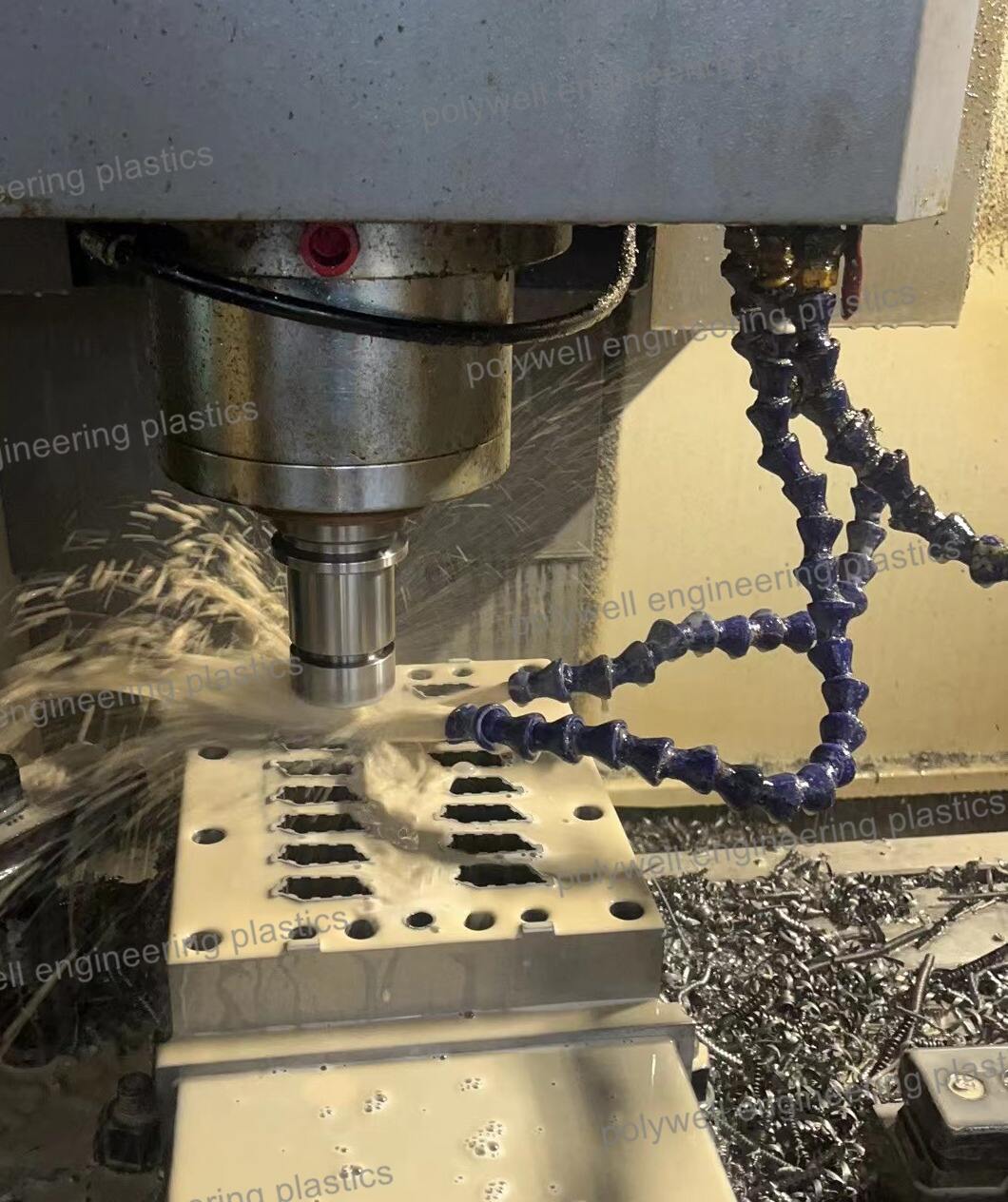
This page first helps define thermal bridging: structural areas where heat transfers more easily (causing energy loss), then links to POLYWELL’s solution—polyamide thermal break strips (15+ years of expertise). It explains how strips block thermal bridging, plus offers production support: raw materials, extruders, molds, and DFM services. On site service resolves implementation issues, and client Ms. Özge’s success with granules confirms technical reliability. The 6 step cooperation process ensures manufacturers get tools to mitigate the thermal bridging defined here.
Get A Quote

Advantages of the product

Enhanced Comfort and Consistent Indoor Temperatures

Thermal bridging creates cold spots on interior walls and around windows, leading to drafts and radiant heat loss that cause occupant discomfort. Our thermal breaks ensure a more uniform interior surface temperature, eliminating these cold spots and drafts. This creates a more comfortable and consistent indoor living or working environment, enhancing the overall quality of the building.

Related products

To define thermal bridging is to describe a localized phenomenon in a building assembly where there is a significantly increased transfer of heat due to materials of high thermal conductivity penetrating or bypassing the thermal insulation layer. It is a discontinuity in the otherwise uniform thermal resistance of a wall, roof, or floor. This breach creates a path of least resistance for heat flow. The formal definition hinges on the comparison between the intended, insulated assembly and the compromised one at the bridge location. The key metric is the linear thermal transmittance, or Psi-value (Ψ-value), which quantifies the additional heat loss per meter length of the thermal bridge, beyond what is calculated for the plain areas. The process of defining thermal bridging also involves understanding its two primary types: repeating thermal bridges, which occur at regular intervals (like wall studs in a frame wall), and non-repeating (or geometric) thermal bridges, which occur at junctions like corners or around openings. The definition is not complete without acknowledging the consequences: elevated energy use, reduced interior surface temperatures, condensation risk, and compromised occupant comfort and health. Therefore, to define thermal bridging is to articulate a critical building pathology that necessitates deliberate design intervention to ensure the construction of efficient, durable, and healthy structures.
Frequently Asked Questions

Is addressing thermal bridging only important in cold climates?

No, it is crucial in all climates. In cold climates, it prevents heat loss. In hot climates, it equally prevents heat gain, reducing the cooling load and energy consumption. In mixed climates, it improves year round comfort and efficiency. Preventing condensation, a problem in both hot/humid and cold climates, is another universal benefit.

Related Articles

What to Consider When Choosing a Plastic Molding Manufacturer

22

Nov

What to Consider When Choosing a Plastic Molding Manufacturer

Choose POLYWELL for high-quality plastic molding solutions, advanced technology, and customer-driven service in the construction industry
View More
Understanding the Importance of Thermal Break Strips in Energy-Efficient Construction

28

Mar

Understanding the Importance of Thermal Break Strips in Energy-Efficient Construction

Explore the science of thermal bridging, its impact on heat loss, and how thermal break insulation improves building efficiency. Learn about thermal conductivity and its role in construction, alongside types and benefits of implementing thermal breaks.
View More
Extrusion Mold Design for Thermal Break Strips

21

Aug

Extrusion Mold Design for Thermal Break Strips

Enhance energy efficiency and structural integrity with precision extrusion mold design for thermal break strips. Discover key design principles that reduce thermal conductivity and improve building performance. Learn more today.
View More
Winding Machine Care for Thermal Break Strip Lines

29

Aug

Winding Machine Care for Thermal Break Strip Lines

Maximize efficiency and reduce downtime with expert maintenance tips for winding machines in thermal break strip lines. Ensure peak performance—download your free checklist now.
View More

customer evaluation

Easton

The reduction in heat transfer directly translates to lower energy bills for the building owners. We can now provide calculated energy savings projections, making the investment in quality windows with effective thermal breaks an easy financial decision.

Get a Free Quote

Our representative will contact you soon.
Email
Name
Company Name
Message
0/1000
Targeted Solution for Energy Loss Problem

Targeted Solution for Energy Loss Problem

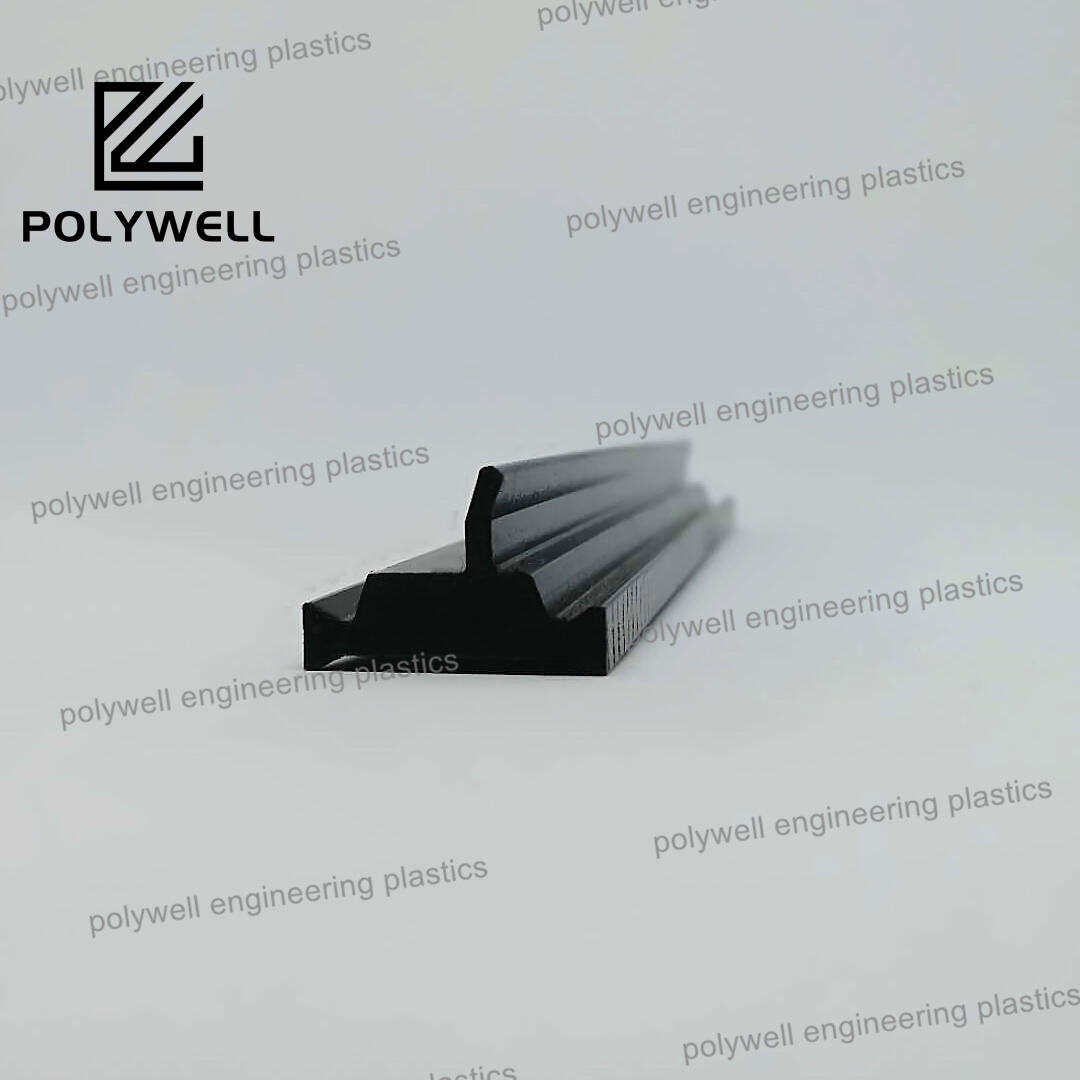
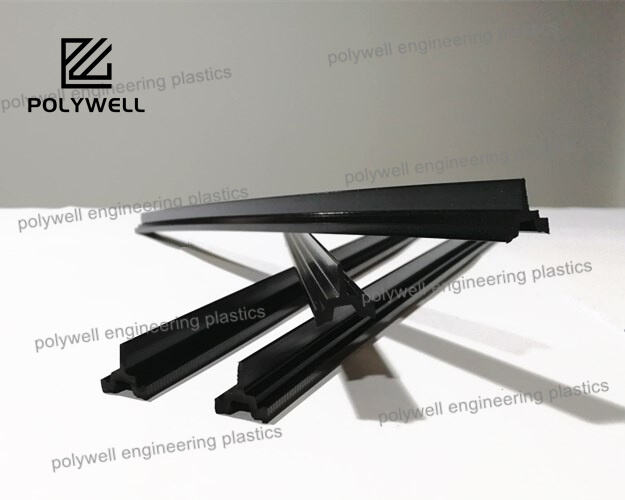
Our polyamide thermal break strips provide a targeted and effective solution to the problem of thermal bridging where heat escapes directly through conductive materials like aluminum window frames By inserting our low conductivity strip we create a continuous thermal barrier that interrupts this path which is the most effective method to prevent the associated energy loss condensation and comfort issues
Prevention of Condensation and Mold Growth

Prevention of Condensation and Mold Growth

By effectively eliminating thermal bridges our strips raise the temperature of the interior surface of the window or door frame This prevents warm moist indoor air from condensing on the cold frame surface The elimination of condensation is crucial for preventing mold growth protecting indoor air quality and preserving the buildings structure and interior finishes from water damage
Increased Overall Energy Efficiency of Buildings

Increased Overall Energy Efficiency of Buildings

The primary economic benefit of addressing thermal bridging is a substantial reduction in energy bills Our thermal breaks significantly improve the overall thermal performance of the building envelope reducing the load on HVAC systems This leads to lower energy consumption for heating and cooling providing a rapid return on investment for builders and owners and contributing to broader energy conservation goals
Inquiry Inquiry Email Email WhatsApp WhatsApp Wechat Wechat
Wechat
TopTop

Related Search