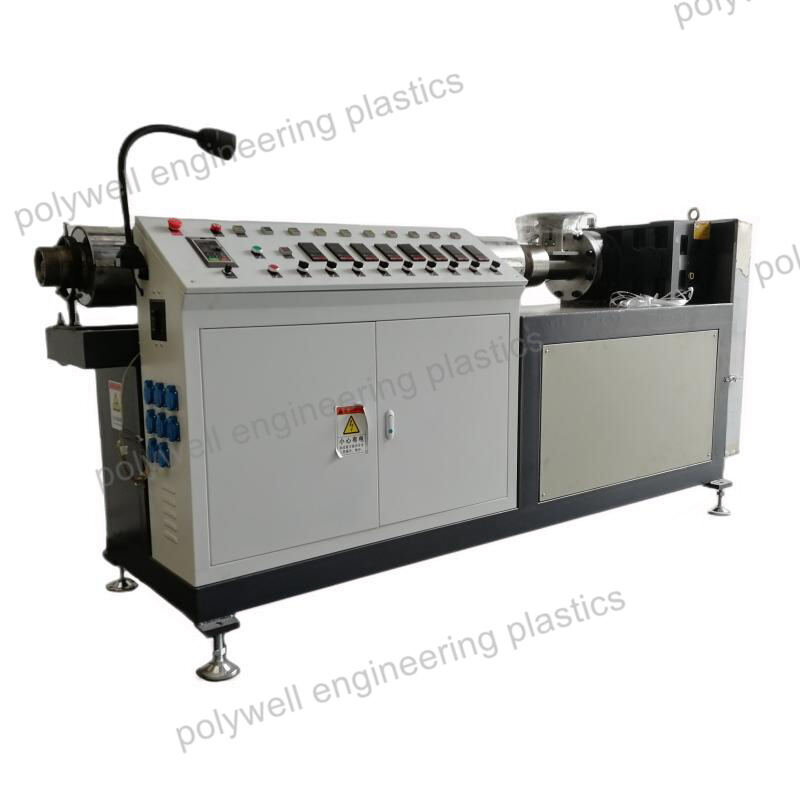
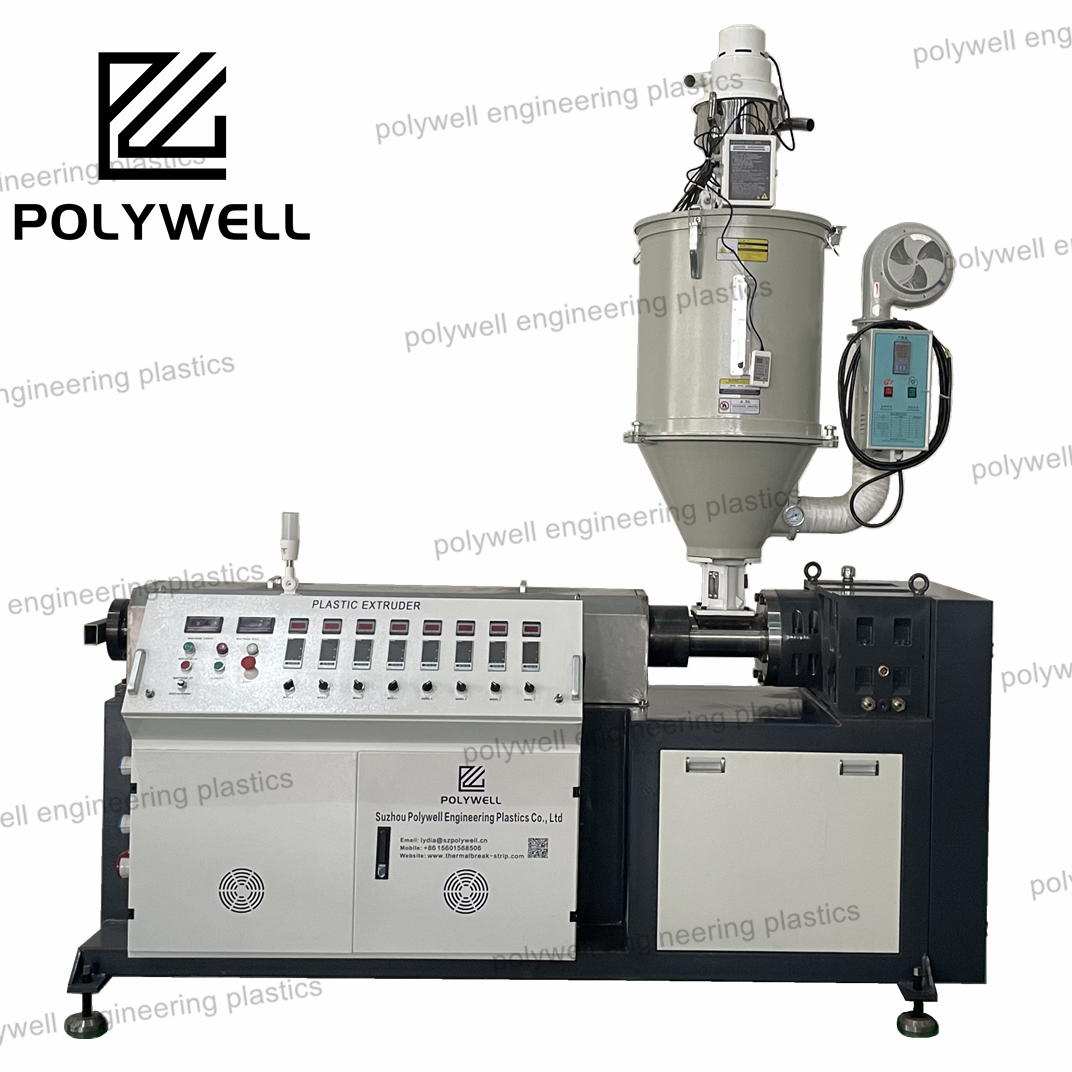
Analyzing and troubleshooting single screw extruders requires systematic investigation of the complex interplay between material properties, machine mechanics, and process parameters to identify root causes of production issues. Common problems include output instability, manifested as surging or pressure variations typically stemming from feed section inconsistencies, improper screw design for the material, or barrel temperature profile inaccuracies. Material degradation issues appear as discoloration, black specks, or bubbles, often resulting from excessive melt temperatures, stagnant material zones, or contaminated regrind. Poor mixing presents as inhomogeneous melt, streaking, or inconsistent properties, frequently addressed through screw modifications incorporating mixing elements or optimization of process temperatures. Methodical troubleshooting begins with documenting all process parameters including barrel temperatures, screw speed, head pressure, and motor load, then comparing against established baseline conditions. Material analysis should verify resin specifications, moisture content, and regrind quality before processing. Mechanical inspection encompasses screw and barrel wear measurement, check valve functionality, gearbox backlash assessment, and heater/thermocouple calibration. Process-specific issues include die lines from contaminated or damaged tooling, vacuum sizing problems in profile extrusion, or thickness variations in sheet and film production. Advanced diagnostic techniques incorporate melt pressure and temperature transducers along the barrel, screw cooling efficiency evaluation, and motor current signature analysis to detect drive system abnormalities. Data trending through modern control systems helps identify gradual changes indicating component wear or contamination buildup. Preventive maintenance protocols significantly reduce troubleshooting frequency through scheduled inspection of critical wear components, lubrication system maintenance, and calibration of control systems. Documentation of resolution procedures for recurrent issues builds institutional knowledge and reduces future downtime. Successful troubleshooting combines theoretical understanding of polymer rheology and extrusion principles with practical experience recognizing characteristic symptom patterns, enabling rapid problem identification and correction to minimize production losses and material waste.