The Critical Role of Guide Rail Lubricants in Thermal Break Strip Extrusion Lines
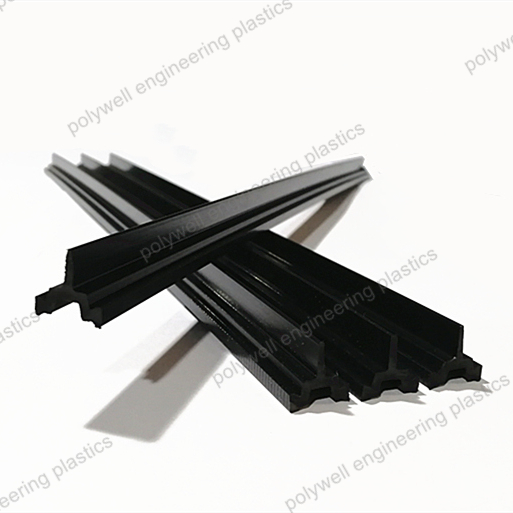
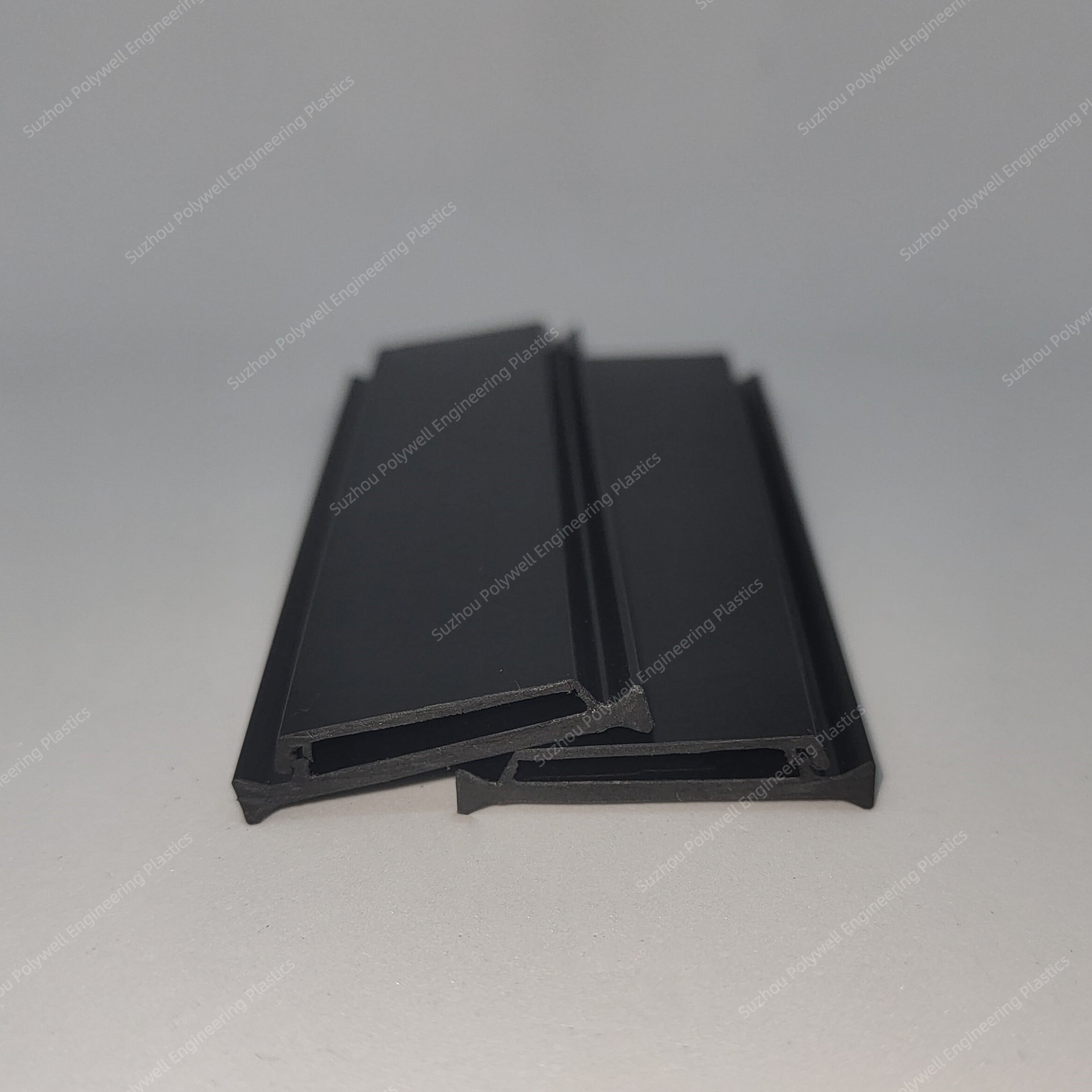
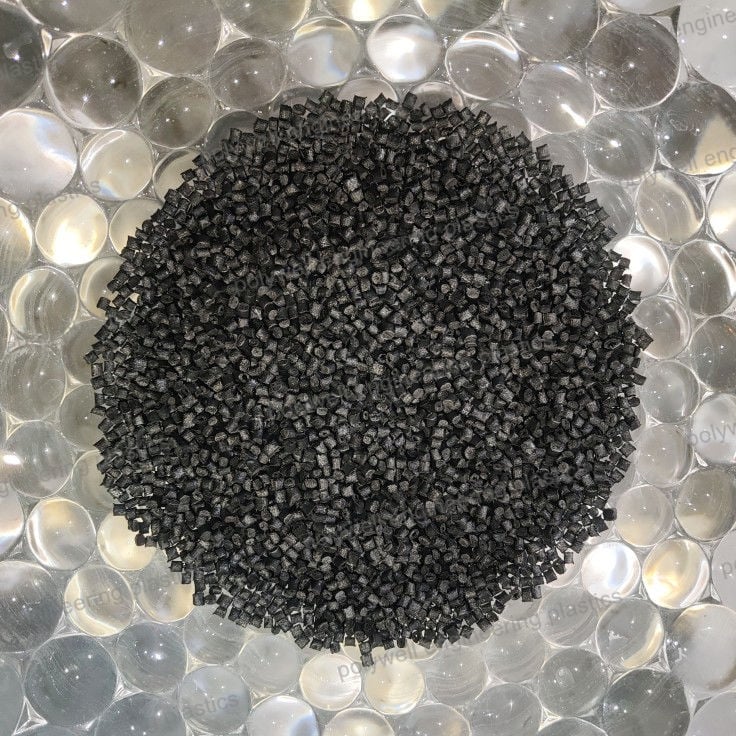
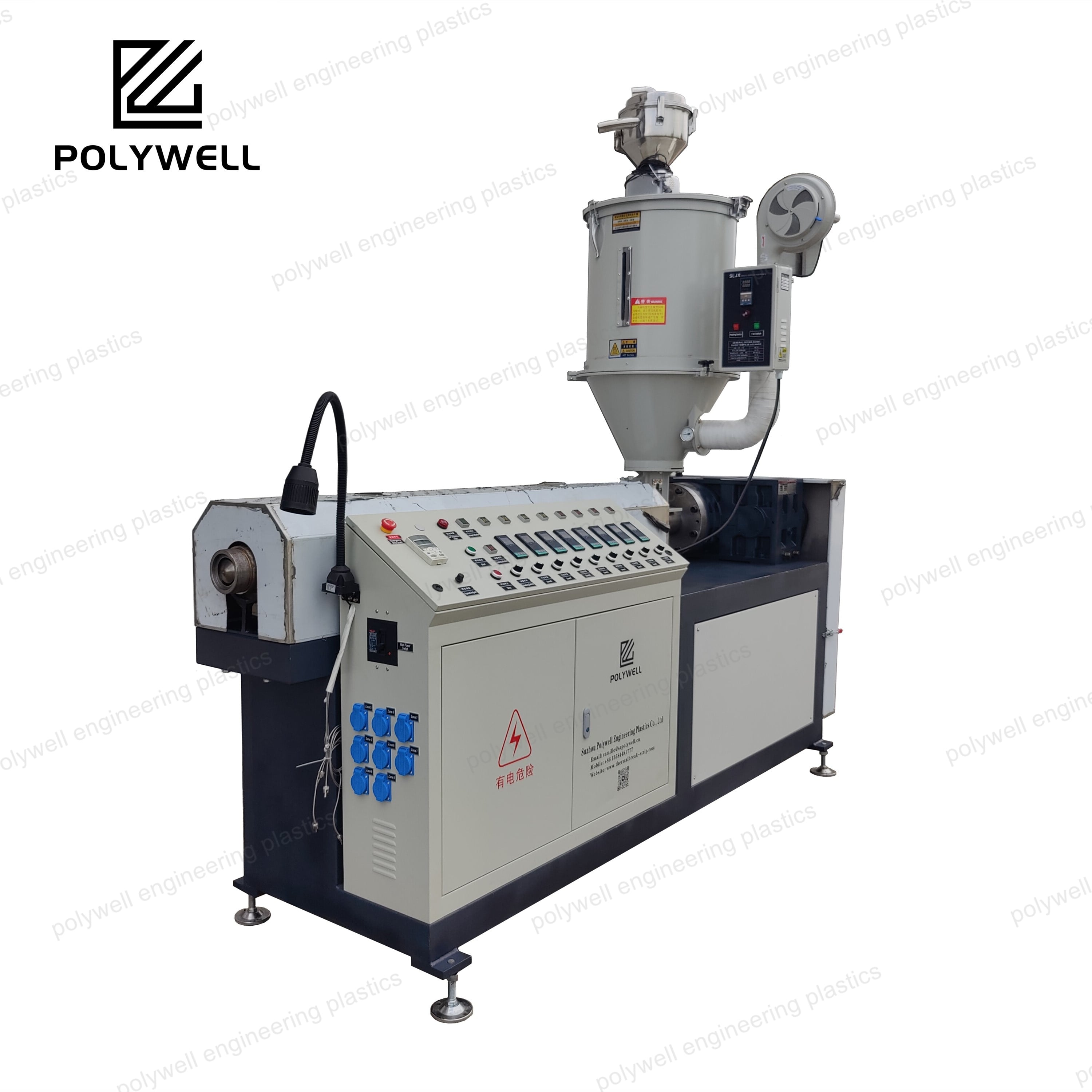
Guide rail lubricants are an unsung yet essential component in the smooth operation of extrusion lines for polyamide thermal break strip production, directly impacting equipment longevity, operational efficiency and the quality of finished PA66 thermal break strips—core components for aluminum profile doors, windows and curtain walls in architectural applications. Polywell, a leading one-stop service provider for polyamide thermal break strip production with its production base in Suzhou China, has dedicated over 18 years to the R&D of special materials for thermal break strips since 2006, and has accumulated extensive expertise in optimizing every aspect of extrusion line operation including lubricant selection. We have a clear technical division in production: twin screw extruders are exclusively used for high-performance PA66GF25 granule compounding, while single screw extruders are the only professional equipment for PA66 thermal break strip extrusion forming, and the two cannot be replaced by each other. Choosing an unsuitable guide rail lubricant can lead to increased friction, excessive wear of extrusion line components, production downtime and even defects in thermal break strips, making the selection process a core consideration for efficient and cost-effective production of architectural thermal insulation profiles.
Lubrication as a Foundation for Extrusion Line Precision
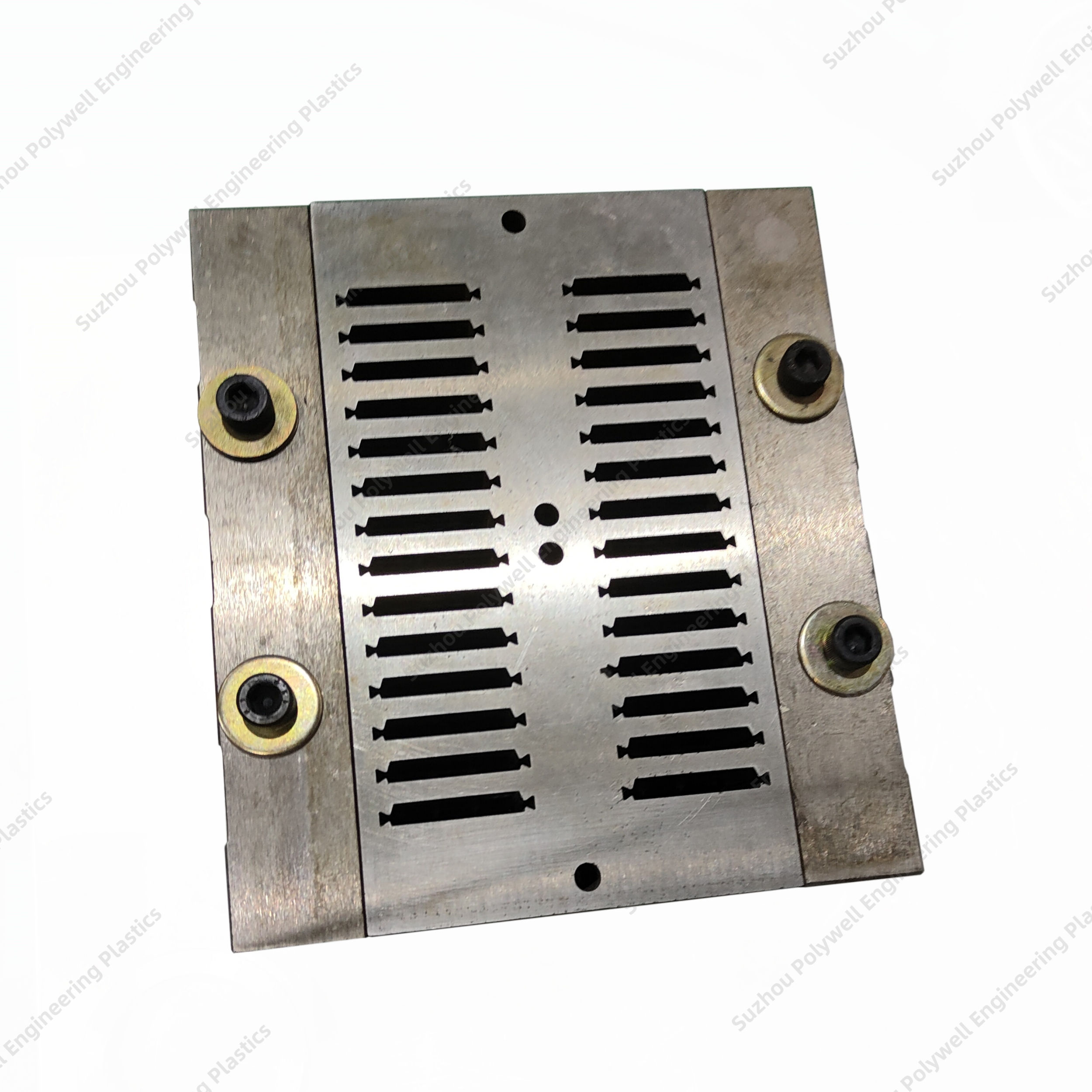
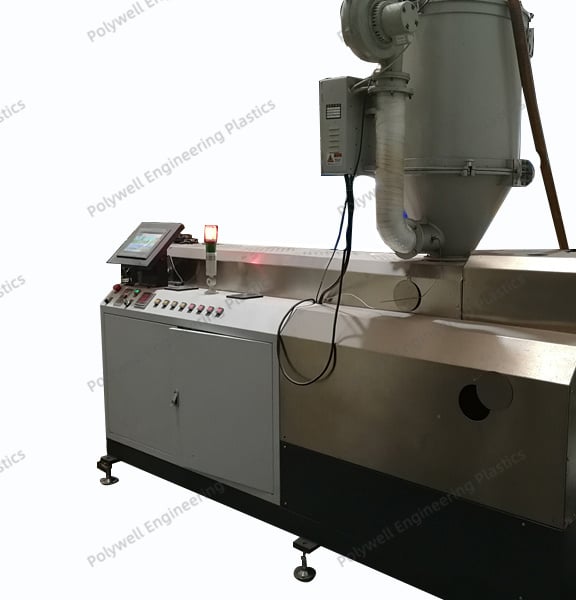
Thermal break strip production relies on high-precision extrusion lines featuring single screw extruders, extrusion molds, cutting machines and winding machines—all core equipment in Polywell’s one-stop product portfolio—all connected by guide rails that enable smooth linear movement of mechanical parts. The guide rails must maintain precise alignment and low friction to ensure the uniform extrusion of PA66GF25 granules (produced by twin screw granulation lines for optimal glass fiber dispersion) into thermal break strips with consistent dimensions and structural integrity, a key requirement for aluminum profile door, window and curtain wall applications. Polywell’s extrusion lines for thermal break strip production operate at continuous high speeds and under steady mechanical load, making reliable lubrication non-negotiable for preserving the precision of guide rail systems. Optimal lubrication avoids mechanical deviations that would compromise the dimensional accuracy and structural stability of thermal break strips, directly safeguarding the quality of the final architectural aluminum profile products.
The Link Between Lubricant Quality and Production Efficiency
The quality and suitability of guide rail lubricants directly influence the overall efficiency of thermal break strip extrusion lines. A well-chosen lubricant reduces friction and wear, minimizing the need for unplanned maintenance and equipment downtime which are major contributors to production delays and increased costs. Polywell’s international clientele including industry leaders like Mr Tiago and Mr Paolo Celani have experienced firsthand the benefits of optimized lubrication, with smooth running extrusion lines that deliver consistent output and reduce operational disruptions. For thermal break strip manufacturers, efficient guide rail lubrication is a cornerstone of high-volume, stable production, ensuring that production lines meet the delivery demands of the architectural aluminum profile industry and maintain cost competitiveness in the market.
Key Factors to Consider When Selecting Guide Rail Lubricants for Extrusion Lines
Selecting the right guide rail lubricant for thermal break strip extrusion lines requires a comprehensive evaluation of multiple factors aligned with the unique operating conditions of polyamide thermal break strip production for architectural applications. Polywell’s engineering team has developed a rigorous selection framework based on years of practical experience in its Suzhou production base, considering the mechanical characteristics of extrusion line equipment, the production environment and the compatibility of lubricants with PA66GF25 granules and metal components. These factors ensure that the chosen lubricant not only reduces friction but also adapts to the specific needs of thermal break strip production, fully matching the operational characteristics of Polywell’s one-stop production line equipment.
Compatibility with Extrusion Line Materials and PA66 Granules
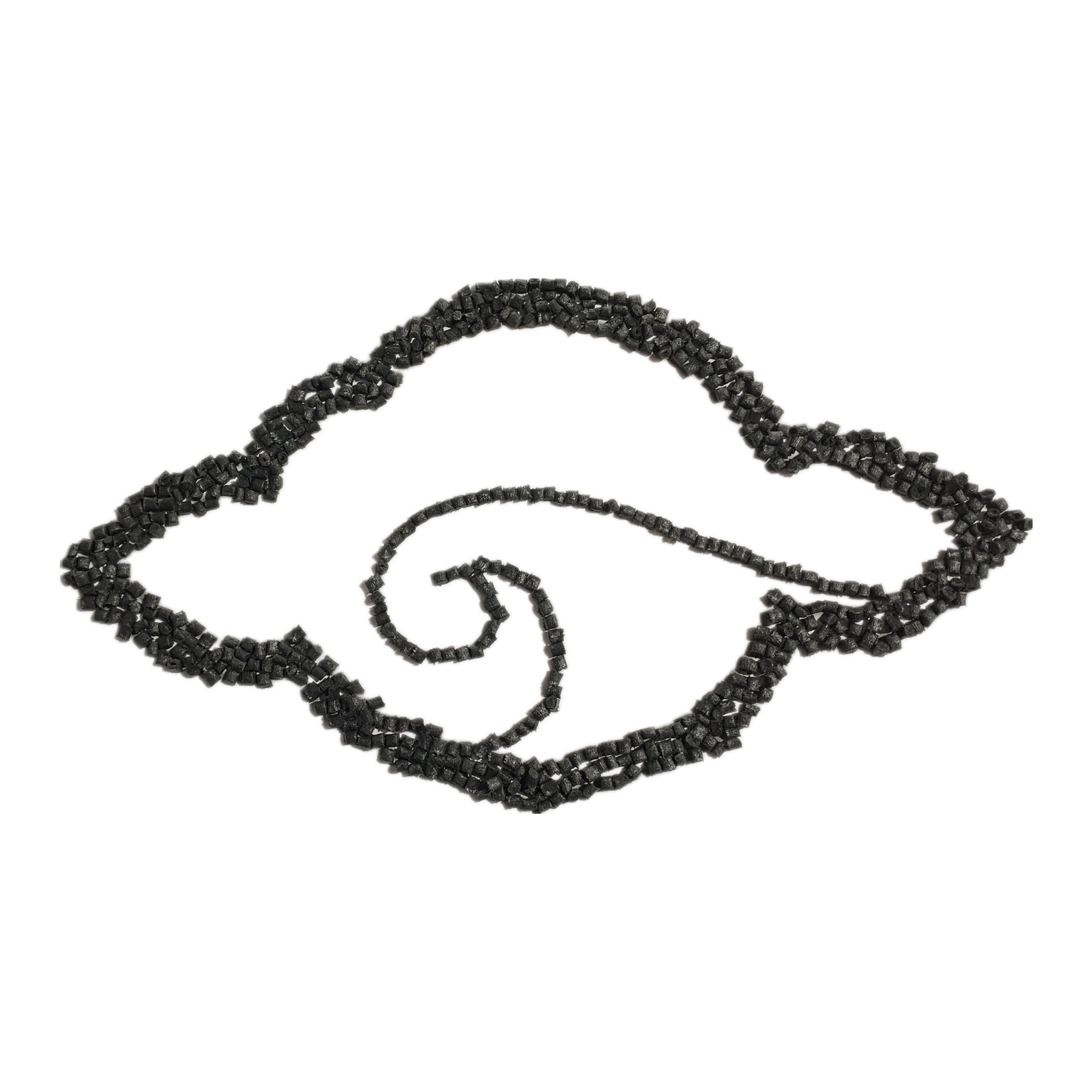
The foremost consideration in lubricant selection is compatibility with the metal materials of the guide rails and mechanical components (primarily steel and aluminum) as well as the PA66GF25 granules used in thermal break strip production. Incompatible lubricants may react with metal surfaces causing corrosion, or leave residues that contaminate the PA66GF25 granules—undermining the uniform glass fiber mesh distribution achieved by twin screw granulation—leading to defects in the finished thermal break strips such as uneven texture, reduced structural strength or impaired thermal insulation performance. Polywell strictly recommends lubricants that are chemically inert to the metal materials of extrusion line guide rails and that do not release volatile substances that can contaminate raw materials, ensuring the integrity of both equipment and the high-performance PA66GF25 granules that form the basis of quality thermal break strips.
Adaptability to Production Temperature and Environmental Conditions
Thermal break strip extrusion lines operate at elevated temperatures due to the plasticization of PA66GF25 granules in single screw extruders, with guide rails often exposed to heat radiation and occasional temperature fluctuations during continuous production. The selected guide rail lubricant must maintain its viscosity and lubricating properties across the typical operating temperature range of extrusion lines, avoiding thinning at high temperatures or thickening at low temperatures which would both reduce lubrication efficiency. Additionally, the industrial production environment may include moderate humidity and workshop dust, making it essential for lubricants to have anti-rust and anti-contamination properties that prevent the buildup of debris on guide rails and maintain smooth mechanical movement. This temperature and environmental adaptability ensures consistent lubrication performance regardless of production conditions, a key requirement for uninterrupted thermal break strip manufacturing.
Load Bearing Capacity and Wear Resistance
Extrusion lines for thermal break strip production feature heavy mechanical components such as extruder heads, mold assemblies and winding equipment that place significant load on guide rails during operation. The guide rail lubricant must have high load-bearing capacity to form a durable protective film between metal surfaces, preventing metal-to-metal contact and excessive wear even under continuous heavy load. Polywell’s extrusion lines are designed for long-term continuous operation—matching the high-volume production needs of thermal break strip manufacturers—and the chosen lubricants must exhibit exceptional wear resistance to extend the service life of guide rails and reduce the frequency of component replacement. This not only lowers long-term maintenance costs but also preserves the precision of extrusion line equipment, ensuring consistent product quality over time.
Low Residue and Easy Maintenance Properties
Guide rail lubricants for thermal break strip extrusion lines should have low residue characteristics to avoid the buildup of sticky deposits on guide rails that can attract dust and debris, leading to increased friction and equipment malfunctions. Low residue lubricants also simplify maintenance as they require less frequent cleaning of guide rails, reducing production downtime for maintenance activities and improving overall production efficiency. Polywell’s technical team recommends lubricants that are easy to apply and replenish, enabling quick maintenance without disrupting the production schedule—an important consideration for manufacturers aiming to maximize production output. Easy maintenance also reduces the technical threshold for on-site operation, aligning with Polywell’s commitment to providing practical production support for customers through its on-site service and production technology training.
The Most Suitable Types of Guide Rail Lubricants for Thermal Break Strip Extrusion Lines
Based on the key selection factors and practical operational experience in its Suzhou production base, Polywell has identified the most suitable types of guide rail lubricants for thermal break strip extrusion lines, each tailored to specific operating conditions and production requirements. These lubricant types have been tested and validated on Polywell’s own extrusion lines for thermal break strip production, and have been recommended to global customers with proven results in improving equipment performance, extending service life and ensuring the quality of PA66 thermal break strips for architectural aluminum profiles.
Polyurea Based Greases for High Temperature Extrusion Operations
Polyurea based greases are the top choice for guide rail lubrication in high-temperature thermal break strip extrusion lines—the most common operating condition for PA66GF25 granule plasticization and extrusion. These greases maintain their viscosity and lubricating properties at temperatures up to 180°C, making them ideal for guide rails exposed to heat radiation from single screw extruders during continuous production. Polyurea based greases also exhibit excellent anti-wear and load-bearing capabilities, forming a stable protective film on guide rail surfaces even under the heavy mechanical load of full-scale production lines. Additionally, they have low oil separation and minimal residue buildup, ensuring long-term lubrication efficiency and easy maintenance—perfect for high-volume, continuous thermal break strip production operations that demand uninterrupted equipment performance.
Lithium Complex Greases for General Purpose Extrusion Lines
For thermal break strip extrusion lines operating at moderate temperatures and lower load—such as small to medium-scale production or trial production runs—lithium complex greases offer a cost-effective and reliable lubrication solution. These greases provide good anti-rust and anti-contamination properties, making them suitable for standard industrial production environments, and exhibit consistent performance across a wide temperature range. Lithium complex greases are easy to apply and widely available, making them a practical choice for thermal break strip manufacturers with diverse production scales and operational needs. They strike an ideal balance between performance and cost, aligning with the economic production requirements of many customers in the architectural aluminum profile supply chain.
Synthetic Oil Based Lubricants for Precision Guide Rail Systems
Synthetic oil based lubricants are the preferred choice for high-precision guide rail systems in thermal break strip extrusion lines that require ultra-low friction and precise mechanical movement—such as those connected to extrusion molds, cutting machines and precision winding equipment. These lubricants are formulated with synthetic base oils that offer superior lubricity and thermal stability compared to mineral oils, and they leave almost no residue, ensuring the highest level of precision for guide rail movement. This precision is critical for producing high-quality polyamide thermal break strips with tight dimensional tolerances—a requirement emphasized by Polywell’s customer Mr Paolo Celani, who praised the company’s dies for delivering products with all sizes within specified tolerance ranges. Synthetic oil based lubricants are essential for manufacturers producing high-precision thermal break strips for high-end architectural aluminum profile applications such as large-span curtain walls and high-rise building doors and windows.
Best Practices for Applying and Maintaining Guide Rail Lubricants in Extrusion Lines
Selecting the right guide rail lubricant is only the first step in optimizing extrusion line operation for thermal break strip production; proper application and regular maintenance are equally important to ensure consistent lubrication performance and extend equipment life. Polywell’s on-site service team provides comprehensive guidance to customers on lubricant application and maintenance practices, drawing on the company’s extensive experience in operating extrusion lines in its Suzhou production base. These best practices are tailored to the specific characteristics of thermal break strip production equipment and are a key part of Polywell’s production technology support and lifelong technical service for customers.
Standardized Lubricant Application Methods
Polywell recommends standardized application methods for guide rail lubricants to ensure uniform coverage and avoid over-lubrication or under-lubrication, both of which can compromise performance and equipment life. For grease based lubricants, manual or automated grease guns are used to apply a thin, even layer of grease to guide rail surfaces, focusing on key contact points between moving parts of single screw extruders, molds and cutting machines. Over lubrication is avoided as excess grease can attract dust and debris, while under lubrication leads to increased friction and premature wear of guide rails. For synthetic oil based lubricants used in high-precision guide rail systems, drip feed systems or spray application are used for precise dosing, ensuring continuous, uniform lubrication of critical mechanical components that drive product precision. This standardized application is taught to customer workers through Polywell’s professional production technology training, ensuring consistent operation across all production shifts.
Regular Lubrication Schedules and Equipment Inspections
Establishing a regular lubrication schedule is critical for maintaining optimal guide rail performance in thermal break strip extrusion lines. Polywell’s technical team works with customers to develop customized schedules based on production volume, equipment load and operating temperature, with more frequent lubrication required for high-speed, continuous production runs. The schedule also includes regular inspections of guide rail systems to check for wear, corrosion or residue buildup, with any issues addressed immediately to prevent equipment malfunctions and production downtime. As part of its lifelong technical support, Polywell helps customers adjust lubrication schedules as production needs change, and conducts regular on-site inspections to ensure compliance with best practices. These inspections also include checks of other extrusion line equipment, aligning with Polywell’s one-stop service approach to full production line optimization.
Proper Storage and Handling of Lubricants
The storage and handling of guide rail lubricants play a vital role in preserving their performance and quality, directly impacting their effectiveness in extrusion line operation. Polywell recommends storing lubricants in a cool, dry and clean environment away from direct sunlight and heat sources (such as single screw extruder heating zones) to prevent viscosity changes and chemical degradation that would reduce lubrication performance. Lubricants are also stored in sealed containers to avoid contamination with dust, water or other industrial substances that can cause abrasive wear on guide rails. Handling equipment such as grease guns and oil dispensers is kept clean and dedicated to specific lubricant types to prevent cross-contamination, ensuring that only pure, high-quality lubricant is applied to extrusion line guide rails. These storage and handling guidelines are included in Polywell’s customer training materials, ensuring that all aspects of lubrication management are standardized in the customer’s production workshop.
Polywell’s Five Core Advantages in Optimizing Extrusion Line Lubrication for Thermal Break Strip Production
Polywell stands out in the industry for its comprehensive expertise in optimizing guide rail lubrication for thermal break strip extrusion lines, with five core advantages built on over 18 years of R&D experience, one-stop service capabilities and a customer-centric approach to production optimization. These advantages are rooted in Polywell’s production base in Suzhou China—a key hub for architectural aluminum profile supporting material manufacturing—and extend to all aspects of thermal break strip production including lubricant selection, application and maintenance. All advantages are fully aligned with Polywell’s one-stop product and service system for polyamide thermal break strips, providing customers with integrated solutions for production line optimization.
One Stop Service for Extrusion Line Optimization
Polywell’s one-stop service covers the entire polyamide thermal break strip production line, from the supply of high-performance PA66GF25 granules (twin screw granulation), single screw extruders, extrusion molds and cutting machines to the selection of guide rail lubricants and other auxiliary production materials. This integrated service ensures that every component of the extrusion line—including lubricants—is perfectly matched to the overall production system, eliminating compatibility issues and optimizing operational efficiency from raw material to finished product. For customers, this means no need to source different production components from multiple suppliers; Polywell provides all matching equipment and materials, simplifying procurement and ensuring that lubricants are fully adapted to the specific characteristics of the extrusion line equipment supplied by the company.
Design for Manufacturing to Integrate Lubrication Requirements
Polywell’s Design for Manufacturing (DFM) service—one of the core services in its one-stop solution—incorporates guide rail lubrication requirements into the initial design and engineering of thermal break strip extrusion lines, predicting potential lubrication-related risks and optimizing guide rail design for easy lubrication and maintenance. The company’s engineering team designs guide rail systems with accessible lubrication points and minimal dead spaces where residue can build up, ensuring that lubricants are applied effectively and efficiently to all critical moving parts. This proactive design approach reduces the risk of lubrication-related equipment malfunctions and improves the overall reliability of extrusion lines, while also simplifying on-site maintenance for customer workers. The DFM service ensures that lubrication is a core consideration in equipment design, not an afterthought, laying a solid foundation for long-term, trouble-free production.
Professional Production Technology and Lubrication Training
Polywell provides comprehensive production technology training to customers, including specialized guidance on guide rail lubricant selection, application and maintenance—an important part of the company’s commitment to providing production technology support. The company’s professional technical team trains customer workers on the proper use of lubricants for different extrusion line components, the implementation of standardized application methods and the establishment of regular maintenance schedules, ensuring that extrusion line operators have the knowledge and skills to optimize lubrication performance independently. This training is tailored to the specific equipment and production needs of each customer, and includes hands-on operation guidance to ensure practical mastery. As part of Polywell’s lifelong technical support, refresher courses are available as new lubrication technologies and best practices emerge, keeping customer teams updated on the latest operational methods.
On-site Service for Lubrication and Equipment Optimization
Polywell’s on-site service team travels to customer factories worldwide to provide hands-on support for guide rail lubrication and extrusion line optimization—a core advantage that sets Polywell apart in the industry. The team conducts on-site assessments of extrusion line operations, identifies lubrication-related issues (such as improper lubricant type, incorrect application or inadequate maintenance) and provides immediate solutions to resolve problems and restore optimal equipment performance. The team also performs on-site maintenance and calibration of guide rail systems, ensuring that they are properly lubricated and aligned for precise, smooth operation. This on-site support is particularly valuable for international customers and those with new production lines, as it addresses issues in real time and minimizes production downtime. The on-site service team also provides on-the-spot training for customer workers, reinforcing proper lubrication and maintenance practices.
Lifelong Technical Support and Customized Lubrication Solutions
Polywell provides lifelong technical support to customers for all aspects of extrusion line lubrication, including ongoing advice on lubricant selection, troubleshooting lubrication-related equipment issues and updating lubrication practices to match changes in production volume, equipment load or operating conditions. The company’s engineering team also develops customized lubrication solutions for customers with unique production requirements—such as high-temperature extrusion operations for specialized thermal break strips, or high-precision production for ultra-tight tolerance architectural aluminum profile applications—tailoring lubricant types and maintenance schedules to meet specific needs. For example, the team may recommend a customized blend of polyurea-based grease for customers with high-speed, continuous production lines, or a specific synthetic oil for those producing high-precision thermal break strips for large-span curtain walls. This customized support ensures that every customer’s lubrication strategy is perfectly aligned with their production goals and operational characteristics.
Conclusion
Selecting the right guide rail lubricant for extrusion lines in thermal break strip production is a critical decision that impacts equipment performance, production efficiency and the quality of finished polyamide thermal break strips for architectural aluminum profile doors, windows and curtain walls. By considering key factors such as material compatibility with PA66GF25 granules and metal equipment, temperature adaptability to extrusion line operating conditions, load-bearing capacity for heavy mechanical components and low residue properties for easy maintenance, manufacturers can choose lubricants that align with the unique operating conditions of their extrusion lines. Polyurea based greases, lithium complex greases and synthetic oil based lubricants are the most suitable options, each offering distinct benefits for different production scenarios, and when combined with standardized application and regular maintenance, they ensure the smooth and reliable operation of thermal break strip extrusion lines for years to come.
As a leading one-stop service provider for polyamide thermal break strip production with its production base in Suzhou China, Polywell leverages its five core advantages and over 18 years of industry experience to help customers optimize every aspect of extrusion line operation—including the often-overlooked yet essential role of guide rail lubrication. The company’s comprehensive expertise is fully focused on the thermal break strip and architectural aluminum profile industry, with all solutions tailored to the specific production needs of thermal break strip manufacturers. By partnering with Polywell, manufacturers gain access to professional lubrication guidance, customized solutions, one-stop production line equipment and materials, and lifelong technical support—all the resources needed to ensure that their extrusion lines operate at peak efficiency, deliver consistent high-quality thermal break strips and maintain a competitive edge in the architectural aluminum profile market. In the evolving landscape of polyamide thermal break strip manufacturing, Polywell remains committed to innovation and customer success, driving excellence in every detail of production and providing integrated one-stop solutions that support customers at every stage of their business.
 Hot News
 EN
EN