For procurement managers and quality assurance specialists in the fenestration industry, traceability and branding are not afterthoughts. They are integral requirements for quality control, supply chain management, and product authentication. Laser marking has become the preferred method for imprinting logos, batch numbers, and technical data onto polyamide thermal break strips, offering permanence, precision, and speed. However, achieving consistently clear, high contrast, and legible marks can be surprisingly challenging. A faint, blurred, or inconsistent mark undermines its very purpose. Understanding the factors that affect marking clarity is crucial for any purchaser who demands reliable product identification. This analysis explores these variables from the buyer's perspective and reveals why the quest for perfect marking often leads back to the foundational quality of the strip itself and the advantage of a comprehensive one stop service.
A laser marked code or logo serves multiple critical functions. It allows for precise tracking of production batches, facilitating rapid response in the rare event of a quality inquiry. It authenticates the product, distinguishing genuine, performance certified strips from substandard imitations. For assemblers, it provides instant visual confirmation of material grade and orientation. Poor mark quality compromises all these functions, introducing risk into the supply chain and potentially voiding quality certifications that depend on flawless traceability.
The clarity of a laser mark on a polyamide strip is not determined by the laser marking machine alone. It is the result of a complex interaction between the material's composition, the laser's parameters, and the processing environment.
This is the most fundamental and often overlooked factor. The polyamide compound's formulation dictates how it reacts to laser energy.
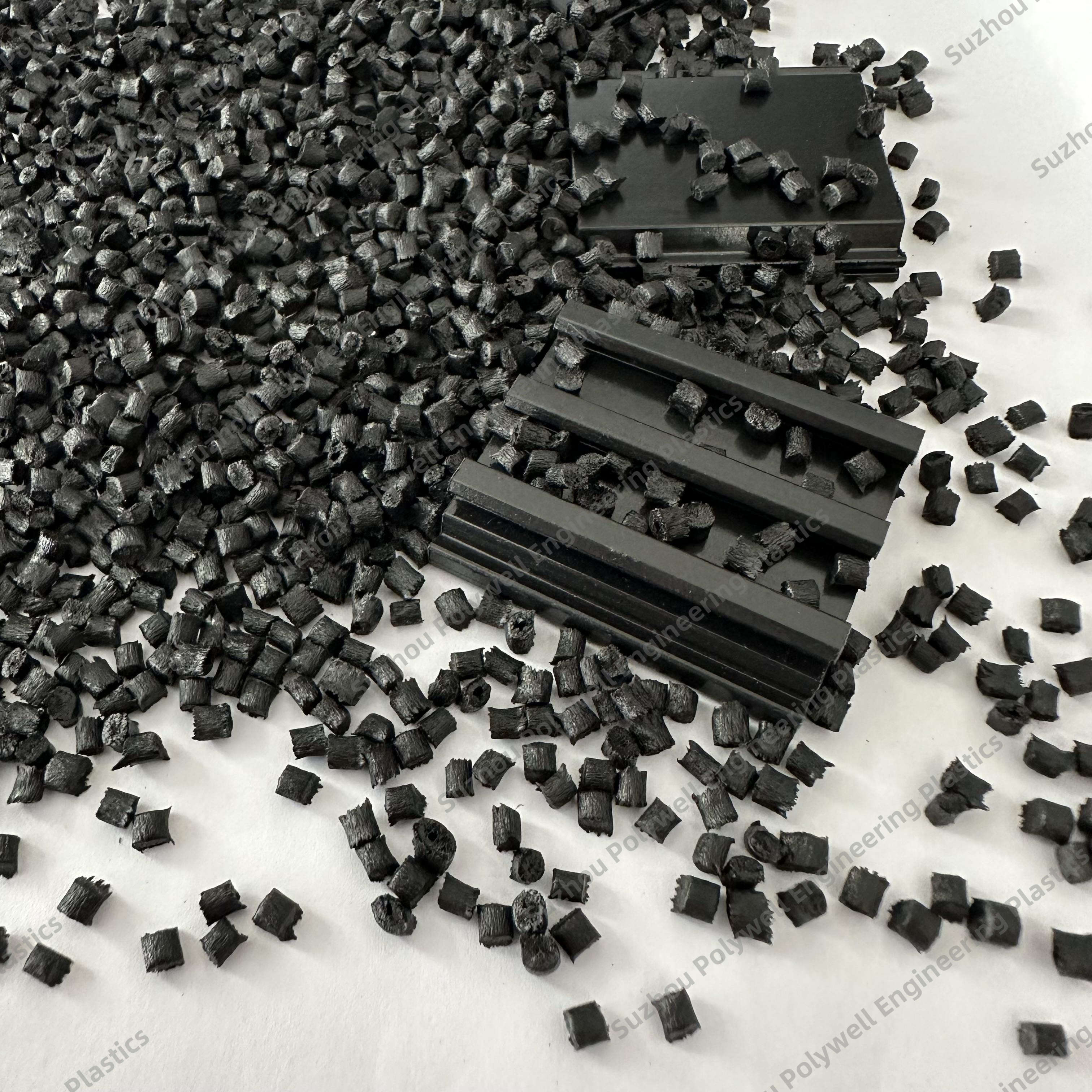
The dispersion of glass fibers within the PA66 matrix is paramount. A strip produced from compound where glass fibers are unevenly distributed—clumped or poorly wetted—creates a non uniform surface. When the laser beam interacts with this surface, areas with high fiber concentration may reflect, scatter, or absorb energy differently than resin rich areas. This results in a mark with uneven contrast, speckling, or broken lines. Achieving a perfectly homogeneous substrate requires superior compounding technology, specifically a co rotating twin screw extruder. This process meticulously disperses glass fibers into a fine, networked distribution, creating a consistent material canvas that allows for uniform laser energy absorption and a clear, sharp mark.
The type and quality of additives, including thermal stabilizers and any colorants (like carbon black for grey strips), significantly affect the marking process. Certain additives can enhance the contrast of the mark by promoting a clean color change (e.g., to a dark brown or black) upon laser exposure. A consistent and precisely formulated additive package, developed through dedicated material R&D, ensures predictable and repeatable marking results batch after batch.
The settings on the laser marking machine must be meticulously tuned to the specific material.
Fiber lasers are commonly used for marking polymers. The wavelength must be appropriate for the material. The power density must be sufficient to induce a visible color change or slight engraving in the polyamide without causing excessive melting, vaporization, or thermal damage (such as raised edges or carbonization) that can blur the mark. Finding the optimal "sweet spot" is essential.
The speed at which the laser beam moves across the surface, the pulse frequency, and the precise focal point of the beam all influence mark depth and clarity. An incorrect focal point leads to a defocused, wide beam that produces a faint and blurred mark. These parameters require fine tuning and locking in for each specific strip profile and material batch.
Consistent results demand a stable production environment. Variations in the strip's temperature as it arrives at the laser marking station can affect the marking reaction. Similarly, dust or contamination on the strip surface will interfere with the laser beam. A stable, clean production line with controlled ambient conditions is necessary for repeatability.
For a procurement specialist, troubleshooting unclear laser marks by constantly adjusting the laser marking machine is a reactive and inefficient approach. The proactive solution is to source strips with an inherently consistent and laser responsive material structure. This is where the value of a one stop service provider becomes decisively clear.
A provider like Polywell, which controls the entire manufacturing chain, ensures the polyamide thermal break strip is engineered for excellence from the inside out. Their deep expertise in material science, honed since 2006, is applied in the initial compounding stage. By using advanced twin screw extrusion technology, they create a compound with unparalleled glass fiber distribution and additive homogeneity. This results in a strip with a perfectly uniform surface and subsurface composition. When this high quality strip is presented to a laser marking machine, the laser energy interacts with a predictable substrate, allowing for easier calibration and delivering crisp, high contrast marks with minimal adjustment. The quality of the mark is fundamentally built into the product.
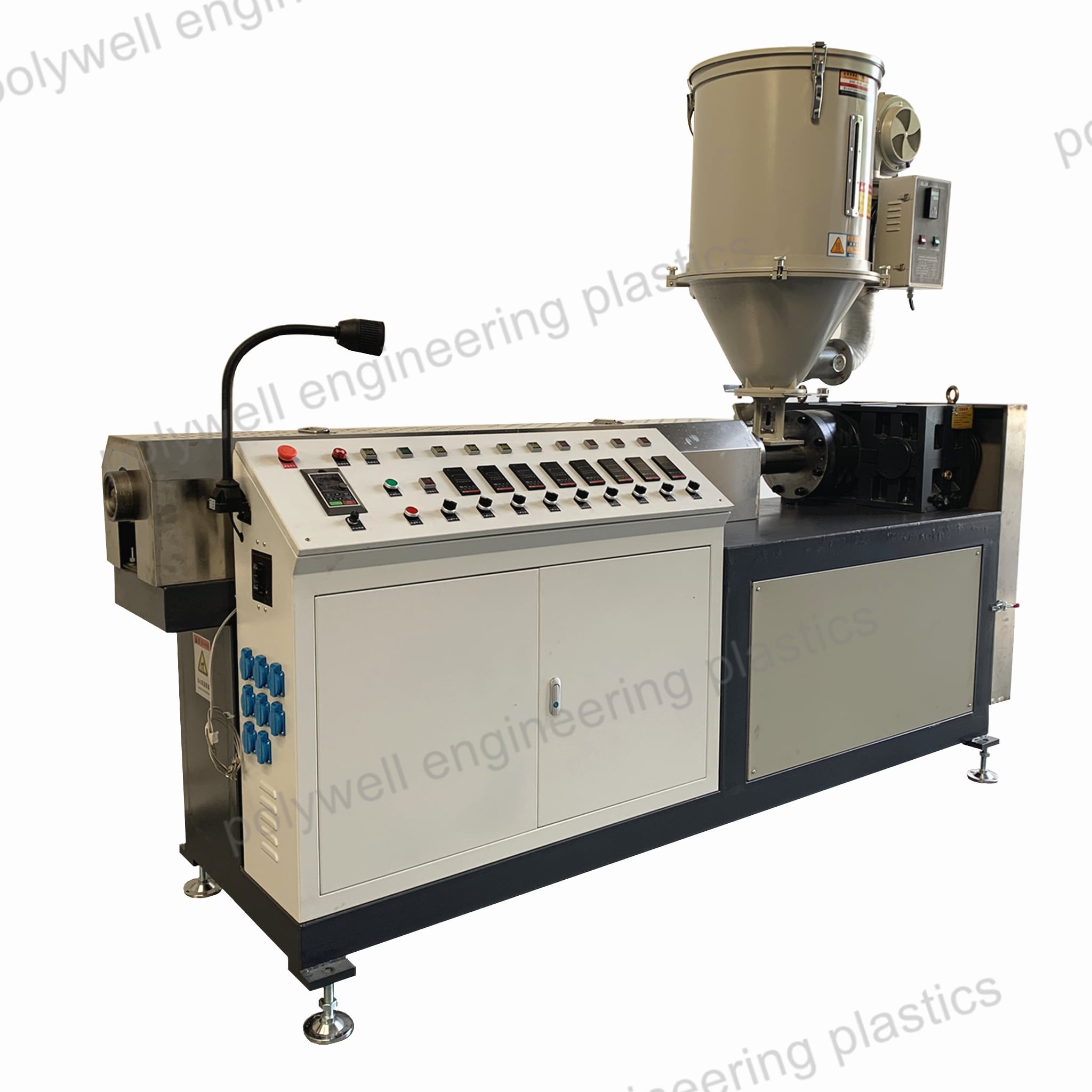
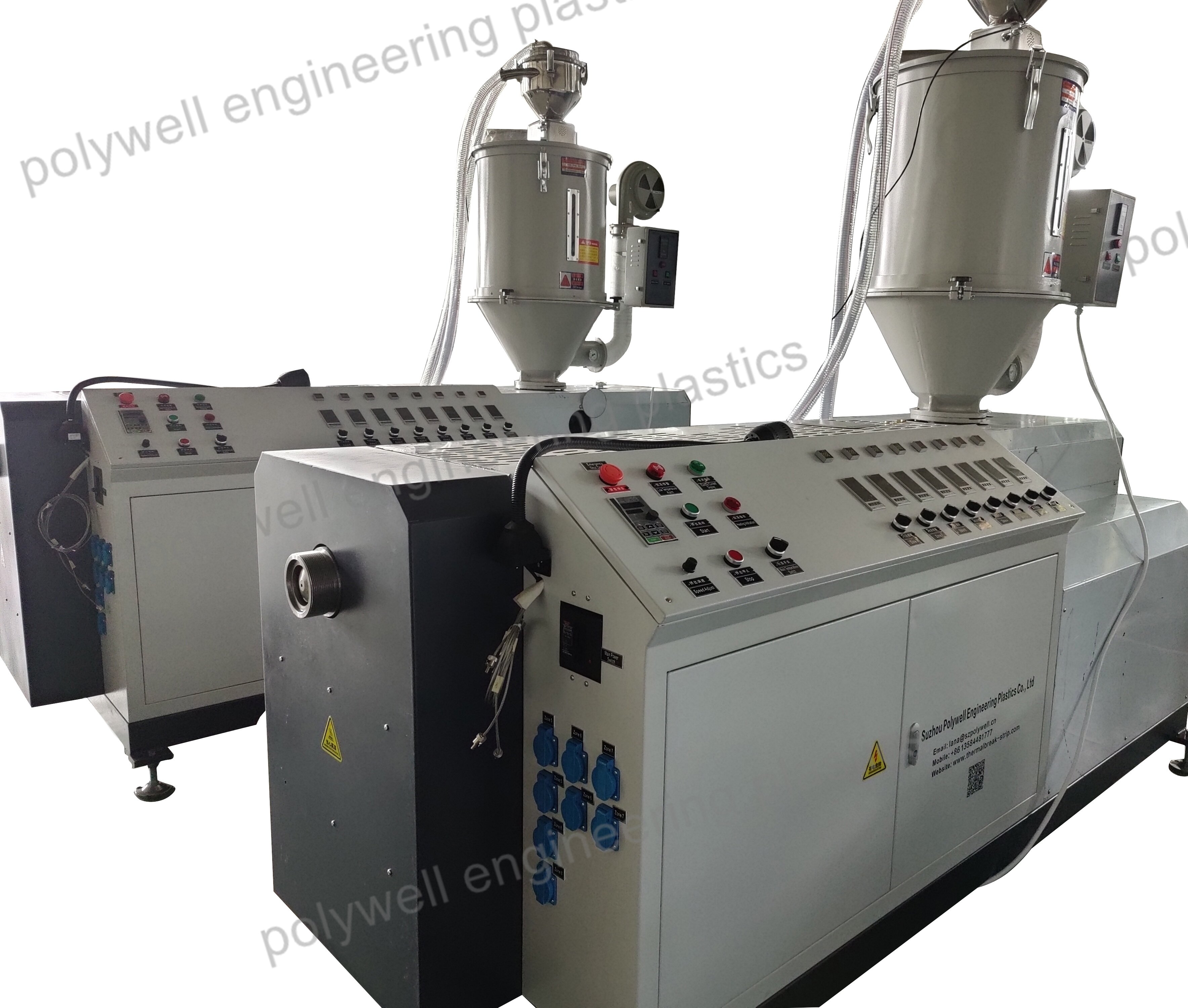
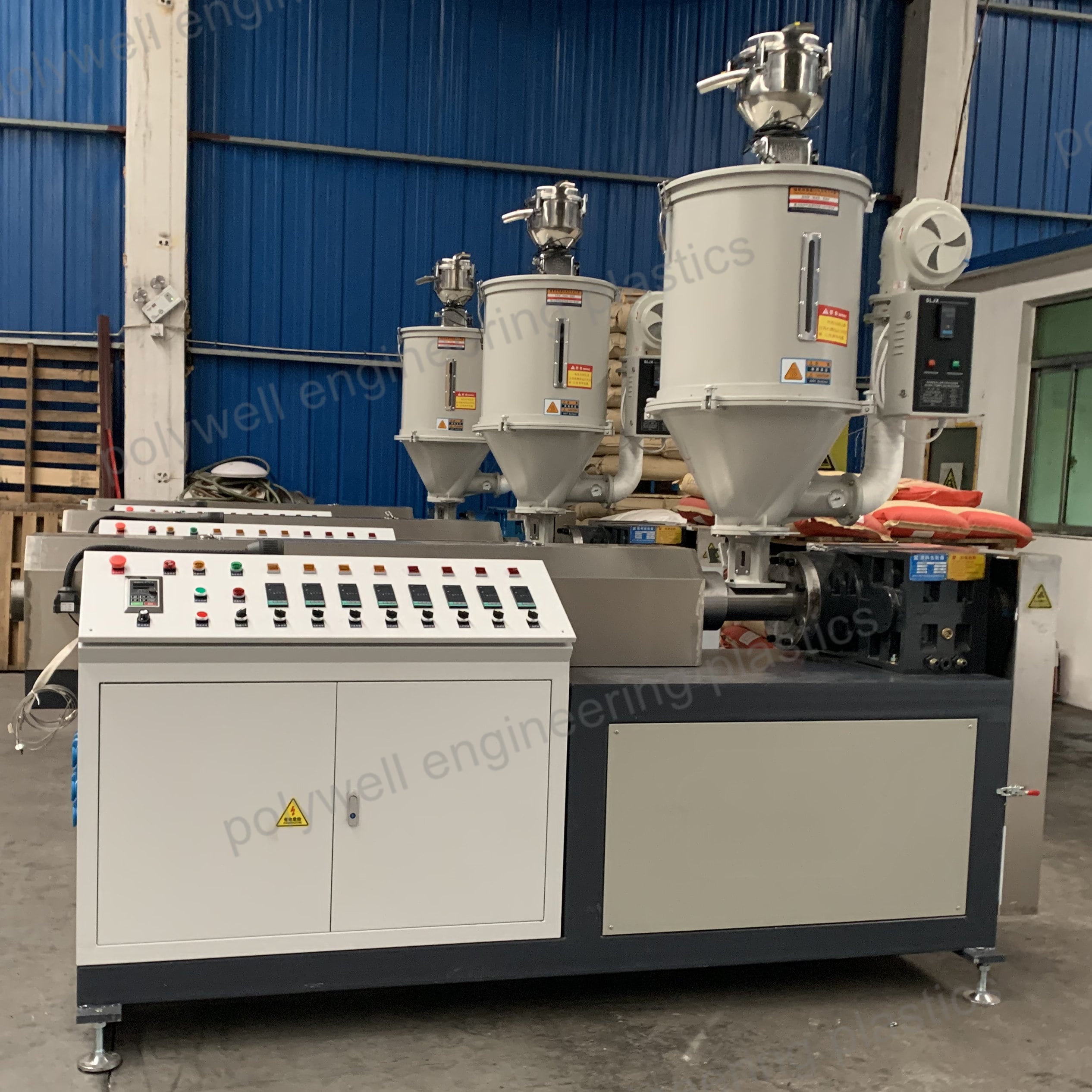
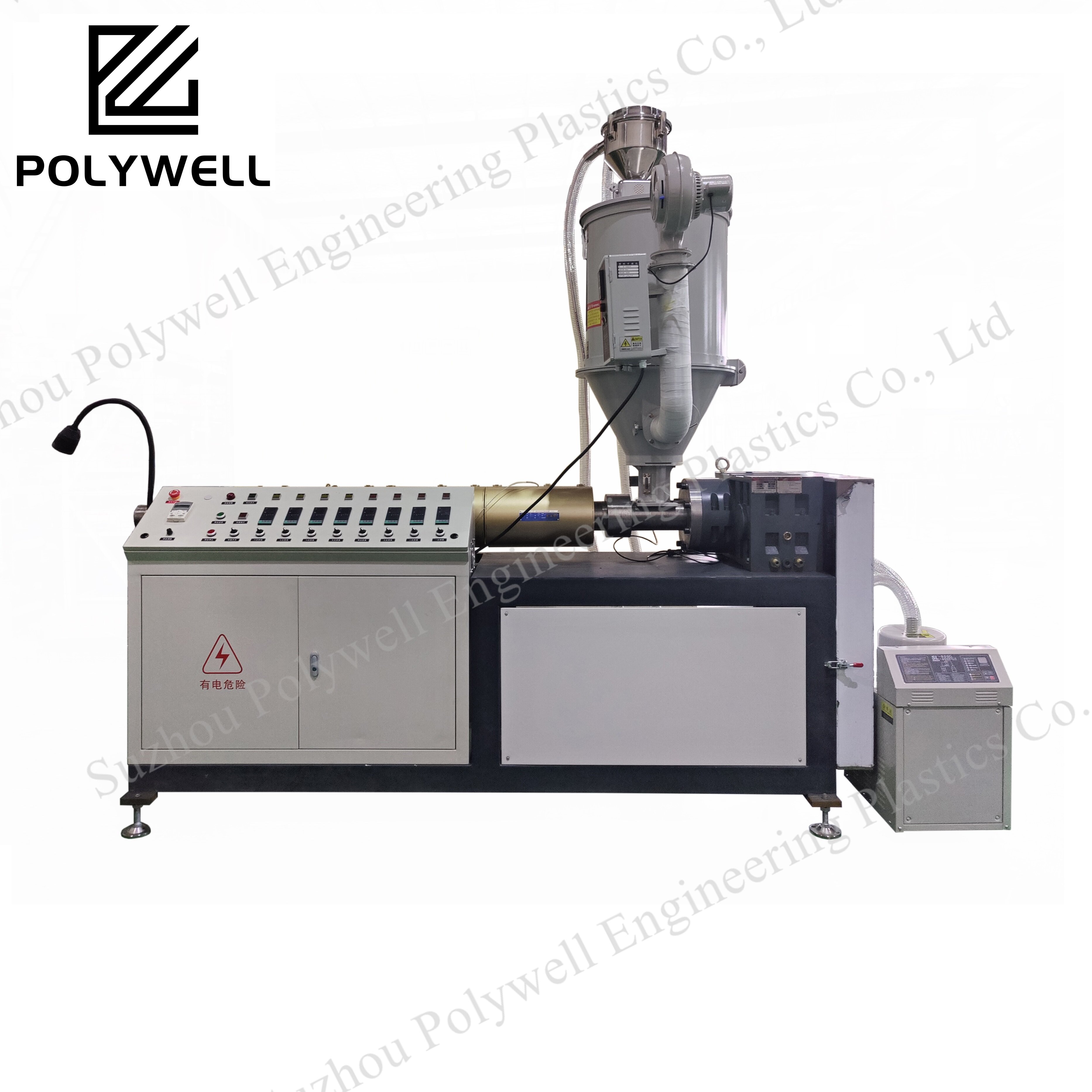
A true one stop service provider offers more than just the strip. They understand the entire production line, including downstream processes like laser marking. They can provide guidance or fully integrated solutions where the haul off, cutting, and laser marking systems are synchronized. This holistic view ensures the strip is presented to the laser marking machine in a stable, clean, and precise manner, further enhancing mark consistency. Their technical support covers not just the extrusion process but the integration of ancillary equipment like the laser marking machine, ensuring all components work in harmony.
By partnering with a single source for your polyamide thermal break strips, you eliminate the blame game between material suppliers and processors if marking issues arise. The one stop provider assumes full responsibility for delivering a product that meets all your requirements, including superior markability. This simplifies your quality assurance process, reduces downtime spent on parameter adjustments, and guarantees that your traceability and branding are always presented clearly and professionally.
In conclusion, the clarity of laser marking on polyamide thermal break strips is influenced by a triad of factors: material composition, laser parameters, and process control. While a well calibrated laser marking machine is vital, its performance is ultimately constrained by the quality and consistency of the substrate it marks. Therefore, the most strategic decision a procurement manager can make is to source strips from a provider that masters the material science at the very beginning. Choosing a one stop service partner ensures you receive a product built on a foundation of perfectly dispersed materials, guaranteeing not only superior mechanical and thermal performance but also the flawless, permanent identification that modern manufacturing and supply chain integrity demand. This integrated approach transforms laser marking from a potential production bottleneck into a seamless, reliable testament to product quality.
 Hot News
POLYWELL specializes in PA66 thermal insulation strips, offering polyamide granules, extruders, molds, winding machines, and comprehensive one-stop customization services.
Jinfeng Town, Zhangjiagang City, Suzhou City, Jiangsu Province, China
Copyright © 2024 Suzhou Polywell Engineering Plastics Co.,Ltd Privacy Policy

 EN
EN