Understanding the Critical Role of Polyamide Thermal Break Strips
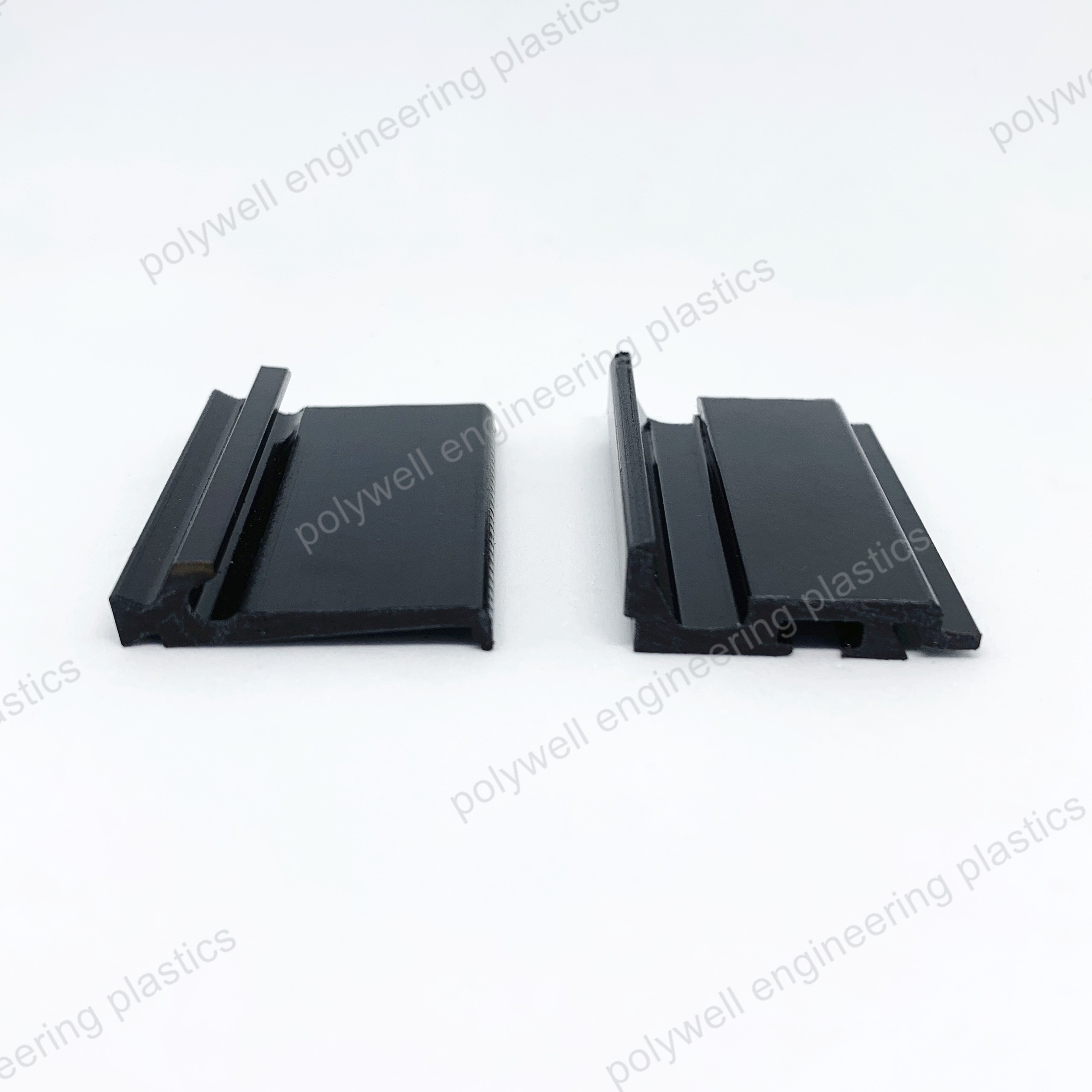
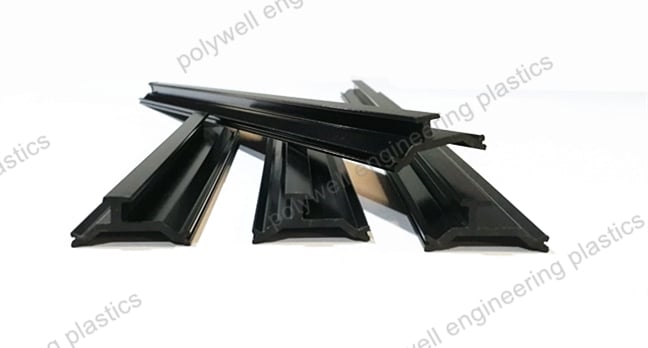
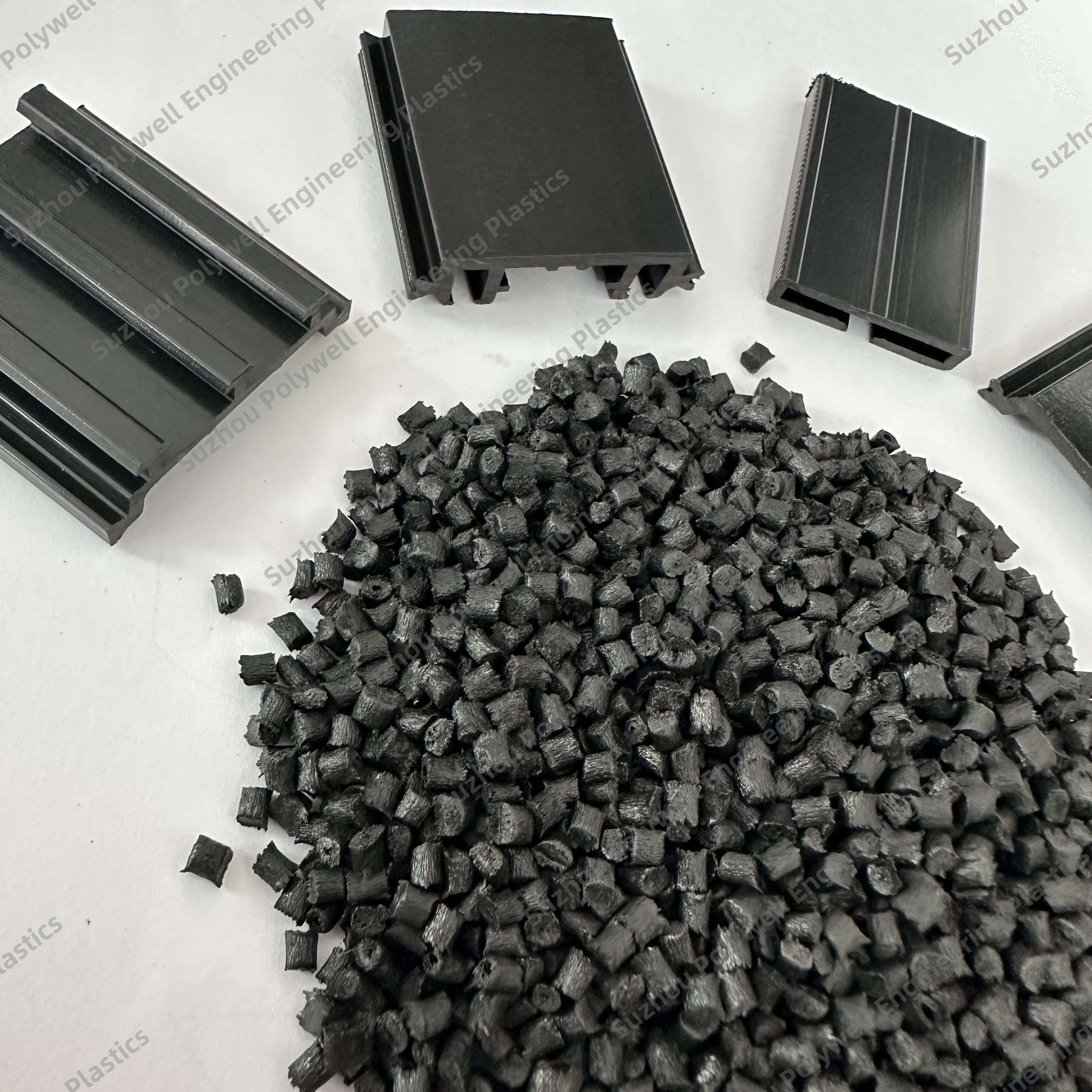
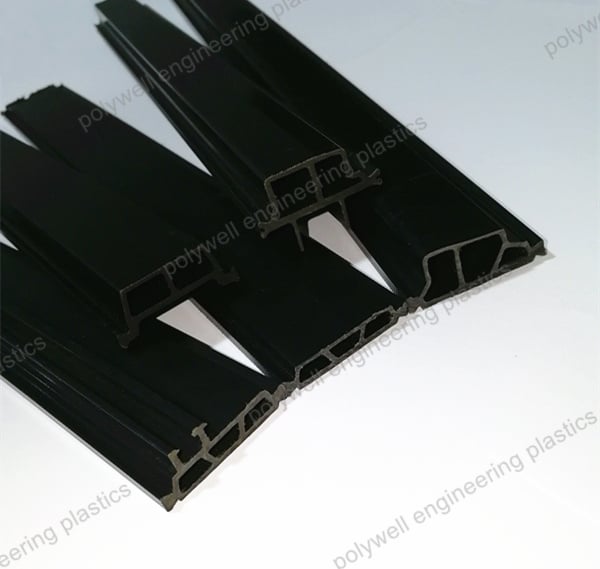
Polyamide thermal break strips stand as the core component in thermal insulation systems for aluminum profiles, acting as the key barrier that prevents heat transfer and ensures energy efficiency in building doors, windows, curtain walls and other architectural profile applications. As a leading provider of one-stop solutions for polyamide thermal break strips with its production base in Suzhou China, Polywell has been dedicated to the research and development of special materials for thermal break strips since 2006, accumulating profound industry knowledge about the performance and failure risks of these strips. We have a clear technical division in thermal break strip production: twin screw extruders are exclusively used for PA66GF25 granule compounding and production, while single screw extruders are the only professional equipment for polyamide thermal break strip extrusion forming, and the two cannot be replaced by each other. A thermal barrier failure in polyamide thermal break strips not only compromises the energy efficiency of building aluminum profile products but also leads to increased operational costs and reduced product lifespan, making it essential for manufacturers to identify the root causes and implement effective solutions.
The Basic Thermal Insulation Mechanism of Polyamide Strips
Polyamide thermal break strips, primarily made from PA66GF25 granules, leverage the low thermal conductivity of polyamide materials combined with the reinforcement of glass fiber to form a reliable thermal barrier between aluminum profile sections. The uniform distribution of glass fiber in the polyamide matrix ensures both structural strength and consistent thermal insulation performance, which is the foundation of effective heat resistance. Notably, the high performance of PA66GF25 granules is the prerequisite for stable thermal insulation performance of the strips: the intermeshing rotation of two screws in twin screw extruders can fully and evenly disperse glass fibers in the polyamide matrix to form a tight mesh distribution, which greatly improves the physical, mechanical and thermal insulation properties of granules. Polywell’s production process for these strips adheres to strict material mixing and single screw extrusion standards, ensuring that the high-performance PA66GF25 granules are processed to maintain the material’s inherent thermal insulation properties. Any disruption to the material structure or production process can break the thermal insulation mechanism, leading to barrier failure.
Industrial Standards for Polyamide Thermal Break Strip Performance
Global industrial standards have clear specifications for the thermal conductivity, mechanical strength and thermal stability of polyamide thermal break strips for architectural aluminum profiles, all of which directly relate to the effectiveness of the thermal barrier. Polywell’s products are manufactured to meet these international standards, with each batch of polyamide thermal break strips undergoing rigorous performance testing to ensure compliance. For manufacturers, adhering to these standards is non-negotiable, as substandard strips are far more prone to thermal barrier failure in real-world building applications. Polyamide thermal break strips rely on strict compliance to maintain their thermal insulation function over the long service life of building doors, windows and curtain walls.
Primary Causes of Thermal Barrier Failure in Polyamide Thermal Break Strips
Thermal barrier failure in polyamide thermal break strips is never a random occurrence; it is almost always the result of material defects, improper production processes, poor mold design, incorrect installation or inadequate environmental protection. Polywell’s Design for Manufacturing service allows the company to predict these potential failure risks in advance, drawing on over 18 years of industry experience and its expertise in extruder and mold production for polyamide strips. By analyzing hundreds of cases of thermal barrier failure in architectural applications, Polywell has identified the most common root causes that manufacturers need to address, all of which are closely related to the core links of thermal break strip production and application.
Inferior Raw Material Quality and Incorrect Formulation
The use of low quality PA66GF25 granules or incorrect material formulation is the number one cause of thermal barrier failure. Pure polyamide materials lack sufficient structural strength for architectural aluminum profile use, and insufficient glass fiber content, poor quality glass fiber or uneven fiber distribution leads to reduced thermal stability and increased thermal conductivity of the strips. Some unqualified manufacturers cut costs by using recycled polyamide materials or reducing glass fiber proportion, which directly breaks the thermal insulation structure of the strips. Polywell sources only high quality PA66GF25 granules for its production, with a strict material inspection process to ensure the correct formulation and purity of raw materials. What’s more, our twin screw granulation line ensures the uniform mesh distribution of glass fibers in granules, laying a solid foundation for the thermal insulation performance of finished strips. This commitment to raw material quality is the fundamental guarantee for avoiding thermal barrier failure of polyamide thermal break strips.
Defective Extrusion Process and Improper Machine Operation
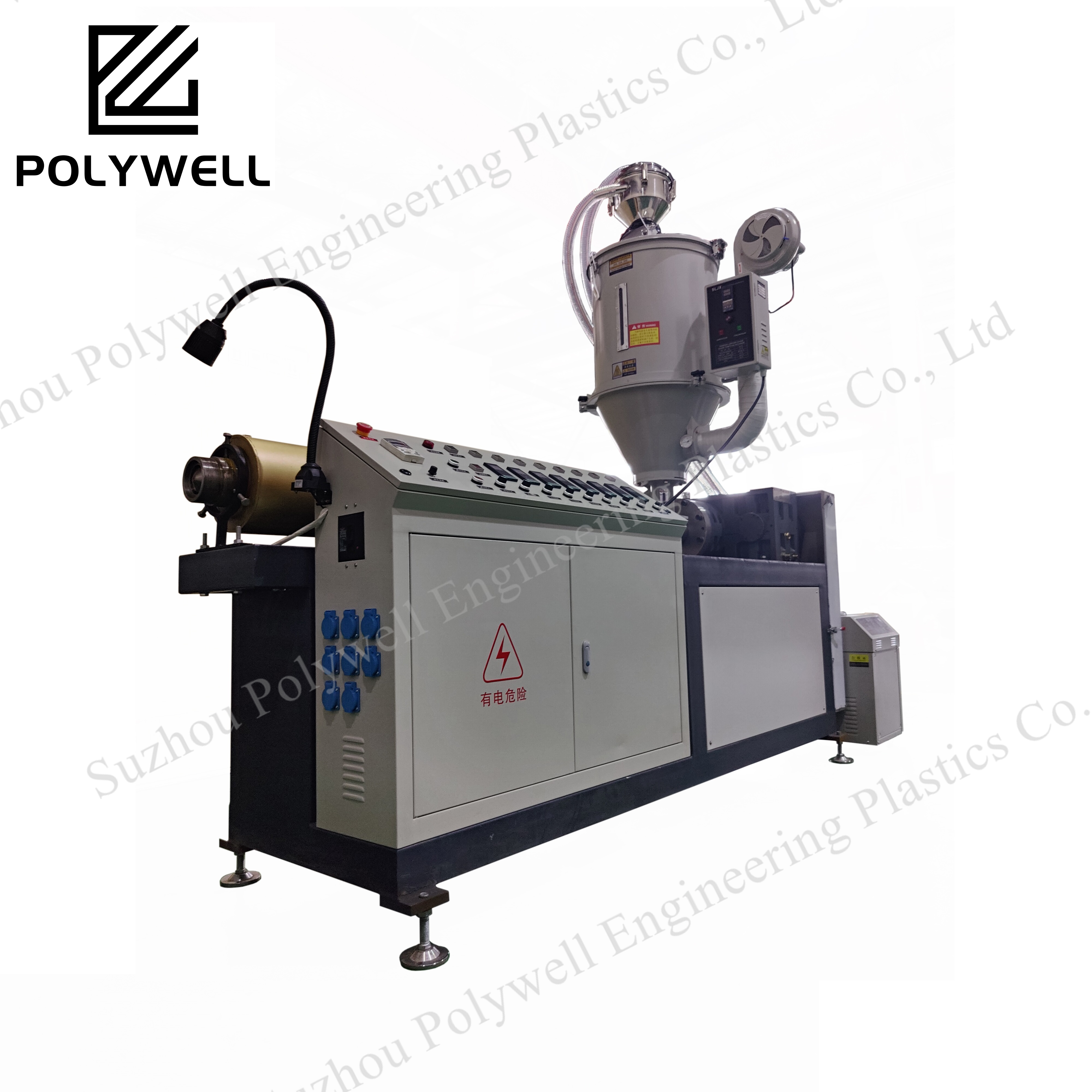
The single screw extrusion process is the core of polyamide thermal break strip production, and any defects in this process can lead to thermal barrier failure. A single screw extruder that is not properly calibrated, incorrect temperature and speed settings during extrusion, or uneven plasticization of high-performance PA66GF25 granules can result in internal cracks, uneven density or poor glass fiber distribution in the finished strips. These internal defects are not always visible to the naked eye but severely compromise the thermal insulation performance, creating weak points where heat transfer occurs easily in building applications. Polywell provides professional production technology training for its customers, teaching workers the correct operation of single screw extruders and the optimal process parameters for polyamide strip production, ensuring that the extrusion process fully retains the excellent performance of PA66GF25 granules.
Poor Mold Design and Manufacturing Precision
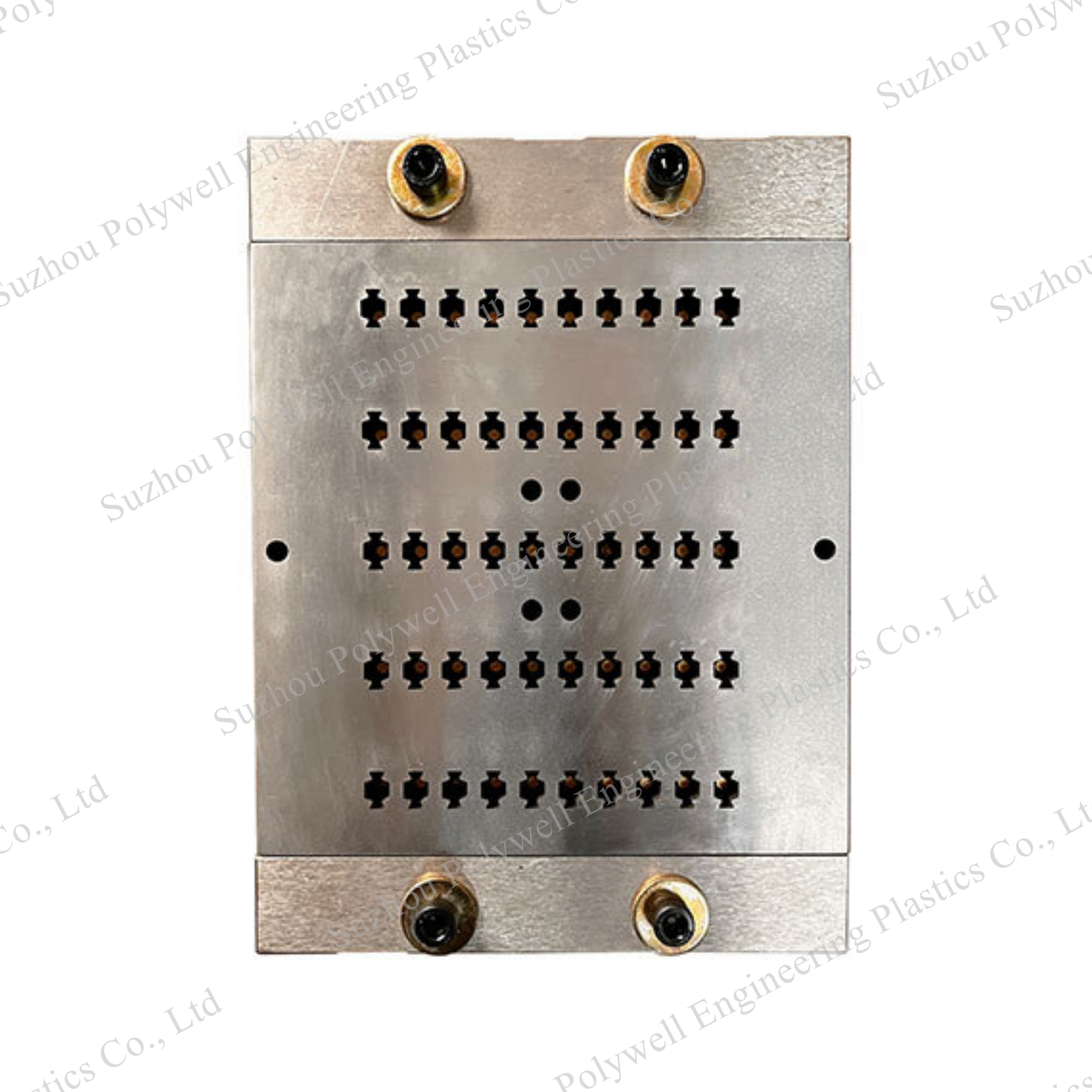
Mold design and manufacturing precision have a direct impact on the shape and internal structure of polyamide thermal break strips for architectural aluminum profiles. Extrusion molds with unreasonable flow channels, incorrect dimensions or rough internal surfaces can cause uneven material flow during single screw extrusion, leading to the formation of air bubbles, voids or inconsistent thickness in the strips. These flaws create gaps in the thermal barrier, allowing heat to pass through and resulting in failure in building door, window and curtain wall applications. As a specialist in mold production for polyamide strips, Polywell’s engineering team designs molds with precise flow channels and strict dimensional tolerances tailored to architectural profile requirements, and each mold is tested and adjusted before mass production to ensure perfect product formation. The high precision of mold design and manufacturing is a key factor in avoiding structural defects of thermal break strips and ensuring stable thermal insulation performance.
Incorrect On-site Installation and Mechanical Damage
Even high quality polyamide thermal break strips can experience thermal barrier failure if installed incorrectly on aluminum profiles for buildings. Excessive force during installation, improper alignment with aluminum profile sections, or the use of incompatible fasteners can cause physical damage to the strips, such as cracks, breaks or deformation. Mechanical damage disrupts the continuous thermal barrier structure between aluminum profile sections, creating pathways for heat transfer and reducing the energy efficiency of building doors and windows. Polywell offers on-site service to its customers, sending professional technicians to the installation site to guide the correct installation of polyamide thermal break strips and avoid mechanical damage during the process. This on-site support is a key advantage that sets Polywell apart in the industry.
Inadequate Protection Against Harsh Environmental Conditions
Polyamide thermal break strips are used in a variety of outdoor building environments, and inadequate protection against harsh conditions such as extreme temperatures, humidity, ultraviolet radiation and chemical corrosion can lead to gradual thermal barrier failure. Prolonged exposure to high temperatures can cause the polyamide material to age and shrink, while moisture and chemicals can erode the material structure and reduce its thermal insulation properties, which directly affects the energy efficiency and service life of building aluminum profile products. Polywell’s polyamide thermal break strips are processed with special anti-aging and anti-corrosion additives during the twin screw granulation stage, and the company also provides customers with guidance on environmental protection measures for the strips during use and storage, ensuring that the strips can maintain stable thermal insulation performance in various outdoor building environments.
Effective Solutions to Fix and Prevent Thermal Barrier Failure
Identifying the root causes of thermal barrier failure is only the first step; the key is to implement targeted solutions and preventive measures to ensure the long-term thermal insulation performance of polyamide thermal break strips in building applications. Polywell’s one-stop service for polyamide thermal break strip production lines combines high quality products, professional technology and comprehensive after-sales support to provide customers with a full set of solutions to fix and prevent failure. These solutions are based on Polywell’s core advantages and cover the entire production and application process of thermal break strips, from raw material granulation to on-site installation.
Source High Quality Raw Materials and Standardize Formulation
The most fundamental solution to prevent thermal barrier failure is to use only high quality PA66GF25 granules and adhere to the standard material formulation tailored to architectural aluminum profile requirements. Polywell supplies pure and high-performance PA66GF25 granules (produced by our professional twin screw granulation line) as part of its raw material product line for polyamide strips, ensuring that customers have access to reliable raw materials that meet international standards with uniform glass fiber mesh distribution. Manufacturers should establish a strict raw material inspection system, rejecting any low quality or counterfeit materials, and strictly follow the recommended formulation ratio of polyamide and glass fiber. Only by ensuring the high quality of raw materials can the inherent thermal insulation performance of polyamide thermal break strips be guaranteed.
Optimize Extrusion Process and Calibrate Production Equipment
Optimizing the single screw extrusion process and calibrating production equipment is critical to eliminating process-related defects in polyamide thermal break strips. Polywell provides customized extrusion process solutions for customers, based on the type of single screw extruder used and the specific requirements of thermal break strips for building doors, windows and curtain walls. The company’s technical team helps customers calibrate extruder temperature, speed and pressure parameters to ensure uniform plasticization of PA66GF25 granules and smooth material flow, fully retaining the material’s excellent thermal insulation and mechanical properties. Regular maintenance and calibration of extrusion equipment are also essential to prevent process defects over time. Polywell’s lifelong technical support ensures that customers can always get professional guidance on equipment calibration and process optimization for thermal break strip production.
Adopt Precision Mold Design and High Quality Manufacturing
Investing in precision mold design and high quality mold manufacturing is a key step to avoid mold-related thermal barrier failure. Polywell’s mold production for polyamide strips features advanced design software and high precision processing equipment, ensuring that each mold has reasonable flow channels, accurate dimensions and smooth internal surfaces tailored to the specifications of architectural aluminum profiles. The company also tests each mold by producing sample strips and conducting performance testing to confirm that the mold can produce defect-free products with stable thermal insulation performance. For manufacturers who need custom molds for special architectural profile requirements, Polywell’s engineering team works closely with customers to design personalized molds, ensuring that the produced thermal break strips perfectly match the aluminum profile sections and maintain a continuous and complete thermal barrier.
Implement Correct Installation Procedures and Avoid Mechanical Damage
To prevent installation-related thermal barrier failure, manufacturers and installers must implement correct installation procedures and avoid any mechanical damage to the strips during the assembly of building aluminum profiles. Polywell’s on-site service team provides detailed installation training and guidance, teaching installers the correct methods of handling, aligning and fixing polyamide thermal break strips with aluminum profile sections. The company also recommends the use of compatible fasteners and tools to avoid excessive force during installation. By standardizing the installation process for building door, window and curtain wall aluminum profiles, the risk of mechanical damage and subsequent thermal barrier failure is significantly reduced, ensuring the integrity of the thermal insulation structure.
Strengthen Environmental Protection and Adopt Anti-aging Treatments
Strengthening environmental protection and adopting anti-aging treatments for polyamide thermal break strips is essential to prevent long-term environmental-related failure in outdoor building applications. Polywell adds anti-UV, anti-corrosion and anti-aging additives to its PA66GF25 granules during the twin screw granulation stage, enhancing the material’s resistance to harsh outdoor environmental conditions. The company also advises customers on proper storage and use of the strips, such as avoiding prolonged exposure to direct sunlight and humid environments before installation, and applying protective coatings in highly corrosive building environments. These measures effectively slow down the aging of polyamide materials, ensuring that the thermal break strips maintain stable thermal insulation performance throughout the service life of building products.
Polywell’s Five Core Advantages in Solving Thermal Barrier Failure Issues
When it comes to solving and preventing thermal barrier failure in polyamide thermal break strips for architectural aluminum profiles, Polywell stands out in the industry with five core advantages built on over 18 years of R&D experience, one-stop service capabilities and a deep understanding of the polyamide strip production process. These advantages not only make Polywell the trusted partner for manufacturers of polyamide thermal break strips but also fully meet the production and application needs of thermal break strip customers in the architectural aluminum profile industry. All of these advantages are rooted in Polywell’s production base in Suzhou China, a hub of architectural aluminum profile supporting material processing and manufacturing with a complete industrial chain.
One Stop Service for the Entire Production Line
Polywell provides one-stop service covering all products and equipment of the polyamide thermal break strip production line, from high quality PA66GF25 granules (twin screw granulation) and precision extrusion molds to single screw extruders and supporting equipment like cutting machines and winding machines. This integrated service ensures that every link in the production process is optimized and matched, eliminating the risk of thermal barrier failure caused by mismatched materials and equipment. From raw material granulation to finished product extrusion, all core equipment and materials are provided by Polywell, forming a complete and standardized production system for high-performance polyamide thermal break strips, which is the fundamental guarantee for avoiding product failure.
Design for Manufacturing to Predict Failure Risks
Polywell’s Design for Manufacturing service is a unique advantage that allows the company to predict potential product and production process risks before mass production begins. The company’s engineering team uses advanced simulation technology and rich industry experience in architectural aluminum profile applications to analyze the design of polyamide thermal break strips and the production process, identifying any factors that may lead to thermal barrier failure and proposing targeted improvements. This proactive risk prevention approach significantly reduces the chance of failure in the finished product, and the optimized product and process design ensures that the thermal break strips have excellent and stable thermal insulation performance in actual building applications.
Professional Production Technology and Worker Training
Polywell not only provides high quality production equipment and raw materials but also offers comprehensive production technology support and worker training tailored to thermal break strip production. The company’s professional technical team trains customers’ workers on every aspect of polyamide thermal break strip production, from PA66GF25 granule handling and single screw extruder operation to mold maintenance and product performance inspection. This training ensures that workers have the skills and knowledge to operate the equipment correctly and follow the optimal production process, eliminating human error that can cause thermal barrier failure. The standardized operation of the production process is a key factor in ensuring the consistent quality of polyamide thermal break strips.
On-site Service for Real-time Problem Solving
Polywell’s on-site service is a key advantage that addresses thermal barrier failure issues in real time throughout the production and application process. The company’s technical team can travel to customers’ factories and building installation sites anywhere in the world to solve production and installation problems that may lead to thermal barrier failure. Whether it is calibrating a single screw extruder, adjusting a mold, or guiding the correct installation of thermal break strips on aluminum profiles, Polywell’s on-site technicians provide immediate solutions to minimize production downtime and prevent further failure. This on-site support is especially valuable for international customers, who benefit from Polywell’s global service network built on its international business expansion.
Lifelong Technical Support and After-sales Guarantee
Polywell provides lifelong technical support and a reliable after-sales guarantee for all its products and services, which is a crucial advantage for preventing long-term thermal barrier failure of polyamide thermal break strips in building applications. Customers can contact Polywell’s technical team at any time for advice on production process optimization, equipment maintenance or product performance improvement for thermal break strips, and the company also provides regular follow-up services to check the operation of production lines and the performance of polyamide thermal break strips in actual building use. This lifelong technical support ensures that customers can always solve various problems encountered in the production and application of thermal break strips in a timely manner, maintaining the long-term stable thermal insulation performance of the products.
Conclusion
Thermal barrier failure in polyamide thermal break strips is a solvable problem, as long as manufacturers identify the root causes and implement targeted solutions and preventive measures throughout the entire production and application process. From sourcing high quality PA66GF25 granules produced by twin screw extruders and optimizing the single screw extrusion process to adopting precision mold design tailored to architectural profiles, implementing correct installation procedures and strengthening environmental protection for outdoor building use, every step is critical to maintaining the thermal insulation performance of the strips. As a leading provider of one-stop solutions for polyamide thermal break strips with its production base in Suzhou China, Polywell combines its 18 years of R&D experience, five core advantages and comprehensive service capabilities to help customers solve and prevent thermal barrier failure, ensuring that their polyamide thermal break strips deliver reliable and long-lasting thermal insulation performance in building aluminum profile doors, windows and curtain walls.
Polywell has always focused on the R&D, production and service of polyamide thermal break strips for the architectural aluminum profile industry, and has formed a complete industrial chain advantage from PA66GF25 granule twin screw granulation to thermal break strip single screw extrusion, mold design and manufacturing, and on-site installation guidance. By adhering to the principles of quality, precision and service, Polywell helps all its customers produce high-quality polyamide thermal break strips that avoid thermal barrier failure and meet the highest international industry standards for building energy efficiency. In the future, Polywell will continue to invest in R&D and innovation, developing more advanced materials and production technologies for polyamide thermal break strips, and providing even better one-stop solutions for customers around the world in the architectural aluminum profile industry, contributing to the improvement of building energy efficiency and the development of green building materials.
 Hot News

 EN
EN